REVIEW · TOKYO
Tokyo: Meiji Jingu Shrine and Shinto Culture Walking Tour
Book on GetYourGuide →Operated by Traveling Tokyo · Bookable on GetYourGuide
Meiji Jingu feels like Tokyo turns off. In a tight 2-hour window, you get guided Shinto context at one of Japan’s most famous shrines, plus the slow-breathe quiet of the Imperial Garden and its walking paths. I especially love how the tour helps you read the details you’d normally miss, from the big torii entrance to consecrated offerings.
The second thing I like a lot is the way the guides handle questions, including the practical “how do I pray here?” part that makes the whole visit feel natural instead of confusing. The main drawback to consider: you’ll be walking at a steady pace through several key spots, so if you want a long, no-schedule wander, you might feel a bit time-boxed.
In This Review
- Key Things I’d Prioritize on This Meiji Jingu Shinto Tour
- Meiji Jingu in 2 Hours: Why This Tour Works Better Than DIY
- Starbucks With Harajuku: A Meeting Point That Actually Reduces Stress
- Meiji Jingu Gyoen: Calm Garden Grounds and a Quick Photo Reset
- The Big Torii Gate: How to Read the Entrance to Sacred Space
- Consecrated Sake Barrels and Wine Barrels: Offerings You Can Understand
- The Main Shrine Visit: 1 Hour of Sightseeing and Shinto Context
- What I’d watch for at this stop
- The Sacred Forest of 100,000 Trees: A Walk That Changes the Mood
- Guides, Photos, and What You’re Really Paying For
- It’s Not Just Meiji Jingu: How This Tour Helps You Enjoy the Rest of Tokyo
- Price, Timing, and Logistics: Getting the Best Value From $19
- Who Should Book This (and Who Might Skip It)
- Should You Book This Meiji Jingu Shinto Culture Tour?
- FAQ
- FAQ
- How long is the Meiji Jingu Shrine and Shinto Culture Walking Tour?
- What does the tour cost, and what’s included at that price?
- Where do we meet for the tour?
- What are the main stops during the 2-hour walk?
- Does the tour take photos for you?
- Is the tour available in English?
- Is the Imperial Garden included?
- Is the tour wheelchair accessible?
- Can I cancel if my plans change?
Key Things I’d Prioritize on This Meiji Jingu Shinto Tour
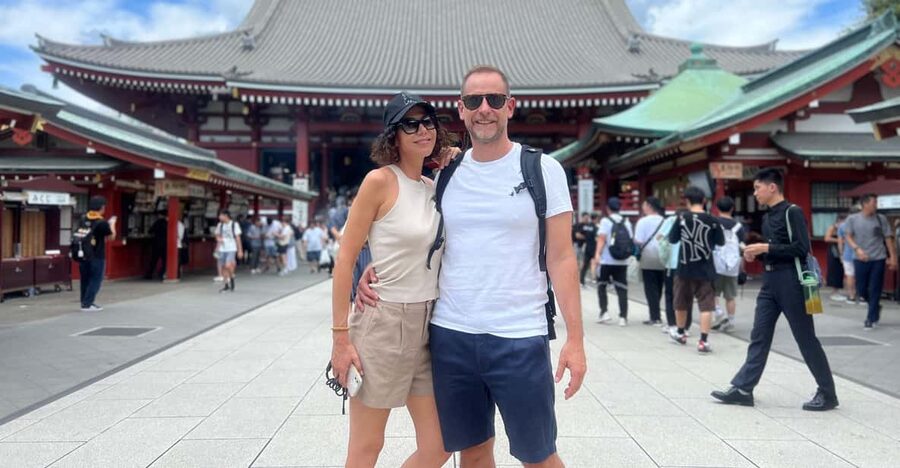
- Shinto rituals explained in plain language, so the shrine stops looking like random symbolism
- Imperial Garden (Meiji Jingu Gyoen) photo stop, with calmer grounds than the main crowds
- Big torii moment on the route, which helps you understand how entry to sacred space works
- Consecrated sake and wine barrels, plus what “offering” means in Shinto practice
- A short walk through a sacred forest of 100,000 trees, the part you’ll feel in your body
- English guide + photos taken for you, useful when you want clear, well-timed shrine shots
Meiji Jingu in 2 Hours: Why This Tour Works Better Than DIY
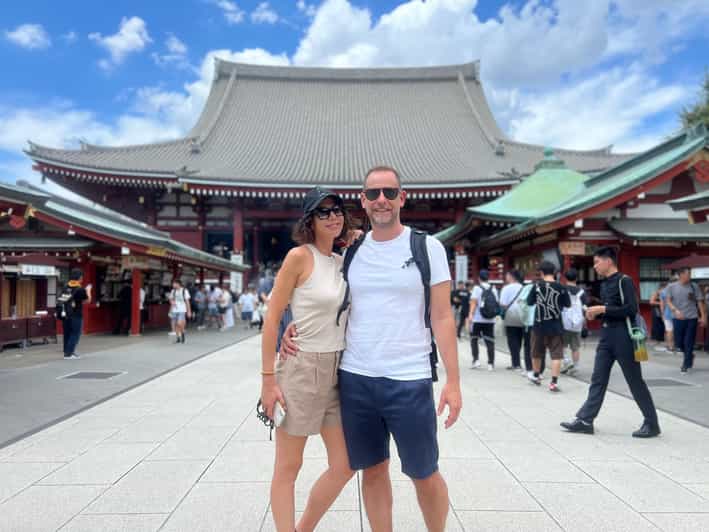
Meiji Jingu Shrine is huge in reputation, but that can trick you into thinking you’ll “just walk around” and understand it. This tour is built to help you connect the dots fast. You start with a structured path through the shrine grounds, and a guide gives context as you move so nothing feels like a sightseeing checklist.
At $19 per person for about 2 hours, this isn’t just a guided walk. You’re getting an English-speaking professional guide, entry/admission to Meiji Shrine and the Imperial Garden, and even photos taken during the tour. For first-time Tokyo visits, that’s solid value because you’re paying to save time and avoid the awkward guesswork that can come with temple/shrine etiquette.
The other reason it works is pacing. You’re not stuck in a long day tour, and you can fit this into your schedule without sacrificing too much energy. The route focuses on high-impact stops: the garden, the major gate, the consecrated offerings, and the main shrine area.
You can also read our reviews of more walking tours in Tokyo



Starbucks With Harajuku: A Meeting Point That Actually Reduces Stress
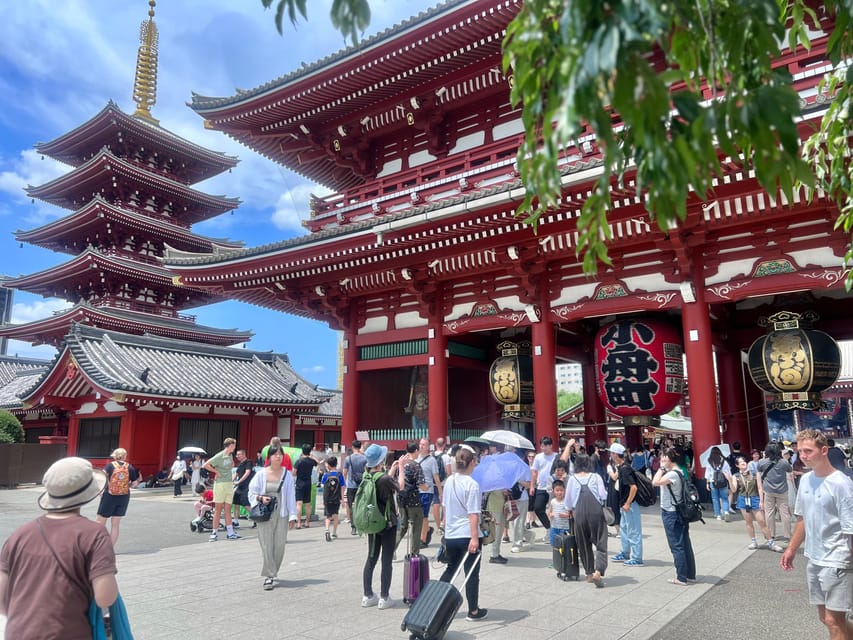
Your tour begins at Starbucks Coffee near Harajuku, right by the Meiji Jingu area (meeting in front of the closest Starbucks to the shrine). I like this setup because it’s easy to find even if you’re still learning the city rhythm.
The coordinates listed for the meeting point make it straightforward to plug into maps. And since the tour is wheelchair accessible, the meeting spot being simple and reliable matters. If you’re traveling with anyone who prefers minimal navigation, this kind of meeting point reduces friction on day one.
Meiji Jingu Gyoen: Calm Garden Grounds and a Quick Photo Reset
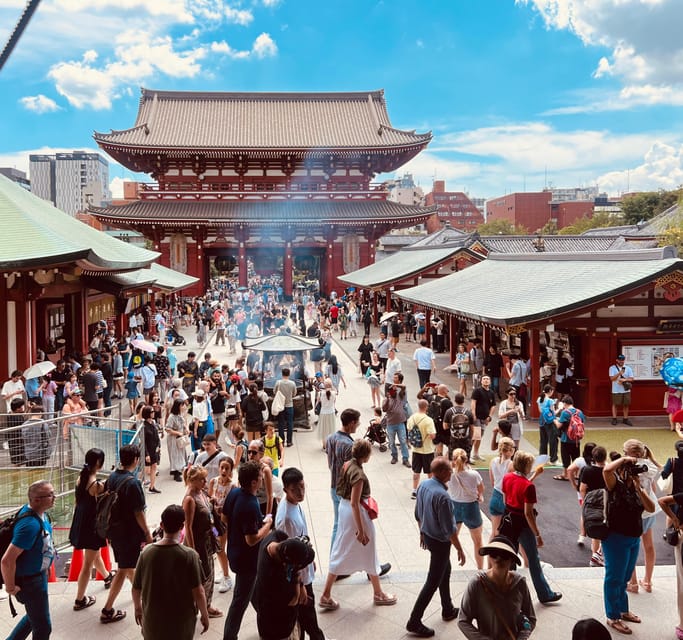
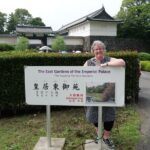
You kick off with Meiji Jingu Gyoen, starting with a photo stop and a guided segment. The Imperial Garden part is one of the best values of the tour because it slows you down right away. Instead of jumping straight into the busiest main shrine areas, you begin in the calmer, greener transition space.
This garden section is ideal if you’re the type who wants your photos to look intentional. A guide can help you frame the scene so you don’t only capture the obvious postcard angles. And it also sets up a key theme of the visit: Shinto space isn’t just about buildings, it’s about the way nature is treated as part of the sacred experience.
One practical note: garden paths can feel smoother and quieter, but you’ll still be walking. If your day includes other heavy sightseeing, keep this as your “start gentle, learn fast” activity.
The Big Torii Gate: How to Read the Entrance to Sacred Space
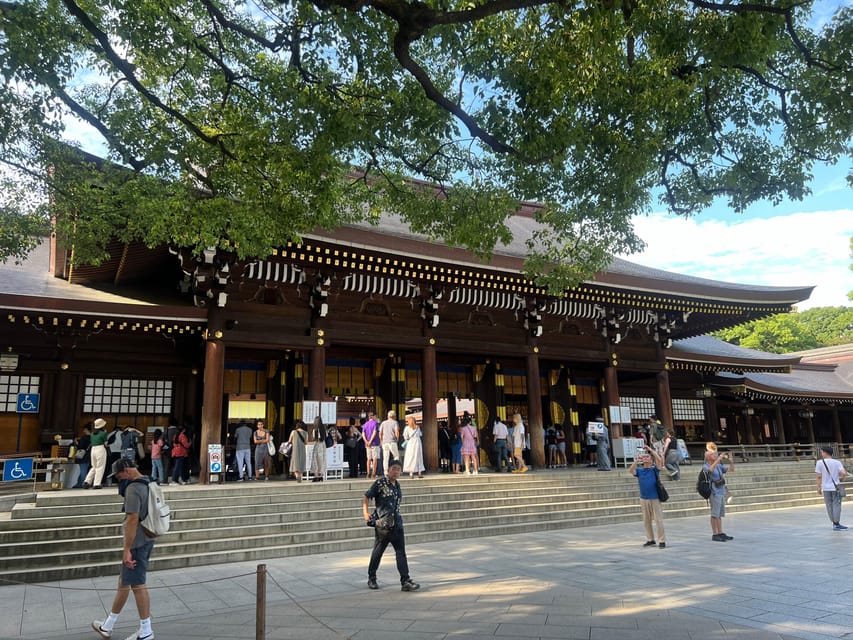
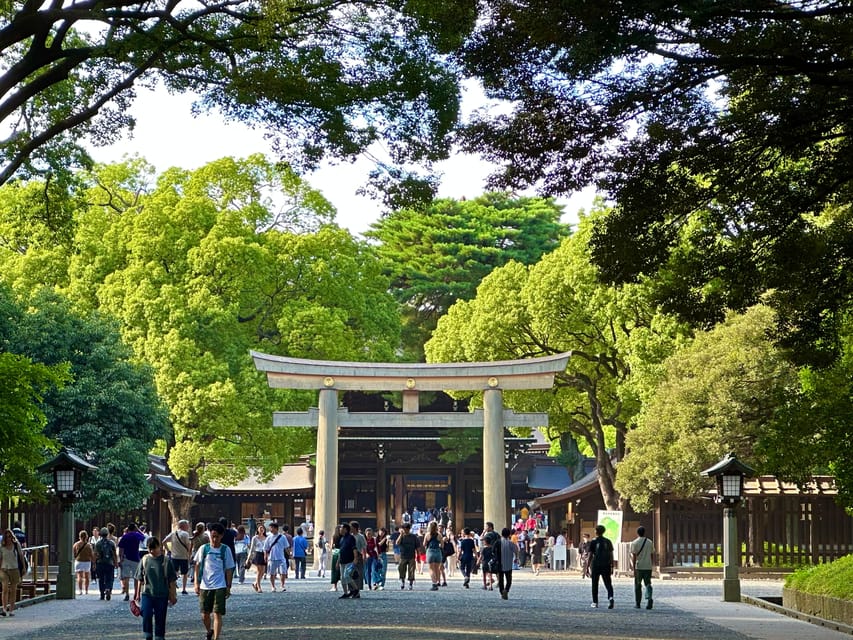
Next comes the Big Torii, with a focused guided segment (about 10 minutes). The torii isn’t just a photo spot. It’s a physical reminder that you’re crossing into a different kind of space—one where behavior and attention shift.
A strong guide makes this moment click. They’ll explain the symbolism behind the ritual approach so you’re not treating the gate as just an impressive arch. When you understand what the transition means, the walk afterward feels more respectful and less like random wandering.
Also, this stop is short by design. You get the big visual reference without losing time before you reach the offerings and main shrine area.
Consecrated Sake Barrels and Wine Barrels: Offerings You Can Understand
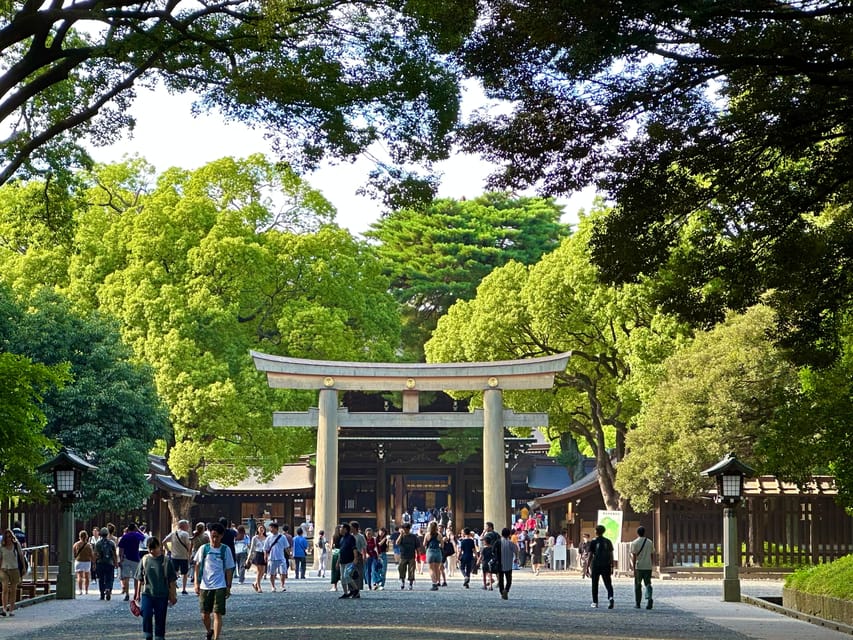
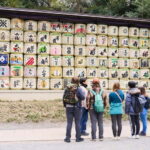
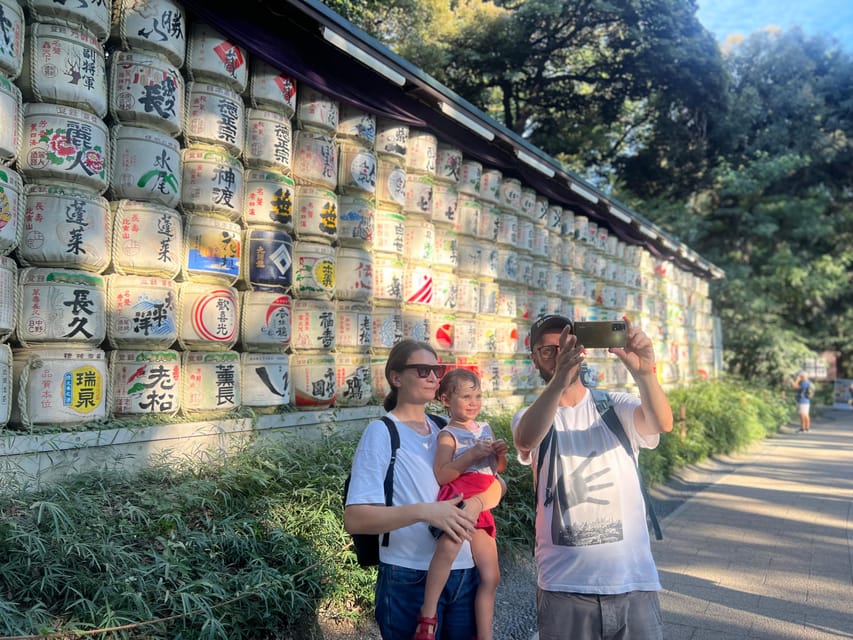
Two of the tour’s standout stops are the consecrated sake barrels and the consecrated wine barrels. Each gets its own short guided segment (about 10 minutes each), and that separation matters because these offerings have meaning beyond “something visitors look at.”
Here’s what you should take away: in Shinto practice, offerings connect people, time, and the sacred presence in a very practical way. Your guide should help you understand what you’re seeing and how it fits into the larger rhythm of shrine visits.
I also like that the tour doesn’t pretend these items are obvious. It explains the symbolism so you’re not staring at barrels wondering what your next move is.


The Main Shrine Visit: 1 Hour of Sightseeing and Shinto Context
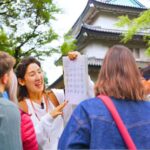
The heart of the tour is the Meiji Shrine guided visit and sightseeing block, about 1 hour. This is where the experience becomes more than “see the famous place.” You’re walking through the sacred grounds with a guide who can point out features you’d likely miss on your own.
This is also where the difference between Shinto and related religious practices comes up in a helpful way. Several guides have explained how Shinto rituals connect to daily life and how visitors should think about what they’re observing. In particular, guides often answer questions about how prayer works at shrines, so you’re not left guessing.
If you like cultural details, the shrine area can also support smaller personal rituals. Some visitors mention experiences like writing on ema and getting items stamped. If you’re curious about that side, ask your guide where it fits best in the flow of the grounds.
What I’d watch for at this stop
You’ll be in a sacred environment where people move at different speeds. The tour gives structure, but your best experience comes from slowing down for the moments your guide highlights. Take it in like you’re learning a place, not just ticking it off.
The Sacred Forest of 100,000 Trees: A Walk That Changes the Mood
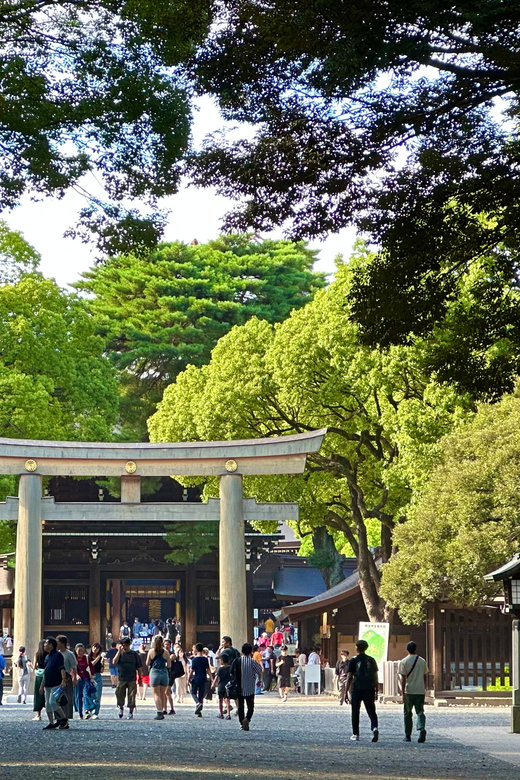
One promise of the tour is the route through a sacred forest of 100,000 trees, and that’s exactly the kind of feature you can feel. The shift from city energy to a calmer, greener rhythm is the point. It’s not just “scenery.” It’s part of how Meiji Jingu creates a spiritual atmosphere.
This is the segment I’d treat as a breather. Even if you’re not religious, the forest path helps you experience the shrine as Japan’s nature-and-spirituality idea in motion. You’ll get that sense that the shrine isn’t just an attraction, it’s designed as a respectful environment.
If it’s raining, don’t panic. Even on rainy days, the walk still works, and a good guide keeps the tone focused rather than making it feel like a detour.
Guides, Photos, and What You’re Really Paying For
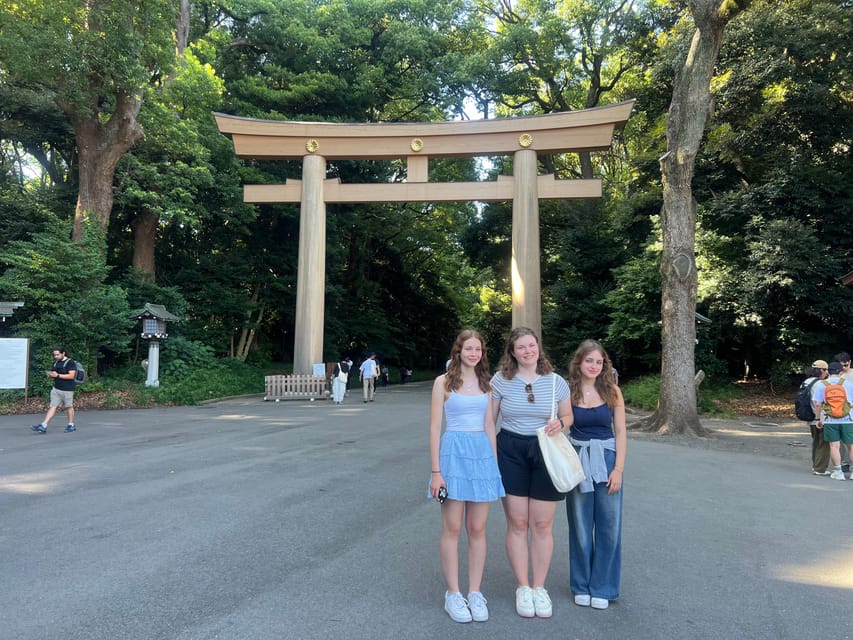
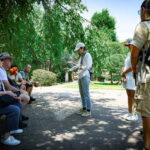
The tour’s biggest “invisible” value is the guide. Reviews highlight guides like Maya, Minori and Nicholas, Hoshi, Naruto, Yumi, Hyden, Matt, and Yota for being engaging, friendly, and quick to answer questions. That matters because Meiji Jingu can feel overwhelming if you don’t know what you’re looking at.
Another practical perk: photos taken during the tour. This sounds small, but it changes the whole experience. You don’t need to fight for the best angle or coordinate with a stranger to get you both in the frame. If you care about keeping a clean visual record of this stop, it’s worth it.
You’ll also get historical insights connected to the surrounding districts. Guides often add extra tips, like what to eat afterward or where to go next in Tokyo. That’s not the main reason to book, but it’s a nice bonus when you’re building your itinerary.
It’s Not Just Meiji Jingu: How This Tour Helps You Enjoy the Rest of Tokyo
When you understand Shinto basics, you start seeing patterns across Tokyo. You become better at reading signage, interpreting shrine layouts, and noticing etiquette differences from place to place. Even if you never become a shrine person, you’ll feel more confident in how you move through sacred spaces.
This also helps if Meiji Jingu is your first Tokyo activity. A guide can coach you on how to navigate quickly and how to behave respectfully without overthinking it. That makes subsequent visits easier, whether you go to another shrine or you just want smoother city travel.
Price, Timing, and Logistics: Getting the Best Value From $19
Let’s talk value like adults. You’re paying $19 for:
- a professional English-speaking guide
- entry/admission to Meiji Shrine and the Imperial Garden
- photos taken during the tour
- about 2 hours of structured route time
If you were to do this alone, you’d still pay for entry and you’d still need to spend time figuring out what to look for. The guide effectively compresses learning time into a short, walkable route. That’s the bargain.
Timing matters too. Since you’re visiting multiple stops, you’ll want to pick a day when you’re not exhausted. If you’re arriving in Tokyo and trying to “do it all,” this is a good first-choice activity because it gives you both calm space and cultural context.
Who Should Book This (and Who Might Skip It)
I’d recommend this tour if:
- it’s your first time in Tokyo and you want a smooth introduction to Shinto culture
- you prefer guided etiquette so you don’t feel awkward at shrines
- you want photos and a structured route without spending hours researching
- you like nature in your sightseeing, not just buildings and streets
I’d think twice if:
- you want maximum free time for wandering without stopping at scheduled points
- you’re hoping for a long, deep, slow-paced spiritual retreat format rather than a 2-hour walk
Should You Book This Meiji Jingu Shinto Culture Tour?
Book it if you want meaning, not just a famous place. For $19 and 2 hours, you get the garden calm, the major shrine sights, key offering stops, and a guide who helps you understand what you’re seeing—plus photos to make the memory easier to keep.
If you’re the type who enjoys figuring things out alone, you can still enjoy Meiji Jingu on your own. But you’ll likely move slower and ask more questions in your own head. This tour is for people who want to get it right early and move on with confidence.
FAQ
FAQ
How long is the Meiji Jingu Shrine and Shinto Culture Walking Tour?
The tour duration is 2 hours.
What does the tour cost, and what’s included at that price?
It costs $19 per person. Included are a professional English-speaking guide, photos taken during the tour, historical insights into the districts, and entry/admission to Meiji Shrine and the Meiji Shrine Imperial Garden.
Where do we meet for the tour?
You meet in front of the Starbucks Coffee closest to Meiji Shrine, near Harajuku. The provided coordinates are 35.6705208, 139.7031067.
What are the main stops during the 2-hour walk?
The route includes Meiji Jingu Gyoen (photo stop and guided tour), the Big Torii, consecrated sake barrels, consecrated wine barrels, and the Meiji Shrine for guided sightseeing.
Does the tour take photos for you?
Yes. Photos are taken during the tour.
Is the tour available in English?
Yes. The tour is offered with a live English-speaking guide.
Is the Imperial Garden included?
Yes. Entry/admission to Meiji Shrine, Meiji Shrine Imperial Garden is included.
Is the tour wheelchair accessible?
Yes. The activity is listed as wheelchair accessible.
Can I cancel if my plans change?
The activity offers free cancellation up to 24 hours in advance for a full refund.