REVIEW · PIRAN
Piran Walking Tour with Local Wine and Food Tasting
Book on Viator →Operated by Piran Walking Tour · Bookable on Viator
Two hours, and Piran feels personal. This walk, guided by Jan, turns Piran’s lanes into stories about fishermen and artists, plus the sea-linked legends behind the town’s waterfront. I especially love the panoramic hilltop views and the food-and-wine tasting that finishes the tour on a high note. One consideration: the tasting is made of small bites, not a full meal, so you’ll want to eat something before you go.
You’ll pay $42.33 per person for a professional local guide and included snacks and wine, and it’s a popular slot that often sells out about a month ahead. The tour runs in English, keeps the group small (up to 15 people), starts at Tartini Square, and ends right back at the same meeting point, which makes planning easy.
In This Review
- Key highlights to look for
- Why this 2-hour Piran walk is a smart first move
- Finding the meeting point and timing your evening
- Tartini Square: where the guide sets the whole stage
- Benecanka Casa Veneziana: Venetian gothic with a legend attached
- A 700-year-old monastery stop (and why it might be outside)
- City defenses: the walls you see from a distance
- Church of St. George: the hilltop panorama people talk about
- First of May Square: history, then a local food-and-wine finale
- Wine and food tasting: what’s included and how to handle it
- Price and value: is $42.33 a fair deal?
- How hard is the walking, and who will enjoy it most?
- Practical tips to get the most from every stop
- Should you book the Piran Walking Tour with local wine and food tasting?
- FAQ
- How long is the Piran walking tour with wine and food tasting?
- Where is the meeting point and where does the tour end?
- Is the tour offered in English?
- What’s included in the tour price?
- Do I need to pay for admissions to the sights on the route?
- Is transportation to and from the sights included?
- How big is the group?
- What if the weather is poor?
- Can I cancel for free?
Key highlights to look for
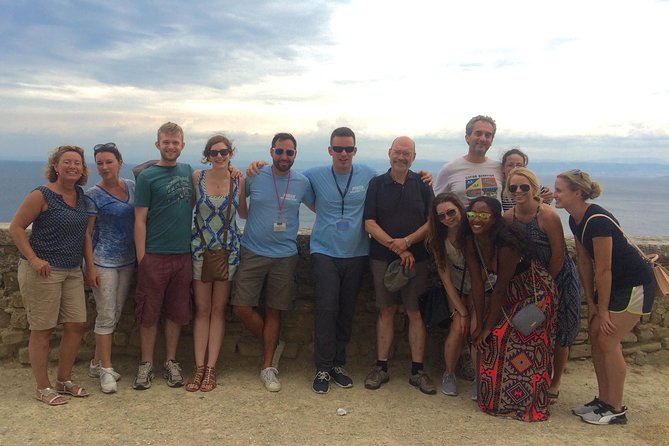
- Jan’s storytelling: practical context plus lots of local legends and humor
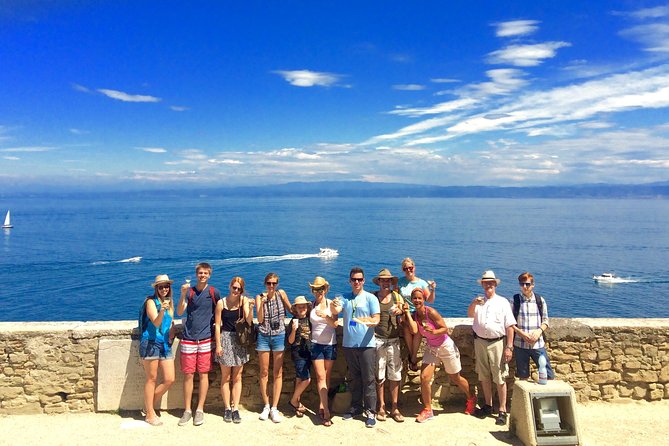
- Panoramas from Church of St. George: if skies are clear, you can see beyond Slovenia
- Piran’s Venetian-era details: the guide ties architecture to local history
- Monastery and city defenses: you’ll learn what’s here and what’s sometimes only viewable from the outside
- Food-and-wine stop at the end: Istrian flavors, plus an option to buy local products
Why this 2-hour Piran walk is a smart first move
Piran is the kind of town where everything looks old, charming, and connected. The trick is knowing what you’re looking at while you’re still fresh enough to wander. This tour is built for that exact moment: you get an overview that doesn’t waste time, and you finish with local tastings that make the place feel real instead of just pretty on a postcard.
What makes it work is the balance. You’re not stuck listening the whole time, and you’re not just moving from view to view. You walk through the parts of town that explain how Piran became what it is, then you end with food and wine that match the region you just learned about.
And since it’s designed for a small group (maximum 15 people), the guide can actually keep things flowing without rushing. If you like a tour that sets you up to explore on your own later, this is a good fit.
Finding the meeting point and timing your evening
You meet at Tartinijev trg 2, in Tartini Square, and the tour ends back at the same spot. That round-trip structure is more than convenience. It means you can plan dinner or a sunset stroll without needing a second transportation plan.
The tour lasts about two hours. That’s short enough to do on your first day, yet long enough that you’ll remember the major landmarks and the guide’s stories. It also fits well with teens and adults because it doesn’t drag.
The group is offered in English, and you’ll receive a confirmation at booking time. You can also use a mobile ticket. There are no transportation legs included, so you’ll want to arrive on foot (if you’re already in town) or by public transport.
Tartini Square: where the guide sets the whole stage
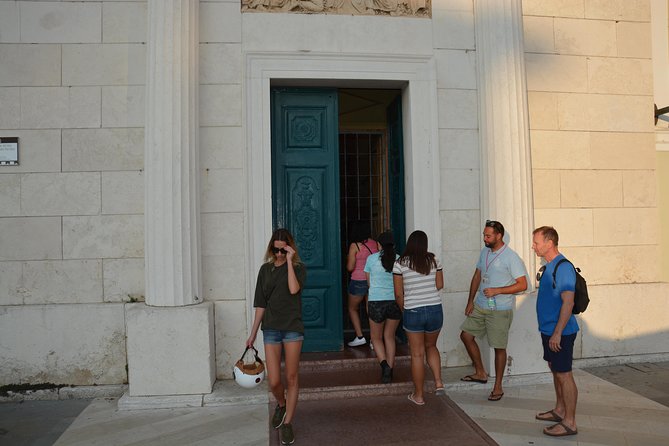
Your start point is Tartini Square, the main square of Piran today. The guide starts you off with context on Slovenia and Piran, then points out something that’s easy to miss if you’re just walking through: this square used to function like a harbour space, and the town’s coastline story is not what you’d guess at a quick glance.
This stop matters because it teaches you how to read Piran. Once you understand that parts of the old town relate to the sea even if the sea isn’t in the same place anymore, the rest of the walk clicks. Every street feels less random.
One small practical note: if you’re sensitive to standing still while listening, this is a good place to focus on body language and questions. The guide’s approach is story-driven, and you’ll probably learn more if you actively engage rather than just waiting.
Benecanka Casa Veneziana: Venetian gothic with a legend attached
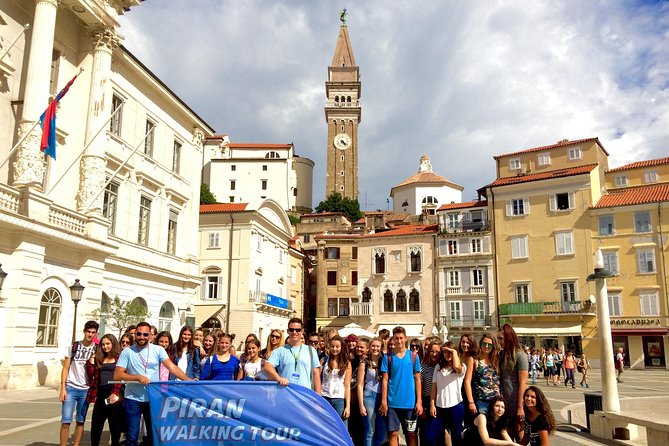
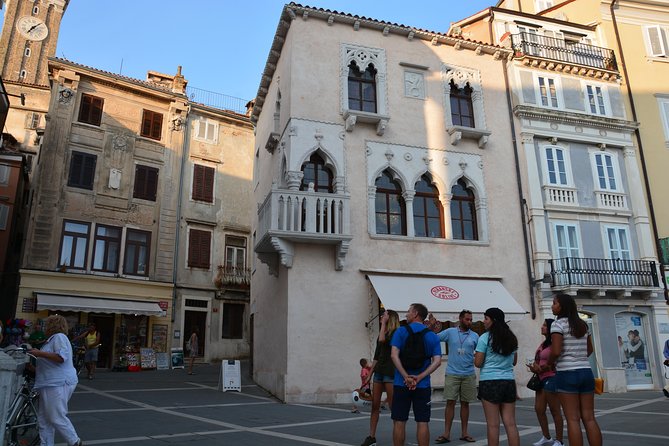
Next comes Benecanka Casa Veneziana Pirano, a Venetian gothic-style house. The key here isn’t just that the building looks beautiful. It’s that the guide gives you the local legend tied to the structure, so you end up remembering the house for its story, not just its facade.
In a town like Piran, the architecture can blur together. A quick, guided explanation creates clear mental bookmarks. After you pass this spot, you’re more likely to notice details like windows, stonework mood, and how the building fits into the streets around it.
The downside is timing. This is a walking tour with multiple stops, so you won’t get extended time inside any building beyond what’s described. But you do get enough to understand what you’re seeing.
A 700-year-old monastery stop (and why it might be outside)
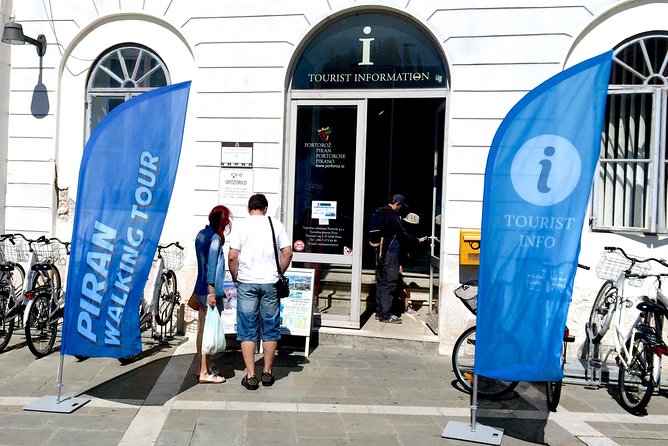
One of the more intriguing points on the route is a very old monastery—around 700 years old. The tour notes that it’s not always possible to visit, but the guide will try to show you around.
That’s important because it sets your expectation correctly. Even if you can’t go in, you’ll still learn what it was for and how it fits into the town’s bigger picture. In other words, you’re not paying for a guaranteed interior visit that could be blocked.
If you care deeply about monastery interiors or religious art, you might find this part more satisfying when access is possible. If not, treat it as an educational exterior stop, and let the stories do the work.
City defenses: the walls you see from a distance
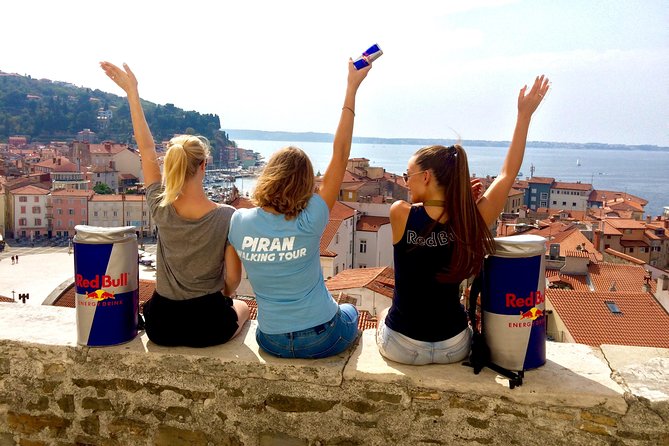
You’ll also get a view of the city walls from a distance. The guide’s job here is to make them understandable: what defense role they played and what they protected.
Walls are one of those features that can feel like scenery unless someone explains the practical side. Once you hear the “why,” you start imagining who needed protection and from what. That makes your photos better too. You’re no longer just shooting stone; you’re capturing a map of the city’s priorities.
The consideration: from a distance means your view may depend on where you can stand safely and what angles are available at the time. If you’re hoping for close-up textures, you’ll have to supplement your own exploration after the tour.
Church of St. George: the hilltop panorama people talk about
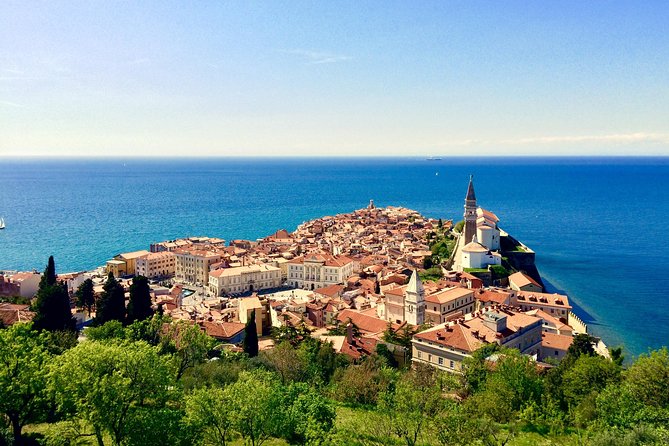
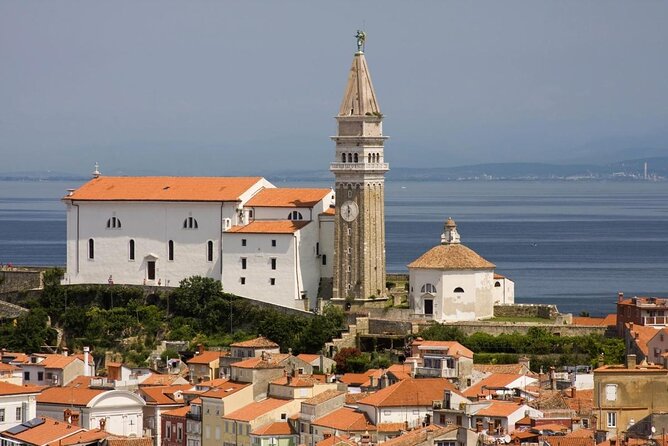
The big viewpoint stop is the Church of St. George (Cerkev sv. Jurija). From the top of the hill, the view can be amazing, and if the weather is clear you may be able to see three countries from one spot.
Even if you don’t get the perfect visibility, this is still the part of the tour that helps you understand Piran’s geography. You see how the town sits above the sea, how the Gulf of Trieste frames the coastline, and how the old city’s layout connects to the wider region.
Practical note: plan for a bit of effort. This is a hilltop. Wear shoes you’re comfortable walking on, especially if it’s damp or windy.
This is also where the guide’s pacing matters. If you arrive with camera ready and a willingness to slow down for photos, you’ll get more value out of this stop than if you rush.
First of May Square: history, then a local food-and-wine finale
The walk ends at First of May Square. This is the heart of the city now, and the guide explains something useful before you go into “eat mode.” In the past, this area was tied to the biggest water supply for residents. Today, it’s lively and full of dining options—so the stop feels like a natural bridge from history to daily life.
Then comes the tasting. You’ll try local foods alongside local wine, with snacks included as part of the experience. The shop is near the harbor, and the tasting setup is described as a small set of local products rather than a sit-down meal.
What I like about this structure is that it turns the tour into a full sensory loop: you learn the town, then you taste the region. It also gives you an easy starting point for shopping later. If you discover an olive oil, cheese, or wine you really like, you know what to look for.
One real consideration: the tasting is small bites. If you go in hungry, you’ll probably want to pace yourself and then eat a proper meal afterward. If you don’t care much about wine, olive oil, truffles, or cheese, you might feel like you’re paying mostly for the tasting portion rather than the walk. But if those flavors sound appealing, this ending feels like the payoff you want.
Wine and food tasting: what’s included and how to handle it
This experience includes snacks and a wine tasting. The tasting is focused on local and regional specialties—things like meats, cheeses, olive oils, and other Istrian products. You may also see truffles and olive-oil-style items come up during the tasting selection.
The shop stop is also where you get a chance to purchase products, and the vibe is typically presented as not overly pushy. In other words, you can treat it as a sampler and still feel good about your choices without pressure.
Here are two practical ways to make this tasting feel worth it:
- Taste with curiosity, not with expectations of a large dinner. Think of it as a guided introduction to what the region does well.
- Come slightly hungry, but not starving. Many tastings are intentionally portioned, and it helps to have room for the flavors without getting overwhelmed.
If you’re the type who loves hunting for local specialties to take home, this stop can turn into a mini shopping session. If the shop is closed after the tour for you, that can be annoying. Plan to buy what you want during the tasting time if it’s important to you.
Price and value: is $42.33 a fair deal?
At $42.33 per person for about two hours, the best way to judge value is what you’re actually getting: a guided walking tour plus included snacks and wine tasting. You’re paying for the guide’s time, the structure (so you don’t have to plan a route), and the tasting that takes place in a local shop.
If your priority is history and architecture only, you might wonder why the tour price includes a food stop. The trade-off is that the tastings help you connect the region’s culture to what you see in town. For many people, that connection is the real reason the tour feels memorable.
If you’re not into wine, olive oils, and cheeses, then yes, it can feel like you’re buying more tasting than tour. But if you like trying small local bites and you want a guided way to understand Piran in a short window, the price can feel fair because you’re not paying separately for the guide and the tasting.
Also, it’s booked about 25 days in advance on average. That’s usually a sign that people find it useful early in their trip.
How hard is the walking, and who will enjoy it most?
The experience is “most travelers can participate,” and it’s offered in English with professional local guidance. Expect a standard old-town walk with some hill climbing for the hilltop viewpoint.
This tour is a good fit if you:
- want a first-day overview of Piran’s key corners
- enjoy stories connected to specific streets and buildings
- like food and wine as part of sightseeing
- travel with teens who can handle a short guided walk
It may be less ideal if you:
- hate tasting menus made of small bites
- want a long, in-depth museum-style visit
- need fully flat routes with no hilltop climb
If you’re unsure, consider your interest level in local products. The walk provides context, but the tasting is a major part of the experience’s payoff.
Practical tips to get the most from every stop
Weather can change quickly near the coast, and the tour notes that it operates in all weather conditions, with the practical caveat that it can be canceled due to poor weather. If conditions are rough enough to cancel, you’ll be offered a different date or a full refund.
So, pack like you’re walking through an open-air town:
- Wear shoes you can grip on uneven stone.
- Bring a light layer or rain protection if skies look uncertain.
- If you care about the hilltop panorama, check the weather right before you go. Clearer skies improve your odds for those far-reaching views.
Also, plan around meals. Since the tasting is snack-sized, I recommend eating something before the tour starts so you’re comfortable during the tasting and not waiting for dinner afterward.
Finally, take advantage of the guide’s recommendations. The tour is only two hours, but the guide’s local insight can help you choose where to go next in Piran after you’re done.
Should you book the Piran Walking Tour with local wine and food tasting?
Book it if you want an efficient way to learn Piran with a guide who makes the town’s history feel connected to everyday life. I’d especially recommend it as your first or second day in town, because the walking route gives you the mental map you’ll use for your own wandering later.
Skip it (or think twice) if you’re not interested in wine, olive oil, cheese, or other Istrian specialties. In that case, you may feel like the tasting is doing most of the work and the walk alone won’t justify your time.
If you like small-group tours, clear storytelling, and a practical ending that turns knowledge into flavors, this one is an easy yes.
FAQ
How long is the Piran walking tour with wine and food tasting?
It lasts about 2 hours.
Where is the meeting point and where does the tour end?
You meet at Tartinijev trg 2, 6330 Piran, Slovenia, and the tour ends back at the same meeting point.
Is the tour offered in English?
Yes, the tour is offered in English.
What’s included in the tour price?
The tour includes snacks, wine tasting, and a professional local guide.
Do I need to pay for admissions to the sights on the route?
Admission tickets are listed as free for the stops included in the walking route.
Is transportation to and from the sights included?
No. Transportation to and from attractions is not included.
How big is the group?
The tour has a maximum of 15 travelers.
What if the weather is poor?
The tour operates in all weather conditions, but it requires good weather. If it’s canceled due to poor weather, you’ll be offered a different date or a full refund.
Can I cancel for free?
Yes. You can cancel up to 24 hours in advance for a full refund.