REVIEW · SOUTHAMPTON
Private Southampton Walking Tour
Book on GetYourGuide →Operated by Travelusion · Bookable on GetYourGuide
Southampton has stories in every corner. This private walking tour uses the medieval core as your living timeline, then threads it forward to the port’s later drama, including Titanic-era connections. I especially like how the guide works at your pace and how the history comes through as real street-level detail, not a lecture. Guides like Michelle and James bring it to life with question-friendly storytelling, including answers that help you piece together Southampton’s turning points fast.
What I like most is the mix of big themes with specific local sites. You’ll see the City Walls, the Tudor House area, multiple churches, and landmark stop(s) tied to the Mayflower and the Titanic, all within about 1.5 hours. You also get practical value—your guide shares tips on what to see next and where to eat and drink, which saves you time after the tour.
The main thing to consider is simple: this is an entirely walking experience. Plan for roughly 1 hour 30 minutes on foot (and it’s rain-or-shine unless conditions are dangerous), so wear comfortable shoes and be ready for a steady pace even when you’re taking breaks.
In This Review
- Quick Highlights
- Why Southampton’s Past Feels Personal on Foot
- Bargate Lion Meeting Point and a Route That Adjusts to You
- City Walls and the Tudor Streets: Seeing the Town’s Backbone
- Churches, Local Heroes, and the Parts of History You Usually Miss
- Mayflower Memorial: How a Port Becomes a Point of Departure
- Titanic-Era Sites and WWII Shadows on the Same Street
- Private Guide Power: Storytelling, Questions, and Real Flexibility
- Price and Logistics: Why $31 for 1.5 Hours Can Be a Good Deal
- Weather-Proof Walking Tips for Rain, Sun, and Wind
- Should You Book This Southampton Walking Tour?
- FAQ
- How long is the Southampton private walking tour?
- Where does the tour meet?
- Is this tour private or a group tour?
- What sights will we see during the walk?
- Are there any entry tickets included?
- Does the tour run in bad weather?
- What languages are the guides?
- Is the tour wheelchair accessible and pet friendly?
- Is free cancellation available?
Quick Highlights
- Bargate meeting point: Meet by the lion statue at the Bargate, an easy landmark to find
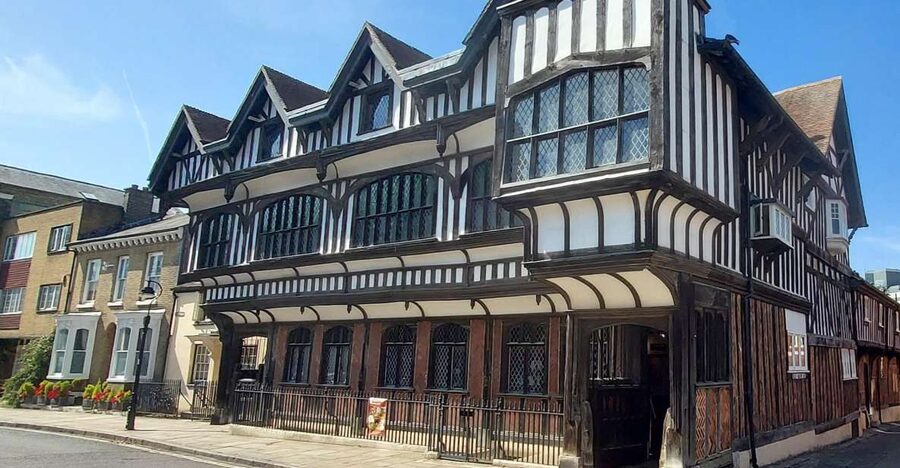
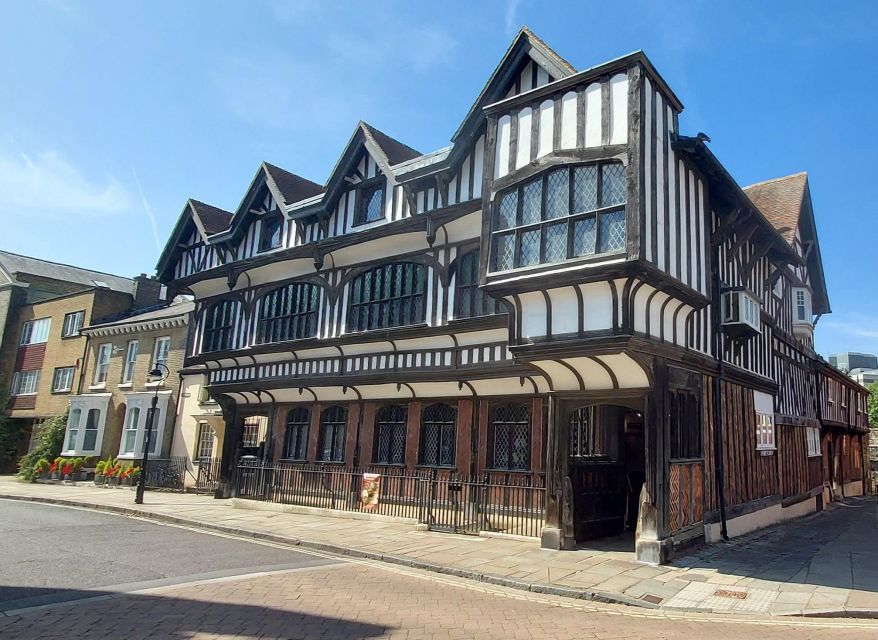
- City Walls + Tudor House: Fortifications and architecture that make the Middle Ages feel close
- Churches along the route: Religious buildings tied to the town’s long timeline, sometimes with interiors if open
- Mayflower connection: A port story that reaches beyond Southampton’s shoreline
- Titanic and WWII links: The port’s famous 20th-century moments show up in the walking narrative
- Private pacing with bilingual guides: English and Spanish support, plus flexibility for families and questions
Why Southampton’s Past Feels Personal on Foot
Southampton can look like a modern port first—ships, ferries, and movement. But once you slow down and walk the older streets, the town’s layers start clicking into place. You begin to see how a working harbor shaped daily life, politics, and even global events.
I love that the tour treats Southampton like a real place with living memory, not just a stop on a list. The route is built around major local monuments, so your mental map becomes clearer in one short session. And because it runs as a private tour, you’re not stuck with a rigid script that ignores what you actually want to know.
One more thing: the guides are often very passionate about preserving local buildings and telling the story behind what you see. That matters here, because so much of what you’ll learn depends on reading subtle clues in architecture and street layout.
You can also read our reviews of more walking tours in Southampton

Bargate Lion Meeting Point and a Route That Adjusts to You

You start at the Bargate, waiting by the lion statue. It’s a smart meeting spot: visible, central-feeling, and tied directly to Southampton’s older defenses. You’re not chasing a hidden address or a vague street corner.
Then the biggest practical perk kicks in—you walk at your pace. This isn’t one of those tours where you feel guilty for stopping to look at a building or asking a question. If you need adjustments, the guide is set up to amend the itinerary to match your comfort level.
Drop-off can be flexible too, though it’s normally at a central location. That means you’re more likely to finish near where you want to go next—coffee, lunch, museums, or your hotel—without needing extra planning.
Timing is also clean. With a 1.5-hour format, you get a strong orientation and story framework without losing half a day. It’s ideal if Southampton is a day stop, a cruise add-on, or a city you want to understand before you branch out on your own.
City Walls and the Tudor Streets: Seeing the Town’s Backbone
The tour’s highlights include the City Walls and a Tudor House area, which is a great combo for understanding Southampton. Walls tell you how people protected the town and where pressure points were. Tudor-era architecture tells you how the town looked when it had grown, traded, and changed.
Walking this section helps you understand something important: Southampton’s history isn’t only about famous names. It’s also about the decisions that kept the town standing—fortifications, church life, civic buildings, and the layout that made movement possible.
You’ll also pass by different churches. Even if you don’t go inside, churches add a “human scale” to the timeline. They help explain how communities organized life—who had influence, how neighborhoods formed, and how faith and civic identity intertwined.
In at least one case, there’s an extra bonus when a church is open. The tour is designed as a walking experience with no set entry fees included, so interior access can depend on what’s available on the day. Still, having a guide point out what to look for makes even exterior views feel more meaningful.
Practical tip: take a moment at the walls and Tudor-era spots to pause and look up. These details reward slow looking, and you’ll get more from the guide’s context when your eyes are on the same features they’re describing.
Churches, Local Heroes, and the Parts of History You Usually Miss
A lot of history tours focus on big events. This one also highlights local heroes, which shifts your perspective from famous outsiders to the people who shaped Southampton day to day. That’s especially useful in a town whose most dramatic chapters connect to global headlines—Mayflower, Titanic, and WWII.
The guide’s job here is to connect dots. You’ll hear enough context to create a timeline from the Middle Ages forward into the Second World War. That sounds like a lot for 1.5 hours, but the private pacing keeps it from feeling rushed. You can ask questions, and the guide can adjust emphasis based on what you care about most.
I also like that the tour gives you room to process. You can choose to linger outside a church facade, speed up through a quieter stretch, or ask for clarification about a specific era. It’s not a race against the clock.
If you enjoy architecture, you’ll likely find this section satisfying because it’s not just dates and names. It’s about why certain buildings look the way they do, and what that says about Southampton’s priorities across centuries.
Mayflower Memorial: How a Port Becomes a Point of Departure
The Mayflower connection is one of the defining themes of Southampton’s story, and walking past the memorial and related context helps it feel grounded. Instead of thinking of “the Mayflower” as only a distant textbook topic, you learn how Southampton fits into the larger picture of migration and settlement.
This part of the walk is valuable because it turns a headline into a place. You start to understand why a port town could become a gateway for people looking for new starts. You also get a better sense of how Southampton’s role as a harbor created opportunities—and hard choices—for individuals and families.
Guides tend to cover the broader setup around settlement and the port’s importance over time, which helps you place Mayflower-era events within Southampton’s longer arc. If you’re traveling with kids or you just like stories that have a clear emotional hook, this section often works well because the connection is easy to understand even without background knowledge.
If you want to keep learning after the walk, your guide’s personalized suggestions can be useful here. You’ll likely leave with a short list of where to go next, based on what sparked your curiosity during the tour.
Titanic-Era Sites and WWII Shadows on the Same Street
Southampton is famous for Titanic, and this tour doesn’t treat it like a one-topic detour. It weaves Titanic-era history into the larger story of the town. That makes a difference, because Titanic becomes more than one disaster—it becomes part of the port’s rise and its modern identity.
You’ll also encounter locations related to the Titanic history during the walk. The guide connects these points to Southampton’s development as a major harbor, which helps explain why these events mattered so much here. And if you’re the type who likes the “why,” you’ll appreciate how the guide frames the port’s long-term role before the 20th-century shock arrives.
WWII is also part of the narrative. In the materials you provided, the tour is described as covering the period up to the Second World War, and one guide coverage includes an aviation angle (like the Spitfire) while discussing Southampton’s WWII connection. I can’t promise you’ll see every specific reference every time, but the structure is built to carry you into that later era.
This overlap—Titanic and WWII—works well for a short walking tour because you start to see Southampton as a town shaped by arrivals and departures, and by how global conflict redirected its resources and attention.
Private Guide Power: Storytelling, Questions, and Real Flexibility
The private format isn’t just a fancy label. It changes how the tour feels. You’re not competing for time with strangers, and the guide can slow down when something matters to you.
The reviews you shared highlight that guides like James and Michelle are very enthusiastic and strong story tellers. One guide’s style was described as speaking with the passion of someone in the medieval era, which is exactly what you want in a walking tour. When the guide frames the story like it’s unfolding in real time, the buildings stop being background and start being evidence.
Another consistent theme is that guides make space for questions. If you want a clearer timeline, or if a specific name or event keeps catching your attention, you get the chance to ask and re-anchor your understanding.
For families: the tour length and pacing can be a good match. For adults: it’s also structured enough to be a true history introduction without turning into a slog. And for people traveling with mobility needs, you’re covered—wheelchair accessible, walking-based, and designed to accommodate your comfort and needs in advance.
Pet friendliness is noted too. If you’re traveling with a dog, it’s helpful to have a tour that’s explicitly set up to welcome pets rather than forcing you into a stressful workaround.
Price and Logistics: Why $31 for 1.5 Hours Can Be a Good Deal
At $31 per person for a 1.5-hour private walking tour, you’re paying for expert interpretation more than for physical admissions. That makes sense in a city where much of the magic is visual and spatial—walls, street layout, church exteriors, Tudor-era details, and memorial context.
Since the tour involves no entries, you also avoid ticket stress during the walk. You can spend your time on learning rather than waiting in lines or managing indoor access.
Where the price starts to feel extra reasonable is in what you get beyond the route: tips for places to visit on your own, plus recommendations for food and drink. Those practical suggestions can save you time the moment you finish—especially if you’re spending only a day or two in Southampton.
One note to keep your expectations honest: because it’s a walking tour with no included admissions, you shouldn’t expect it to replace a museum visit. Think of it as the story framework that makes the rest of your sightseeing click.
Weather-Proof Walking Tips for Rain, Sun, and Wind
The tour runs in rain or shine unless the weather becomes dangerous. That’s common in England, and it’s a fair setup—as long as you show up prepared.
Wear comfortable shoes you can stand and walk in for about 90 minutes. Even if the route is described as flat and pleasant, the time adds up. Bring layers so you can handle a shift between cool morning air and warmer afternoon sun.
If you’re prone to getting chilly or wet easily, pack a rain jacket you can actually move in, not just a flimsy umbrella strategy. Southampton walking also means you’ll likely want a small bag for water and essentials. If you’re bringing a pet, keep comfort and leash control in mind for a steady walking loop.
The best part is that the guide can keep the pacing human even when the weather isn’t cooperating. You still get context, stops, and story beats—just with more attention to comfort.
Should You Book This Southampton Walking Tour?
I’d book it if you want a fast, story-rich way to understand Southampton’s identity. This tour is ideal for first-timers who want a solid timeline from the Middle Ages through WWII, plus a practical map of where to go next.
It’s also a strong fit if you enjoy local heroes, architecture, and ports-as-history. The City Walls, Tudor House area, churches, and memorial/port connections give you the best mix of place-based storytelling in a short time.
Skip it only if you want lots of indoor stops or ticketed attractions included. Since it’s a walking tour with no entries involved, you’ll likely still want to add a museum or specific indoor experience separately if that’s your priority.
If you’re still deciding, my advice is to book it early enough that you can fit it into your schedule as a first-or-second day orientation. You’ll enjoy Southampton more afterward, because you’ll already know which sites matter and why.
FAQ
How long is the Southampton private walking tour?
The tour duration is 1.5 hours.
Where does the tour meet?
The meeting point is by the lion statue at the Bargate.
Is this tour private or a group tour?
It’s a private group tour.
What sights will we see during the walk?
You’ll see important monuments and locations including the City Walls, a Tudor House, different churches, the Mayflower memorial, and locations related to Titanic history, plus history through to the Second World War.
Are there any entry tickets included?
No entries are involved in this tour.
Does the tour run in bad weather?
The tour runs in rain or shine unless the weather is dangerous.
What languages are the guides?
The live tour guide is available in English and Spanish.
Is the tour wheelchair accessible and pet friendly?
Yes. The tour is wheelchair accessible and pet friendly.
Is free cancellation available?
Yes. You can cancel up to 24 hours in advance for a full refund.