Osaka looks loud from the train, then gets personal on foot. This walking tour threads Dotonbori neon, local seafood stops, and alleyway stories into one easy route. Two big wins: you get real Kuromon Ichiba market time with tastings, and you’ll eat takoyaki right by the river with a simple vending-machine drink. The only real catch is this is a lot of walking, and the included food is a small snack, not a full meal.
You’ll choose a short 3-hour group version for fast orientation, or a longer private tour where the route can flex toward your interests. I also like that guides can bring a true personality to the streets; I’ve seen names like Stephane, Josh, Rahat, Maryem, and Taka show up as guide styles that mix humor with practical Osaka tips.
One more consideration: this tour isn’t a good fit if you’re pregnant or have mobility impairments, and it doesn’t allow luggage or large bags.
In This Review
- Key things you’ll notice right away
- Getting Oriented at Namba: Exit 24 as Your Osaka Launchpad
- The Maze of Alleys: Cobblestones, Side Lanes, and Local Hangouts
- Dotonbori River Glow: Takoyaki, a Can Drink, and Bright Osaka Drama
- Kuromon Ichiba Market: Seafood Watching and Real-World Tastings
- A Quiet Detour: Temples, Boutique Stops, and Less-Obvious Osaka
- Billboards and Big Personality: Modern Osaka in Full Color
- America-mura and Retro Osaka: Japan’s Take on the U.S.
- Shinsekai: Old Neighborhood Energy, Game Parlors, and Food-Theme Corners
- Longer Private Tours (4, 5, 7 hours): Castle Views and Extra Local-Old-Things
- 3 Hours vs 4–7 Hours: What Time Buys You
- Price and Value: Why $33 Works (Even with Limited Included Food)
- Getting the Most Out of It: Shoes, Steps, and a Simple Strategy
- Who Should Book This Osaka Walking Tour
- Should you book this tour?
- FAQ
- Where is the meeting point?
- Is this tour available as a group tour or private tour?
- How long is the tour?
- Is the tour guided in English?
- What food and drinks are included?
- Does the tour include Osaka Castle?
- Does the tour include Shitennoji?
- Can I get hotel pick up?
- What should I bring?
- Is the tour suitable for everyone?
Key things you’ll notice right away
- Namba start that’s easy to find: meet at Namba Metro Station exit 24, top of the stairs, guide standing there near a bicycle stand
- Hidden bar-and-restaurant lanes: you’ll walk through sections locals actually use, not just postcard streets
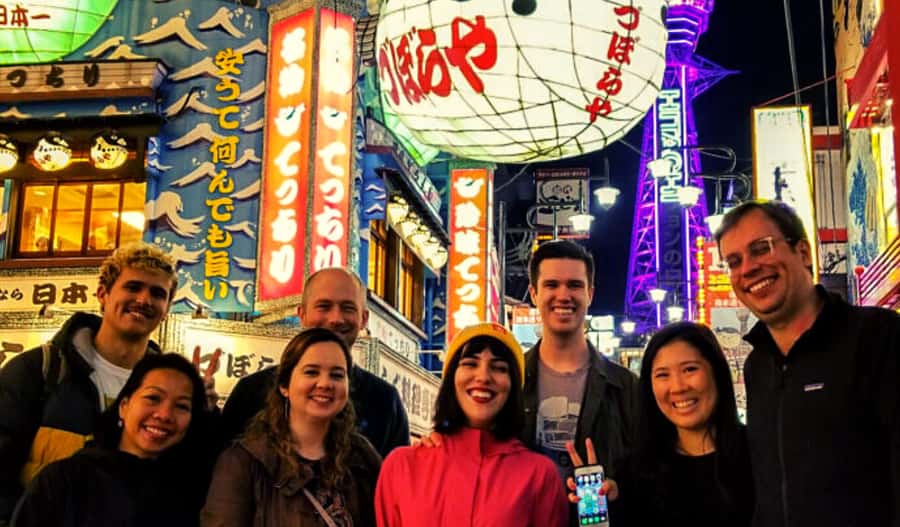
- Dotonbori takoyaki moment: river views, takoyaki on your tour, plus a can drink
- Kuromon Ichiba market tastings: you’ll get explanations and sample seafood-style foods (what you try can vary)
- America-mura and retro Osaka: Japan’s idea of American culture, plus older neighborhoods like Shinsekai
- Longer private tours add the big hitters: options can include Osaka Castle, Shitennoji, and other local-history stops
Getting Oriented at Namba: Exit 24 as Your Osaka Launchpad
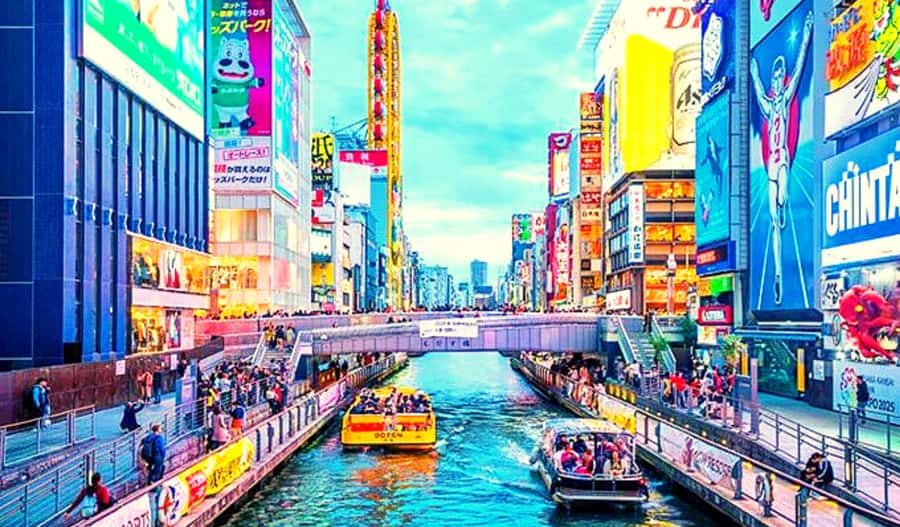
Most first-day Osaka plans try to cover too much. This tour fixes that by starting in Namba, where food, shopping, and transit are all tangled together in the best way. The meeting spot is very specific: Namba Metro Station exit 24, at the top of the stairs. You should see vehicles from there, and you’ll spot the guide standing where the exit 24 sign is visible—there’s also a bicycle stand about 7 meters away.
That matters because Osaka can feel like a maze when you’re new. If you’ve ever exited a station and realized you’re instantly lost among alleys and signs, you’ll appreciate having a real human point the way. The best guides also help you understand how the neighborhood flows—what streets lead where, where crowds gather, and what you can skip for sanity.
For the group option (the shorter tour), the cap is up to 9 guests, which keeps the pacing friendly. For private tours, you can tailor the experience more, including swapping in extra stops you’re excited about.
You can also read our reviews of more walking tours in Osaka
The Maze of Alleys: Cobblestones, Side Lanes, and Local Hangouts
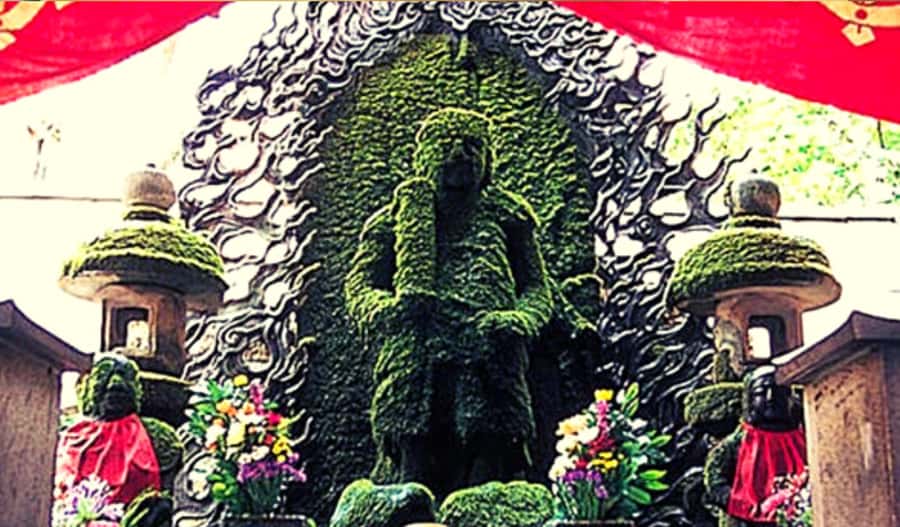
After meeting, the route leans into the part of Osaka that doesn’t show up in one generic map: winding lanes with that cobblestone feel, storefronts tucked behind bigger roads, and clusters of bars and restaurants you’d walk past without noticing.
The magic here is how the tour guides you through texture, not just sights. You’ll hear the kind of local context that turns a street corner from scenery into a story: why certain spots feel like they belong to Osaka, what the rhythm of the area is like at different times, and which lanes are best for wandering versus rushing.
This is also where guides often bring energy. On the longer walks, I’ve seen guides like Rahat get praised for mixing off-beat facts with practical street-level tips, and that kind of guidance helps you feel like you’re moving with a local, not following a script.
Small drawback: the tour is for people who don’t mind walking. If you want mostly seated viewpoints, you’ll be less happy here.
Dotonbori River Glow: Takoyaki, a Can Drink, and Bright Osaka Drama
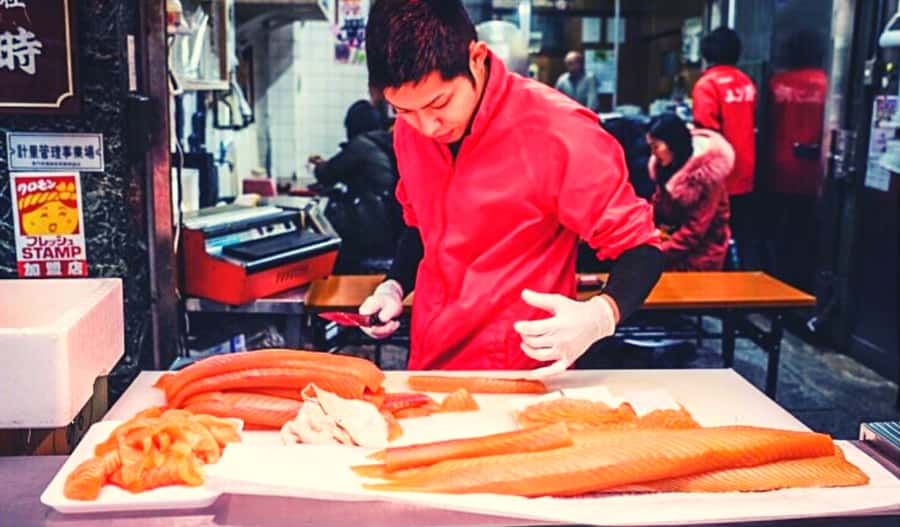
Then comes the payoff: Dotonbori, the riverfront area famous for its signage and food culture. You’ll follow the central river zone while stopping for a takoyaki ball (on the tour) plus a can of drink from a vending machine.
Why this stop works so well is simple: it’s the Osaka symbol you can actually taste. Takoyaki is one of those foods you can eat anywhere, but eating it in the Dotonbori orbit—surrounded by the neon—makes it feel like part of the city, not just part of a checklist.
If you’re doing the tour at night, it tends to hit harder because the lighting turns the billboards into a moving backdrop. Many visitors rate the night timing as the best way to see the area, especially if it’s your first Osaka evening.
Practical note: the tour drink is just a single can. If you want more, you’ll need to buy it separately on your own.
Kuromon Ichiba Market: Seafood Watching and Real-World Tastings
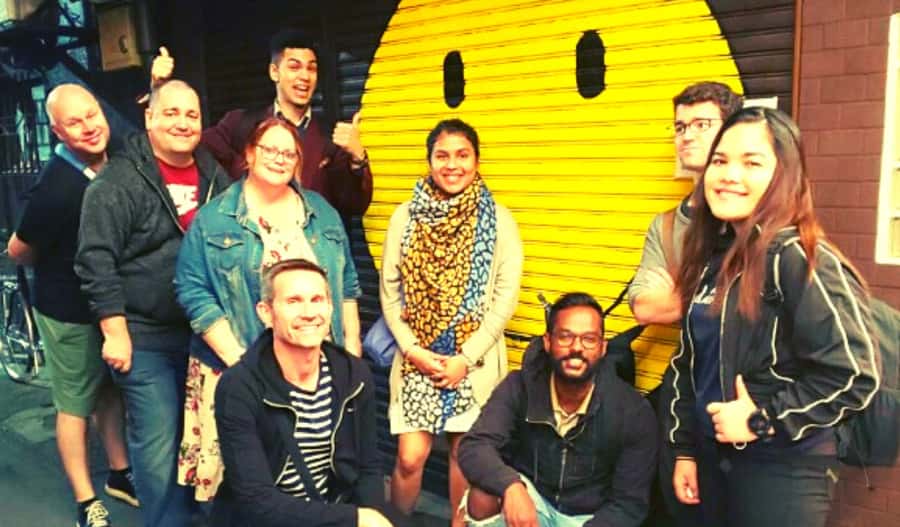
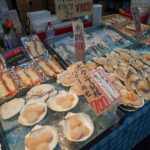
Next is Kuromon Ichiba Market, Osaka’s seafood market where professional chefs show up for fresh ingredients. The tour helps you interpret what you’re seeing, because markets can be overwhelming: you’ll see different cuts, seafood types, and busy stalls, and it’s easy to miss what’s actually special.
On this part, you get:
- explanations of the market oddities and daily fish-and-food rhythm
- taste testing of local produce and market-style snacks
What you try can vary by day and availability, but some guides have been praised for helping people sample items like pufferfish and Kobe beef during the market portion. Even if you don’t get those exact picks, the structure stays the same: you’re not just looking; you’re being taught what you’re tasting and why it matters.
A balanced expectation: tastings are included, but this is still not a full meal replacement. Think snack portion, not dinner.
A Quiet Detour: Temples, Boutique Stops, and Less-Obvious Osaka
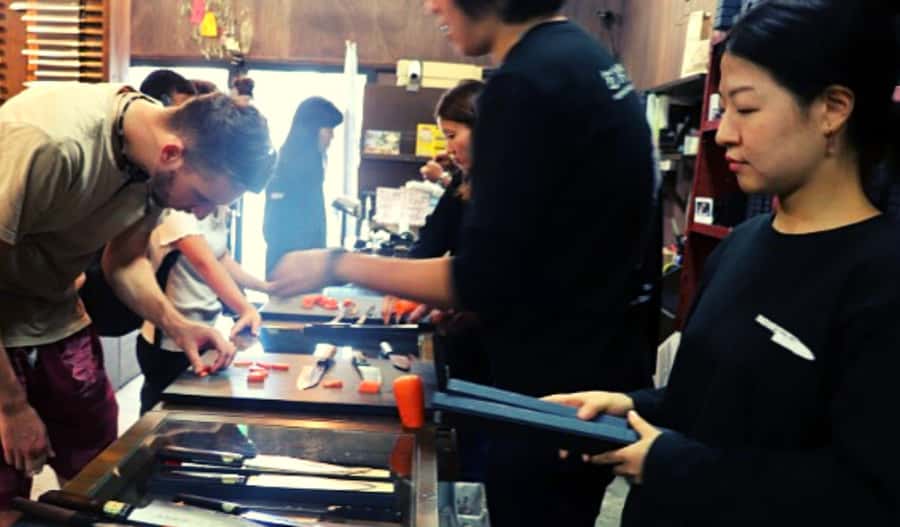
After the market’s energy, the tour shifts gears into calmer lanes. You’ll duck into off-the-beaten paths and pass by boutique eateries and smaller shops. This is also where a mystic temple stop can appear, complete with centuries-old local history.
This part is valuable because it cools your senses. Markets and billboards are fun, but after a while your brain needs a slower pace. The temple and quieter streets add contrast, and that contrast is what makes the Osaka experience feel complete rather than just loud.
It’s also one of the spots where you’ll benefit most from a guide who likes to tell stories. People mention guides like Maryem for sharing lots of context and answering questions clearly, which makes these calmer moments land better.

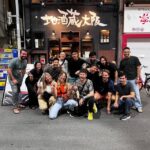
Billboards and Big Personality: Modern Osaka in Full Color
Once you’re back in the central flow, the tour ramps up again—this time with that larger-than-life billboard energy Osaka does so well. The guide walks you through the central Dotonbori area, tying modern Japan culture to what you see on the street.
This isn’t random sight-seeing. You’ll get stories that help you connect the visuals to local habits: how people use street spaces, how neighborhoods cluster around food, and why certain signs and storefront styles became part of Osaka’s identity.
If you’re the type of traveler who usually rushes through photos, slow down here. The goal is to understand what you’re photographing.
America-mura and Retro Osaka: Japan’s Take on the U.S.
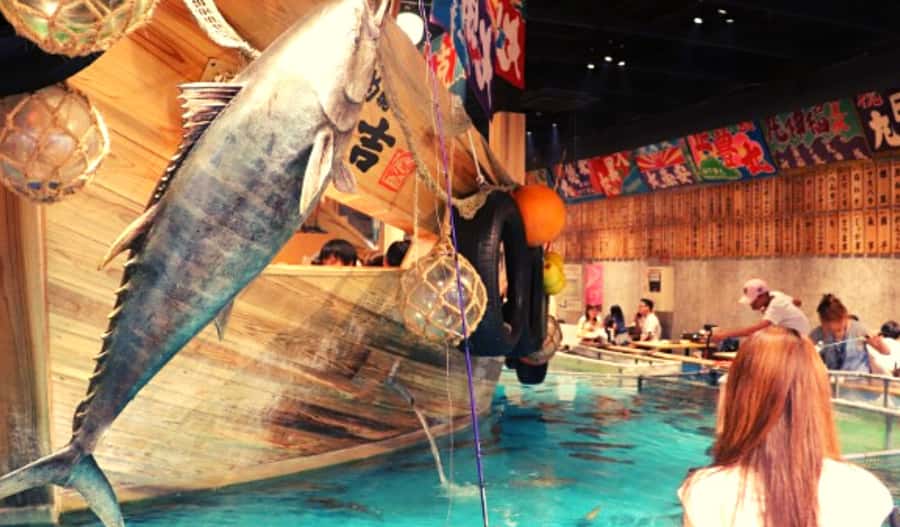
Then you step into America-mura, Osaka’s “America town,” which is Japan’s playful interpretation of American culture. If you’ve ever wondered why some places abroad recreate a foreign vibe with their own twist, this is a great place to see that in action.
Along the way, you’ll pass through that retro-feeling zone where the city mood changes. Some longer itineraries also mention a retro area showing you a different side of Osaka and Japan, and this is usually where that shift feels most obvious.
I like this stop because it’s not just fashion or storefronts. It’s cultural contrast you can walk through in real time.
Shinsekai: Old Neighborhood Energy, Game Parlors, and Food-Theme Corners
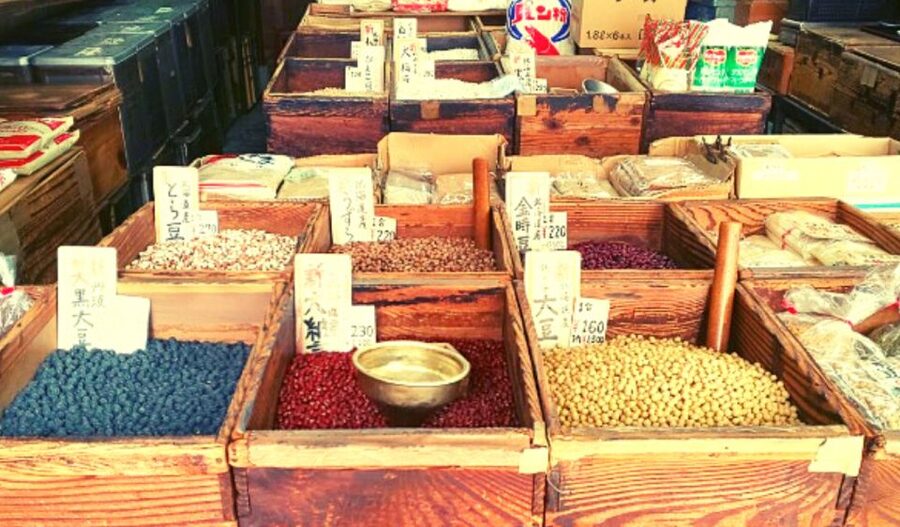
From America-mura, the tour moves toward Shinsekai, an older Osaka neighborhood known for its unique mix of food spots and classic-style entertainment.
Here you’ll see that blend:
- food-theme restaurants that can look wilder than you expect
- older Japanese gaming parlors
- street scenes that feel more grounded and less glossy than the riverfront
This is a strong final stretch for the shorter tour because it gives you a different Osaka flavor before you wrap up. And for longer private tours, it helps balance the schedule between modern neon and older street culture.
Longer Private Tours (4, 5, 7 hours): Castle Views and Extra Local-Old-Things
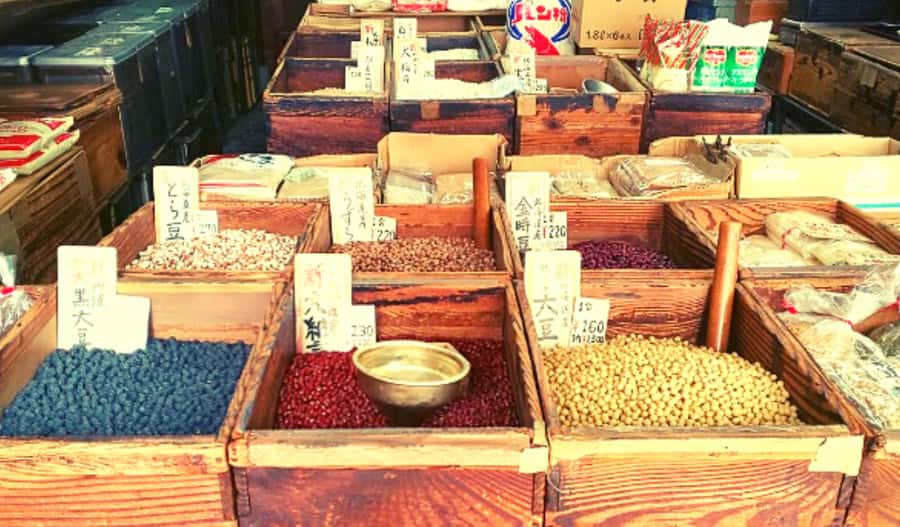
If you go for private tours in the 4-, 5-, or 7-hour range, you’re buying more time to slow down and add major stops. It’s not just “more walking”—it’s more variety.
Depending on what you choose, longer itineraries can include:
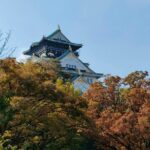
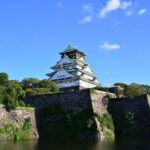
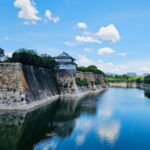
- Osaka Castle (only on private 4, 5, and 7-hour tours; the 3-hour tour does not go to the castle)
- Shitennoji, noted as Japan’s oldest temple
- a knife shop stop where a demonstration and lesson can be added
- the Museum of Housing & Living, where you can peek at how locals used to live
- extra foodie wandering in the East Shinsaibashi area
- more alley time and room for personal preferences
What I like about these add-ons is that they’re not all “famous landmark only.” The housing museum and knife shop angle give you a more everyday Osaka perspective: daily life, craft, and how traditions show up in modern routines.
Practical note: because you may add big sites like the castle, build your schedule around comfort, not just speed.
3 Hours vs 4–7 Hours: What Time Buys You
Choose the shorter tour if:
- it’s your first day and you want orientation fast
- you want a compact route with highlight stops
- you’d rather return later to one area for deeper wandering
People often praise the 3-hour group format as an effective first pass—especially for those who want the light show of Dotonbori and a market taste without committing an entire day.
Choose the longer private tour if:
- you want to customize
- you’re interested in one or two deeper stops (like Osaka Castle or Shitennoji)
- you like spending extra time in alleys and calmer pockets, not just moving from highlight to highlight
And if you’re unsure: longer is usually easier if it’s your first time in Osaka. You get built-in pacing and guide help when you want to ask questions or adjust the route.
Price and Value: Why $33 Works (Even with Limited Included Food)
At $33 per person (for a 3–7 hour experience), the value comes from what’s actually included:
- a local guide
- a walking route through multiple Osaka neighborhoods
- insider recommendations for where to eat and what to skip
- a snack
- takoyaki
- a can of drink
The included food is intentionally small. That’s why this tour shines as a “street-level orientation + sampling” experience, not a full meal plan. If you arrive hungry, you’ll still need to buy additional food after tastings, especially if you’re the kind of person who expects a late lunch or early dinner to be substantial.
On the flip side, you’re paying for time, context, and access to places you’d miss. That access is the real cost-saver. Osaka rewards curiosity, but only if you know where to look, and the guide helps you look smarter.
Getting the Most Out of It: Shoes, Steps, and a Simple Strategy
This tour is straightforward: wear comfortable shoes and bring a pace you can maintain for a few hours. There’s no mention of an option to ride or pause constantly, so plan for walking.
Also note:
- no luggage or large bags
- it runs rain or shine unless conditions are truly extreme (like a typhoon or earthquake), in which case it can be canceled with a full refund
My simple strategy: treat the tour as your “map + mood” day. Afterward, you’ll know where you want to return for a longer sit-down meal, shopping, or photos.
Who Should Book This Osaka Walking Tour
This is a great fit if you:
- want a fast start in Osaka with food stops that make sense
- like street-level stories (alleys, markets, neighborhoods)
- want to see both neon Osaka (Dotonbori) and older Osaka vibes (Shinsekai)
- prefer a guide-led route rather than winging it at first
It’s less ideal if you need:
- minimal walking
- a fully catered meal experience
- an itinerary built around accessibility needs
Should you book this tour?
Yes—if you want Osaka’s highlights with actual local context, and you’d enjoy tastings plus walking through the neighborhoods that make the city feel like itself. I’d especially book the private longer versions if you want more than the usual river-and-market loop and you’re aiming for big sights like Osaka Castle or Shitennoji.
Skip it only if you’re looking for a food tour where every bite is covered, or if walking-heavy touring doesn’t work for you.
FAQ
Where is the meeting point?
Meet your guide at Namba Metro Station exit 24, at the top of the stairs where you can see the vehicles. The guide stands there near an exit 24 sign and a bicycle stand about 7 meters away.
Is this tour available as a group tour or private tour?
Yes. You can join a group tour or book a private tour (and the tour can also be run for small groups).
How long is the tour?
It runs from 3 to 7 hours, depending on the option you choose.
Is the tour guided in English?
Yes, the live tour guide speaks English.
What food and drinks are included?
The tour includes a snack, a takoyaki ball, and a can of drink from a vending machine, plus insider recommendations on local eateries. Food and drinks beyond that are not included.
Does the tour include Osaka Castle?
Only the private 4, 5, and 7-hour tours can go to Osaka Castle. The 3-hour tour does not include the castle.
Does the tour include Shitennoji?
The private 4, 5, and 7-hour tours can include Shitennoji.
Can I get hotel pick up?
Hotel pick up is only available for private tours if your hotel is centrally located. You need to message with your hotel details at least the day before.
What should I bring?
Wear comfortable shoes.
Is the tour suitable for everyone?
No. It is not suitable for pregnant women or people with mobility impairments, and it does not allow luggage or large bags.