REVIEW · OSAKA
Osaka: Five Must-See Highlights Walking Tour & Ramen Lunch
Book on GetYourGuide →Operated by LOTUS DMC Co., Ltd · Bookable on GetYourGuide
Osaka can feel like three cities at once: old power, modern food, and neon street life. This 7-hour walking tour strings it all together in a smart route, using the subway plus on-foot time, so you see the places and you also learn how to move through them like a local. With a local English guide, you get context at each stop and help with the practical stuff like photos and line-skips.
I especially like how the day mixes big landmarks with street-level Osaka food culture. The ramen lunch is included (and it’s a popular spot), and you also get guided time at places like Kuromon Market where the guide can point you to what to try. One consideration: it’s a long walking day, and it’s not a fit if you have mobility limits or health constraints, so bring solid shoes and plan for a lot of steps.
In This Review
- Key Highlights You’ll Care About
- Start Smart at Tanimachi: Meeting Point and How the Day Flows
- The Osaka Castle Tower + Museum: Photos and Sengoku-Era Context
- Ramen Lunch After the Castle: Why This Timing Works
- Shitennoji Temple (Founded 593): Old Power, Real Atmosphere
- Shinsekai and Tsutenkaku: Retro Streets and Street Food Energy
- Kuromon Ichiba Market: Edo-Old Food Browsing with a Guide
- Dotonbori and Hozenji Temple: Neon Intensity to Temple Calm
- Eco-Friendly Transit with Subway Stairs: How to Prepare
- Price and Value: What You Get for $56 (and What Costs Extra)
- Group Size and Pacing: Why Small Feels Better in Osaka
- Who This Tour Suits Best (and Who Should Skip It)
- Should You Book This Osaka Highlights Tour?
- FAQ
- Where is the meeting point?
- What time does the tour start?
- Is ramen lunch included?
- What does the tour cost include, and what costs extra?
- How long is the tour, and is it a lot of walking?
- Is this tour suitable for everyone?
Key Highlights You’ll Care About
- Small group, up to 8 people, which makes questions easy and the pace more human
- Ramen lunch included in a well-liked shop after Osaka Castle
- Osaka Castle line-skip and photo help, so you’re not stuck waiting
- Old-meets-new stops: Shitennoji (593) and Shinsekai/Tsutenkaku (retro Osaka)
- Food-focused timing at Kuromon Market and street scenes in Dotonbori
- Ends at Hozenji Temple, giving you a calmer finish after the neon
Start Smart at Tanimachi: Meeting Point and How the Day Flows
The tour kicks off at the Osaka Metro Tanimachi Line, Tanimachi 4-chome Station (Exit 4), right in front of a FamilyMart. The meeting point detail that matters most: look for the guide wearing green glasses. Get there a few minutes early because stations in Osaka can be huge, and the first minutes set the tone for the whole day.
From there, the rhythm is steady. You’re not just marching down a list of sights. You’ll hop between subway rides and walking segments, with short breaks and photo stops built in. That balance is what makes a one-day highlights tour actually feel doable instead of exhausting.
Also, this is planned for an active pace. Most people finish the day with sore legs, so I’d treat this as a serious walking experience. Reviews mention around 11 km of walking, and that tracks with the route: castle views, temple grounds, market browsing, then Dotonbori.
You can also read our reviews of more walking tours in Osaka

The Osaka Castle Tower + Museum: Photos and Sengoku-Era Context
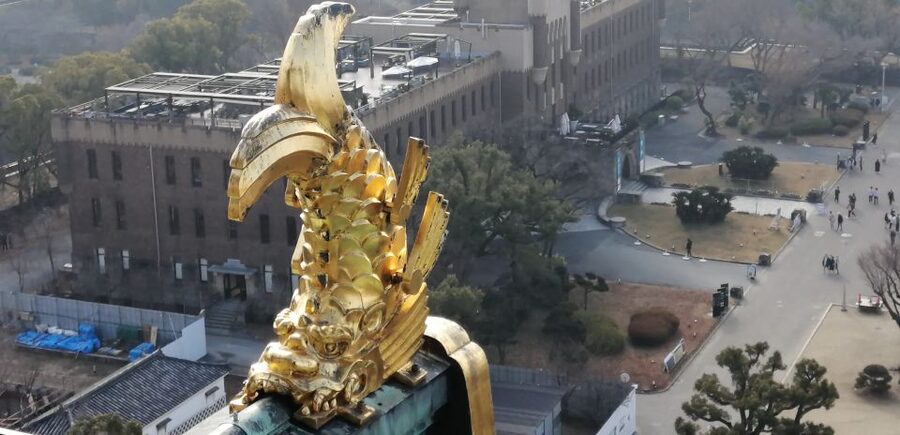
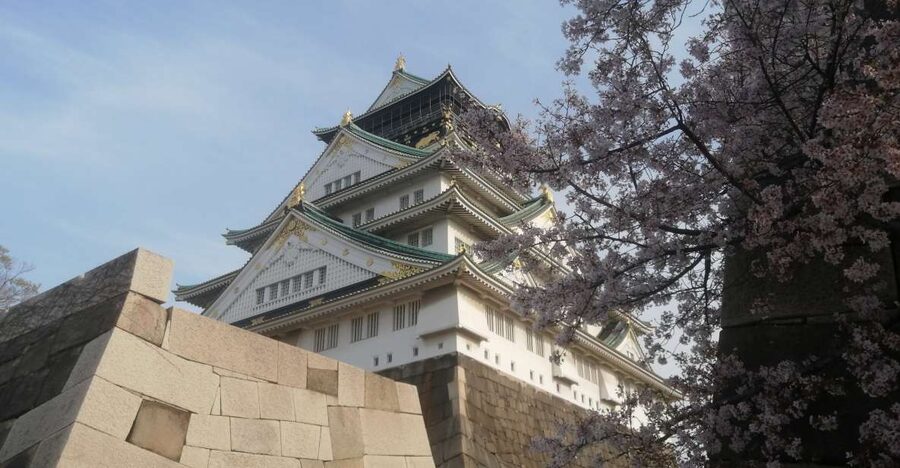
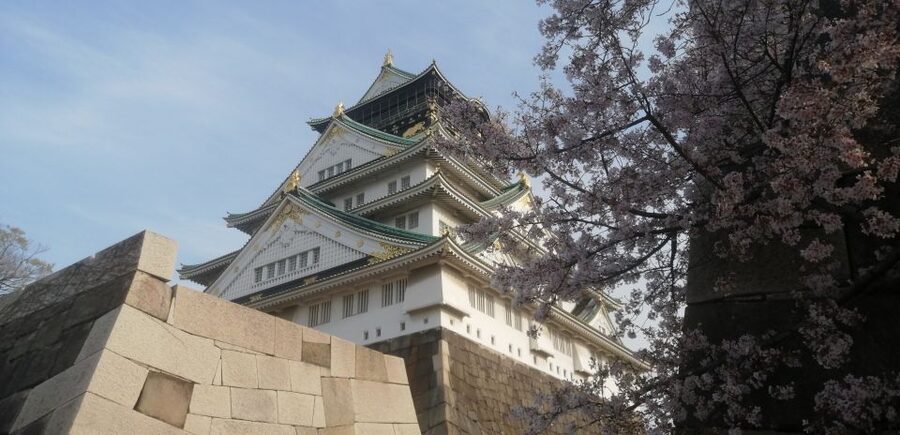
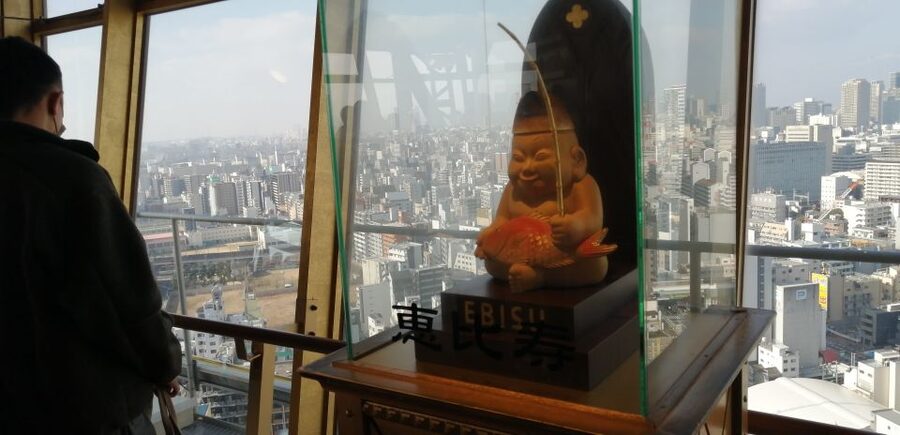
Osaka Castle is the first big emotional hit of the day. You’ll tour the Osaka Castle area with guided time (including the museum focus) and get a view that helps you understand how Osaka lays out around the castle. The castle tower view isn’t just for photos—it’s a quick orientation tool that makes the rest of the city feel less random.
The museum portion matters because it frames Osaka Castle in the Sengoku period story, the era when power struggles shaped the map of Japan. You’ll also get help timing your visit so you can take the classic background photo without wasting time.
Two practical wins here:
- Skip-the-line access is part of the experience, and it can save you real time during peak hours.
- You’ll head to lunch soon after, so the castle doesn’t turn into a long, hungry waiting game.
One drawback to note: Osaka Castle entrance fees aren’t included. The cost can run about JPY 1,080–1,430 depending on season/day, so budget for that on top of the tour price.
Ramen Lunch After the Castle: Why This Timing Works
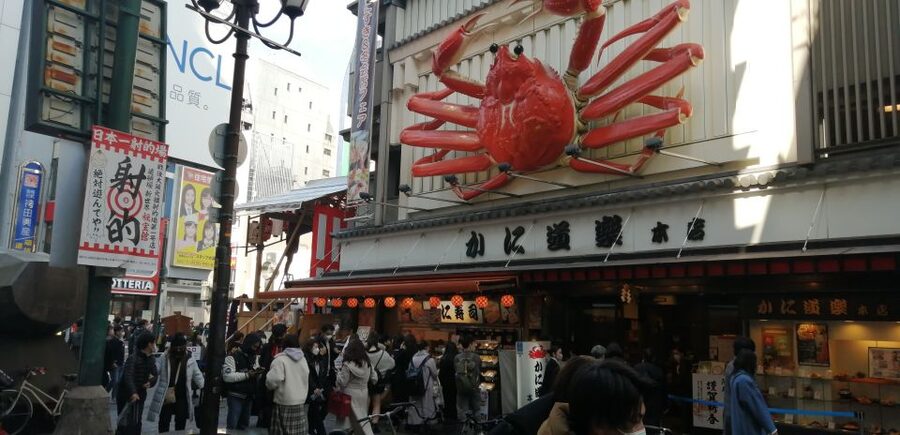
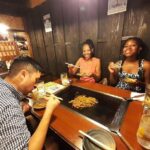
Lunch lands after Osaka Castle, at Temmabashi Station area. The key detail is not just that ramen is included—it’s when you get it. After walking and climbing earlier in the morning, ramen becomes both comfort food and fuel. You’ll have about 45 minutes for lunch, which is enough to eat, catch your breath, and still enjoy the day.
This tour includes ramen lunch in a very popular ramen shop, and many people say it’s one of the best parts. That makes sense: the guide isn’t just feeding you; they’re feeding you at a point in the day when your appetite is actually ready for it.
If you’re the type who wants to choose your own ramen style, you may prefer a free-form food crawl. But for most first-time Osaka visits, included ramen is a win because it prevents decision fatigue.
Shitennoji Temple (Founded 593): Old Power, Real Atmosphere
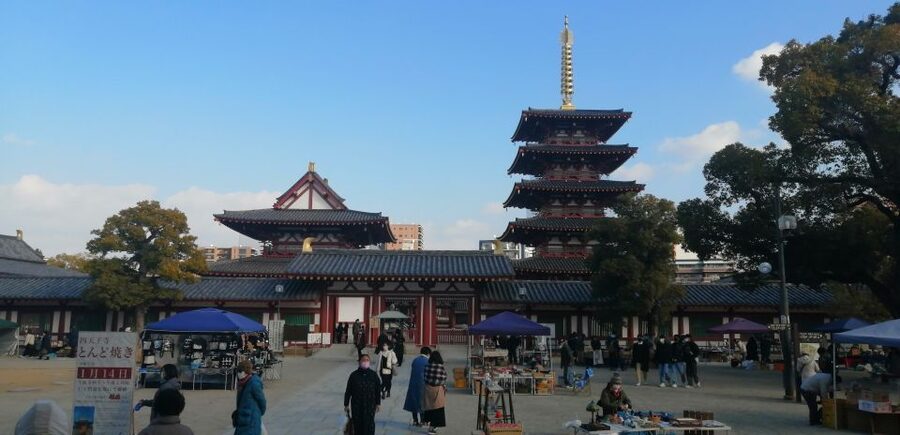
Next up is Shitennoji Temple, founded in 593. It’s one of the oldest Buddhist temples in Japan, and the tour focuses on why it’s historically important—especially that it was the first built by the state. That’s the kind of detail that upgrades a temple visit from pretty photos to something you can actually remember.
Your guided time is around 45 minutes, which gives you enough space to walk through the grounds, absorb the scale, and listen without feeling rushed. You’ll learn about the temple’s derivation and achievements connected to its founder in that era. It’s not just chanting facts; it’s context for how temples fit into government and society.
Entrance fee isn’t included, so plan for JPY 400–600 depending on season/day. Also, temples can be sunny or quiet depending on the weather. Bring what you need for the day—especially if it’s hot—because you’ll be outside for parts of the route.
Shinsekai and Tsutenkaku: Retro Streets and Street Food Energy
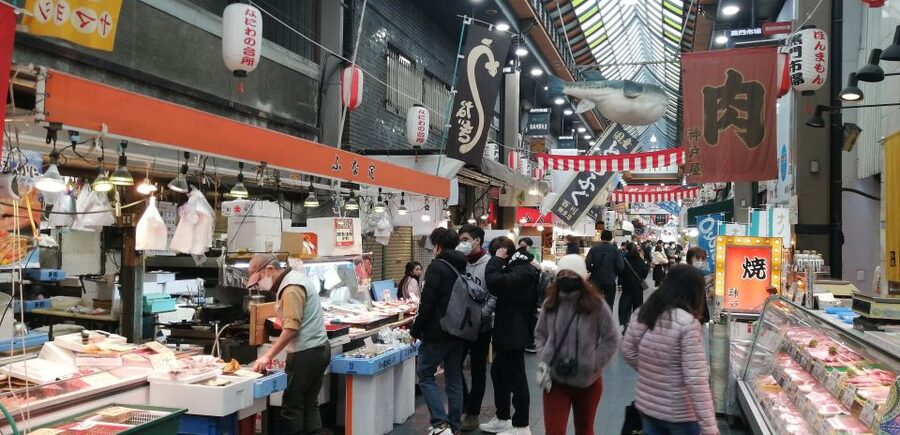
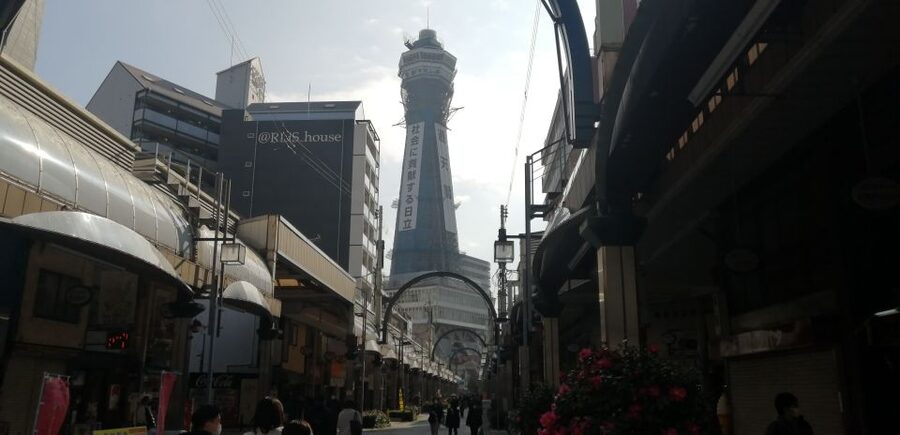
Then the tour changes gears into Osaka’s fun-house mode. Shinsekai is known for its retro character—colorful streets and that early 20th-century vibe centered around Tsutenkaku Tower. This is where Osaka shows you a different mood than the castle and temple stop: more casual, more photo-friendly, and more food-centered.
Your time here includes a break with free time and shopping, plus photo opportunities around Tsutenkaku and the surrounding cityscape. It’s a good segment because you can reset your legs while still seeing something iconic.
Food-wise, Shinsekai is often associated with snacks like kushikatsu (deep-fried skewers). Even if you don’t eat here, the area is worth it for the atmosphere and the easy walking loops.
Timing-wise, you get about 45 minutes for Shinsekai. That’s long enough to browse, grab a snack, and not feel like you’re being rushed through the one place that actually feels like an old neighborhood.



Kuromon Ichiba Market: Edo-Old Food Browsing with a Guide
If you want your Osaka day to include real everyday food browsing, Kuromon Ichiba Market is where that happens. The covered market has roots going back to the Edo period, with more than 200 years of history. It’s lively food territory, and the guide’s role is especially helpful here because markets can overwhelm you fast.
You’ll get guided time plus free time for shopping and sampling. The tour builds in about 45 minutes at Kuromon, which is perfect for:
- scanning stalls without pressure,
- asking what’s worth trying,
- grabbing a quick bite or two without turning lunch into a second meal.
The guide will recommend tasty street food options at the market, which is the smart move. You’re not just looking—you’re being pointed toward what locals tend to enjoy.
Transportation between stops uses the subway. That’s convenient, but remember you’ll deal with station stairs. If you’re managing knees or ankles, plan for slower movement and take breaks when the group pauses.
Dotonbori and Hozenji Temple: Neon Intensity to Temple Calm
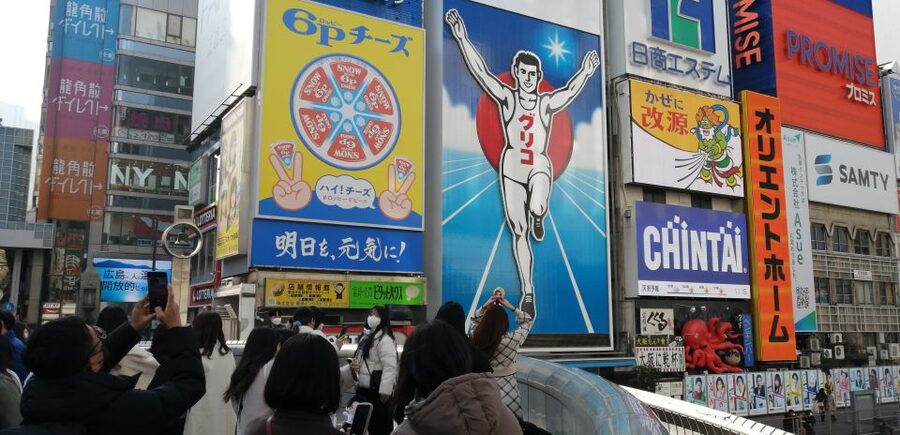
Dotonbori is the Osaka you’ve seen in photos: bright signs, canal-side scenes, and big energy. The tour focuses on one of the most famous spots—check the Running Man sign above Ebisbashi Bridge. It’s a quick photo magnet, but the timing also matters because Dotonbori hits best when you’re already in the right mood from earlier stops.
You’ll have guided time (around 45 minutes) here, plus a final short walk to the finish location. The tour ends at Hozenji Temple (天龍山 法善寺), which gives you a nice reset. After the neon, the temple area feels like a cool-down rather than a second adrenaline hit.
This ending is one of the practical smart choices of the route. Most highlights tours finish in a shopping street with nowhere to land emotionally. Here, you end in a calm spot that makes it easier to remember the day as more than just photos.
Eco-Friendly Transit with Subway Stairs: How to Prepare
The tour is designed as an eco-friendly day by combining subway rides and walking, which is both efficient and cheaper than private taxis. You’re also guided through station transitions, so you’re not guessing which exit or platform to take.
Still, be realistic: subway station stairs and underground corridors are part of the experience. Bring hiking shoes, not just sneakers you use for casual errands. A lot of people say they walked a lot, so cushion and grip matter.
Rain gear is another must. Osaka weather can change fast, and the guide will try to keep you comfortable, but you should still have something that works in the rain.
Price and Value: What You Get for $56 (and What Costs Extra)
At $56 per person for a 7-hour small-group experience, the value comes from what’s included and how much you pack into one day.
What’s included:
- Ramen lunch
- Local English-speaking guide with commentary and guidance
- Photo shoot assistance
What’s not included (and you should budget):
- Public transport pass (Osaka Metro 1-day pass JPY 620–820 depending on day)
- Osaka Castle entrance fee (about JPY 1,080–1,430)
- Shitennoji entrance fee (about JPY 400–600)
So you’re not paying only for narration. You’re paying for a guided route that reduces confusion and saves time at key moments like Osaka Castle with skip-the-line access. If you’re short on time in Osaka and you’d otherwise spend hours stitching together train lines and deciding where to eat, this price starts to look fair fast.
It’s also a cost saver in practice: the entrance fees and one train pass can add up, but the ramen inclusion already offsets a chunk of the typical lunch cost.
Group Size and Pacing: Why Small Feels Better in Osaka
This is a small group tour limited to 8 participants, and many departures end up even smaller. In experiences people shared, groups sometimes came down to just a few people, which makes the day feel close to a private tour.
That small group size is why the guide can:
- adjust the pace if someone needs a breather,
- steer you around crowds,
- and answer questions in plain English without repeating yourself all day.
You’ll also notice a practical, human side in how the guide manages conditions. Reviews mention heat management, shade stops, and flexibility with the route if plans get disrupted. That’s not small stuff. In a city where walking and transfers can drain you, that kind of care keeps the day enjoyable.
Who This Tour Suits Best (and Who Should Skip It)
This tour is ideal if you:
- are visiting Osaka for the first time,
- want a structured day that covers major sights,
- enjoy walking and can handle subway stairs,
- and want the guide to take the guesswork out of food and timing.
It may not be for you if you fall into the tour’s stated limits: children under 12, pregnant women, people with mobility impairments, people with heart problems, or anyone with a cold. Also, because it’s an active route, if you have heat sensitivity or you’re not comfortable with long walking distances, choose carefully.
If you’re traveling with very young kids or you want a slow, leisurely day with zero rushing, you might prefer a lighter half-day option instead.
Should You Book This Osaka Highlights Tour?
Book it if you want one day that covers both Osaka’s big sights and its food street energy, with a guide who helps you move through the city efficiently. The included ramen lunch and the small-group feel make it easier to enjoy yourself instead of juggling logistics.
Skip it if you don’t want entrance fees on top of the tour price, or if you know you can’t handle a long walking day (walking can be around 11 km). Also skip if your travel style is strictly self-guided with no scheduled stops.
If you’re the kind of traveler who likes a clear plan but still wants time to look around, this tour hits the sweet spot.
FAQ
Where is the meeting point?
Meet at Osaka Metro Tanimachi Line, Tanimachi 4-chome Station, Exit 4, in front of FamilyMart.
What time does the tour start?
The meet up time is 9:00AM.
Is ramen lunch included?
Yes. Ramen lunch is included in the tour price.
What does the tour cost include, and what costs extra?
The tour includes the ramen lunch, an English-speaking guide, tour commentary, and photo shoot assistance. Osaka Castle entrance fees and Shitennoji Temple entrance fees are not included, and you may also want to pay for an Osaka Metro pass.
How long is the tour, and is it a lot of walking?
The duration is 7 hours. The day includes a lot of walking plus subway rides between stops.
Is this tour suitable for everyone?
No. It is not suitable for children under 12, pregnant women, people with mobility impairments, people with heart problems, or people with a cold.