REVIEW · LONDON
London: Old City Walking Tour
Book on GetYourGuide →Operated by Sandemans New Europe Tours · Bookable on GetYourGuide
The City of London feels like a time machine on foot. This Old City Walking Tour strings together two thousand years of streets, riverside views, and landmark photos, with stories that explain how the capital got tough and stayed standing. I especially like the way the guide brings The City to life and keeps it moving with humor and real context.
What I love even more is the hit list of sights you get for the time: St. Paul’s Cathedral by Christopher Wren, then the crossing over the Millennium Bridge (yes, the wobbly one), and all the grand drama around the Tower area. You also get the behind-the-scenes details that make famous events click, from the blitz and the Great Fire to plague-era life.
One thing to plan for: it’s a solid 2.5-hour walk that can run longer, and much of the “visiting” is photo stops and street-side viewpoints rather than long inside-the-building time.
In This Review
- Key highlights worth your attention
- Why The City’s square mile is different from the rest of London
- Starting at Tower Hill: getting your bearings fast
- Tower Bridge and Tower of London photo stops: drama in walking distance
- London Bridge, Bank of England Museum, and the City’s power center
- St. Paul’s Cathedral: Wren’s masterpiece, explained as you see it
- St Clement Danes and the Knights Templar stop (yes, Da Vinci Code fans will care)
- The Millennium Bridge, HMS Belfast, and the Thames walk you’ll remember
- Shakespeare’s Globe and Mansion House: the City’s character in street-scale details
- Ending at Covent Garden: don’t overthink the finish
- Price and value: $35 for a guided story walk that hits big landmarks
- Who should book this Old City Walking Tour (and who might prefer something else)
- What to watch for on the day
- Should you book it?
- FAQ
- How long is the London Old City Walking Tour?
- Where does the tour start?
- Where does the tour end?
- What’s included in the price?
- What language is the tour guide?
- Is the tour wheelchair accessible?
- Is there pick-up or drop-off from accommodations?
- Are children welcome, and do they pay?
Key highlights worth your attention
- A guide-led story route through The City’s square mile, not a random landmark stroll
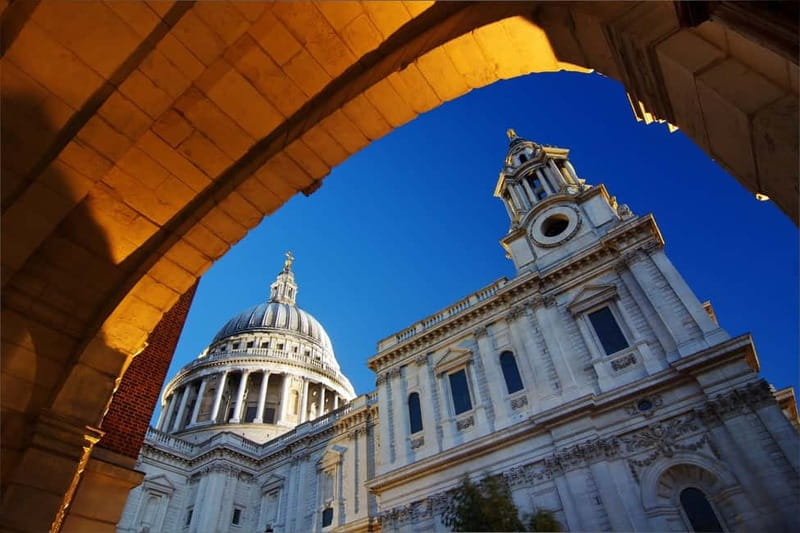
- St. Paul’s exterior views tied to Wren’s legacy, so you understand what you’re looking at
- The Millennium Bridge crossing, often remembered for that unmistakable wobbly feeling
- Tower Bridge and the Tower of London photo stops, plus riverside moments like HMS Belfast
- Big historical themes on the move, including the blitz, Great Fire, and plague
- End in Covent Garden, so you can roll straight into evening plans
Why The City’s square mile is different from the rest of London

Most people “do London” by hopping between neighborhoods. This tour does the opposite. It focuses on The City—the original core by the River Thames—and helps you see how a small area shaped the whole country.
You’ll walk through a tangle of small lanes, church courtyards, and river walkways where the buildings feel older than the streets they stand on. Even when you spot modern landmarks along the way, the route keeps the emphasis on continuity: how London rebuilt, reorganized, and rebranded itself without losing the plot.
This is also where “famous names” stop being just names. You’ll hear why certain places mattered, from major national events to local survival stories. I like that the tour doesn’t treat history like a museum label—it treats it like cause and effect.
You can also read our reviews of more walking tours in London



Starting at Tower Hill: getting your bearings fast
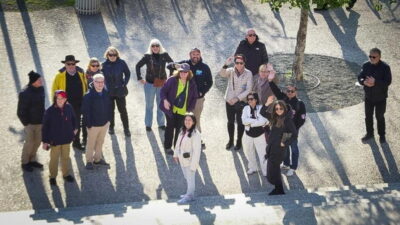
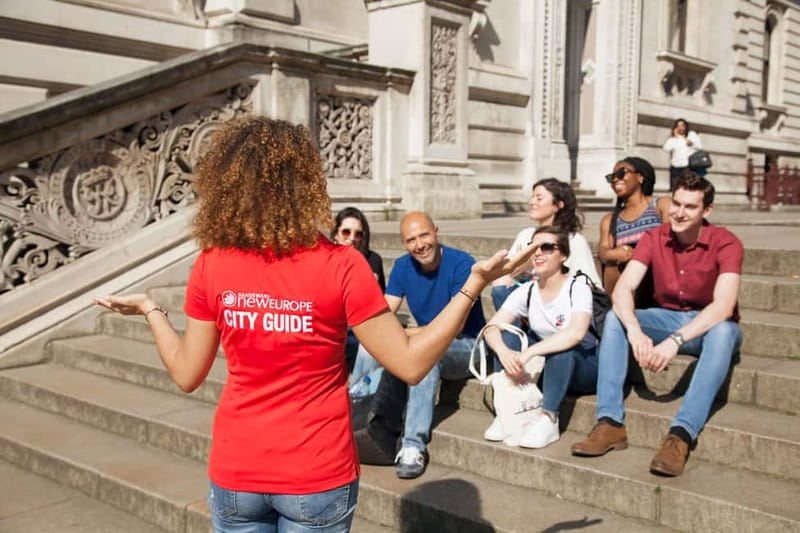
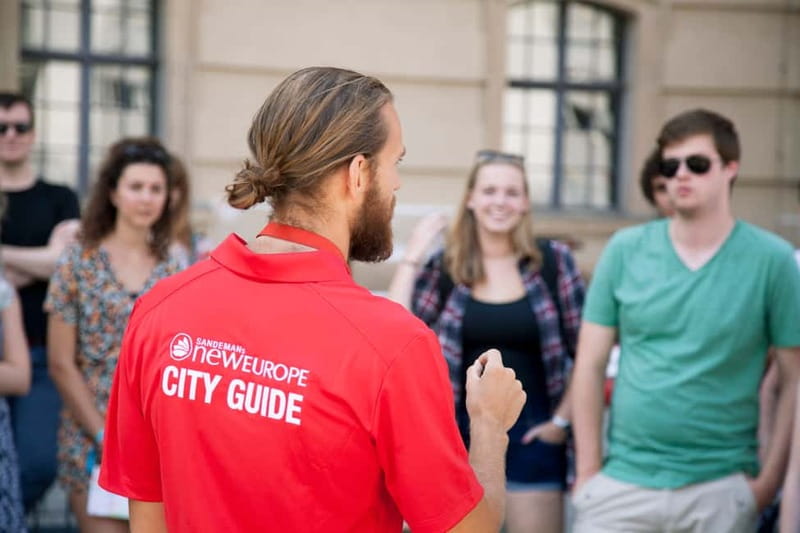
You start at Tower Hill Station, meeting at the CitizenM Hotel entrance next to the station. Look for the guide with the SANDEMANs red name badge.
That matters more than you’d think. The early minutes set the tone and help you understand the geography of the area: where the Thames shapes movement, why the Tower side mattered, and how the walk will thread you toward St. Paul’s and then across toward modern riverfront sights.
The tour timing is also built around efficient sightseeing. You don’t spend hours on transit. You spend those hours walking short distances between stops, which is ideal if you want value from a single morning or afternoon block.
Tower Bridge and Tower of London photo stops: drama in walking distance
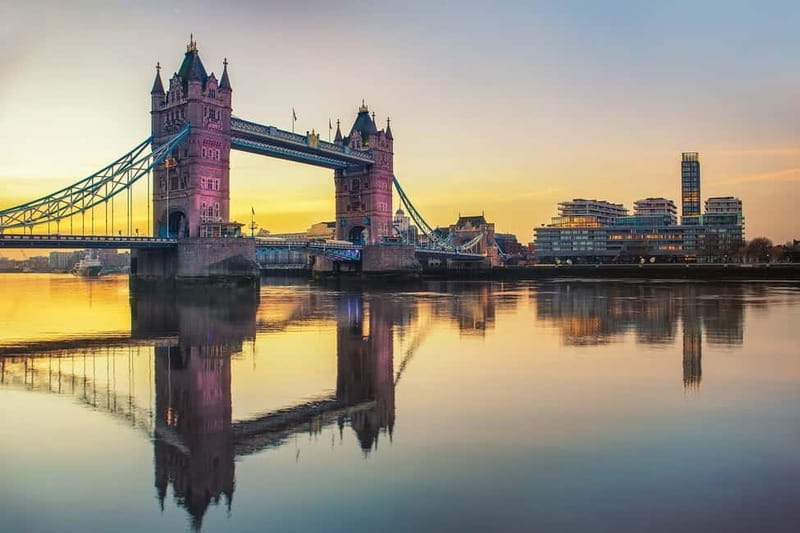
The first “wow” moment is Tower Bridge. You’ll walk there from Tower Hill, then continue into the Tower area where you’ll have a photo stop by the Tower of London.
This is one of the easiest stretches to appreciate on foot because you get layered views. You’ll see the grand structure of Tower Bridge, and you’ll also get the surrounding context that makes the Tower feel more than just a photo backdrop. The Tower of London area is tied to real power, real conflict, and real reinvention—so you’ll get the sense that London’s strength has always been partly strategic.
While you’re in this part of town, the tour’s big-story themes kick in. You’ll hear stories connected to how London survived the blitz, how earlier crises like the Great Fire changed the city, and how the plague era shaped everyday life. Even without entering every building, those stories make the architecture feel like evidence.
Practical note: expect mostly exterior views here. If you want deep interior time, you’ll likely do that on a separate trip.
London Bridge, Bank of England Museum, and the City’s power center
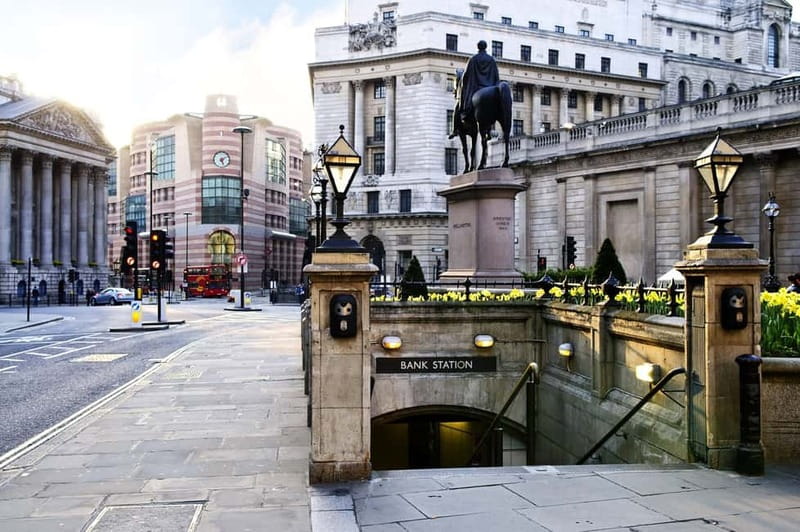
After Tower Bridge, the route moves toward London Bridge and continues through the City’s financial gravity. One of the photo stops is at the Bank of England Museum.
This stop is useful even if you’re not a finance person. The Bank of England sits at the intersection of politics, economics, and stability. The tour’s approach helps you connect the modern institution to the longer storyline of London as a place that managed risk—sometimes through banking, sometimes through survival, and often through both.
This also is where The City’s layout shows its personality. The streets feel tighter and more maze-like than you’d expect. You’ll be walking through small-town-sized blocks inside a world-famous capital. That contrast is part of the fun: London isn’t just big and shiny; it’s also tight and old.
St. Paul’s Cathedral: Wren’s masterpiece, explained as you see it
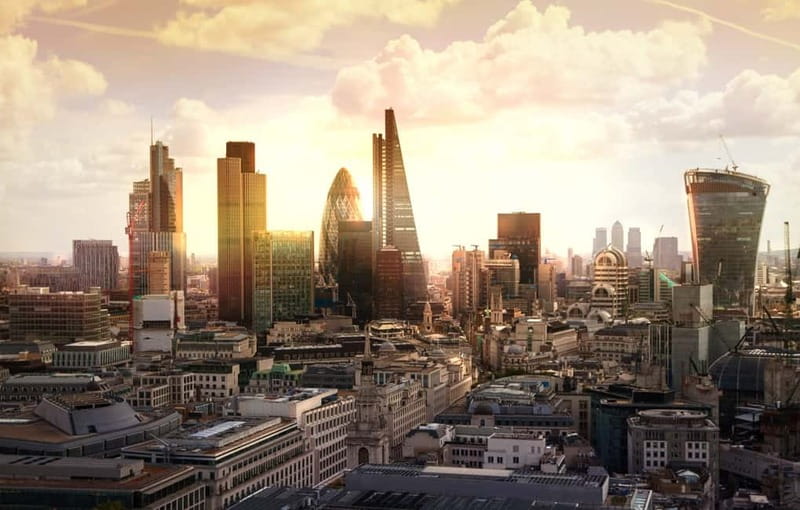
Next comes St. Paul’s Cathedral, with a photo stop timed for maximum impact. This is the famous landmark you came for—but the value is in how the guide connects it to the person behind it.
You’ll learn about Sir Christopher Wren and why his work is tied to London’s recovery and identity. St. Paul’s isn’t only pretty; it’s part of the city’s comeback language. You’ll be hearing themes from London’s past crises as you stand near a cathedral that symbolizes rebuilding.
I also like how this segment anchors the whole route. Once you’re oriented with St. Paul’s in your mind, the rest of the walk feels like a chain of deliberate connections rather than a checklist.






St Clement Danes and the Knights Templar stop (yes, Da Vinci Code fans will care)
As you continue through the old streets, you’ll make a photo stop at St. Clement Danes Church. Then there’s a stop tied to the Church of the Knights Templar, the one often mentioned in The Da Vinci Code conversation.
For non-fans of that book, the interest here is still practical. These stops remind you that stories in the City aren’t only royal or military. They’re also religious and cultural, tied to how communities formed, worshipped, and interpreted power.
And for book fans, the tour’s framing matters: it doesn’t treat fiction as the whole point. It uses the cultural attention the site gets to help you understand what you’re actually standing near and why it fits the wider timeline of London.
If you enjoy that mix—religion, myth, and real-world history—you’ll probably find this part a highlight.
The Millennium Bridge, HMS Belfast, and the Thames walk you’ll remember
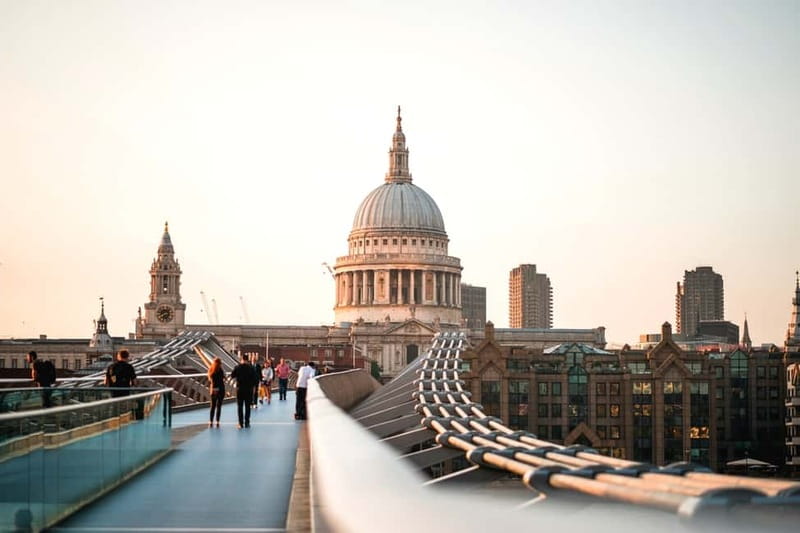
Then you cross the Millennium Bridge, sometimes nicknamed the wobbly bridge. It’s pedestrian, modern, and very much of-the-moment. But the guide links it back to the river’s role in London’s survival and growth.
The crossing is a great reset. After the weight of The City’s older landmarks, the Thames views give you space. You’ll also see HMS Belfast from the riverside area, and you’ll get a strong sense of how the river has always been a transportation corridor, a defensive line, and an everyday working landscape.
This is also where the route starts balancing “old London” with “London as it is now.” The tour connects you to places like Tate Modern—housed in a renovated power station—so you can see how old industrial bones can become new public space.
Shakespeare’s Globe and Mansion House: the City’s character in street-scale details
Along the way, you’ll pass Shakespeare’s Globe Theater and Mansion House. These aren’t just big names. They help show the range of what’s happening in The City: art, governance, and civic identity all living near older religious and historical structures.
What I like about including these stops is the way they break the monotony of “only royal stuff.” The City has always been more than one story. It’s also where institutions shape daily life: cultural venues, civic buildings, and historic landmarks all in close contact.
The tour also talks about how the old town feels when you walk it—small streets, courtyards, church grounds, and river walkways that make you slow down naturally. You’ll notice the texture of the area more than you would if you stayed on the main roads.
Ending at Covent Garden: don’t overthink the finish
You finish at Covent Garden. That’s a smart ending for your day because it gives you options right away—food, wandering, and easy transit connections.
The biggest advantage here is that you don’t need to reverse your route back toward where you started. You get the satisfaction of a complete loop through the core, then you step into a lively area that’s great for a late lunch or evening stroll.
If you’re trying to build the day around this tour, I’d plan an extra hour or two after it ends. The City can make your brain spin in a good way. Covent Garden gives you the release valve.
Price and value: $35 for a guided story walk that hits big landmarks
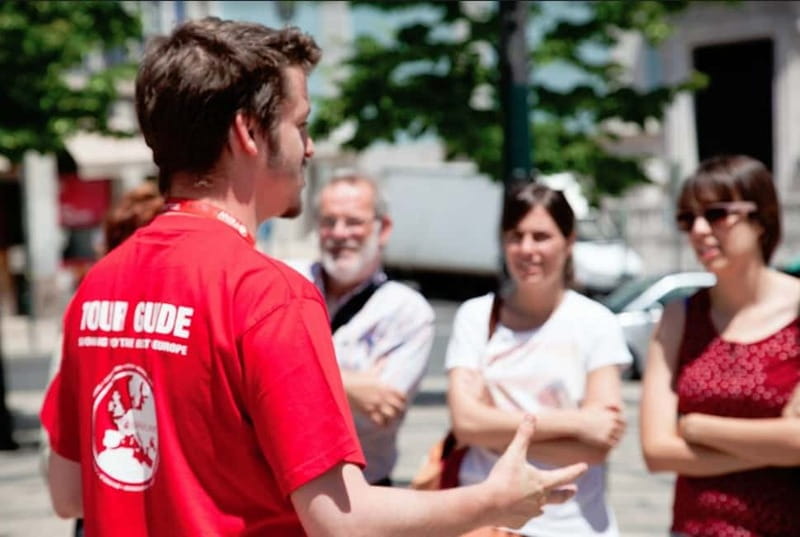
At about $35 per person, this tour is priced to fit most first-time London budgets. The key value is not only the landmarks—it’s the fact that you’re paying for interpretation. A walking route is only as good as the person holding it together, and the reviews you’ll see emphasize humor, clarity, and lots of Q&A.
You’ll hear from guides with names like Daniel Corrigan, James, Daniel, Ivo, Peter, Luke, Ben, Jamie, Ed, and Andy. Common thread: they’re quick to answer questions, add context, and keep the pace friendly. One guide in particular—Daniel Corrigan—gets praised for sharing information clearly, using humor, and even using videos or pictures to make sure you follow along.
Also, this is an experience type that works well at this price point because the tour includes the core components: a live local guide plus the time on the ground. You don’t pay extra for “essentials.” The biggest cost is effort from your shoes.
Plan for about 2.5 hours, with the tour usually lasting around 3 hours depending on the guide and group. If you like compact tours that still feel full, this matches the sweet spot.
Who should book this Old City Walking Tour (and who might prefer something else)
I’d recommend this tour if you:
- Want a guided introduction to The City of London without juggling multiple tickets in one day
- Enjoy big historical themes tied to real streets (blitz, Great Fire, plague)
- Like seeing landmark exteriors and getting the stories behind them more than long interior visits
- Want an easy way to connect St. Paul’s to the Tower side and then finish near Covent Garden
You might consider another format if you:
- Need mostly indoor time or long museum-style visits
- Have mobility constraints that make a 2.5–3 hour walk tough, even though the tour is wheelchair accessible
For families: children under 13 go free, which can make this a strong budget pick if your group includes younger kids.
What to watch for on the day
To get the best experience, I’d do three things:
- Wear comfortable walking shoes. This is a walking route with multiple photo stops.
- Bring water, especially on warmer days, since the tour is mostly outdoors and along riverfront sections.
- Have your meeting point sorted: Tower Hill Station by the CitizenM Hotel entrance, and find the guide with the SANDEMANs red badge.
Also, be ready for the guide to shape the route slightly based on what they think will work best. That flexibility can be good—like when it helps you pace around crowds and keeps the story coherent.
Should you book it?
Yes—if you want one guided walk that threads together London’s original core with major sights like St. Paul’s, Tower Bridge, and Tower of London, and you care about the story behind the skyline.
This tour is a strong value at $35 because you’re not just ticking off landmarks. You’re getting a narrative route through The City, with memorable bridges, Thames views like HMS Belfast, and the kind of historical context that makes famous events feel personal and logical.
If you’re short on time, this is also the kind of tour that gives you enough background to enjoy everything else you see later that day—especially once you end in Covent Garden and can keep exploring with a clearer sense of how all these places connect.
FAQ
How long is the London Old City Walking Tour?
The tour is listed as 2.5 hours, and it usually runs about 3 hours depending on what the guide thinks is best for the group.
Where does the tour start?
It starts at the CitizenM Hotel entrance next to Tower Hill Station. Meet there and look for the guide with the SANDEMANs red name badge.
Where does the tour end?
The tour finishes at Covent Garden.
What’s included in the price?
You get the tour and a local guide.
What language is the tour guide?
The live guide speaks English.
Is the tour wheelchair accessible?
Yes, the tour is wheelchair accessible.
Is there pick-up or drop-off from accommodations?
No, there’s no pick up or drop off included.
Are children welcome, and do they pay?
Children under 13 go free of charge.