REVIEW · OSAKA
Kuromon Market Food Walking Tour in Osaka (6 stops, 6 tastes)
Book on Viator →Operated by MagicalTrip Inc. · Bookable on Viator
Osaka really shows up fast in Kuromon. This 2-hour walk stacks six tastings with local culture and kitchenware shopping in the Namba area.
I like that the guide helps you order and navigate the market so you don’t waste time guessing what to buy. I also love the small group size (up to 7), which makes it easier to ask questions and keep a steady pace.
One thing to plan around: gluten-free is tricky here. The tour notes that gluten-free requests can’t be accommodated, and dietary options may be limited even for other restrictions, so message ahead with specifics.
In This Review
- Key things to know before you go
- Where the tour fits in an Osaka day
- Price and value: what $50.41 buys you
- Getting to the meeting point in Nipponbashi without stress
- Stop-by-stop: what you’ll do and why each part works
- Kuromon Market: the easiest place to start Osaka food
- Doguyasuji street: kitchenware and the culture behind the meals
- Short sightseeing links: Nanba Grand Kagetsu and the Namba area
- Dotonbori: billboards, photo ops, and the Osaka mood
- The food: what you can realistically expect to taste
- Guides make or break this kind of tour
- Dietary needs: how to plan ahead without disappointment
- Weather and walking comfort in Osaka extremes
- Is this the right fit for you?
- Should you book the Kuromon Market Food Walking Tour?
- FAQ
- How long is the Kuromon Market Food Walking Tour?
- How many tastings and stops are included?
- Where do I meet the guide for the tour?
- What if I have dietary restrictions?
- Do I need cash for anything?
- How big is the group?
- What happens if I arrive late?
Key things to know before you go
- Six stops, six tastes: built around sampling instead of just wandering
- Kuromon Market as your starting point: perfect for figuring out Osaka food style early
- Doguyasuji kitchenware street: a detour that adds real texture beyond food
- Namba and Dotonbori viewpoints: quick hits of comedy theater energy and the Glico sign zone
- Up to 7 people: you’re not lost in a crowd with a single clipboard person
- Guides with strong English and crowd-handling: several guide names show up repeatedly, including Nina, Yuto, Megumi, Rie, Niko, and Taku
Where the tour fits in an Osaka day
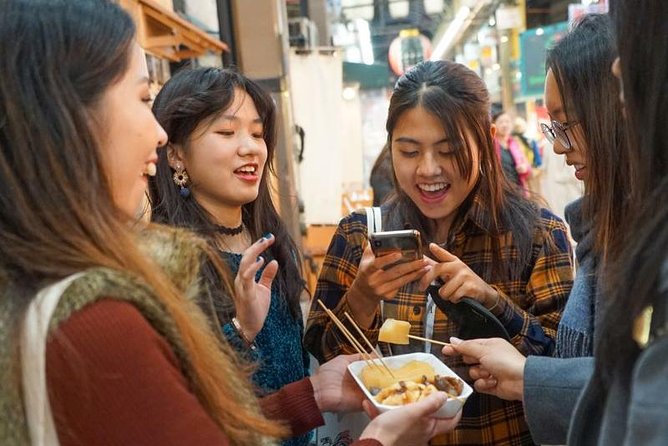
This is the kind of tour I’d slot into the first half of your Osaka stay. You start in Nipponbashi and move through the Minami food district, which is where you’ll keep coming back anyway if you’re eating your way around town. Two hours is short enough to stay fun, but long enough to feel like you learned something practical.
The best part is that it’s not only about eating. You also get context for what you’re seeing and why Osaka does food the way it does, plus a stop on Doguyasuji, the kitchenware-and-tableware street where locals shop for the gear behind home cooking and restaurant work.
You also get guidance that matters in real life: ordering help, pacing help, and help avoiding the kind of places where the menu looks exciting but the experience is predictable.
You can also read our reviews of more walking tours in Osaka
Price and value: what $50.41 buys you
At $50.41 per person, you’re paying for three things that add up quickly in Japan:
- Six tastings over about two hours (not just one snack)
- A local guide who helps translate, choose, and keep the group moving
- Less decision stress than doing it alone in a crowded market
If you divide it out, you’re in the neighborhood of roughly $8–9 per tasting, and those bites are the reward. But the real value is the time saved. Kuromon and Namba can overwhelm you fast—signs, menus, lines, and smell-test decisions all at once. With the guide, you can focus on enjoying what you’re served instead of standing at stalls trying to translate everything with shaking hands.
There’s also a social value: small group tours mean you’re not waiting forever for everyone to finish. Several guide experiences in the past were praised for pacing and getting people fed rather than stuck.
Getting to the meeting point in Nipponbashi without stress
You meet in front of the SMBC ATM at Nippon-bashi 1-chome, near Kintetsu Nipponbashi Station (Exit 10). The tour also lists the broader meeting location around the Pikaso building area (Nipponbashi, Chuo Ward).
This matters because that neighborhood is busy and full of lanes. If you arrive with 15 minutes to spare, you’ll feel calm. If you arrive late, you may miss the start—this tour explicitly starts on time and late entry isn’t allowed.
Bring your phone. It’s a mobile-ticket style experience, and you’ll get booking confirmation around the time you book.
Stop-by-stop: what you’ll do and why each part works
Kuromon Market: the easiest place to start Osaka food
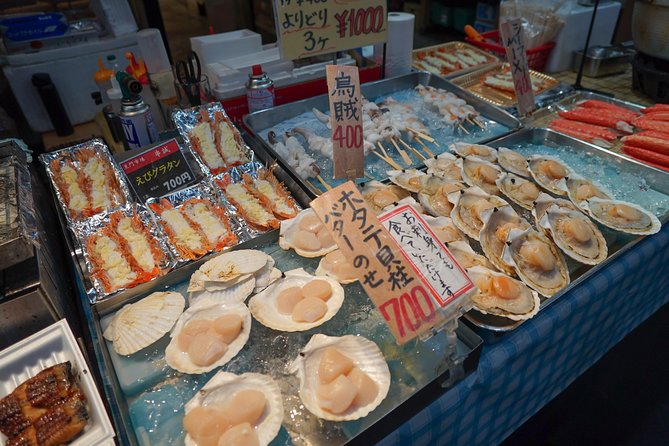
You begin with a walk through Kuromon Market, in Minami, the center of Osaka City. The market name comes from the black mountain gate of Enmyoji Temple, which is a neat example of how even food streets carry older cultural references.
In plain terms, Kuromon is where you can train your palate. You’ll be guided through the market area, eating as you move instead of treating it like a museum. This is also a great moment to learn how Osaka vendors communicate: what to look for in displays, how to approach ordering, and how to move when counters get tight.
A detail I appreciate: the structure is built for tastings, not a random series of shops. That reduces the risk of leaving hungry, which is exactly what can happen when you DIY a market by hopping into whatever looks busiest.
You can also read our reviews of more food & drink experiences in Osaka
Doguyasuji street: kitchenware and the culture behind the meals
One of the standout features is the visit to Doguyasuji, a street known for kitchenware, tableware, and cooking equipment. Even if you’re not shopping, it’s a fascinating detour because it connects food to tools and craft.
Why it matters: Osaka food culture isn’t just about dishes—it’s also about technique and the everyday objects that make eating easier and cooking more consistent. Seeing the gear side of the city helps you understand why locals are so serious about practical dining.
This is also a good reset after eating: you’re not constantly deciding what to buy. You’re looking, learning, and getting photos if you want them.
Short sightseeing links: Nanba Grand Kagetsu and the Namba area
After the market portion, the route includes pass-by stops around Namba.
One of the listed highlights is Nanba Grand Kagetsu, a comedy theater run by Yoshimoto Kogyo. It’s a small but meaningful reminder that Osaka’s identity isn’t only food. Humor and performance are part of the local rhythm, and the guide can point out how this entertainment culture blends into the neighborhood.
Then you pass through the wider Namba area, an area built around transit connections and plenty of places to eat. This section helps you get your bearings. Once you’ve walked through it with someone who knows the flow, the next time you come back on your own feels easier.
Dotonbori: billboards, photo ops, and the Osaka mood
Finally, you end up in the Dotonbori area, known for its rows of giant 3D-style signs, including landmarks tied to Shochikuza Theater, Kani Douraku, and the Glico sign.
This isn’t a deep architecture tour. It’s more like a guided “here’s what people mean when they say Osaka looks like this.” If you’ve only seen Dotonbori from outside, this helps you understand the street layout and where the crowds gather.
And because the tour ends back at the starting area, you don’t have to worry about how you’ll get home after the last bite. It’s a built-in loop.
The food: what you can realistically expect to taste
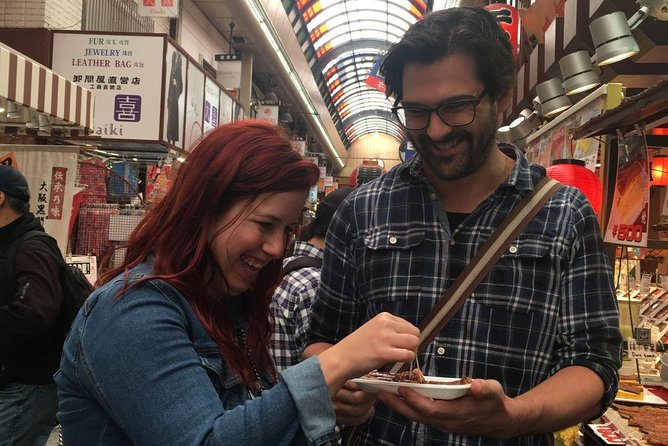
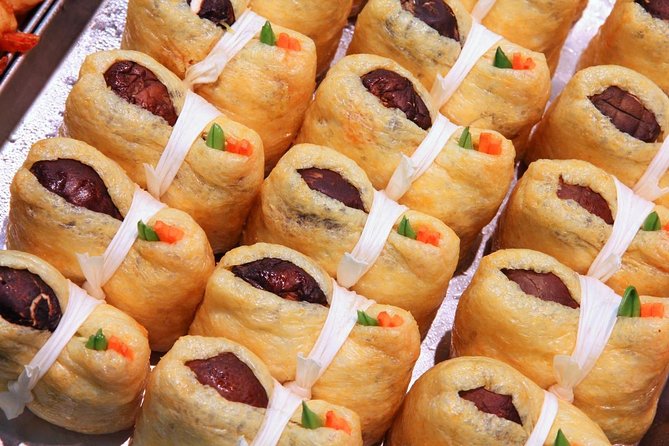
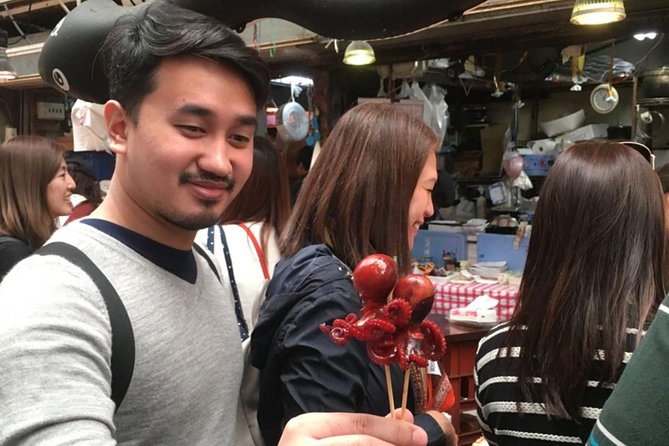
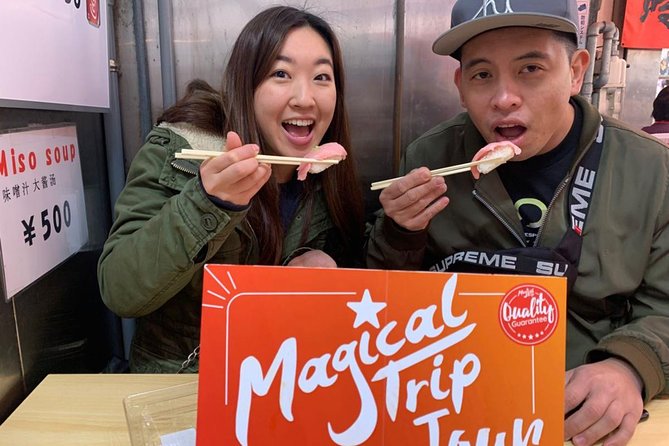
The tour is structured around six stops and six tastes, and it specifically calls out Osaka classics like takoyaki. Based on past tour experiences with different guides, people have also tasted things such as fresh sushi, yakitori, dumplings, gyoza, oden, and sweets.
Here’s the practical way to think about it: you’re sampling across the “greatest hits” of Osaka, not one cuisine theme. So if you want a fast intro to what Osaka does well, this format works.
Also notice how ordering support is part of the product. The tour is designed to reduce the language barrier stress when you’re trying to ask questions or pick something confidently.
Guides make or break this kind of tour
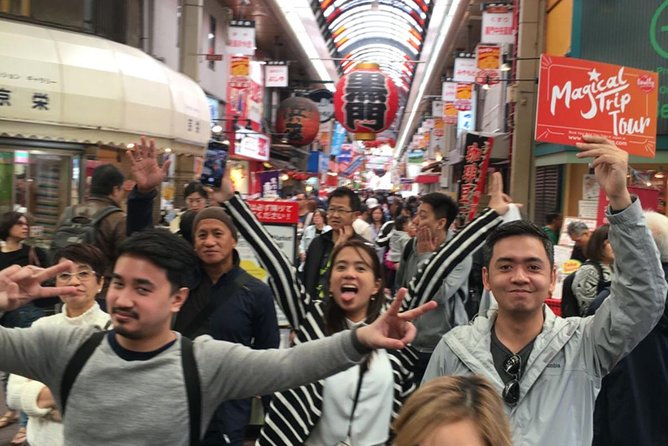
What shines in the guide stories is how much personality and problem-solving shows up. Names that pop up include Nina, Yuto, Megumi, Rie, Niko, Taku, Aina, Aya, Anne, and Yuki. The recurring strengths are easy to spot:
- Clear English and good communication
- Fun, human storytelling that links food to Osaka life
- Pacing that keeps everyone fed on time
- Help with families and kids, including answering questions in a way that keeps energy up
- Flexibility when people have restrictions
A few practical touches stand out too. One guide was praised for carrying hand wipes for messier foods. Another helped solo travelers by taking lots of good photos.
You don’t get to choose your guide, but the pattern is encouraging: this is a tour type that depends on a guide who can manage groups in tight spaces, and the track record looks strong.
Dietary needs: how to plan ahead without disappointment
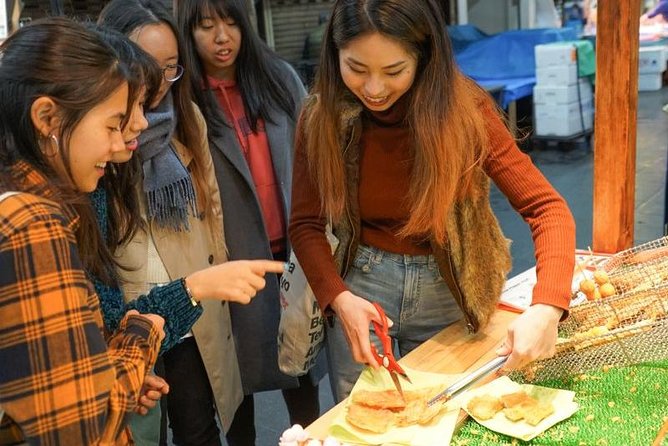
Here’s the part you should treat as serious planning, not fine print.
- The tour states it cannot accommodate gluten-free requests.
- It also says it can accommodate vegetarian and vegan, and mentions gluten-free requests again while warning that many Japanese restaurants are not fully prepared and options may be limited.
So what should you do? Email or message your dietary needs at least one day before the tour. Give specifics (what you avoid and what level of risk you need). And be mentally ready that substitutions might not exist.
If you have a strong allergy, assume the tour can’t guarantee allergy-free meals. You’ll want to approach this with caution and bring backup plans for later in your day.
Weather and walking comfort in Osaka extremes
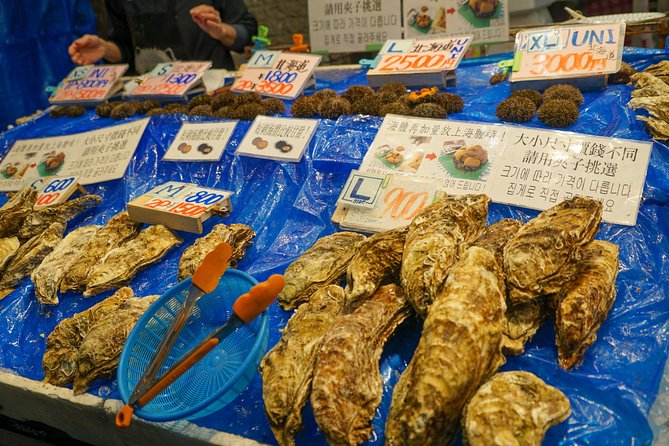
The tour warns that Osaka weather can swing hard—summer can reach up to 40°C (110°F), and winter lows can drop to -5°C (20°F). A food walking tour amplifies that, since you’ll be outside for most of the experience.
Plan for comfort:
- Wear shoes you can walk in for two hours without thinking about it
- Carry water in warm months
- Bring a light layer or warmer outer layer if it’s cold
- If rain is in the forecast, pack something basic you can use quickly
Also, the route includes market areas and busy streets, so moving smoothly matters more than trying to stop for long looks.
Is this the right fit for you?
This tour fits best if you want:
- An efficient intro to Osaka street food without wasting time figuring out what’s worth it
- A guided way to hit Kuromon Market plus the Namba/Dotonbori vibe
- A small-group feel (up to 7) where you can actually ask questions
- Local context that connects food to Osaka culture
It may be less ideal if:
- You need fully gluten-free meals with strict safety guarantees
- You prefer fully independent wandering with no structured tastings
Should you book the Kuromon Market Food Walking Tour?
I’d book it if you’re the type who wants to eat well with less effort—markets are fun, but they’re also chaotic. This tour’s value is in the structure: six tastings, a guide who helps you order, and an easy route that links food and Osaka street life in about two hours.
I’d hesitate only if gluten-free is non-negotiable or if you need strict allergy guarantees. In that case, message first and ask for clarity before you pay.
If your goal is a practical, high-confidence Osaka food start—especially your first or second day in the city—this is a solid choice.
FAQ
How long is the Kuromon Market Food Walking Tour?
It runs for about 2 hours.
How many tastings and stops are included?
The tour includes 6 stops and 6 tastes.
Where do I meet the guide for the tour?
Meet in front of the SMBC ATM at Nipponbashi 1-chome near Kintetsu Nipponbashi Station (Exit 10). The meeting area is also listed near the Pikaso building.
What if I have dietary restrictions?
Gluten-free requests are not accommodated. Vegetarian and vegan requests may be possible, but options can be limited since many kitchens may not be fully prepared. You should inform the operator at least one day before the tour.
Do I need cash for anything?
The guide’s food and drinks are not your responsibility. Bring cash if you want to buy extra snacks or drinks.
How big is the group?
The tour has a maximum of 7 travelers.
What happens if I arrive late?
The tour starts on time. If you arrive late and miss the group, you won’t be able to join, and you won’t receive a refund or reschedule.