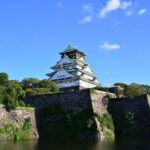
Osaka never sits still—this tour keeps moving. In four hours, you’ll see how Osaka Castle Park connects to merchant power, then ride through Korea Town, high-rise Japan at Harukas, and street-life zones like Shinsekai and Namba. It’s a guided walk built for orientation: you’ll learn the why behind the places, not just the what.
I love the way the guide turns Osaka Castle Park into a clear story, including a dramatic chapter from about 400 years ago that almost saw the castle robbed. I also love the combo of the Abeno Harukas 300 skyline view and the underground department-store food hall, where the displays can include high-end items like Kobe beef and even puffer fish.
The only catch: you won’t enter the castle, and there are no meal stops, so you’ll rely on snack purchases and your own hunger timing. Bring comfy shoes and plan for a steady walking rhythm rain or shine.
In This Review
- Key highlights that make this tour work
- Getting your Osaka bearings fast (without burning a day)
- Osaka Castle Park: the grand exterior + the human drama
- Tsuruhashi Korea Town: the pre-war street maze feeling
- Abeno Harukas 300: skyline above, food hall below
- Shinsekai: slightly crumbling, very Osaka
- Namba and Dotonbori: the entertainment center, plus the side streets
- Kuromon Ichiba and the cooking-district textures of Doguyasuji
- Transportation, timing, and why the route feels efficient
- Price and value: what $59 buys you in real life
- How the guide style shapes your experience (and your photos)
- What to bring (and what to skip)
- Who should book this Osaka walking tour?
- Should you book? My straight answer
- FAQ
- How long is the tour?
- Where is the meeting point?
- Do we go inside Osaka Castle?
- Is transportation included?
- Is there a food stop or included meals?
- What should I bring?
- Does the tour run in bad weather?
- What languages are available for the live guide?
- Is pickup included?
- Can I join as a solo traveler?
Key highlights that make this tour work
- Castle Park, but make it a story: big exterior views plus historical context you can carry to the rest of Osaka.
- Tsuruhashi Korea Town streets: narrow alleys in a pre-war commercial vibe.
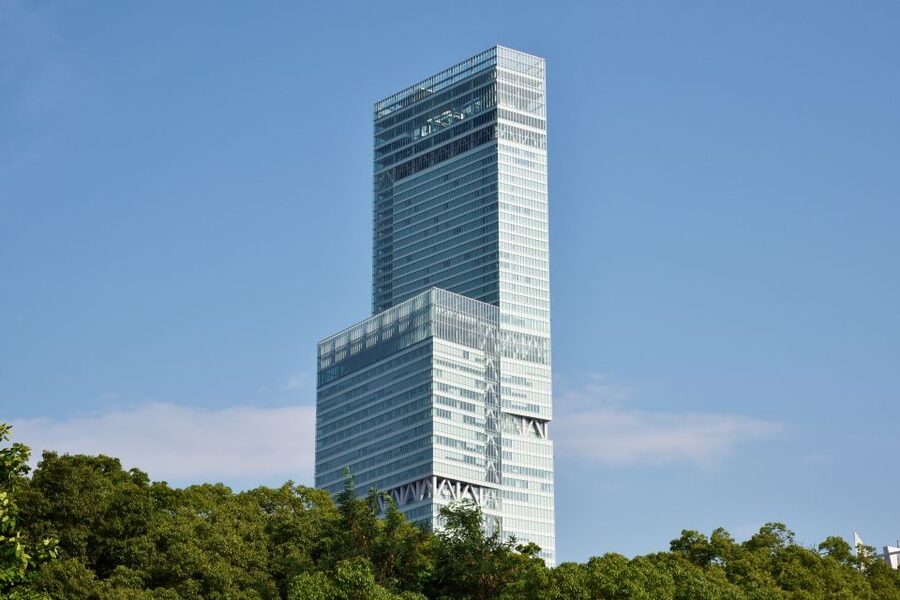
- Harukas 300 views + underground food hall: high above, then right under your feet.
- Shinsekai’s time-capsule feel: slightly crumbling local sights that Osaka does best.
- Namba and Dotonbori with side streets: not just the main strip—also the quirks nearby.
- Doguyasuji cooking-district textures: wax food models, noren curtains, and big pottery visuals.
Getting your Osaka bearings fast (without burning a day)
This is the kind of tour that helps you stop feeling lost. Osaka can look straightforward on a map—until you try walking it alone and realize each neighborhood has its own rules, food culture, and style of noise. Here, you get a guided route that strings together the city’s main “faces” and its less-famous lanes.
You start at Tanimachiyonchome Station Exit 2, which is handy because it’s tied to the subway grid. From there, you’re on foot for major stretches, with quick hops using public transport between districts. That matters: you don’t waste half your trip figuring out trains, and you don’t end up zig-zagging across town when your feet are already tired.
The total time is about 4 hours. It’s long enough to feel like you did something real, but short enough that you still have energy for ramen, shopping, or a second neighborhood later.
You can also read our reviews of more walking tours in Osaka

Osaka Castle Park: the grand exterior + the human drama
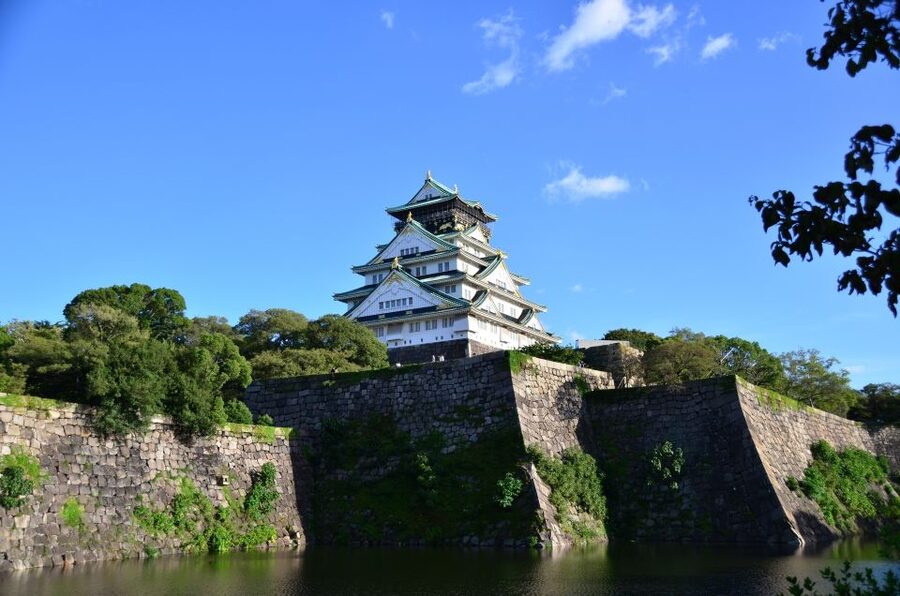
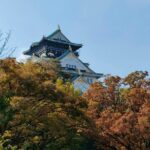
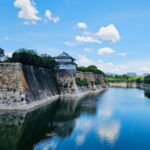
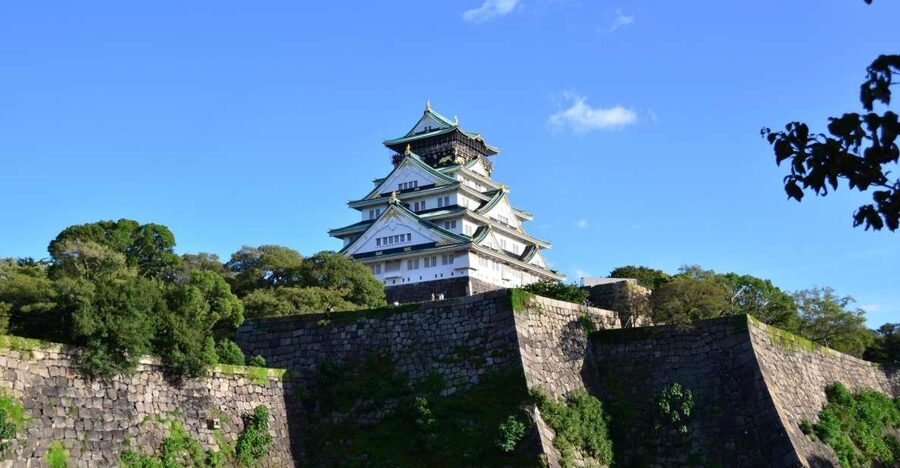
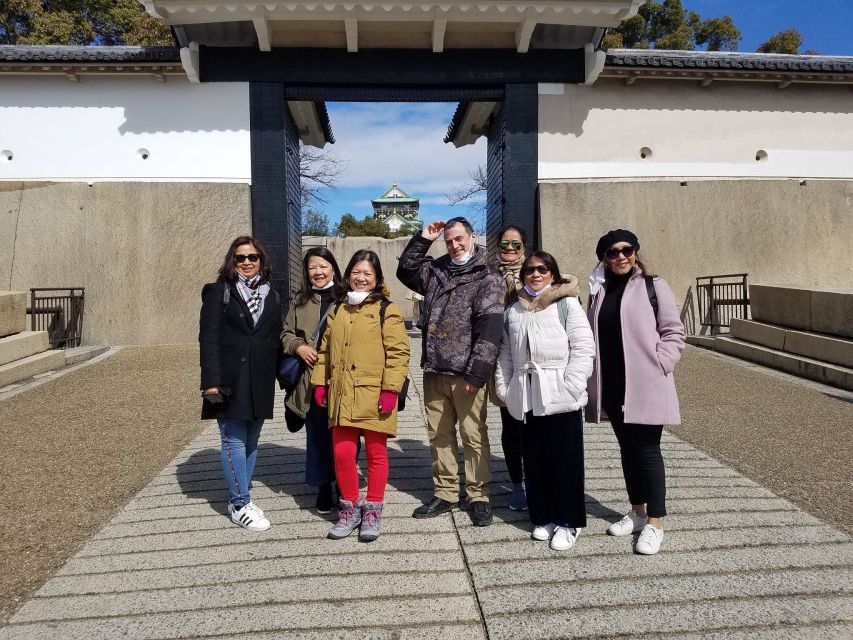
You don’t go inside Osaka Castle, but you do get the best part for most first-time visitors: the scale. The exterior of the castle is imposing, and the surrounding park gives you room to breathe and look around. This matters because Osaka history isn’t just museum facts. It’s power, timing, and survival.
Expect the guide to talk through the castle’s history while you stroll the park area. A highlight for many people is the story about the castle almost being robbed from Japan about 400 years ago. Even without entering the building, that kind of context turns what you see into something you can visualize—walls, strategy, and why the location mattered.
What I like about this stop: it anchors the tour thematically. You start with an Osaka symbol, then you move outward into the city’s commercial neighborhoods. By the time you hit street food zones, you understand that Osaka’s “merchant culture” wasn’t random—it grew in a city that knew how to organize, trade, and hustle.
What to consider: since you’re not entering the castle, you’re here for the view, the grounds, and the story. If you were hoping for indoor exhibits as the main event, you might need a separate visit later.
Tsuruhashi Korea Town: the pre-war street maze feeling
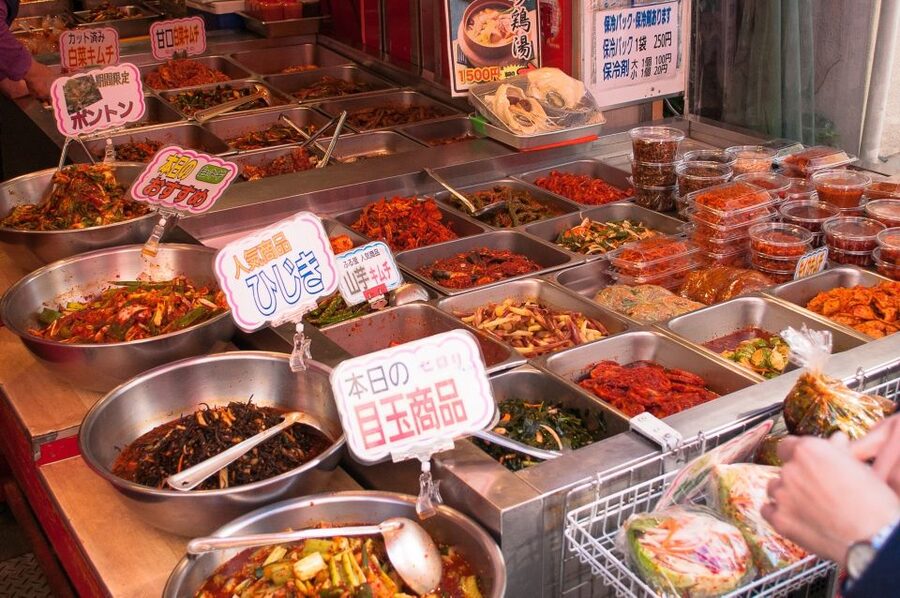
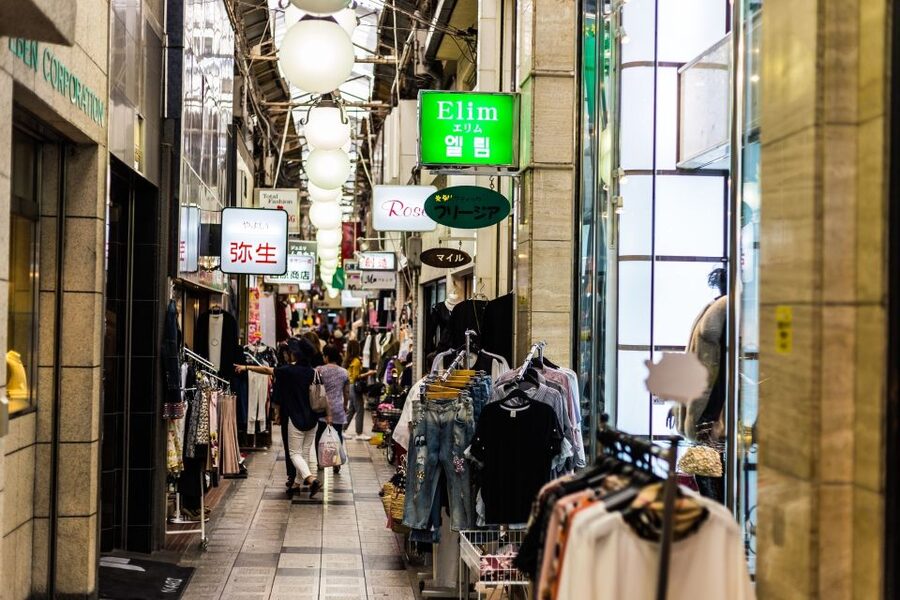
Next you head to Tsuruhashi, known for its Korea Town energy. This is the part where Osaka shifts from big landmark to everyday city texture. The streets and alleys here feel more like you’re walking through a neighborhood than following a checklist.
You spend about 45 minutes here with the guide. You’ll move along narrow ways where shopfronts and signs do the work of explaining the area. It’s not just “look around.” The guide’s job is to connect what you’re seeing to Osaka’s role as a crossroads city—how cultures sit side by side and how neighborhoods form commercial identity over time.
Many guides do a good job of keeping this stop lively by pointing out the details that make the streets interesting: the rhythm of small storefronts, the way pedestrians flow, and the sense that this place has existed long enough to layer older patterns under newer ones.
Practical tip: bring your eyes. This is a district where the best photos come from looking slightly off the main line—an alley corner, a sign cluster, or the way people move between shops.
Abeno Harukas 300: skyline above, food hall below
This stop is built for contrast. You’ll take public transport and arrive at Abeno Harukas 300. You get time about 30 minutes high above the city, with a view that helps you understand where everything sits—especially helpful if you plan to return to Osaka later on your own.
Then comes the clever part: you head underground to explore the department store food hall. It’s a fun switch from sightseeing to shopping-mode visuals. Expect displays featuring higher-end products, including examples mentioned on this tour such as puffer fish and Kobe beef.
Why this is valuable: Osaka is famous for food, but it’s also famous for variety. This underground area is a quick snapshot of how food branding and quality signals show up in the modern city. You don’t need to buy a lot to benefit—you just need time to look and understand.
What to consider: Harukas is popular and enclosed spaces can feel crowded. If you don’t like queues or tight sightlines, keep your expectations flexible and use the guide for quick photo spots rather than trying to linger at every display.
Shinsekai: slightly crumbling, very Osaka
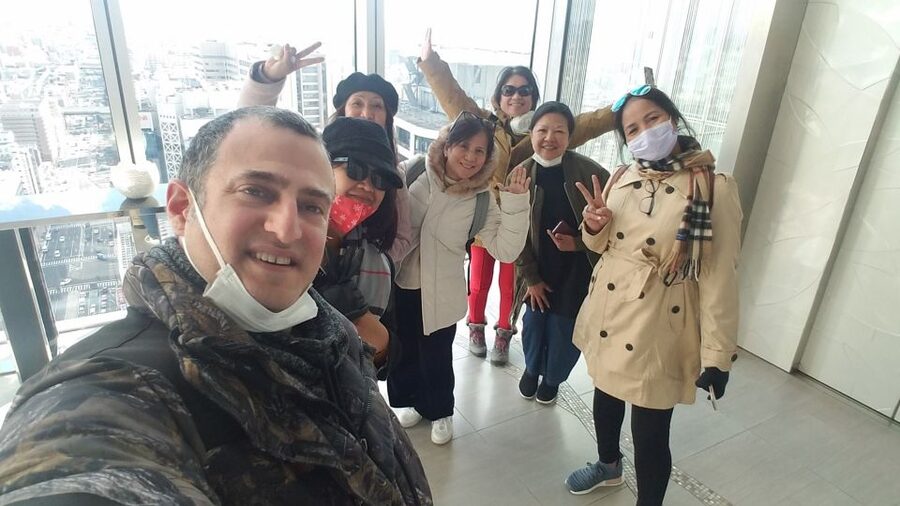
After Harukas, you go to Shinsekai, which many people describe as being frozen in a particular era. It’s not a polished showpiece. It has that slightly worn, local atmosphere where the details feel less curated and more lived-in.
You’ll have around 30 minutes here. The guide helps you notice what makes it special: the signage, the street character, and the overall feel that this neighborhood keeps its identity even as the city modernizes.
My take: Shinsekai is the part of Osaka that reminds you it’s not just neon and shopping malls. It has older street energy, and that energy changes how you experience the rest of the walk. After Shinsekai, Namba and Dotonbori feel even more like a contrast—new crowds, new styles, same city spirit.
Footwear note: Shinsekai is walkable, but you’ll be on your feet a lot across the whole route. The tour runs rain or shine, so non-slip shoes are a safe choice.
You can also read our reviews of more guided tours in Osaka
Namba and Dotonbori: the entertainment center, plus the side streets
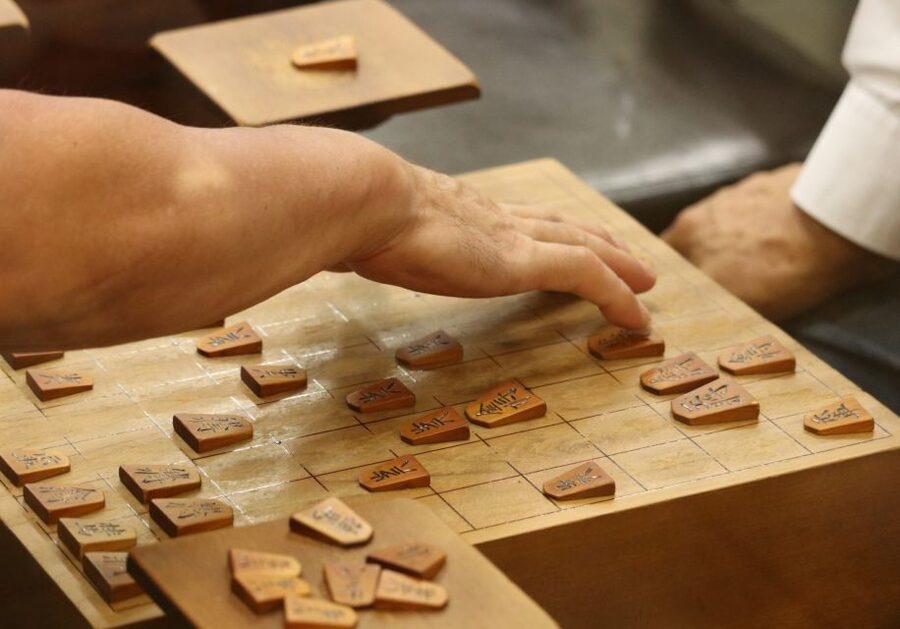
Now you get into Osaka’s present-day heart. Namba is described as a center for shopping, dining, and entertainment, and it shows immediately. You’ll spend about 30 minutes here, and the focus isn’t just on the big-name areas. The guide also helps you move through the quirky back streets that make Osaka feel like Osaka.
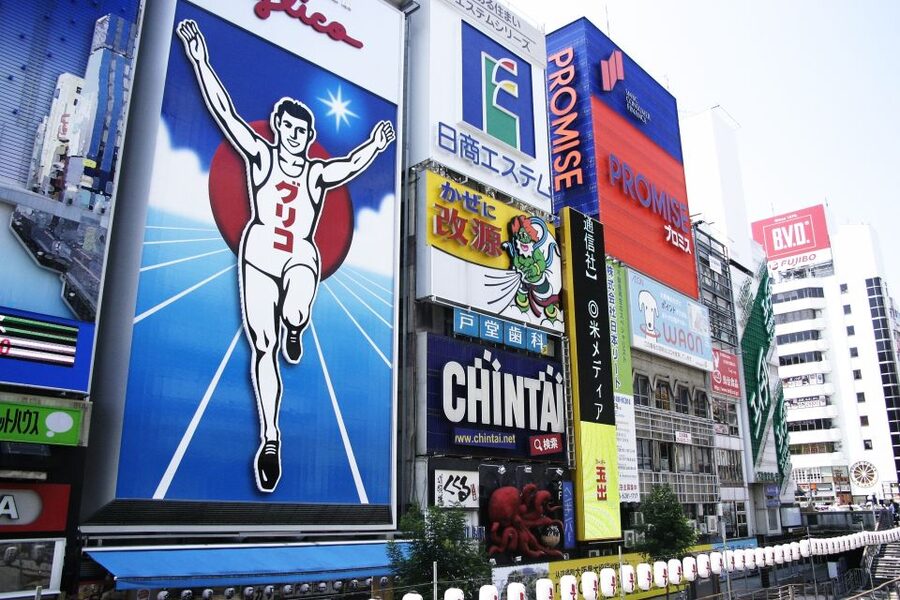
Then you go to Dotonbori, which is often compared to Times Square in the sense that it’s the loud, visual center of gravity. Expect signs, energy, and the kind of street vibe that makes you want to keep walking just to see what appears around the next corner.
What I like is that this isn’t a straight line of obvious sights only. The tour is set up so you keep turning corners and discovering different flavors of Osaka street life—so you don’t finish feeling like you only saw one postcard angle.
Photo tip: if you want photos that look like Osaka, ask the guide where to stand before you stop moving. Many guides on this tour are praised for spotting strong photo spots and helping you capture them without awkward timing.
Kuromon Ichiba and the cooking-district textures of Doguyasuji
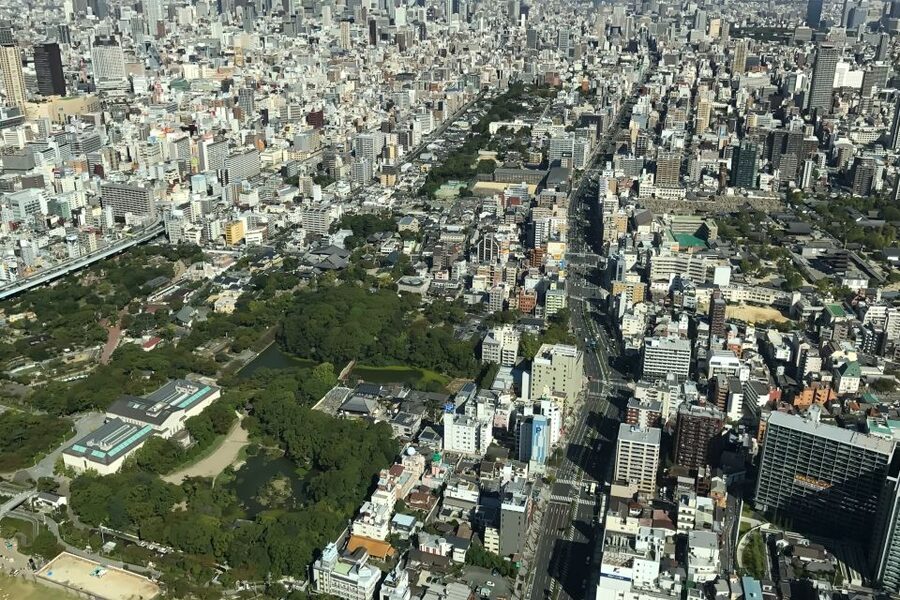
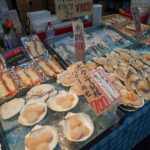
One reason this tour feels like more than a highlight reel is that it includes the food-adjacent districts. You’ll visit Kuromon Ichiba, a fresh fish market that has played a role for more than 150 years. Even if you don’t buy much, the value is the atmosphere and the sense of tradition in a place that still functions like a market, not a theme park.
Then, you wrap with Doguyasuji, a kitchen and cooking district. This is where Osaka turns everyday objects into visual storytelling. You’ll see wax food models, noren curtains (the hanging curtains at shop entrances), and big pottery pieces. It’s a “look with your hands” kind of stop—you start thinking about ingredients, tools, and how food culture shapes the streets.
Why I think this works for you: Osaka is famous for eating, but not every visitor understands the supply chain vibe that makes the city’s food scene run. These stops connect the restaurant world to the market and kitchen districts that support it.
One caution: the tour doesn’t include a food stop, so don’t assume you’ll sit down for a meal. You’ll have a chance to buy snacks here and there if you’re hungry. Keep that in mind and eat a proper meal either before the tour or right after.
Transportation, timing, and why the route feels efficient
Transportation isn’t included, and you’ll use public transit during the tour. That’s normal for a walking tour that links multiple districts, but it changes how you plan.
Here’s the practical way to handle it:
- Buy a subway day pass and use it to reach the meeting point and travel between stops.
- Expect quick train rides between major areas (castle to Tsuruhashi, then on to Harukas, and onward).
- Keep your schedule flexible enough to handle rain or shine. This tour runs rain or shine.
Because there’s no included hotel pickup as part of the base price (pickup is an extra option), being near the subway matters. Luckily, your meeting point is well-connected.
Also, the route is structured to feel like you’re moving forward all day instead of backtracking. That’s a big win if you only have one day in Osaka.
Price and value: what $59 buys you in real life
At $59 per person for roughly 4 hours, the price looks simple, but the value is in what’s packaged together.
You’re paying for:
- A live, multilingual guide (English, French, Spanish).
- A curated walking route that links major areas plus the off-main streets.
- Local context that explains why the neighborhoods look the way they do.
Food and transport aren’t included. That’s fair. You should plan your day around the tour by keeping meals simple and letting the walk handle the exploration. If you’ve ever tried to DIY Osaka with only guidebook notes, you know how much time gets swallowed by decision-making. This tour handles that decision work.
Also, the guide quality is a major part of why people rate it so high. Names like Ferdinand, Kevin, Oisin, Bryan, Hugo, Jamie, Andrew, Brian, Oshin, and Ethan show up across guide stories, with a consistent theme: solid storytelling tied to each stop plus practical tips for surviving the city.
What to consider with the price: you won’t enter the castle, and you won’t get a sit-down food stop. So treat this as an orientation and story tour with food culture on the edges—not a full gastronomic tour.
How the guide style shapes your experience (and your photos)
This tour is only as good as the person talking. The good news: the role seems to be taken seriously. Many guides are praised for keeping the conversation going, answering lots of questions, and adjusting pace when the group needs it—like slowing for seniors or managing energy during hot weather.
There’s also a repeated emphasis on photo support. People describe getting help finding strong photo angles and even having the guide assist with practical ordering in food spots nearby. That kind of support can turn the day from sightseeing into memories you actually keep.
One big takeaway: ask questions. The guide’s job isn’t to rattle facts—it’s to connect Osaka’s history to the streets you’re standing on. When you engage, the tour feels less like walking and more like translating.
What to bring (and what to skip)
Keep it basic. This tour is straightforward, but your comfort decides whether it feels fun or exhausting.
Bring:
- Comfortable shoes you trust on uneven pavement and crowded areas.
- A small bag for snacks/water you buy on your own.
- Your subway day pass.
Skip heavy planning. You don’t need to pre-book food stops on a day like this. If you get hungry, the route gives opportunities to buy snacks here and there.
If you want photos, don’t overstuff your schedule right before the tour. Starting at the subway makes it easy to arrive ready.
Who should book this Osaka walking tour?
This tour is a great fit if you:
- Have one half-day to a full day to cover big Osaka zones.
- Want a guided introduction with history and neighborhood context.
- Like street-level exploration more than museum-only days.
- Appreciate food culture, even if you’re not doing a formal tasting tour.
You might want to think twice if you:
- Only care about entering buildings and museums (you admire the castle from outside here).
- Need long sit-down meal breaks. There are no food stops, just snack opportunities.
- Have mobility needs that make long walks difficult. The tour is described as wheelchair accessible, but it also notes it is not suitable for people with mobility impairments—so you’ll want to judge your situation honestly before committing.
Should you book? My straight answer
Yes—if you want a strong orientation to Osaka in about four hours, this tour is a solid pick. You get the city’s main symbols (castle grounds, skyline at Harukas, Dotonbori’s neon energy) plus neighborhoods that explain why Osaka feels different from Tokyo.
Book it especially early in your Osaka stay. You’ll leave with a mental map and the kind of context that makes later wandering feel easier, not random.
Just go in with the right expectations: you’re here for stories, streets, and viewpoints, not a full indoor castle day or a guaranteed sit-down meal. If that matches your travel style, you’ll likely have a great half-day.
FAQ
How long is the tour?
It lasts about 4 hours.
Where is the meeting point?
Meet above ground at Tanimachiyonchome Station Exit 2. If you arrive by taxi, the nearby intersection is tanimachi 3-chome (谷3交差点).
Do we go inside Osaka Castle?
No. You admire the exterior and stroll around Osaka Castle Park.
Is transportation included?
Transportation is not included. You’ll use public transit during the tour.
Is there a food stop or included meals?
There are no food stops, but you may have opportunities to buy snacks along the way.
What should I bring?
Comfortable shoes are strongly recommended.
Does the tour run in bad weather?
Yes, it takes place rain or shine.
What languages are available for the live guide?
The tour offers live guides in English, French, and Spanish.
Is pickup included?
Hotel pickup is not included in the base price. Pickup is listed as an additional 5000 yen, paid in cash to the guide on the day of the tour or through a secure payment link. There is also port pickup at the Tempozan Ferris wheel.
Can I join as a solo traveler?
Solo travelers are supported, but if the minimum group of 2 guests is not met, you’ll be offered an alternate date, a 4000 yen solo supplement, or a full refund.