REVIEW · OSAKA
Osaka: Izakaya Bars Guided Walking Tour
Book on GetYourGuide →Operated by Travel Japan Together · Bookable on GetYourGuide
Osaka’s izakaya night starts with a plan. This 3-hour guided bar-and-food walk through Dotonbori and Uranamba gives you the what-to-order know-how and the social ease that’s hard to pull off solo. You’ll follow a local host on a route built for late-night Osaka energy, with stops centered on Japanese sake, local beers, and spirits.
I like two things most. First, the small-group format (usually 5–10 people) keeps it friendly, so you can actually ask questions and compare notes with your guide and new friends. Second, the tour turns alcohol sampling into something you can remember, with sake tastings and cultural context that makes the flavors feel less random and more intentional.
One key consideration: the listed price covers the guide and walking tour, not your meals and drinks. Bring cash and expect to pay what you order on the night, since the spending is split and 99 yen or less gets rounded up for accounting.
In This Review
- Quick highlights: what you’ll really get
- How Dotonbori and Uranamba Set the Mood
- Meeting at the Glico Sign: the first 15 minutes matter
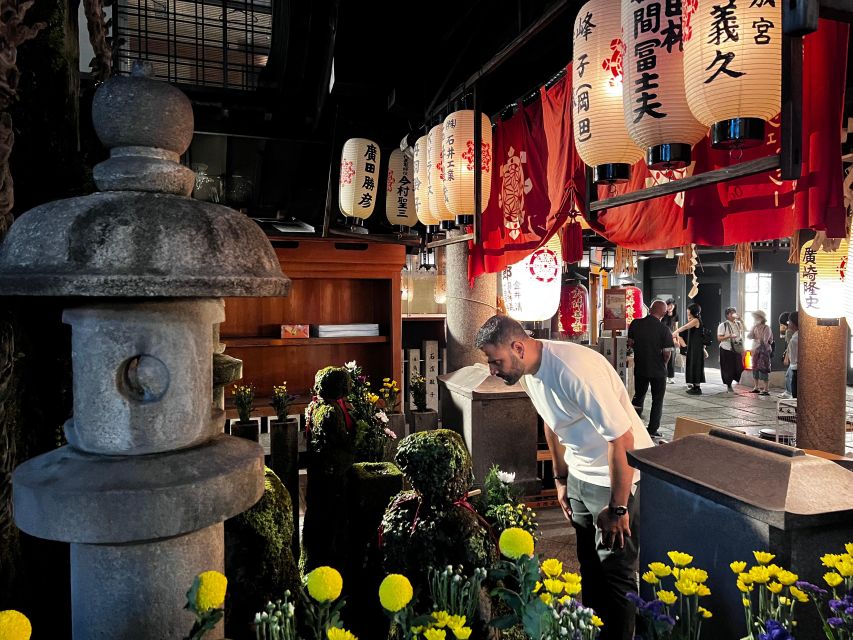
- Dotonbori walk: temples, side alleys, and learning the street logic
- Namba and Uranamba bar hopping: what the tastings really mean
- The small-group social engine
- The hidden-bar finale: why the last stop feels different
- Price and what you’ll actually pay on the night
- Who should book this Osaka izakaya walking tour
- Tips to have a smooth, fun evening
- Should you book this Osaka izakaya tour?
- FAQ
- What’s the meeting point for the Osaka izakaya walking tour?
- How long is the tour?
- Is the tour guided, and is it in English?
- Are food and drinks included in the price?
- Where does the tour go in Osaka?
- How many people are usually in the group?
- What should I bring?
- Is the tour suitable for minors?
- Is hotel pickup provided?
- Does the spending get split, and how is it handled?
Quick highlights: what you’ll really get
- Dotonbori to Uranamba by foot so you see the street vibe, not just drink at a single venue
- English-speaking local guides who set the tone and help you navigate what to drink and why
- Sake, beer, and spirits in multiple stops, with tastings built into the flow
- A small group size that makes it easier to talk, not just follow
- A hidden-bar style finale in a less-touristy setting, with karaoke sometimes showing up depending on the group
- Cash-friendly planning because food and drinks aren’t included in the base price
How Dotonbori and Uranamba Set the Mood
Osaka nightlife has a talent for pulling you into the conversation. Instead of doing a generic pub crawl, this route is designed around neighborhoods that locals actually use for after-work relaxing and weekend fun.
The structure matters. You start in Dotonbori—famous for street energy and neon signs—then work your way toward Namba and Uranamba, where the vibe turns more local, more tucked-in, and more about small rooms than big scenes. The result is a night that feels like Osaka after dark rather than a checklist of bars.
And because it’s a guided walk, you’re not stuck figuring out where the “right” places are. Your guide’s job is to get you into the kind of izakayas and bars that tourists often skip simply because they don’t look obvious from the street.
You can also read our reviews of more walking tours in Osaka
Meeting at the Glico Sign: the first 15 minutes matter
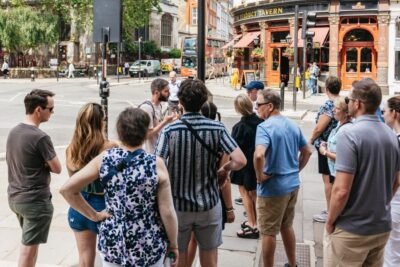
You meet at the Dotombori Humanity Song Monument, right in front of the Glico sign area. It’s a smart meeting point because you can orient fast. If you’ve never used the Namba/Dotonbori area before, you’ll still get your bearings quickly.
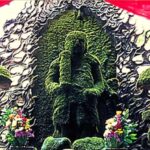
In the early part of the tour, your guide gives you a quick orientation and starts shaping how you’ll look at what’s around you. There’s a short guided walk through Dotonbori (about 15 minutes), with your host pointing out temples and tucked-away alleys you might otherwise miss. This is the warm-up phase: you’re learning the rhythm of the streets so the later bar stops feel natural, not chaotic.
Practical tip: wear comfortable shoes. You’re walking through nightlife blocks where you’ll want to move smoothly, not shuffle in blister territory.
Dotonbori walk: temples, side alleys, and learning the street logic
That early Dotonbori segment is short on paper but useful in practice. It’s where you start seeing the pattern of Osaka’s nightlife—how food signs, small shrines, and narrow lanes all sit in the same tight geography.
Your guide isn’t just pointing at sights. The goal is to help you understand the culture behind the scene. Osaka’s nightlife isn’t only about loud drinking; it’s also about social connection, casual rhythm, and the comfort of showing up to a place where you’re treated like part of the room.
If you’re the kind of traveler who likes a little context before you start ordering, this intro helps. If you just want drinks, you’ll still appreciate it because it tells you how to read menus and bar behavior with less guesswork later.
Namba and Uranamba bar hopping: what the tastings really mean
After Dotonbori, the tour shifts into the longer stretch—about 2.5 hours focused on Namba and the surrounding bar-hopping phase. This is where you’ll test Japanese sake, local beer, and other spirits, usually with short guided explanations along the way.
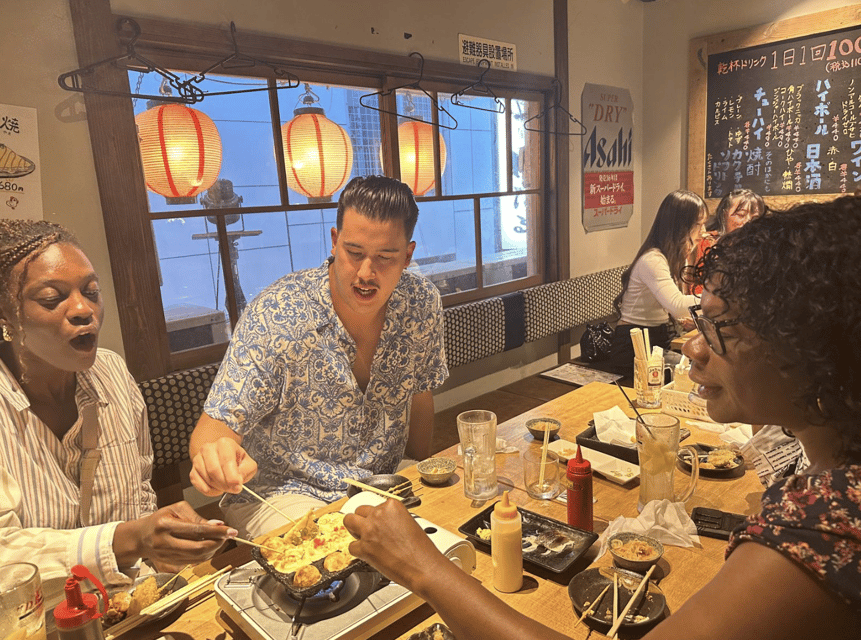
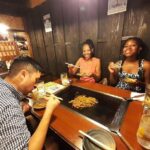
What makes this section work is the balance of structure and flexibility. The guide helps you choose what to try, but you’re still part of the night. In multiple experiences, the tour also includes food tastings, and in some groups you may get hands-on moments like making takoyaki during one of the izakaya stops. Even if you don’t get that exact activity, you’ll still be eating in the way the neighborhood does it: portioned, casual, and meant for sharing.
From the guide side, the details you’ll hear are often the difference between tasting alcohol and actually enjoying the process. Examples from past guides include explanations of the origins of specific sake styles, plus tips that make a whiskey or spirit tasting feel less intimidating.
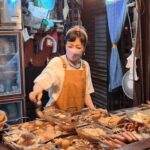
Also: the tour is designed to get you to places that don’t always welcome general walk-ins. That’s a big deal in Osaka, where “good” doesn’t always mean “tourist-friendly signage.” Your guide’s local connections are part of the value.
The small-group social engine
A lot of people book this because they want nightlife. The better reason is the group dynamic. With normally 5–10 people, you’re more likely to talk with your guide instead of just holding your drink while everyone else drifts.
Many guides are also good at keeping the group together and setting a fun tone. Names that have shown up in successful tours include Taiga (with karaoke energy), Seina (welcoming and adaptive), Kosuke (strong food-and-sake storytelling), and Hitomi (showing solo travelers a route that matches their pace). You’ll get a feel for your guide fast: friendly, organized, and ready to help if your Japanese runs out mid-order.
You can also read our reviews of more guided tours in Osaka
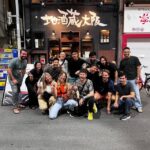
The hidden-bar finale: why the last stop feels different
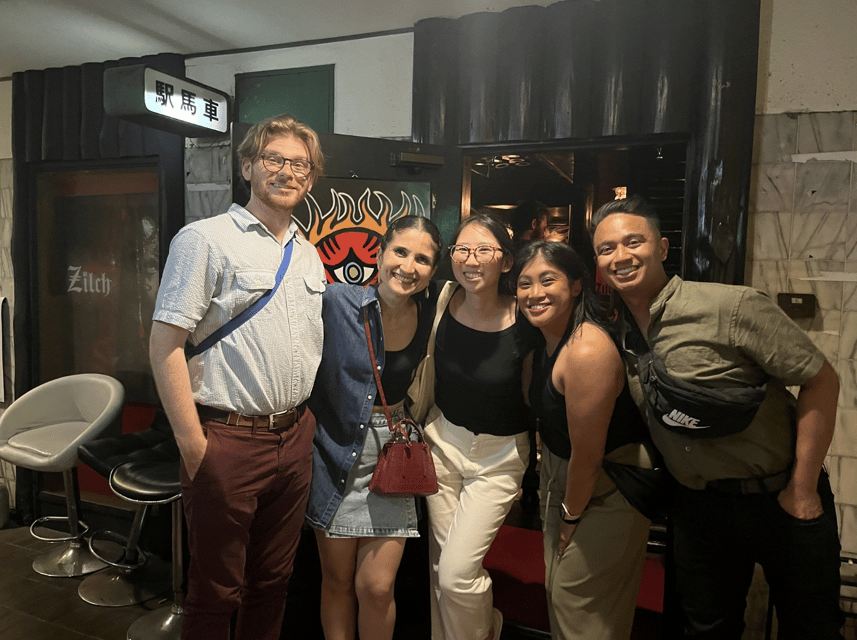
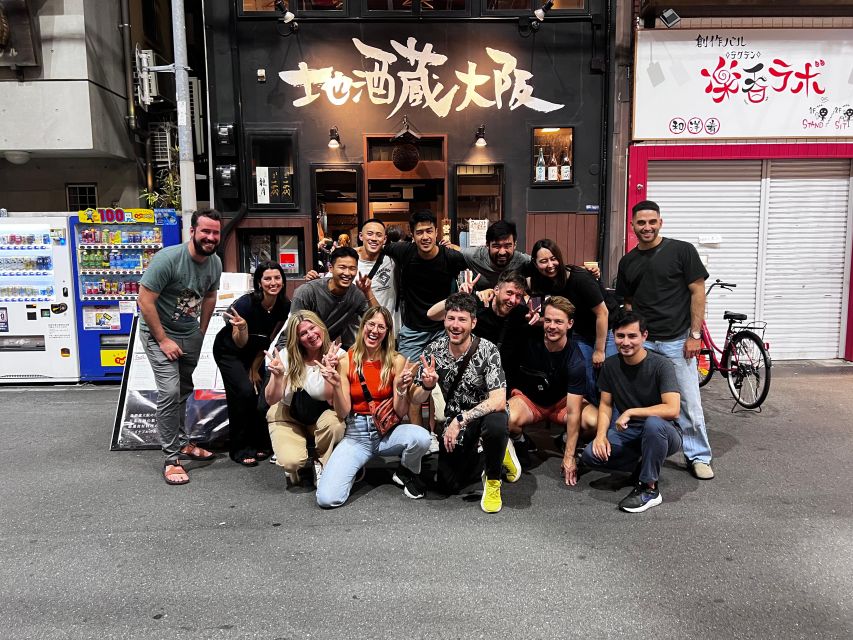
The end of the tour is planned as a payoff. You’ll finish with a stop described as a hidden bar in a hidden building—less known to tourists and more about the kind of place you’d only find with someone local guiding your feet.
That last moment matters because it changes your night’s shape. Instead of scattering to random spots on your own, you close with a venue that matches what you learned earlier: cozy corners, social seating, and the kind of atmosphere where you can keep the conversation going.
One practical note: the tour allows you to extend the night until the early hours of the morning. That doesn’t mean you have to party all night, but it does mean the tour isn’t designed to cut you off right when you’re having fun.
If karaoke enters the story, it’s often part of the fun. Some guides have taken it further with singing or sending the group into a karaoke-friendly ending at a local bar, so if that’s your thing, you’ll likely appreciate the vibe.
Price and what you’ll actually pay on the night
This tour lists at $19 per person for about 3 hours. That’s attractive, but here’s how to think about it like a smart buyer: the base price is mainly paying for a local guide and the guided walking structure, not your drinks and meals.
The tour also explicitly says food and drinks aren’t included. So you should budget for what you’ll order at each stop. You’ll need cash, because you’re paying during the night. The spending is split, and 99 yen or less is rounded up for accounting, which helps the math for a group.
So is it good value? Usually, yes—if you want an evening where:
- you’re guided into better-than-street-level choices,
- you’re tasting multiple types of alcohol and some food rather than just buying one thing,
- and you don’t want to spend your limited Osaka time working out which alleys are worth your attention.
If you plan to drink very little, or if you prefer to eat at a sit-down restaurant instead of izakaya-style portions, you might feel the value is less direct. But if your goal is a real Osaka night out, you’re paying for access and translation of the social scene, not only for drinks.
Who should book this Osaka izakaya walking tour
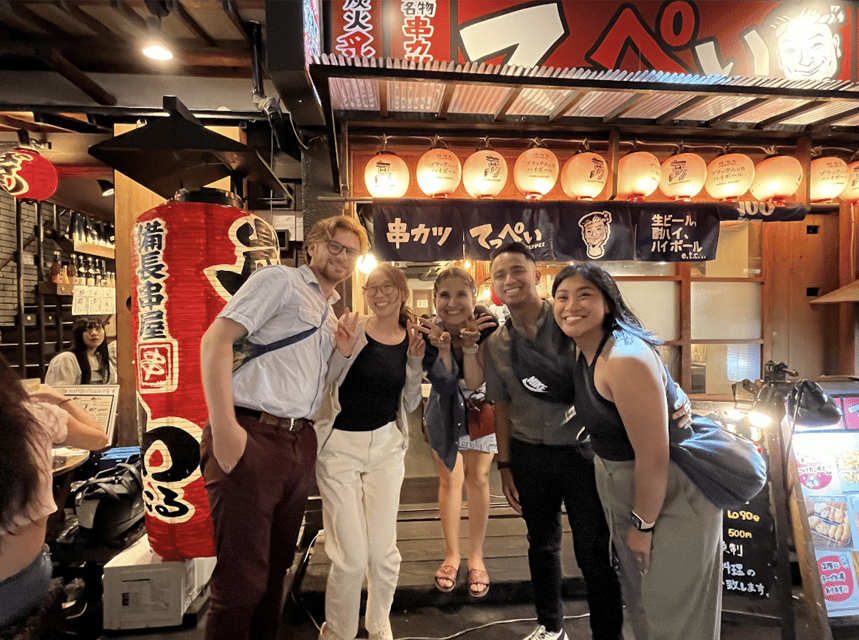
This works best for travelers who:
- want a guided way into Osaka nightlife without doing detective work on their phone,
- like tasting multiple drinks and learning a bit along the way,
- and enjoy meeting people in a small-group setting.
It’s also a great fit for solo travelers. Many reports highlight that it feels social and supportive even if you’re traveling alone, because the guide is there to keep the group moving and included.
A couple of boundaries are clear:
- It’s not suitable for people under 20, and minors under 20 shouldn’t consume alcohol.
- There’s no hotel pickup, so you’ll need to get yourself to the meeting point near the Glico sign.
If you have dietary restrictions, tell the provider in advance. The tour notes that you should let them know, which suggests your guide may adjust what’s offered or how the stops are handled.
Tips to have a smooth, fun evening
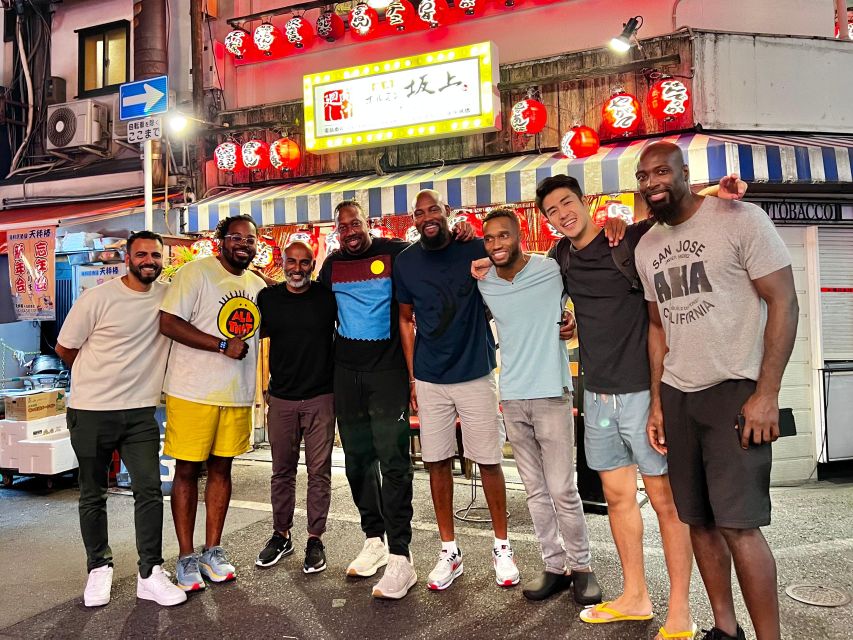
Here’s how to make the night go your way:
- Bring cash. Food and drinks aren’t included, and this is one of those tours where paying digitally isn’t the star of the show.
- Wear comfortable shoes. Even a short Dotonbori intro turns into a walking night.
- Pace your drinking. Sake, beer, cocktails, and spirits can stack fast once you’re in the rhythm of tasting. If you’re a heavier drinker, your guide can usually help steer you, and if you’re lighter, you should say so early.
- Ask questions. Guides have provided explanations about sake origins and general bar culture, and that turns your tasting into a story you can repeat later.
- If you love food, show interest. Some stops include activities like takoyaki making, and many groups highlight delicious izakaya food as part of the fun.
- If you want to extend the night, treat the last stop as your reset point. The tour ends at a more special venue; that’s a good moment to decide if you want to keep going.
One more small behavioral tip: go with the izakaya flow—share dishes, try what the guide recommends, and don’t worry if your first order feels unfamiliar. That’s part of the charm.
Should you book this Osaka izakaya tour?
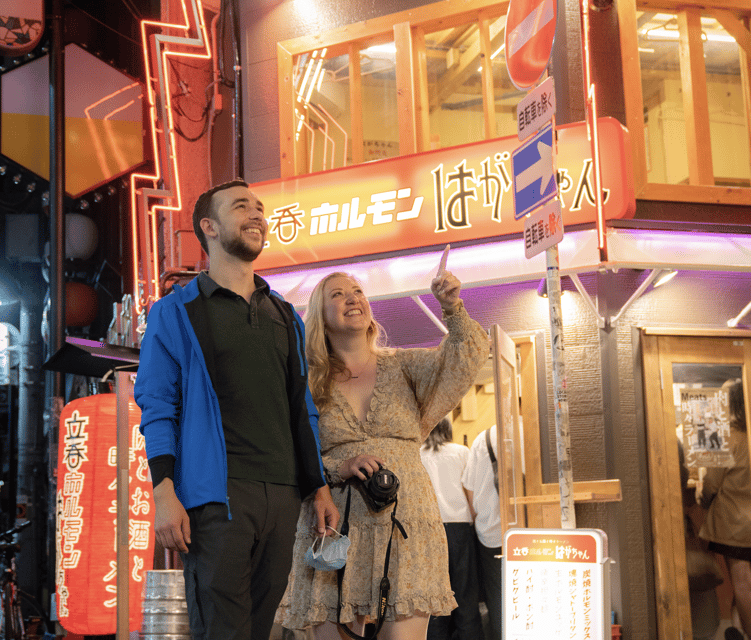
Book it if you want an Osaka night out that feels guided, social, and built for real local drinking culture. The combination of Dotonbori and Uranamba, a real English-speaking host, and the chance to taste sake and spirits across multiple spots is the right formula for most visitors.
Skip it (or at least rethink your budget) if you don’t plan to spend on food and drinks, or if you want a fully fixed meal package. Because the base price doesn’t cover what you’ll drink and eat, you’ll need to pay attention to cash and group spending.
If you’re going to Osaka and only have one evening you can dedicate to nightlife, this is one of the most practical ways to make that evening count—without wandering in circles looking for the kind of izakaya that actually feels like Osaka.
FAQ
What’s the meeting point for the Osaka izakaya walking tour?
Meet in front of the Glico sign at the Dotombori Humanity Song Monument.
How long is the tour?
The tour lasts 3 hours.
Is the tour guided, and is it in English?
Yes. It includes a live tour guide and is offered in English.
Are food and drinks included in the price?
No. Food and drinks are not included, so you should bring cash and plan to pay during the stops.
Where does the tour go in Osaka?
You’ll explore Dotonbori and the Uranamba area, with time spent around Namba during the bar-hopping portion.
How many people are usually in the group?
The tour normally runs with 5–10 guests.
What should I bring?
Bring comfortable shoes and cash.
Is the tour suitable for minors?
No. It’s not suitable for people under 20, and minors under 20 should not consume alcohol.
Is hotel pickup provided?
No, there is no hotel pickup or drop-off.
Does the spending get split, and how is it handled?
The tour splits the total amount, and 99 yen or less will be rounded up to make accounting smoother.