REVIEW · MUNICH
Munich: Birthplace of the Third Reich Guided Walking Tour
Book on GetYourGuide →Operated by Radius Tours GmbH · Bookable on GetYourGuide
Munich looks normal until you learn why. This guided walk turns everyday streets into a clear timeline of how the Third Reich took root, from early beer-hall politics to the memory of victims and opponents. I especially love the straightforward way the guide connects buildings to events, so the places stop feeling abstract.
I like two things most: I love seeing the beer halls and early speeches that helped Nazi ideas gain an audience, and I also like how guides keep the tone human, with empathy that doesn’t treat suffering like a museum display. You’ll often hear a guide handle hard questions calmly, and that matters on a topic like this.
One possible drawback: this is a heavy, upsetting subject, with anti-Semitism and genocide at the center. If you’re hoping for easy sightseeing, you might find the emotional weight hard to carry for 2.5 hours of walking and discussion.
In This Review
- Key things that make this tour worth your time
- Munich’s Third Reich on foot: what this tour really teaches
- Meeting at Radius Tours and using the historic-center route
- Beer halls and early speeches: where Nazi politics found an audience
- Goebbels and the Night of Broken Glass: seeing escalation, not just events
- Nazi Headquarters and WWII scars: how power looked on the street
- Memorials for victims and opponents: remembrance built into the route
- Pace, weather, and how to get the most from the walk
- What $29 buys you in Munich
- Who should book this Munich Third Reich walking tour
- Should you book this tour
- FAQ
- How long is the Munich Third Reich guided walking tour?
- What is the price per person?
- Where do I meet the guide?
- Is hotel pickup included?
- What language is the tour guide?
- Does the tour include transportation to the historic center?
- Can I cancel for a refund?
Key things that make this tour worth your time
- Beer halls tied to Hitler’s first meetings: You’re not just looking at history; you’re seeing where early propaganda worked in real life.
- A specific Kristallnacht planning stop: You stand where Goebbels’s role in the Night of Broken Glass is tied to the city’s Nazi trajectory.
- Official Nazi Headquarters area: You get the sense of how power moved from street agitation into formal control.
- WWII scars you can still notice: Some Nazi-era buildings survived bombing, so you experience the contrast with the wartime impact still visible around you.
- Monuments to victims and opponents: The route ends with remembrance, not celebration. That balance is the point.
Munich’s Third Reich on foot: what this tour really teaches
This is a Munich history experience for people who want cause-and-effect. You’ll see how ideology traveled from public speeches and beer-hall gatherings into organized control, and you’ll also face how Munich remembers what happened next.
The best part is that you’re walking through a real city, not a textbook. The guide turns street corners into timelines: early Nazi momentum, the failed putsch, the push for wider acceptance, and then the escalation toward Kristallnacht and the Holocaust. It’s an education you can feel under your feet.
You can also read our reviews of more walking tours in Munich
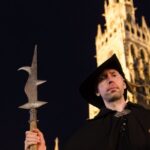
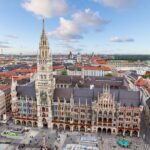
Meeting at Radius Tours and using the historic-center route
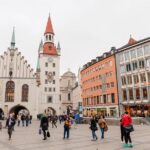
You meet at the Radius Tours office, then you’ll get transportation to the historic center. Hotel pickup isn’t included, so plan to arrive on your own at the meeting point and be ready for a short move before you start walking.
The tour lasts about 2.5 hours, so the pace is active. This is the kind of walk where the guide keeps you moving so you see multiple stops without losing the thread of the story. If you’ve got mobility constraints, you’ll want to judge the walking time honestly before booking, because the experience depends on stopping at several sites.
English is the working language, and the guides generally handle questions well. Even when the topic is uncomfortable, the feel is usually “ask anything” rather than “listen only,” which is a big plus if you’re trying to understand not just what happened, but how people got swept along.
Beer halls and early speeches: where Nazi politics found an audience
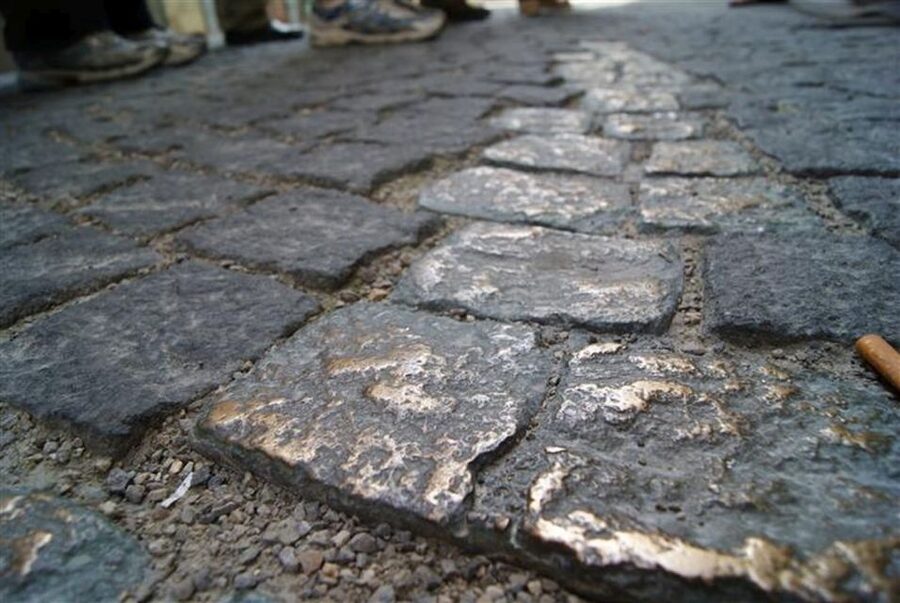
One of the tour’s core strengths is that it doesn’t start with war. It starts with social spaces—especially the beer halls—where Hitler’s early party meetings and speeches helped extremists look like a real political option.
You’ll visit the beer-hall sites tied to Hitler’s first party meeting and early speeches. You’ll also hear how the movement gained traction before it held formal power. This is where the story becomes unsettlingly believable: the rise wasn’t a sudden lightning strike. It was built through repeated public messaging, group identity, and confrontation.
At these stops, I find it helps to watch your own reaction. If a speaker or venue feels “ordinary,” that discomfort is part of the lesson. How could something catastrophic grow out of rooms that were hosting everyday beer-and-talk culture? That’s one of the questions this tour puts in your head.
Guides also tend to explain the context around the failed putsch and the street-level struggle involving the Brownshirts. The goal isn’t to turn you into a political scientist; it’s to show you how intimidation and propaganda reinforced each other until Nazi ideology became a dominating force.
Goebbels and the Night of Broken Glass: seeing escalation, not just events
Another major stop is the building where Goebbels plotted the Night of Broken Glass, the milestone on the road to the Holocaust. Standing there shifts the conversation from “history as facts” to “history as decisions and coordination.”
The Night of Broken Glass is often described as a turning point. On this tour, you’ll understand it as an escalation: a wave of anti-Jewish violence designed to terrorize, humiliate, and normalize brutality. You’ll also learn why anti-Semitism wasn’t just a belief held by a few; it was positioned as a core part of Nazi ideology and political strategy.
A useful aspect here is how the guide links Munich’s rise of Nazism to what came next. You’re not only learning what happened on one date. You’re learning how earlier momentum created the conditions for the atrocity.
This part of the tour is emotionally heavy. Go slowly with the information. If you need a moment, take it. The material is hard, and you’ll get more from it if you let yourself process rather than rush.
Nazi Headquarters and WWII scars: how power looked on the street
The tour also includes a stop by the official Nazi Headquarters, plus nearby buildings marked by the scars of World War II. This is where the city becomes visual evidence: central Munich was devastated by Allied bombing, but many Nazi buildings survived, and they still stand today.
That contrast matters. It’s one thing to read about a regime; it’s another to see surviving architecture tied to that regime’s power. In places like this, the guide helps you connect the dots between governance, propaganda, and everyday life under control.
For me, the value is how it shows the transition from performance to administration. Early gatherings and fights in the streets matter—but headquarters matter too. You’ll learn how the Nazi Party and its ideology rose to prominence in Munich by turning momentum into structure.
Because the tour is walking through central streets, you also get something practical: you learn what to look for if you return on your own later. Even if you forget every date, you’ll remember the pattern of how buildings and institutions represented authority.
You can also read our reviews of more guided tours in Munich
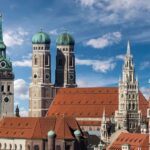
Memorials for victims and opponents: remembrance built into the route
A key part of the experience is that it doesn’t end with Nazi sites alone. You’ll visit monuments honoring victims and opponents of Nazism, so the emotional arc doesn’t stop at the perpetrators.
This is the balance that many people want but don’t always get in history tours. You’ll stand with memorials tied to those who suffered, not just those who caused suffering. It’s also a reminder that resistance existed, even if it was crushed.
Some guides are especially good at ending with a reflective message about how lessons from the past still apply. You might hear an emphasis on vigilance and responsibility—how societies can slide toward harm again if people stop paying attention. That connection can feel uncomfortable, but it’s also why many people find the tour memorable in a useful way.
Pace, weather, and how to get the most from the walk
Since it’s a guided walk of about 2.5 hours, your comfort matters. Wear shoes you can stand and walk in for a sustained period. If it’s cold or rainy, bring a layer you can manage while staying warm enough to focus on the narration.
The guides also affect your experience more than you’d think. Several tour guides named in participant feedback—Jake, Sam, Steve, Dan, Nic, Aileen, Mark, Iain, Sara, Josh, and others—are praised for keeping the information organized and responding well to questions. Some guides even used humor carefully to help you process heavy content, without turning the topic into a joke.
If you want the best version of this tour, come with at least one question in mind. For example: how did Munich’s social and political climate let a violent movement grow? Or: what changed between early speeches and large-scale atrocity? Asking those at the right moments makes the story click faster.
What $29 buys you in Munich
At $29 per person, you’re paying for three things that are hard to replicate alone in the same way: an English live guide, a structured route through the most relevant Nazi-era locations, and transportation to the historic center.
Without a guide, you could absolutely see many of these places. But you’d be forced to assemble the story yourself: why these buildings matter, how they connect, and how Munich became a springboard for the Nazi Party. This tour reduces that work. It gives you a guided narrative with stop-by-stop meaning.
Also, the length is a sweet spot. Two and a half hours is long enough to build context, but short enough that you won’t feel stuck outside your comfort zone all day. If you’re doing other Munich sights too, this is a reasonable slot to add without taking over your entire schedule.
Who should book this Munich Third Reich walking tour
Book it if you want historical understanding that’s tied to specific locations—especially beer halls, the Goebbels/Kristallnacht connection, and the Nazi headquarters area. It’s also a good fit if you enjoy asking questions and getting clear answers, since many guides are described as responsive and able to explain tough material in a way that stays understandable.
You should think twice if you’re looking for light or purely scenic sightseeing. The tour includes direct confrontation with anti-Semitism and violence, plus memorial sites that don’t let you treat the past casually.
A smart approach is to pair this with time to decompress after. Grab coffee, give yourself a quiet moment, and let the route’s themes settle before you jump into more entertainment.
Should you book this tour
If you’re in Munich for a short visit and want one experience that explains how a dictatorship grew out of real public life, this tour is a strong choice. The mix of early beer-hall context, the Night of Broken Glass planning stop, Nazi headquarters, and victim/opponent memorials gives you both the machinery of power and the human cost.
If the topic feels too heavy for your current mood, consider whether you can handle a serious walk through the events and their meaning. For many people, that’s the only real “booking decision” here—because the history is the point, and the point is hard.
FAQ
How long is the Munich Third Reich guided walking tour?
The tour lasts 2.5 hours.
What is the price per person?
The price is $29 per person.
Where do I meet the guide?
You meet at the Radius Tours office.
Is hotel pickup included?
No. Hotel pick-up is not included.
What language is the tour guide?
The tour is offered with a live guide in English.
Does the tour include transportation to the historic center?
Yes. Transportation to the historic center of Munich is included.
Can I cancel for a refund?
Yes. There is free cancellation up to 24 hours in advance for a full refund.