REVIEW · OSAKA
Osaka: Deep Backstreets Walking Tour with Dinner Option
Book on GetYourGuide →Operated by Osaka Food Tours, Inc. · Bookable on GetYourGuide
Osaka gets real in these alleys. This 3-hour walk mixes retro night-life with grimy history, then offers a choice to see a Taisho-era red light district preserved from its own time.
I like that the tour isn’t trying to sell you a clean postcard version of Japan. You get guided context in places you’d never find alone, and the street-food part is built in early enough that you’re eating while the city is still unfolding around you. In my view, that combo of story + snacks is what makes it click.
One drawback: this is a walk for adults who can handle uncomfortable topics. The tour covers taboo subjects (and it walks through gritty areas tied to a controversial past), so it may not feel right if you want a family-friendly, strictly polite night out.
In This Review
- Key points before you go
- Price and time: $40 for street-level Osaka
- Meeting up and staying on track in Osaka’s winding streets
- Retro Osaka at the start: arcades, markets, and local night scenes
- The back alleys and abandoned buildings: seeing the city’s darker edges
- Two side-stall tastings: the food part that actually teaches the street
- Choosing the Taisho-era red light district: UNESCO-listed, preserved, and optional
- Taboo topics the guide will talk about (and what they won’t do)
- The dinner option: a payoff after the street walk ends
- Who this tour is best for (and who should skip)
- Guide style is the real secret: storytelling + respect
- Should you book this Deep Backstreets Walking Tour?
- FAQ
- How long is the Osaka Deep Backstreets walking tour?
- What does the $40 price include?
- Is the Taisho-era red light district part of the tour?
- Does the tour include dinner?
- What kind of food will I get?
- What topics are discussed during the tour?
- What should I bring and wear?
- Is it okay for families or kids?
- What if I’m late or want to cancel?
Key points before you go
- Retro Osaka first: arcades, old markets, and local night scenes that feel like a time shift
- Two alley-stall tastings: side dishes from street stalls with real character
- Abandoned buildings, cautiously explained: eerie city corners with a guide to keep it readable
- Taisho-era red light district is optional: UNESCO-listed buildings, but you choose the route
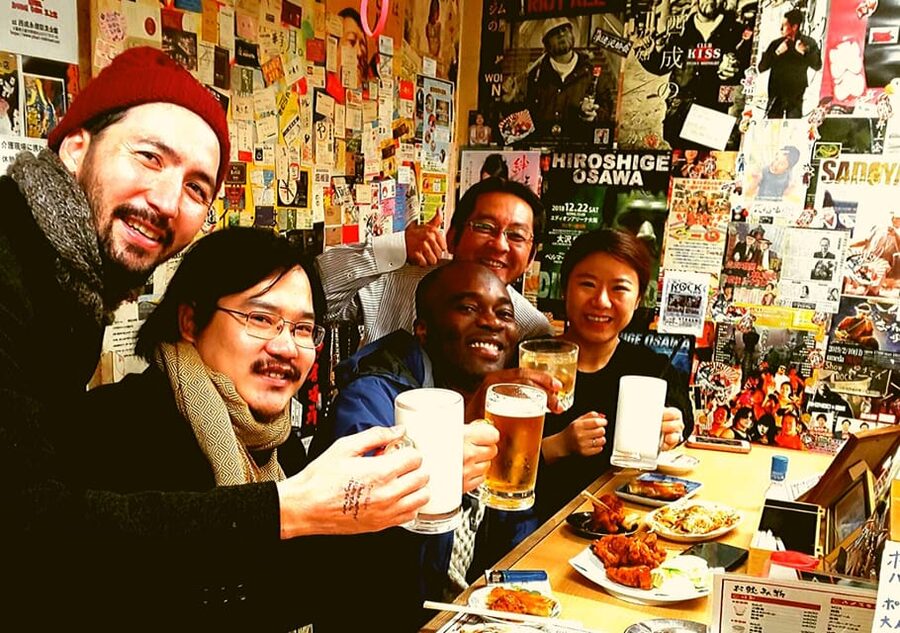
- Taboo topics with boundaries: yakuza, sex work, illegal gambling, homelessness, welfare, and more
- Guides set the tone: many runs are led by storytellers like Knox, Rudy, Maria, Rutthy, and Bennet
Price and time: $40 for street-level Osaka
At $40 per person for about 3 hours (210 minutes), this tour is priced like an experience, not a museum ticket. You’re paying for something hard to replicate on your own: a guide who can translate what you’re seeing—especially in areas that most visitors skip because they feel gray, awkward, or politically loaded.
You also get real structure. The tour moves from retro entertainment into back alleys, then into a preserved historical district, and finally—if you pick it—dinner after the walk. That flow matters. It keeps the night from turning into random wandering, and it helps you understand why Osaka does certain things at certain times of night.
Is it for everyone? No. But if you’re the type who likes your sightseeing to come with context and a bit of edge, this one fits.
You can also read our reviews of more walking tours in Osaka

Meeting up and staying on track in Osaka’s winding streets
Being late is a deal-breaker here. Japan runs on punctuality, and this tour is designed for alley-hopping. There’s no easy way to catch up once the group starts threading through narrow lanes.
So plan like a local: get there early, stand where your guide indicates, and keep your phone charged for navigating the wider area before you meet. Comfortable shoes are non-negotiable, because you’ll be walking through tight streets and moving at a group pace.
One small but real rule: avoid high-heeled shoes. In this part of Osaka, you’ll regret them fast.
Retro Osaka at the start: arcades, markets, and local night scenes
The first phase is about getting your bearings in a Japan that feels older than the one most visitors expect. The tour opens with retro entertainment—think video game parlors and other scenes that make the city feel like it’s running on old rules for a while.
From there, you’ll move through older-feeling market areas and local night-life corners. The goal isn’t just to point. The guide frames how locals entertain themselves and how Osaka’s nightlife works on its own terms: casual, specific, and often surprising if you only know Japan from daylight attractions.
A detail I appreciate from how guides have been described in past runs: many of them bring personal street perspective. People mention guides like Knox, Rudy, and Bennet sharing what daily life looks like from inside Osaka, not just textbook facts. That style tends to make the first hour feel less like a tour and more like a guided walk with someone who actually lives here.
The back alleys and abandoned buildings: seeing the city’s darker edges
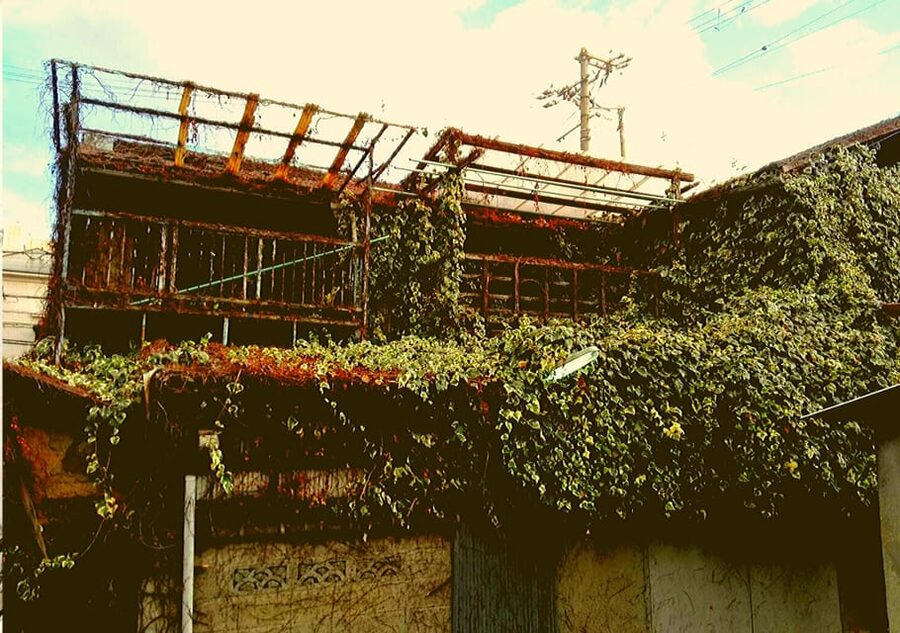
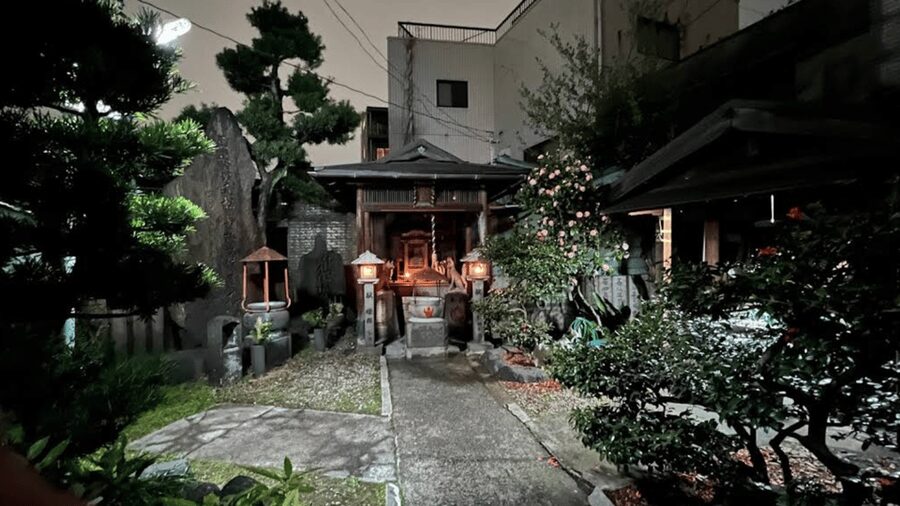
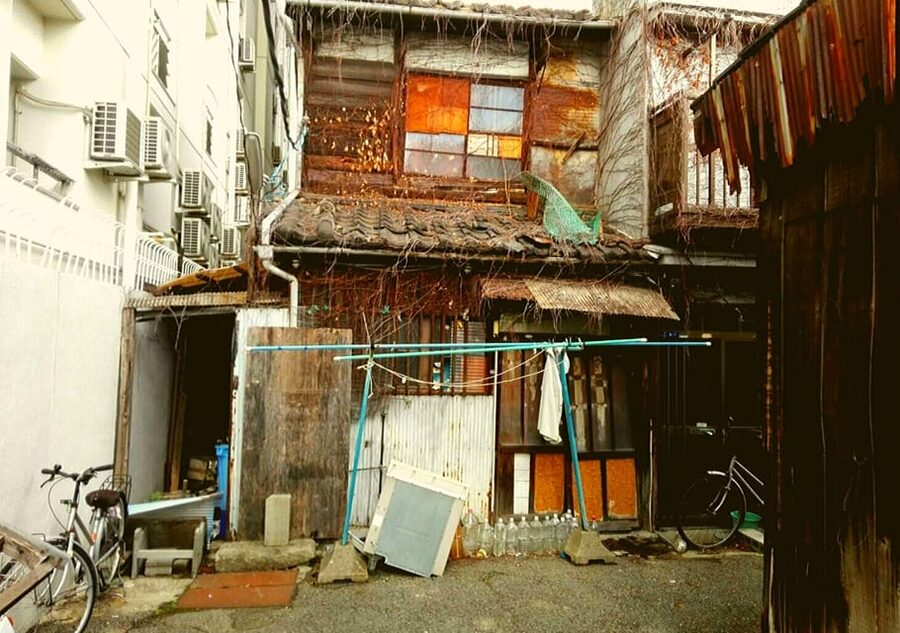
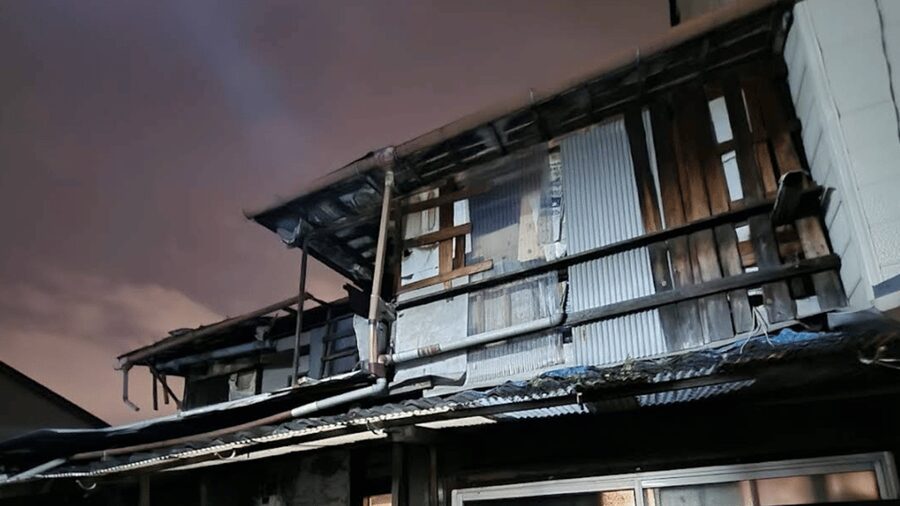
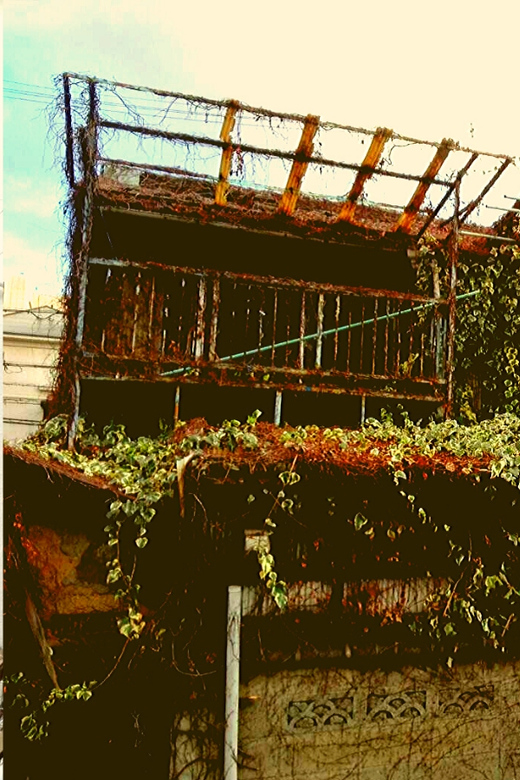
Next comes the part that gives the tour its name. You’ll get close to a gritty stretch of Osaka, including untouched, abandoned properties that create a surreal mood in the middle of the city.
This is where having a guide matters most. Without context, the area can feel like you’re simply peeking into decay. With context, it becomes a way to understand how cities change, what gets left behind, and how Osaka has had its share of hardship and controversy.
You’ll hear historic facts and anecdotes tied to the region’s past. The tone is respectful, but don’t expect soft focus. This is presented as honest street history—good, bad, and the awkward middle.
Practical tip: keep your pace slow and your eyes open. The tour is built around noticing details, not sprinting from sight to sight.
Two side-stall tastings: the food part that actually teaches the street
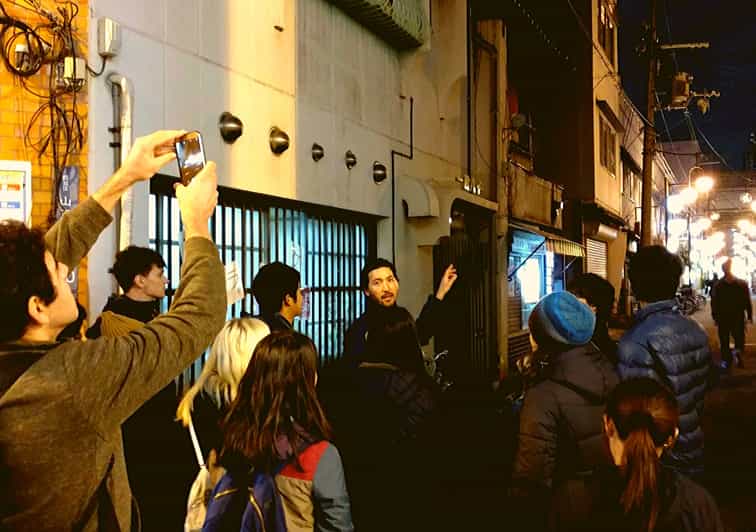
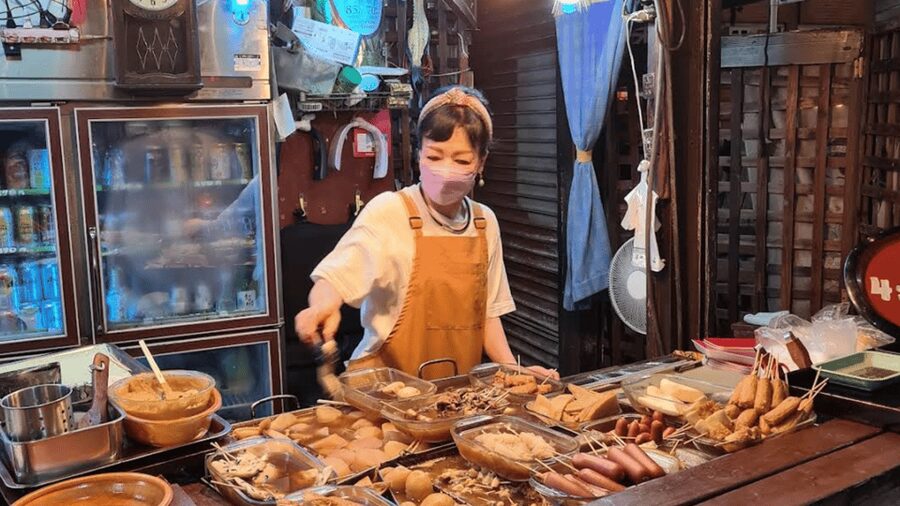
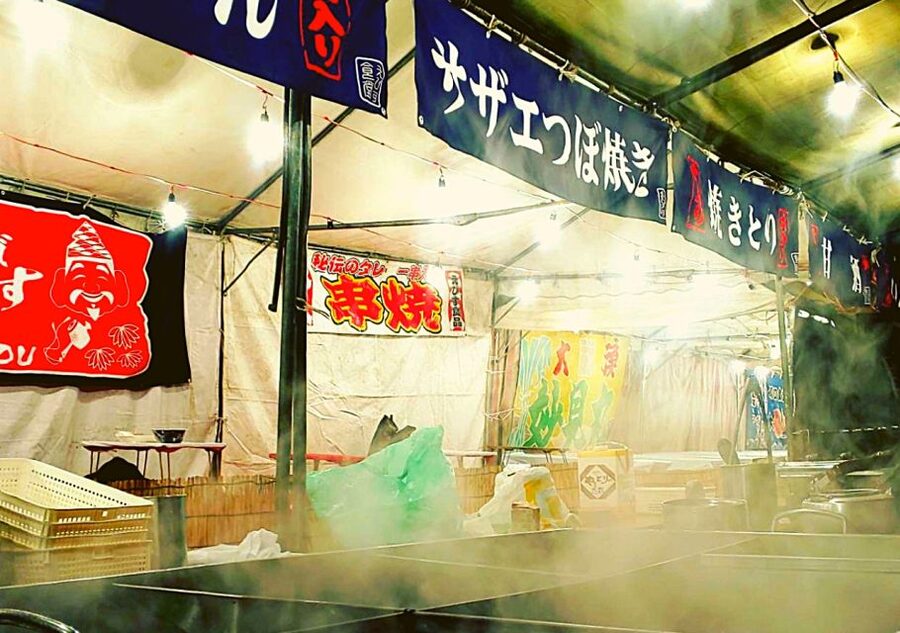
You don’t just get one snack. You get two side dishes sampled from two different stalls in back alleys.
That’s a smart format for two reasons:
1) You taste variety, not just one safe bite.
2) The stalls are in the same kind of spaces you’re walking through, so the food becomes part of the atmosphere instead of a separate stop.
In past experiences, guides like Tommy, Bryan, and Minori have been credited with strong food choices and helpful explanations. And multiple people mention snack extras along the way (even when drinks aren’t listed as included), which suggests the guides try to keep the energy up as the night gets more intense.
Important: the food is local and side-dish sized. If you’re hungry for a full meal, plan on choosing the dinner option later—or grab a little extra before or after your tour.





Choosing the Taisho-era red light district: UNESCO-listed, preserved, and optional
After the back alleys, you reach a crossroads: you can walk through the Taisho-era red light district or skip it and take a separate path.
If you choose to go in, you’ll visit a historically preserved area with buildings described as UNESCO-listed and important to Osakan culture. The point here isn’t shock value. It’s historical and cultural explanation—how entertainment districts functioned in another era, what buildings still communicate today, and how the city remembers what it once organized around.
If you’re unsure, here’s the practical way to decide:
- Choose it if you like history that isn’t sanitized.
- Skip it if you want to keep your night lighter or prefer fewer taboo topics on the walk itself.
Either way, the tour doesn’t disappear into a single theme. It keeps moving, so you won’t feel trapped in a single zone.
Taboo topics the guide will talk about (and what they won’t do)
This tour includes taboo subjects that shape how Osaka operates and how people talk—or avoid talking—about certain realities. Expect discussion of things like yakuza, sexism, war, illegal gambling, sex work, illicit businesses, pachinko, homelessness, welfare, and more.
That sounds heavy, and it is. The key difference is the framing. Guides are described as respectful, and the tour is explicit that it will not go through a homeless district. If you share a concern about sensitive areas, this boundary matters.
Also notice the repeated theme in guide feedback: people felt safe. That doesn’t mean the content is sugar-coated; it means the route and delivery are controlled, with a host who understands how to talk about hard topics without turning it into spectacle.
If you’re prone to getting uncomfortable, you should still consider whether you want a tour that counts the city’s complexity. This one does.
The dinner option: a payoff after the street walk ends
At the end of the walking portion, you have an option to continue to dinner at a tradition-focused restaurant.
This matters because it changes the vibe. Instead of the night ending with the last alley, dinner lets the group settle, and the guide gets a chance to keep talking in a less frantic setting. Many people mention that dinner added value—especially in a tour like this, where you learn a lot and then want time to process it.
In descriptions from past runs, dinners have included items like fried chicken, beef soup, pasta, and dessert. Since dinner is an option, you should think of it as the second half of the experience: food plus conversation, rather than only walking plus snacks.
Drinks: they’re not listed as included, but some people mention extra small offerings along the way. Still, don’t rely on it. Bring cash or a card you’re comfortable using for your own drink orders.
Who this tour is best for (and who should skip)
This is not a children’s tour. It’s listed as not suitable for children under 16, and also not recommended for pregnant women.
There’s also a tricky point worth taking seriously: it says wheelchair accessible, yet it also lists that it is not suitable for people with mobility impairments. If mobility is a factor for you, don’t guess—check with the operator before booking and ask what the route involves for your specific needs.
For the ideal match, the pattern is consistent:
- You’re an adult who wants a side of Osaka most visitors miss
- You like asking questions and hearing blunt, human explanations
- You’re comfortable walking through less-polished neighborhoods
- You’re after culture, not just landmarks
If that sounds like you, you’ll probably feel like the tour adds a whole extra layer to your Osaka trip.
Guide style is the real secret: storytelling + respect
One thing that keeps showing up in the feedback is how much the guide style drives the experience. Names like Knox, Rudy, Maria, Rutthy, Bennet, Brian, Joseph, and Mari come up again and again, and people consistently describe guides as:
- funny and story-driven
- quick with answers when questions get out of left field
- respectful when discussing sensitive topics
Some people also mention that the tour can feel low-key, like a chat among friends rather than a rigid lecture. If you enjoy learning with humor and a little candid realism, that style is a big part of the value.
So if you book, don’t just show up expecting sites. Go expecting a narrator. The night often becomes memorable because the guide makes it make sense.
Should you book this Deep Backstreets Walking Tour?
Book it if you want Osaka with honesty. This tour gives you retro entertainment at the start, alley food in the middle, and the option to see preserved Taisho-era history—plus candid talk about taboo subjects that shape how the city works. The price is reasonable for the time, the guide-led context, and the food stops.
Skip it if you prefer bright, family-friendly sightseeing with minimal discomfort. This walk includes gritty history and topics many tours avoid, and it’s designed for travelers who can handle that without judging the city for being complex.
My quick decision rule: if your Osaka plan already includes the big icons, and you’re craving the city’s harder edges with a guide to translate them, this is a strong add-on. If you’re looking for a gentle night with low mental load, pick something easier and brighter.
FAQ
How long is the Osaka Deep Backstreets walking tour?
It runs about 3 hours, listed as 3 hours to 210 minutes.
What does the $40 price include?
The tour includes visits to two stalls for two side dishes, plus a professional English-speaking guide. If you choose the dinner option, dinner is included after the tour.
Is the Taisho-era red light district part of the tour?
It’s optional. You can walk through the Taisho-era red light district or skip it and take a separate route.
Does the tour include dinner?
Dinner is offered as an option after the walking portion ends.
What kind of food will I get?
You’ll try two local side dishes from two different back-alley stalls. If you add dinner, you’ll have a full meal at a tradition restaurant afterward.
What topics are discussed during the tour?
The tour includes taboo topics such as yakuza, sexism, war, illegal gambling, sex work, illicit businesses, pachinko, homelessness, welfare, and more.
What should I bring and wear?
Wear comfortable shoes. High-heeled shoes are not allowed.
Is it okay for families or kids?
No. It’s listed as not suitable for children under 16.
What if I’m late or want to cancel?
You should be on time because the group enters winding alleys and cannot be easily caught up with if you arrive late. Free cancellation is available up to 24 hours in advance for a full refund.