REVIEW · MUNICH
Munich: Third Reich & WWII Walking Tour
Book on GetYourGuide →Operated by Munich Walk Tours · Bookable on GetYourGuide
Hitler’s story starts on Munich streets. This is a focused Third Reich & WWII walking tour that connects post-WWI chaos in Bavaria to how Nazism gained traction in the city’s public spaces. I like the way it ties big political events to specific places, so you’re not just memorizing dates—you’re seeing how the street-level stage got built.
I also love the live guide experience and the steady, readable pace, even when conditions are cold. One thing to consider: it’s an outdoor walk about a painful topic, so you’ll want comfortable shoes and warm layers, and you should be ready to listen for long stretches.
In This Review
- Key tour takeaways (before you set off)
- Munich’s Third Reich story is easier to follow when you walk it
- Hofbräuhaus: where early Nazi mass meetings made sense to the crowd
- Feldherrnhalle: the 1920s power grab and why it failed
- Königsplatz rally grounds: architecture that helped sell an idea
- Hofgarten and the White Rose: resistance grounded in moral clarity
- Price and timing: $31 for 2.5 hours of street-level WWII context
- How the guide shapes the experience (and how to choose your comfort)
- Who should book this Munich tour—and who might not love it
- Should you book the Munich Third Reich & WWII walking tour?
- FAQ
- How long is the Munich Third Reich & WWII walking tour?
- How much does the tour cost?
- What language is the guided tour offered in?
- What are the main places the tour visits?
- Is the tour wheelchair accessible?
- Is there an option for a private group?
- What should I bring?
- Can I cancel for a full refund?
Key tour takeaways (before you set off)

- Hofbräuhaus as the starting point for how the Nazi movement built early mass appeal in Bavaria’s capital
- Feldherrnhalle and the failed putsch that showed how violent ambition collided with reality
- Königsplatz rally grounds where architecture and ideology shared the same footprint
- Hofgarten stop for the White Rose—a shift from propaganda to resistance and conscience
- A guide-led format with frequent stops so you can actually follow the story without racing the city
Munich’s Third Reich story is easier to follow when you walk it
Munich can look pretty calm from a distance, but this tour shows how that calm was earned the hard way. After Germany’s defeat in World War I, the country faced humiliation, political instability, and economic breakdown—conditions that made extreme movements feel like an answer to many people in the early 1920s.
What I like about this experience is that it uses that context to explain the “how,” not only the “what.” You’ll hear how Bavaria—especially Munich—became a place where rival groups fought for control and where the Nazi movement found opportunities to grow.
It’s also a useful reminder for you as a visitor: public buildings and squares aren’t neutral. They get used, repurposed, and turned into stages. That’s what makes walking work here better than just reading a plaque and moving on.
You can also read our reviews of more walking tours in Munich
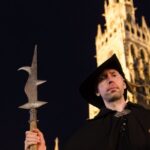
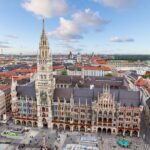
Hofbräuhaus: where early Nazi mass meetings made sense to the crowd
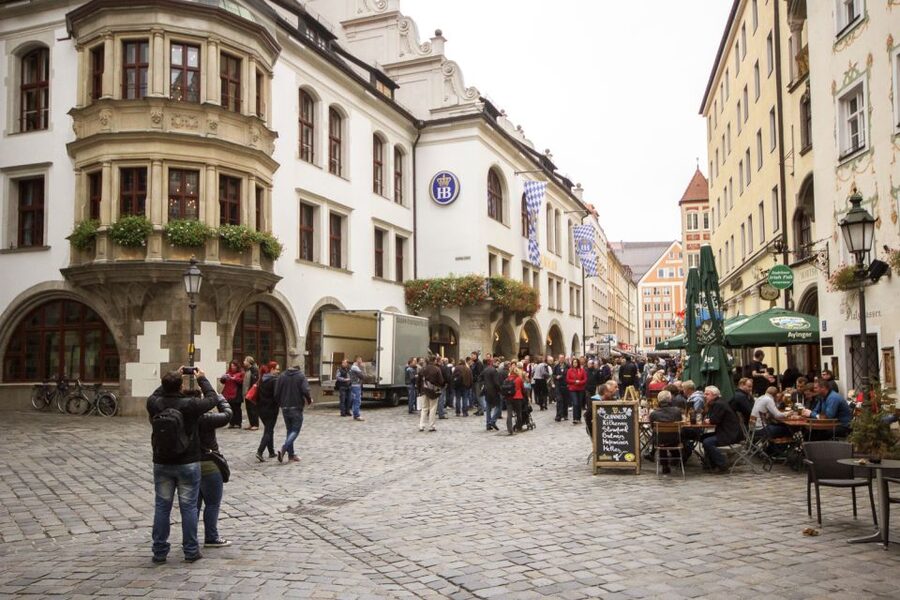
The tour starts by taking you to the Hofbräuhaus area, tied to the first mass meetings connected with Hitler’s rise in Munich. This is one of the most important stops because it frames Nazism as a movement that learned how to attract people, not just a leader who demanded obedience.
Here’s the practical takeaway for you: when a guide talks about mass gatherings in places like this, you get a clearer picture of how propaganda spreads. It wasn’t only speeches—it was the social energy of being part of something big, loud, and moving together.
You’ll also understand why Bavaria mattered. In the early years, Munich wasn’t just a backdrop—it was a place where political groups competed in the open, and where chaos made radical ideas easier to sell. You’ll feel the logic of the timeline as you walk from site to site.
Feldherrnhalle: the 1920s power grab and why it failed
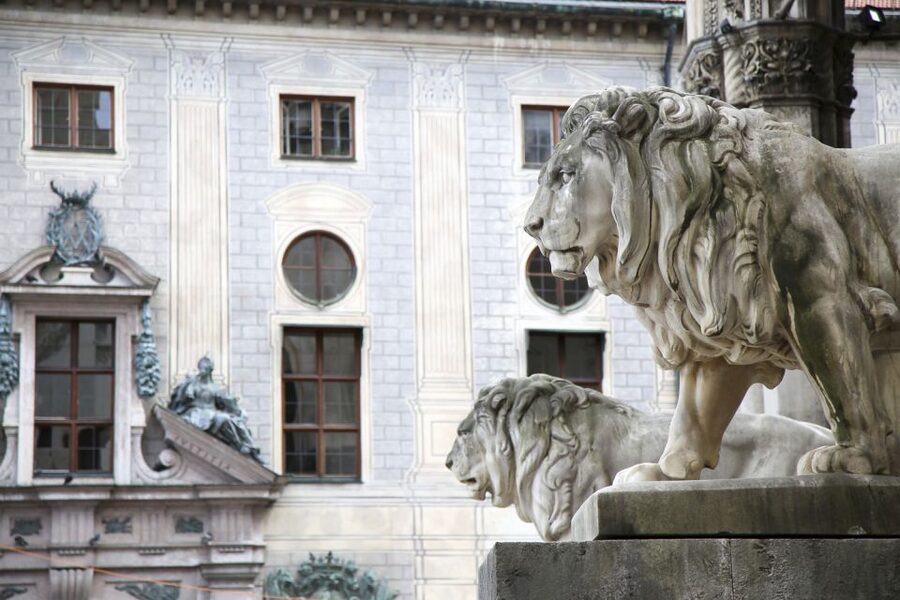
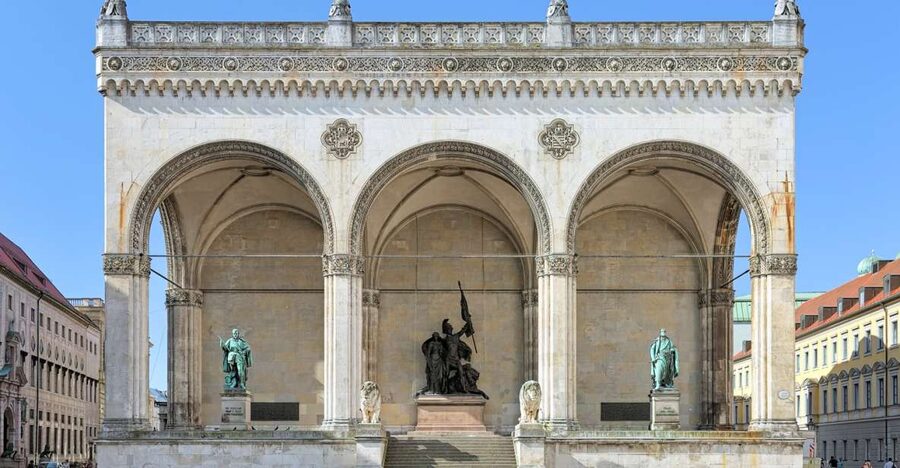
Next you’ll move to the Feldherrnhalle, a key location connected to the failed attempt to seize power. The story here matters because it shows the moment the movement tried to convert popularity and intimidation into direct control.
If you’re worried this will feel like one more doom-and-gloom stop, don’t. A good guide turns this into a cause-and-effect scene. You’ll see the difference between political momentum and actual authority.
Also, Feldherrnhalle is a great example of why this tour is built as a walking route. The places aren’t random. Each one represents a step in the movement’s growth—from early organizing to a dramatic attempt at taking power, and then to the hard reality of needing broader support and infrastructure to win.
Königsplatz rally grounds: architecture that helped sell an idea
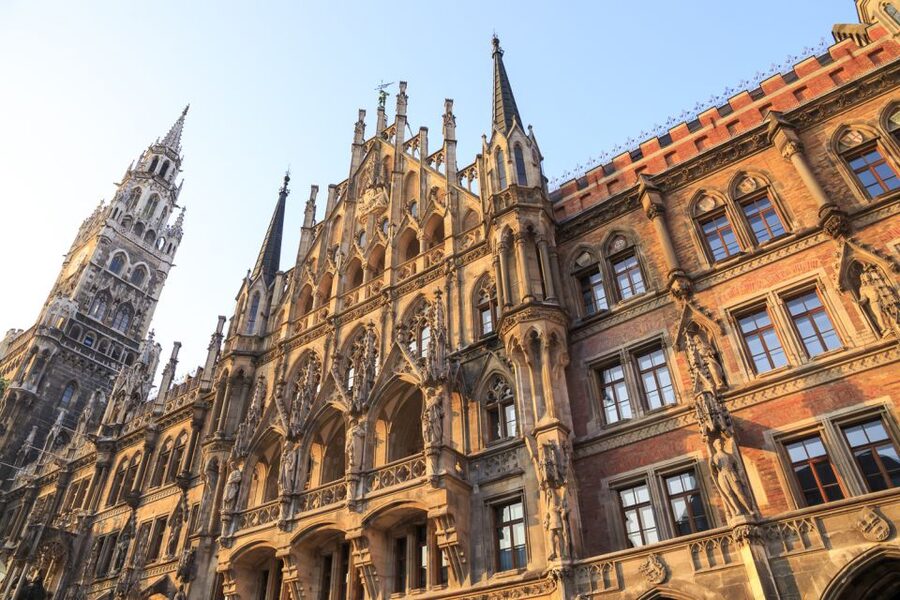
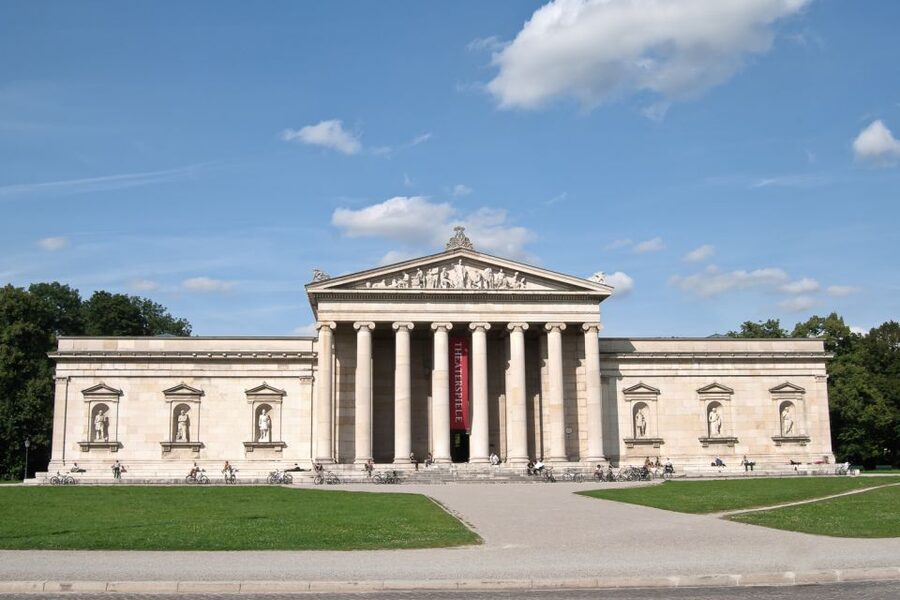
At Königsplatz, you’ll visit sites connected with party rallies and the growth of Hitler’s movement across Munich. This stop is about more than history trivia. It’s about the way ideology used space—how large gatherings were designed to look impressive and feel inevitable.
What you’ll likely appreciate: the guide helps you connect the physical setting to the political purpose. When you can see the scale of a public square and the layout around it, it becomes easier to grasp why mass rallies were so effective at creating identity and pressure.
This is also where the tour’s bigger theme lands for you: Nazism didn’t only recruit followers through fear. It offered a story people could step into—one that promised national renewal while targeting enemies and rewriting reality. Understanding the setting helps you understand the persuasion.
Hofgarten and the White Rose: resistance grounded in moral clarity
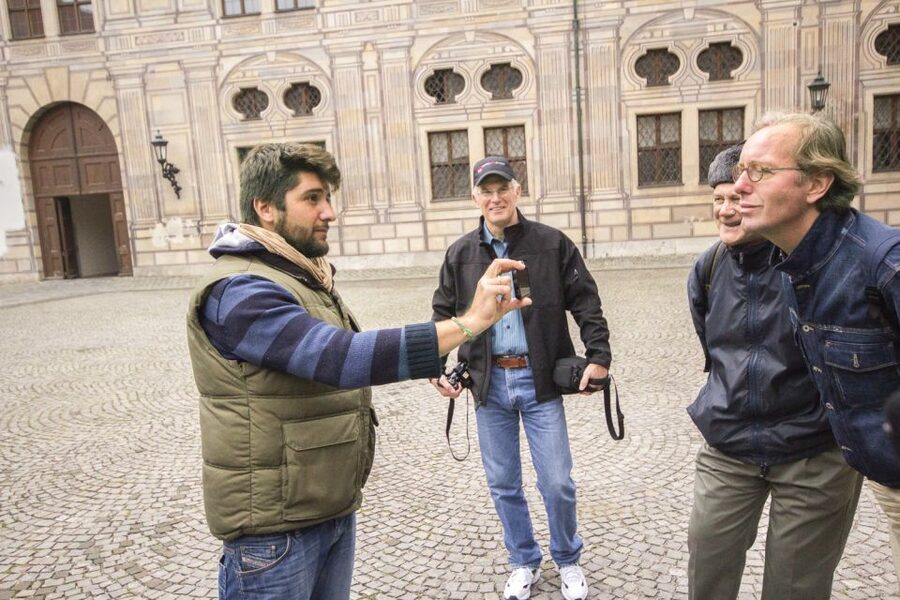
The tour includes time in the Hofgarten area to talk about The White Rose Resistance Movement. I like this pivot, because it balances the narrative. After watching how the Nazi movement built momentum, you get a reminder that not everyone went along.
This stop gives you a different lens on WWII-era Germany. Instead of treating resistance as an afterthought, the guide frames it as something that grew from conscience and moral courage, not from strategy alone.
For your own takeaway, think of this as the tour’s “human scale” moment. You’re not just tracing institutions and events. You’re looking at what people chose when they had reasons to stay quiet.
Price and timing: $31 for 2.5 hours of street-level WWII context
At $31 per person for about 2.5 hours (165 minutes), you’re paying for something that’s hard to recreate on your own: a guided thread through the city’s most symbolic sites. The value isn’t the number of stops; it’s the narrative structure that keeps the story from turning into disconnected facts.
Timing matters here. A 2.5-hour walk is long enough to build understanding, but short enough that you’re not stuck outside all day. For you, that’s important in a city where weather can change fast.
One practical consideration: the tour is focused on walking and listening, so it’s best done when you don’t have a tight schedule right afterward. If you’re also planning museum time, give yourself room to breathe and process what you just learned.
How the guide shapes the experience (and how to choose your comfort)
A huge part of this tour’s appeal is the guide delivery. Multiple English-speaking guides are mentioned with similar strengths: clear voice, strong organization, and an ability to keep a group engaged for the full walk. Some guides also handle cold weather thoughtfully, bringing small comforts like hot tea and seating pads when needed.
You’ll also benefit from the way the guide answers questions and controls the pace. In winter especially, frequent short stops help you stay present instead of simply shuffling along. That makes a difference when the topic is heavy and you want your brain switched on, not numb from cold.
If hearing is a concern for you, it’s worth noting that guide volume and crowd handling come up more than once in people’s experiences. That’s a good sign for anyone who doesn’t love straining to understand spoken history.
Who should book this Munich tour—and who might not love it
This tour is a strong fit if you want Munich’s WWII story tied to real locations, especially the origins of Nazism and what came afterward. It’s also ideal if you’re the type who likes context—how political conditions in the early 1900s shaped what happened next.
You might want to think twice if you dislike walking in the cold or if you need a very light, casual atmosphere. This is outdoors, it runs for a while, and it deals with atrocities and extremist politics. You should be ready for respectful, serious storytelling.
It also works well for you if you’re visiting for the first time and want one “anchor” experience. It connects the dots between key sites—Hofbräuhaus, Feldherrnhalle, Königsplatz, and the Hofgarten discussion of White Rose resistance—so you leave with a map in your head, not just a list of stops.
Should you book the Munich Third Reich & WWII walking tour?
Yes, if you want a guided, emotionally aware walk that explains how Nazism took root in Munich and how resistance like the White Rose matters to the full WWII story. For the price and duration, it’s a very workable length of time to gain real understanding—especially if you enjoy history that’s tied to street corners and buildings.
Book it if you’ll wear warm layers, bring comfortable shoes, and give yourself time to think after the walk. If you want a gentle, purely scenic city stroll, this isn’t that. But if you want Munich explained honestly, this is one of the best ways to do it.
FAQ
How long is the Munich Third Reich & WWII walking tour?
The tour lasts about 2.5 hours, with a stated duration of 165 minutes.
How much does the tour cost?
The price is listed as $31 per person.
What language is the guided tour offered in?
The tour is offered in English and German.
What are the main places the tour visits?
It includes stops connected with the Hofbräuhaus, Feldherrnhalle, Königsplatz, and a discussion stop at the Hofgarten related to the White Rose Resistance Movement.
Is the tour wheelchair accessible?
Yes, it is listed as wheelchair accessible.
Is there an option for a private group?
Yes, private group options are available.
What should I bring?
The tour asks you to bring comfortable shoes.
Can I cancel for a full refund?
Yes. Free cancellation is listed up to 24 hours in advance for a full refund.