REVIEW · MUNICH
Discover Munich 2-Hour Small Group Walking Tour
Book on GetYourGuide →Operated by Radius Tours GmbH · Bookable on GetYourGuide
Munich hits you fast. This 2-hour walk is a smart, human-sized way to start.
I like that you get the Marienplatz core sights plus a timed look at the Rathaus-Glockenspiel, and I also like that the guide points you toward where to eat and drink beer after the tour. One thing to consider: the meeting spot on Dachauer Straße 4 is right in an area where you may want to watch your surroundings while you wait.
Because it’s a small group, usually around 10 to 15 people, you’re not lost in a crowd. The route mixes famous landmarks with quieter corners, and you’ll hear stories that go past the usual shiny postcard version of Munich. You’ll walk around central Munich, then finish back at Dachauer Straße 4.
In This Review
- Key Highlights You Actually Care About
- Entering Munich at Marienplatz, Without the Guesswork
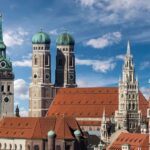
- Marienplatz and the Rathaus-Glockenspiel Moment
- Walking Through Churches and the Famous Beer-Hall Zone
- Hidden Locations and the Real Stories Behind the Facades
- Food and Beer Tips You Can Use the Same Day
- Price and Time Value: Is $27 Worth It?
- Group Size, Pace, and How to Get the Best Listening
- Practical Tips Before You Go
- Should You Book This Munich Walking Tour?
- FAQ
- How long is the Discover Munich walking tour?
- Where is the meeting point?
- How much does it cost?
- What language is the tour guide?
- Is food and drinks included?
- How big is the group?
- Is the tour wheelchair accessible?
- What are the main sights I’ll see?
- Is there free cancellation?
Key Highlights You Actually Care About
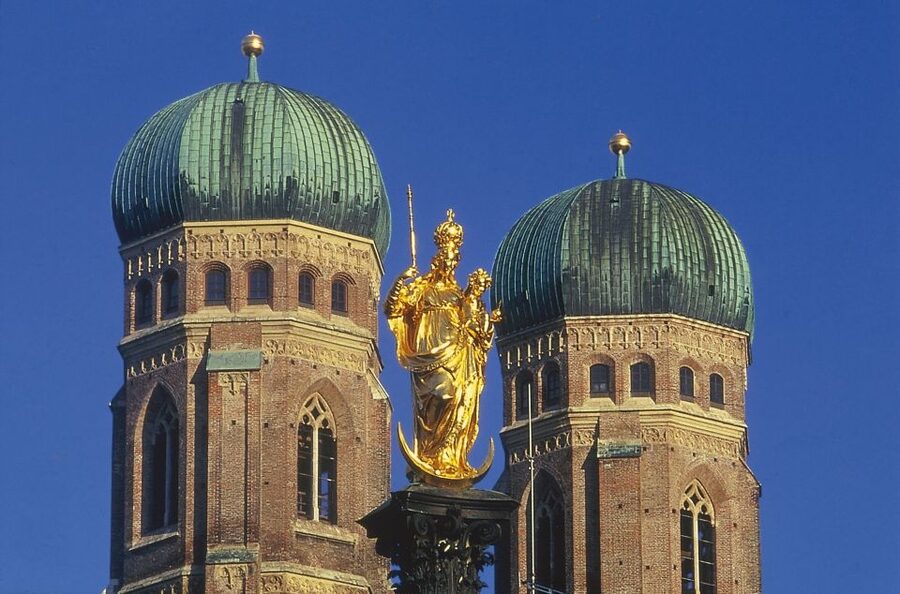
- Rathaus-Glockenspiel timing at Marienplatz, including the clock display moment around 12 when the route aligns
- Insider food and beer pointers so you’re not guessing where locals go next
- Churches and beer-hall sights on foot, with context that helps the buildings make sense
- Hidden-feeling stops, not just the obvious big squares
- Darker 20th-century history context, so the tour feels real, not only festive
- Frequent question time, with guides who stay approachable and keep the pace workable
Entering Munich at Marienplatz, Without the Guesswork
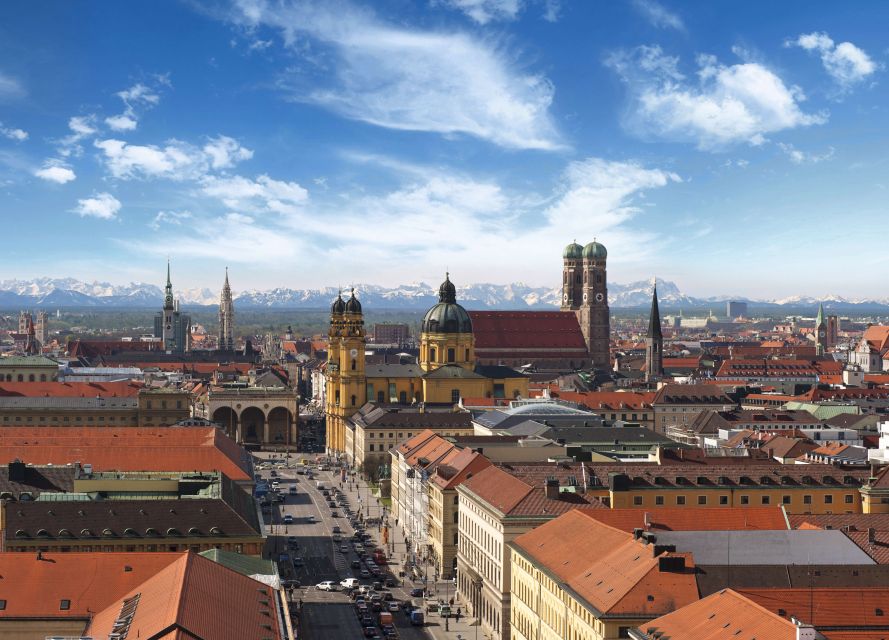
A good first day in Munich should do two things. It should help you get your bearings fast, and it should give you a shortlist of what to return to. This tour does both, in a tight 2-hour format that’s easy to fit between museum tickets and dinner plans.
You meet at Dachauer Straße 4 (80335). From there, you head into central Munich on foot with a live English guide. The group size is typically small—average 10 to 15—which matters because you can actually hear the guide and follow the story as you move.
Guides in this format vary by day, but the vibe is consistent: friendly, funny, and ready to answer random questions that pop up mid-walk. In one set of experiences, Leon came across as funny and down to earth. In another, Aileen was praised for clearly explaining Munich history. Sam was specifically mentioned as passionate, with stories that kept the energy up.
If you’re worried about a tour feeling too rigid, don’t. Many people liked the pacing and the fact that it doesn’t turn into a lecture. Even on rainy days, guides were described as trying to keep the group moving and in cover when possible.
You can also read our reviews of more walking tours in Munich


Marienplatz and the Rathaus-Glockenspiel Moment
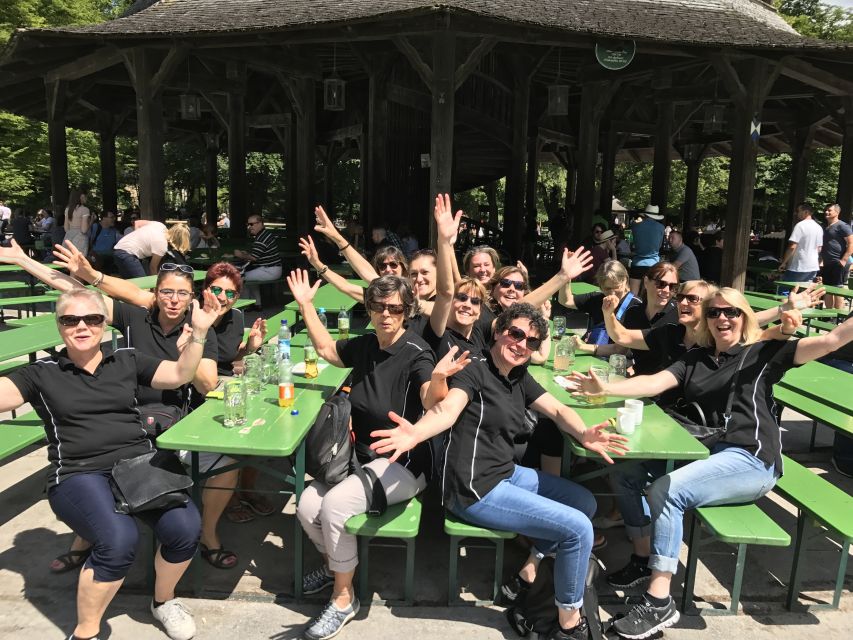
If you only do one “wow” stop in central Munich, make it Marienplatz. It’s the city’s main square, and this tour uses it as the anchor point for understanding Munich’s identity.
The big moment is the Rathaus-Glockenspiel on the New Town Hall (Rathaus). The guide times it so you can catch the display. One review specifically noted finishing in the square for the clock at 12, which is exactly the kind of detail that makes a walking tour feel worth it. You’re not just told what to look at. You’re there when it happens.
What I like about this stop is how it teaches you to look. The guide doesn’t just point upward and move on. You learn why the clock display became part of Munich’s public culture, and you connect it to the idea of the city as a place that celebrates itself in front of you.
And since you’ll cover more than one landmark during the walk, this doesn’t feel like a one-sight tour. It’s more like the best chapter in a short book: clear, memorable, and useful for your next decisions.
A minor consideration: because your schedule depends on the show timing, the tour works best when you arrive ready to stay flexible for that moment.
Walking Through Churches and the Famous Beer-Hall Zone
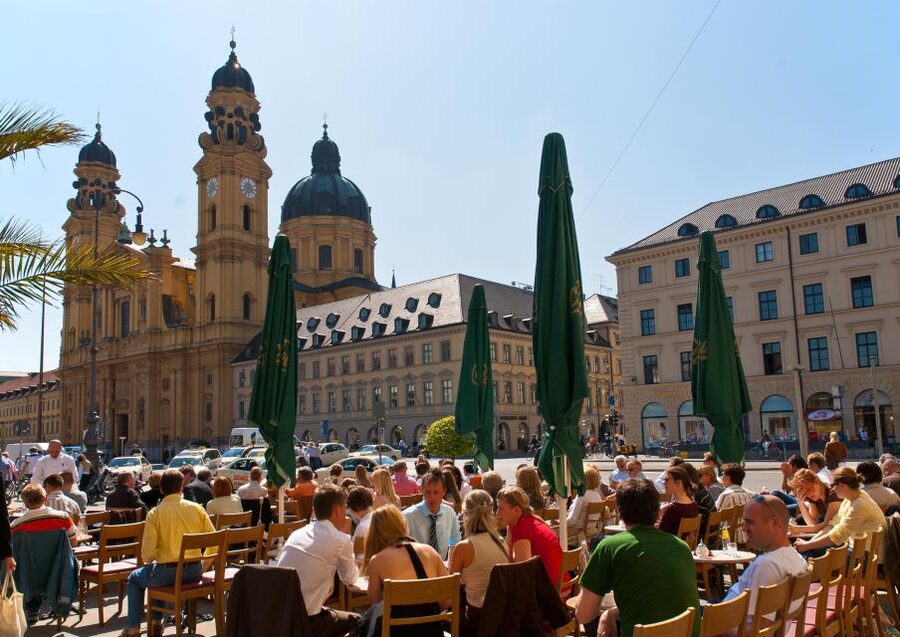
Munich is a city where the buildings aren’t just scenery. They’re signals about how people live, gather, and celebrate. On this walk, you pass beautiful churches and some of the most famous beer halls, and the guide uses those landmarks to talk about culture, not just dates.
Even without specific church names promised up front, the experience still makes sense because the guide’s job is to connect what you’re seeing with what it means. You’ll get context about how Munich’s social spaces work, and how religion and civic life shaped the city center you’re walking through today.
The beer-hall area is another key thread. If you’re new to Munich, you might know the big names, but you won’t know the difference between places that feel touristy versus places that feel local. This tour helps with that by pointing you toward where beer culture fits into your day.
One of the most practical parts: you don’t leave only with history. You leave with next-step suggestions—places to eat and drink that match what you’ve learned while walking. A few people highlighted that guides offered strong recommendations, and at least one person mentioned taking that advice for a beer garden visit in the English Garden.
Hidden Locations and the Real Stories Behind the Facades
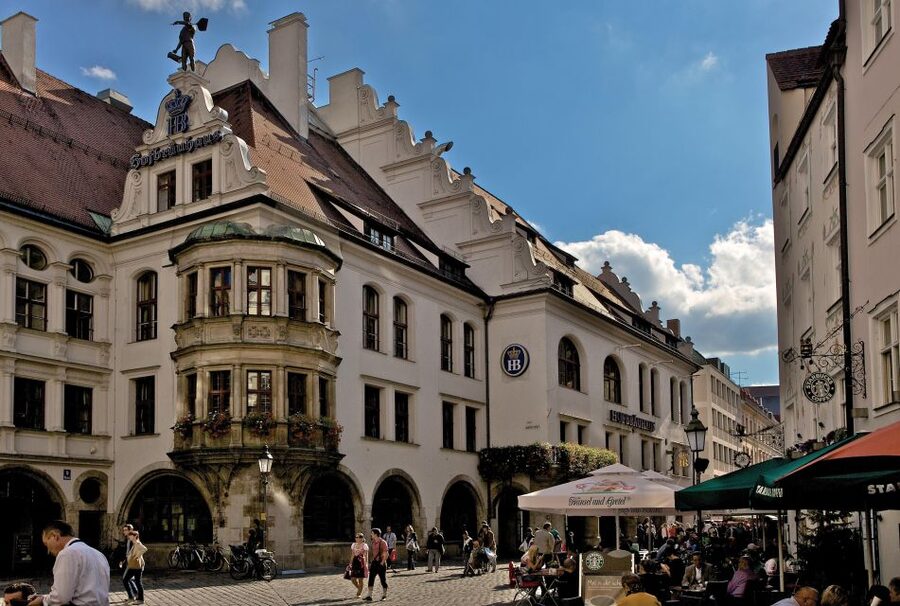
A city like Munich can feel like it’s all major sights and perfect photos. This tour tries to interrupt that. You’ll see key historic sites and also get a few stops that feel more local—small corners and lesser-noticed places that help the city click.
That’s where guides named in reviews really mattered. Thomas, for example, was described as going deeper into cultural norms, not only reciting facts. Others praised guides like Daniel for keeping things entertaining and for dressing in a traditional style, which sounds small, but it changes the tone. When the guide brings energy, the walking story sticks.
Another important part: the tour includes some of the more sinister aspects of 20th-century history. That can sound heavy, but it’s also what makes the tour feel honest. You get a Munich that’s not only celebratory and beer-soaked, but also shaped by the darker chapters that still sit behind the architecture and the civic identity.
You’ll probably appreciate this if you like history with human consequences—why a place looks the way it does, and how the city moved forward.
Food and Beer Tips You Can Use the Same Day
Here’s the thing about beer-hall recommendations: they’re only useful if you can act on them fast. This tour is built around that. Along the way, you’ll get insider tips on where to eat and drink beer, plus where those spots sit relative to the sights you just covered.
The value is not only the names. It’s the guidance. If your guide points you toward the right places for the right time of day, you avoid wasting your Munich evenings wandering without a plan.
In multiple experiences, guides were praised for giving lots of food and beer recommendations. Sam, for instance, was described as passionate and informative, and Anna was singled out for giving personal insights and anecdotes along with history. People also liked that the guide answered questions as they went, which is how you get recommendations that match your tastes—casual beer garden versus sit-down meal, lively square versus calmer streets.
And since the tour ends back at Dachauer Straße 4, you’re not left stranded across town with no orientation.
One drawback you might run into: if you want lots of different stops constantly photographed, a 2-hour structure can feel a bit light. One review asked for more points of interest being highlighted as the group moved through the city. That doesn’t mean the tour is bad—just that you should match expectations to the time.


Price and Time Value: Is $27 Worth It?
At $27 per person for a 2-hour small-group walk, you’re paying for three things: a guided route, interpretation, and practical advice. That’s a fair deal for Munich’s central core, where sights cluster tightly but still require context to make sense.
If you go on your first day, the time is worth it. You’ll come away knowing where the major sights sit and which streets connect them. You’ll also come away with a shortlist of food and beer spots, so you spend less time searching and more time eating.
Guides also seem to be a major part of the value. Multiple people praised guides such as Leon, Aileen, Thomas, and Sam for being funny, approachable, and clear. When the guide can keep a group moving and answer questions, you feel like you got more than a basic sightseeing stroll.
If you’re on a tight schedule, the 2-hour length is a plus. It won’t exhaust you. It should also help you decide what to do next—because after this tour, you’ll know what feels “must-see” versus “seen it, okay.”
If you want to do only one walking tour in Munich, this is a strong first pick.
Group Size, Pace, and How to Get the Best Listening
Most of the time, this tour runs like a true small group, averaging about 10 to 15 people. That size is ideal for a walking format because the guide can keep the group together and people can hear without shouting.
That said, group size may vary. One experience mentioned a bigger group than expected (24 or 25 people). If that happens, you might hear less clearly during the busiest parts of central Munich. So if you’re sensitive to crowds, consider booking early in the day when streets feel more manageable.
Pace is another win. Reviews often highlighted that the walk is the right length and moves at an easy speed. People also praised guides for staying cheerful in bad weather and for stopping in the dry when needed.
If you’re bringing kids, it can work well too. One note said a guide kept children entertained and engaged. So it’s not only for adults who want serious history.
Practical Tips Before You Go
You’ll want comfortable shoes. Munich central is made for walking, but the tour is still a continuous stroll, and you’re outdoors most of the time.
Bring a small layer for rain or cold. A rainy-day experience didn’t stop the tour, and guides tried to keep people in cover, but you’ll still feel the weather.
Also, don’t over-plan right after. The Rathaus-Glockenspiel timing can matter, and the group moves through multiple sights in a short window. If you have a tight ticketed plan minutes later, you might feel rushed.
Finally, be mindful about where you wait. One person reported that the initial meet felt rough and they witnessed distressing scenes near a nearby cafe, then advised staying away from a specific side-street around the meeting area. You can’t control the street, but you can control your behavior: stay with the group, arrive a few minutes early, and keep your head up.
Should You Book This Munich Walking Tour?
Yes, if you want a high-value first introduction to Munich that combines Marienplatz, the Rathaus-Glockenspiel, churches, beer-hall culture, and real historical context—all in only 2 hours.
Book it if:
- you’re doing Munich for the first time and want orientation plus smart food and beer pointers
- you like guides who tell stories with humor, not dry facts only
- you want a small-group feel around central landmarks
Skip it (or think twice) if:
- you’re expecting dozens of major stops in one walk
- you’re very sensitive to crowd size if a bigger group day happens
If you’re on the fence, I’d treat it as a “set up your Munich” tour. Do this early, then build the rest of your trip around what the guide helps you notice.
FAQ
How long is the Discover Munich walking tour?
It lasts 2 hours.
Where is the meeting point?
You meet at Dachauer Straße 4, 80335 Munich (the local operator’s office). The tour ends back at the same address.
How much does it cost?
The price is $27 per person.
What language is the tour guide?
The tour is in English.
Is food and drinks included?
No. Food and drinks are not included.
How big is the group?
It’s a small group, averaging about 10 to 15 people.
Is the tour wheelchair accessible?
Yes, it is wheelchair accessible.
What are the main sights I’ll see?
You’ll visit Marienplatz, see the Rathaus-Glockenspiel, and pass other key historic sights, including churches and well-known beer halls.
Is there free cancellation?
Yes. You can cancel up to 24 hours in advance for a full refund.