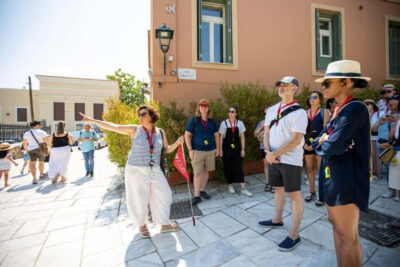
REVIEW · LONDONDERRY DERRY
Derry: Bloody Sunday and Bogside Murals Walking Tour
Book on GetYourGuide →Operated by Derry Guided Tours · Bookable on GetYourGuide
One walk, Derry’s hardest moments. You’ll see the Bogside Murals up close and finish at the Bloody Sunday monument, with a guide tying events to real people. The subject is heavy, so it’s not the right pick if you want an easy, light stroll.
I love how the best guides for this tour bring both head and heart—locals like Glyn and Gleann mix clear explanation with dry humor, then shift tone fast when the story turns tragic. It makes the history feel less like a lecture and more like something you can actually picture.
Plan for a focused 90-minute walk through the Bogside, from the Tower Museum area to the memorial stops. It’s an outdoor route, so you’ll want weather-ready clothes.
In This Review
- Key Things to Know Before You Go
- Why the Bogside Murals Matter More Than They Look
- Meeting at the Tower Museum: Start Point and First Impressions
- The Bogside Through the 20th Century: What the Tour Actually Explains
- Walking the Civil Rights Heart: Why This Neighborhood Was Different
- Bloody Sunday Locations and the Monument Stop
- Reading the Murals Like a Storybook (Without Needing a Degree)
- Guides Who Set the Tone: Humor, Memory, and Respect
- Time, Pace, and What to Pack for a 1.5-Hour Walk
- Price and Value: Is $35 Worth It Here?
- Who This Tour Suits (and Who Might Prefer Another Plan)
- Pair It With a Strong Derry Day Plan
- Should You Book This Bloody Sunday and Bogside Murals Tour?
- FAQ
- Where is the meeting point for the tour?
- How long is the walking tour?
- Is the tour offered in English?
- Is the tour suitable for people with mobility impairments?
- What should I wear or bring?
- What’s the price and are there booking options?
Key Things to Know Before You Go
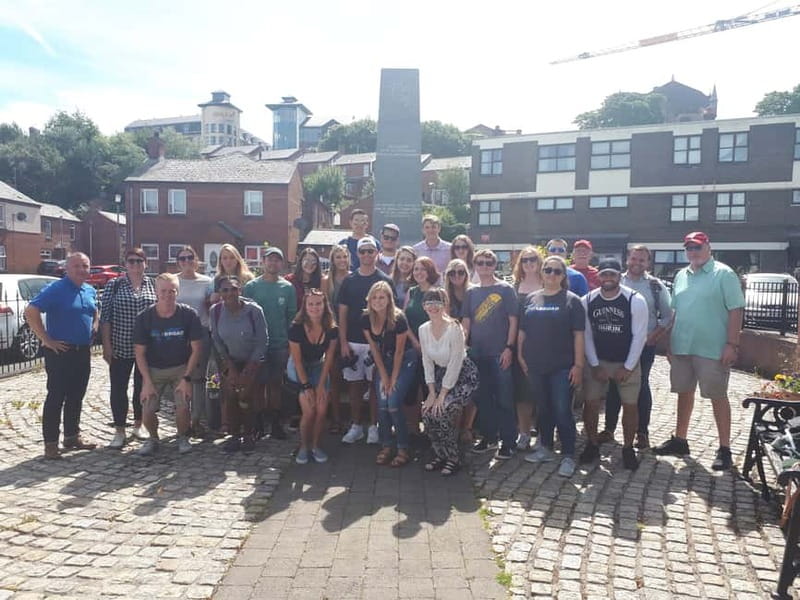
- Bogside Murals with context: the artwork is explained scene by scene, not just pointed out.
- Bloody Sunday, in plain language: you’ll visit the key locations and hear how the aftermath was handled.
- Civil rights background: you get the chain of events that led from discrimination to confrontation.
- A short but packed walk: the tour is 1.5 hours, so you’ll move steadily.
- Guides with personal connection: many leads share lived family experience, which shapes the tone.
- All-weather attitude: wind and rain are common, so bring a real layer, not just a hope.
Why the Bogside Murals Matter More Than They Look
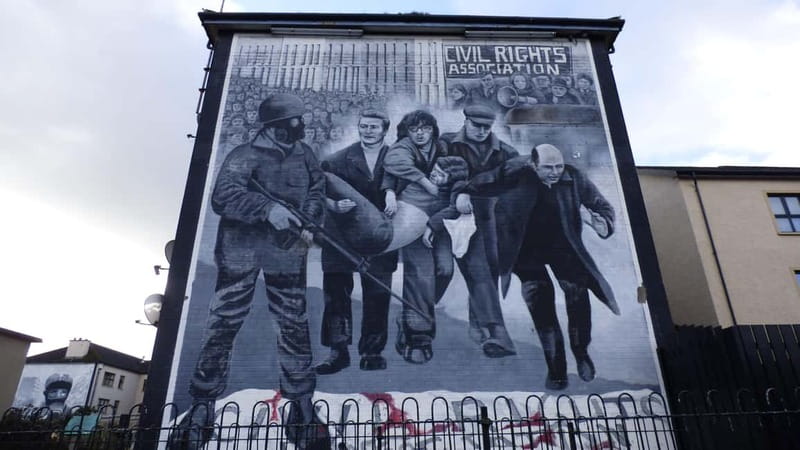
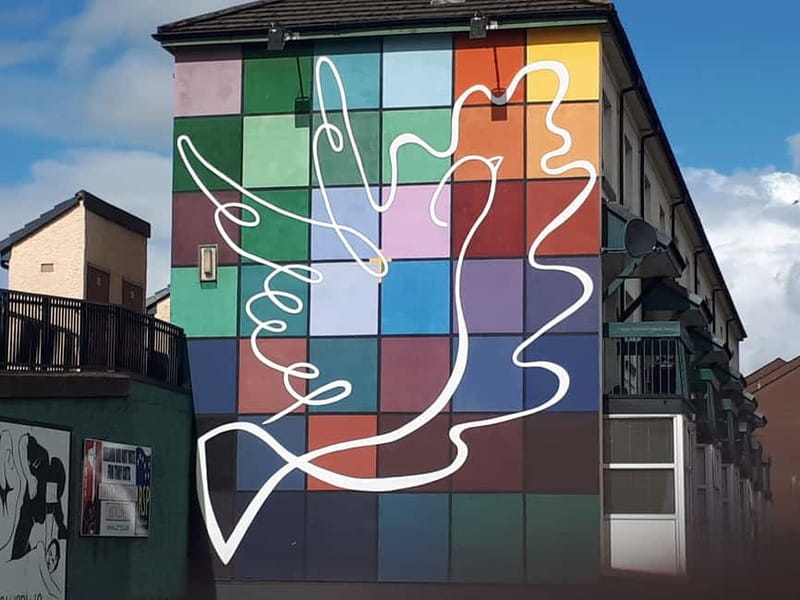
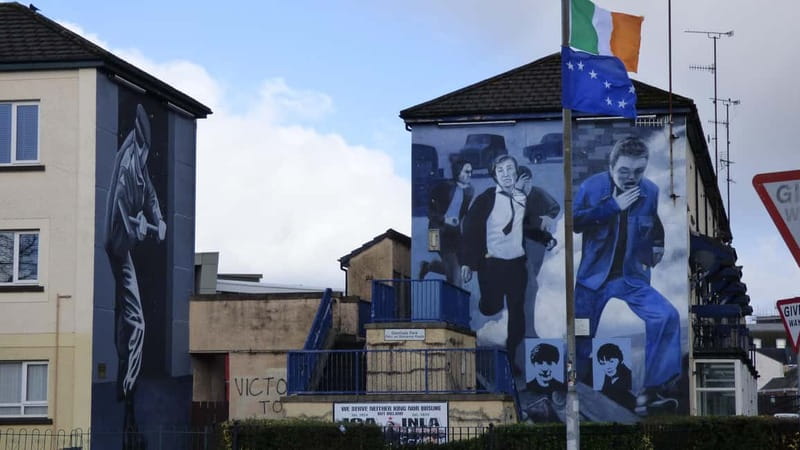
The Bogside murals are famous for a reason: they turn a painful political era into images you can read with your eyes. On this tour, I like that you don’t just admire them. You learn what each scene is remembering—who’s being honored, what grievance is being named, and why the community put paint on the wall instead of silence.
Derry’s recent history can feel distant if you’ve only seen it in headlines. Here, you start to see how the conflict grew out of everyday realities: laws, segregation, and daily unfairness, especially for Irish Catholics. That matters because the murals aren’t random. They’re part of the city’s memory system.
And then there’s Bloody Sunday. The tour doesn’t let you treat it like a single tragic date. You get the lead-up and the aftermath, which makes the monument feel less like decoration and more like a response—one that still sits in the streets.
You can also read our reviews of more walking tours in Londonderry Derry
Meeting at the Tower Museum: Start Point and First Impressions
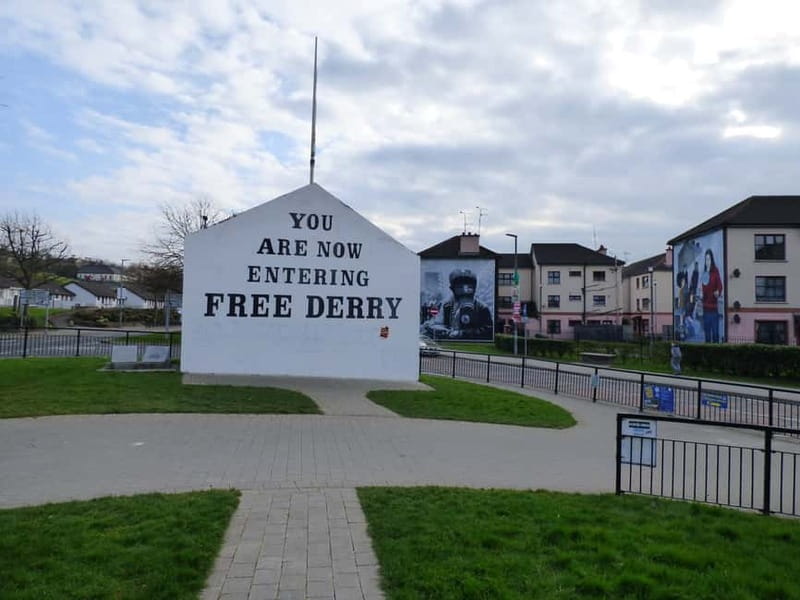
You meet outside the Tower Museum at Magazine Gate, just inside Derry’s city walls. It’s a smart starting spot because you’re already in the historical footprint of the city, and the guide can frame the Bogside as a key stage—not an afterthought.
From the first few minutes, the guide usually sets expectations: this is a walking tour through modern history with serious themes. If your group likes questions, you’ll likely get time to ask them. Reviews often highlight guides who answer patiently and keep the pace comfortable for a mixed crowd, including people who don’t know the Troubles background.
Practical tip: wear shoes that can handle stone streets and uneven ground. It’s only 1.5 hours, but you’ll be on your feet the whole time.
The Bogside Through the 20th Century: What the Tour Actually Explains
This isn’t a generic “here’s what happened” route. You’re guided through a timeline that helps you connect several big forces:
- the partition of Ireland
- the creation of the six-county state
- discrimination faced by Irish Catholics
- the civil rights movement
- the Battle of the Bogside in 1969
- the Bloody Sunday massacre in January 1972
- the inquiries that followed
That structure is one of the tour’s real strengths. When you understand the sequence, Bloody Sunday stops being just shock value and becomes part of a pattern—one that was building through restrictions and repeated tensions.
I also appreciate that guides often bring it down from big politics to human stakes. Many of the highly rated guides—people like Glyn, Gleann, and others—are described as personable and funny early on, then deliberate when the story gets grim. That tone shift isn’t for drama; it helps you listen.
Walking the Civil Rights Heart: Why This Neighborhood Was Different
The Bogside isn’t presented as a neutral backdrop. It’s treated as the heart of the civil rights movement, which changes how you read the murals and memorials.
As you walk, the guide helps you picture why confrontations escalated. You learn how civil rights organizing collided with a system that many Catholics experienced as unfair. You also hear how 1969’s clashes, often referred to as the Battle of the Bogside, set the stage for what came next.
This is the point where the tour feels most useful for first-timers. If all you know is the word Troubles, you’ll leave with a clearer sense of the “before.” That’s what makes Derry hit harder than you expected—in a good way, even if it’s uncomfortable.
And because this is a walking route, you can literally see how the community space shaped the story. Streets, walls, and sightlines aren’t just scenery here. They’re part of why events unfolded the way they did.
Bloody Sunday Locations and the Monument Stop
The most powerful part is the section focused on Bloody Sunday itself. You visit the site of the Bloody Sunday massacre, and the guide explains the inquiries that followed.
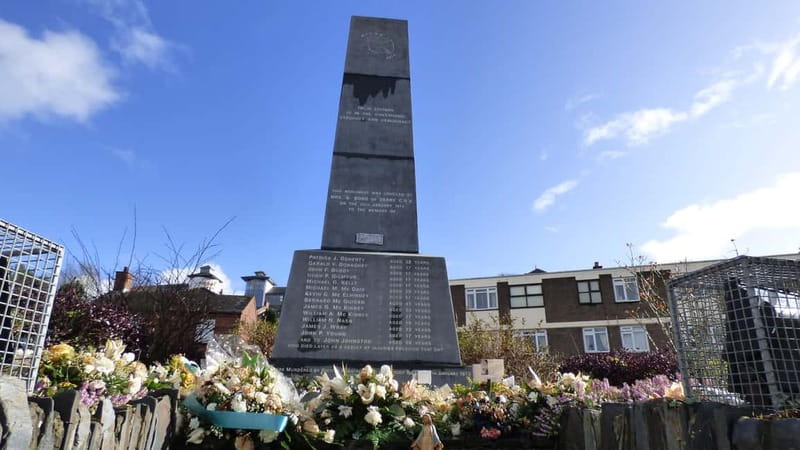
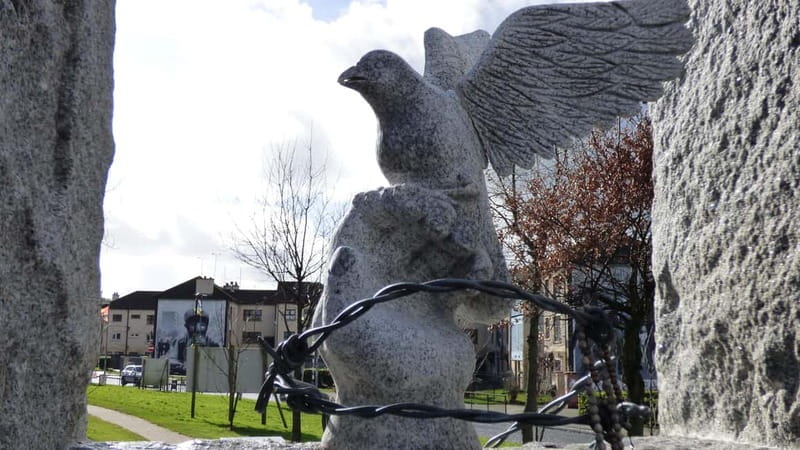
Then you end at the Bloody Sunday monument, described as a lasting tribute connected to the Civil Rights Association. Ending there is a smart choice. By the time you reach the memorial, you’re not just hearing the date—you’re holding the meaning of it in your head.
A key point for your mindset: this stop isn’t designed to be quick photo time. The wording and pacing matter, and it’s common for guides to handle it with care and respect. Some guides’ family connections are mentioned in reviews, which often adds a different weight to how they talk about the day.
If you’re someone who gets overwhelmed by grief in public spaces, you can still do this tour. Just go in with a plan: give yourself a moment to stand, breathe, and move slowly through the emotional parts.
Reading the Murals Like a Storybook (Without Needing a Degree)
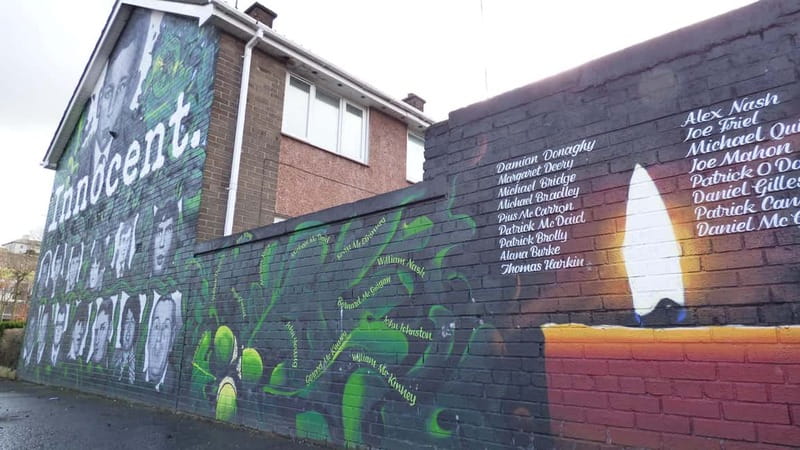
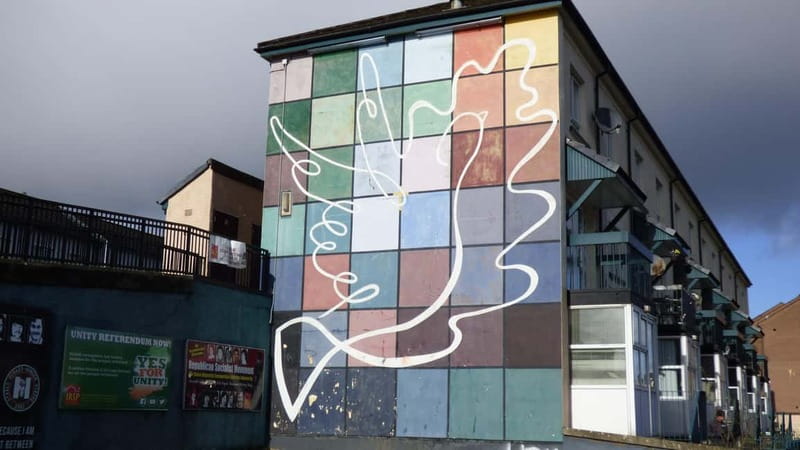
The Bogside Murals are iconic, but the tour turns “iconic” into “understandable.” You’ll learn how the murals depict the city’s past, and you’ll hear the reasoning behind the images—who is shown, what conflicts are referenced, and how different memories are kept alive on the wall.
This matters because murals are a form of communication. They’re not neutral art galleries. They carry messages—political, cultural, and personal. On a good day, the guide helps you notice details you’d miss on your own, then links those details to the historical events you just heard.
From the reviews, one recurring theme shows up: guides often make the murals feel vivid, and they handle questions with solid explanations. That’s a big reason the tour gets near-perfect ratings. You don’t feel rushed, and you don’t feel like you’re being fed a script.
A small balancing note: one review mentioned they wanted more about how the Troubles still affect life today, and that Belfast is where that can be more obvious. If that’s your priority, you might want to add another stop after this tour to get the modern-day angle.
Guides Who Set the Tone: Humor, Memory, and Respect
The biggest “value multiplier” on this tour is the guide. Across reviews, people repeatedly praise leads like Ian, Glyn, Gleann, Angela, Tony, and Glen—often for a mix of traits: warm personality, humor, deep familiarity with local events, and the ability to answer questions.
Some guides share personal ties—family impacted by the conflict. Even when you don’t know all the names in advance, you’ll feel that these stories are told by people who live with the history, not just teach it.
That combination—facts plus lived perspective—can make the tour both moving and easier to follow. It also helps when questions get complex. Reviews mention guides who keep the pacing good and handle groups well, including people running late due to weather or logistics.
Time, Pace, and What to Pack for a 1.5-Hour Walk
The tour runs for 1.5 hours, and the walk is designed to cover key sites without turning into a long endurance test. That shorter duration is part of the appeal. You can fit it into a day in Derry without sacrificing everything else.
Still, it’s outdoors and you should be prepared for all weather. Wind, rain, and cold can change your comfort fast. I’d pack:
- a waterproof layer (hooded if possible)
- warm socks or an extra thin layer
- gloves if it’s cool
- a small towel or tissues for drizzle (it sounds silly until you need it)
One more practical note from the reviews: even when the weather isn’t great, guides tend to keep it engaging. That doesn’t remove the need for prep, but it means you’re not stuck in a boring slog if the forecast turns.
Price and Value: Is $35 Worth It Here?
At $35 per person, you’re not paying for a bus ride or a museum ticket with lots of rooms. You’re paying for something more time-sensitive: a guided walk through a small, specific area where context matters.
In my view, the value comes from three things you don’t get from reading alone:
- Location-based storytelling: you stand where events happened and where memory is displayed.
- Clear sequencing: you get the build-up from partition and discrimination to civil rights action, then the clashes and aftermath.
- Guides with local connection: when a guide has family links, the tone and details often feel more grounded.
If you only have one short block of time in Derry and you want the most meaningful “why” behind the murals and memorials, this is a strong use of your budget. If you’re looking for a purely light sightseeing loop, you’ll be happier choosing another tour.
Who This Tour Suits (and Who Might Prefer Another Plan)
This tour is a great match if you:
- want to understand the Troubles through the place where it was intensely felt
- are drawn to the Bogside Murals and want the stories behind them
- like walking tours that stay focused on one area and one thread
- want a guide who can handle questions, not just talk at you
It’s also a good pick for history-minded visitors who appreciate human context. Reviews mention that the tour can be thought-provoking and even moving, and that’s exactly the point.
It may not be ideal if:
- you have mobility impairments, since it’s not suitable for people with mobility impairments
- you’re looking for a relaxed, sightseeing-only afternoon
- you need a strong modern-day focus, because the emphasis here is primarily on the events and memory of the 20th century
Pair It With a Strong Derry Day Plan
If you want to make the day flow, consider adding a museum stop before you walk. One review specifically mentioned a visit to the Free Derry Museum beforehand as a natural lead-in. Even if you don’t do the same order, the idea is solid: warm up your understanding indoors, then go street-level with a guide.
After the tour, you’ll likely feel more curious than before—about the city walls, the murals you noticed from the sidewalk, and how public art carries memory. Use that mood. Walk slowly on your own for another 20–30 minutes and look at the walls like they’re telling you something.
Should You Book This Bloody Sunday and Bogside Murals Tour?
If you care about understanding Derry beyond headlines, I think you should book this. The combination of Bogside Murals, the Bloody Sunday site, and the ending at the monument gives you a complete arc for what the neighborhood experienced and why it still matters.
Book it if you want a focused, high-impact tour in 90 minutes, led by guides who bring both humor and seriousness—people like Glyn and Gleann are often praised for exactly that balance. Skip it if your goal is purely carefree sightseeing or you’re not up for a heavy topic.
One last tip: if you’re even slightly interested in Ireland’s modern history, this is one of the best ways to see how memory lives on the street—literally in paint, stone, and carefully chosen words.
FAQ
Where is the meeting point for the tour?
Meet outside the Tower Museum at Magazine Gate, just inside the city walls.
How long is the walking tour?
The tour lasts 1.5 hours.
Is the tour offered in English?
Yes, the tour has a live guide in English.
Is the tour suitable for people with mobility impairments?
No, it is not suitable for people with mobility impairments.
What should I wear or bring?
Bring weather-appropriate clothing and be prepared for all weather.
What’s the price and are there booking options?
The price is $35 per person, and you can reserve and pay later. You also get free cancellation up to 24 hours in advance for a full refund.