REVIEW · CHARLESTON
Book Charleston’s Most Educational History Tour!
Book on Viator →Operated by Chucktown Walking Tours · Bookable on Viator
History walks better with a PhD. This Charleston tour mixes big city context with a professional historian and an unhurried, mostly-shaded route that starts right by the water. You get a walking tour that’s built for questions, not a forced march.
I love how the stops focus on real, specific places: cobblestone streets near the waterfront, the historic Tradd Street setting, and the Live Oak shade of the Battery area. Another thing I really like is the guide style—education with jokes—so the stories don’t feel like homework.
One heads-up: Charleston sidewalks can be narrow and not perfectly level, and the tour isn’t recommended for wheelchairs or walkers. Add the fact it can be hot and humid, and you’ll want comfortable shoes and a water plan.
In This Review
- Key things to know before you go
- Waterfront Park to Waterfront Stories: the value of this start
- Meet the PhD historian: how the tour keeps it lively
- Stop 1 at Chucktown Tours: shade, cobblestones, and a first fish market moment
- Tradd Street (built 1720): why one street can change how you see Charleston
- Battery & White Point Gardens: Live Oak shade and the kind of view that sticks
- Heyward-Washington House: George Washington’s life details, not just a factoid
- Walking tour logistics that actually affect your comfort
- Price check: why $45 can be good value here
- Who should book this tour (and who might prefer something else)
- Should you book this Charleston educational history walk?
- FAQ
- How long is the tour?
- What time does the tour start, and where do I meet?
- What’s included in the $45 price?
- What should I bring?
- Is this tour wheelchair or walker friendly?
- What happens if the weather is bad or I cancel?
Key things to know before you go
- A slow pace with breaks so you’re not rushed, even if you’re a casual walker
- Waterfront start near Waterfront Park, with early downtown street texture right away
- Tradd Street history dating to 1720, explained where it actually happened
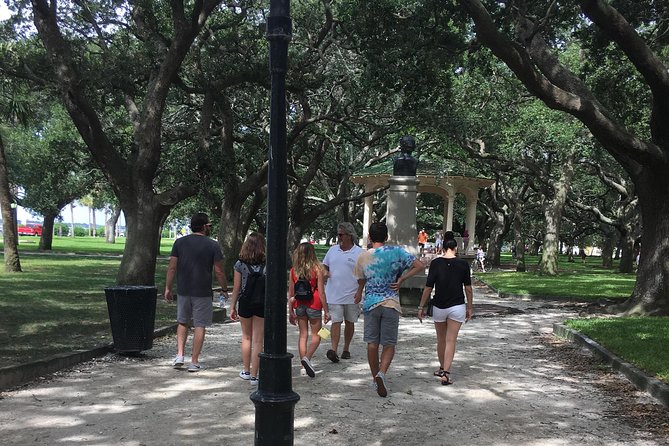
- Battery and White Point Gardens views under 100+ year Live Oaks
- Heyward-Washington House connection to George Washington’s time in Charleston
- Small group size (max 15) for a more conversational experience
Waterfront Park to Waterfront Stories: the value of this start
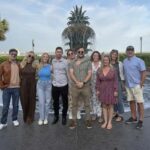
The tour begins at Waterfront Park near Vendue Range on Concord Street, and that matters more than it sounds. You start by the water, so the historical center doesn’t feel like random landmarks—it feels like a city that grew around trade, ships, and daily life.
The pace is intentionally relaxed. You’ll be walking mostly in shade, and the plan includes breaks so you can catch your breath and stay present for the stories. If you’re the type who likes to look up at details in buildings and street layouts, this format fits you well.
You’ll also be in a small group. With a maximum of 15 travelers, you’re more likely to get real back-and-forth discussion instead of a one-way lecture.
You can also read our reviews of more historical tours in Charleston


Meet the PhD historian: how the tour keeps it lively
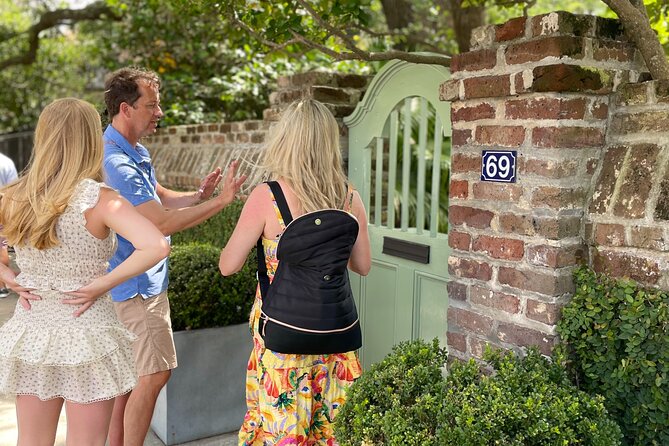
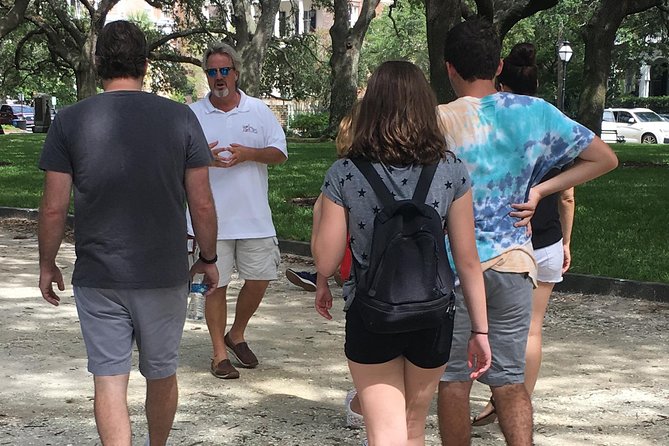
This is not a speed-history sprint. The guide is a professional historian with a PhD, and the whole point is education plus discussion. Expect stories with dates and context, but also room for questions—because the best way to understand a place is to ask why it looks the way it does.
Humor is part of the package too. The tour specifically mentions dad jokes and lots of laughs, and that’s backed up by feedback about how guides like Cooper (described as a retired history teacher) or Chuck/Connor (described as strong local historians) keep the mood light while staying serious about what happened.
One more practical note: the tour isn’t designed to be taken like a casual stroll you can “half watch.” You’ll want to pay attention to the street-level details and the way the guide connects them to the bigger story of Charleston.
Stop 1 at Chucktown Tours: shade, cobblestones, and a first fish market moment
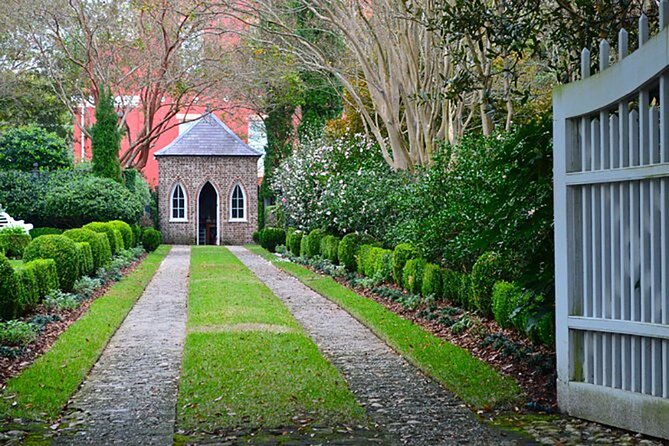
Stop 1 begins at Chucktown Tours by the waterfront. You get about 10 minutes here, and it sets the tone: the guide leads with context while keeping the walking manageable and mostly shaded.
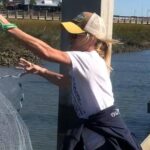
You’ll also hear your first “look closer” lesson. The route includes beautiful cobblestone streets, and you’ll stand in a spot tied to Charleston’s first fish market. That kind of detail is useful because it anchors history to something practical—who traded what, how people moved goods, and what the waterfront meant day to day.
The drawback is physical reality. Charleston isn’t known for straight, level sidewalks, and the tour notes that wheelchairs and walkers aren’t recommended. Strollers are fine, but if you’re traveling with young kids, plan for narrow sidewalks and extra care.
If you’re visiting in warm months, don’t treat this as optional. The tour calls out that Charleston gets hot and humid, so bring bottled water and wear shoes you trust. A great attitude helps too, but hydration does the heavy lifting.
Tradd Street (built 1720): why one street can change how you see Charleston
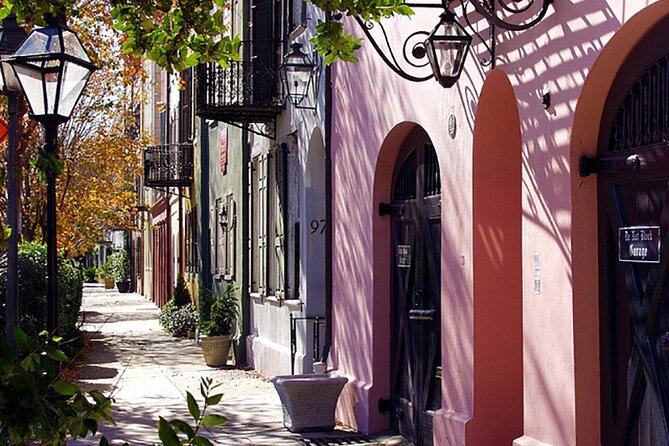
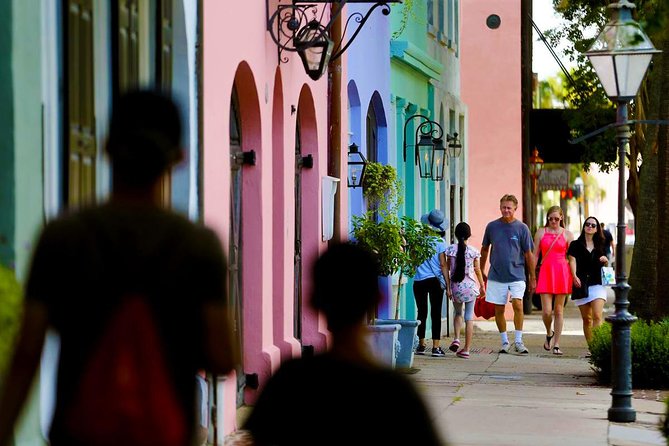
Stop 2 is Tradd Street, with about 15 minutes allocated there. The headline detail is straightforward: Tradd Street was built back in 1720. But what makes this stop worth your attention is how it turns architecture into a timeline you can walk through.
On a self-guided stroll, it’s easy to admire the buildings and move on. Here, you’re asked to notice what the street layout and built environment suggest—how long-term settlement patterns shape neighborhoods, how wealth and trade show up in city planning, and how the physical place helps you understand the people who lived there.
This is also one of the stops where discussion tends to matter. The guide format is built around education and conversation, so if you’ve got questions about how Charleston evolved—founding years, major eras, or social change—this is a natural moment to ask.
Battery & White Point Gardens: Live Oak shade and the kind of view that sticks
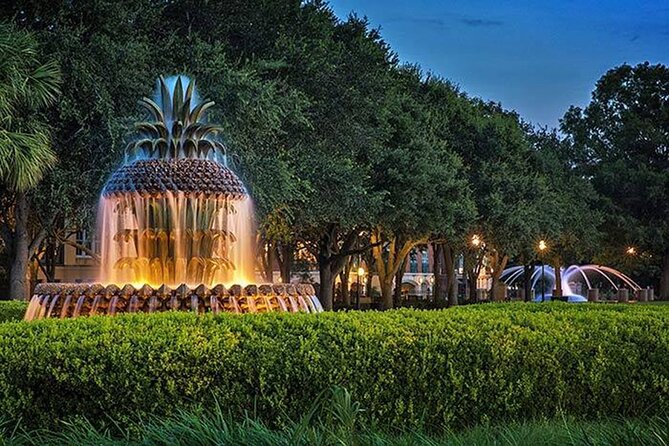
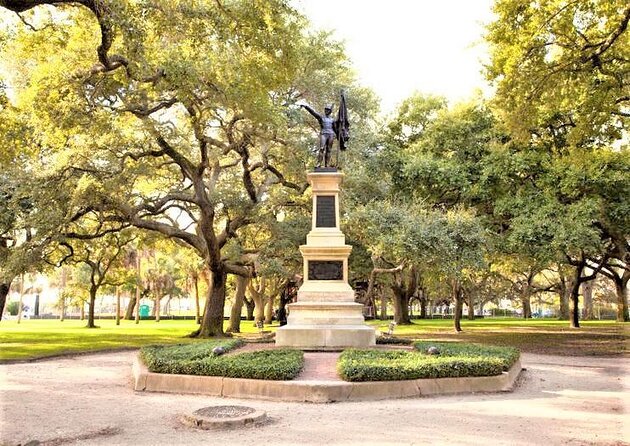
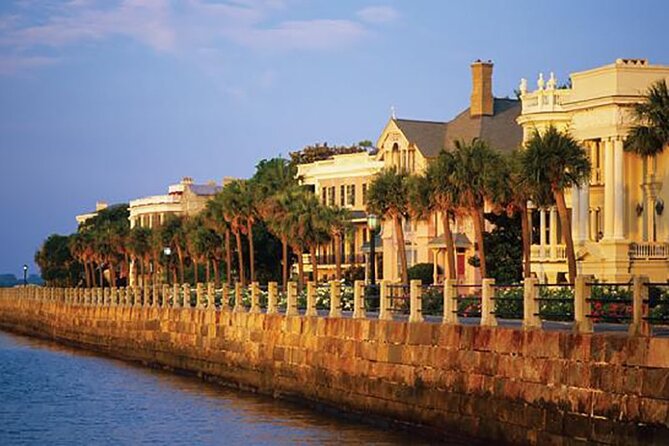
Stop 3 takes you to the Battery & White Point Gardens, with about 20 minutes here. This is the “look up and slow down” portion of the tour, with a breathtaking view framed by hundred-year-old Live Oak trees.
Why this stop works: it gives you a visual pause between heavier topics. You’re standing where people have looked out for generations, and the oaks act like living architecture—shade, scale, and a sense of time. It’s also the kind of place where your photos improve because you’re not just snapping; you’re listening to the context while the view does its job.
If you’re sensitive to heat, this is another reason to appreciate the pacing. The tour is designed to walk mostly in shade, and the Live Oak canopy helps you cool off while still experiencing the scenery.

Heyward-Washington House: George Washington’s life details, not just a factoid
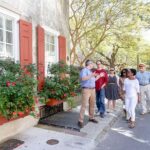
Stop 4 is short—about 5 minutes—but it’s focused. You’ll visit the Heyward-Washington House, a stop tied to George Washington’s time in Charleston.
Many places point you to where Washington slept, but this is presented as the place where he lived while he was here in Charleston. That shift matters because it changes the mental picture. A “sleeping spot” is a quick detail; a “lived here” connection helps you imagine routine, presence, and what Charleston offered to a major figure during that period.
This stop is a good example of what the guide style does well: it takes something common that you might see in basic descriptions and gives it sharper meaning. You’ll likely walk away thinking about how buildings functioned as part of history, not just as backdrops.
Walking tour logistics that actually affect your comfort
This experience is listed at 2 hours 30 minutes (approx.), but you should plan for the real-world version. The tour includes breaks and a slow pace, and it can run a bit longer depending on questions and how the group moves.
The meeting point is Waterfront Park, Vendue Range, Concord St, Charleston, SC 29401, and you return to the same spot at the end. That round trip is convenient: you’re not trying to coordinate transport in the middle of your morning.
You’ll have a mobile ticket, it’s offered in English, and it’s set up for small groups (maximum 15). Service animals are allowed, and it’s near public transportation, which makes it easier to fit into a half-day plan.
And yes—Charleston walking is walking. If you’re prone to blisters, don’t gamble. The tour itself points out the sidewalk conditions and recommends comfortable shoes and water. Bring those and you’ll have a much better experience.
Price check: why $45 can be good value here
At $45 per person, this is priced like an experience, not a lecture series. The value comes from three things the tour explicitly includes:
- A professional historian with a PhD leading the tour
- Education, knowledge, and discussion (not just dates recited over your head)
- Humor—dad jokes and lots of laughs—so the learning sticks without feeling heavy
In practice, you’re paying for guided interpretation of places you could otherwise stroll past. Charleston has plenty of sights you can see on your own, but the payoff here is how the guide connects the street-level scenes—waterfront market context, a 1720 street, Live Oak shade, and the Washington living connection—into one coherent walk.
Also, the small group size helps with value. If you’ve ever been stuck in a crowded tour where you can’t ask anything, this format is designed to avoid that problem.
Who should book this tour (and who might prefer something else)
You’ll likely enjoy this tour if you:
- like history explained in context, not just memorized facts
- enjoy walking but want a slow pace with breaks
- want a guided way to understand Charleston’s layout and architecture
- appreciate a guide who mixes humor with real detail
You might think twice if you:
- need a wheelchair or walker-friendly route, since the tour isn’t recommended for those due to sidewalk conditions
- have very limited mobility or can’t handle narrow sidewalks, especially with small kids in the mix
If you’re a first-time Charleston visitor, this is a strong “get oriented” morning. It’s also a great choice if you’ve been to Charleston before and want a fresh perspective that goes beyond what’s on plaques.
Should you book this Charleston educational history walk?
If you want a morning in Charleston that combines architecture you can actually see, history you can understand, and a guide who can answer questions without making it stiff, I’d book it.
My decision would be simple: for $45, you’re getting a PhD historian, a slow shade-forward walking route, and four well-chosen stops that move from waterfront context to street history to a scenic break under Live Oaks and then a meaningful George Washington connection at the Heyward-Washington House.
Just be honest with yourself about walking conditions and heat. If you’re good on shoes, water, and patience, you’ll probably come away thinking about Charleston in a smarter, more human way.
FAQ
How long is the tour?
The tour is about 2 hours 30 minutes (approx.).
What time does the tour start, and where do I meet?
It starts at 10:00 am. Meet at Waterfront Park, Vendue Range, Concord St, Charleston, SC 29401, and the tour ends back at the same meeting point.
What’s included in the $45 price?
The tour includes a professional historian with a PhD, education and discussion, and dad jokes with lots of laughs.
What should I bring?
Wear comfortable walking shoes, and bring bottled water since Charleston can be very hot and humid during this time of year.
Is this tour wheelchair or walker friendly?
The tour notes that it isn’t recommended for wheelchairs and walkers due to Charleston’s sidewalks. Strollers are fine, but young children may need extra care on narrow sidewalks.
What happens if the weather is bad or I cancel?
The tour requires good weather, and if it’s canceled due to poor weather, you’ll be offered a different date or a full refund. Cancellation is free up to 24 hours in advance for a full refund; if you cancel within 24 hours, you won’t receive a refund.