REVIEW · CHARLESTON
Semi-private SMALL group Historic Walking Tours w/certified guide
Book on Viator →Operated by Walk It! Charleston · Bookable on Viator
Charleston can feel like a movie set, but this walk explains the plot. This semi-private, max 10-person tour is built for real conversation, and I like that the guide brings the story to you with stop-to-stop local context, not a scripted lecture. Two things I especially love: the licensed, certified guide focus and the way you get architecture and the city’s turning points in plain language. One possible drawback: because it’s a walking tour, you’ll want comfortable shoes and a bit of stamina for a 2-hour stroll.
You’ll start at 80 Broad St and work your way through the historic core, including an on-foot look at places that go back before the American Revolution. Expect a guided walk that also brings you to the Charleston Battery, plus a sharp explanation at City Hall around the spot locals call the Four Corners of Law. Guides I saw repeatedly praised include Steve Bailey, Kay, Kate, and Russ—so you’re likely to get an energetic, people-friendly storyteller, not someone reading from a sheet.
In This Review
- Key things that make this tour worth your time
- Entering Charleston on foot: why the small group matters
- Price and what you’re really paying for
- Meeting at 80 Broad St, then finishing at Dock Street Theatre
- Stop 1: Charleston streets and pre–American Revolution landmarks
- Stop 2 at City Hall: the Four Corners of Law explained simply
- Charleston Battery: the waterfront stop that rounds out the story
- The pacing: 2 hours that don’t feel like a marathon
- Guide quality: what to look for when you book
- What you’ll see and how to get the most from the walk
- Who should book this Charleston historic walking tour
- Should you book it?
- FAQ
- How long is the walking tour?
- What does the tour cost?
- How large is the group?
- Where does the tour start and end?
- Is the tour offered in English?
- Do I need to print anything, or is there a mobile ticket?
- Are service animals allowed?
- Is the meeting point near public transportation?
- Is there a cancellation option if plans change?
- Do I need to book far in advance?
Key things that make this tour worth your time
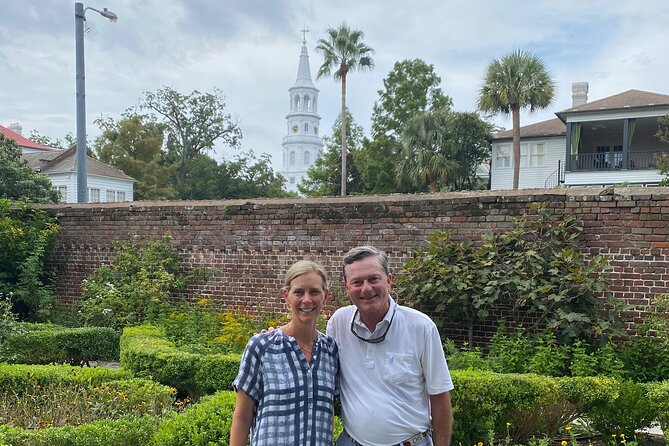
- Semi-private max 10 group size so you can actually ask questions and hear clearly
- Certified local guides who connect Charleston’s history to what you’re seeing on the street
- City Hall stop and the Four Corners of Law angle, which makes a legal history moment feel personal
- Hidden-alleys style walking routes that help you notice lanes and details you’d miss on your own
- Charleston Battery visit to round out the tour with the city’s waterfront legacy
Entering Charleston on foot: why the small group matters

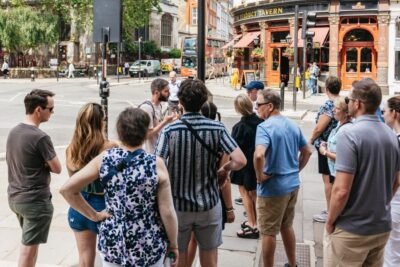
A lot of sightseeing feels like you’re sprinting to catch up with other people’s photo timing. This tour slows that down. With a maximum of 10 travelers, you’re not stuck at the back, and the guide can pivot when a question pops up, which makes the history land faster.
I also like that this format helps you follow both the big story and the small details. Charleston has layers—homes, churches, public buildings—and when you’re walking in a smaller group, the guide can point out what to look for without rushing. You’ll also get a steadier pace for conversations, so the tour feels like a guided walk through neighborhoods, not a check-list.
One extra bonus: when you have fewer people, it’s easier to hear. If you’re the type who hates straining to catch every word, you’ll appreciate this setup.
You can also read our reviews of more walking tours in Charleston



Price and what you’re really paying for
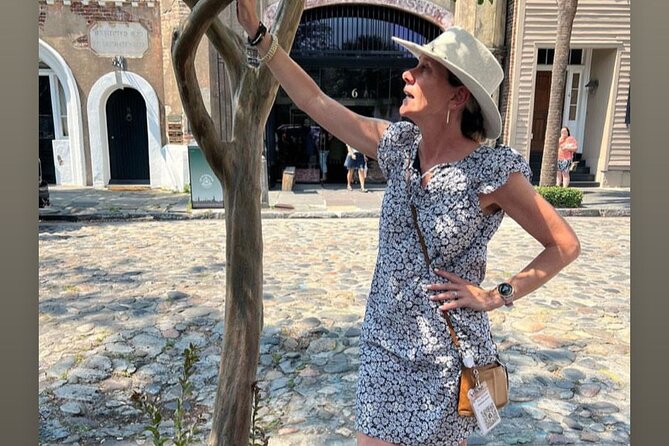
At $35 per person for about 2 hours, you’re paying for three things: a certified guide, a high-value route through the historic center, and time-saving context that would take you hours to stitch together on your own.
This isn’t a deep-dive museum day where you’re paying for entry fees on top. The tour uses walking and street-level storytelling, and the stops listed show free admission tickets for the segments you visit. That matters if you’re trying to keep your daily costs under control while still getting something meaningful.
And because the guide is the product here, the small-group limit is part of the value equation. You’re not just buying a route—you’re buying a local person who can explain what you’re seeing and answer your questions in real time.
Meeting at 80 Broad St, then finishing at Dock Street Theatre

The tour starts at 80 Broad St, Charleston, SC 29401 and ends at the Dock Street Theatre area (135 Church St). That’s a practical shape for a day in Charleston: you’re not stuck going back and forth across the city or ending somewhere that’s awkward for dinner.
If you like to plan your evenings in advance, this finish point can help you roll directly into a meal or show plans near Church Street. I also like that the meeting area is clearly defined with a real street address, which makes it easier to locate without guesswork.
Quick practical note: service animals are allowed, and the meeting area is near public transportation. Most travelers can participate, so you’re not signing up for something that feels like it was designed only for fitness influencers.
Stop 1: Charleston streets and pre–American Revolution landmarks

You’ll begin with a leisurely stroll through one of the easiest ways to understand Charleston: by watching buildings and streets instead of just reading about them. At Stop 1, the focus is on passing historic homes, churches, and public buildings, including some that predate the American Revolution.
Why this works so well on foot: the street layout is part of the story. When you walk, you can see how the city’s form shaped daily life—what faces the street, where public buildings sit, and how neighborhoods feel connected. A certified guide also helps you avoid the common mistake of treating every old structure as the same kind of landmark. You’ll get context for what you’re looking at, and it turns “pretty architecture” into “oh, that’s why this matters.”
A nice detail from guide styles mentioned in experiences: some guides lean into side-lanes and less-obvious paths. If you enjoy hidden angles—alleys, small shifts in street character—you’ll likely appreciate the route planning because it makes you feel like you’re seeing more than the postcard version.
Potential drawback to keep in mind: if you’re expecting a tour that stops at a single famous sight for lots of time, this format is more about movement and guided observation. The history comes in a steady flow as you walk.
Stop 2 at City Hall: the Four Corners of Law explained simply
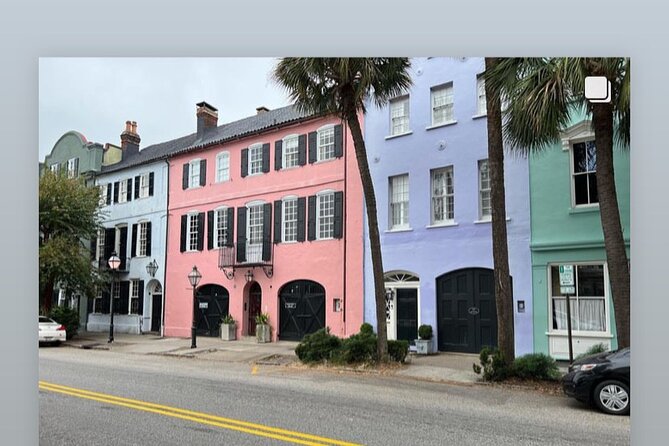
At City Hall, the tour zooms in on early Charleston history and a specific location locals refer to as the Four Corners of Law. Even if legal history isn’t your favorite subject, this kind of stop is valuable because it ties governance to real streets you can stand on and orient yourself around.
Here’s what I like about this stop: it helps you understand why Charleston operated the way it did. When a guide connects the architecture and the street corner to law and civic life, the city stops feeling random. You start to see patterns—how public power shapes where people gather, how rules affect neighborhoods, and why the same names keep showing up in local stories.
There’s also a practical feel to this segment. If you’re new to Charleston, a City Hall introduction helps you get your bearings fast. You’re not just learning dates; you’re building a mental map for the rest of your visit.
One more thing: flexibility comes up in the way the tour is run. If you’ve already visited a site planned on the route, some guides can adjust the tour’s flow. That’s not guaranteed, but it’s a common strength you’ll want to look for when choosing a guide-led walk.
You can also read our reviews of more guided tours in Charleston





Charleston Battery: the waterfront stop that rounds out the story
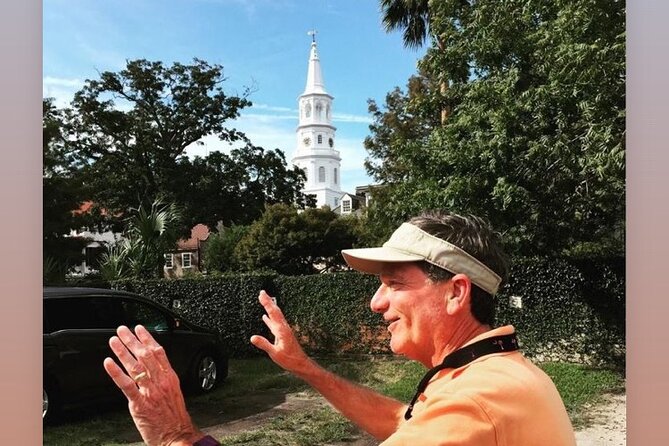
The highlights include a visit to the Charleston Battery, which is an important part of completing the city picture. Even if you’re mostly here for old streets and historic homes, Charleston’s relationship to the water is part of the backbone of how the city developed.
This stop is also a good pacing tool. Walking tours can start to blur together when you’re deep in architectural details. A waterfront segment gives your eyes a different kind of scene—more open space, longer sightlines, and a shift in what you pay attention to.
The key point for you: you’re getting more than one angle of the city. Historic center on foot plus the Battery area means your tour includes both the built environment and the maritime context that shaped Charleston’s identity.
The pacing: 2 hours that don’t feel like a marathon

The duration is about 2 hours, and that’s a sweet spot for first-time visitors. You get enough time for multiple story beats—historic structures, a City Hall civic angle, and the Battery—without turning the day into a full-blown half-day commitment.
This matters because Charleston heat and humidity can hit hard. A walking tour that’s properly paced helps you keep your energy. In experiences shared, the pace is described as enjoyable and easy to follow, with enough structure that you’re not constantly losing track of where you are.
Also, smaller groups tend to make time feel better spent. When you can ask questions, the guide can answer in the moment, and you don’t have to wait until the end when everyone is mentally checking out for photos.
Guide quality: what to look for when you book

You’re booking a walking tour, but you’re really buying the guide’s ability to make Charleston feel understandable. The strongest praise you’ll see around this experience is about guide communication and engagement.
If you’re deciding based on likely guide styles, these are the traits that show up repeatedly:
- Enthusiasm that keeps the walk from feeling flat
- Clear explanations that connect war, art, food, customs, and architecture into a single story thread
- A willingness to answer questions instead of rushing past them
- Comfort with adjusting timing if your schedule has constraints
Names that show up often in experiences include Steve Bailey, Kay, Kate, and Russ. You don’t need to memorize those names, but it’s helpful to know the tour has a track record of guides who can talk to people in a human way.
One practical consideration: if you hate walking in groups, this is still a walking tour. The group is small, but you’re still moving for the full 2 hours.
What you’ll see and how to get the most from the walk
This tour is designed to help you notice what’s right in front of you. You’ll spend time with Charleston’s historic architecture, including older homes, churches, and public buildings. You’ll also get a civic-history angle around City Hall and the Four Corners of Law, plus a wrap-up visit to the Battery area.
To get more out of it, I recommend you:
- Arrive a few minutes early so you can settle and start the walk relaxed
- Bring a phone with the mobile ticket ready, so you’re not fumbling
- Think of one question you’d love answered about Charleston—then ask it early, while the guide is in storytelling mode
One small tip: if you’re the type who likes photos, leave most of your photo-taking for moments when the guide pauses. That way you don’t miss the explanation while you’re zooming in on details.
Who should book this Charleston historic walking tour
This tour fits best if you:
- Are visiting Charleston for the first time and want a guided orientation
- Like architecture and want the story behind what you’re seeing
- Enjoy asking questions and getting conversational answers
- Want a small-group experience instead of a large crowd shuffle
It also works well for couples and families, especially when you want an easy-to-follow pace and a guide who can handle different needs. If you’re traveling with older family members, some guides have been noted as patient and accommodating with timing.
If you’re a marathon-level walker who wants non-stop sights, you might still enjoy it, but you may want a longer day plan to add extra stops on your own after this finishes at Dock Street Theatre.
Should you book it?
I’d book this tour if you want a smart way to understand Charleston without spending hours decoding history on your own. The certified guide plus max 10-person group size is the formula here, and it’s what keeps the experience personal and easy to follow.
Choose it if you like walking, architecture, and street-level explanations. If you’re sensitive to walking time or want lots of indoor stops, you might feel more satisfied with a different style of tour—but for most visitors, this hits the sweet spot: 2 hours, a clear route through the historic core, and a Battery visit that rounds things out.
If you’re trying to see Charleston the way it actually feels—slow enough to notice details, guided enough to make the city make sense—this is a strong pick.
FAQ
How long is the walking tour?
The tour lasts about 2 hours.
What does the tour cost?
It costs $35.00 per person.
How large is the group?
This experience has a maximum of 10 travelers, and it’s described as a semi-private small group.
Where does the tour start and end?
It starts at 80 Broad St, Charleston, SC 29401, USA, and ends at the Dock Street Theatre area, 135 Church St, Charleston, SC 29401, USA.
Is the tour offered in English?
Yes, it’s offered in English.
Do I need to print anything, or is there a mobile ticket?
You’ll use a mobile ticket.
Are service animals allowed?
Yes, service animals are allowed.
Is the meeting point near public transportation?
Yes, it’s listed as near public transportation.
Is there a cancellation option if plans change?
Free cancellation is available up to 24 hours in advance for a full refund.
Do I need to book far in advance?
On average, this tour is booked about 22 days in advance.