REVIEW · STRASBOURG
Strasbourg: Guided Walking Tour
Book on GetYourGuide →Operated by Fabry Tours · Bookable on GetYourGuide
Strasbourg changes its face every few steps. This 125-minute guided walking tour with Fabry Tours strings together the city’s German and French influences in a way that’s easy to follow, with photo-ready stops around La Petite France and the fortress riverworks. I especially like how the route highlights what makes Strasbourg feel different from other Alsace cities: the river, the defenses, and the architecture all talk to each other.
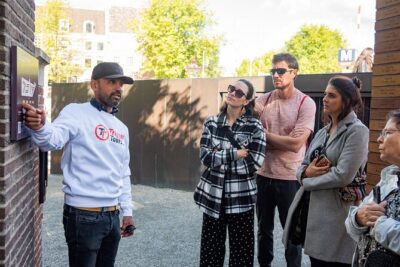
I also love the human factor. Guides such as Carlos, Erick, Gidda, and Fabrizio bring the stories to life and keep the pace photo-friendly, so you’re not sprinting between landmarks. One possible drawback: the food tastings are included, but they’re still time-limited, and if you’re expecting a long wine-and-cheese crawl, you may want to plan a second stop on your own.
Key photo angles and fortress viewpoints, plus street-level tastings, make this a solid way to get oriented fast.
In This Review
- Strasbourg in 2 Cultures, Told on a 125-Minute Walk
- Where You Start: Place Kléber and the Hôtel Strasbourg Le Kléber Option
- The Early Route: Modern Stops, Old Streets, and Quick Photo Momentum
- Barrage Vauban: Where the City’s Defenses Become a Photo Stop
- Petite France and the Swing Bridge Moments That Feel Like Postcards
- Ponts Couverts and Saint-Thomas: Covered Bridges and Gothic Details
- Rue des Serruriers and the Cheese-and-Snacks Interlude
- Winery Stop with Wine Tasting: Time for the Longer Sip
- Gutenberg Square to the Cathedral Area: The Big Finale Stops
- Rohan Palace Drop-Off Options: Ending in Two Great Places
- Price and Value: Is $30 Worth It for 125 Minutes?
- Who This Walking Tour Is Best For
- Should You Book This Strasbourg Tour?
- FAQ
- FAQ
- How long is the Strasbourg guided walking tour?
- Where can I meet the guide?
- What languages are the tours offered in?
- Is the tour wheelchair accessible?
- What’s included in the tour besides the walking?
- Are museum entrance fees included?
- Are tram tickets included?
- Can I bring luggage or large bags?
- Where does the tour end?
- What is the cancellation policy?
Strasbourg in 2 Cultures, Told on a 125-Minute Walk
Strasbourg’s magic is how often you can feel the border—without needing to leave the city center. You’ll see it in the mix of styles, the river infrastructure, and the way the city was designed to defend trade and travel along the waterways. That’s the core idea of this walk: you don’t just look at monuments, you learn why Strasbourg developed the way it did at this exact geographic crossroads between France and Germany.
The tone is practical and energetic. You’re walking a short-but-dense route, with scheduled photo stops and short explanations so you actually remember what you saw. The best part is that the guide doesn’t treat the city like a checklist. Instead, they connect the landmarks—river works lead to defenses, defenses lead to the covered bridges, and all of it funnels you toward the iconic cathedral area and Rohan Palace.
This is also the kind of tour that helps you right away after you arrive. If it’s your first visit, I think you’ll leave with a clear mental map. If you’ve been before, you’ll still pick up details you’d probably miss on your own.
Where You Start: Place Kléber and the Hôtel Strasbourg Le Kléber Option
The tour starts in the Place Kléber area, with two possible meeting points: Place Kléber or the Hôtel Strasbourg Le Kléber. Meeting point details can vary by the booked option, so it’s worth double-checking what your specific booking says.
Why this matters: Place Kléber is one of the most convenient hubs in central Strasbourg. You can usually plan your day around it, then shift to nearby streets and viewpoints without needing extra transit.
If you’ve ever arrived in Strasbourg and felt surrounded by tour groups, you’re not alone. One strong tip from past guests is to confirm directions if you’re unsure where the guide will be standing. The tour’s own guidance also points you to check the day-of weather, and meeting instructions may reference a local market near an Apple Store area—useful if you’re trying to orient quickly in a busy spot.
Bring comfortable shoes and have your camera ready, because the tour is built around stopping for photos, not just walking through.
You can also read our reviews of more walking tours in Strasbourg
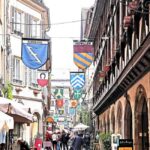
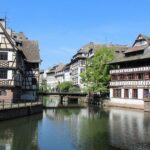
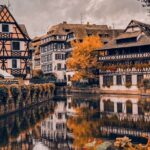
The Early Route: Modern Stops, Old Streets, and Quick Photo Momentum
After the start, the walk gets going right away with city-center sights and short scenic stretches. Early on, there’s a stop connected to the Museum of Modern and Contemporary Art (Strasbourg) area. You’ll have a break time and a photo stop, plus a guided look.
One practical note: museum entrance isn’t included. So plan for this to be more of a framing stop than a full museum visit. You’ll still come away with context—how modern and contemporary life sits next to the older defensive and cultural story of Strasbourg.
As you keep walking, the route also connects you to classic lanes and small street moments that make Strasbourg feel intimate. The tour includes sights such as Rue Jeu des Enfants, and it also brings you toward older church areas like the Church of Saint Peter the Elder. Even when you’re not going inside, the guide’s explanations help you see what you’re looking at—why certain locations mattered for centuries.
And yes, there’s a reason for the quick momentum at the start: it sets you up to enjoy La Petite France and the river defenses without feeling lost.
Barrage Vauban: Where the City’s Defenses Become a Photo Stop
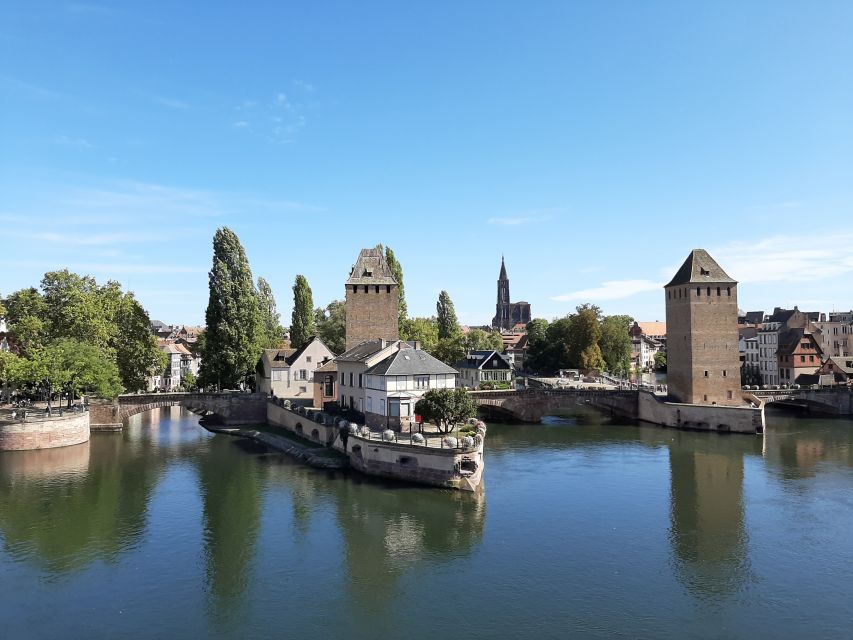
The Barrage Vauban is one of the strongest “learn-and-look” moments on the tour. This is where you start understanding Strasbourg as an engineering problem—how to protect a city built around waterways.
The guide points out the architectural elements of the first and second defensive barriers, and you’ll also get views tied to the river and its movement. There’s time for photo stops and a guided walk through this area. In the middle of this section, the route also includes a visit linked to a local market area.
Why I like this part: defenses can feel boring when you only see walls. Here, you see how the city used its river and the water level itself as part of the plan. That’s the kind of detail that turns “I saw a landmark” into “I understand why it exists.”
A consideration: since this portion includes stops for photos and walking segments, winter and rainy conditions can make timing feel tighter. If the weather is questionable, wear shoes with solid traction and keep your camera strap handy—you’ll be stopping often.
Petite France and the Swing Bridge Moments That Feel Like Postcards
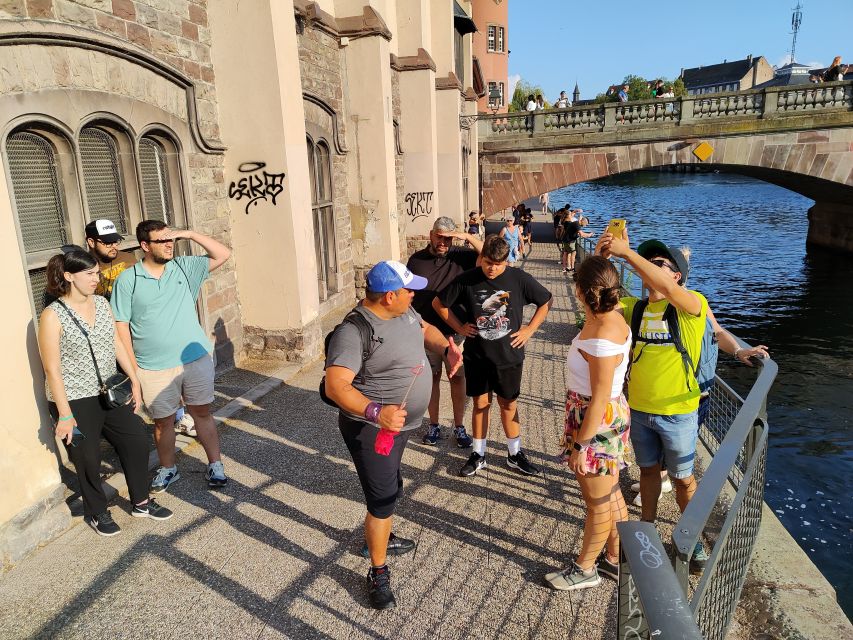
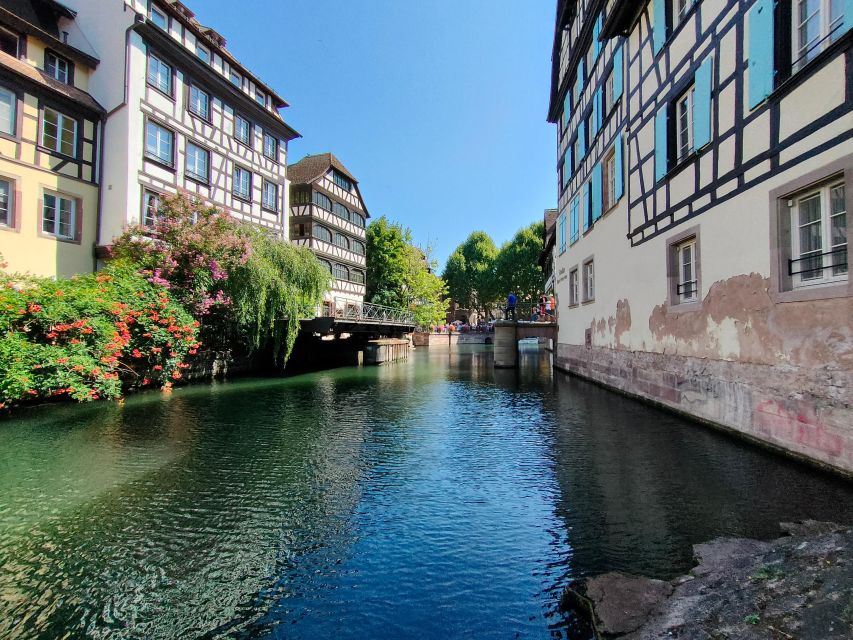
Then comes La Petite France—the neighborhood people love for a reason. This is where the city’s river charm turns into something you can photograph from multiple angles.
The tour builds in time for breaks, shopping time, and a free-time window so you’re not just herded from one viewpoint to the next. There’s also a short safety briefing, which is helpful in the narrow streets and busy canal areas.
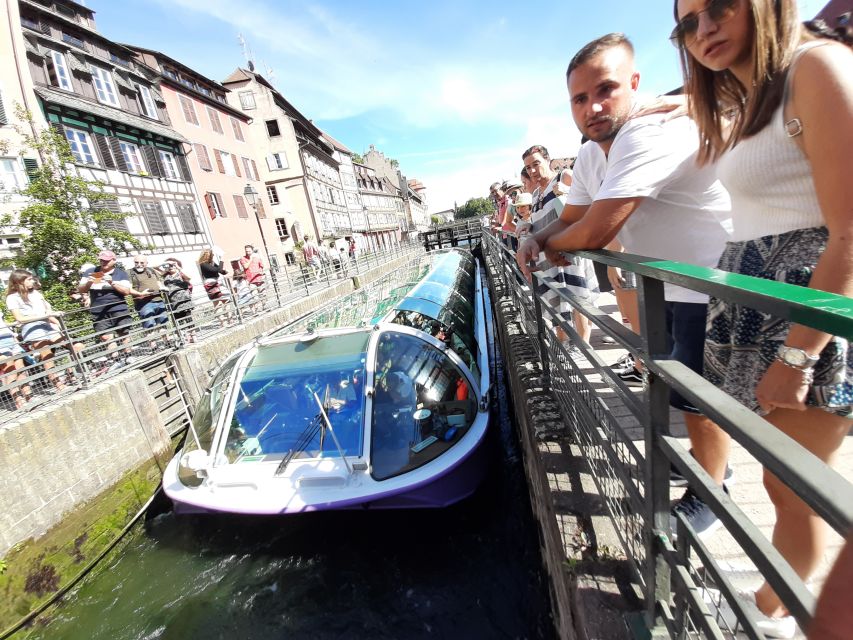
One standout feature here is how the guide handles the “how it works” story of the waterways. You’ll stop to appreciate the swing bridge and a gate that lets you see the change of level of the boats in the middle of Petite France. That’s not just scenic; it explains how the city managed movement on the canal system.
If you love pictures, this is where you’ll likely get your best “Strasbourg postcard” frame. The guide also aims you toward what they consider the best panoramic viewing point in the route, so expect at least one angle where you’ll stop, look out, and realize you’ve been given the right vantage point.
Small drawback to keep in mind: Petite France can be busy. Even though the tour includes pauses, you may still encounter crowds in the most popular photo spots.
Ponts Couverts and Saint-Thomas: Covered Bridges and Gothic Details
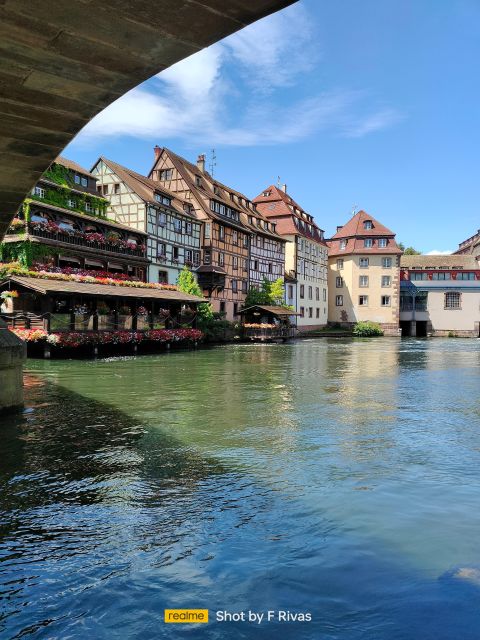
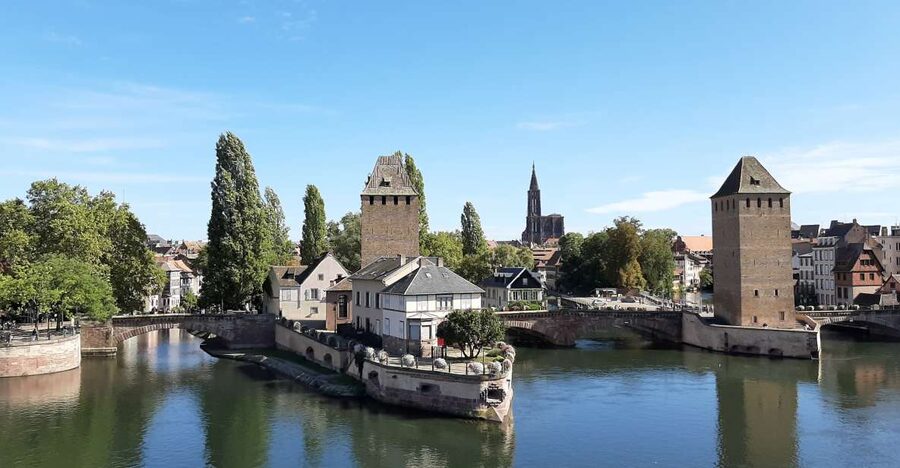
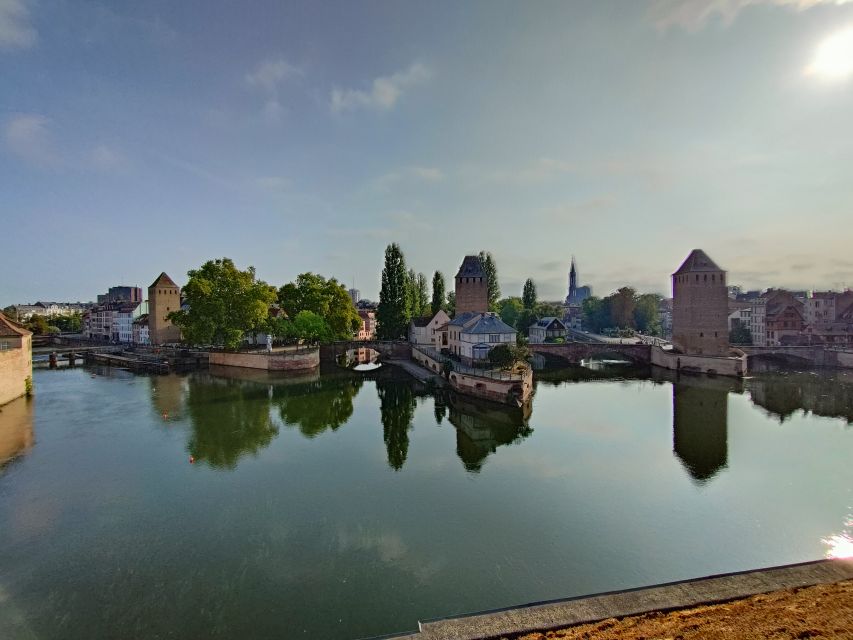
After Petite France, you’ll move to the Ponts Couverts—the covered bridges area. This is a bigger photo and viewing section, with guided time and a longer visit window than some other stops. If you’re the type who loves repeating a viewpoint from the side to get a different “curve of the canal” angle, this is your moment.
Next is Église Saint-Thomas, with both a photo stop and a visit. The church is a strong contrast point. After canals and defenses, you shift into religious architecture and street-level scale. The guide’s explanation helps you connect the church to the larger city story rather than treating it like a separate stop.
Why this part is valuable: you’re experiencing three layers of Strasbourg at once—waterway infrastructure, defensive design, and monumental architecture.
If your feet are already feeling it, take advantage of any break time offered earlier. The walking is manageable, but it’s dense, and you’ll want energy for the later stops.
You can also read our reviews of more guided tours in Strasbourg
Rue des Serruriers and the Cheese-and-Snacks Interlude
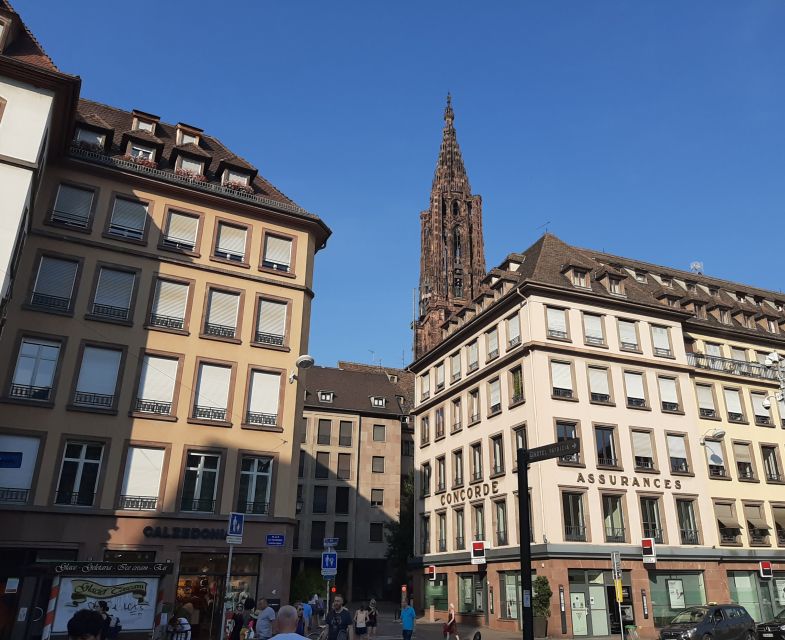
One of the best “small breaks” on this tour is the segment around Rue des Serruriers. You get a cheese tasting and another food tasting during this stop.
This section works because it slows you down just enough to reset. You also get a chance to try local flavors tied to the Alsace-French/German crossover, which fits the theme of the walk better than a random snack stop would.
A practical heads-up: tastings are included as part of the schedule, but they’re not a full meal. You’ll still want to save your big dinner plans for after the tour, using the guide’s recommendations if they offer them.
Past guests have specifically praised the way guides pair the tour with smart food tips, including where to find classic Alsatian comfort dishes and good cheese shopping. That kind of guidance is gold when you’re trying to eat well without wandering in circles.
Winery Stop with Wine Tasting: Time for the Longer Sip
The itinerary includes a winery visit with wine tasting. This is the longest single “experience” segment on the route, giving you enough time to actually enjoy the tasting instead of doing it on fast-forward.
So if you care about wine, I see this as a key reason this tour competes well on value. You get a guided Strasbourg overview plus an Alsace wine moment, all without needing to plan extra transportation or separate bookings.
One consideration from real-world expectations: some people feel the tastings could have been longer overall. If you’re the type who wants a very structured tasting menu, I’d treat the tour tasting as a taste of the region—then follow up nearby after you finish.
Gutenberg Square to the Cathedral Area: The Big Finale Stops
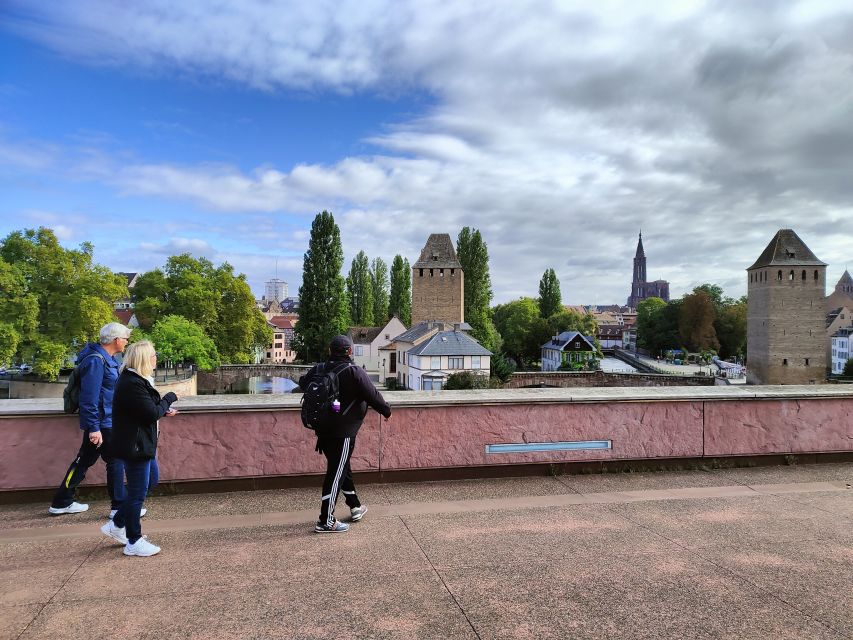
As the tour winds down, you’ll hit Place Gutenberg with a photo stop and a short visit. From there, the route finishes at the cathedral area with outside viewing time.
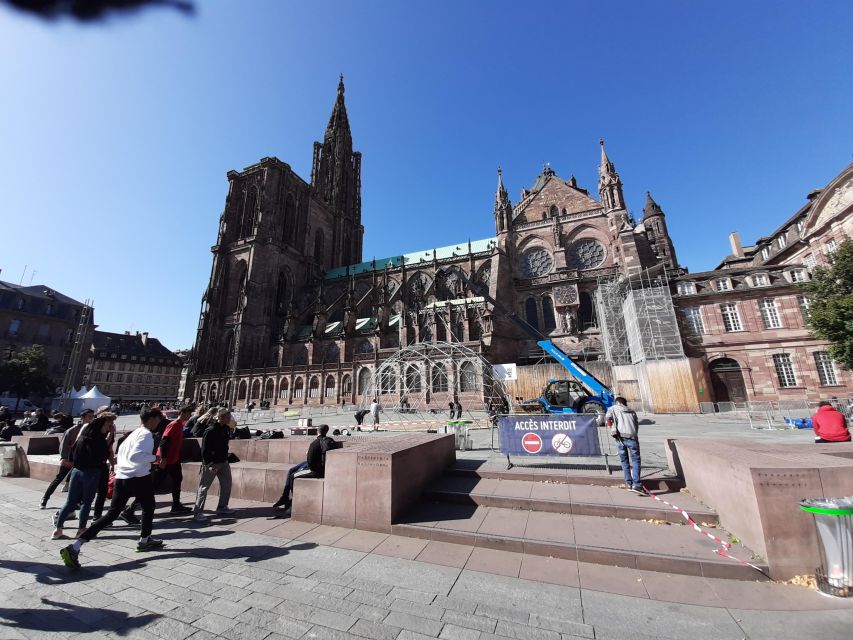
The tour includes a view of the cathedral outside (entrance to museums isn’t included, and this is designed to stay outside). There’s a photo stop here too, giving you a chance to frame the cathedral in the context of what you learned earlier—defenses and riverworks leading up to the monumental religious center.
Why this finale works: it ties the whole walk together. The city’s story isn’t only about buildings you can point at. It’s about how Strasbourg used its location and resources to become something bigger than its parts.
Rohan Palace Drop-Off Options: Ending in Two Great Places
Your tour ends with drop-off options at Palais Rohan or Place de la Cathédrale. This is a thoughtful choice because both areas are good launchpads for your remaining time.
- If you want to keep exploring with less transit, Place de la Cathédrale puts you right in the cathedral-adjacent zone.
- If you want a more museum-and-palace feel, Palais Rohan can be the better springboard.
In either case, you’re finishing in a central spot, not on some distant edge of the city.
Price and Value: Is $30 Worth It for 125 Minutes?
At $30 per person for a 125-minute guided walk, I think the value is pretty strong—especially because the tour isn’t only sightseeing. It includes guided explanations across major landmarks, built-in photo stops in some of Strasbourg’s most recognizable areas, and at least one tasting component.
What you’re paying for:
- A guide to interpret the city’s two-culture story so you don’t just “see” but actually understand.
- Several high-impact stops that can otherwise take you longer to coordinate on your own.
- Included tastings that give you a taste of regional food and drink without needing extra research.
What isn’t included:
- Museum entrance fees.
- Tram tickets.
- Additional food and drinks beyond what’s scheduled in the tastings.
So if your travel style is enjoy, learn, take photos, and eat a few good bites without turning the day into logistics, this tour fits well.
Who This Walking Tour Is Best For
This tour is a great match if you:
- Want an efficient way to understand Strasbourg in a short time.
- Care about photo angles and scenic stops, not just “stand next to the statue.”
- Like guided storytelling that explains why a city looks the way it does.
- Appreciate small food experiences—especially cheese and the winery tasting.
It’s also a good pick for couples, small groups, and solo travelers who want structure. It can work for families too, though the pace and walking time mean you’ll want kids comfortable on their feet.
Should You Book This Strasbourg Tour?
Book it if you want a smart first pass through Strasbourg that connects Petite France, the Vauban defenses, the covered bridges, and the cathedral area into one clear story. The guide-led history, plus the repeated photo stops, is where I see the real payoff.
Don’t book it if you mainly want a long, slow, free-form neighborhood wander, or if your priority is museum entrance tickets and long indoor time. This tour is designed for outdoor viewing, interpretation, and short tasting moments—not for deep museum sessions.
FAQ
FAQ
How long is the Strasbourg guided walking tour?
It runs for about 125 minutes.
Where can I meet the guide?
The meeting point may vary, but options include Place Kléber and the Hôtel Strasbourg Le Kléber.
What languages are the tours offered in?
The live guide offers English and Spanish.
Is the tour wheelchair accessible?
Yes, it’s listed as wheelchair accessible.
What’s included in the tour besides the walking?
The tour includes a dessert tasting, and it also includes stops for Barrage Vauban, Pont Couvert, La Petite France, Église Saint-Thomas, outside cathedral viewing, and local-guided time. The route also includes cheese tasting and a winery wine tasting.
Are museum entrance fees included?
No. Entrance to museums is not included.
Are tram tickets included?
No. Tram tickets are not included.
Can I bring luggage or large bags?
No. Luggage or large bags are not allowed.
Where does the tour end?
Drop-off is available at Palais Rohan or Place de la Cathédrale.
What is the cancellation policy?
You can cancel up to 24 hours in advance for a full refund.