REVIEW · FUSSEN
Füssen: Old Town Guided Walking Tour in German
Book on GetYourGuide →Operated by Füssen Tourismus und Marketing · Bookable on GetYourGuide
Füssen’s Old Town feels made for walking. This 1.5-hour tour gives you a clear line through the town’s story, from early Roman traces to today’s street life, without slowing down for long detours. I especially like the small group size and the way the guide connects each stop to what came next.
I also really enjoyed the specific landmarks you cover—Sebastian Cemetery, the Holy Spirit Hospital Church interior, and the Courtyard of the High Castle with its paintings—so the history isn’t just talk. One thing to consider: it’s a German-language tour, so if you’re not comfortable following German, you’ll get less out of it even if the visuals are great.
In This Review
- Key highlights worth planning for
- Meeting Füssen’s Old Town, Kaiser-Maximilian-Platz style
- A guided walk that strings the eras together (Roman to now)
- Sebastian Cemetery: old walls and a calmer kind of “wow”
- Franciscan Monastery: when the architecture does the talking
- Bleichertörle and Lechuferweg: the town’s edges along the water
- Holy Spirit Hospital Church: an interior stop with real payoff
- St. Mang Basilica: a must-see anchor
- Courtyard of the High Castle paintings: the tour’s visual finish
- Price and value: why $9 can feel like a steal
- Who this fits best (and who might want a different option)
- Small-group energy: why you’ll likely get your questions answered
- Practical tips before you go
- Should you book the Füssen Old Town Guided Walking Tour?
- FAQ
- How long is the Füssen Old Town Guided Walking Tour?
- What language is the guide speaking?
- What’s the group size?
- Where do I meet the guide?
- Is transportation included in the price?
- Are food and drinks included?
- Is the tour wheelchair accessible?
Key highlights worth planning for
- Sebastian Cemetery and a Medieval city wall view that helps you picture old defenses
- Holy Spirit Hospital Church interior where the design does the explaining
- Bleichertörle and Lechuferweg area for atmosphere along the water side routes
- St. Mang Basilica stop to round out the church-and-city feel
- Courtyard of the High Castle paintings that give you something eye-catching at the end
Meeting Füssen’s Old Town, Kaiser-Maximilian-Platz style
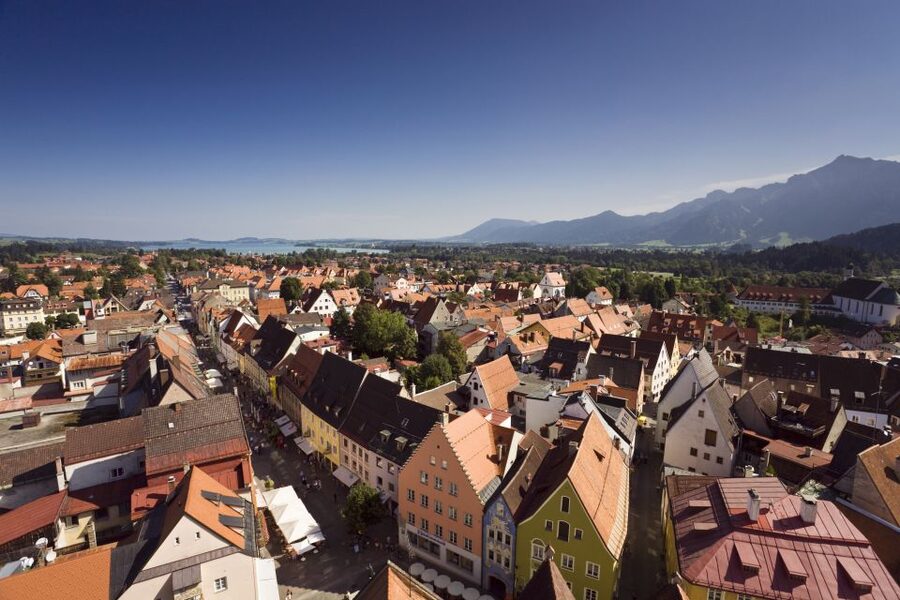
The tour meets outside the Tourist Information at Kaiser-Maximilian-Platz 1. I like that the start point is easy to find and usually familiar to anyone already orienting themselves in Füssen. Arrive about 10 minutes early so you’re not trying to sprint across a square while your group is gathering.
From the first minutes, you get the “how to read this town” approach. Instead of bouncing from photo spot to photo spot, you’re taught what to look for—street shapes, building types, and the way certain sites reflect different eras. That matters in Füssen because the town can feel compact. A guide helps you notice why certain corners feel important.
This one runs about 1.5 hours and is limited to 10 participants, so you’re not swallowed by a big crowd. In practice, that usually means easier questions and more back-and-forth. The German guides I saw mentioned in the past—like Ella and Frau Schulz—were praised specifically for being open to questions and giving answers with care.
A guided walk that strings the eras together (Roman to now)
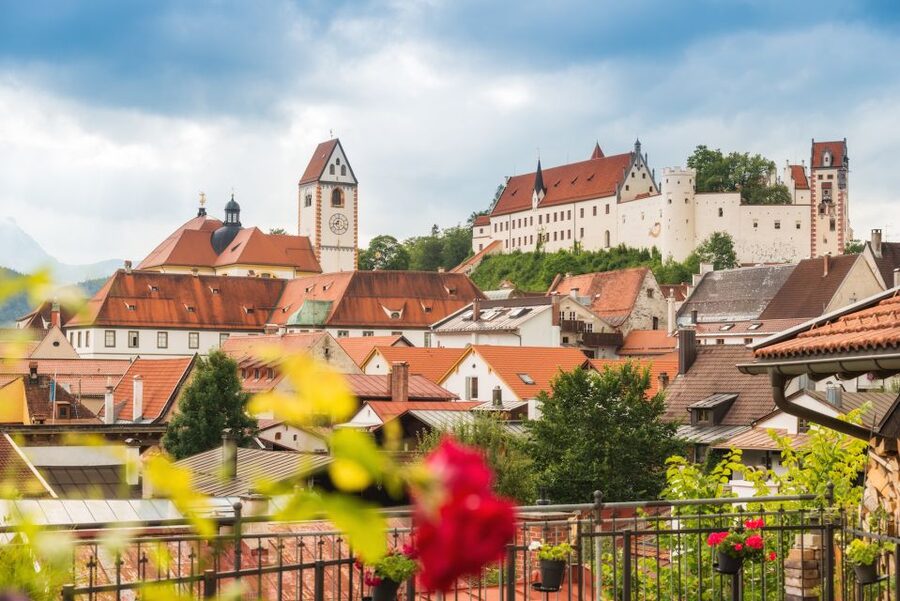
What makes this tour click is the timeline the guide builds as you walk. You’re not just hearing random dates—you’re getting a sense of how Füssen changed while still keeping recognizable “bones” in place.
You’ll hear about the city from the Roman period to the present day, which is a great fit if you like history but don’t want a heavy lecture. The goal here is understanding: why certain buildings exist, why the religious sites matter, and how the old town layout shaped movement and daily life.
And because it’s live and local—tied to the locations you physically walk past—it’s easier to remember. You can look at a gate, wall trace, or church interior and think, Oh, that’s what the story is pointing to.
Sebastian Cemetery: old walls and a calmer kind of “wow”
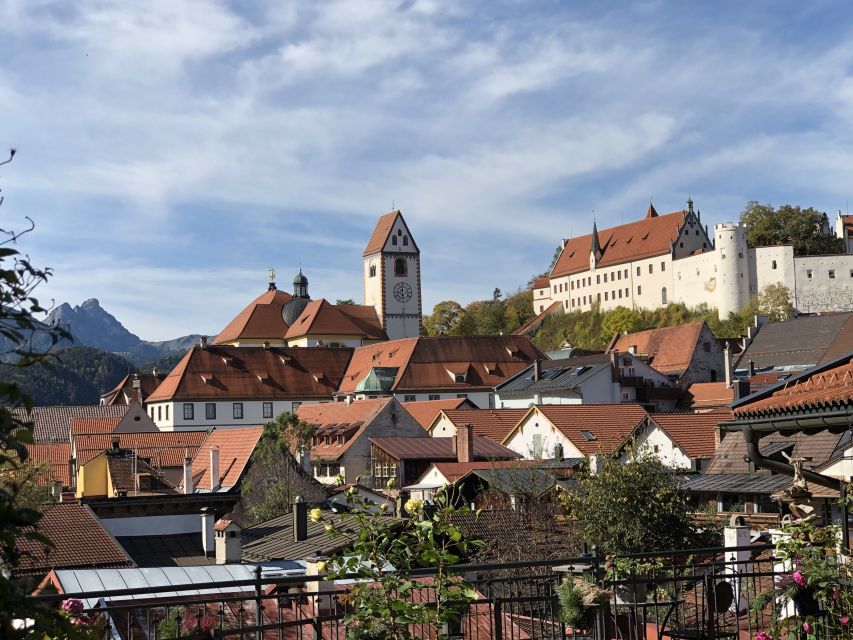
One of the first major stops is Sebastian Cemetery. This is the kind of place that’s quiet, but it carries weight. The standout detail is being able to see a Medieval city wall connected to the cemetery area. That’s not just a background fact—it helps you visualize how Füssen once protected itself and how the town’s defenses shaped where people built and moved.
If you’re the type who enjoys history you can actually point at, this stop delivers. The wall-view angle is the key takeaway. You’re not guessing. You’re standing where the old boundary tells you where the city used to end.
A drawback to keep in mind: cemeteries can feel more somber than sightseeing-only spots. If you prefer light-and-laugh travel moments, this stop may feel a bit more reflective than expected—but it’s also one of the most “Füssen-real” segments.
Franciscan Monastery: when the architecture does the talking
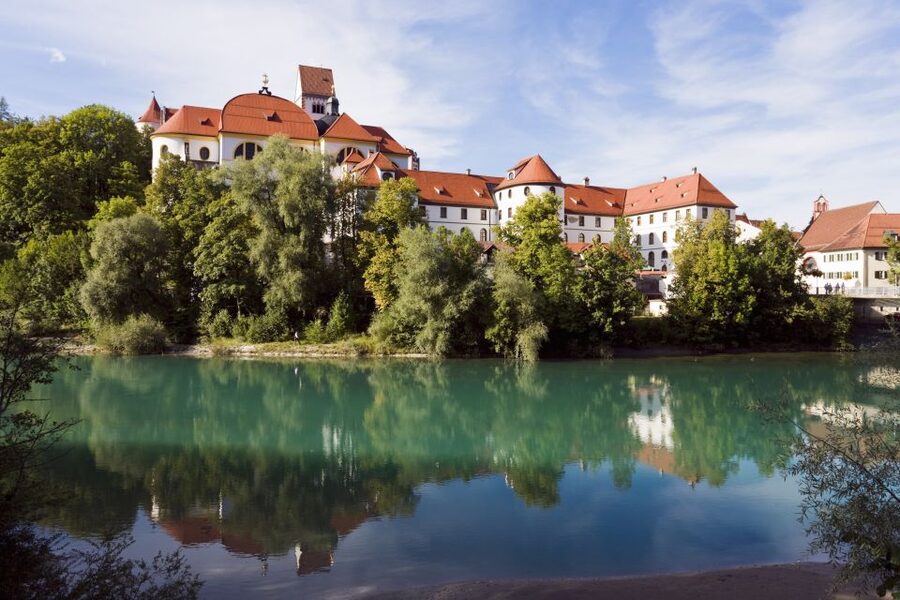
After Sebastian Cemetery, the walk continues toward the Franciscan Monastery area. Monasteries often come with that mix of serenity and historical purpose, and the guide uses the setting to explain why religious institutions were central to town life.
I like this part because it shifts the pace slightly. The guide’s narration helps you read the complex as more than a backdrop. You start noticing details you might skip alone—where the monastery sits in relation to surrounding streets, and how its presence affects the feel of the neighborhood.
Even if you don’t plan to go inside every building on your trip, this stop gives you better context for what you’ll see later, especially when you reach the other churches.
Bleichertörle and Lechuferweg: the town’s edges along the water
Next up are the Bleichertörle and the Lechuferweg. These stops are valuable for a simple reason: they show you Füssen beyond the “center-stage” landmarks. You get to sense the town’s relationship to the landscape and the water route.
Lechuferweg is especially important for orientation. When you walk along the river-edge route, you understand why certain paths feel natural. It also helps you connect the town’s history to practical life—movement, access, and the everyday infrastructure that supported older communities.
This is also where the tour feels most alive. You’re not just standing and listening. You’re walking through the town’s textures, seeing architecture as part of a living route instead of a set piece.
Holy Spirit Hospital Church: an interior stop with real payoff
One of the strongest segments is the Holy Spirit Hospital Church stop. The headline here is the impressive interior, and that’s exactly what makes it worth paying attention to. Interiors are often where a guide earns their keep, because it’s easy to miss symbolism or design choices without context.
In a short 1.5-hour format, an interior visit can go two ways: either it feels rushed or it gives you the right “heads-up” so you can look properly. This tour leans toward the second option. The guide points you toward what’s significant before you spend time looking.
If you love churches as art and not just as religious buildings, this stop is a highlight. Even if you only grasp a few key details, seeing the interior with guidance helps you leave with a stronger memory than a quick glance would.
St. Mang Basilica: a must-see anchor
Then you reach St. Mang Basilica, another big moment in Füssen’s historic lineup. I like basilicas because they often act like anchors—once you’ve seen one, you start noticing the “language” of the rest of the architecture and worship spaces around it.
This stop also balances the tour. After the Holy Spirit Church interior, you get another major sacred site that rounds out the theme without repeating it. It’s a smart rhythm: learn, look, compare, and then carry that understanding into the final castle area.
Courtyard of the High Castle paintings: the tour’s visual finish
The last standout moment is the Courtyard of the High Castle, where you’ll marvel at the paintings. This is where the tour shifts from history talk to pure visual reward.
Paintings in a courtyard setting give you two things at once: atmosphere and story cues. You get an ending that feels memorable, even if you forgot some of the dates along the way. For me, that’s a big part of why guided tours can be worth it. The guide helps you collect details, but the final visuals help you keep the experience.
Price and value: why $9 can feel like a steal
At $9 per person for a 1.5-hour guided walking tour in German, the value is hard to beat—especially because it’s a small group capped at 10. You’re not paying for a private driver or a complex add-on. You’re paying for interpretation: a guide who knows how to point out what matters along a short walk.
Also, the tour includes the guided portion itself, so you’re not piecing together multiple activities. The main things not included are simple and normal: transfer to and from the meeting point and food and drinks.
If you’re already in Füssen for a day, this is the kind of low-cost activity that upgrades the rest of your sightseeing. You’ll walk into other landmarks later with better context. That’s value that lasts beyond the 90 minutes.
Who this fits best (and who might want a different option)
This tour suits you best if:
- You want an efficient Old Town orientation without feeling rushed across long distances.
- You like history that points to visible places, like walls, churches, and castle areas.
- You’re comfortable enough with German to follow a live guide.
You might think twice if:
- You need an English-language tour. The information here is explicitly German, so you’ll have less to work with if you can’t track German commentary.
- You prefer fully outdoor-only walking. There is at least one interior focus (Holy Spirit Hospital Church), and that can feel different from a purely streets-and-squares itinerary.
Small-group energy: why you’ll likely get your questions answered
One thing that comes through strongly is the small group feel. When the group is limited to 10, the guide can actually engage with individuals instead of blasting info over everyone’s heads.
In the guide feedback, Ella and Frau Schulz both received praise for being open to questions and speaking with real engagement. That matters on a guided walk, because the best parts often aren’t the facts you already expected. They’re the follow-up answers: why a particular site matters, how the town evolved, or what to notice next.
If you like to ask practical questions—like what to see next or what to pay attention to—this format gives you that chance.
Practical tips before you go
Here’s how to set yourself up for an easy win:
- Wear shoes you like for uneven old-town streets. It’s a walking tour, and you’re likely to cover more ground than you’d expect in 1.5 hours.
- Bring a phone for photos, but also take a moment to just look. The stops with interiors and courtyard paintings reward slower attention.
- Plan to come with at least basic curiosity. This tour works best when you’re listening for connections across eras, not just collecting snapshots.
Should you book the Füssen Old Town Guided Walking Tour?
I think you should book this tour if you want an affordable, high-signal way to understand Füssen’s Old Town in a short time. Small group, live German guiding, and the mix of cemetery walls, monastery area, church interior, basilica, and castle courtyard paintings is a strong set of stops for the price.
Skip it only if German language access is a deal-breaker for you, or if you’re looking for something more self-paced and flexible. Otherwise, it’s one of those activities that makes the rest of your Füssen time smarter—because you’ll know what you’re looking at, not just what it looks like.
FAQ
How long is the Füssen Old Town Guided Walking Tour?
The tour lasts 1.5 hours.
What language is the guide speaking?
The live tour guide speaks German.
What’s the group size?
It’s a small group limited to 10 participants.
Where do I meet the guide?
Meet outside the Tourist Information at Kaiser-Maximilian-Platz 1.
Is transportation included in the price?
No. Transfer to and from the meeting point is not included.
Are food and drinks included?
No. Food and drinks are not included.
Is the tour wheelchair accessible?
Yes, the tour is wheelchair accessible.