REVIEW · CHARLESTON
Charleston: Old Walled City Historical Walking Tour
Book on GetYourGuide →Operated by Charleston Old Walled City Walking Tours · Bookable on GetYourGuide
Charleston’s walls still talk. This guided walk through the walled city is built around a 7th-generation local guide who ties streets, tombstone symbols, and major turning points into one story you can actually follow. I love how the tour gives you both the pretty stuff and the ugly stuff that shaped Charleston, from piracy-era growth to the rice planters’ rise.
One heads-up: it’s a full 2 hours of steady walking and nonstop storytelling, so the pace can feel a bit packed if you like to linger. Plan your energy, bring water, and wear comfortable shoes.
In This Review
- Key tour highlights at a glance
- Entering The Old Walled City: Meeting Street Cobblestones and Real Orientation
- French Quarter Stroll: How the City’s Early Roots Become a Story You Can Walk
- What to watch for during this stretch
- Charleston County and Dock Street Theatre: Small Stops, Big Meaning
- Old Exchange and Provost Dungeon: Where Power Meets Punishment
- Waterfront Park Views: The City That Kept Getting Hit by Weather and Fire
- Rainbow Row: A Quick Photo Stop That Connects to Wealth and Growth
- St. Michael’s Episcopal Church: Reading Faith, Architecture, and the City’s Memory
- The 7th-Generation Guide Factor: Storytelling That Makes Streets Feel Personal
- What You’ll Actually Walk Past: A Route That Covers More Than One Era
- Is $31 Worth It for Two Hours of Walking?
- Who This Tour Fits Best (and Who Might Skip It)
- Should You Book Charleston’s Old Walled City Walk?
- FAQ
- How long is the Charleston Old Walled City Historical Walking Tour?
- How much does the tour cost?
- Where do we meet the guide?
- Where does the tour end?
- Is the tour conducted in English?
- What’s included in the price?
- What should I bring?
- How much walking is involved?
- Is there free cancellation?
- Is reserve and pay later available?
Key tour highlights at a glance
- Meeting on cobblestones at Meeting Street and Chalmers Street to kick off right in the historic grid
- A 7th-generation Charleston guide who adds inside detail and story flavor
- Stops tied to real turning points like fires, hurricanes, sieges, and a devastating earthquake
- Photo and viewpoint moments including Rainbow Row and the Waterfront Park area
- Church and street-level architecture for context, not just snapshots
Entering The Old Walled City: Meeting Street Cobblestones and Real Orientation

Most walking tours start with a “here’s the map” vibe. This one starts with you planted in the historic core—meeting on the sidewalk at Meeting Street and Chalmers Street (the cobblestone). That matters because Charleston is best understood by walking its geometry, not by staring at a single landmark.
You’re signing up for a guided 2-hour walking tour with a professional English-speaking guide. With a price of $31 per person, it’s a solid “first morning in Charleston” kind of activity: you pay less than a museum day plus taxi rides, and you get someone to translate the city while you move.
The practical thing to know is simple: you’ll cover real ground. Bring comfortable shoes, water, and sunscreen, and dress for weather. If the weather turns hot or wet, the tour still keeps moving, because Charleston’s streets don’t pause for anyone.
You can also read our reviews of more walking tours in Charleston



French Quarter Stroll: How the City’s Early Roots Become a Story You Can Walk
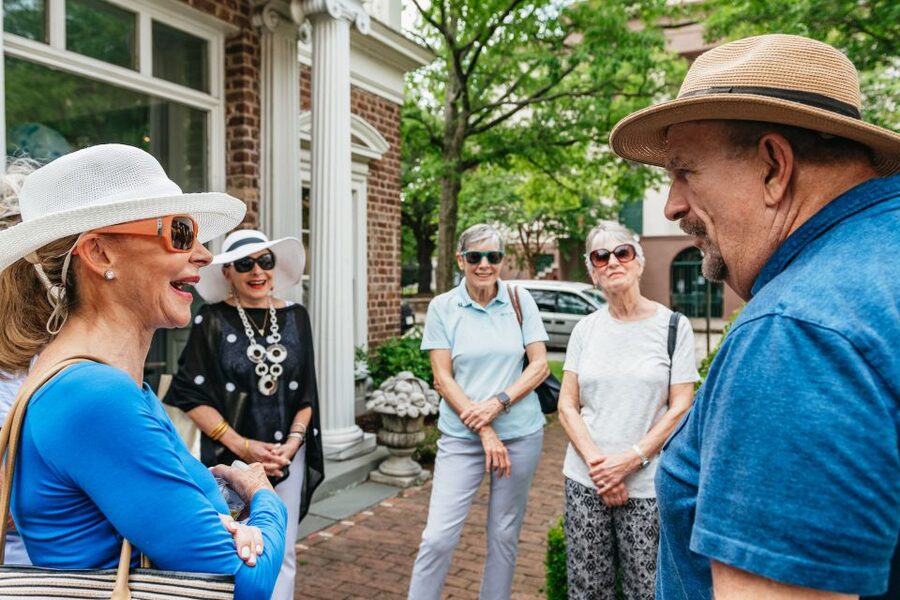
The early part of the tour focuses on the French Quarter area, with time built in for photo stops and sightseeing. Even without a classroom tone, you’ll get a sense of how Charleston formed around colonists, commerce, and competing influences—plus the way different eras layered over each other on the same streets.
What I like here is that the guide’s stories don’t stay stuck in the past. You hear how Charleston went from early colonial foundations into a period that included piracy-era attention, then later into the wealth tied to plantation agriculture. The result is that you don’t just see colorful streets—you understand why the city developed the way it did.
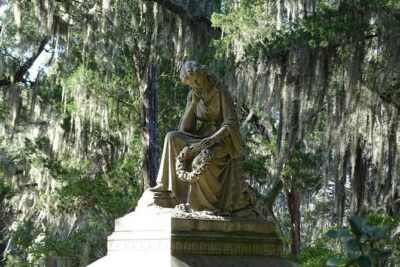
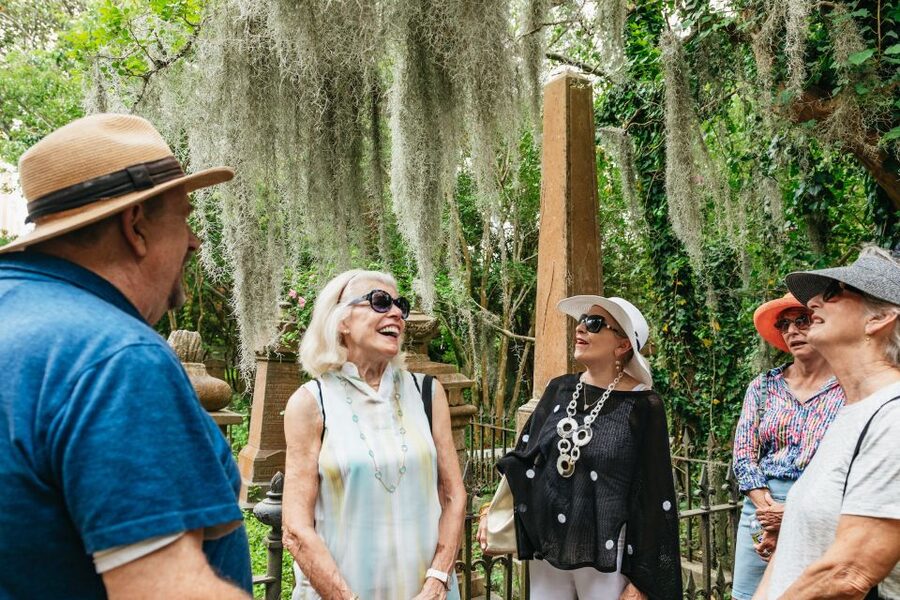
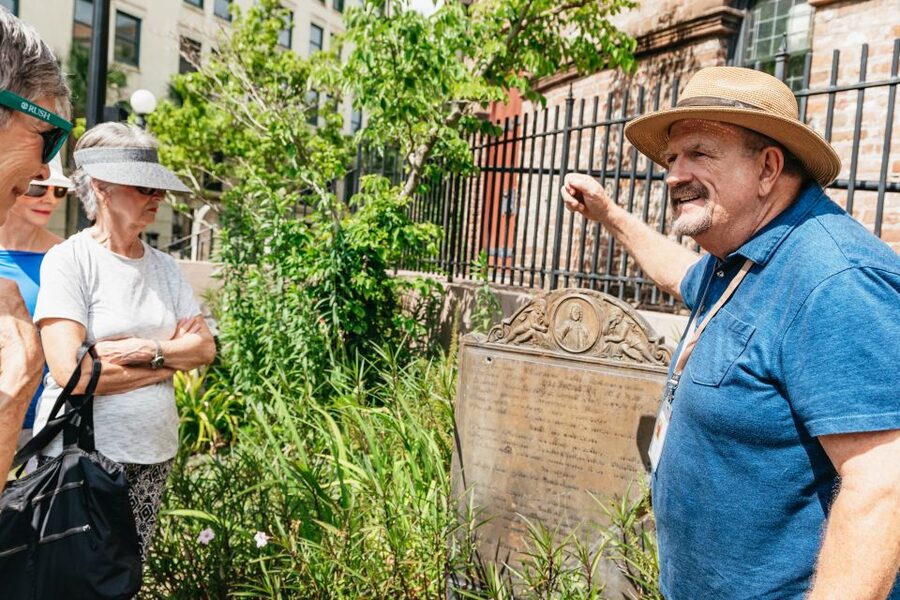
You’ll also hear about symbols you might otherwise miss. The tour points you toward ancient markers on tombstones, and it frames what those symbols can mean in context. That turns cemetery-adjacent details into something you notice instead of something you skip.
What to watch for during this stretch
- Street layout: Charleston’s grid reads differently once you know the “why” behind the growth
- Historic building edges: window style, entrances, and street-facing facades tell a timeline
- Tombstone symbols: not every marker is just decorative
Charleston County and Dock Street Theatre: Small Stops, Big Meaning

After the French Quarter portion, the route continues with a Charleston County photo stop and sightseeing time. This is one of those segments that feels shorter on the ground, but it helps you connect neighborhoods and civic identity—how Charleston thought of itself as a city, not just a collection of houses.
Then comes the Dock Street Theatre stop, with a brief visit window. Even if you’re not planning to see a show, this stop helps you understand Charleston as a living city with a cultural center, not only as a historic stage set.
Here’s what the guide often does well: they take a visible place and give you a reason it mattered. In Charleston, that often means tying architecture and public buildings to the city’s shifting priorities—wealth, entertainment, governance, and the people who influenced all of it.
Old Exchange and Provost Dungeon: Where Power Meets Punishment
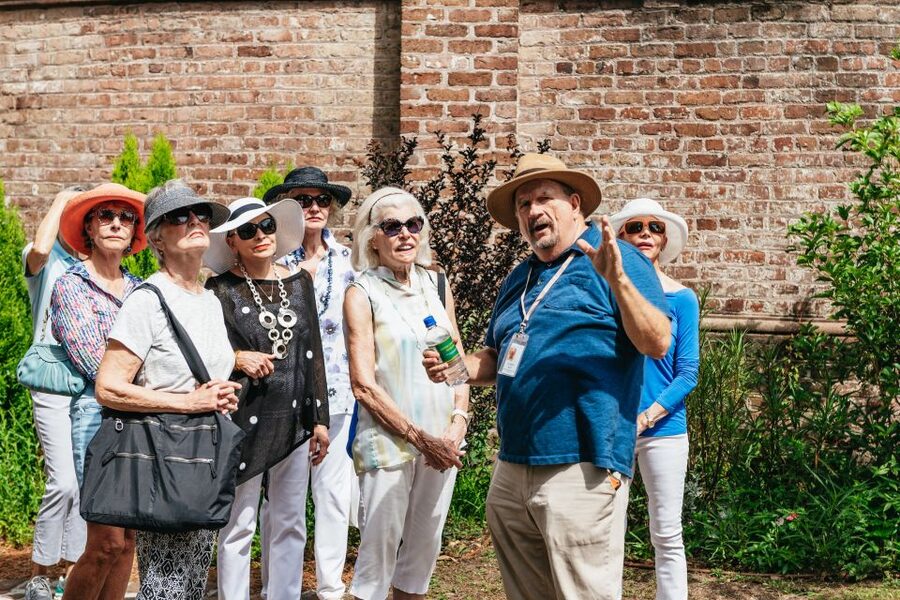
One of the tour’s most serious stops is the Old Exchange & Provost Dungeon. You get a photo stop and a short sightseeing window here, but the point isn’t the time—it’s the framing.
This is where you start hearing about Charleston’s complicated systems: commerce, authority, and the harsh realities that came with control. The guide’s storytelling tends to bring out both the structure of the place and the human consequences tied to it.
From what I’ve gathered about the tour experience from guide style (and the way they handle sensitive topics), you can expect honesty without making it feel mean-spirited. If you want history that doesn’t only include weddings and grand portraits, this stop is a strong reason to do the walk.
You can also read our reviews of more city tours in Charleston


Waterfront Park Views: The City That Kept Getting Hit by Weather and Fire
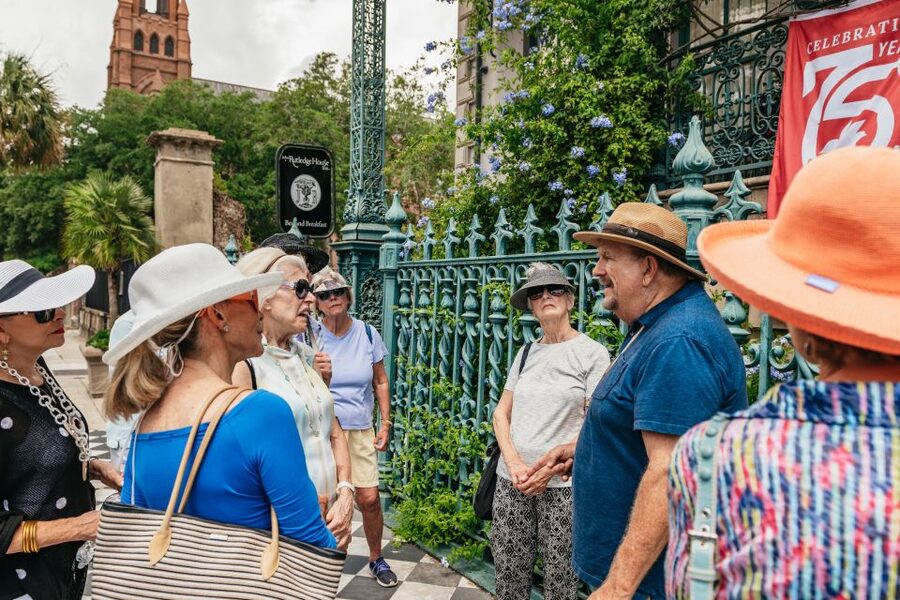
Next up is Waterfront Park, a short stop designed for photos and scenic views. On the surface, it’s a pleasant break—sun, river air, and a sense of scale. Underneath, it’s part of the tour’s bigger theme: Charleston kept surviving disasters.
You’ll hear about the city’s many disasters that left fingerprints on daily life: seven major fires, hurricanes, epidemics, plus episodes like sieges and bombardments. And yes, there’s a devastating earthquake mentioned as well. When a city repeatedly gets knocked back, people rebuild with stronger habits, new rules, and altered priorities.
So when you look at the waterfront from here, the view isn’t just postcard material. You start thinking about access, risk, and how storms and fires reshape everything from building choices to where people gather.
Rainbow Row: A Quick Photo Stop That Connects to Wealth and Growth
Rainbow Row is next, with a brief photo stop and short scenic views along the way. It’s only minutes in the plan, but it’s a perfect “checkpoint” stop because it shows you what Charleston looked like when wealth and confidence surged.
The tour ties this kind of visual beauty to the phases that drove it—especially the shift toward the rice planters era. That connection helps you avoid treating the row of painted houses like a purely decorative backdrop.
This stop is also a reminder of how Charleston’s charm is built on layers. The city isn’t only surviving disasters in the abstract. It’s learning from them, rebuilding, and then spending its gains in ways you can still see today.
St. Michael’s Episcopal Church: Reading Faith, Architecture, and the City’s Memory
The final major landmark stop is St. Michael’s Episcopal Church. You’ll have a photo stop and time for sightseeing, which is enough for you to appreciate the church as both architecture and symbol.
The guide tends to weave this moment into the tour’s ongoing focus on what people valued: faith, community institutions, and the public face of stability. In Charleston, churches don’t just mark time—they store it.
It also loops back to those tombstone themes you heard earlier. When the guide points out old symbols in the city’s material culture, the church stop makes a lot more sense. You’re seeing how belief and remembrance stay embedded in the streets.
The 7th-Generation Guide Factor: Storytelling That Makes Streets Feel Personal
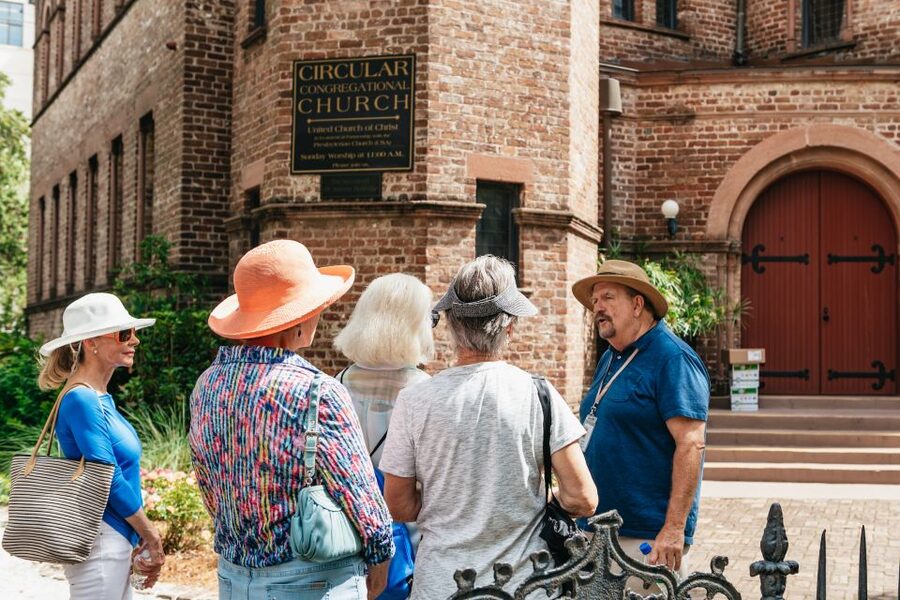
A lot of tours give facts. This one leans hard into the human side—especially through the local perspective. The tour is guided by a Charleston native with 7th-generation roots, and that often shows up in how they handle details.
You’ll hear insider takes on famous people and the neighborhoods around them, plus stories that make the city feel smaller and more personal. Some guides you might meet include Bruce, Al (often referred to as Alfred Ray), Alfie, Eric, Kent, and Eric Wright. If your guide is Eric Wright, he’s described as holding certification to be a tour guide in Charleston.
There’s also a theme of responsiveness. In some departures, guides adjust the walk based on what your group cares about, and you might notice the route includes shade when weather is warm. That’s practical, and it also shows they’re not just reading scripts.
One word of realism: with this much material in two hours, the guide’s pace can feel intense at times. If you prefer slow, quiet history, you may need to ask for clarification and give yourself a moment to breathe at stops.
What You’ll Actually Walk Past: A Route That Covers More Than One Era
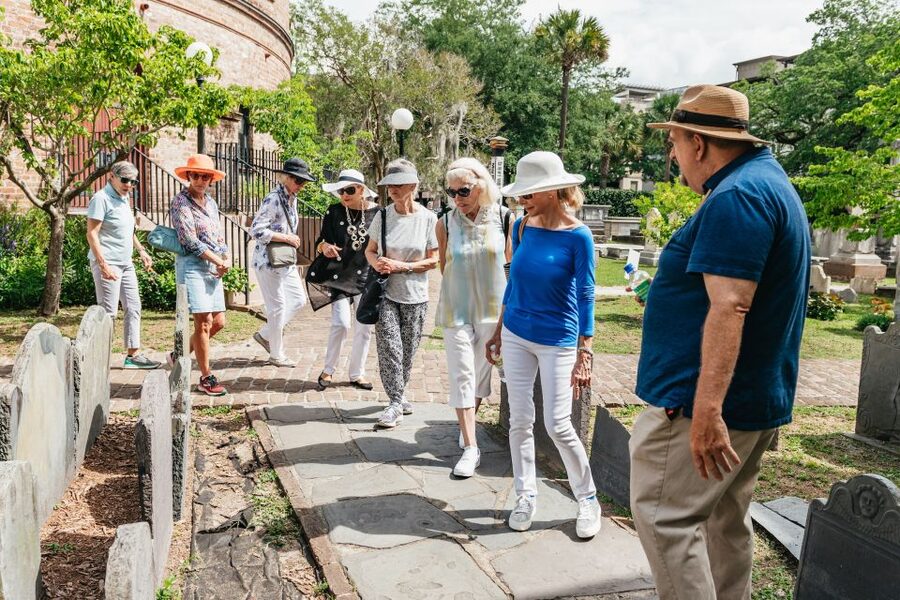
This tour is designed to take you through multiple “chapters” of Charleston. You’ll move past colonial-era buildings, churches, public sites, and neighborhoods that reflect how the city changed after major shocks.
Here’s the storyline arc you’ll feel as the stops build:
- Colonial roots and early identity shaping the walled city
- Growth periods that included piracy-era attention
- Later wealth tied to plantation agriculture, including the rice planters rise
- Repeated disasters—fires, hurricanes, epidemics, sieges, bombardments, and an earthquake—forcing rebuilds and changes
That structure is why I think this walk earns its keep. It doesn’t treat Charleston like a theme park of pretty facades. Instead, it shows why the facades look like they do.
And because the tour mixes photo stops with short, focused on-site moments, you get both: images you’ll want later and context you’ll remember now.
Is $31 Worth It for Two Hours of Walking?
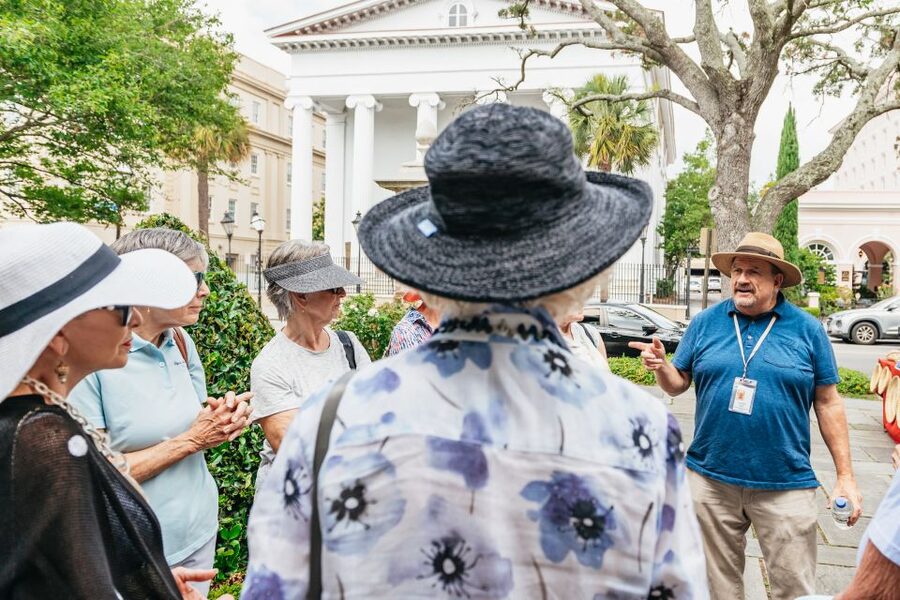
At $31 per person, you’re paying for three things: a trained guide, a curated route through key historic sites, and the time savings of not figuring it out alone.
If you’re the kind of traveler who likes to understand the “why” behind buildings, $31 feels fair fast. This tour gives you context for places you’d otherwise visit with only surface-level interpretation—churches, public buildings, and the darker history tied to control and punishment.
If you prefer self-paced exploring with no narration, you might do just fine with a loose plan and guidebook. But if you want to get your bearings quickly, this is one of the most straightforward ways to do it on foot.
Who This Tour Fits Best (and Who Might Skip It)
This tour is a great fit if you:
- are visiting Charleston for the first time and want a guided orientation
- like architectural context and story-driven history
- want both the pretty stops and the harder chapters
- enjoy moving through a city rather than sitting in one place
It might be less ideal if you:
- dislike walking for an extended period
- want slow pacing or lots of time at each stop
- need audio volume adjustments, since the guide’s voice pace can matter in crowded street settings
If you’re traveling with kids, the tone is described as kind and understanding, which can help. Still, it’s a walking tour, so go in ready for time on your feet.
Should You Book Charleston’s Old Walled City Walk?
I’d book this if you want Charleston to make sense quickly. You get the main landmarks, but more importantly, you get a story thread that connects colonial roots, civic power, disaster survival, and the wealth periods that shaped what you see today.
I wouldn’t book it if you’re looking for a quiet, unhurried experience. Two hours moves. But for an efficient, local-guided introduction to the city’s character, it’s a strong choice.
If you do book, go in with one mindset: don’t just look at the buildings—listen for what changed, and why. That’s where the tour really pays off.
FAQ
How long is the Charleston Old Walled City Historical Walking Tour?
The tour lasts about 2 hours.
How much does the tour cost?
The price is $31 per person.
Where do we meet the guide?
Meet on the sidewalk at the corner of Meeting Street and Chalmers Street.
Where does the tour end?
The tour ends back at the meeting point.
Is the tour conducted in English?
Yes, the live tour guide is English-speaking.
What’s included in the price?
It includes a walking tour and a professional guide.
What should I bring?
Bring comfortable shoes, sunscreen, and water, plus weather-appropriate clothing.
How much walking is involved?
Expect a substantial amount of walking.
Is there free cancellation?
Yes. You can cancel up to 24 hours in advance for a full refund.
Is reserve and pay later available?
Yes. Reserve now & pay later is offered, so you can book without paying today.