REVIEW · CHARLESTON
Charleston: History and Architecture Guided Walking Tour
Book on GetYourGuide →Operated by Empire Tours and Productions (Charleston Tour Company) · Bookable on GetYourGuide
Charleston hides history in plain sight. This 90-minute walk turns the Historic Downtown streets into a story you can follow, with expert storytelling and secret alleys that feel like you’re let in on local secrets. It’s the kind of tour that helps the city make sense fast, especially when the guide is a local storyteller like Jeff or Emerson.
I like that you may step inside major landmarks when availability allows, including St. Michael’s Church, the Old Exchange, and Dock Street Theatre. I also like the route logic: South of Broad and the French Quarter Districts first, then key downtown landmarks that give you an instant visual map for the rest of your Charleston days.
One consideration: it’s a leisurely stroll of about 1 mile, but you’ll be on uneven surfaces and narrow passages, including cobblestone streets and tight alleyways. If your mobility is limited, that can matter more than the distance.
In This Review
- Key points
- A 90-Minute Walk That Explains Charleston’s Look
- Starting Point Under the Charleston Tours & Activities Windows
- South of Broad and the French Quarter Districts: The City in Chapters
- Wrought-Iron Gates and Centuries-Old Details You Can See Up Close
- Three Secret Alleys That Make You Walk Slow on Purpose
- Rainbow Row, City Market, and St Philip’s Church: Anchors for Your Map
- St. Michael’s Church Interior: When the Tour Turns Practical
- Old Exchange Building and Dock Street Theatre: Inside Stops That Often Steal the Show
- How Guides Like Jeff, Emerson, Jackson, and Page Improve the Whole Tour
- Pace, Distance, and What 1 Mile Really Means in Charleston
- Value Check: Why $29 Can Feel Like a Bargain
- Who This Tour Fits Best (and Who Might Need a Different Format)
- Should You Book This Charleston History and Architecture Tour?
- FAQ
- FAQ
- How long is the Charleston History and Architecture Guided Walking Tour?
- Where do I meet the guide?
- How much walking is involved?
- What are the key highlights of the tour?
- Are the interior visits included?
- Does the tour run in bad weather?
- What should I bring to the tour?
- Is the tour wheelchair accessible?
Key points
- Three secret alleys that add real surprise to your downtown walk
- Interior visits when available, including St. Michael’s Church, Old Exchange, and Dock Street Theatre
- Architectural details you can actually spot, like wrought iron on centuries-old gates
- Anchor stops such as Rainbow Row, City Market, and St Philip’s Church
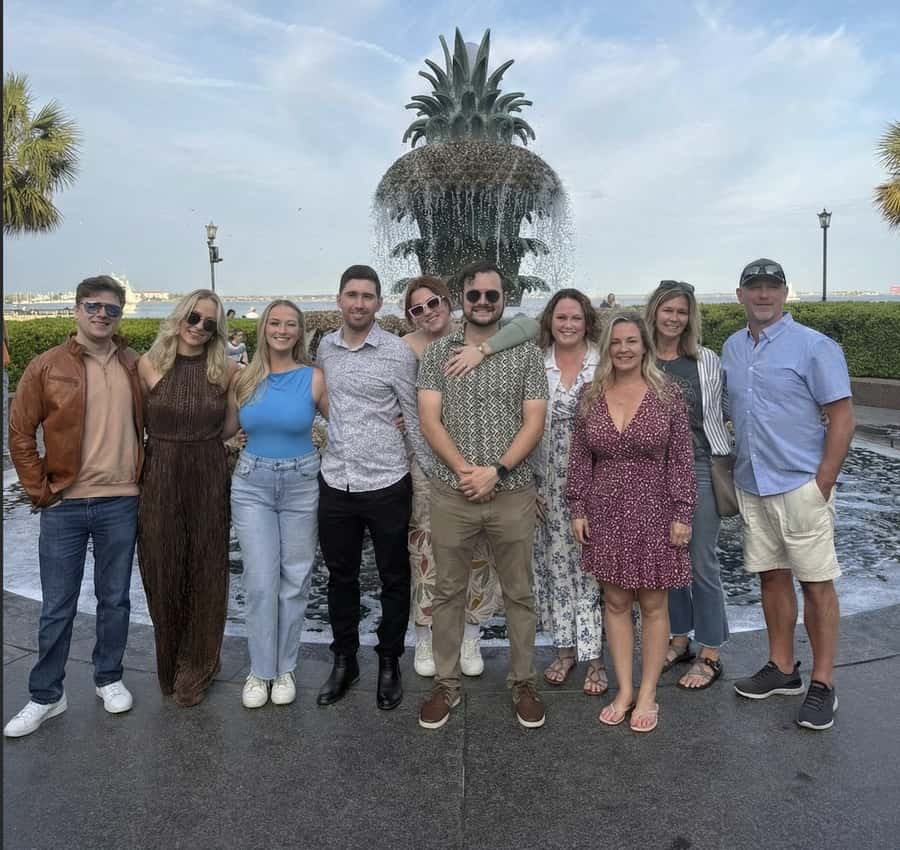
- A smooth “get your bearings” route that ends near the Pineapple Fountain
A 90-Minute Walk That Explains Charleston’s Look
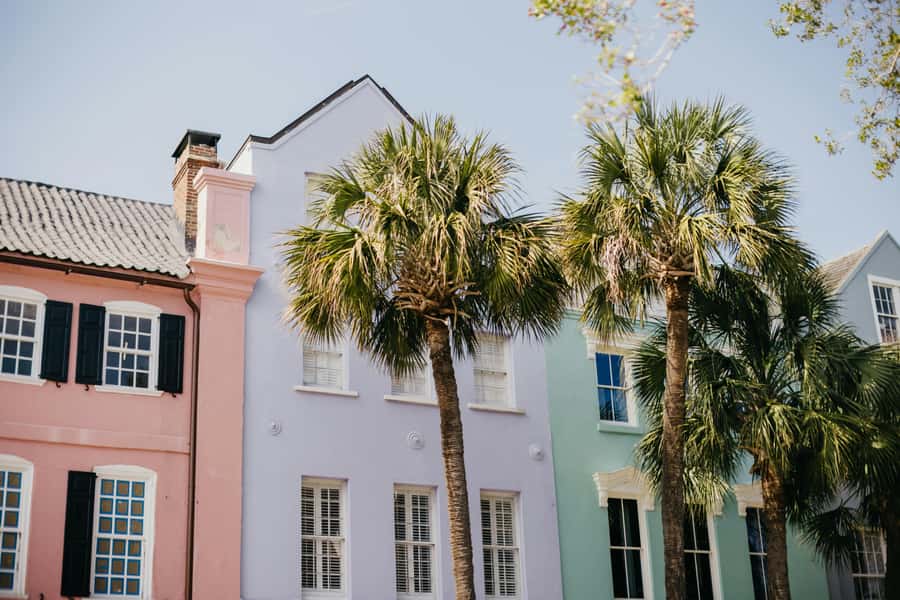
Charleston is famous for its beauty, but it can be confusing at first. One block looks like a postcard, the next looks like history got built in layers. This tour is designed to connect the dots so the streets don’t just look pretty, they make sense.
The timing is friendly: 90 minutes with frequent pauses. You’re walking about 1 mile at a leisurely pace, which means you can actually notice details instead of speed-walking through them. And because the focus is history and architecture, you get the why behind what you’re seeing.
You can also read our reviews of more walking tours in Charleston



Starting Point Under the Charleston Tours & Activities Windows
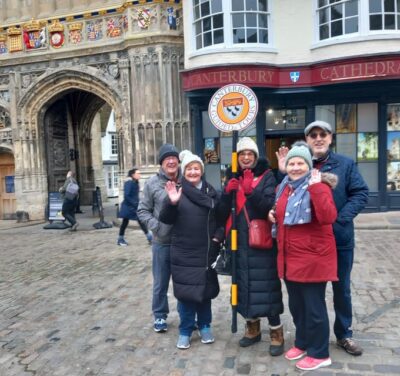
The tour starts in Historic Downtown, and your guide meets you underneath the awning in front of the Charleston Tours & Activities windows. Guides typically arrive about 15 minutes early, so if you get there first, give it a little buffer.
I like this kind of setup because it’s low-stress. You don’t need to decipher a complicated meeting system, and you can arrive roughly 10 minutes early to check in.
A practical note: wear comfortable shoes. Charleston’s charm includes cobblestones, and the tour includes alleyways—so the soles of your shoes matter more than you’d think.
South of Broad and the French Quarter Districts: The City in Chapters
Once you begin, the story stays organized. You’ll move through South of Broad and the French Quarter Districts, where the streets and building styles tell you what Charleston valued at different moments.
South of Broad is all about perspective. You learn how the street layout, big facades, and gatework relate to how people lived and traveled around town. Then the French Quarter Districts shift the vibe—more corners, more texture, more places where architecture and everyday life overlap.
This is where guided narration pays off. You’ll start noticing patterns: window placement, the rhythm of doors and shutters, and the way gates and ironwork frame what’s inside.
Wrought-Iron Gates and Centuries-Old Details You Can See Up Close
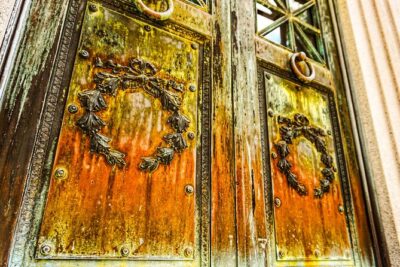
One of the most memorable parts is the attention to wrought iron. Charleston has ironwork everywhere, but it’s easy to treat it like background decoration. With a guide pointing things out, you start seeing iron as part of the city’s design language—functional, decorative, and full of clues.
The tour specifically highlights historic homes and buildings with beautiful iron work on centuries-old gates. When someone explains what you’re looking at, those gates stop being just pretty metal and start feeling like part of a bigger story about craftsmanship and boundaries.
If you’re the type who likes photography, this section is a gift. You’ll know what to frame beyond the obvious front porch shot.
Three Secret Alleys That Make You Walk Slow on Purpose
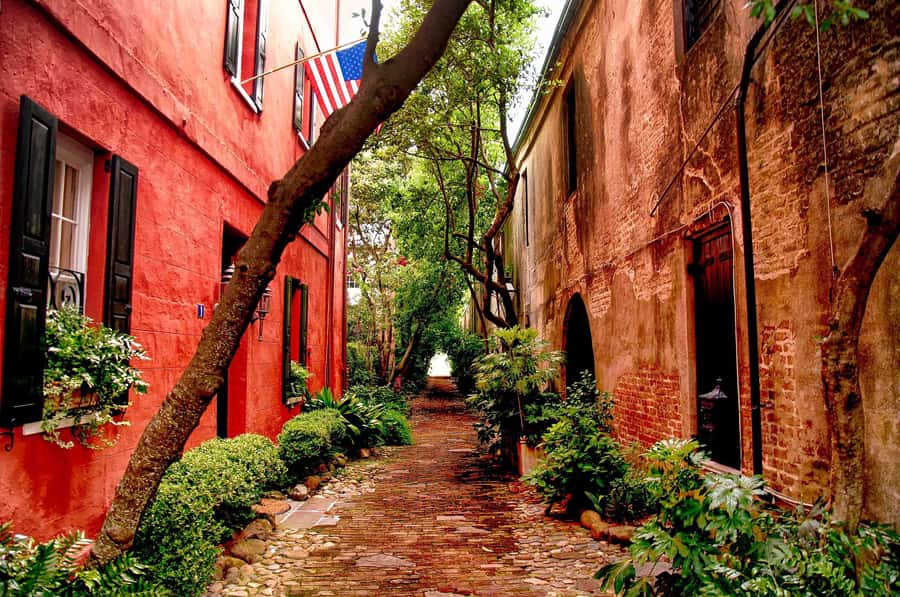
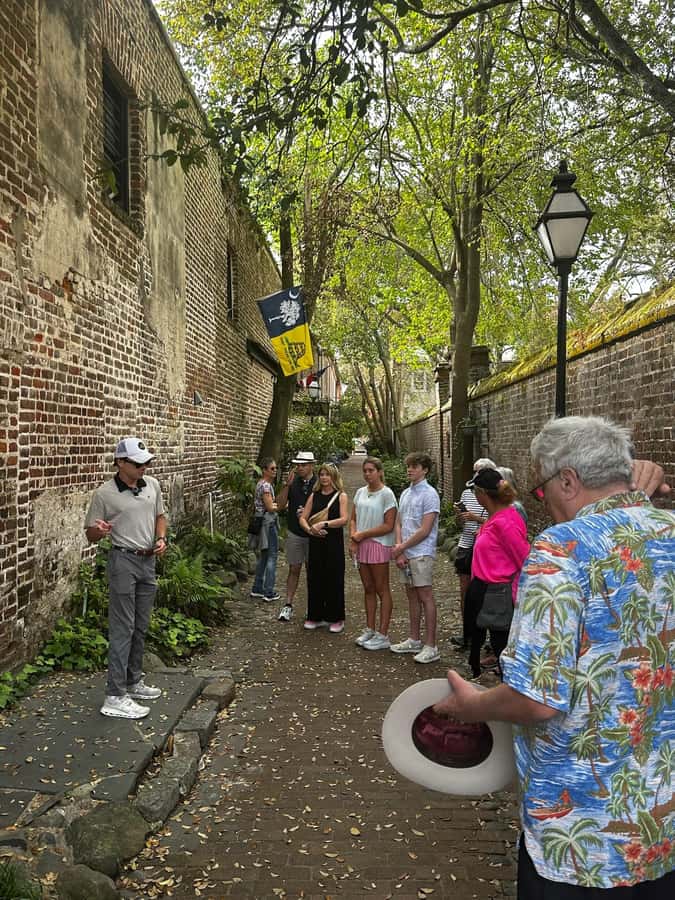
Secret alleys are the headline here, and the tour includes three of them. These aren’t just random back streets. They’re chosen to show how Charleston’s dense layout shaped movement, privacy, and street life.
I like alley visits because they change your angle instantly. In open streets, you see the big architecture first. In an alley, you see scale—how buildings tighten close, how walkways connect, and how the city’s design creates hidden passageways.
The best part is that these alleys make the whole walk feel more personal. Without them, you could walk past similar-looking streets and miss the city’s “in-between” spaces. With them, you feel like you’re seeing the city’s less-public face.
You can also read our reviews of more guided tours in Charleston




Rainbow Row, City Market, and St Philip’s Church: Anchors for Your Map
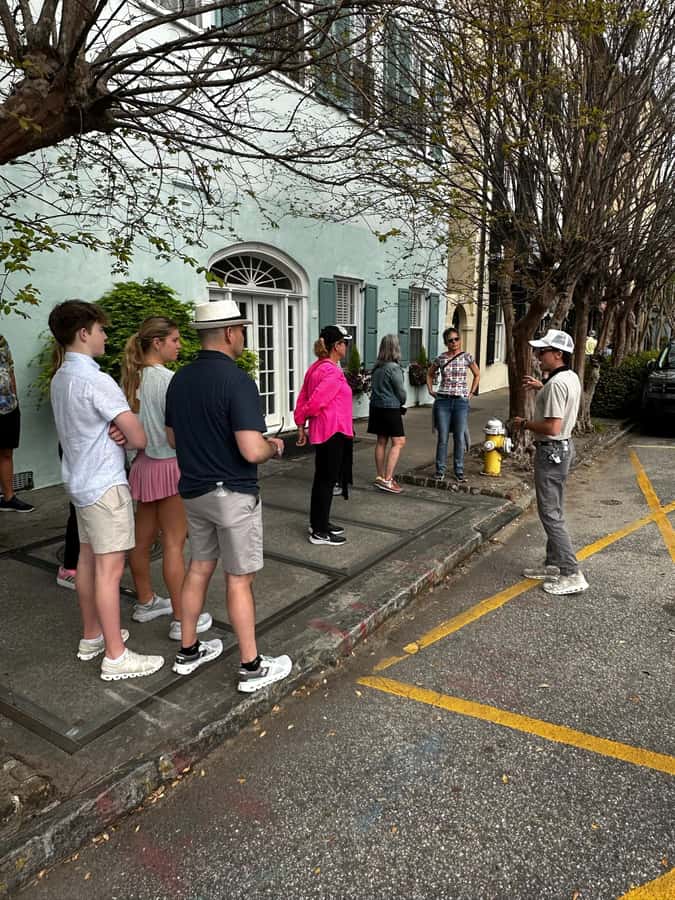
As you move toward the downtown highlights, the tour gives you landmarks you can use later. Rainbow Row is a standout because it’s instantly recognizable, but it also teaches you how to connect a famous photo-op to the street context around it.
City Market adds another layer. It’s lively and practical—one of those places where Charleston’s historic setting still works for daily life. The guide’s job here is to turn a shopping and browsing stop into a sense of place.
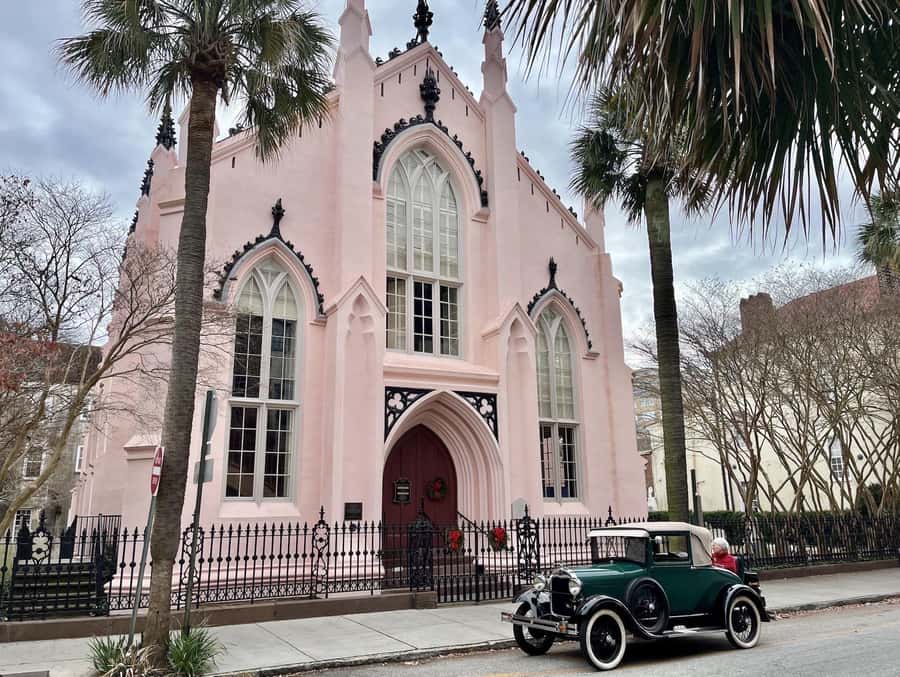
Then there’s St Philip’s Church, which helps you round out the religious and civic architecture you’ve been seeing. Even if you’ve seen churches on other trips, Charleston’s congregations and street setting bring a distinct character.
St. Michael’s Church Interior: When the Tour Turns Practical
St. Michael’s Church is one of the stops you’ll want on your list. The tour includes entrance into St Michael’s Church, which matters because so many architecture tours stop at the sidewalk.
Getting inside changes the experience. You can see proportions and details that don’t read well from outside. It’s also a moment where the guide can connect what you’re viewing to the city’s past and how people shaped public spaces.
The interior stop is subject to availability, so if it isn’t possible on your day, the guide’s still there to keep the story moving with alternate viewing moments.
Old Exchange Building and Dock Street Theatre: Inside Stops That Often Steal the Show
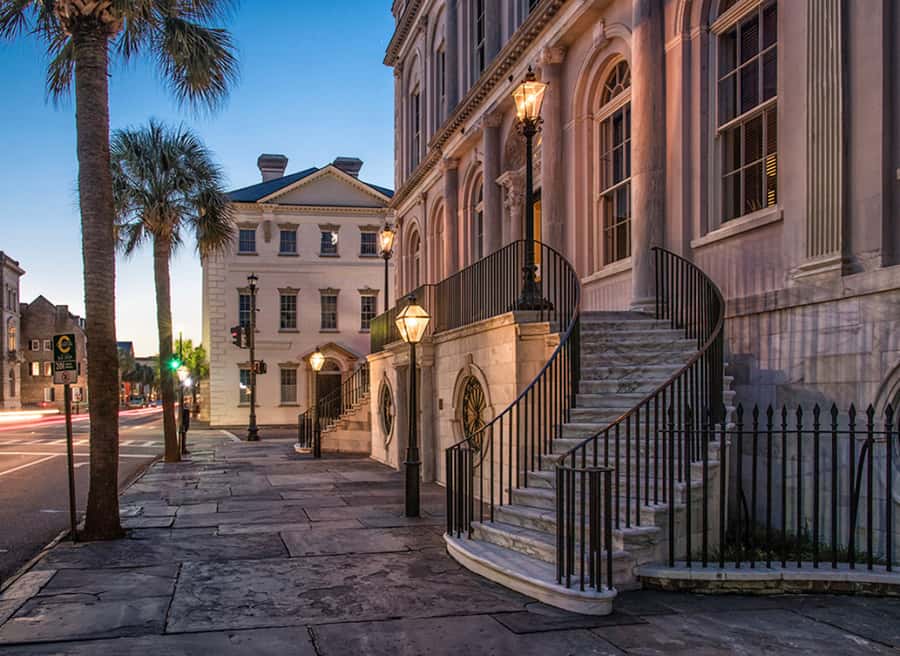
The Old Exchange Building and Dock Street Theatre are included stops with interior access subject to availability. When you get in, it’s one of those “oh, so this is how it worked” moments.
The Old Exchange Building is the kind of place where architecture feels like it was built for interaction—people coming and going, the city doing business, the public sphere taking shape in a particular room. The Dock Street Theatre adds a different texture, giving you a sense of Charleston as a place that didn’t just preserve old structures, but also created cultural energy within them.
Even if interior access is limited on your specific date, the exterior elements are still worth your attention, especially when your guide ties them back to the city’s timeline.
How Guides Like Jeff, Emerson, Jackson, and Page Improve the Whole Tour
This tour’s strength shows in the way guides answer questions and keep the story moving. Many guides are locals with real showmanship. Jeff gets praised for big-picture storytelling and for answering questions in a way that keeps pace without feeling rushed. Emerson shows up in feedback as a strong narrative voice, with plenty of detail and an engaging style.
Jackson, Page, and others also get mentioned for keeping things organized, staying friendly, and answering follow-ups. Some people even note a guide’s humor and personality, which isn’t just for laughs—it helps the history land.
One balanced note: if you’re specifically hoping for heavy focus on the slave trade topic, you may or may not feel satisfied with how much time it receives on your day. The tour is designed around history and architecture broadly, so if that’s your top priority, it can help to ask your guide directly what’s covered and what’s not.
Pace, Distance, and What 1 Mile Really Means in Charleston
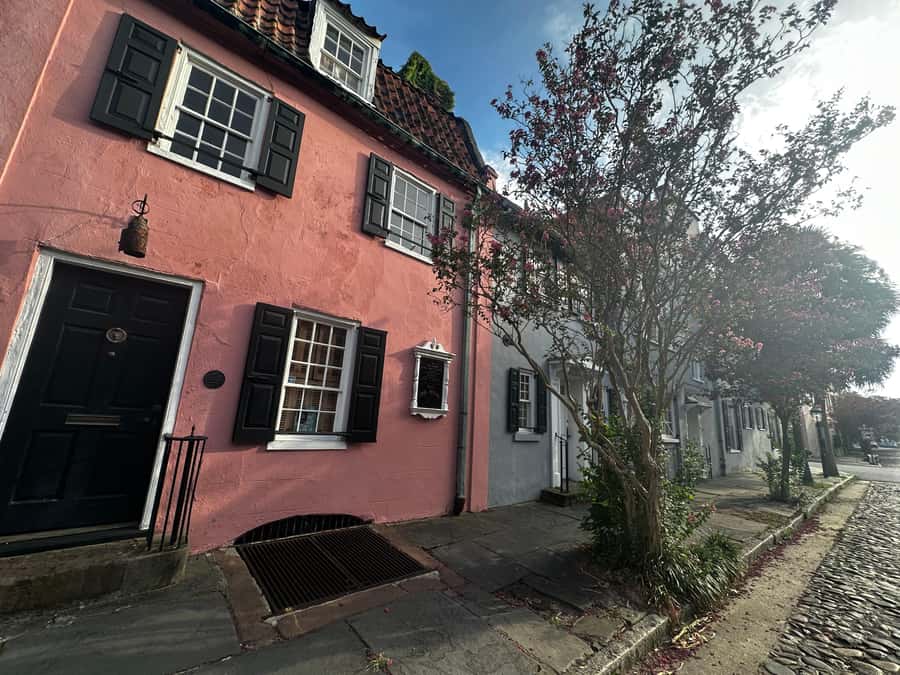
The tour covers about 1 mile total, and it’s described as a leisurely stroll with frequent stops. That sounds simple, but Charleston walking has quirks. Cobblestones slow you down. Narrow alleys can feel tighter than expected. Standing still to look at gates and facades adds time, but it’s part of the point.
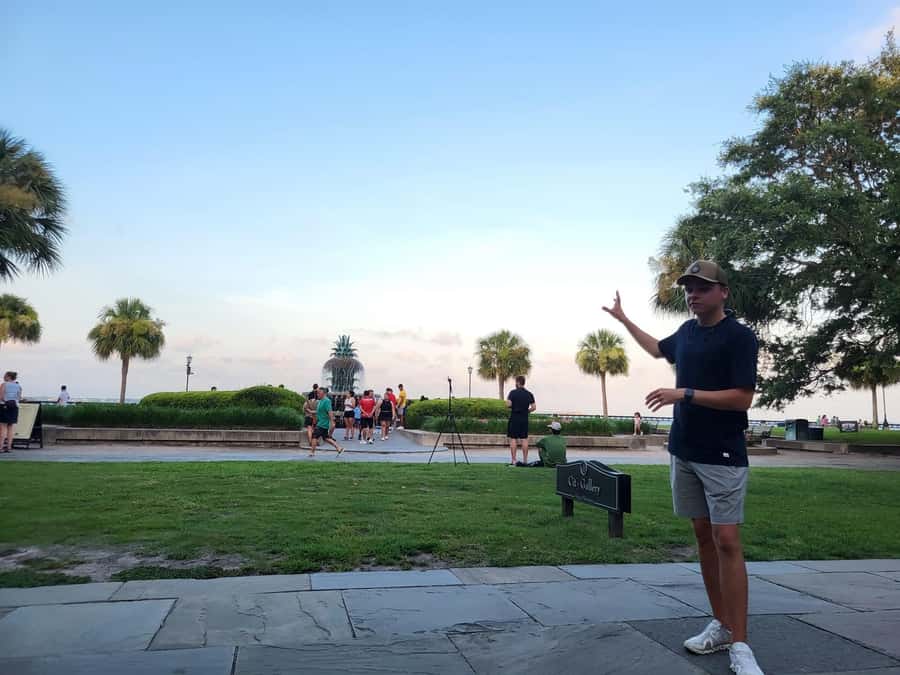
You’ll finish near the Pineapple Fountain, which gives you a convenient end marker. From there, you can branch out on your own with a clearer sense of where things are relative to where you just walked.
Because the tour departs rain or shine, you should also plan for weather. If it’s hot, you’ll want breathable clothing and water. If it’s wet, bring a rain layer and shoes that handle slick surfaces.
Value Check: Why $29 Can Feel Like a Bargain
At $29 per person for 90 minutes, this tour sits in the “good value” zone—especially if you care about context. Without a guide, Charleston architecture can be impressive but vague. With one, it turns into an instant framework.
The tour’s included sights do real work for your first-time orientation: Rainbow Row, City Market, St Philip’s Church, and the chance to enter St Michael’s Church plus interior access at the Old Exchange and Dock Street Theatre when available. That’s a lot of payoff for a relatively short walk.
It’s also a nice middle ground between a quick photo walk and a full-day program. You get story, structure, and key stops without needing to commit to an all-day schedule.
Who This Tour Fits Best (and Who Might Need a Different Format)
I think this is a great match if you want:
- An easy way to get oriented in Historic Downtown
- A guide who connects architecture to the city’s story
- Secret alleys plus famous landmarks in one compact route
It’s not ideal if you have tight mobility needs. The tour is marked as wheelchair accessible, but it also notes it’s not suitable for people with mobility impairments. The walking is about 1 mile, yet the terrain includes cobblestones and narrow spaces. If you use a mobility device, it’s worth considering your comfort on uneven surfaces and tight alleyways.
If you prefer minimal walking, you might want a different option. But if you can handle short distances and standing to look, this is a smart first or second day activity.
Should You Book This Charleston History and Architecture Tour?
Book it if you’re excited by the idea of turning Charleston streets into a clear story. It’s a fast, well-paced way to see major downtown anchors and also get the under-the-radar spaces—especially the three secret alleys. The best part is that you leave with more than photos. You leave with a mental map and a set of architectural details you can recognize on your own.
Skip (or pair it with something more targeted) if you need an in-depth focus on one specific historical topic, like the slave trade, above all else. This tour leans toward history and architecture as a whole, so your experience may depend on how your guide frames certain subjects.
FAQ
FAQ
How long is the Charleston History and Architecture Guided Walking Tour?
The tour lasts 90 minutes.
Where do I meet the guide?
Your guide meets you underneath the awning in front of the Charleston Tours & Activities windows in Historic Downtown.
How much walking is involved?
The tour is a leisurely stroll and covers about 1 mile, with frequent stops.
What are the key highlights of the tour?
Highlights include visiting 3 secret alleys, seeing historic homes and buildings with wrought iron on centuries-old gates, and visiting landmarks such as St. Michael’s Church, the Old Exchange, and the Dock Street Theatre (interiors subject to availability), plus stops like Rainbow Row, City Market, and St Philip’s Church.
Are the interior visits included?
Entrance to St Michael’s Church, Old Exchange Building, and Dock Street Theatre is included, but it’s subject to availability.
Does the tour run in bad weather?
The tour departs rain or shine.
What should I bring to the tour?
Bring comfortable shoes and weather-appropriate clothing.
Is the tour wheelchair accessible?
The activity is listed as wheelchair accessible, but it is also marked not suitable for people with mobility impairments, so you should consider the walking surfaces and tight alley areas.