REVIEW · AMSTERDAM
Amsterdam: Small-group Guided Walking Tour (French/English)
Book on GetYourGuide →Operated by Voyage & Souvenir Amsterdam Tours · Bookable on GetYourGuide
Amsterdam on foot feels like a shortcut. You get a fast, well-paced tour of major sights plus the kind of local stories that make the city click, from Dam Square to the Jordaan. The guide, Chris, runs the walk in French or English and keeps it interactive, so you can ask what matters to you.
I especially like how the tour mixes iconic photos with real “how Amsterdam works” context, and how you finish with practical recommendations for dining, shopping, and sightseeing. One possible drawback: you’ll cover a lot of stops in a short window, so if you want slow strolling or museum time, plan extra time afterward.
In This Review
- Key highlights worth your attention
- Finding the meeting point behind Amsterdam Centraal (and starting at the IJ)
- Why this walk works: Chris’s stories, Q&A, and a strong sense of pacing
- Stop-by-stop: from the IJ waterfront to the station area
- Quick culture stops: Saint Nicholas, statues, and Ons’ Lieve Heer op Solder
- Chinatown, De Waag, and VOC: trade-era Amsterdam without the classroom feeling
- Dam Square and the Royal Palace: the center of gravity
- Bridges and UNESCO canal belt: Torensluis and Grachtengordel
- Anne Frank House and Westerkerk: heavy story, clean walking flow
- The Jordaan finish: ending with local-life energy
- Practical value: what you’ll do differently after the walk
- Price and who this tour fits best
- Should you book this Amsterdam walking tour?
- FAQ
- How long is the Amsterdam small-group walking tour?
- What language is the guide?
- Where does the tour start?
- Is the tour wheelchair accessible?
- What is included in the price?
- What is not included?
- What should I bring?
- Can the itinerary change?
- How does cancellation work?
- How many people are in the group?
Key highlights worth your attention
- Meet Chris at Pancakes Amsterdam at the IJ and start with an easy, central orientation
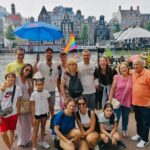
- Small-group feel that keeps questions flowing and the pace comfortable
- UNESCO 400-year canal belt (Grachtengordel) plus canal-area stories
- Anne Frank and Dutch trade-era stops that add context beyond postcard views
- Personal tips after the walk, including routes and food/drink suggestions
- French or English guide options for a smoother first impression
Finding the meeting point behind Amsterdam Centraal (and starting at the IJ)
This tour starts in the area behind Amsterdam Centraal Station, near where the white and blue ferries depart for Amsterdam North. You’ll meet by Pancakes Amsterdam at the IJ, close to the water, next to a big D ferry stop sign by the bike lane.
It’s a smart start point. You’re already near the busiest transit hub, and you can easily connect the walk with everything else you planned for your day. If you’re prone to being late, give yourself a little buffer; the walk begins right away and there’s no time for wandering around once the group gathers. Also, the guide wears glasses, a beard, and a baseball hat, which makes spotting them easier.
Before you leave, wear comfortable shoes. Even if the pace feels easy, Amsterdam can mean lots of curb steps, tight turns, and quick photo stops.
You can also read our reviews of more walking tours in Amsterdam
Why this walk works: Chris’s stories, Q&A, and a strong sense of pacing
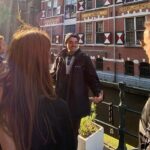
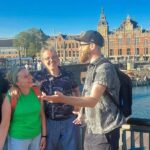
This is the kind of walking tour that feels less like a lecture and more like a guided city conversation. Chris shares plenty of history and culture, but the real value is how he turns landmarks into cause-and-effect stories—what changed, why it mattered, and how that shows up in daily life now.
Two things I’d call out as standout:
First, the walk stays highly interactive. Chris answers questions in real time, and that changes the whole experience—especially if you’re curious about something specific like the city’s past trade, what people eat, or which area fits your vibe.
Second, the tour has a clean rhythm: short guided moments, photo stops, then moving on. Reviews consistently highlight the comfortable pace and the balance between major landmarks and smaller details. That matters because a “see everything” walk can turn into either sprinting or boredom. This one aims for the middle: enough coverage to orient you, without turning into a chore.
One more practical win: you don’t just get a list of places. You get links and recommendations for restaurants, cafes, souvenir shops, pubs, and sightseeing, which helps you keep traveling confidently after the tour ends.
Stop-by-stop: from the IJ waterfront to the station area
The walk begins at Pancakes Amsterdam at the IJ. Even before you reach the oldest streets, you get a sense of how Amsterdam sits between water and city life. It’s a good warm-up, and it helps you settle into the route.
From there you head to Amsterdam Centraal Station. There’s a quick photo stop and a brief guide moment. I like this early station stop because it gives you an anchor point for the rest of the day. If you’re arriving for the first time, you’ll start understanding where everything sits relative to everything else.
Next comes the Dancing Houses. It’s brief, but it’s the kind of landmark that’s fun to spot and understand as more than just a quirky photo. Even with a short stop, Chris’s explanations help you see why it’s part of Amsterdam’s personality.
You then move to the Basilica of Saint Nicholas, followed by Zeedijk Street. Zeedijk is the kind of street stop that helps you “read” the city. You’re learning what Amsterdam streets feel like day to day, not just what famous buildings look like.
Quick culture stops: Saint Nicholas, statues, and Ons’ Lieve Heer op Solder
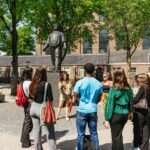
After Zeedijk, the tour includes a photo stop at the Major Alida Bosshardt statue. It’s not the kind of stop you’d pick yourself, and that’s exactly why it’s useful. A good guide uses these moments to explain who and what shaped the city, not only the big-picture monuments.
Then you visit Ons’ Lieve Heer op Solder (Our Lord in the Attic Museum). The name tells you what to expect, and the guide story adds the context. If you’re wondering what makes Amsterdam’s past feel strange in a good way, this is one of those stops that nudges your brain in that direction.
Next you’ll pass Oude Kerk for another photo stop. Oude Kerk helps keep the walk grounded in the older parts of the city center. Even if the stop is quick, it’s a reminder that Amsterdam’s “today” sits on top of long-lived streets and institutions.
Then you move into Burgwallen Oude Zijde. This is one of those areas where you can feel the city’s texture. The guided pause is useful for spotting the details you might otherwise miss when you’re just walking through.
Chinatown, De Waag, and VOC: trade-era Amsterdam without the classroom feeling
One highlight in the route is Amsterdam Chinatown, included as a photo stop. It’s a good reminder that Amsterdam’s culture isn’t just old buildings and canal views. It’s also neighborhoods and communities that continue to shape the city.
After that you reach De Waag Restaurant. Even if you’re not planning to eat right then, it’s a strong waypoint for learning how certain buildings and institutions tied into city life. Chris’s stories make stops like this feel connected instead of random.
Next comes VOC / Dutch East India Company as a dedicated stop. This is where the walk starts to feel like a timeline you can walk through. Amsterdam’s European trading role is part of the city’s foundation, and having it explained on foot helps it stick.
Then you get the Narrowest House in Europe. It’s a very Amsterdam type of landmark: physical proof of how space, business, and city growth can shape what you see. Even as a short photo stop, it’s a satisfying payoff after the trade-era context.
At this point, you’ve already covered enough variety to stop treating Amsterdam as one single style of sightseeing.
You can also read our reviews of more guided tours in Amsterdam


Dam Square and the Royal Palace: the center of gravity
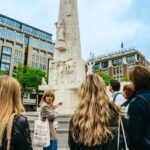
You arrive at Dam Square, one of the biggest anchors in the whole city. The guided stop helps you frame what you’re looking at and how the square fits the city’s public life. If you’ve ever felt overwhelmed trying to plan around Amsterdam’s landmarks, Dam Square is the place that reduces that stress.
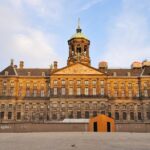
Next is the Royal Palace, Amsterdam. This is another quick but meaningful pause. You’re not just looking at a big building; you’re learning how Amsterdam’s power and image show up in architecture and space.
Then you stop at Magna Plaza. This adds a modern beat to the walk right before you head back toward the canal zone. It’s useful because it keeps the story from feeling stuck in the past. Amsterdam isn’t only Golden Age canals; it’s also a city that keeps reinventing where people shop, meet, and move.
Bridges and UNESCO canal belt: Torensluis and Grachtengordel
You’ll cross Torensluis Bridge, which gives you a nice moment to look at the canal system as a network rather than isolated scenes. Bridges help you mentally map the city quickly, and that makes your self-guided exploring afterward easier.
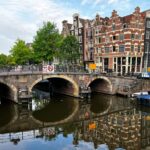
Then the tour reaches Grachtengordel, the 400-year-old canal belt that’s recognized as a UNESCO World Heritage site. This is where the tour’s emphasis on canals becomes more than scenery. Chris connects the canal belt to the story of Amsterdam’s growth—how a small fishing village on the Amstel River became a major European trading hub—and how the Golden Age canal houses are tied to that transformation.
If you’re trying to understand why Amsterdam looks the way it does, this UNESCO stop is a logical turning point. You’ll walk away seeing the canal belt as infrastructure and identity, not just views.
Anne Frank House and Westerkerk: heavy story, clean walking flow
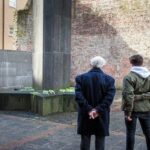
After the canal belt, you head to Anne Frank House for a photo stop. The tour includes the story of Anne Frank as part of the overall experience. This stop can feel emotionally loaded, so the short, structured time with a guide helps keep the visit respectful and focused. If you want more time here than a photo stop, you’ll know early enough to plan it.
Then you move to Westerkerk. Even with a brief stop, this kind of landmark adds an architectural rhythm to the route. It helps you see how the city’s skyline and major sites layer together across neighborhoods.
Chris also uses moments like this to connect Dutch daily life with broader themes, so you end the canal-zone segment with both visuals and context.
The Jordaan finish: ending with local-life energy
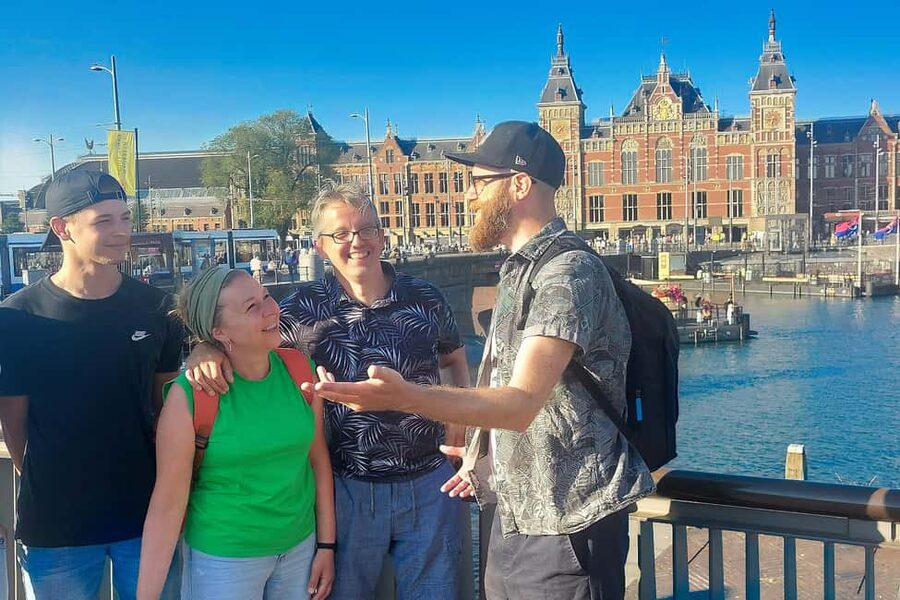
Finally, you reach The Jordaan area. This stop is a strong finish because it’s the kind of neighborhood you want to keep wandering after the tour ends. It’s where the day’s storytelling can translate into street-level exploring—cafes, small shops, and the feeling of living inside the city rather than just visiting it.
If you’re the type who plans to go out for food afterward, Jordaan is a practical ending point. You’ll have recommendations fresh in your mind and a clearer sense of where you want your evening to happen.
Practical value: what you’ll do differently after the walk
A big reason the reviews score so high is that the tour doesn’t end at the final stop. You leave with a set of next steps that feel suited to you.
Here’s what you’ll likely use right away:
- A short list of where to eat based on what you asked during the tour
- Suggestions for shopping and sightseeing that match the areas you already saw
- Links that make it easy to plan the next day without digging through tabs
Chris also appears to tailor his help when you mention what you haven’t visited yet. That’s the difference between a generic guide and one who helps you build a smart mini-plan for your limited time.
And because the walk includes a mix of iconic and lesser-noticed places—statues, churches, alley-like areas, canal perspectives—you’ll recognize Amsterdam faster when you’re on your own.
Price and who this tour fits best
At about $33 per person for 2 to 3 hours, you’re buying efficiency and direction. This isn’t a museum ticket. It’s time with a guide that helps you cover a lot of ground, while still giving room for questions and recommendations.
I think it’s especially good for:
- Your first 1–2 days in Amsterdam and you want to get oriented fast
- Couples, friends, or solo travelers who like walking but hate guessing at every stop
- Anyone who wants a guided story about Amsterdam’s evolution—from village roots to trading power to modern neighborhoods
If you prefer long stays at fewer sites, or you’re trying to squeeze in multiple indoor attractions on the same day, consider pairing this with only one extra big-ticket activity afterward. The tour works best as your “foundation walk.”
Should you book this Amsterdam walking tour?
Yes, if you want a confident start to your Amsterdam trip. Book it when you’d rather spend your energy learning the city’s patterns than struggling to connect landmarks on your own. The combination of a small-group experience, bilingual guiding in English or French, and Chris’s habit of answering questions plus sharing practical after-tour tips makes this a strong value for the time.
Skip it or adjust expectations if you dislike walking with a schedule or you need lots of quiet time at a single landmark. This tour is designed for movement, variety, and efficient sightseeing, so it won’t feel like a slow, long linger session.
If your goal is to understand Amsterdam in a few hours and leave with a usable plan for dinner and tomorrow morning, this is the kind of tour that does that job well.
FAQ
How long is the Amsterdam small-group walking tour?
The duration is listed as 2 to 3 hours.
What language is the guide?
The tour is offered with a local guide speaking English or French.
Where does the tour start?
You meet behind Amsterdam Centraal Station, near where the white and blue ferries leave for Amsterdam North, next to Pancakes Amsterdam at the IJ and near a big D ferry halte sign by the bike lane.
Is the tour wheelchair accessible?
Yes, the tour is listed as wheelchair accessible.
What is included in the price?
Included items are the walking tour, a local English or French-speaking guide, and recommendations for dining, shopping, food, drinks, boats, and sightseeing, plus helpful links to make the most of your time in Amsterdam.
What is not included?
Food and drinks are not included.
What should I bring?
Bring comfortable shoes, an umbrella, water, and weather-appropriate clothing.
Can the itinerary change?
Yes. The route might be adjusted if needed for your interests, construction work, or other unforeseen circumstances.
How does cancellation work?
Free cancellation is available up to 24 hours in advance for a full refund.
How many people are in the group?
It’s described as a private or small-group tour.