REVIEW · AMSTERDAM
Amsterdam Highlights Small-Group Walking Tour
Book on Viator →Operated by Amsterdam Guías & Tours · Bookable on Viator
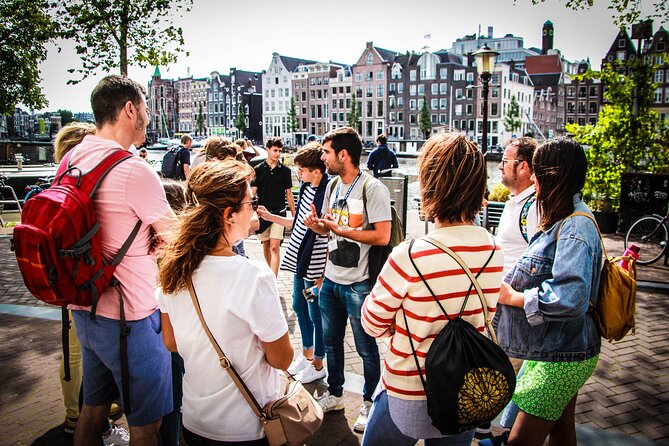
Two hours in Amsterdam, and it clicks. I like the small-group size because you get real interaction instead of being one of 30 faces, and I like that the route includes Jewish Quarter and WWII context as well as lighter city-life stops like the Begijnhof and flower-area squares. The one thing to keep in mind is that some of the loudest moments happen in busy outdoor squares, so you may want to position yourself so you can hear your guide clearly.
Key Points You’ll Feel Immediately
- Max 10 people keeps the walk personal and makes it easier to ask questions.
- WWII and the Jewish Quarter get real attention, not just a quick photo stop.
- Busy squares require some patience, but that’s also where Amsterdam’s street life is most visible.
- Optional 1-hour canal cruise adds the best “slow down” finish if you choose the upgrade.
- Stops span multiple neighborhoods, so you see more than the classic postcard core.
- Guides bring it to life with stories, and many are praised for humor and a lively pace.
In This Review
- Meeting at Beursplein: the easy start that sets the tone
- Central Station and the Dutch design story you’ll actually remember
- Chinese Quarter and the Buddhist Temple: a quick culture switch
- Nieuwmarkt and San Antón Gate: where the market meets history
- Jodenbuurt and WWII: what to expect from the heavier section
- Muntplein and the flower area: the postcard square with a real purpose
- Begijnhof Gardens at Spui Square: calm inside the noise
- Dam Square finish: the royal and memorial mix
- Optional 1-hour canal cruise: the best way to recharge at water level
- Pace, group size, and how to get the most out of a 2–3 hour walk
- Price and value: what $24.08 buys you in real terms
- Who this tour suits best
- Booking verdict: should you book this Amsterdam highlights walk
- FAQ
- What’s the duration of the Amsterdam Highlights Small-Group Walking Tour?
- Is the tour offered in English?
- How many people are in the group?
- What are the main stops on the tour?
- If I upgrade, what does the canal cruise include?
- Can I cancel for a refund?
Meeting at Beursplein: the easy start that sets the tone
Your tour begins at Beursplein, near the stock exchange, and your guide is easy to spot. The meeting point is in front of Cafe Bistro next to the bull figure, with either a blue umbrella or an Amsterdam Guides & Tours logo tag.
This matters because your first 5 to 10 minutes shape the whole vibe. A clear start helps you settle into the “walk with purpose” rhythm, and it means you spend your time seeing Amsterdam, not wandering around comparing addresses.
Central Station and the Dutch design story you’ll actually remember
The first big landmark stop is Amsterdam Centraal, the city’s main train station. It opened in 1889 and was designed by Dutch architect Pierre Cuypers, and it’s the kind of building that looks impressive even before you learn why.
This is a smart early stop: you get oriented with a major hub that still feels like a city entrance. It also gives your guide a clean way to talk about Amsterdam’s growth, how the station fits into the city, and why the architecture became a point of pride.
You can also read our reviews of more walking tours in Amsterdam


Chinese Quarter and the Buddhist Temple: a quick culture switch
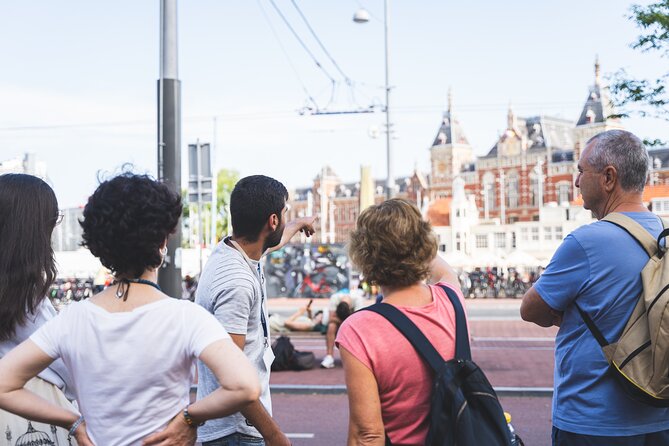
From the station zone, the walk moves through the Chinese Quarter. One highlight here is the Buddhist Temple of Amsterdam, which changes the mood fast from the station-and-streets energy into something more local, quieter, and more surprising.
If you normally skip “non-main-attraction” neighborhoods, this stop is exactly why this tour works. Amsterdam is at its best when you notice the city doesn’t revolve around one single look.
Nieuwmarkt and San Antón Gate: where the market meets history
Next up is Nieuwmarkt, described as the new market area, close to the San Antón Gate. Even without going into museums, gates and market streets tell you how Amsterdam worked at street level: entry points, daily movement, and the push-pull between trade and community.
One practical note: this area can get busy, so expect some standing time. The upside is that you’ll be seeing real streets you can revisit later, instead of just staring at landmarks from a distance.
Jodenbuurt and WWII: what to expect from the heavier section
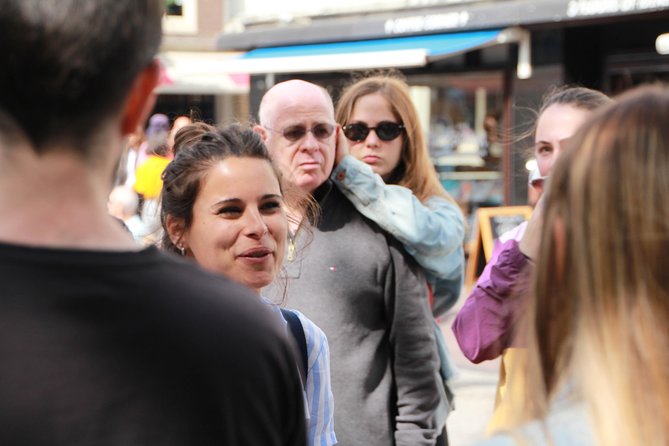
Then comes Jodenbuurt, and with it the Jewish Quarter and the sad history tied to WWII. This is the part many guides are praised for handling with care and clarity, because it’s not just dates and names. It’s about context—how the city’s story was affected, and how Amsterdam carries those memories today.
I like this section because it turns the walk from sightseeing into understanding. Still, if you prefer a lighter itinerary day, it helps to mentally prepare: you’re choosing an “Amsterdam with context” tour, not a purely fun-only loop.
Muntplein and the flower area: the postcard square with a real purpose
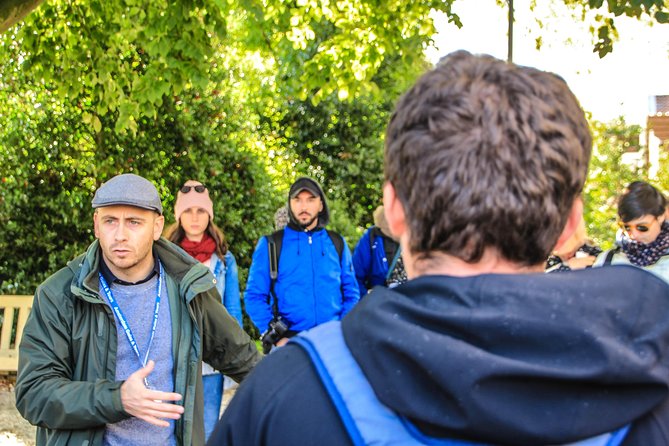
At Muntplein, you’ll see one of Amsterdam’s most famous squares, and you’ll also get connected to why the area is known for the flower market. It’s one of those spots where the surroundings can feel touristy, but the flower connection is genuinely Amsterdam.
This is also a good time to slow down and watch how people move. Even if you’re not shopping, you’ll notice how the city treats public space like a stage: bikes, pedestrians, snacks, and conversations all mixing in one place.





Begijnhof Gardens at Spui Square: calm inside the noise
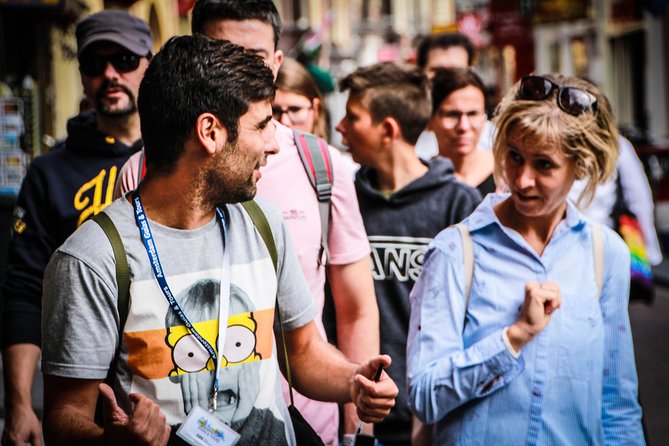
Next, you head toward Begijnhof, including the Begijnhof Gardens. This is the kind of place you’d never guess from the surrounding streets—quiet, enclosed, and built for slower living.
Your guide also ties it to nearby themes like the Flower Market or De Krijtberg Kerk, which helps connect Amsterdam’s religious and commercial layers. I really like this stop because it gives your brain a break. You’ll still be on foot, still in the city, but the atmosphere changes.
Dam Square finish: the royal and memorial mix
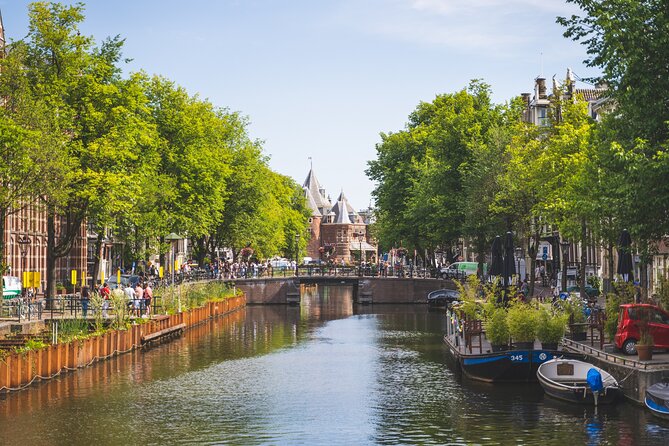
The tour ends at Dam Square, with a view of major anchors like the Royal Palace, the Nieuwe Kerk, and the National Monument. Dam Square is Amsterdam’s “center of gravity,” and seeing it at the end of a walking route works well: you arrive there with a clearer map in your head.
By the time you stand here, the different neighborhoods you passed start to make sense. It’s like your mental geography clicks into place.
Optional 1-hour canal cruise: the best way to recharge at water level
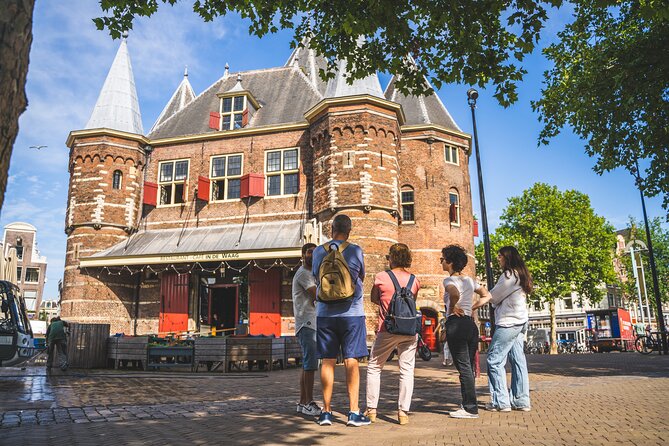
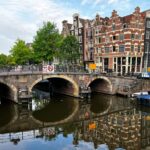
If you upgrade, you’ll get a ticket for a 1-hour canal cruise. It’s a good pairing with this walking itinerary because canals show Amsterdam’s shape in one long look—how neighborhoods line up, how the waterfront feels, and how the city’s bridges change your perspective.
This is also your built-in reset after squares and standing. Even with great guides, walking tours are still walking tours. The canal portion lets you sit, watch, and let the city do the talking.
Tip for making this part smooth: keep an eye on where you’re expected to meet for the cruise and treat timing seriously. Canal departures can be strict, and you’ll enjoy the ride more if you’re not sprinting around Amsterdam trying to find a boat.
Pace, group size, and how to get the most out of a 2–3 hour walk
This is a 2 to 3 hour walking tour, small-group with a maximum of 10 travelers, in English. Most people can participate, and the tour is set up for an easy, guided walk rather than an intense hike.
A few common sense moves will help you get full value:
- Bring water. Even in mild weather, outdoor stops can add up.
- If a square is too loud, politely ask your guide about relocating your group a step or two—your hearing matters.
- If you like interaction, jump in. Several guides get praised for asking questions and keeping people involved, and that’s often where the best stories come out.
Also, if you’re the type who likes architecture, your guide may point out details you’d miss on your own. Many people highlight guides who keep the pace moving and add humor to the facts, which makes the walk feel less like a lecture.
Price and value: what $24.08 buys you in real terms
At about $24.08 per person, this tour is priced like an efficient “city orientation with depth” experience. The value isn’t just that it’s inexpensive. It’s that you’re getting a guided structure across major areas of the city center, plus (if you choose it) an added 1-hour canal cruise.
Small groups matter at this price point. In a group of 10, the guide can respond when you have a question, and that turns the walk from passive watching into active learning. That’s why the rating is so high and why so many people recommend it—when the guide’s energy matches the format, it feels like a smart use of limited time.
Who this tour suits best
This tour is a strong match if you:
- Have only a day or two in Amsterdam and want a clean overview with context.
- Want both “big sights” and neighborhood texture, without hopping around with lots of transit.
- Prefer guides who tell stories and keep momentum, not just a list of facts.
It may be less ideal if you want a strictly light, entertainment-only walkthrough with zero heavy material. The WWII and Jewish Quarter focus is part of the core route, and that’s not something to treat casually.
Booking verdict: should you book this Amsterdam highlights walk
If you’re trying to get your Amsterdam bearings fast while still learning something real, I’d book it. The combination of major landmarks, neighborhood variety, and a carefully placed WWII/Jewish Quarter section makes this more than a quick “see and leave” route.
Choose the optional canal cruise if you want a relaxed finale where the city looks different from the water. Skip the upgrade only if you already have a canal plan lined up. Either way, go in expecting a walk through both the famous and the meaningful parts of Amsterdam, and you’ll come away with a much clearer sense of the city.
FAQ
What’s the duration of the Amsterdam Highlights Small-Group Walking Tour?
It runs for about 2 to 3 hours.
Is the tour offered in English?
Yes, the tour is offered in English.
How many people are in the group?
The tour has a maximum of 10 travelers.
What are the main stops on the tour?
Key stops include Beursplein, Amsterdam Centraal, the Chinese Quarter (including the Buddhist Temple of Amsterdam), Nieuwmarkt, Jodenbuurt (Jewish Quarter and WWII history), Muntplein, Begijnhof, and Dam Square.
If I upgrade, what does the canal cruise include?
If you select the option, you receive a ticket for a 1-hour canal cruise.
Can I cancel for a refund?
Yes. You can cancel for a full refund if you cancel at least 24 hours before the experience’s start time. If you cancel less than 24 hours before, the amount paid is not refunded.