REVIEW · AMSTERDAM
Amsterdam: Highlights & History Walking Tour
Book on GetYourGuide →Operated by Trigger Tours · Bookable on GetYourGuide
Amsterdam can feel like a postcard trap. This walk helps you spot the story behind every bend. I especially like the small group size (keeps questions from getting lost) and the way the guide connects big landmarks with street-level details you would miss on your own. One thing to consider: it’s a lot of ground on foot, and the tour can end at a different spot than where you start.
Expect a smart mix of famous sights and lesser-known corners—Old Town streets, Dam Square, the Royal Palace area, Begijnhof, canal views, and a stop at the Flower Market by the floating street market. You’ll also get the cultural context, including how the Netherlands’ legalization of prostitution influenced the red-light district. The trade-off: since it’s focused on walking and storytelling, don’t assume you’ll have time for long ticketed entrances unless you plan those separately.
In This Review
- Key Points Worth Your Time
- A Tight 2 Hours That Actually orients You
- What makes the format work
- Who will like it most
- From Park Plaza Victoria to Old Town Stories
- Old Town highlights you’ll actually remember
- Anne Frank House: How the Tour’s Context Changes the Visit
- Why I like this approach
- Begijnhof and the Royal Palace Area: Different Amsterdam Moods
- Small-group pacing helps here
- Canals and Chinatown-Style Streets Without the Sightseeing Burnout
- One of the underrated benefits
- The Red-Light District, Explained with Real Historical Framing
- How to think about it on the walk
- Hidden Churches and Street Details: Where the Tour Feels Like a Local Walk
- A practical tip
- Flower Market by the Floating Street Market: The Best Ending for a Quick Souvenir Hunt
- What to do if you want photos
- Price and What $32 Really Buys You
- Value check
- Logistics That Can Matter More Than You Think
- Should You Book This Amsterdam Highlights Walk?
- FAQ
- How long is the Amsterdam highlights walking tour?
- How much does the tour cost?
- Where do we meet the guide?
- Where does the tour end?
- Is the tour wheelchair accessible?
- What languages are available for the live guide?
- What’s included in the price?
- Is food and drinks included?
Key Points Worth Your Time
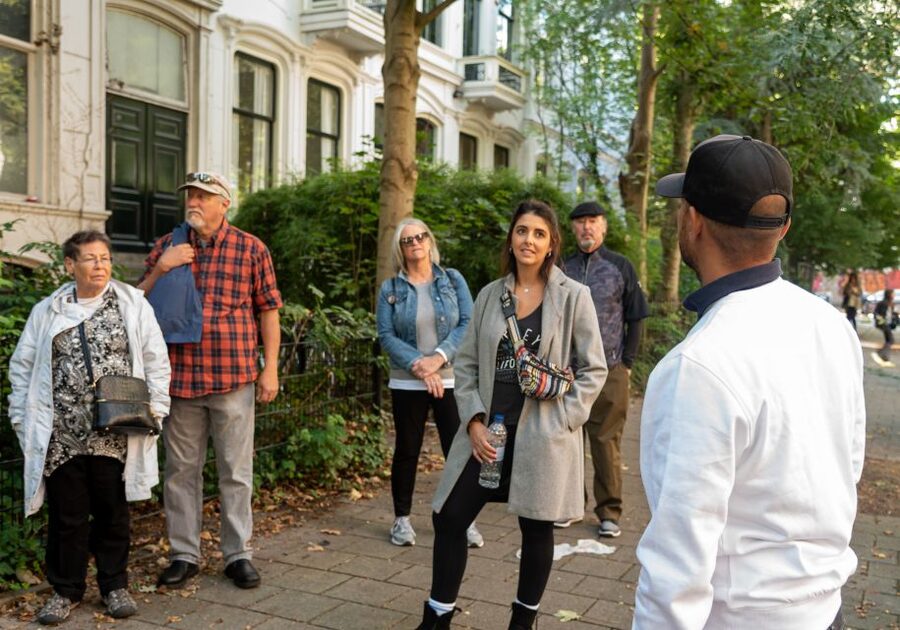
- Small-group limit of 8 keeps the pace human and makes Q&A feel normal
- Anne Frank House is part of the highlight set, with context rather than a rushed checklist
- Crooked houses, narrowest street, and hidden churches add real local flavor to the photos
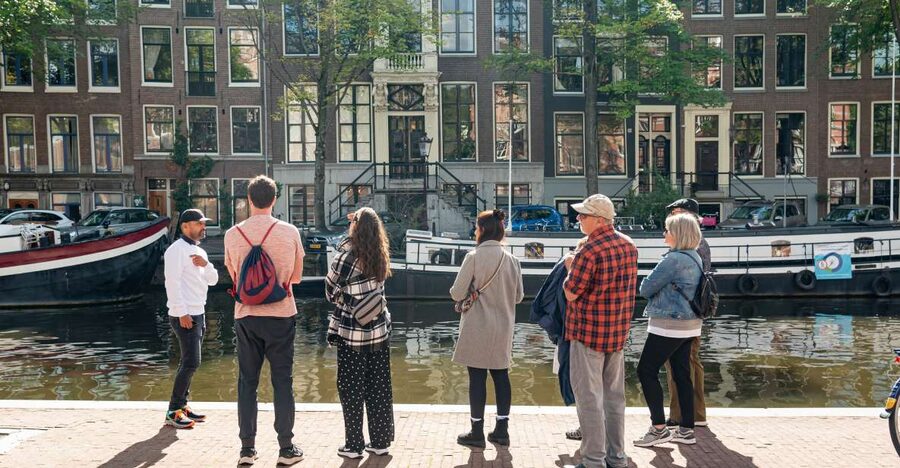
- Canals and the floating Flower Market give you a quick taste of Amsterdam’s everyday life
- History that’s political and personal (including prostitution legalization and the red-light district)
A Tight 2 Hours That Actually orients You
Two hours sounds short in a city like Amsterdam. That’s the point: this tour is designed to get your bearings fast without burning half a day in transit or aimless wandering. You start with the basics—where you are, why this city grew the way it did—and you finish in a place you’ll recognize instantly later on your own.
The group size matters here. With a maximum of 8 people, you don’t feel like you’re watching a guide perform from the back row. You can ask questions and get straight answers. This also helps on tight streets and canal-adjacent sidewalks, where big crowds can get awkward fast.
You can also read our reviews of more walking tours in Amsterdam

What makes the format work
The walking route is built around clustering. You’ll move through central highlights like the Old Town and Dam Square, then layer in neighborhood texture: narrow streets, churches tucked into the fabric of the city, and the canal scene that makes Amsterdam feel like it’s constantly in motion.
Who will like it most
This is a great first-trip move if you want a history-and-places combo. It also works well for people who like conversational guides—some guides on this route are known for humor, asking what you care about, and adjusting on the fly. If you hate slow pacing or prefer your sightseeing explained, you’ll likely enjoy this.
From Park Plaza Victoria to Old Town Stories
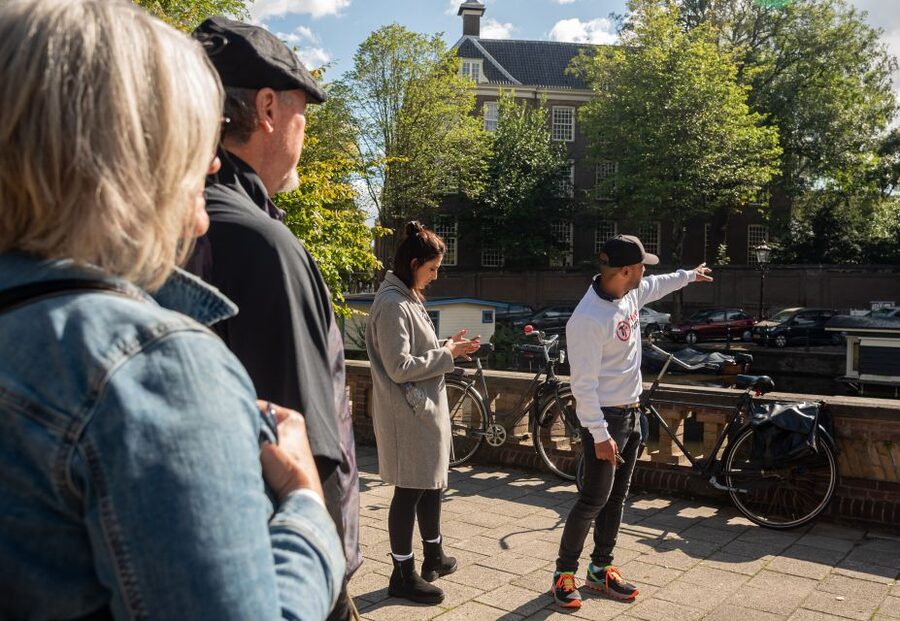
Your meeting point is the main entrance of the Park Plaza Victoria Hotel. That’s a useful anchor: it’s a clear landmark and easy to find compared with meeting on an anonymous corner. Still, one practical note from real experience: hotel entrances can be tricky. If you show up a few minutes early, take ten seconds to confirm which side of the building your guide is using.
From there, the tour swings into Amsterdam’s inner core. The guide doesn’t just list sights. They explain why these buildings and street patterns exist at all. You’ll hear about Amsterdam’s origins and how it grew from a small fishing village into a major trade and commerce hub. That matters, because once you understand the city’s trading brain, the architecture and canal layout start making sense instead of looking random.
Old Town highlights you’ll actually remember
You’ll walk through stops that typically include:
- the Old Town area
- Dam Square
- Old Church (often a strong storytelling moment because the building ties into the city’s long timeline)
- crooked houses and the narrowest street
- and nearby alleyways that show how Amsterdam’s layout shapes everyday life
The crooked houses and the narrowest street are the kind of details that sound silly until you stand there. Then they become part of the real Amsterdam experience: the city isn’t built like a theme park. It’s built in layers.
You can also read our reviews of more historical tours in Amsterdam


Anne Frank House: How the Tour’s Context Changes the Visit
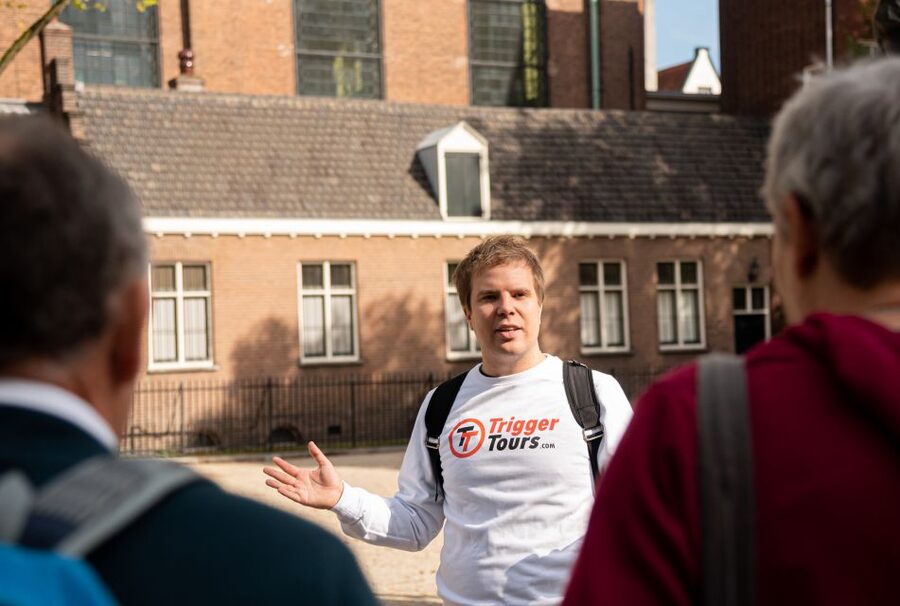
Seeing Anne Frank House on a highlight walk is powerful, even if you’re not there for a full-length museum experience. The value here is context—stories you would never hear if you only read a plaque or skim a guidebook.
Important practical thought: the tour describes seeing Anne Frank House as part of the itinerary. It doesn’t say you’ll get extended interior time. If you want a deep visit inside, build that separately. Use this walking tour for orientation, framing, and emotional groundwork, then decide what level of time you want to add afterward.
Why I like this approach
A lot of people arrive in Amsterdam wanting the famous names. This tour keeps those names, but it also explains how the neighborhood and the city’s growth shaped the world that produced those stories. That turns a single landmark into a bigger understanding of how Amsterdam became what it is.
Begijnhof and the Royal Palace Area: Different Amsterdam Moods
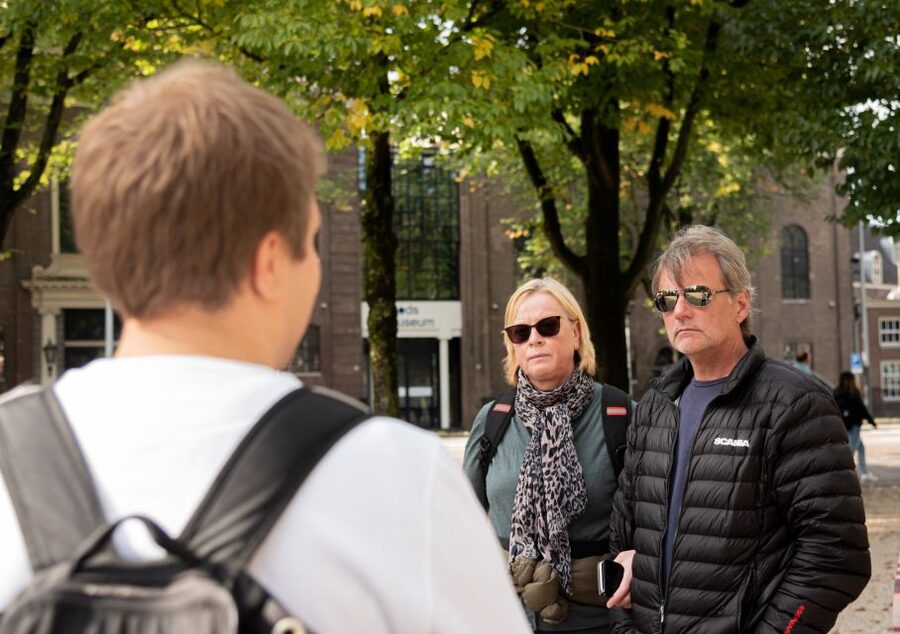
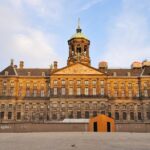
After the Old Town section, you move toward major civic landmarks. The tour includes the Royal Palace area and Dam Square, plus Begijnhof.
These stops give you a useful contrast:
- Royal Palace territory feels formal and ceremonial—more about power and public identity.
- Begijnhof feels quieter and more enclosed—more about community and everyday spirituality.
Begijnhof works especially well on a short tour because it’s not just a pretty location. It’s a reminder that Amsterdam wasn’t only built by merchants and governments. It also has spaces that reflect care, rules, and social structures that shaped how people lived.
Small-group pacing helps here
Begijnhof and palace-adjacent areas can draw tourists. With a smaller group, you’re less likely to get swallowed by crowd flow, and it’s easier for the guide to keep you focused on what to notice.
Canals and Chinatown-Style Streets Without the Sightseeing Burnout
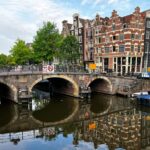
Amsterdam’s canals can be either magical or exhausting depending on how you experience them. This tour uses canals in a smart way: you don’t just stare at water—you learn how the city’s layout grew alongside trade.
You’ll also pass areas described as including China Town. Even if you’re familiar with Amsterdam, it’s a helpful reminder that the city’s identity has always included diversity and migration—something that shows up in the food, shopfronts, and street energy, not just in museum halls.
One of the underrated benefits
When a guide connects architecture to trade, navigation, and social life, the city becomes more legible. You start noticing where people gather, how streets funnel, and why some buildings face the way they do. That’s not just trivia. It helps you walk around later without feeling like you’re wandering.
The Red-Light District, Explained with Real Historical Framing
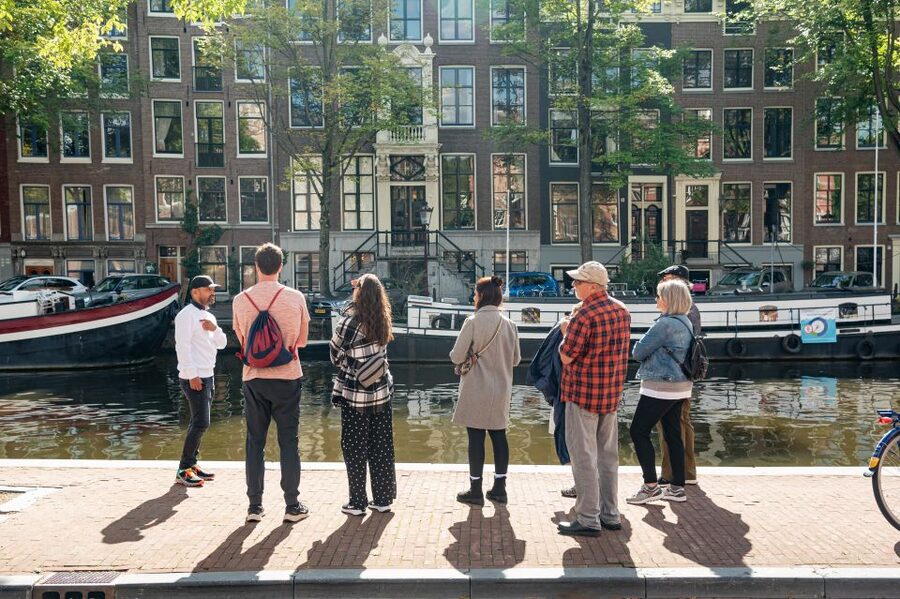
This is one of the most talked-about elements of the tour: the guide discusses the legalization of prostitution in the Netherlands and how that shaped the red-light district over time.
If you’re wondering whether this will feel awkward, you’ll probably be relieved that the approach is described as historical and cultural, not just scandal. The guide places it in a timeline: what changed, how policy affected the district, and why today’s street scenes make more sense when you know the legal backdrop.
How to think about it on the walk
Try to focus on cause-and-effect. The goal is to understand why certain areas look the way they do and why Amsterdam handles some adult entertainment differently from many other European cities. It’s a chance to replace shock with context—without sugarcoating the subject.
Hidden Churches and Street Details: Where the Tour Feels Like a Local Walk
A big reason this tour gets strong feedback is how many people say it includes places they wouldn’t have found. That often comes from the smaller street moments: side alleys, less-obvious churches, and landmarks tucked into the city’s tight geometry.
You’ll hear stories connected to:
- narrow streets and odd street geometry
- places like hidden churches
- and other stop-to-stop cultural oddities
Guide personality plays a role too. Names that stand out from the guides associated with this route include Robin, Aaron, Arie, James, Scarlett, Lukas, Kevin, and David—often described as upbeat, funny, and quick to answer questions. One guide even brings a political-history background into the mix, which helps if you like your Amsterdam stories with more structure.
A practical tip
Go in ready to ask questions. When the guide asks what you want to focus on, it’s not just small talk. If you say you care more about architecture, politics, religion, or daily life, you’re more likely to get a route that feels personal.
Flower Market by the Floating Street Market: The Best Ending for a Quick Souvenir Hunt
The tour ends after a final run through the central area, with a stop at the floating street market where you can buy anything flower related. This is a great finale because it’s sensory. You’re leaving with color in your brain, not just facts.
Even if you’re not buying, it’s useful to see how Amsterdam sells and moves everyday goods. Flowers are part of local identity, and this market stop gives you a low-pressure way to connect with the city’s “ordinary magic.”
What to do if you want photos
Bring a quick steady routine:
- snap your canal/market shots
- then buy something small if you want a souvenir that actually feels like the place
Don’t overcommit on spending. A short tour doesn’t require heavy shopping.
Price and What $32 Really Buys You
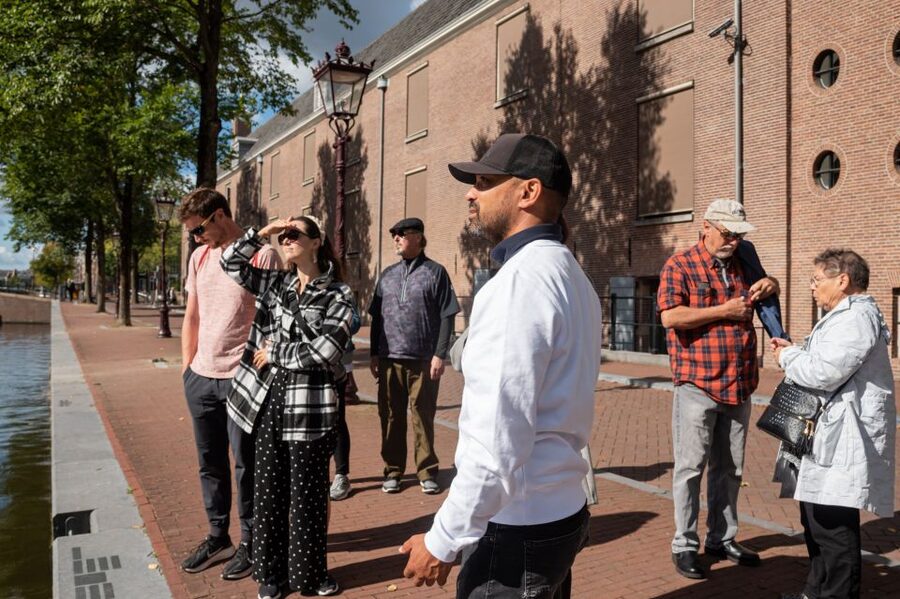
At $32 per person for a 2-hour small-group walk, you’re paying for three things:
1) a local guide to translate street signs into meaning
2) efficient clustering of core sights (Old Town to Dam Square)
3) added context stops that normally require separate planning
City tax is included as 1.50€ city tax per passenger, which helps keep the pricing clean. What’s not included is food and drinks—so plan to grab a snack afterward based on your own schedule.
Value check
If you’re only going to do one guided thing in central Amsterdam, this is a strong candidate. It’s not trying to replace museum tickets. It’s trying to make the rest of your days easier by giving you structure, context, and practical orientation.
Logistics That Can Matter More Than You Think
A few details are worth noting before you commit, especially if you’re scheduling tight days:
- The tour is wheelchair accessible, which is a real plus for mobility planning.
- Languages offered are English, German, and Spanish.
- It’s a small group (limited to 8), but some departures may end up smaller depending on bookings.
- The tour ends at Dam Square, and some people note that the endpoint may differ from where they started.
If you’re meeting someone afterward or catching a train, give yourself a little timing buffer. Dam Square is easy enough to locate, but the walking-to-the-exit rhythm can still surprise you if you’re very time-tight.
Should You Book This Amsterdam Highlights Walk?
I’d book it if you want:
- an efficient first pass through the center
- a guide who tells stories that connect the city’s past and present
- famous sights plus the kind of side streets you’d normally skip
I would skip or pair it differently if you’re only interested in deep museum time, since a 2-hour walking format is built for highlights and context, not long interior stays.
If you like your sightseeing with good pacing, room for questions, and a bit of humor, this is one of the more sensible ways to kick off Amsterdam.
FAQ
How long is the Amsterdam highlights walking tour?
It lasts 2 hours.
How much does the tour cost?
The price is $32 per person.
Where do we meet the guide?
Meet your guide in front of the main entrance of the Park Plaza Victoria Hotel.
Where does the tour end?
The tour ends at Dam Square.
Is the tour wheelchair accessible?
Yes, it is wheelchair accessible.
What languages are available for the live guide?
The tour is offered in English, German, and Spanish.
What’s included in the price?
A local guide is included, plus 1.50€ city tax per passenger.
Is food and drinks included?
No. Food and drinks are not included.