REVIEW · AMSTERDAM
Amsterdam Highlights Walking Tour: Small Group Experience
Book on Viator →Operated by WOW Tours Amsterdam · Bookable on Viator
Amsterdam is best when you walk it.
This small-group highlights tour strings together the city’s big turning points, from Amstel roots to the Golden Age, with stops where cars can’t go and a guide who does the navigating for you. I especially liked the way the route links sights to stories, not just photo stops, and you still get practical local tips for bars and eats along the way.
Two things really made it click for me: the guide talent (names like Sean and David come up in standout reviews) and the vibe of asking questions and chatting as you go. One possible drawback is that some major landmarks are mainly seen from the outside or in quick segments, so if you’re chasing deep museum time, you’ll want to plan a separate visit later.
You finish with a day still left to explore on your own, which is the smartest way to start your Amsterdam trip—get oriented, learn the patterns, then wander with confidence.
In This Review
- Key highlights worth showing up for
- Getting your bearings: the Dam Square to Nieuwmarkt walking plan
- Stop-by-stop: what you’ll actually see and why it matters
- WOW Tours start area and the big retail pass-by
- Nieuwmarkt: where you hear the city’s East-side expansion story
- Dam Square: heart-of-town context for the buildings around it
- Royal Palace segment: quick overview, outside focus
- Optional route shifts toward Jordaan and canal district
- Kalverstraat and the canal-side architecture beat
- Begijnhof and the hidden church courtyard effect
- Amsterdam Museum area and old city gate references
- De Wallen (Red Light District) alleys: respect, rules, and context
- Ending time: finishing in the east with room to keep going
- Guides, pace, and the little details that make it feel personal
- Price and value: is $36.28 a smart spend?
- Who this tour suits best (and who might want something else)
- Should you book Amsterdam Highlights Walking Tour (WOW Tours)?
- FAQ
- What’s the duration of the Amsterdam Highlights Walking Tour?
- How much does it cost, and is it offered in English?
- Where do I meet for the tour?
- How big is the group?
- What’s included versus not included?
- What if the weather is bad?
Key highlights worth showing up for
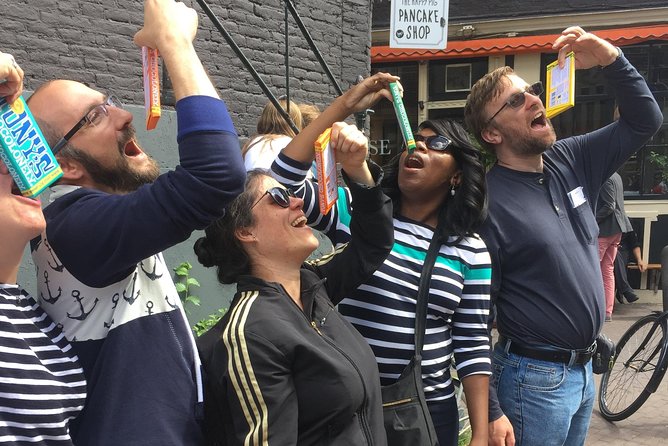
- Max 12 people keeps the walk conversational, not a herd.
- Red Light District alleys (de Wallen) are handled with guidance and respect, not spectacle.
- Canals, gabled houses, and houseboats come into focus when you’re walking street-level.
- Optional add-ons can shift you toward places like the Jordaan if you ask at the start.
- Food and drink recommendations help you turn stories into actual plans for later.
Getting your bearings: the Dam Square to Nieuwmarkt walking plan
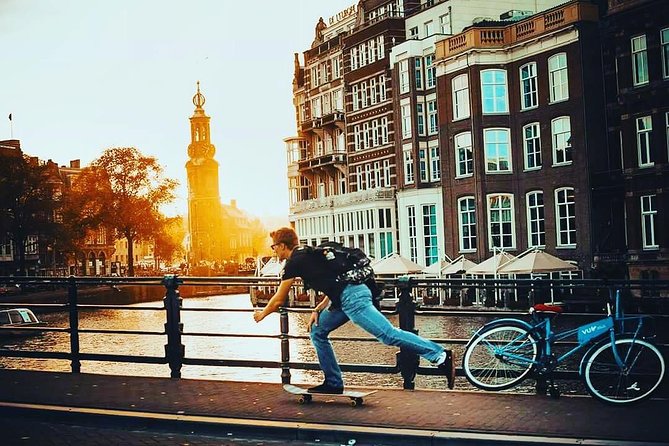
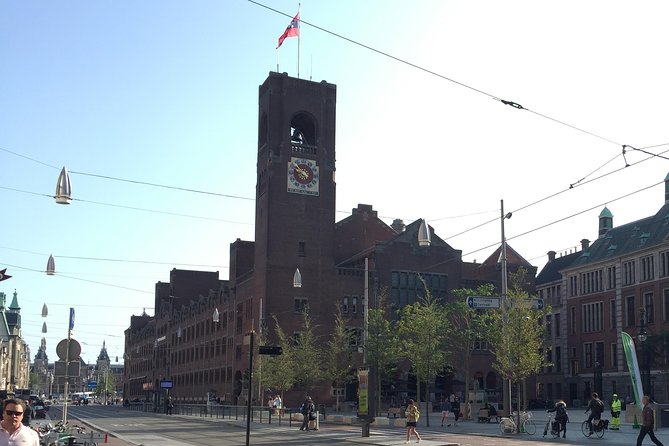
This tour is built for orientation. You start around the central core, first meeting at WOW Tours Amsterdam near Beursplein (Bistro Berlage area), then move through the historical heart with a local guide. The whole experience runs about 2 hours 30 minutes, which is long enough to feel like you learned the city, but short enough that you’re not done with Amsterdam by lunchtime.
Because it’s a walking tour, you’ll cover ground fast, and you’ll also notice what you miss when you move by tram. In Amsterdam, the details are the point: narrow lanes, canal edges, the way streets curve around older neighborhoods, and the subtle shifts in architecture as you move from one era to the next.
A small-group format matters here. With a maximum of 12, you’re not just following someone’s back. You can ask questions, and the guide can adapt the pacing to your group’s interests—something that shows up again and again in reviews, including comments about guides adjusting the tour.
The tour also uses a mobile ticket, so it’s easy to manage on the go. And since the meeting areas are near public transport, you can arrive without turning your morning into a logistics project.
You can also read our reviews of more walking tours in Amsterdam



Stop-by-stop: what you’ll actually see and why it matters
WOW Tours start area and the big retail pass-by
You begin at WOW Tours (Beursplein 1). The first stretch is quick—more about lining up the group and setting context than turning it into a museum moment. Right away, you pass by a very large retail space in the nation, which is a neat reminder that Amsterdam isn’t stuck in the past. It’s a live city that layers shopping and commerce on top of older urban fabric.
Even if that first part feels like a warm-up, it does something useful: it frames how the city’s center functions today, before you start talking history in earnest.
Nieuwmarkt: where you hear the city’s East-side expansion story
Next comes Nieuwmarkt, in the east part of downtown. This stop is positioned right in the middle of the walk, which works well because it breaks up the early concentration of landmarks and lets the tour feel like a circuit.
Here, you’ll hear about the city’s expanding history and you’ll point out the link to the Jewish district and historic Jewish immigration. Nieuwmarkt is one of those places where the streets don’t just look old—they explain how neighborhoods grew and connected.
Why it matters: if you only stay around Dam Square and the canal-drink photo spots, you miss how Amsterdam reshaped itself as different communities arrived and took root.
Dam Square: heart-of-town context for the buildings around it
You also pass by Dam Square, the downtown core. This isn’t just a photo stop either. The guide uses what you’re seeing to talk about historic buildings and how the political and civic center helped define Amsterdam’s identity.
Dam Square is busy and straightforward to find, but it’s also the kind of place where you can stand there for 10 minutes and learn almost nothing unless someone gives you the story. With a guide, you catch the bigger meaning: what built the power, what changed over time, and why certain buildings ended up where they did.





Royal Palace segment: quick overview, outside focus
You’ll make your way past the Royal Palace Amsterdam. In the time you spend there, the emphasis is on background and why the palace matters in the city’s evolution.
One thing to plan around: the admission to the palace isn’t included, so this portion is best treated as street-level understanding rather than a deep interior visit. If you want to go inside, use what you learn here as your reason to return later.
Optional route shifts toward Jordaan and canal district
If you request it at the start, the guide may adjust the route west toward Jordaan and/or the Canal District for additional viewpoints. This is a rare and valuable feature because it lets you tailor the walk without booking a separate tour.
Jordaan tends to reward people who like strolling: art galleries, specialty shops, and restaurants are part of the picture. Even if you don’t shop much, the area gives you a sense of how Amsterdam feels when it’s not trying to hit every major postcard.
Kalverstraat and the canal-side architecture beat
As you keep walking, you’ll hit Kalverstraat, the shopping street, where the scale of the commercial center becomes real. This matters because it shows Amsterdam’s modern rhythm, not only the Dutch Golden Age glow.
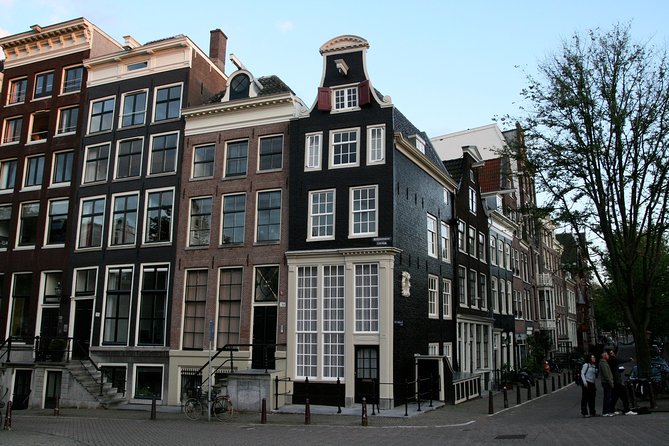
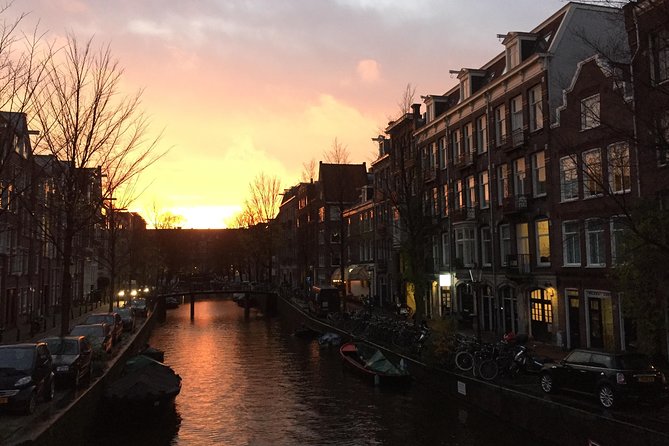
Then the tour leans into the kind of streets you’ll want to return to later: tree-lined canal edges, traditional houseboats, and preserved 17th-century gabled houses. You don’t just see canals; you see why the canal layout and the building styles belong together.
That’s where the guide’s storytelling is especially useful. When someone explains the city’s development in plain terms, the streets stop feeling random.
Begijnhof and the hidden church courtyard effect
One standout segment is the Begijnhof courtyard, including its hidden church. This is the kind of place you can walk past and never notice if you’re not being guided.
Why it’s memorable: it’s a calm pocket that contrasts with the surrounding city movement. It also adds a social layer to your history learning, because courtyards like this reflect how communities organized daily life.
Amsterdam Museum area and old city gate references
You’ll also cover Amsterdam Museum surroundings and talk about older city gates. These aren’t always fixed as dramatic monuments you can climb on, but they help you understand how the city used to be physically defined—where people entered, how movement worked, and how urban boundaries changed over time.
If you like city planning and how old layouts shape modern navigation, you’ll enjoy this part.
De Wallen (Red Light District) alleys: respect, rules, and context
Yes, the tour includes the alleys of de Wallen. But the tone is different from the typical tourist approach. The guide gives you basic information about the workers and keeps the group from interfering with business going on.
You should expect that this portion is handled with boundaries: you likely won’t linger at every location like a free-for-all crowd. Also, this is one of those areas where street lighting and narrow layout amplify the sensory experience—so an organized guide helps keep it respectful and less awkward.
Practical advice: keep your phone away unless the guide indicates it’s appropriate, and treat this as a neighborhood walk with context, not entertainment.
Ending time: finishing in the east with room to keep going
The walk ends near the Nieuwmarkt market area based on the listed end point. The larger concept of the tour is leaving you plenty of day left to explore further, including heading toward Westerchurch on your own schedule.
That mix is what I like most: you get a guided foundation, then you’re free to choose what you’re still curious about after the stories land.
Guides, pace, and the little details that make it feel personal
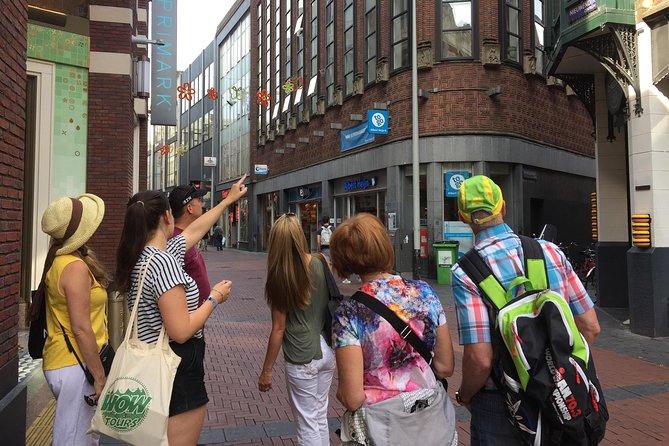
This tour’s best asset is the guide. In the reviews, names like John Jenland, Sean, David, and Shane appear in strong, repeated praise. The common thread isn’t just facts—it’s how clearly they connect architecture and politics to everyday city shape.
You’ll also feel the difference in pace. Multiple reviews call out an easy pace and a well-paced route that covers a lot of territory without turning into a sprint. That balance matters because Amsterdam walking can wear you out fast if you’re chasing too many stops on your own.
Another small but real charm: at least some guides bring a small dog along for the walk. If you’re a dog person, that detail turns the tour more human and friendly. If you’re not, you’ll still be fine—you’re here for the walk and the city facts, not a pet show.
And because the group size is small, you can get tailored advice. Reviews mention getting recommendations on places to eat and drink, and also appreciation for guides encouraging questions. That means the tour doesn’t just end when you leave—it starts helping you plan the rest of your day.
Price and value: is $36.28 a smart spend?
For $36.28 per person, you’re paying for a guided route plus context across a lot of ground in roughly 2.5 hours. In a city like Amsterdam, where you can easily spend that same amount on just a couple of paid admissions or a meal, this feels like a high-value “orientation hit.”
Here’s why the value is real, not just marketing:
- You’re getting a guided route through areas you can walk to on your own, but with history and neighborhood logic that makes the city easier to navigate later.
- You’re not stuck at a single landmark. You’re hearing how different districts relate—central squares, canal-side architecture, court yards, and even the de Wallen alleys with proper context.
- Small-group size helps. You’re not paying for noise—you’re paying for a guide who can actually interact.
If it’s your first day in Amsterdam, this tour is especially efficient. Even if you later book a museum ticket or a longer canal cruise, you’ll understand the city’s map better first.
One more value tip: because the tour is weather-dependent, check the forecast. If rain cancels it, you’ll be offered a different date or a full refund, which reduces the “gamble” factor for planning.
Who this tour suits best (and who might want something else)
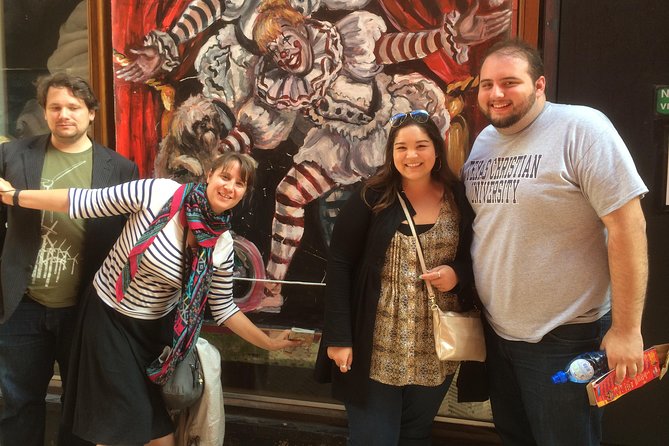
This fits best if you want a first-pass understanding of Amsterdam’s core neighborhoods. It’s ideal for:
- First-timers who want context fast
- History and architecture lovers who like stories tied to buildings
- People who prefer guided walking over large group buses
- Anyone who wants practical food and drink suggestions without doing research for hours
You might consider a different style of tour if you:
- Only want museum interiors and ticketed sights (this is more street-level context than deep indoor time)
- Need a fully accessible route with minimal walking (this isn’t described that way in the provided details)
Should you book Amsterdam Highlights Walking Tour (WOW Tours)?
I’d book it if you want an efficient, well-structured way to see Amsterdam’s best-known areas while still getting real neighborhood context. The small-group size, the guide-led pacing, and the way the route ties squares, courtyards, canals, and districts together make this a strong opener.
If you’re on the fence, here’s your decision rule: if you like learning why buildings and districts look the way they do, and you’re happy with outside-focused landmark time, go for it. If you’re only interested in ticketed attractions and don’t want any Red Light District context, skip and choose a different tour.
FAQ
What’s the duration of the Amsterdam Highlights Walking Tour?
The tour lasts about 2.5 hours.
How much does it cost, and is it offered in English?
It costs $36.28 per person, and it’s offered in English.
Where do I meet for the tour?
You meet at Bistro Berlage, Beursplein 1, 1012 JW Amsterdam. The tour ends at Nieuwmarkt 4, 1012 CR Amsterdam.
How big is the group?
The tour has a maximum of 12 travelers.
What’s included versus not included?
Included: the 2.5-hour walking tour, an English-speaking local guide, and personalized tips for bars and eateries. Not included: hotel pickup and drop-off, and entry to certain sights like the Royal Palace.
What if the weather is bad?
This experience requires good weather. If it’s canceled due to poor weather, you’ll be offered a different date or a full refund.
If you want, tell me your travel dates and your walking tolerance (easy pace vs. sore-legs risk), and I’ll suggest whether morning or later in the day makes more sense for you.