REVIEW · AMSTERDAM
Amsterdam: Cultural Highlights Walking Tour
Book on GetYourGuide →Operated by Amsterdamliebe · Bookable on GetYourGuide
Amsterdam makes history walkable. This 2-hour cultural tour links Dam Square and the calm courtyard of Begijnhof with stories that connect medieval life, the Golden Era, WWII, and life in today’s tolerant city.
I love how the guide keeps things moving with photo stops and short explanations, so you feel oriented fast without it turning into a lecture. One thing to factor in: there are no food and drinks included, and you’ll be outside a good chunk of the time, so bring an umbrella and plan a snack afterward.
- National Monument start point gives you context on WWII remembrance before you even begin walking
- Dam Square and the Amstel link connect Amsterdam’s origins to daily life and trade
- Bridges, canals, and canal houses keep the sightseeing visual, not abstract
- Begijnhof as a breather: you trade busy streets for a quieter slice of city life
- Free-to-enter sights on the route means more of your money goes to the guide, not tickets
In This Review
- Dam Square to Begijnhof: the Big-Picture Value of This 2-Hour Walk
- Meeting at the National Monument: the Fastest Way to Orient
- Dam Square and the Royal Palace: Where Amsterdam’s Story Gets Loud
- Beurs van Berlage and Magna Plaza: From Commerce to City Life
- Torensluis Bridge and Multatuli: Colonial Links You Can Actually See
- Anne Frank Monument, Westerkerk, and Homomonument: WWII and the City’s Moral Compass
- De Negen Straatjes and Spui Square: What to Do After the Tour
- Begijnhof: the Tour’s Calm Courtyard Moment
- The Amstel and the Return to the National Monument: Closing the Loop
- How Good Are the Guides Here (and Why It Matters)
- Price and Value: Why $30 Works Here
- What to Bring and How to Pace Yourself
- Who This Tour Fits Best
- Should You Book This Amsterdam Cultural Walking Tour?
- FAQ
- Where do I meet for the tour?
- How long is the walking tour?
- What is included in the price?
- Are there admission fees during the tour?
- What languages are available?
- Is the tour suitable for kids or wheelchair users?
Dam Square to Begijnhof: the Big-Picture Value of This 2-Hour Walk

If Amsterdam feels like a blur of bikes, canals, and angles, this tour is a smart reset. In two hours, you get a guided story of how the city grew, what changed over time, and why the Dutch capital can feel both historic and strangely modern at the same time.
The best part is how the route mixes “headline” locations with smaller, mood-shifting stops. You’ll start at Dam Square’s core energy, then move toward quieter places like the Begijnhof courtyard. It’s also built around the idea that Amsterdam is not one story—it’s many eras talking to each other.
Meeting at the National Monument: the Fastest Way to Orient
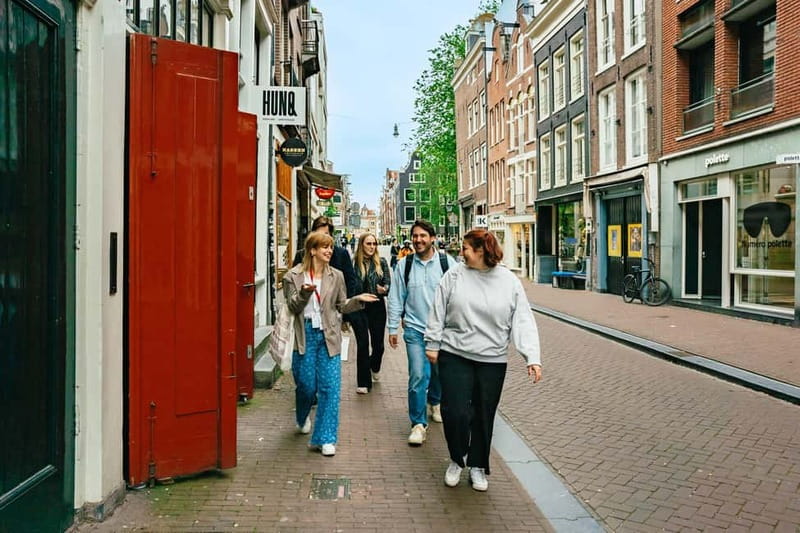
You meet on the stairs of the National Monument at Dam Square. It’s the big white pillar/obelisk in the open, and your guide wears a red name tag so you can spot them without hunting.
Starting here matters because it frames the tour’s recurring theme: how WWII reshaped the city, and how the monument now honors victims of wars beyond just one conflict. Even if you’ve seen photos of Amsterdam’s wartime story, this start point helps you notice how memory is woven into the downtown streets.
You can also read our reviews of more walking tours in Amsterdam


Dam Square and the Royal Palace: Where Amsterdam’s Story Gets Loud
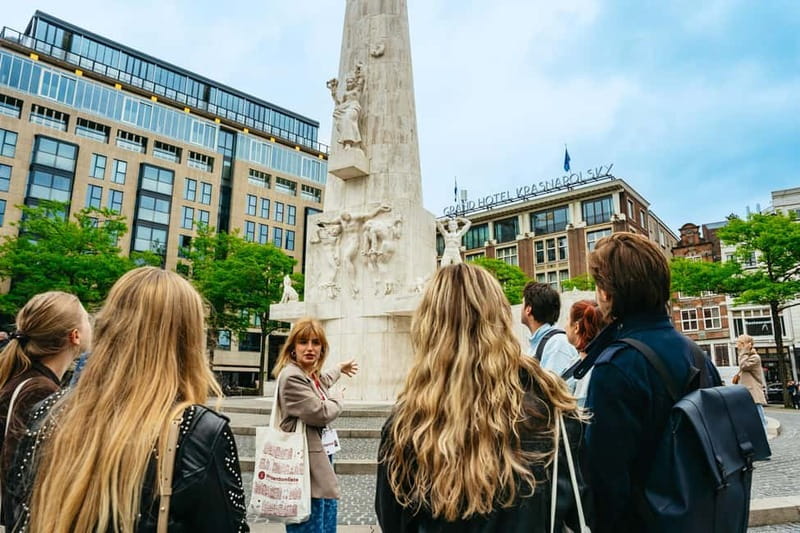
Dam Square is where the city’s foundation story lives, and the tour gets you there right away. You’ll do a photo stop and get a guided walkthrough that sets the tone for what you’ll hear later—about who lived here, how power worked, and what day-to-day life looked like centuries ago.
From there, the Royal Palace of Amsterdam and nearby landmarks come into view as part of the “who held influence, and why” conversation. You also pass the New Church Nieuwe Kerk area, plus other downtown civic markers that help explain how the city grew from a trading hub into a place with major cultural pull.
A practical note: Dam Square can feel crowded. The advantage of having a guide is you don’t just stand there taking pictures—you learn what to look for while people move around you.
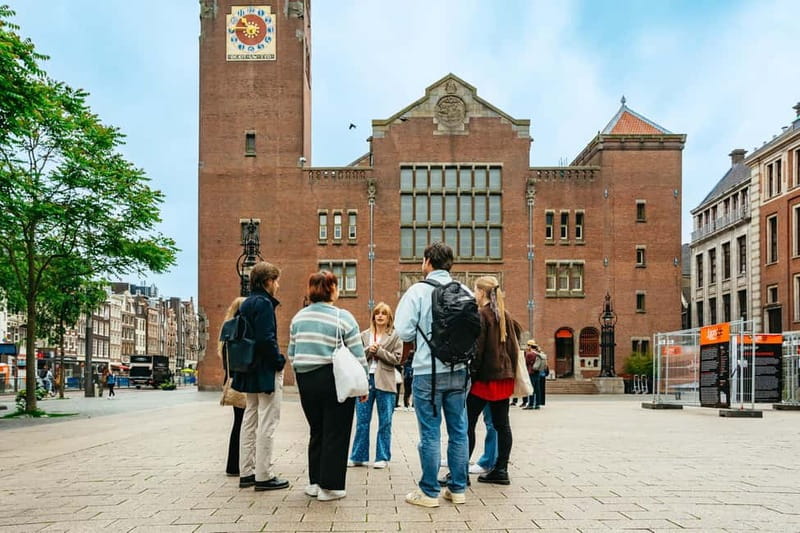
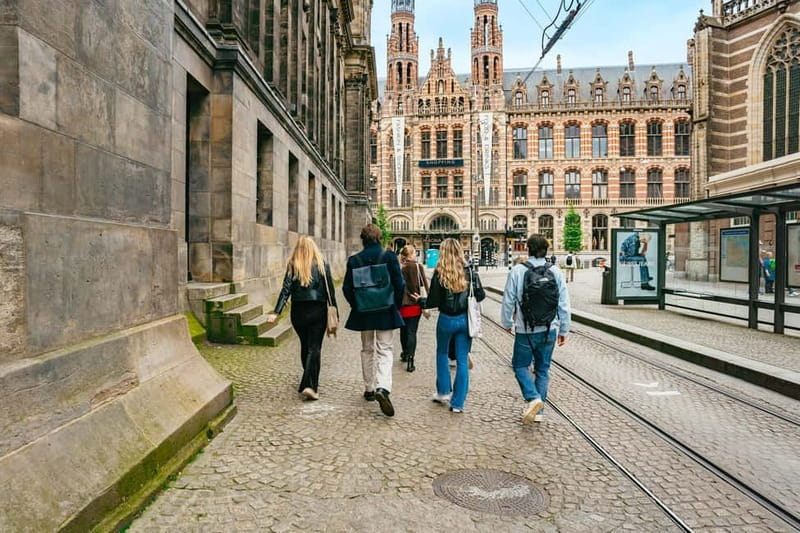
Beurs van Berlage and Magna Plaza: From Commerce to City Life
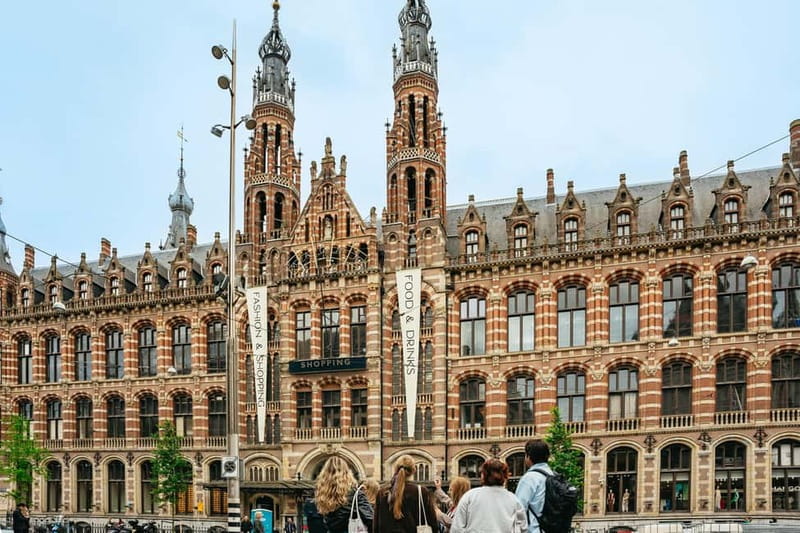
This walk doesn’t treat architecture like decoration. You’ll stop near Beurs van Berlage and later at Magna Plaza, and the guide uses these points to connect the city’s economic pulse to real people—merchants, salesmen, and others whose lives were very different depending on their place in the system.
This is one of my favorite parts of the tour conceptually: you’re not only seeing buildings, you’re learning how Amsterdam’s identity was shaped by work, exchange, and urban planning. That makes the rest of your trip easier because you’ll start recognizing why certain streets and districts feel the way they do.
If you’re someone who likes context, you’ll appreciate that the tour threads topics together instead of treating each stop as a separate trivia card.
Torensluis Bridge and Multatuli: Colonial Links You Can Actually See
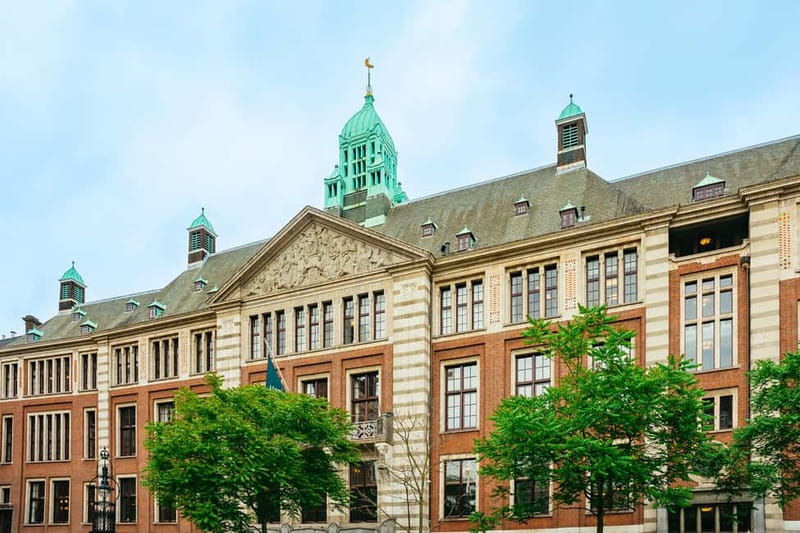
As you move along toward Torensluis Bridge, you’ll hear the kind of story that changes how you read the city. There’s a statue of Multatuli on the bridge area, and the tour ties it to the colonial era—something many first-time visitors know only in broad strokes.
You’ll also pass a tiny house in the city. It’s the kind of stop that feels almost comical until the guide explains what it meant in everyday terms. For me, these small-scale details are what make a walking tour feel real rather than generic.
Look for the way the canal-side environment frames these stories. Amsterdam’s physical layout helps the guide make the past feel present—you’re literally walking through the same spatial logic that once supported trade, housing, and movement.
Anne Frank Monument, Westerkerk, and Homomonument: WWII and the City’s Moral Compass
The tour brings in WWII directly, including an Anne Frank Monument stop. It’s not just about names or dates. You’ll connect the way the war changed people’s lives to what Amsterdam became afterward—and how remembrance shows up in the street-level city experience.
Then the route continues through major landmarks like Westerkerk and the Homomonument. The guide uses these stops to point toward Amsterdam’s identity today, including the idea of tolerance and a multicultural city. It’s a lot to cover, but the walk helps keep it from feeling heavy by balancing meaning with small “look at this” moments along the way.
One helpful tip: if you’re traveling with kids, this kind of mix works well because the guide can explain history as a human story, not just an event. And if you’re traveling solo or as a couple, you’ll still get the structure that keeps you from wandering randomly for hours.





De Negen Straatjes and Spui Square: What to Do After the Tour
You’ll cross through Spui Square and then reach the De Negen Straatjes area. This is where the tour shifts from “big story” to “how you’ll actually enjoy your remaining time.”
There’s specific guidance here about what foods you must try and which parts of town you can explore independently by bike. That matters because the best day in Amsterdam is often the one you plan after you understand the city’s logic—where to start, how to move, and what to prioritize.
If your schedule is tight, this section helps you decide fast. You’ll leave knowing which districts are best handled on your own rather than trying to fit everything into a single day.
Begijnhof: the Tour’s Calm Courtyard Moment
When you reach Begijnhof, the energy drops in the best way. The tour describes it as a pearl of Amsterdam, and you’ll do a photo stop and guided tour there—one that works like a reset button after busier streets and bridges.
Begijnhof is one of the few places downtown where the mood becomes quiet enough to feel the city’s different layers. The guide also uses the stop to talk about architecture and everyday local life, helping you understand why this kind of enclosed courtyard matters in a canal-city that’s otherwise open and loud.
If you’ve been thinking Amsterdam is just canals and buildings, Begijnhof gives you proof that the city also runs on community spaces and slower rhythms.
The Amstel and the Return to the National Monument: Closing the Loop

On your way back, you’ll see the Amstel—the river that the city owes its name to. This is a key closing move because it ties everything together: commerce, canals, and how the river shaped growth.
You’ll finish again at the National Monument. That return is useful. By the time you reach it, you’ve walked through the city’s human story—trade and inequality in the Middle Ages, art and ambition in the Golden Era, the rupture of WWII, and today’s push toward tolerance and multicultural life.
It’s a satisfying arc for a short tour, and it helps you remember what you learned because you experience it in order.
How Good Are the Guides Here (and Why It Matters)

The guide quality is a standout reason to book. Names like Sonja, Francesco, Noah, Lili, Ginevra, and Alex show up again and again in people’s feedback, with praise focused on clear storytelling, safe and professional pacing, and answering questions.
I like that the tour isn’t just facts. It’s stories you can carry with you while you keep walking. And multiple people have highlighted a well-paced experience—even when the weather was grim—so you don’t lose your momentum.
Also, some reviews mention small group sizes. That can make a difference because you’re not fighting for attention every time you ask something. If you want a more personal feel, this is the kind of tour you should look for.
Price and Value: Why $30 Works Here
$30 per person for a 2-hour, guided walking tour isn’t just about being cheap—it’s about where the value lands. You’re paying for context, direction, and the ability to see a set of downtown highlights without getting ticket headaches or spending half your trip figuring out where to start.
City tax is included, and the tour specifically notes that you won’t have to pay admission fees during the route. That means you’re not constantly stopping to calculate extra costs while you’re already paying for a guide’s time.
The route is also designed for first-timers: you get Dam Square, bridges, key canal-side stops, Begijnhof, and a WWII memorial focus. If you’re only in Amsterdam for a short window, this kind of orientation often pays off fast.
What to Bring and How to Pace Yourself
For this walk, keep it simple:
- Comfortable shoes (you’ll be on your feet for two hours)
- Umbrella (Amsterdam weather can change quickly)
- Water
The tour is described as suitable for children, and it’s wheelchair accessible, so the pacing is generally not the kind that leaves you sprinting between photos. Still, I’d plan for a steady stroll and a few short stops where you’ll look, listen, and ask questions.
If you’re sensitive to language accents, note that tours run in English, German, and Italian. People have said German-accent clarity can take a moment, so pick the language that feels most comfortable for you and ask for repetition if needed.
Who This Tour Fits Best
Book this if you want an efficient introduction to central Amsterdam with enough history and culture to make the rest of your trip smarter. It’s especially good for:
- First-time visitors who want structure and meaning
- People who like walking tours that stay story-driven
- Travelers who want practical advice afterward, like what foods to try and what to do by bike
Skip it if you’re looking for long museum time or for ticketed interior visits. This tour is built around outdoor, city-center highlights and guided context, not deep museum hours.
Should You Book This Amsterdam Cultural Walking Tour?
Yes—if you want a guided “map with meaning,” this is a solid pick. For $30, you get a tight route through Dam Square, canal-side perspectives, Begijnhof’s calm, and a clear WWII thread that helps you understand why certain places feel the way they do.
I’d book it early in your stay. You’ll finish with better instincts for where to wander next, plus a set of stories that make Amsterdam’s streets feel less random.
FAQ
Where do I meet for the tour?
Meet on the stairs of the National Monument at Dam Square. The monument is a big white pillar/obelisk, and your guide will wear a red name tag.
How long is the walking tour?
The tour lasts 2 hours.
What is included in the price?
You get the walking tour, a guide, and city tax.
Are there admission fees during the tour?
No. The tour notes that you will not have to pay admission fees because all sights can be visited for free during the tour.
What languages are available?
The live guide is available in English, German, and Italian.
Is the tour suitable for kids or wheelchair users?
Yes. It’s suitable for children and is wheelchair accessible.