REVIEW · ROME
Rome: Trevi Fountain, Spanish Steps & Pantheon Walking Tour
Book on GetYourGuide →Operated by City Wonders Ltd. · Bookable on GetYourGuide
Rome’s best sights can feel less like a checklist. This walking tour strings together the Pantheon, Trevi Fountain, and the Spanish Steps at an easygoing pace, with a guided visit timed to help you actually enjoy it. I especially like the way you get time at the big photo spots, plus the guided Pantheon focus on the dome and oculus. One consideration: it’s still a fair amount of walking, and the Pantheon can occasionally close for ceremonies or access changes.
If it’s your first time in Rome, this is a smart way to get your bearings without sprinting from monument to monument. Expect a route through classic piazzas, then a couple of well-timed pauses so you can recharge. Do bring sturdy shoes, and if you want the Pantheon ticket, double-check you booked the Group Tour option.
In This Review
- Key Things That Make This Tour Worth Your Time
- Why This Walk Works: Big Landmarks, No Sprinting
- Piazza Navona: A Baroque Stage Set for Your First Photos
- The Pantheon Stop That Actually Teaches You How to Look
- Trevi Fountain Early Energy and the Real Story Behind It
- Piazza Colonna Passing Through: Ancient Power in a Modern City
- Café Break and Gelato: Small Pauses That Keep the Day Fun
- The Spanish Steps Finish: Where the Tour Ends and the Evening Starts
- Price and Value at $34: When a Guide Is Worth It
- Practical Tips for a Smooth Walking Day
- Who Should Book This Tour (and Who Should Skip It)
- Should You Book This One?
- FAQ
- How long is the Rome Trevi Fountain, Spanish Steps & Pantheon walking tour?
- Where is the meeting point for the tour?
- Is hotel pickup included?
- Is entry to the Pantheon included?
- Is gelato included?
- Is tossing a coin into Trevi Fountain allowed?
- What language is the guide?
- What should I wear or bring?
- What items are not allowed on the tour?
- Is the tour suitable for people with mobility impairments?
Key Things That Make This Tour Worth Your Time
- Pantheon dome with reserved entry (group option) so the stop is more than just a photo outside
- Trevi Fountain explained clearly, including what’s going on with the sculptures and ancient aqueduct story
- Piazza Navona on your route with Bernini’s Fountain of the Four Rivers as the visual anchor
- Pace built for enjoyment: short photo stops, guided time inside, and time to breathe
- Gelato break included on Group Tours, placed when you’ll feel it most
- Guides bring Rome to life with personal storytelling styles (you’ll hear everything from anecdotes to politics)
Why This Walk Works: Big Landmarks, No Sprinting
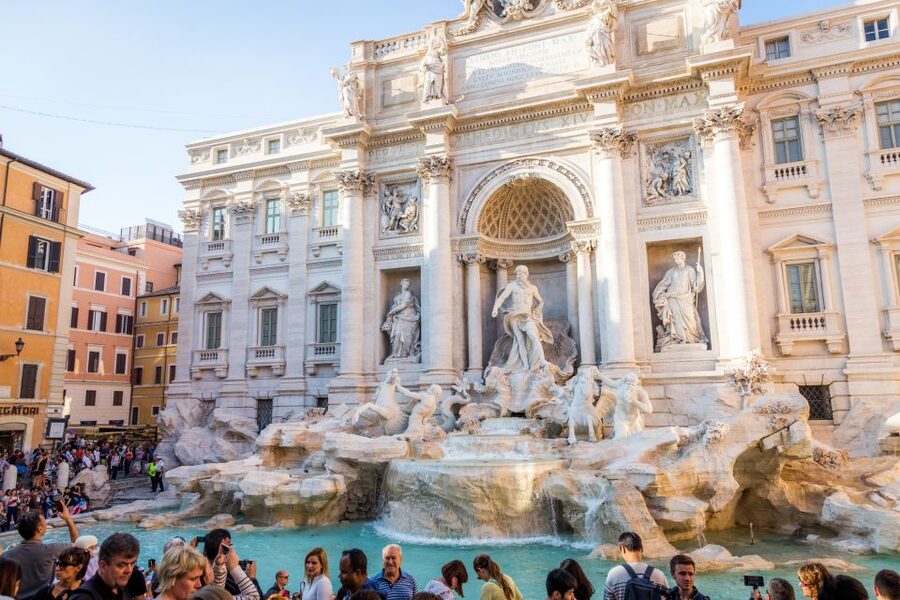
This tour is built around three realities of Rome: the sights are famous for a reason, the crowds can be intense, and your day goes faster than you think. The route keeps you in Rome’s central historic area, moving from one iconic stop to the next without turning it into a nonstop blur.
What I like most is the balance of guided time and breathing room. You’re not just looking at buildings; you’re learning what to notice while you’re standing there. And the pacing matters. When the day is too tight, you remember the stress more than the place.
Also, the smaller-group feel (private or small groups are available) tends to make it easier to hear the guide and ask questions. On tours like these, that’s the difference between seeing Rome and understanding it just enough to enjoy the rest of your trip.
You can also read our reviews of more walking tours in Rome


Piazza Navona: A Baroque Stage Set for Your First Photos
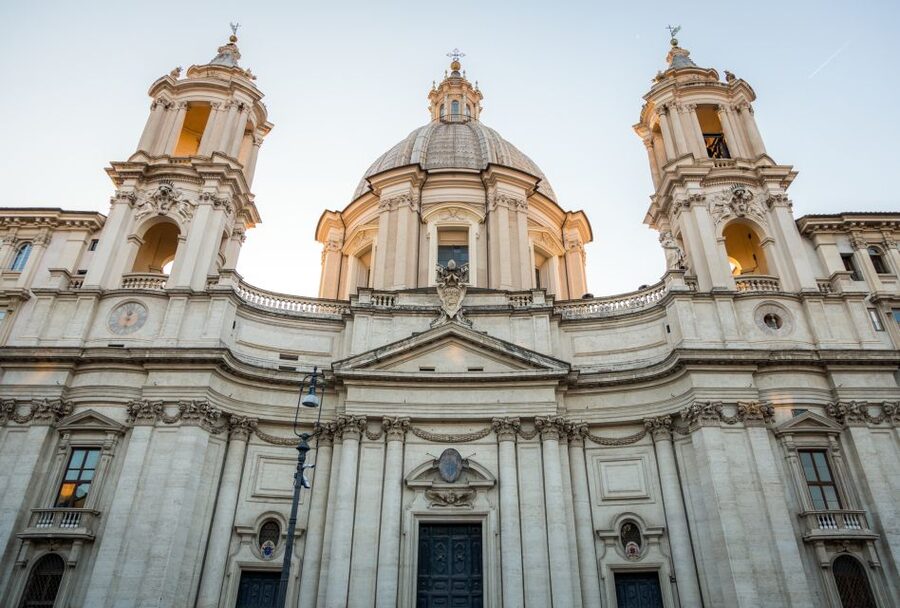
Piazza Navona hits you with instant drama. The square feels like a theater: stone, movement, and a giant focal point that draws your eyes even when you’re trying to focus on conversation. You’ll get a guided stop and photo time here, around 30 minutes, which is long enough to take pictures without feeling rushed.
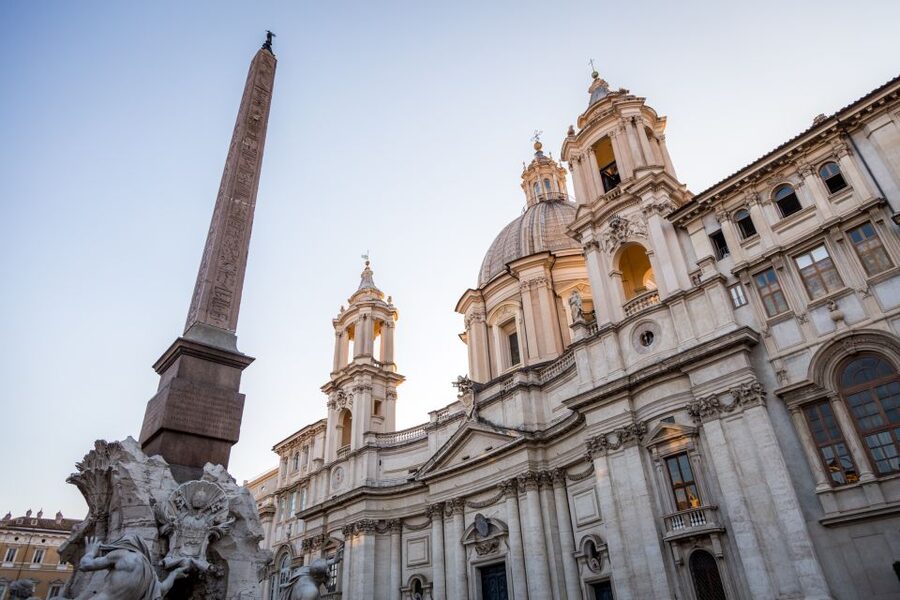
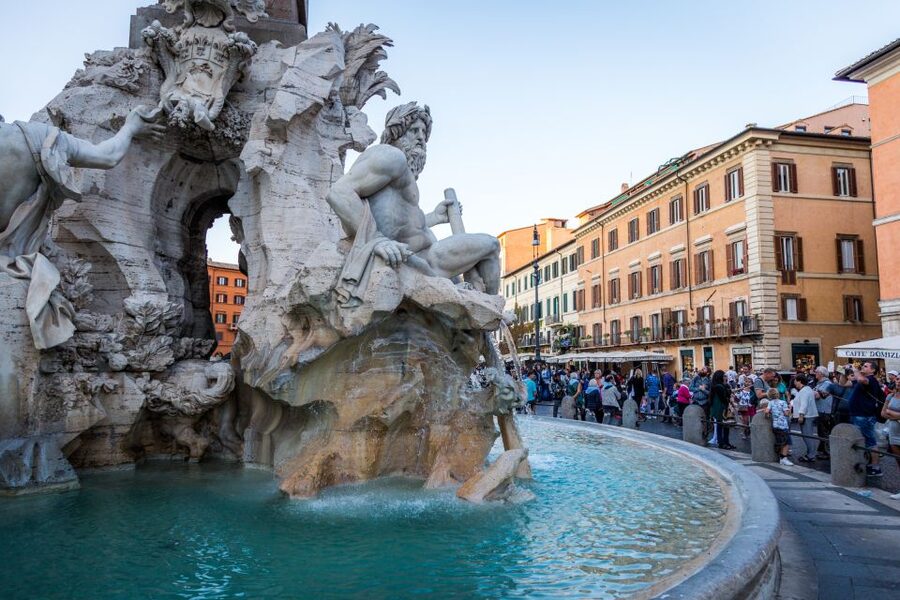
What makes this stop worthwhile is how it sets the tone for the whole walk. Baroque Rome isn’t just pretty. It’s designed to guide your attention: toward the center, toward the main sculpture, toward the action in the square. Bernini’s Fountain of the Four Rivers dominates the area, and you’ll learn how the visual language of the fountain ties to the beliefs and power of the period.
If you’re the kind of traveler who likes to understand what you’re looking at, Navona is a great warm-up. If you’re mainly there to grab a few clean photos, you still get enough time to do both.
The Pantheon Stop That Actually Teaches You How to Look
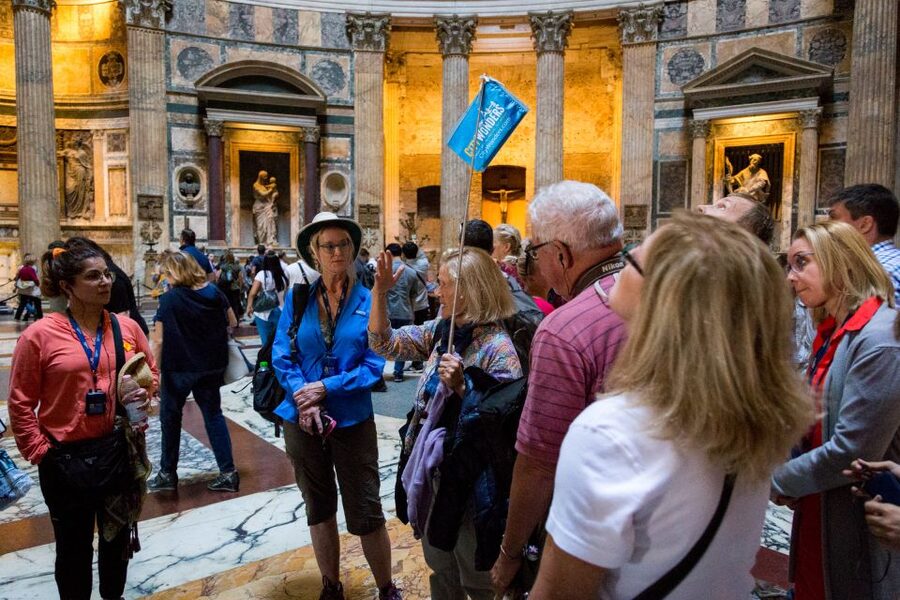
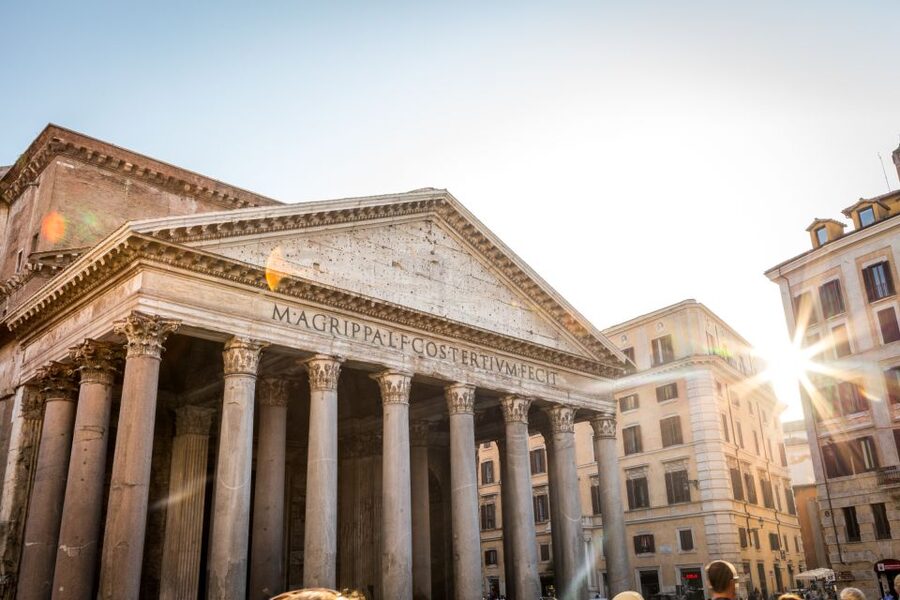
The Pantheon is the kind of place that can go one of two ways: either you feel awed for 10 seconds and then move on, or you learn how to pay attention and it stays with you. This tour aims for the second outcome by focusing on what makes the building work—especially the dome and the oculus.
You get a guided visit (about 40 minutes), plus the Pantheon entrance ticket and guided time are included with the Group Tour option. That matters because the Pantheon isn’t just a museum stop; it’s an active religious site. Access can also change for ceremonies, so having a plan and a guide to steer you through timing and expectations is a plus.
Here’s what to notice while you’re inside:
- The dome’s scale and how it visually “rings” the room
- The oculus overhead and the way light changes the space
- How the interior proportions make the building feel both ancient and strangely human
One thing I really like about this tour’s approach is that it doesn’t treat the Pantheon as a single highlight. It gives you context so you can keep seeing Rome’s design logic after you leave. Guides like Fabio and Maria are often praised for turning technical details into stories you can picture in your head.
Trevi Fountain Early Energy and the Real Story Behind It
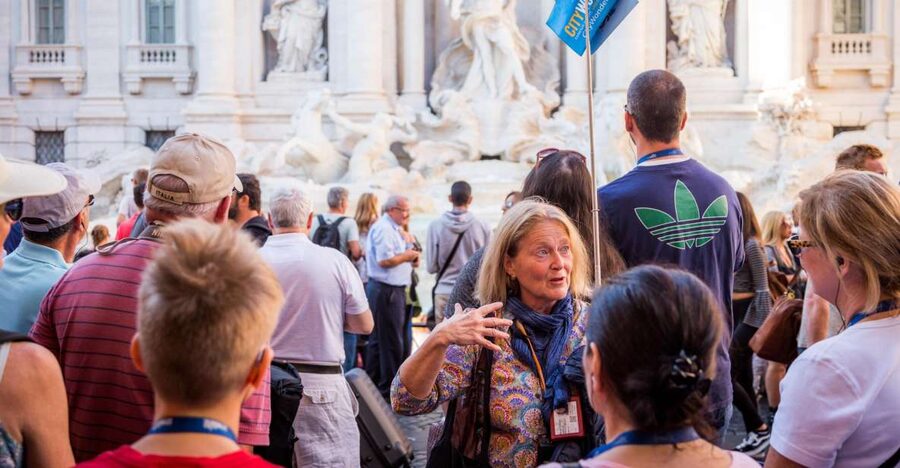
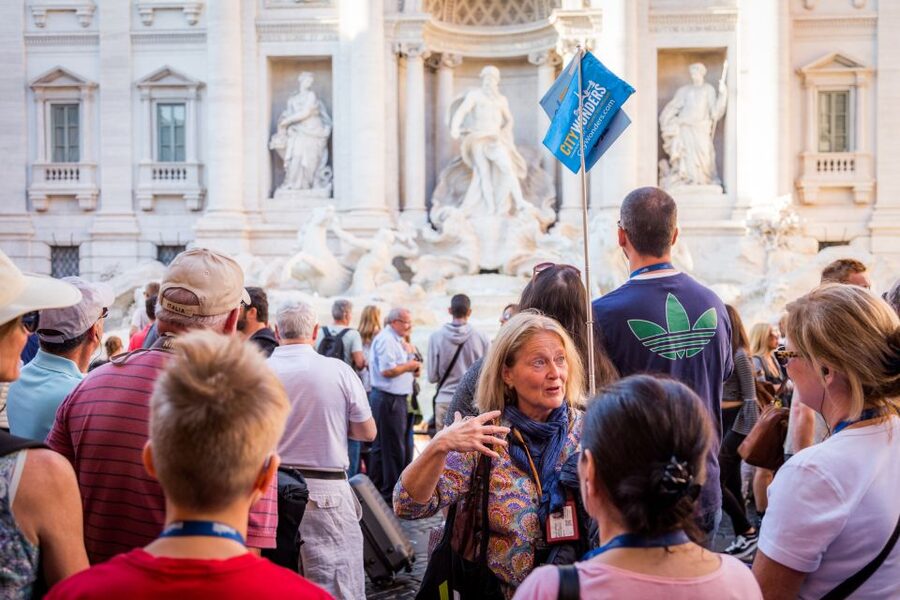
Trevi Fountain is one of those places that always looks better in person than in photos—then one of those places where the crowd can ruin your experience. Doing it as part of a guided walk helps because your stop is structured: you get about 20 minutes for photos and time to look, with a guide who explains the background as you’re there.
You’ll also get the history connection that turns the fountain from decoration into engineering. The guide tells you the fascinating story tied to the ancient aqueduct—why the fountain exists where it does and what it represented. And the sculptures aren’t just ornaments. They’re part of the narrative Rome wanted to project.
Two practical notes:
- Tossing a coin into the fountain is not permitted
- Try to position yourself smartly. The middle of the fountain is the busiest. If you want details, step to the side for a different angle
The early-morning or less-crowded timing (depending on your start time) is often a big bonus. One guide-driven advantage shows up again and again in the feedback: places like Trevi feel calmer when you’re guided through them instead of wandering into them alone.
Piazza Colonna Passing Through: Ancient Power in a Modern City
You’ll pass through Piazza Colonna, home to the Column of Marcus Aurelius. It’s not always the first stop people think of in Rome, which is exactly why it’s a good fit on a walking route like this. It’s a chance to connect the city’s “old Rome” to its present-day streets.
The column tells a story in stone, and the guide can point out what you’re actually looking at—how the reliefs work and why the monument was meant to communicate power and legitimacy. Even if you only get a pass-through moment, the visual impact is strong. It’s the kind of stop where you look for 30 seconds and then suddenly it feels like you’ve seen more.
This is also where the tour’s pacing feels sensible: you get movement, then another major stop. It keeps the day from turning into one giant queue.



Café Break and Gelato: Small Pauses That Keep the Day Fun
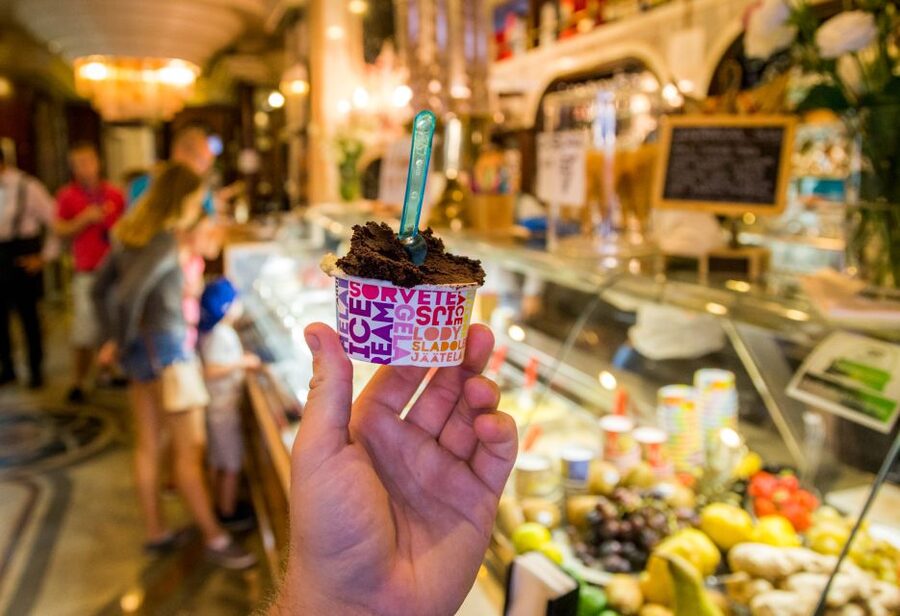
Rome walking tours can feel long when they skip the human stuff: you need a bathroom stop, a drink, a moment to sit. Here, there’s a planned break at a local café (around 30 minutes), and on Group Tours you also get a gelato break included.
I like this scheduling. The big monuments can be mentally heavy—architecture, stories, names, dates. A pause gives you time to reset and enjoy what you’ve just seen. One common theme in the guide feedback is that they don’t just recite facts. They keep things lively and readable, with humor and anecdotes that help you stay engaged even when you’re tired.
So think of the café and gelato as more than a perk. They keep you from turning your tour into a suffering session. Rome rewards slow attention, and this is designed to support that.
The Spanish Steps Finish: Where the Tour Ends and the Evening Starts
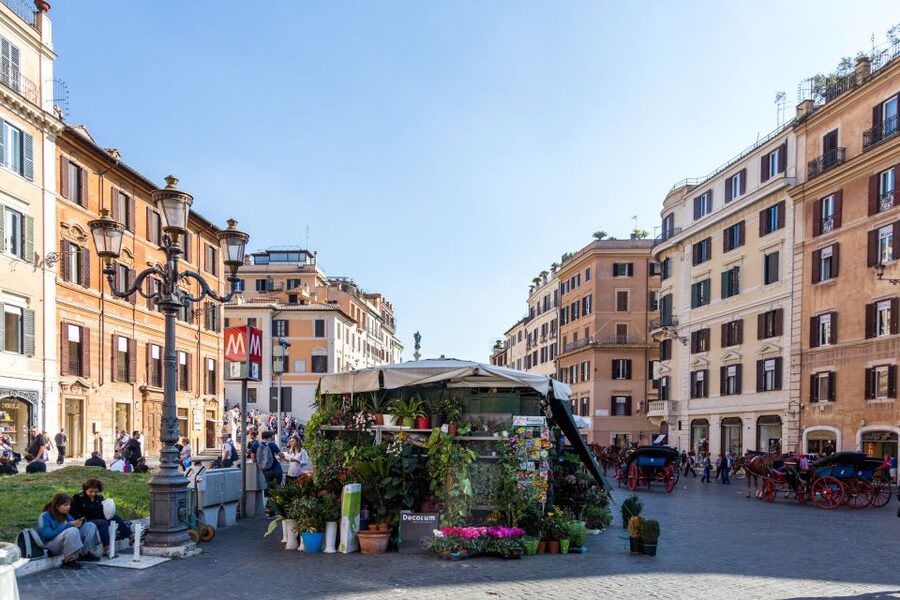
You’ll finish at Piazza di Spagna, with photo time and a walk through the area (about 30 minutes here). The Spanish Steps are famous, but the real value is the atmosphere around them. They’re a meeting point for Rome in a way that feels almost casual—people chatting, street life moving, and tourists milling around without anyone pretending it’s quiet.
This is a good ending because it gives you an easy transition into the rest of the day. You’re not ending in some random alley or a parking lot. You’re ending in one of the most recognizable zones in the city, with plenty of choices for how you want to continue—wander a bit, grab dinner, or simply sit for a while and watch the place work.
If you’re traveling in warmer months, timing matters. Later-day starts can be hot, and one traveler noted how they did a late-afternoon tour at summer peak temperature and stayed mostly in shade with a still-enjoyable pace. That’s a good reminder: wear breathable clothes and plan to use the shade when you can.
Price and Value at $34: When a Guide Is Worth It
At $34 per person, this tour is priced like an efficient, entry-included city experience. The key value isn’t just the landmarks. It’s how much time you spend with someone who can tell you what matters while you’re actually looking at it.
Here’s what pushes the value higher than a DIY loop:
- Pantheon ticket and guided visit are included with the Group Tour option
- A professional English-speaking guide shapes your focus, so you don’t leave the Pantheon with only vague awe
- You get a gelato break included on Group Tours
- The route is short enough to fit into a half-day without stealing your whole schedule
Is it “cheap”? No. But it’s also not priced like a premium private chauffeur day. For first-timers, this kind of guide-led focus can cut down the time you’d spend figuring out what to prioritize—and that time adds up in Rome.
Practical Tips for a Smooth Walking Day
This is a walking tour with comfort limits you should respect. Before you go, I’d plan on:
- Comfortable shoes. The itinerary is built around steps and uneven streets.
- Comfortable clothing, especially for sun or shade changes.
- No luggage or large bags, and no baby strollers.
- Sleeveless shirts are not allowed, so pack something that covers shoulders if that’s an issue for your wardrobe.
A couple of Rome-specific realities:
- The Pantheon is an active religious site and may close for ceremonies
- Some parts of the route can be affected by restoration, which can change access or views
And one last practical point: arrive at the meeting spot on time. You’re expected to be there 10 minutes before the scheduled start. The driver allows a maximum tolerance of 15 minutes; missing that can mean you lose the tour without refund.
Meeting point is Via Giuseppe Zanardelli, 21, 00186 Roma, in front of the Anni 60 restaurant, where coordinators hold a City Wonders flag or sign.
Who Should Book This Tour (and Who Should Skip It)
This tour is a strong fit if:
- You want Rome’s biggest hits in one half-day
- You care about context, not just selfies
- You like a relaxed pace with built-in breaks
- You want a guided approach to the Pantheon and Trevi Fountain
It’s less suitable if:
- You have mobility impairments or use a wheelchair
- You need stroller access or heavy-bag hauling (those aren’t allowed)
If you’re traveling with kids, it’s worth checking age comfort yourself, but keep in mind strollers and baby carriages aren’t allowed. If you’re traveling with mobility needs, you’d likely do better with a different format that can reduce walking.
Should You Book This One?
I’d book it if you’re trying to see the center of Rome without exhausting yourself and you want someone to point out what you’d otherwise miss—especially inside the Pantheon. The guide-driven focus shows up in the feedback again and again, with names like Fabio, Francesco, Maria, and Scott praised for making each stop feel lively, not mechanical. Even when the tour is short, the storytelling style seems to be the difference.
I’d think twice if you hate walking, need wheelchair-friendly access, or get easily annoyed by crowd dynamics at places like Trevi—though the structured timing helps, it doesn’t eliminate the fact that these are Rome’s headline attractions.
If your goal is a smart intro to Rome’s classics—Pantheon, Trevi, Navona, and the Spanish Steps—this is a good value way to do it.
FAQ
How long is the Rome Trevi Fountain, Spanish Steps & Pantheon walking tour?
The duration is listed as 2.5 to 4.5 hours, depending on the selected starting time and option.
Where is the meeting point for the tour?
You meet at Via Giuseppe Zanardelli, 21, 00186 Roma RM, in front of the Anni 60 restaurant. Coordinators hold a City Wonders flag or sign.
Is hotel pickup included?
Hotel pickup is not included except for the Private Tour option. Pickup is optional in some cases, and you need to email the pickup address with your booking reference.
Is entry to the Pantheon included?
Pantheon entrance is included only with the Group Tour option. If you choose a different option, you should confirm what’s included before you go.
Is gelato included?
Gelato break is included for Group Tours.
Is tossing a coin into Trevi Fountain allowed?
No. Tossing a coin into the fountain is not permitted.
What language is the guide?
The tour guide speaks English.
What should I wear or bring?
Bring comfortable shoes and comfortable clothes, since there is a fair amount of walking.
What items are not allowed on the tour?
Baby strollers, luggage or large bags, sleeveless shirts, and baby carriages are not allowed.
Is the tour suitable for people with mobility impairments?
No. The tour is not suitable for wheelchair users or people with mobility impairments.