REVIEW · BUDAPEST
Virtual Reality Walking Tour
Book on Viator →Operated by VR Tours · Bookable on Viator
Buda Castle turns into a movie right on the streets of Budapest. This virtual reality walking tour mixes an on-site explanation with 360/3D VR visualizations that show what the building and its surroundings were like in earlier times.
I particularly like that you do not have to fuss with gear—a VR headset is provided—and the audio commentary does the heavy lifting by explaining what you are seeing during the virtual scenes. The one drawback to weigh: it is not ideal if you have epilepsy, and the experience is also not recommended for kids under 13.
In This Review
- Key things to know before you go
- Buda Castle in VR: why this experience feels different
- What you’re really buying: headset + guided storytelling
- The flow on the ground: where you start and how long it takes
- Walking-and-VR itinerary: what happens during the experience
- 1) Getting oriented near Lánchíd u. 23
- 2) VR scenes tied to Buda Castle’s history
- 3) A guided wrap-up and back to the meeting point
- Why the audio matters more than you expect
- Price and value: is $48.37 worth it?
- Who this tour is best for (and who should skip it)
- Small group perks: pace, help, and comfort
- Weather and timing: plan smart in Budapest
- Should you book the Buda Castle VR walking tour?
- FAQ
- How long is the virtual reality walking tour?
- Where does the tour start?
- Does the tour provide the VR headset?
- Is the tour offered in English?
- What’s the maximum group size?
- Is it suitable for children?
- Is the tour recommended for people with epilepsy?
- What happens if the weather is poor?
- Can I get a refund if I cancel?
Key things to know before you go

- 360/3D VR scenes help you understand Buda Castle in a more immediate way than photos alone
- Headsets are provided, so you can travel lighter and start faster
- English audio commentary guides you through what’s happening in each virtual moment
- Small group size (max 20) keeps the pace manageable and the staff easier to reach
- Good weather matters, since the activity runs outdoors around the castle area
Buda Castle in VR: why this experience feels different
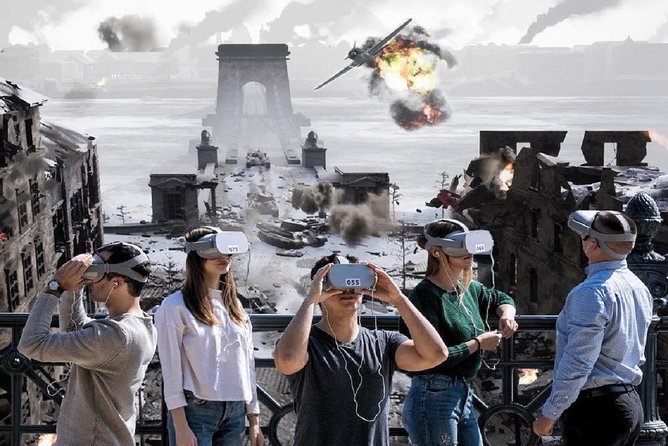
Buda Castle can be one of those sights you think you understand—until you’re standing there and realizing how much time has passed. This tour uses 360/3D virtual reality to show you earlier moments connected to the castle, so the story lands while you’re looking at the real place.
I like the practical angle: rather than just listing facts, the narration is tied to what you see in VR. That means you spend less time trying to mentally connect dots, and more time actually grasping the building’s changing past.
Budapest’s castle district also has a lot of visual texture—hills, stone, viewpoints, and dramatic architecture. VR doesn’t replace that. It works like a lens that helps you notice details you might otherwise miss.
You can also read our reviews of more walking tours in Budapest



What you’re really buying: headset + guided storytelling
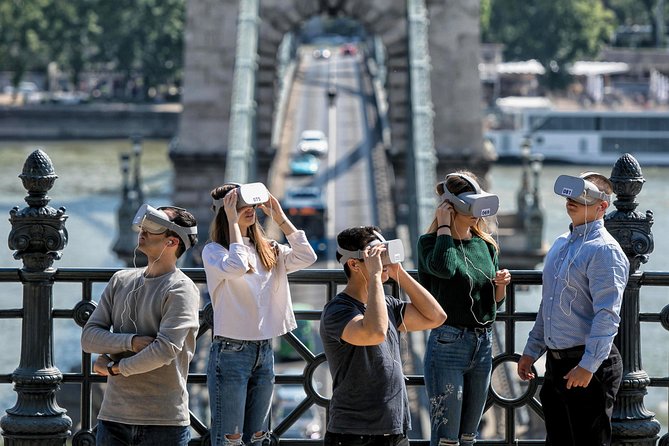
The headline feature is the VR, but the value comes from the way the VR is explained. The tour includes audio commentary that supports the virtual scenes, so you’re not just wearing a headset in silence. If you’ve ever done VR experiences where you feel lost, this structure helps a lot.
Another thing I like: the tour keeps moving. Even though you’re using a headset, you’re not stuck in one static room for the whole time. The idea is a walking-style experience with VR moments layered in, which fits well with Budapest sightseeing. You can keep your bearings instead of losing them.
And yes—staff support matters. The feedback I’m using here points to guides and staff who are pleasant, easy to connect with, and quick to help you figure out what’s going on. For a first VR experience, that human support can be the difference between fun and frustration.
The flow on the ground: where you start and how long it takes
You meet in Budapest at Lánchíd u. 23, 1013 Hungary. The tour ends back at the same meeting point, so you’re not left scrambling to find your way after the headset portion.
Timing is usually about 1 hour 15 minutes to 1 hour 35 minutes. That’s a sweet spot: long enough to include meaningful explanation and VR time, but not so long that it becomes a marathon. It’s also the kind of length that fits neatly between other castle-district plans, like viewpoints and a quick meal.
The group size is capped at 20 people, which tends to keep things orderly. With smaller groups, you get a steadier pace and more chance to ask a question without waiting forever.
Walking-and-VR itinerary: what happens during the experience
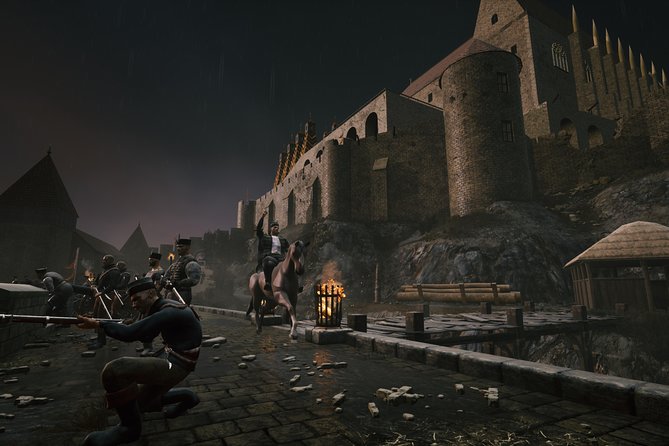
The tour is built around one central idea: learn about Buda Castle and then use VR to see connected past scenes. While the exact micro-stops are not laid out as multiple named checkpoints, you can expect the experience to follow a clear rhythm.
1) Getting oriented near Lánchíd u. 23
Before you go into the main VR moments, you’ll get set up and brought into the story. This is the phase where staff help you connect the dots—where you are, what you’re about to see, and what the narration will focus on.
Practical tip: if you’re wearing glasses or have contact lenses, double-check that you’re comfortable before the headset goes on. VR can amplify the feeling of tight straps or an awkward fit.






2) VR scenes tied to Buda Castle’s history
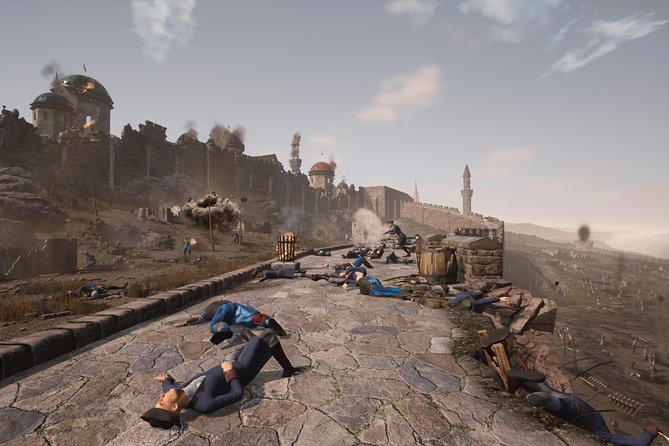
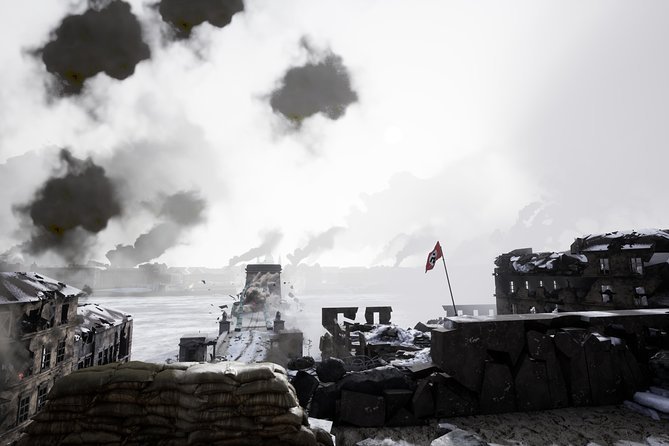
The core is a mind-bending 360/3D virtual reality experience with action and visuals. The goal is not just spectacle—it’s understanding. The audio commentary is there to explain what you’re looking at inside the virtual scenes, so it connects to the real castle area instead of feeling like a random headset show.
Because VR is usually strongest when it matches your real-world location cues, this format works well in a place like Budapest where the castle zone is visually strong. You’re not just learning about a monument; you’re learning in context.
3) A guided wrap-up and back to the meeting point
When the VR portion is complete, you return to the meeting point. This matters more than it sounds. You’re not forced into an unfamiliar transit scramble with a headset still fresh in your memory.
Also, since confirmation comes at booking and the ticket is mobile, you’ll spend less time on logistics and more on the experience itself.
Why the audio matters more than you expect
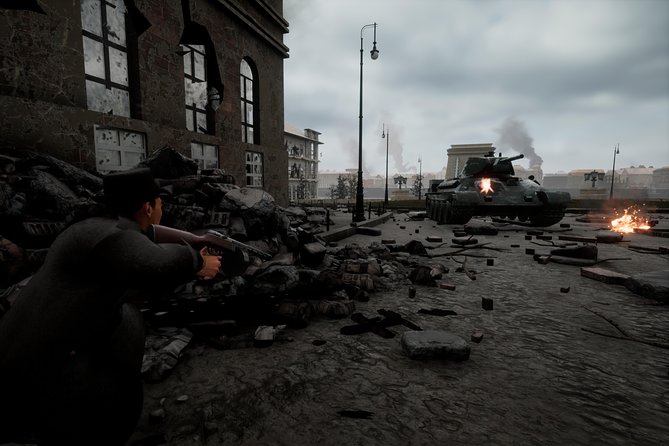
The VR tech is the headline, but the tour’s approach is about comprehension. The audio commentary helps explain the VR scenes, which keeps you from treating it like a “watch and hope” experience.
I find this especially important for a walking tour of a major historical site. You can easily end up with a checklist of facts in your head. Here, the narration does the connecting for you, so your understanding is more like a storyline.
If you want to walk through Buda Castle afterward and actually notice things—materials, scale, and changes over time—this audio-backed VR setup is a strong primer.
Price and value: is $48.37 worth it?
The price is listed as $48.37 per person. That’s not bargain-basement, so you should ask what you get that you cannot easily replicate on your own.
Here’s the value case:
- You’re paying for a provided VR headset experience, not just a guide talk.
- You get guided storytelling connected to real context at a top landmark.
- The tour length is focused (around 75–95 minutes), so you’re not paying for hours of wandering.
If you’re the kind of person who learns best through visual context—rather than only reading plaques—then the cost can feel fair. And because you do not need to rent equipment, you avoid extra spending and planning.
If you already feel confident about the castle area from guidebooks and photos, the VR portion is what tips the scale. In that case, ask yourself one question: will 360/3D visuals help me understand things I’m not getting from walking around?
Who this tour is best for (and who should skip it)

This is designed for people who want history with visual storytelling. It’s also rated as having a moderate physical fitness requirement. In plain terms: it’s a walk, but not described as a hardcore hike.
It’s offered in English, so if you prefer English explanations, you’re set. If you’re traveling with kids, note that it’s not recommended for children under 13.
Most importantly: it is not recommended for travelers suffering from epilepsy. That is a key safety filter. If that applies to you, you should look for a different Buda Castle experience without VR.
Small group perks: pace, help, and comfort
With a maximum of 20 people, you are less likely to feel like a number in a conveyor belt. The feedback points to staff who are pleasant and easy to work with, explaining and helping with each step.
That support matters in VR tours because there’s always a moment where you need a quick adjustment—fit, timing, or figuring out what the narration wants you to focus on. When staff are responsive and calm, the experience stays fun instead of turning into tech troubleshooting.
Weather and timing: plan smart in Budapest
The tour requires good weather. That’s a bigger deal than it sounds because Budapest weather can change fast, especially around the castle hill area. If conditions are poor, the experience can be canceled and you’ll be offered a different date or a full refund.
Booking is often made about 14 days in advance on average, which suggests it can fill around popular travel windows. If you’re traveling in peak seasons or on a tight schedule, I’d lock in your date sooner rather than later.
Also, confirmation is handled after booking and the ticket is mobile, so you won’t need to chase paper vouchers.
Should you book the Buda Castle VR walking tour?
Book it if you want a guided, story-driven way to understand Buda Castle. The big wins are clear: 360/3D VR scenes, headsets provided, and audio commentary that explains what you’re seeing. If you like learning through visuals and want your castle time to feel more connected than a self-guided photo stroll, this is a strong pick.
Skip it if VR visuals are a concern for you, especially if epilepsy is part of your medical history. Also skip if you hate anything headset-related. Even with staff help, it’s still a VR experience first, with walking as the supporting structure.
If you’re on the fence, I’d base the decision on this: do you want your Budapest landmark experience to be mostly quiet observation, or do you want a guided “see it, then understand it” format? This tour leans hard toward the second option.
FAQ
How long is the virtual reality walking tour?
It usually runs about 1 hour 15 minutes to 1 hour 35 minutes.
Where does the tour start?
The tour starts at Budapest, Lánchíd u. 23, 1013 Hungary.
Does the tour provide the VR headset?
Yes. You are provided a virtual reality headset, so you do not need to rent equipment.
Is the tour offered in English?
Yes, it is offered in English.
What’s the maximum group size?
The tour has a maximum of 20 travelers.
Is it suitable for children?
It is not recommended for travelers under 13 years of age.
Is the tour recommended for people with epilepsy?
No. It is not recommended for travelers suffering from epilepsy.
What happens if the weather is poor?
The experience requires good weather. If canceled due to poor weather, you’ll be offered a different date or a full refund.
Can I get a refund if I cancel?
Yes. There is free cancellation, and you can cancel up to 24 hours in advance for a full refund.