REVIEW · ALBEROBELLO
Alberobello: Walking Tour among Trulli Houses with a Local
Book on GetYourGuide →Operated by Explorea di Guido Convertino · Bookable on GetYourGuide
Trulli look magical, but the details matter. This 2-hour walk in Alberobello explains how the cone-roofed homes work and why UNESCO cares. I especially like the guide-led storytelling by locals such as Guido and Ksenia, and the way the route mixes famous spots with quieter corners you’d miss on your own. One thing to consider: some guides speak fast or with a heavier accent, so if you’re sensitive to that, arrive with patience and bring earplugs if you use them.
You’ll start in the heart of town, then move through a string of clear, walkable highlights: Trullo Sovrano, a visit to the Chiesa dei Santi Medici Cosma e Damiano, Casa D’Amore, a panoramic trulli viewpoint, and stops around Aia Piccola. The experience ends in a central area so you can keep exploring afterward at your own pace, whether that means wandering lanes, checking out local boutiques, or grabbing a coffee.
In This Review
- Key takeaways before you go
- First impressions: what makes trulli click on this walk
- Start at Piazza Sacramento: setting the scene in the town center
- Trullo Sovrano: the “start here” stop for how trulli are built
- Chiesa dei Santi Medici Cosma e Damiano: religion inside the trulli world
- Casa D’Amore: a quick guided stop with a name that sticks
- Trulli panoramic viewpoint: where the town’s layout makes sense
- Aia Piccola and the residential-feeling trulli
- Final trulli stop and the end point at Largo Martellotta
- Price and value: is $44 a good deal for 2 hours?
- Group size, pace, and guide style: what to watch on the day
- Who this tour suits best
- Should you book this Alberobello trulli walking tour?
- FAQ
- How long is the Alberobello walking tour?
- Where does the tour start?
- Where does the tour end?
- Is the tour guided and in English?
- What’s included in the price?
- Are museum entry tickets included?
- Is pickup and drop-off included?
- Is the tour wheelchair accessible?
- What is the cancellation policy?
- Can I reserve and pay later?
Key takeaways before you go
- UNESCO dry-stone technique, explained in plain language as you see trulli up close
- Specific stops that build the story, from Trullo Sovrano to Aia Piccola
- Local guides who help with the practical stuff, including shade pacing and photo moments
- A manageable 2-hour route on Alberobello’s northern side with a central finish
- Value for $44, since you get a live English guide plus walking guidance and kids activities
- Watch the group vibe and guide delivery, since a few people noted fast speech or crowding
First impressions: what makes trulli click on this walk

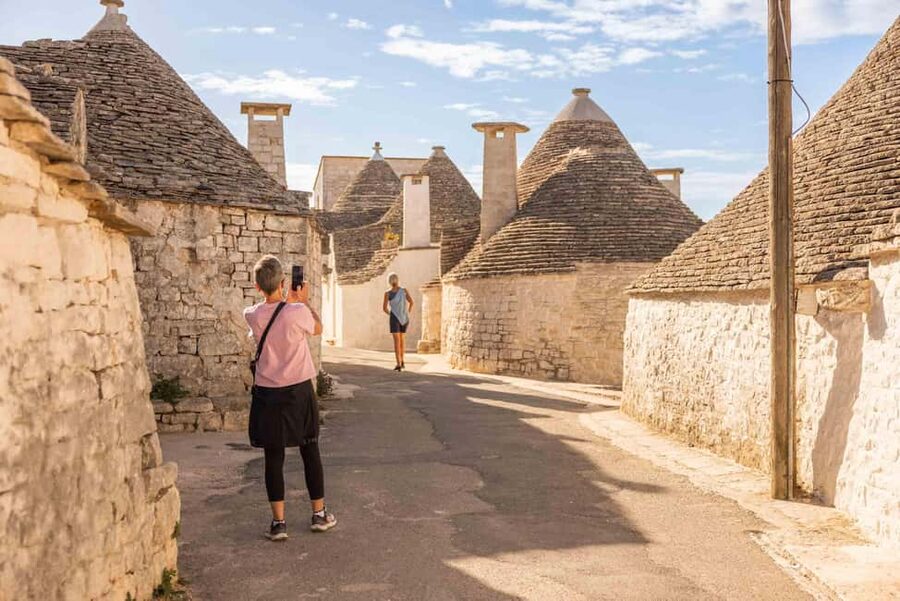
Alberobello’s trulli are the kind of sight that can look like set dressing from a movie. But on this tour, the town shifts from “fairytale photos” to real architecture and real life—especially once you understand the dry-stone building logic behind the cone roofs.
I like how the tour keeps you moving without feeling rushed. The guide’s job isn’t just to point at cute buildings; it’s to connect details—roof shapes, walls, and layout—to the long timeline of this UNESCO-listed heritage area. That’s the difference between seeing trulli and understanding them.
You’ll also feel the Itria Valley atmosphere as you walk: narrow streets, white stone, and that distinctive contrast between the pale walls and the roof lines. It’s a practical photo route too, since the group takes short stops for pictures rather than holding up a whole day.
Start at Piazza Sacramento: setting the scene in the town center
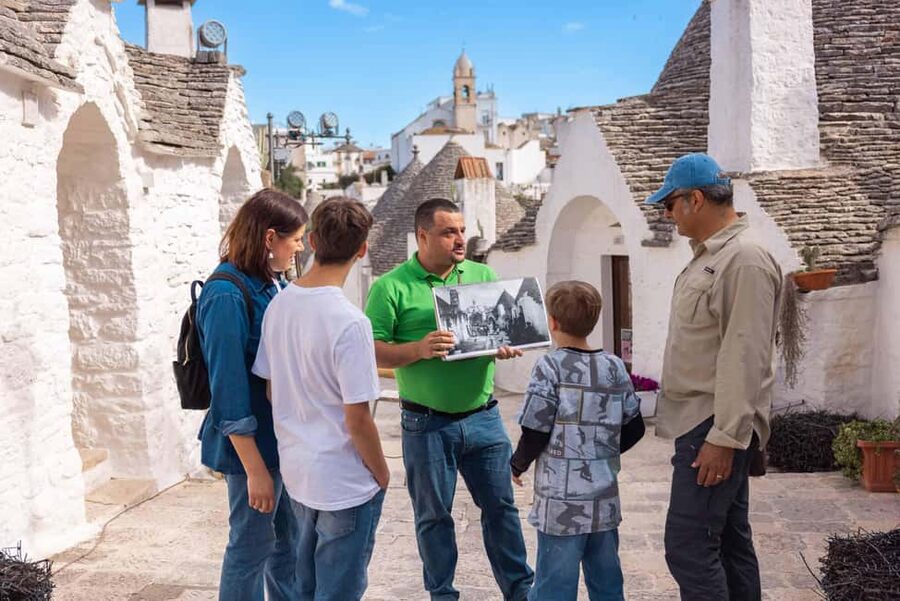
The tour begins at Piazza Sacramento, a solid choice because it’s central and easy to orient yourself. When your first minutes are in the middle of town, you don’t waste time figuring out where to stand and how the alleys connect.
From there, the walk stays grounded in what you can actually see on foot. You’ll go at a pace that’s meant for watching details—roof geometry, stone seams, and small variations between homes—rather than racing from landmark to landmark.
If you like structure, you’re covered. If you prefer freedom, you still get that at the end, when you finish at a different central location so you can keep wandering without backtracking.
Trullo Sovrano: the “start here” stop for how trulli are built
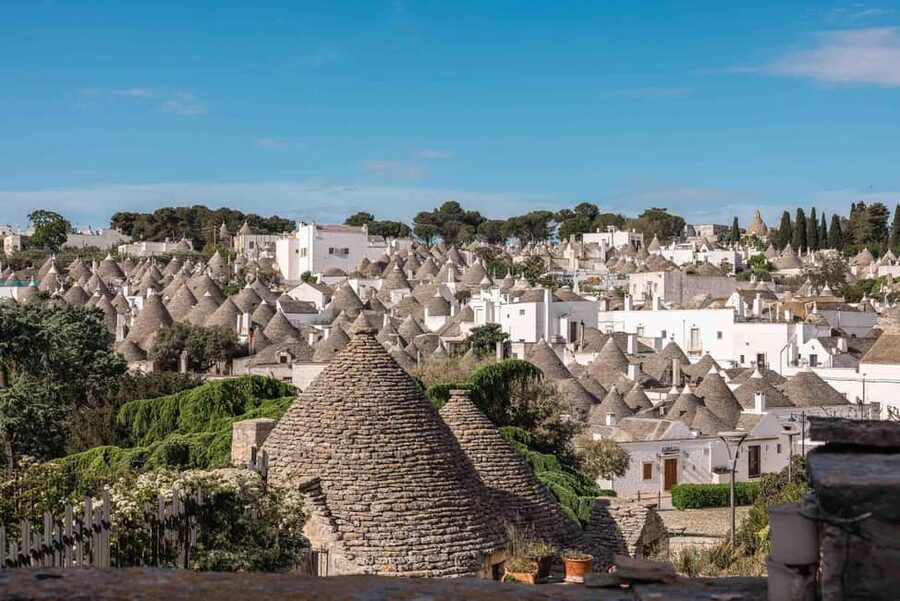
The first major highlight is Trullo Sovrano, with about 15 minutes there. Think of this as your anchor point: the guide can explain what makes trulli different and why the cone roof isn’t just for looks.
This is one of those stops where the architecture teaches you how to look. As you spot the white stone, the dry masonry idea, and the roof form, you start noticing tiny differences that turn random pictures into a sharper story.
Practical tip: bring your camera ready for close-up angles. The shape is easiest to appreciate when you can get up to the wall and follow how the roof line sits against it.
Chiesa dei Santi Medici Cosma e Damiano: religion inside the trulli world
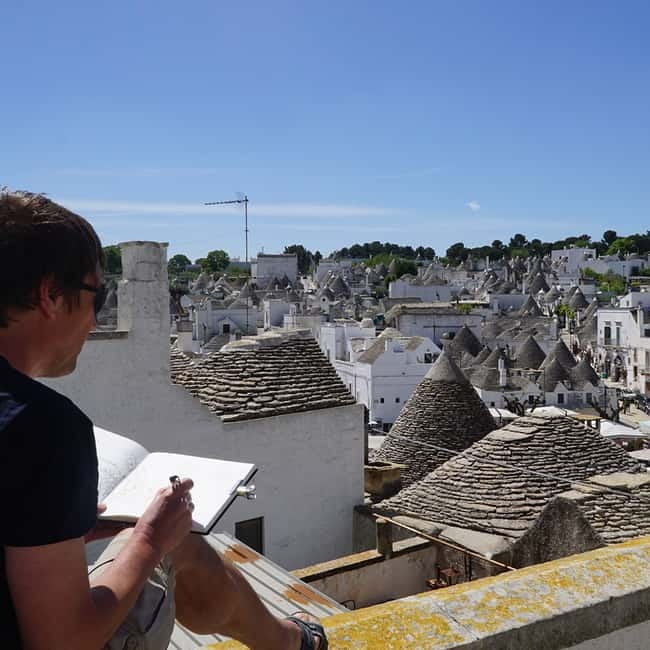
Next is Chiesa dei Santi Medici Cosma e Damiano, a guided visit of about 10 minutes. Even if churches aren’t your top interest, this stop matters because it shows how Alberobello’s people built community alongside their distinctive homes.
I like this pause because it breaks the pure “house-viewing” rhythm. It also gives the guide a chance to connect the town’s built environment to local tradition—so you understand trulli as part of daily culture, not just a decorative oddity.
This is also a good timing moment. Short guided stops help keep the tour from turning into a long lecture while you’re trying to keep up in the sun.
Casa D’Amore: a quick guided stop with a name that sticks
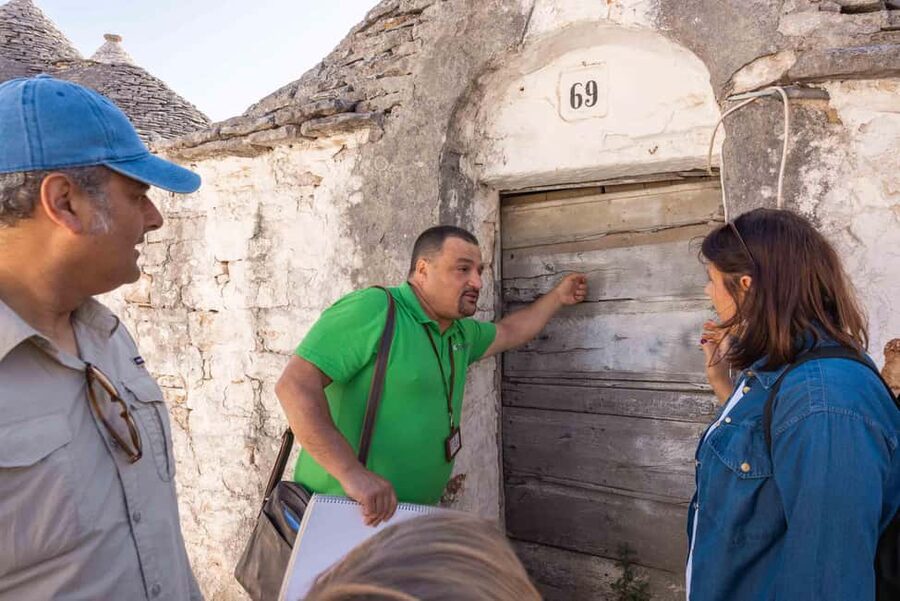
Then you’ll visit Casa D’Amore for around 10 minutes. The name is memorable, but the value here is what the guide uses it for: explaining how trulli life and design connect, and how stories attach to specific places in Alberobello.
This stop is perfect if you’re the kind of traveler who enjoys a bit of legend with your facts. You’re not just getting architecture; you’re hearing the legends and anecdotes that make a UNESCO town feel human.
If you’re traveling with kids, this kind of stop tends to land well because it offers a quick mental hook. And the tour includes children’s activities, so the guide may pitch stories in ways that are easier to follow.
Trulli panoramic viewpoint: where the town’s layout makes sense
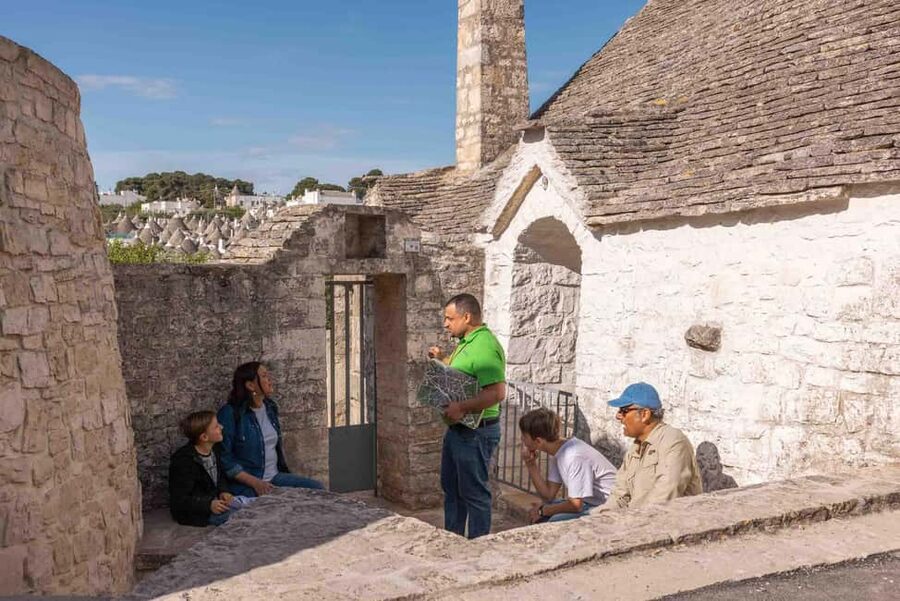
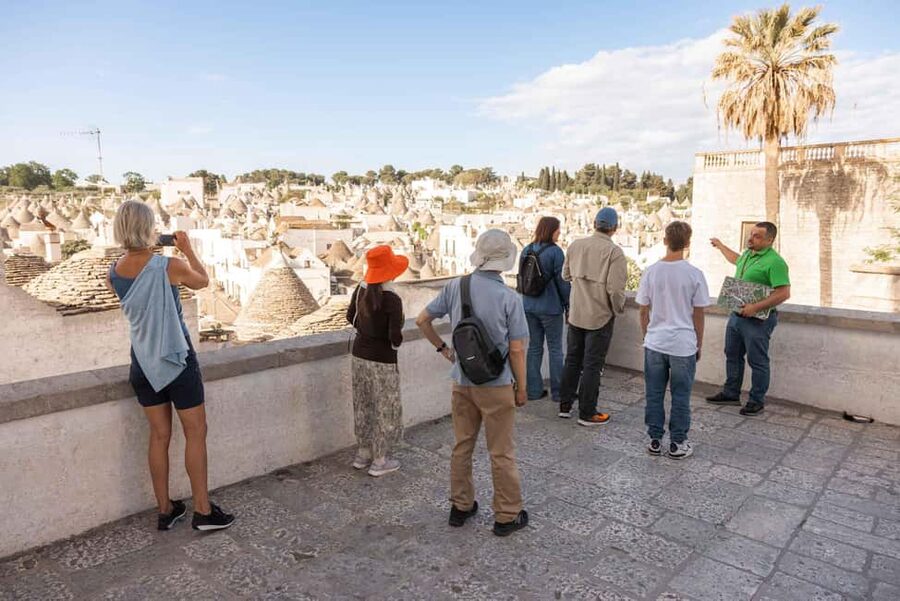
Around the next segment, you’ll reach a Trulli Panoramic View stop (about 10 minutes guided). This is the moment where Alberobello stops being a cluster of cute alleys and starts becoming a town you can read.
From a viewpoint, you can understand why trulli appear where they do, how streets connect, and how the shape of the roofs creates a repeating pattern across the built area. It’s also simply nice to take a breath and reset your feet.
One practical note: you’ll want to plan for sun. Even with breaks, you’re still walking an outdoor route. If you’re visiting in hot months, wear breathable shoes and bring water.
Aia Piccola and the residential-feeling trulli
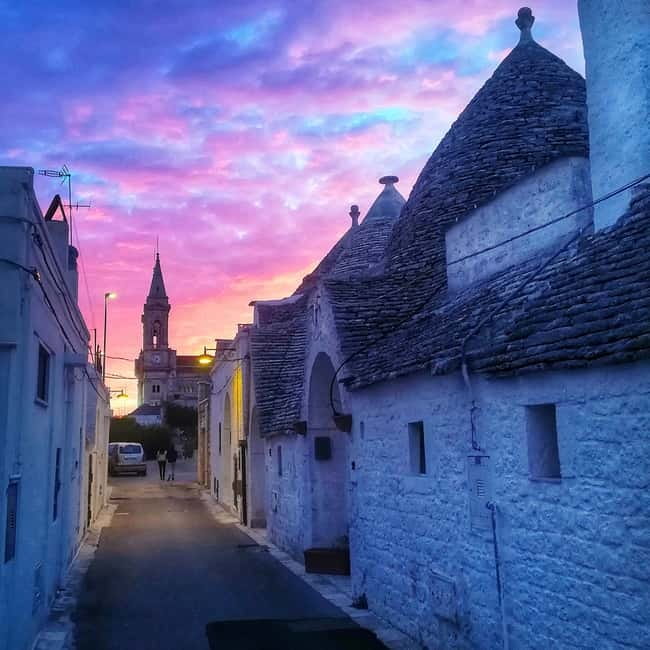
A big chunk of time goes to Aia Piccola, Alberobello (about 20 minutes guided). This stop is often where the tour gets more interesting, because it can feel less like the main “photo circuit” and more like the everyday neighborhood side of Alberobello.
I like that the route includes this kind of stop because it changes the vibe. You don’t just chase the most photographed trulli; you see how the town’s pattern continues as you walk through different pockets of space.
Also, this is the part where guides often slow down for small moments: extra questions, picture angles, and shade. A few people specifically mentioned how their guide worked to keep the group comfortable, even arranging practical breaks when needed.
Final trulli stop and the end point at Largo Martellotta
You’ll wrap up with another trulli-focused stop, Trulli of Alberobello Puglia (about 10 minutes), then finish at Largo Martellotta. This “end somewhere useful” approach is smart. You’re not dumped miles away from everything you want to do next.
From Largo Martellotta, you can continue exploring at your own pace—walk more lanes, browse local shops, or sit down for lunch or a café break. The guide’s storytelling also tends to make you look differently while you explore on your own, which is when this tour can keep paying off.
If you’ve got a museum stop in mind, note that museum entry tickets are not included. So if your plan includes any indoor add-ons, you’ll want to budget separately and check timing.
Price and value: is $44 a good deal for 2 hours?
At $44 per person for a 2-hour, guided walk, you’re paying for three things: a local guide, a curated route through multiple architectural and cultural stops, and translation of “what you see” into “what it means.”
You’re not paying for museum tickets, pickup, or transportation included in the price, so the value is mainly in the walking guidance and interpretation. The best part is that the tour isn’t just a list of trulli shapes—it’s aimed at understanding a specific UNESCO-recognized construction tradition: dry-stone building with distinctive cone-shaped roofs.
In practice, the value feels strongest if you want meaning, not just photos. If you’re happy browsing on your own and don’t care about legends or construction techniques, you might not use the guide enough to justify the cost. But if you want the town to click, the guide-led approach makes the $44 feel reasonable.
Group size, pace, and guide style: what to watch on the day
The tour is designed to be walkable and flexible, and people often mention small-group comfort. Still, crowding can happen because Alberobello can be busy.
A couple of people noted a need for better audibility if a guide speaks quickly or has a heavier accent. This doesn’t mean the tour is bad—just means you should bring the right expectations. If you’re the type who struggles with fast speech, choose a quieter time slot if possible, and position yourself where you can clearly hear.
Pace-wise, the experience is typically leisurely enough to take photos and ask questions. One practical bonus: guides have been described as thoughtful about comfort, including shade breaks and even a toilet stop. Those details matter more than you’d think when you’re outdoors.
Who this tour suits best
I’d steer you toward this tour if you want:
- a better understanding of trulli construction and UNESCO context
- a guide who can connect legends and anecdotes to specific places
- a short, organized walking plan that ends in a handy central spot
It’s also a good choice if you’re traveling in a duo or small group and want a human explanation rather than reading signs. Families may like the added children’s activities and the story-driven stops.
If you’re traveling solo and love flexibility, you’ll still benefit from the structure on the way out—then you get your freedom after the walk.
Should you book this Alberobello trulli walking tour?
Book it if you want the town to make sense beyond the postcard look. The combination of a local English guide, multiple trulli-focused stops, and clear storytelling about dry-stone construction is exactly what turns a quick visit into a memorable one.
Skip it only if you prefer self-guided wandering, don’t care about legends or architecture details, or you know you have trouble hearing guides in busy outdoor conditions. For most people, though, this is a strong way to spend your time in Alberobello—short enough to fit easily, long enough to give you real context.
FAQ
How long is the Alberobello walking tour?
The tour lasts 2 hours.
Where does the tour start?
It starts at Piazza Sacramento.
Where does the tour end?
It ends at Largo Martellotta, 70011 Alberobello BA, Italy.
Is the tour guided and in English?
Yes. It includes a live tour guide in English.
What’s included in the price?
Included are the local guide, the walking tour, and children’s activities.
Are museum entry tickets included?
No. Museum entry tickets are not included.
Is pickup and drop-off included?
No. Pickup and drop-off are not included.
Is the tour wheelchair accessible?
Yes, the tour is wheelchair accessible.
What is the cancellation policy?
You can cancel up to 24 hours in advance for a full refund.
Can I reserve and pay later?
Yes. You can reserve now and pay later.