REVIEW · BANFF
Banff: Guided Sunset and Stargazing Tour
Book on GetYourGuide →Operated by Banff & Canmore Tours · Bookable on GetYourGuide
Banff goes quiet fast. This 2-hour sunset-to-stars walk in Banff National Park takes you off the bright daytime routes and into the night sky. You start near Cave and Basin, hike about 5km, then spend the darker stretch learning the sky—while watching for shooting stars and, if conditions are right, the Northern Lights.
I especially love two things about this tour: the way the hike stays manageable while everything around you changes after sunset, and the focus on practical stargazing. When guides like Kale or Jacob lead the group, you’re not just told where the constellations are—you get help tying the night sky to what you’re actually seeing overhead.
One thing to consider is visibility. The tour won’t operate in heavy cloud cover, and even with clouds (or a bright moon), the aurora can be harder to see—so you’re partly booking the weather.
In This Review
- Key things to know before you go
- From Cave and Basin to a sky full of stars
- The 5km night hike: what it feels like in the dark
- How the guide finds constellations, satellites, and aurora potential
- Wildlife awareness without the fear factor
- Northern Lights nights vs. full-moon nights: manage your expectations
- What to bring (and what to skip)
- Price and value: is $66 for 2 hours worth it
- Who should book this Banff sunset stargazing tour
- Should you book it?
- FAQ
- How long is the Banff guided sunset and stargazing tour?
- Where do I meet the guide?
- What’s included in the price?
- What should I bring?
- Is Northern Lights guaranteed?
- How far will I walk?
- Who can take the tour, and who should avoid it?
Key things to know before you go
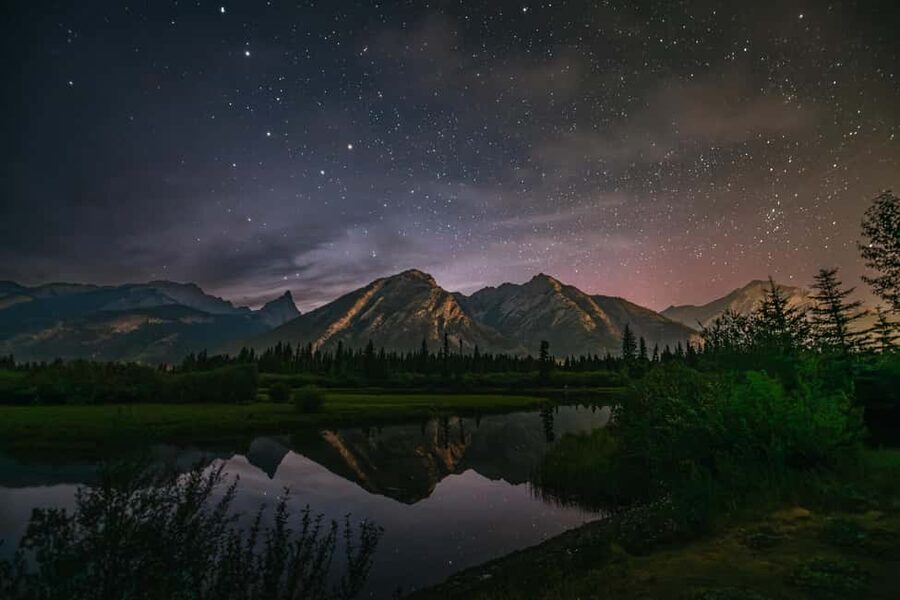
- Sunset timing, updated close to departure: your start time shifts with season and sunset
- Night gear included: headlamps for the walk, and ice cleats if conditions require them
- You hike about 5km (3.5 miles): enough distance for real stargazing stops, not an all-day trek
- Aurora is possible, not guaranteed: the tour looks for Northern Lights and shooting stars when the sky cooperates
- Guides handle safety: bear spray and safety equipment are carried by the guides
- Small groups can happen: some departures feel more personal than big-bus tours
From Cave and Basin to a sky full of stars
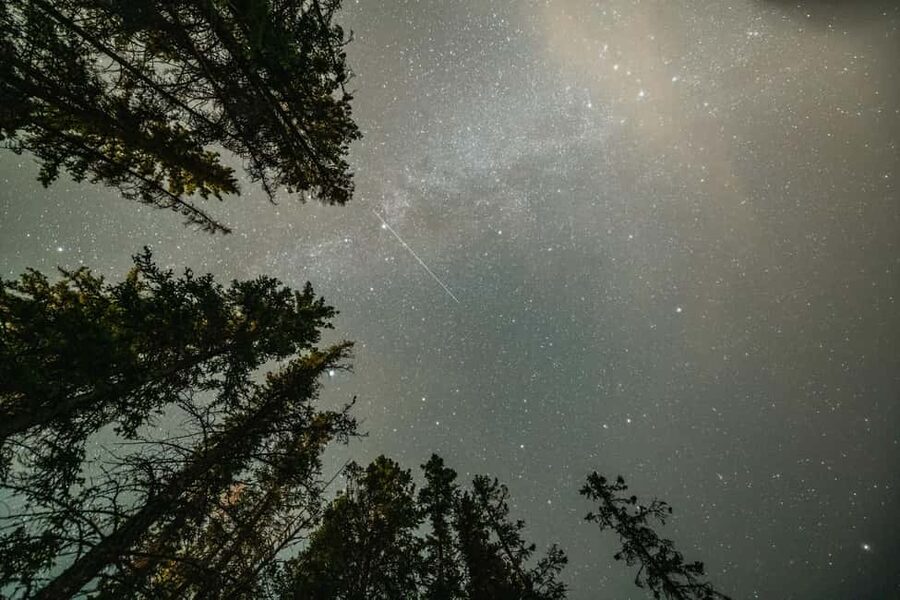
The meeting point is right at 309 Cave Ave, outside the Welcome Building at the Cave and Basin National Historic Site Parking Lot. It’s a large parking area with free parking, and the guide will be holding a clipboard—so you can spot them quickly and get moving without fuss.
This tour is built around a simple idea: watch the transition from day to night in Banff, then let the stars arrive in real time. You’ll start after sunset timing (seasonally), and the whole rhythm of the walk shifts as it gets darker—first with views fading into evening blues, then with the headlamps coming on and the sky turning into the main event.
If you’re the type of person who likes a plan that still feels spontaneous, this works well. One guide might keep things light and funny while pointing out constellations; another might focus more on camera tips for low light. The common thread is that you’re outside, on a real trail, not stuck at one viewing spot.
The 5km night hike: what it feels like in the dark
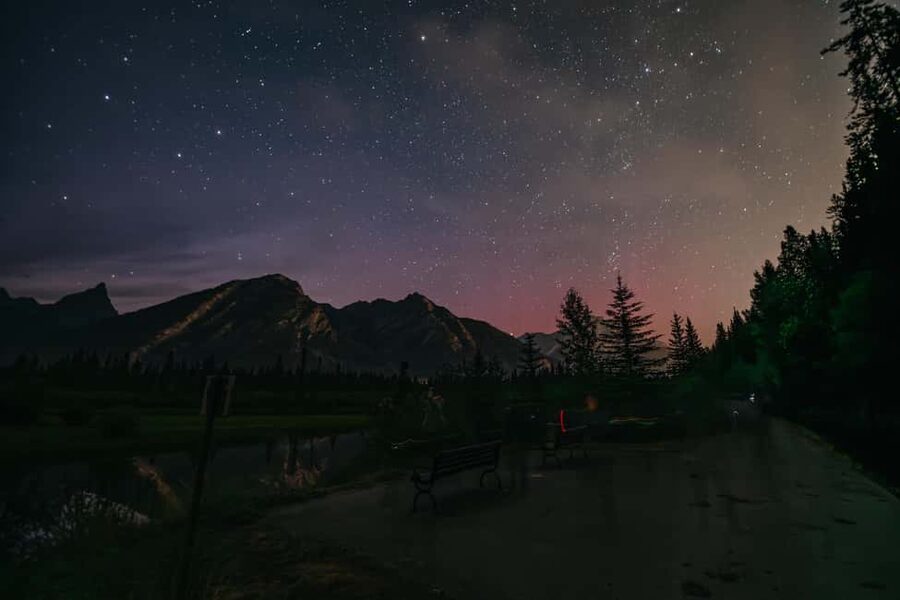
The trail distance is 5km / 3.5 miles, and the full tour runs about 2 hours. That’s a strong sweet spot: long enough to reach quieter, darker viewing areas, but short enough that most people can handle it without turning the whole night into a grind.
The walk is on local trails around Banff, and the route often includes paved sections and boardwalks with some dirt trail mixed in, plus generally gentle grades (based on how the walk has been described). The key is that you’re hiking at night, so you’ll rely on the headlamps and lantern light your guide provides.
Here’s what matters for your comfort:
- Wear hiking shoes (this is specifically required).
- Expect the ground to feel different at night even if it’s easy by day.
- Plan for the early part of the evening to feel the most “adjusting” as it gets darker and mosquitos can be active (more on that below).
Also, you’re not hiking alone. Guides carry safety equipment (including bear spray) and lead the pacing. One of the stand-out parts from people’s experiences is how guides slow down when someone needs a moment, so the group stays together instead of racing off into the dark.
How the guide finds constellations, satellites, and aurora potential
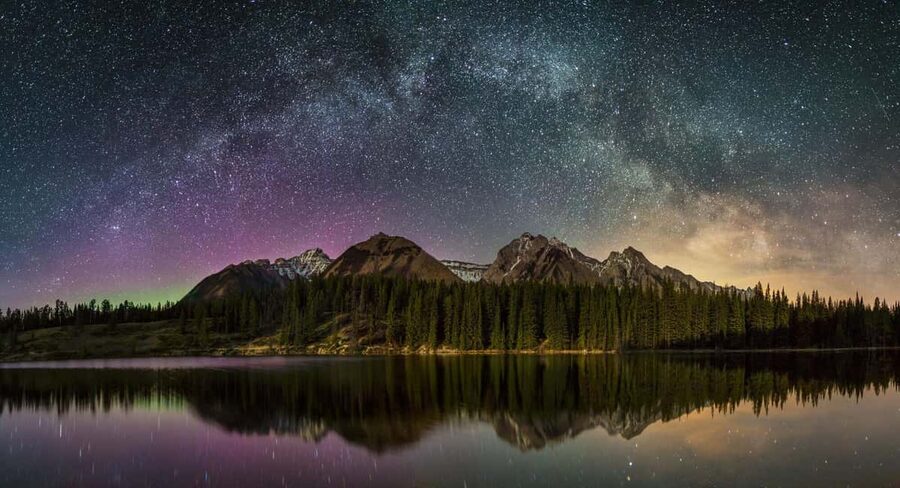
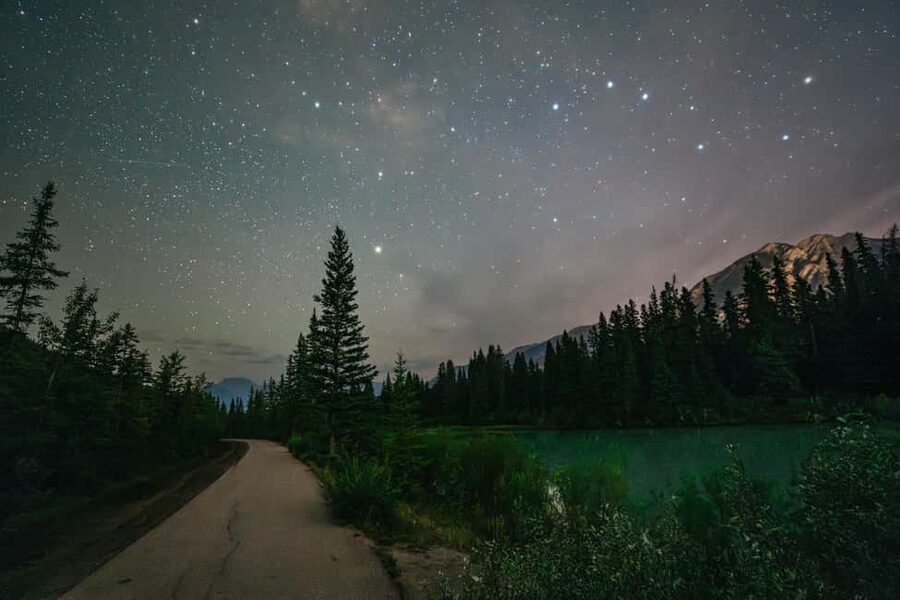
This isn’t a “look up at the sky and hope” situation. The tour’s value is that you learn how to see what you’re seeing. Guides point out constellations, and they also help you understand what’s happening as the night deepens—when more stars become visible and when the Milky Way can show up under the right conditions.
In practice, that means you’ll get stops where the group gathers, the headlamps lower visibility, and the sky becomes clearer. Some guides also add practical astronomy storytelling—tying the stars to the region and to what people used to watch for on mountain nights. If you get a guide like Euan/Ewan, Ben, or Isla, you may also hear guidance on how to get better photos (including phone camera tips).
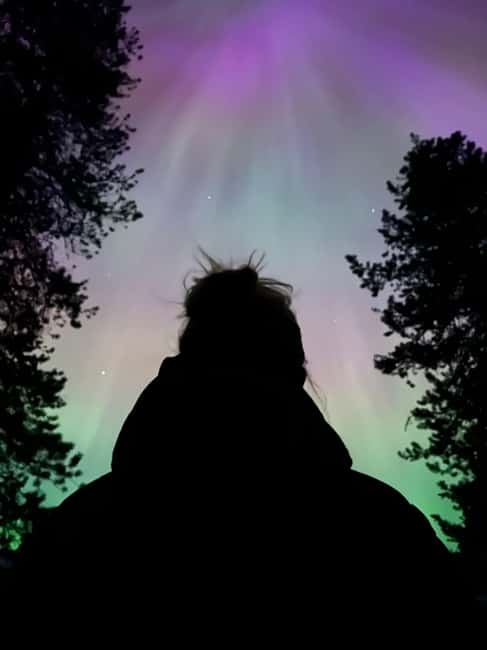
You should still know the aurora reality check: Northern Lights sightings depend heavily on sky conditions. You can increase your odds by showing up flexible. With cloud cover, the tour either won’t run or you’ll have less to see. With a bright moon, you might still catch constellations and shooting stars, but aurora visibility can drop.
Even when the aurora doesn’t fully cooperate, the night sky can still deliver: satellites, shooting stars, and sometimes meteors or comets have been part of past nights.
Wildlife awareness without the fear factor
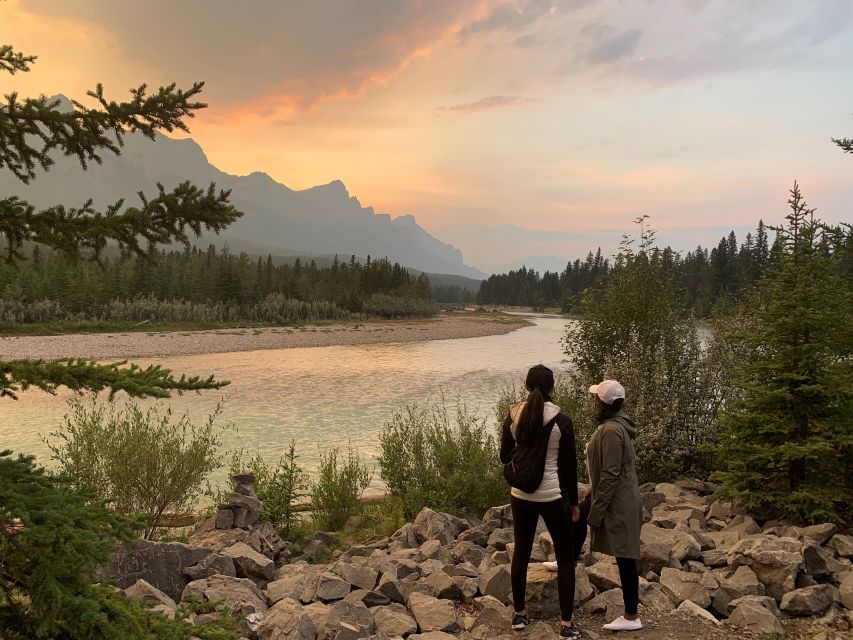
One of the reasons this tour works so well is that it treats wildlife as part of the experience, not something you should panic about. The guides carry bear spray and safety equipment, and they keep the group informed and moving responsibly.
You’ll be in Banff after dark, when nocturnal activity is possible and animals may be nearby. That sounds intense, but the tone on this tour tends to be reassuring: safety first, then curiosity. People have even described surprise wildlife sightings like coyotes and birds of prey on the route, which makes the whole evening feel alive in a way daytime sightseeing can’t match.
What you can do to keep things smooth:
- Listen to your guide during safety talks and whenever you pause.
- Stay with the group instead of wandering toward the edges for a better view.
- Bring a calm, patient mindset. Night hikes reward attention.
Northern Lights nights vs. full-moon nights: manage your expectations
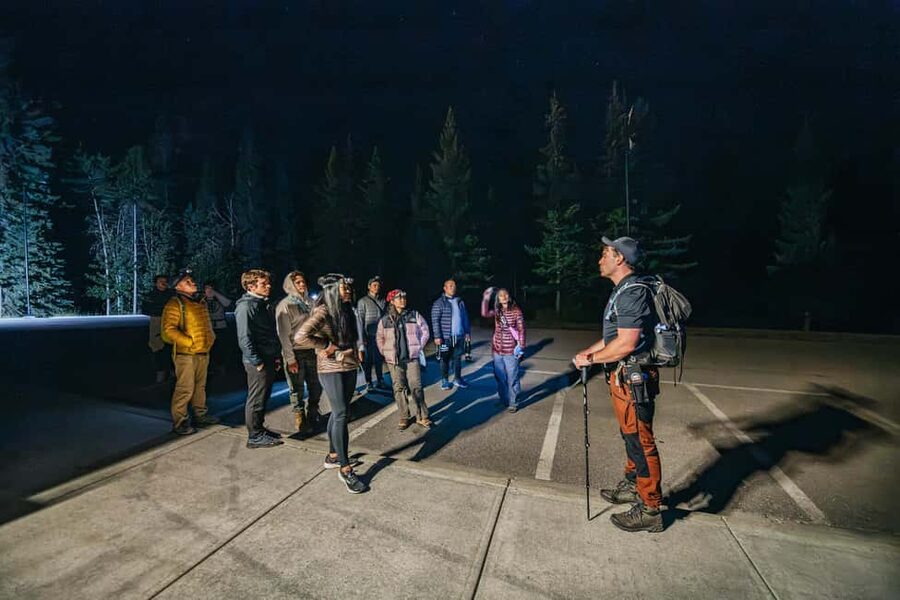
If your top goal is the aurora, set your expectations around what you can control—and what you can’t.
What you can control:
- Book this with a flexible attitude. The departure time may shift around sunset, and the guide updates you ahead of time.
- Be ready to keep going even if the first viewing moment isn’t perfect.
What you can’t control:
- Heavy cloud cover stops the tour from operating, and refunds are issued when that happens.
- The moon can brighten the sky. A near-full moon doesn’t erase the entire sky, but it can reduce aurora contrast and wash out faint details.
In other words: you’re not paying for a guaranteed aurora show. You’re paying for a guided night hike that maximizes the chances and teaches you how to enjoy the sky at any point it does show itself.
What to bring (and what to skip)
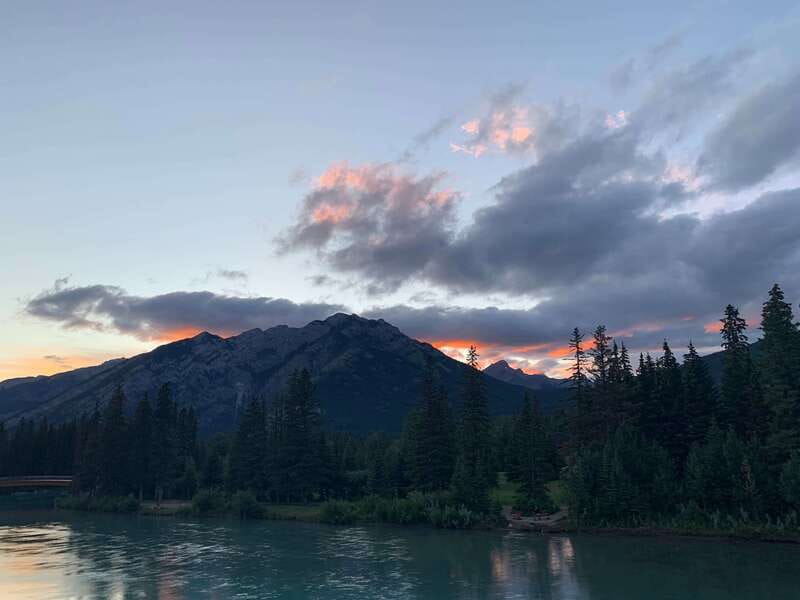
The list is simple and very practical.
Bring:
- Hiking shoes (required)
Helpful add-ons (based on conditions commonly encountered on night walks):
- Mosquito deterrent, especially earlier in the evening during mosquito season
- A plan for photos: low-light settings can make a big difference, and guides may help you use your phone’s night options
Not allowed:
- Pets
- Alcohol and drugs
Also note that food and drink aren’t included. If you want to snack during the tour, do it before you meet up—then keep the evening focused on the hike and the sky.
Price and value: is $66 for 2 hours worth it
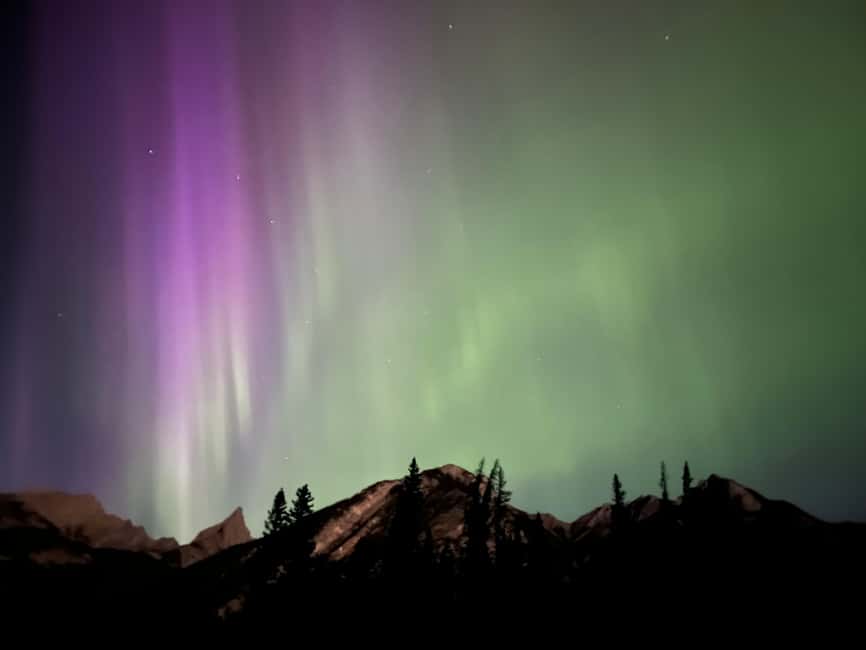
At $66 per person for about 2 hours, the value mainly comes from three things you can’t easily DIY in Banff:
- A guide who teaches you what you’re seeing, not just where to look.
- Night-walk gear included (headlamps), plus ice cleats when required in winter conditions.
- Safety systems built into the experience, including bear spray carried by the guides and a guided pacing that keeps the group together.
Could you hike Banff at night on your own? Sure—but you’d miss the constellation pointers, the practical astronomy explanations, and the careful logistics that keep a dark trail from turning into a guessing game.
So for most people, $66 feels like paying for convenience and clarity, with the added hope of aurora and shooting stars if the sky cooperates.
Who should book this Banff sunset stargazing tour
This tour fits best if you want:
- A short, focused night hike rather than an all-day wilderness activity
- Guided stargazing with real teaching time
- The chance to see the aurora when it happens, without needing to become an astronomy expert first
You should also check the suitability notes carefully. It lists:
- Not suitable for children under 8
- Not suitable for pregnant women
- Not suitable for people with mobility impairments
- Not suitable for people with pre-existing medical conditions or recent surgeries
At the same time, the activity info also says wheelchair accessible. That’s a mismatch. If mobility is part of your planning, the smartest move is to confirm with the operator directly about what the route and pace are like for your specific needs.
Should you book it?
I’d book this tour if you care about more than just pretty pictures. The best reason to go is that you’ll leave understanding the night sky a lot better than you arrived—plus you’ll get a guided winter-ready night walk with headlamps and safety support.
Skip it (or consider alternatives) if your entire vacation depends on seeing the Northern Lights for sure. This is a weather-dependent experience, and the tour doesn’t run in heavy cloud. If your schedule can flex and you’re happy to enjoy constellations, satellites, and shooting stars even without a dramatic aurora show, you’re in the right place.
FAQ
How long is the Banff guided sunset and stargazing tour?
The tour lasts about 2 hours.
Where do I meet the guide?
Meet outside the Welcome Building at the Cave and Basin National Historic Site Parking Lot at 309 Cave Ave. The guide will be holding a clipboard and you’ll present your voucher.
What’s included in the price?
A professional guide is included, plus headlamps and ice cleats when required.
What should I bring?
You should bring hiking shoes.
Is Northern Lights guaranteed?
No. The tour looks for the Northern Lights and shooting stars, but sightings depend on conditions. Heavy cloud cover can stop the tour from operating.
How far will I walk?
The trail distance is 5km, about 3.5 miles.
Who can take the tour, and who should avoid it?
It is not suitable for children under 8, pregnant women, people with mobility impairments, people with pre-existing medical conditions, or people with recent surgeries. Pets are not allowed, and alcohol and drugs are not allowed. The tour also lists wheelchair accessibility, so if mobility is a concern, confirm details with the operator.