REVIEW · LISBON
Lisbon: Best of City Private Walking Tour
Book on GetYourGuide →Operated by Inside Lisbon tours · Bookable on GetYourGuide
Lisbon clicks into focus fast on this walk. You start at Praça Dom Pedro IV (Rossio) and your private guide guides you through the big landmarks and the smaller, story-rich corners of town, with a stop for Pastel de Nata and a local wine moment. I like that it is truly private, so the route feels built around your questions instead of a rigid group script.
The payoff is a clear feel for Lisbon’s major neighborhoods: Rossio and Restauradores, historic Chiado and Carmo, then out into the Moorish alleyways of Alfama before you finish near Praça do Comércio.
One consideration: it is still a 3-hour walking experience, and the pace can feel brisk. If your legs tire easily, wear good shoes, take your cues from your guide, and don’t plan a long, heavy meal right before you meet.
In This Review
- Key Points I Think You’ll Care About
- Starting at Rossio: Getting Your Bearings in the First 15 Minutes
- Rossio Square to Restauradores Square: Lisbon’s Main-Character Landmarks
- Carmo Square and Carmo Church: Revolution History, Right in the Open
- Chiado Strolls: Cafés, Bookshops, and a Pastel de Nata Moment
- Baixa Downtown After the 18th-Century Earthquake: Streets Rebuilt with a Plan
- Alfama’s Moorish Maze and Fado Talk: What to Listen for Later
- The Included Stops: Pastel de Nata, 1 Tapa, and Wine Tasting
- Price and Value: What $102 Buys in Lisbon for 3 Hours
- Guide Style: Why Private Feels Better Here
- Ending at Praça do Comércio: Finishing with a Big-Square Feeling
- Small Logistics That Actually Affect Your Comfort
- Should You Book This Lisbon Best of City Private Walking Tour?
- FAQ
- How long is the Lisbon Best of City private walking tour?
- Where does the tour start and where does it end?
- What is included in the price?
- Are monument entrance tickets included?
- Do you offer hotel pickup, and what languages are the guides?
- Can cruise ship shore-excursion timing be adjusted?
- What should I bring, and are pets allowed?
- Is there free cancellation or a pay-later option?
Key Points I Think You’ll Care About
- Private guide, real Q&A instead of a talk-you-over group tour
- Rossio to Restauradores gives you Lisbon’s main-center layout in one sweep
- Carmo Square history ties the 1974 Carnation Revolution to the city you’re standing in
- Chiado plus a Pastel de Nata stop makes culture and comfort share the same timeline
- Alfama alleyways and Fado context so you understand what you’re hearing later
- A small wine-and-tapa break that turns the walk into an actual taste of Lisbon
Starting at Rossio: Getting Your Bearings in the First 15 Minutes
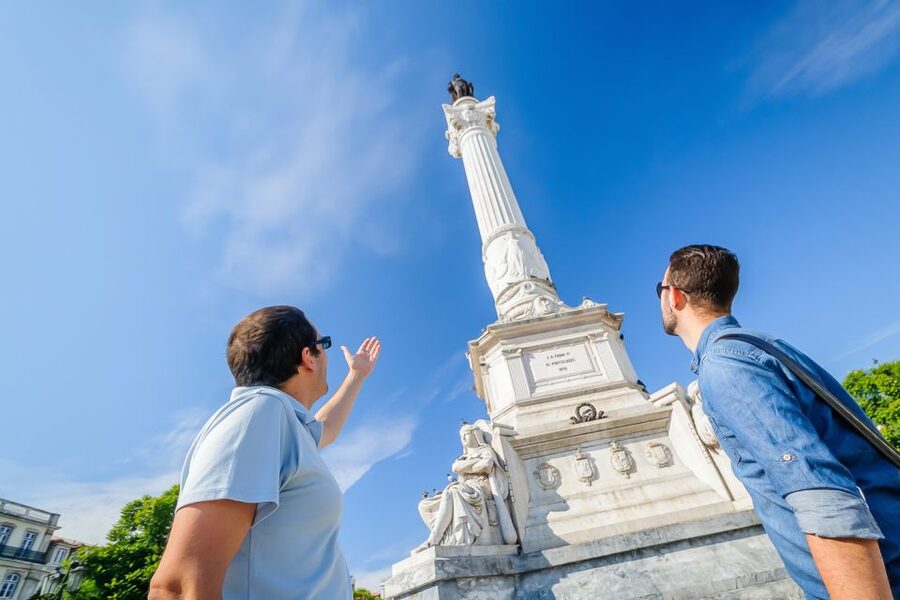
Your tour begins at Praça Dom Pedro IV, right by the Column of King Pedro IV. This is a smart starting point because Rossio is one of the places locals use as a reference, not just a pretty square for photos. From there, the city stops being a blur and starts becoming a map.
You’ll also quickly notice how different parts of Lisbon feel linked. Rossio pulls you into the older civic center, while the streets branching out hint at where Lisbon’s power and daily life have shifted over centuries.
You can also read our reviews of more walking tours in Lisbon



Rossio Square to Restauradores Square: Lisbon’s Main-Character Landmarks
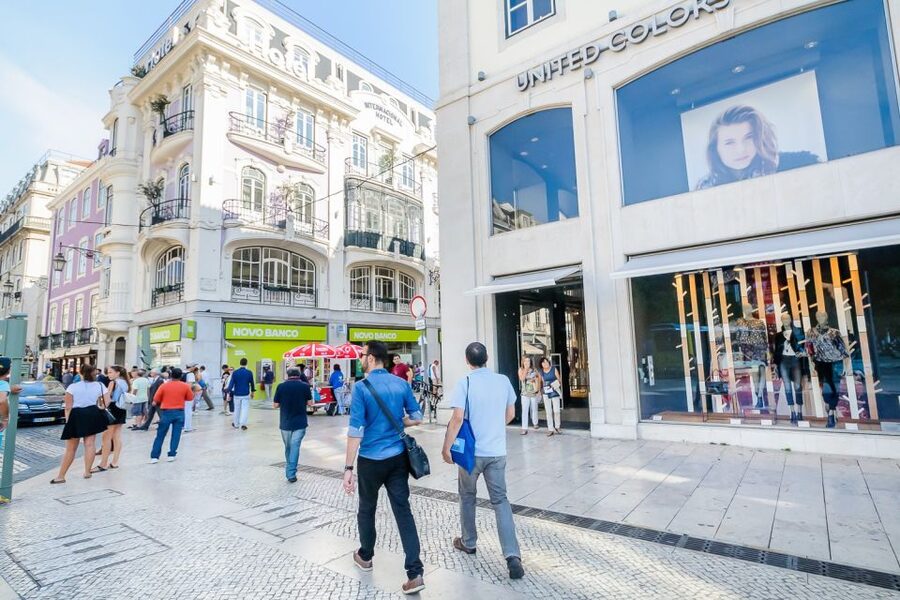
After meeting at Rossio, you head through the city’s heart, including the iconic spaces that anchor old and new Lisbon together. Rossio Square gives you that classic “this is the center of everything” feeling, where streets radiate out and the city’s energy gathers.
Then comes Restauradores Square and its Obelisk. That monument isn’t just there to look impressive; it commemorates the Restoration of Portugal’s independence from Spain in 1640. Standing in front of it helps the history stick, because it’s tied to a real street-level landmark you’ll remember later when you’re deciding where to go next.
Carmo Square and Carmo Church: Revolution History, Right in the Open

Next, you reach Carmo Square, where a major turning point in modern Portugal is part of the scenery. This is where the Carnation Revolution of 1974 is connected to the fall of a dictatorial regime that lasted 48 years. It’s the kind of history that feels less like a textbook date and more like a story rooted in place.
You also pass by Carmo Church. Even if you don’t go inside, the area works because it shows Lisbon’s layers: places that survived, places that were damaged, and places still used as landmarks. It’s a good reminder that Lisbon’s past isn’t sealed behind museum glass.
Chiado Strolls: Cafés, Bookshops, and a Pastel de Nata Moment
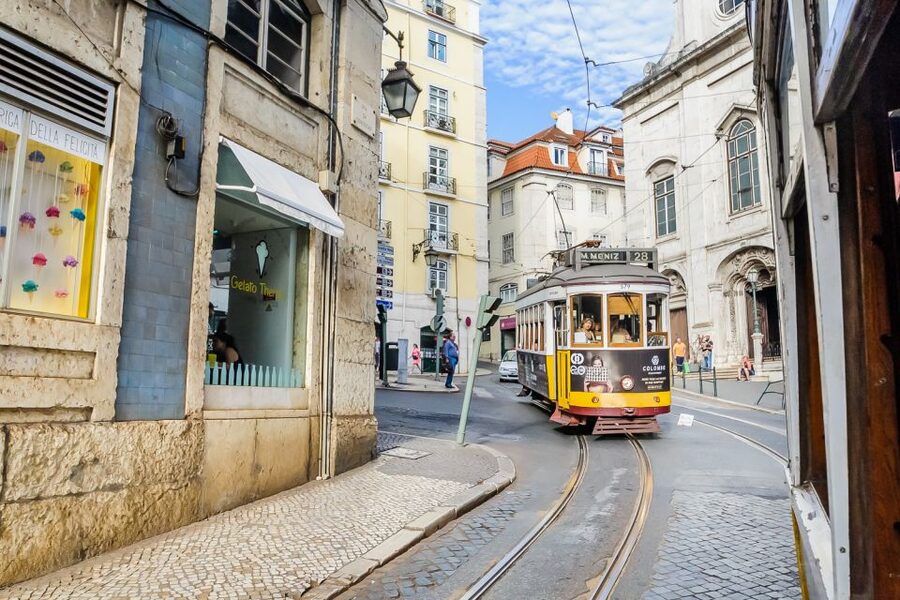
From Carmo, the walk flows into Chiado, a neighborhood with old-school Lisbon vibes: cafés, boutiques, theaters, and bookstores. Chiado feels more refined and “strollable,” and it’s the kind of area where you can imagine writers, performers, and regular folks mixing in the streets.
This is also where the tour includes a classic break: Pastel de Nata. You’re not just getting a sweet bite to fill time. The pastry stop is part of how Lisbon tourism works best: a small, real taste that makes the neighborhood feel alive instead of just historical.
If you’ve got a sweet tooth, this stop will likely be a highlight. If you don’t, it’s still worth it because it gives you an easy point of comparison for what you’ll try later on your own.
Baixa Downtown After the 18th-Century Earthquake: Streets Rebuilt with a Plan
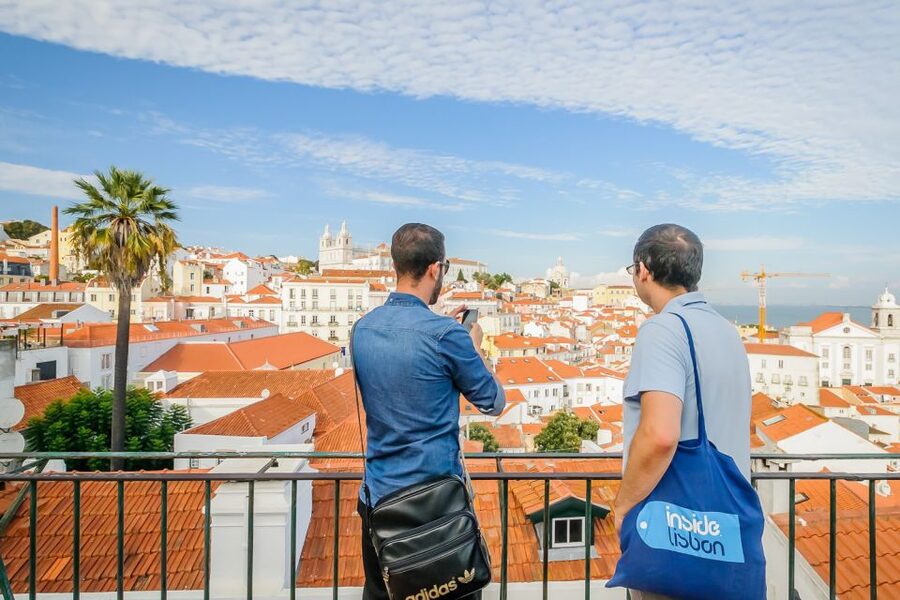
As the walk heads toward Baixa (Downtown), you get a clearer picture of Lisbon’s “rebuild” story. You’ll learn how the city was destroyed by an 18th-century earthquake and then rebuilt using new rules of urbanism and what the tour describes as anti-systemic architecture, built on innovative solutions for that era.
What I like here is that the talk connects directly to what you’re seeing. Instead of just hearing that Lisbon was rebuilt, you’re walking through the kind of street structure that makes the rebuilding concept real in your legs.
This is also a useful mental reset. After the slightly winding feel of older areas, Baixa helps you understand how Lisbon balanced chaos and control. Even if you’re not an architecture nerd, this section helps you stop guessing where you are.
You can also read our reviews of more city tours in Lisbon

Alfama’s Moorish Maze and Fado Talk: What to Listen for Later
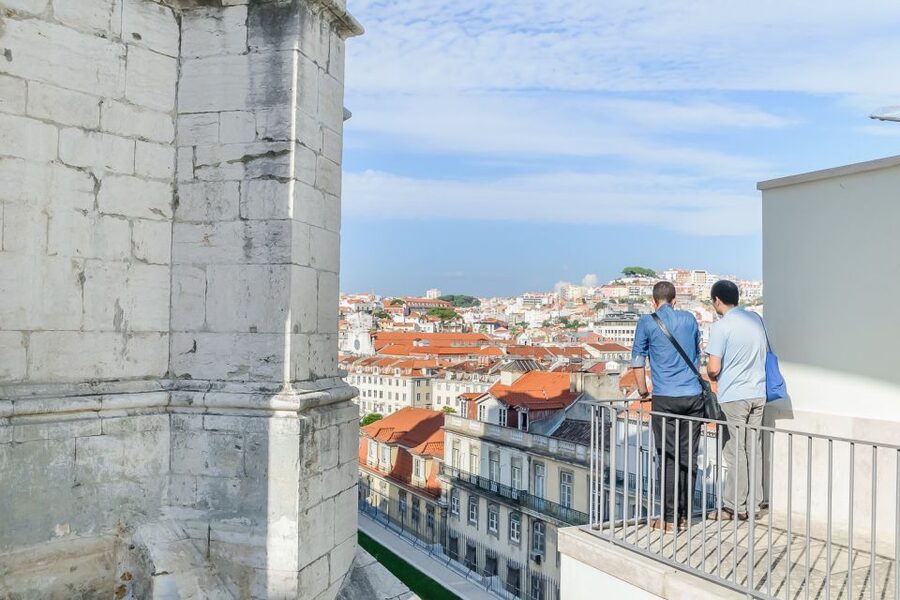
Then the route shifts into Alfama, famous for being a maze of small squares and narrow alleyways. The tour frames Alfama as Moorish-influenced and gives you context for why it can feel like time is moving differently there. Standing in those tighter lanes, you quickly understand why this is the area people associate with fado.
You’ll get a clear explanation of fado, Lisbon’s music style, and the tour includes the chance to see Alfama’s hidden fado restaurants. You’re not being asked to “perform” a fado night immediately. The value is that when you later hear a fadista sing in a small place, you’ll already know what you’re looking at and why it matters.
Some guides also add practical culture extras during the Alfama portion. In past tours, I’ve seen guides incorporate quick local taste moments, like introducing a traditional drink spot (for example, ginjinha) or giving hands-on tips about getting around by public transit. You can treat those as bonus signals: your guide is paying attention to what you’ll do after the walk.
The Included Stops: Pastel de Nata, 1 Tapa, and Wine Tasting
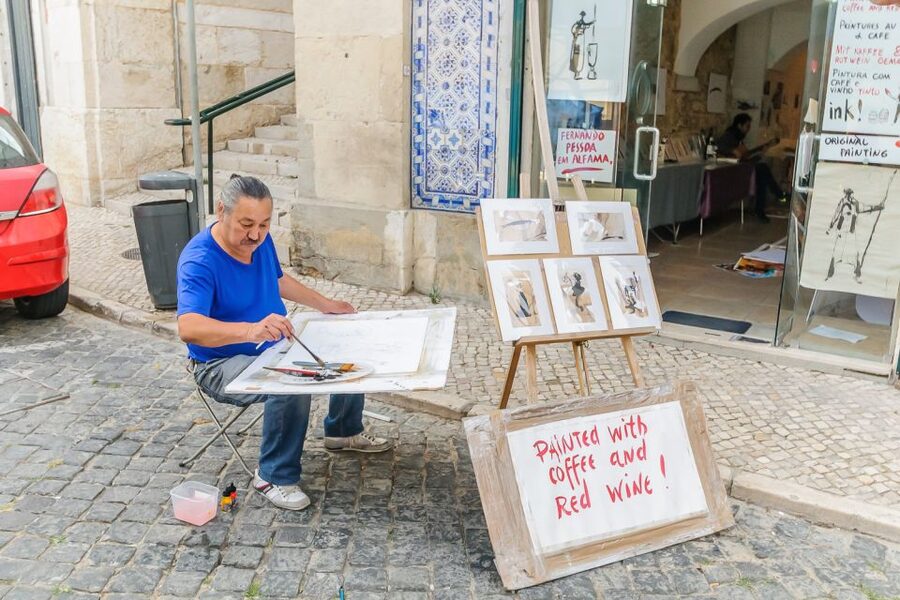
This tour’s included food isn’t just a checkbox. It is built into the pacing, so you get a break right when you might start getting “walk-fatigued.” Included items are:
- Pastel de Nata
- 1 tapa
- Wine tasting
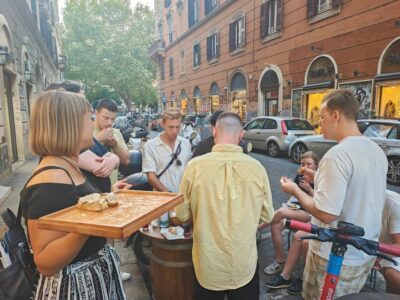
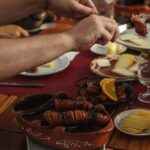
The tapa can vary, but the vibe stays the same: a small local bite paired with something drinkable. In at least one case, guides have offered a plate that includes cured meats and cheese with bread, plus a glass of wine. You don’t need to treat it like a formal meal, but you do get enough to feel nourished without slowing the tour down too much.
The wine tasting matters because it’s a guided moment, not just you buying a glass and hoping it’s good. You’ll get a short, human explanation in the middle of the walk, when your senses are already awake.
Price and Value: What $102 Buys in Lisbon for 3 Hours
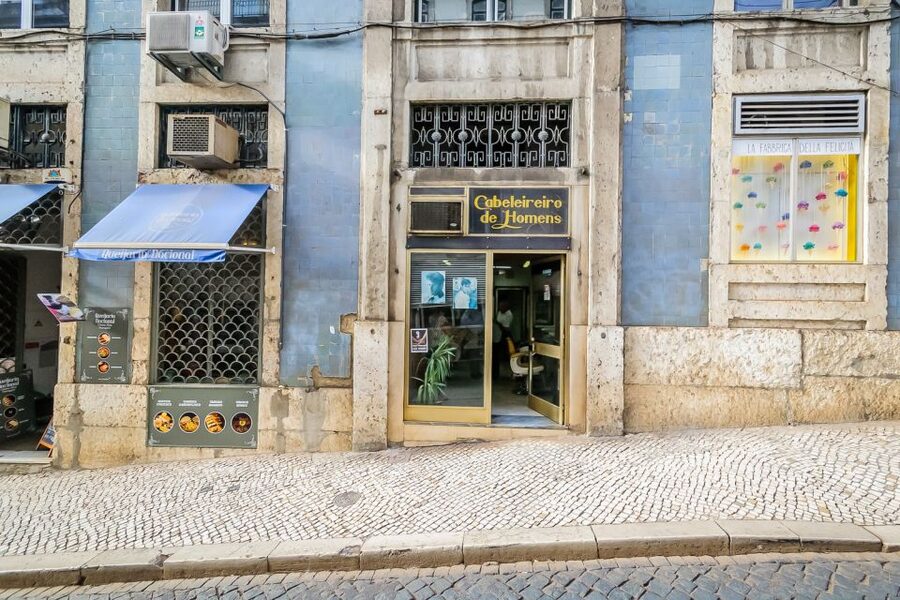
At $102 per person for a 3-hour private walking tour, the big question is whether you’re paying for sightseeing or for something you can’t easily DIY. The answer is you’re paying for two things:
1) a guide to connect history to street-level reality, and
2) included tastings that save you time choosing where to stop.
If you were to do this alone, you could absolutely cover Rossio, Restauradores, Chiado, Carmo, Baixa, and Alfama. But doing it well takes planning, and it still won’t give you the exact story-thread that makes the route feel coherent.
The private format also changes the economics. Even if the group is small, you get the flexibility to ask questions, adjust pacing, and get next-step recommendations once you finish. That part is where many guides pick up their repeat customers, because the walk becomes an orientation tool, not just three hours of photos.
Guide Style: Why Private Feels Better Here
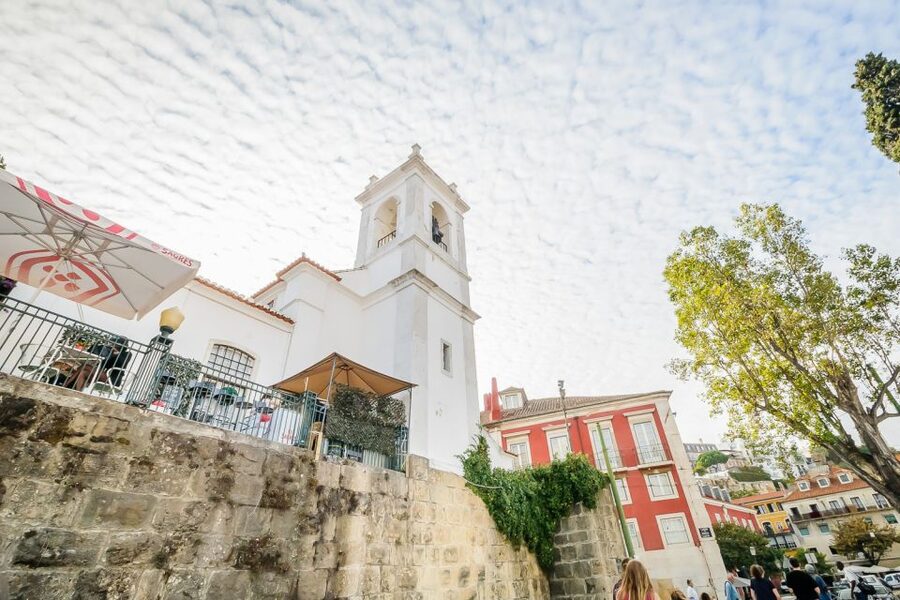
The biggest consistency across guides is enthusiasm plus practical focus. I’ve seen guides like João and Tiago bring humor and a strong Portugal-wide context, not just memorized dates. Others, like Chon and Filipa, tend to keep the tour moving with an in-depth approach, so you feel you get your money’s worth in the time window.
If you want a smoother experience for a family or for mixed ages, pay attention to guides who can manage group energy without turning the walk into a rushed lecture. For example, Ines has been praised for keeping a group on track while answering questions, and for giving solid ideas for the rest of the trip after the tour ends.
Pacing also varies by guide, and that matters. One guide, Beatrice, has been noted for adjusting timing when people arrived early. That doesn’t mean every guide can magically change your schedule, but it does hint at the kind of responsiveness you’ll want in a private tour.
Ending at Praça do Comércio: Finishing with a Big-Square Feeling
Most people remember the beginning of a trip, but it’s the ending that often convinces you this was worth booking. This tour finishes back near the meeting area area, ending at Praça do Comércio. It is described as the former entrance hall of the city and one of Europe’s largest and most beautiful squares.
That’s a great final stop because it gives you contrast. You start in civic-center Rossio energy, work through medieval-to-modern layers, and then close on a wide open space where you can breathe and orient yourself for what’s next: riverside strolls, viewpoints, museums, or just wandering.
Small Logistics That Actually Affect Your Comfort
A few practical notes matter for enjoying the full walk:
- Bring comfortable shoes. Lisbon’s older streets can be uneven.
- Pets are not allowed.
- If you’re starting from a hotel in Lisbon city center, pickup is available.
- If you’re on a shore excursion, the tour operator can adjust the timing and may shorten it by excluding lunch time so you can make your ship schedule.
If you’re trying to fit this into a tight day, think like this: treat the tour as your orientation and save the “deep-dive” attractions for after you’ve built context from the streets.
Should You Book This Lisbon Best of City Private Walking Tour?
Book it if you’re in Lisbon for the first time or you want a focused route that turns landmark-hopping into understanding. The private guide, the historical “why this place matters” explanations, and the included Pastel de Nata + tapa + wine tasting make the experience feel efficient without turning it into a hurry-up tour.
Skip it or look for a slower option if you know you won’t enjoy a 3-hour walking route. Also, if you only want museum-style stops and guaranteed inside-the-monument access, this tour doesn’t include that kind of ticketed entry.
In my view, this is a strong pick for people who want their Lisbon story told in the real places: squares you can stand in, neighborhoods you can feel, and a finish that helps you plan the rest of your trip with confidence.
FAQ
How long is the Lisbon Best of City private walking tour?
The tour lasts 3 hours.
Where does the tour start and where does it end?
It starts at Praça Dom Pedro IV (Rossio Square), in front of the Column of King Pedro IV. It ends back at the meeting point.
What is included in the price?
The included items are a guided walking tour with a live tour guide, Pastel de Nata, 1 tapa, and a wine tasting.
Are monument entrance tickets included?
No. Guided tours inside the monuments and entrance tickets to attractions are not included.
Do you offer hotel pickup, and what languages are the guides?
Pickup is available for hotels in Lisbon city center. The live tour guide offers English, Spanish, and Portuguese.
Can cruise ship shore-excursion timing be adjusted?
Yes. If you are on a shore excursion from the port, the tour times are flexible. Lunch time can be excluded and the tour can be shortened to fit your time in Lisbon, and you should contact the operator after booking for guaranteed flexibility.
What should I bring, and are pets allowed?
Wear comfortable shoes for walking. Pets are not allowed.
Is there free cancellation or a pay-later option?
Yes. You can cancel up to 24 hours in advance for a full refund, and you can reserve now and pay later.