
REVIEW · LISBON
Lisbon: Food & Wine Walking Tour Through Baixa
Book on GetYourGuide →Operated by Carpe Diem Tours · Bookable on GetYourGuide
Lisbon hits different when you taste it. This 3-hour food and wine walk through Baixa mixes classic dishes with city history, starting by the Tagus and moving through Lisbon’s rebuilt heart.
I especially like two things: the priority service that gets you to food without hanging around, and the way the guide stitches each stop to place and story. One thing to weigh: this is a drinking-friendly tour, and if you need strict allergy or vegan/celiac accommodations, the menu limits are real.
In This Review
- Key Takeaways Before You Go
- Getting Oriented in Baixa, Starting at Praça do Comércio
- Flat Walking That Keeps the Focus on Food
- Supremo Tribunal de Justiça and Rua dos Fanqueiros: Where the Story Gets Physical
- Rua da Vitória: Petiscos Energy and Your First Real Portuguese Bites
- Rua da Madalena: Classic Street Food Texture and Balancing Drinks
- Igreja do Santo Domingo and the Tagus Thread: Why the History Feels Relevant
- Ginjinha Sem Rival: The Sour Cherry Liqueur Moment That Marks the Tour
- Finishing at Praça dos Restauradores: What You Do After the Tour Matters
- Price, Tastings, and the Real Value of Priority Tables
- Dietary Needs and How to Plan So the Tour Works for You
- Who This Tour Suits Best (And Who Might Want to Adjust Expectations)
- The Guide Experience: Names You Might Get and the Style You’ll Feel
- Should You Book This Lisbon Food & Wine Tour Through Baixa?
Key Takeaways Before You Go
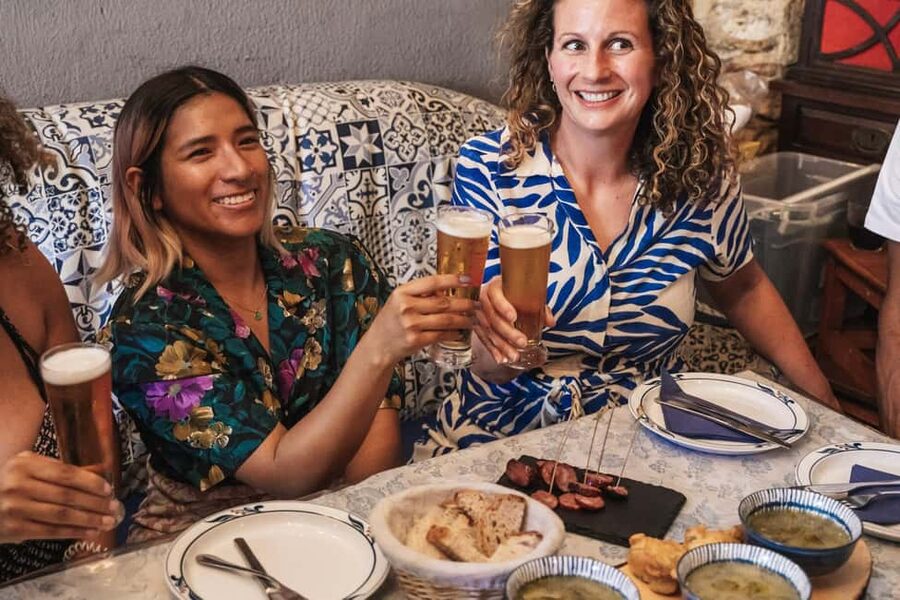
- Flat Baixa walking route: an easy stroll in the city’s most walkable historic core
- 8 tastings + 4 Portuguese drinks: you get full-on sampling, not just a bite-and-run
- New Lisbon after 1755: history is tied to where you’re standing, not lectured from a book
- Family taverns and street-food stops: you’ll eat where locals go, not just photo-friendly spots
- Ginjinha stop at Ginjinha Sem Rival: a classic sour cherry liqueur moment with context
- Diet support, with limits: vegetarian and alcohol-free options exist, but vegan/celiac can’t be handled
Getting Oriented in Baixa, Starting at Praça do Comércio
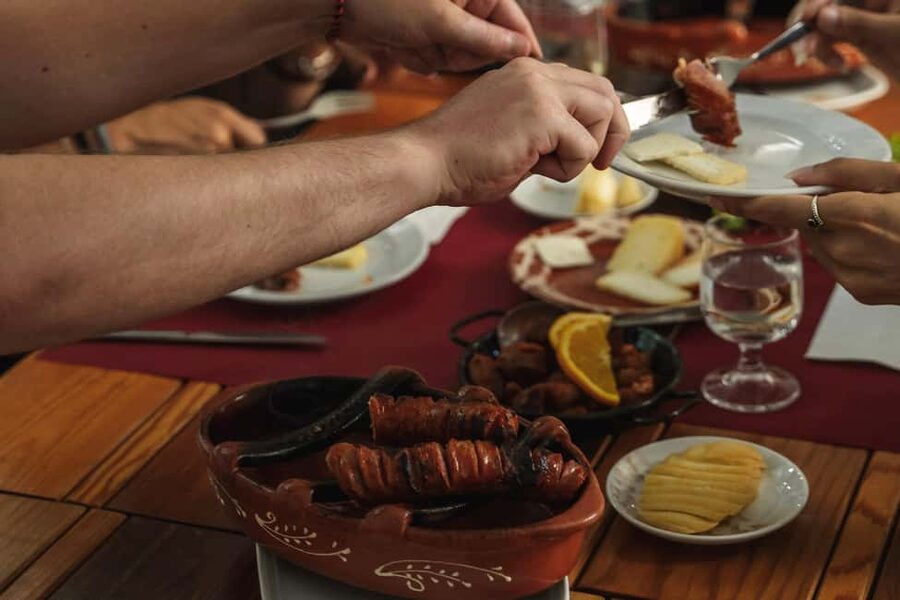
Most Lisbon food tours start with a vibe. This one starts with orientation, right at Praça do Comércio (Praça do Comércio 744), where the river mood is still in the air. You’re in Lisbon’s grandest gathering point, and it’s a smart warm-up. It helps you understand why Baixa matters: this is the city’s central stage, the place people rebuild and reroute when everything changes.
Then the walking begins in a practical way: you’re moving through streets you’ll actually want to explore later. That matters, because the tour is designed as a “learn the area while you eat” experience. You’ll be able to point at streets afterward and say, I know why this place looks the way it does.
You also get a first slice of guide-led context before you go deep into the food. The first quick stop is at Supremo Tribunal de Justiça for about 10 minutes, under the portico area with the large Portuguese flag. It’s not just a photo moment. The guide uses these early landmarks to set the story of Lisbon’s rebuilding and street layout—especially the “new Lisbon” rebuilt after the 1755 earthquake.
If you like tours that do more than feed you, this opening works. It gives you mental map pieces right away.
You can also read our reviews of more walking tours in Lisbon



Flat Walking That Keeps the Focus on Food
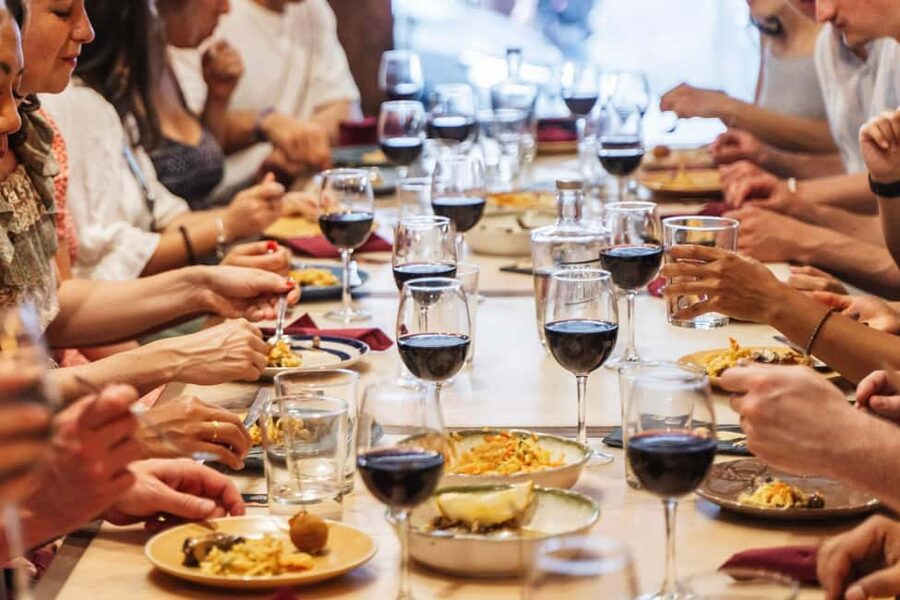
Baixa is famous for being walkable, but you still don’t want a tour that beats you up. This one is built around an easy, flat route. That means you spend more energy tasting and listening, and less energy fighting uneven streets or hills.
In a tour like this, pace is everything. When you’re not constantly climbing or squeezing around tight corners, the tasting rhythm makes sense. You’re not trying to eat while rushing. You’re getting that relaxed “one stop at a time” flow that makes the food feel intentional instead of chaotic.
And since the route stays accessible, it’s also easier to plan your day around it. If you’re pairing this with a longer sightseeing block later, the walking effort won’t steal the afternoon.
One small consideration: because it’s a concentrated area, you’ll want comfortable shoes. You’re still walking Lisbon streets for three hours. Flat doesn’t mean tiny distances.
Supremo Tribunal de Justiça and Rua dos Fanqueiros: Where the Story Gets Physical
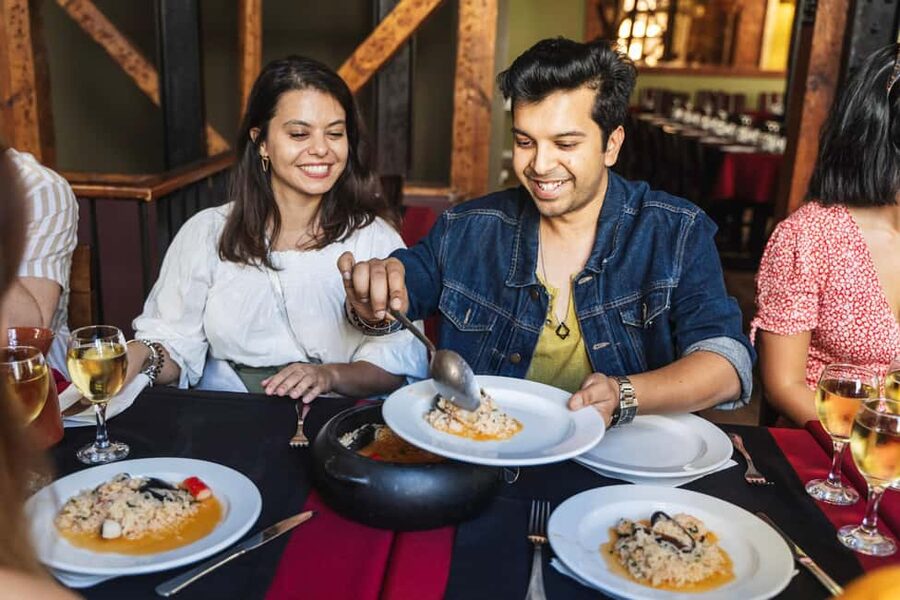
After that initial orientation at Supremo Tribunal de Justiça, the tour heads to Rua dos Fanqueiros, with about 20 minutes of guided time. This street is a classic Baixa artery—active, central, and tightly connected to how Lisbon’s commerce moved through the city center.
This is where the guide’s history approach pays off. Instead of treating the 1755 earthquake as a distant tragedy, you start seeing how it shaped the streets and what “rebuilt” actually looks like in real life. That perspective matters when you’re looking at facades and street geometry. You stop seeing Lisbon as a postcard and start seeing it as a city that got redesigned.
You’ll also get insider-style storytelling, the kind that helps you understand why certain areas became important again after the catastrophe. It’s not just dates. It’s how people moved, traded, and lived once the city had to reset.
Then the tour continues onward, still on foot and still focused on food.
Rua da Vitória: Petiscos Energy and Your First Real Portuguese Bites
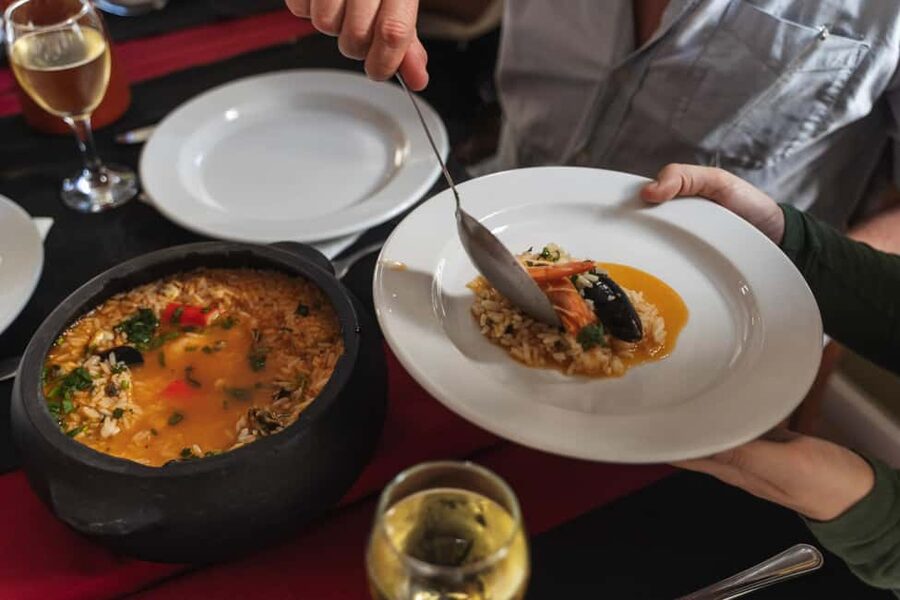
Next up is Rua da Vitória, with around 30 minutes guided time. If you like your Lisbon food experience to feel like a living place—loud, fragrant, and slightly messy in a good way—this is a strong section.
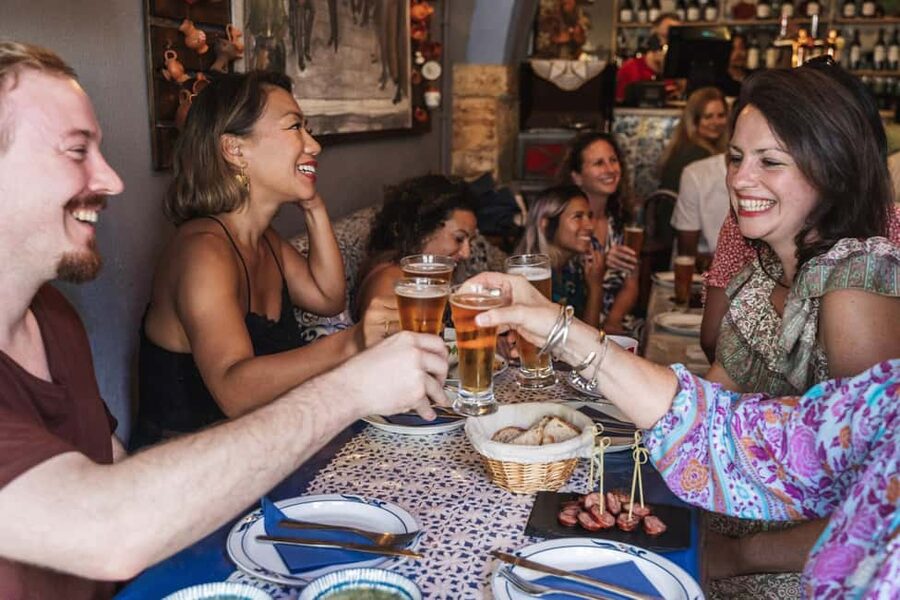
This is also one of the moments where you’ll likely feel the difference between “tour food” and “local food.” The tour is set up to take you into taverns, family-run restaurants, and street-food spots, and the goal is to introduce you to petiscos: small plates meant for sharing, sampling, and keeping the table moving.
You’re not just eating one dish. You’re building a sense of what Portuguese flavors mean in daily life: salt, smoke, seafood staples, comforting textures, and sauces that show up again and again in different forms.
And because the tour includes 8 tastings total, this part matters. Early stops need to hit the right note so you don’t feel like you’re waiting around for the best bites later.
A helpful detail: the menu is paired with traditional drinks. So as you eat, you’re also training your palate to recognize how wine and liqueurs fit into Portuguese meals.
Rua da Madalena: Classic Street Food Texture and Balancing Drinks
Then you shift to Rua da Madalena, about 20 minutes guided time. This is the part where Lisbon’s food becomes more recognizable to first-timers. If you’ve heard Portuguese food names before, this is where the tour brings them into context with actual tastings.
One highlight named in the experience is classic street food like bifana—that iconic pork sandwich that’s everywhere in Lisbon food culture. Even if you’ve had it before, you’ll likely appreciate seeing where it fits in the wider menu and what makes each place’s take feel local rather than generic.
The drinks also keep rolling through these stops. The tour includes 4 traditional drinks, such as Vinho Verde, local beer, and Ginjinha. Vinho Verde is light and refreshing, a useful pairing when you’re eating multiple salty bites back-to-back. Beer helps reset your palate between richer tastes. And Ginjinha is the sweet-tart cherry liqueur that turns the tour into a night of flavors, not just lunch.
If you don’t drink alcohol, you’re not stuck. The tour states that alcohol-free options are available at every stop, so you can still do the tasting rhythm without feeling left out. Still, because the tour is framed around Portuguese drinks, you’ll want to be upfront with your preferences when booking so the experience matches your comfort level.
You can also read our reviews of more food & drink experiences in Lisbon

Igreja do Santo Domingo and the Tagus Thread: Why the History Feels Relevant
The tour description includes iconic landmarks like the Igreja do Santo Domingo, plus storytelling as you move from the Tagus River through grand squares and historic corners. This is one of the reasons the tour feels more than just a string of meals.
I love history that changes how you look at the street. Here, the big theme is the “new Lisbon” rebuilt after the 1755 earthquake. When a guide ties that to what you’re seeing—street layouts, public spaces, how the city centers itself—it gives the food stops a stronger backbone. You’re not just consuming dishes. You’re learning the setting that shaped local habits: how people rebuilt daily life and what ended up becoming central to Baixa’s identity.
It also helps you understand why a neighborhood like Baixa deserves a full tour day even if you only have a short visit. It’s the heart you can walk, the heart that connects landmarks, and the heart where food culture thrives.
You’re finishing your walk with that background in your head, which makes Lisbon feel less like a checklist.
Ginjinha Sem Rival: The Sour Cherry Liqueur Moment That Marks the Tour
Near the end, you’ll visit Ginjinha Sem Rival for about 10 minutes, with the tour guide leading you through the moment that many people remember most. This stop is named clearly in the experience, and for good reason: ginjinha is one of Lisbon’s most distinctive drinks.
Ginjinha is sweet with sour cherry edge, usually served as a short. The tour doesn’t treat it like a gimmick. It places it in the flow of Portuguese drinking culture and ties it to what you’ve been tasting all along. That pairing logic is the key. You’re not just checking off a bar. You’re tasting a local signature drink while the tour’s food themes have already primed your palate.
And yes, it’s a fun stop. You’ll likely feel the group’s energy here, because it’s a shared moment and it’s unmistakably Portuguese.
Also note: this tour includes drinks overall, and one of the clearer expectations from the experience is that there are plenty of alcohol-based tastings for those who want them. If you’re not in that headspace, the alcohol-free options at every stop help. Just plan to tell the guide your preference.
Finishing at Praça dos Restauradores: What You Do After the Tour Matters
The experience ends at Praça dos Restauradores (Praça dos Restauradores 62, 1250-001 Lisboa). This finish point isn’t random. It’s a central square that’s useful for continuing your evening, whether you’re heading to dinner nearby or moving toward other Lisbon neighborhoods.
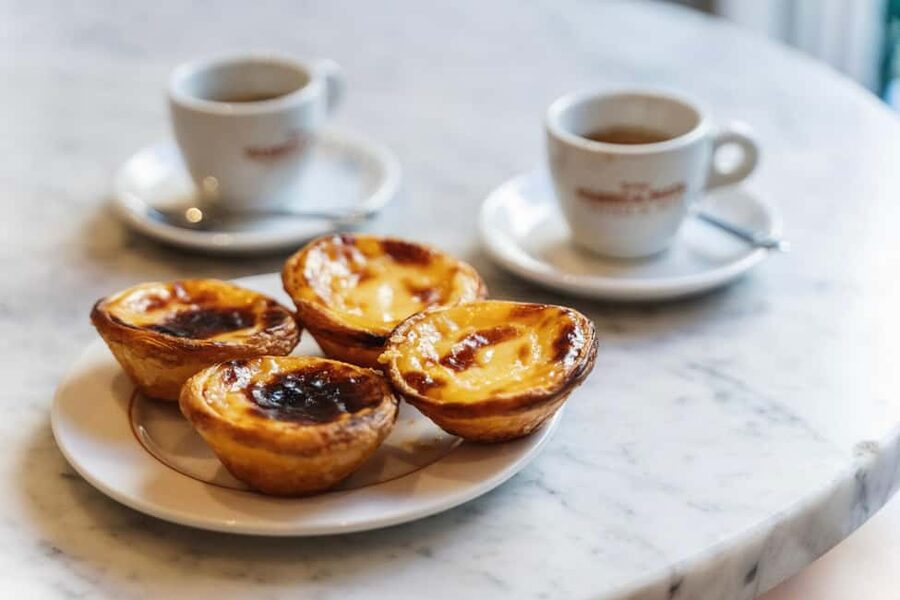
You also end with a sweet note: the tour includes a classic Portuguese dessert at the end. The point of that finale is practical. After tasting seafood staples, street-food bites, and drinking pairings, a dessert stop gives you closure and keeps the tour from turning into a sugar-free slog.
If you’re someone who likes to keep a little space for dinner afterward, be mindful of timing. You’ll be full. That’s part of the value. But you don’t want to plan a heavy sit-down meal immediately after unless you’re ready for a later digestion pace.
Price, Tastings, and the Real Value of Priority Tables
At $84 per person for about three hours, this isn’t a bargain snack tour. It’s priced like what it is: a guided food route with multiple tastings, multiple drinks, and pre-arranged stops.
Here’s why that price can feel fair. You’re not paying just for walking with a guide. You’re paying for:
- 8 tastings that cover traditional petiscos, street food, and dessert
- 4 traditional drinks (including Vinho Verde, beer, and ginjinha)
- Priority service and pre-booked tables, which reduces waiting and makes the flow smoother
- An expert local guide with culture and history context tied to the route
- A flat route that makes it easier to enjoy the experience
Priority service is one of those details that sounds boring until you’re in Lisbon queue lines. If you hate standing around, you’ll feel the benefit. The tour is designed so you move from place to place without losing momentum.
You’re also getting a guided intro to Baixa’s “why,” not just its “what.” That’s harder to do if you DIY it, because you’d have to guess where to eat and which dishes are truly worth the stop.
The one price consideration is dietary limits. Vegetarian options exist, but the number of vegetarian choices is fewer than the regular menu, and the tour can’t accommodate extreme restrictions like celiac disease or a vegan diet. If you fall into those categories, the value equation changes fast because you might not get the full experience you expect.
Dietary Needs and How to Plan So the Tour Works for You
This is a major part of deciding if the tour fits your trip.
Good news first: the tour offers vegetarian and alcohol-free options at every stop. That means you can still do the pacing and still taste widely across the menu.
Now the limits:
- Vegetarian options are available, but there are fewer vegetarian choices than on the standard menu.
- Severe food allergies like celiac disease cannot be accommodated.
- A vegan diet cannot be accommodated.
So if you need strict allergy-safe food or you’re fully vegan, you’ll want to choose a different Lisbon food experience with menus that can meet those needs.
For everything else—being vegetarian, wanting alcohol-free drinks, having normal preferences—this tour is set up to handle it. Just communicate those needs when booking so the guide can steer you correctly at each stop.
Who This Tour Suits Best (And Who Might Want to Adjust Expectations)
This is a great match if you:
- want a first-day or early-trip Lisbon activity to get oriented fast
- like sampling (petiscos, street food, dessert), not committing to one long meal
- enjoy history that connects to daily life, especially Lisbon’s 1755 rebuilding story
- want a guide who can explain food and place in plain English
It may be less ideal if you:
- need strict celiac or vegan accommodations
- hate drink-focused experiences, since the tour includes Portuguese drinks and you may encounter several stops where alcohol is the default choice
- prefer deep museum-style history rather than short, street-level storytelling
The Guide Experience: Names You Might Get and the Style You’ll Feel
One of the strongest signs that this tour works is the consistent pattern of guide feedback across the experience: guides like Andre, Bruno, Maya, Moka, Telma, Margarita, and Joanna are repeatedly praised for being warm, engaging, and good at linking food to the city.
That kind of guide energy is not a small thing. When your guide has a sense of humor and can answer food and Lisbon questions as you walk, the tour becomes a fun way to learn rather than a scripted parade.
You’ll also hear the emphasis on pacing. Many people like that the food selection feels well timed—enough food, but not an endless sprint. And many mention that the tour creates the chance to meet fellow food lovers, which is a nice bonus if you’re traveling solo or just want friendly conversation without forcing it.
Should You Book This Lisbon Food & Wine Tour Through Baixa?
Book it if you want a smart, three-hour overview of Lisbon through real tasting stops in Baixa. The priority service and pre-arranged stops help keep the pace enjoyable, and the combination of 8 petiscos tastings with 4 Portuguese drinks plus a dessert makes it feel like a full experience, not a quick snack session.
I’d skip or replace it if you’re vegan or need celiac-safe food. The tour’s diet support has limits that are important for safety and fairness.
If you’re flexible, curious, and ready to eat and drink your way around Lisbon’s historic heart, this is a strong way to start. It gives you flavors, streets, and context—fast.