REVIEW · LISBON
Lisbon Essential Walking Tour: History, Stories and Lifestyle
Book on Viator →Operated by Lisboa Autêntica · Bookable on Viator
Lisbon has a talent for surprise, especially on hills. This essential walking tour strings together Lisbon’s most important neighborhoods, viewpoints, and landmarks with stories that make the city click quickly.
I really like how the guide-led pacing keeps you from feeling lost in Lisbon’s layers. Seeing spots such as Igreja de São Roque and the Carmo Convent through a local narrative is different from just snapping photos.
One thing to plan for: you’ll walk a fair amount on slopes, and the Santa Justa elevator stop is a major viewpoint but the elevator ticket isn’t included.
In This Review
- Key Highlights You’ll Feel On the Ground
- Three Hours to Get Your Lisbon Bearings on Hills
- Bairro Alto and the Post-1755 Story Behind the Streets
- Miradouro São Pedro de Alcântara: Views That Explain the Map
- Igreja de São Roque: Jesuit Art That Flies Under the Radar
- Igreja do Carmo: Gothic Architecture and the Carnation Revolution
- Santa Justa Elevator Viewpoint: The Big Payoff, Small Ticket Catch
- Baixa Lisbon: Coffee and Pastry That Makes the Tour Human
- Tram Ride to Portas do Sol: Local Movement, Not Just Static Stops
- Alfama: Fado Roots, St. Anthony Traditions, and Narrow Streets
- Lisbon Cathedral Finish: 1150 Origins and a Mixture of Styles
- What Guides Do That Changes Everything
- How Much Walking Is It Really?
- Who Should Book This Tour, and Who Might Skip It
- Should You Book This Lisbon Essential Walking Tour?
- FAQ
- How long is the Lisbon Essential Walking Tour?
- What does the tour cost?
- What’s included in the tour?
- Are tickets for the stops included?
- Does the tour include a tram ride?
- Where does the tour start and end?
- How large is the group?
- Is the tour suitable for first-time visitors?
- What’s the cancellation policy?
Key Highlights You’ll Feel On the Ground
- Small group size (max 15) helps you hear the guide and ask questions without shouting over traffic.
- Coffee and pastry break in Baixa gives you a real moment to recharge mid-walk.
- Miradouro stops focus on how Lisbon’s hills shape daily life and where the best views land.
- Jesuit and Gothic architecture in one route connects art, religion, and political history.
- Tram ride included adds motion and local flavor, not just a static walking loop.
- Tour ends at Lisbon Cathedral, so you finish at a landmark with serious age and layered styles.
Three Hours to Get Your Lisbon Bearings on Hills
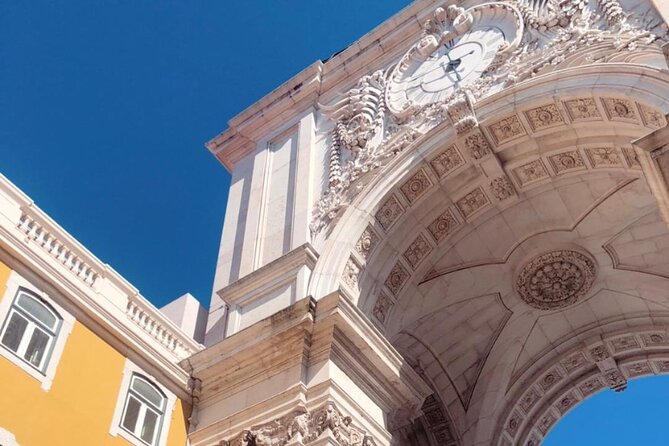
Lisbon can feel like a maze at first. Streets climb, streets drop, and every turn seems to reveal a new angle on the Tagus River. This tour is designed to help you get your bearings fast by linking the city’s neighborhoods with the stories behind them.
You’re out for about 3 hours, in a group capped at 15 people. That matters. In a small group, you’re not lost behind other tourists, and the guide can tailor pacing around questions. It’s also a smart fit if you want the “big picture” before you start roaming on your own.
At $30.25 per person, the value comes from what’s wrapped into the price: a professional guide, a tram trip, and a coffee-and-cake stop. You also get insurance coverage as part of the experience, which is a nice extra when you’re walking around a busy city.
If you book early, you’ll also have better odds of a spot. The tour tends to sell in advance, so I’d treat it like a “do this early in your trip” plan, not a last-minute gamble.
You can also read our reviews of more walking tours in Lisbon



Bairro Alto and the Post-1755 Story Behind the Streets
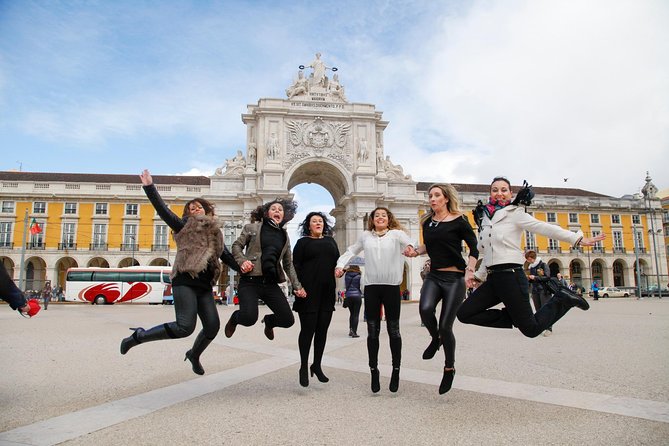
Most Lisbon itineraries start with views, but this one starts with Bairro Alto, where the city’s shape becomes the first lesson. You begin in an area that has been around for centuries, and the guide frames how Lisbon changed after the 1755 earthquake.
That earthquake detail isn’t just trivia. It helps explain why the city’s neighborhoods developed in the way they did, and why you’ll keep noticing patterns: rebuilding, shifting populations, and turning places into living spaces again. Bairro Alto also gives you that classic Lisbon feeling: narrow streets, layered history, and outlook points that seem to appear every few minutes.
You’ll walk through the neighborhood with a guide who doesn’t treat Lisbon like a museum. Names and dates come with human context, and that context is what makes everything you do later feel easier.
Practical note: Bairro Alto sits on a hill. So even before you reach the big viewpoints, you’re already getting Lisbon’s “vertical” reality.
Miradouro São Pedro de Alcântara: Views That Explain the Map
Next comes Miradouro São Pedro de Alcântara, a garden viewpoint where the city opens up. This stop is short, but it’s the kind of short you’ll appreciate because you’re not rushed. The goal is to show you the relationship between Baixa, the south bank of the Tagus, and the way Lisbon’s hills force movement.
If you’ve ever wondered why Lisbon always seems to have staircases and why neighborhoods feel separated even when they’re close on a map, this is where it clicks. You start to understand routes in a physical way, not just a GPS way.
I also like that this stop gives you a clear “photo moment” without turning the tour into a checklist of selfies. You’re learning where to stand and why those lines of sight matter.
Igreja de São Roque: Jesuit Art That Flies Under the Radar
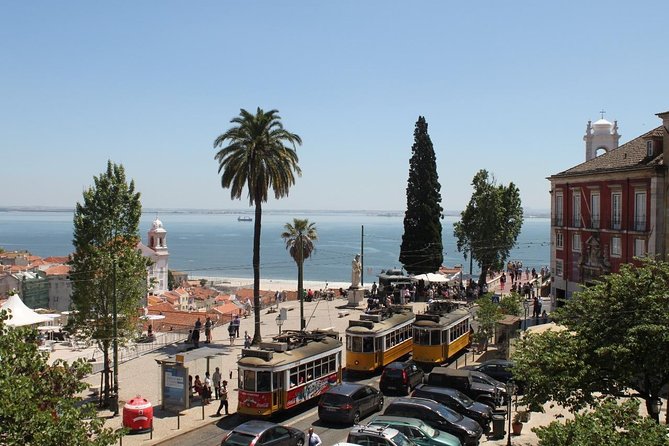
Then you hit Igreja de São Roque, and this is where the tour adds texture. From the outside it can look austere, but inside it’s famous for a mix of gilding, tiles, and paintings. It’s tied to the Jesuits, and the church is recognized as one of the first Jesuit churches in Portugal.
What makes this stop valuable is contrast. Lisbon does grand monuments, sure. But this church shows another side: careful decoration, art used for teaching and devotion, and a museum-like feeling without feeling like you’re locked into an all-day ticketed attraction.
This is also a stop where a good guide really matters. When a guide like Paulo or Ana is leading, the art doesn’t feel random. The details start to connect to religious history and Portuguese identity.
If you’re the type who loves interiors, you’ll enjoy the slower pace here. If you prefer big outdoor views only, you might wish there were a touch more time. Still, you get enough to appreciate why people return.
Igreja do Carmo: Gothic Architecture and the Carnation Revolution
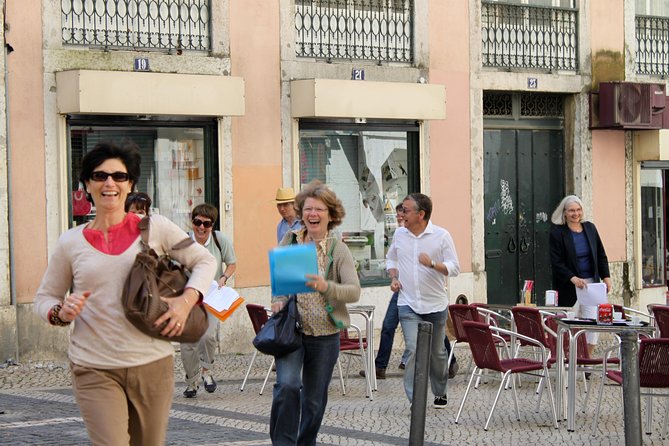
Next is Igreja do Carmo, a convent and church area known for Gothic architecture. You’re heading down the hill, and the change in terrain matches the storytelling: this part of Lisbon anchors you in Portuguese political history, not only architecture.
The key moment here is the link to the Carnation Revolution in 1974, when a dictatorship ended after nearly five decades. Hearing that while standing in a historically important site changes how you remember the date. You don’t just think, “Oh yes, 1974.” You start to sense why public spaces matter when societies shift.
It’s a strong stop for people who want context, especially if you’ve mostly focused on beachy Lisbon vibes so far.
You can also read our reviews of more historical tours in Lisbon



Santa Justa Elevator Viewpoint: The Big Payoff, Small Ticket Catch
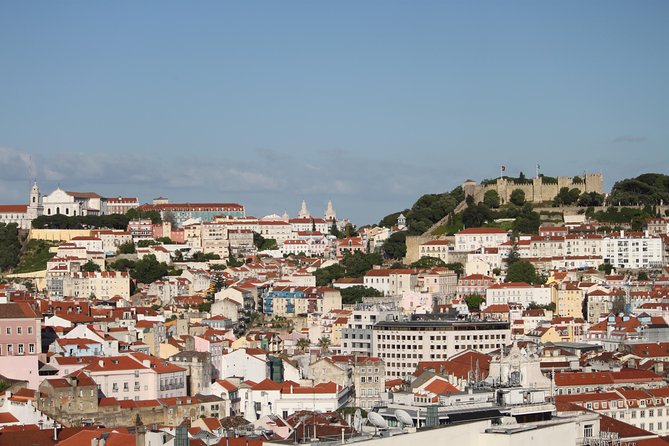
You’ll reach Elevador de Santa Justa, and it’s hard not to be impressed. It’s an imposing monument in Gothic Revival style, and it provides one of the best viewpoints in the city.
Here’s the one practical catch: the elevator ticket is not included. You’ll still see the structure and get the viewpoint angle from the tour’s flow, but if you want to ride up for the full experience, you should plan for that extra cost and time.
I actually think this works well for most visitors because it gives you choice. If you’re tired, you can keep moving. If you want the full payoff, you can buy the ticket and enjoy the elevation.
Tip: come with comfortable shoes because this section is where you feel the “Lisbon is built on hills” reality the most.
Baixa Lisbon: Coffee and Pastry That Makes the Tour Human
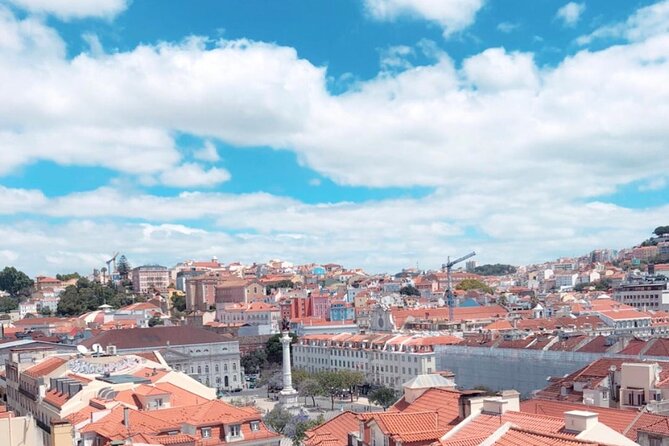
After the churches and viewpoints, the route shifts into Baixa de Lisboa, Lisbon’s central city area. This is where the tour becomes more than sightseeing. You get a coffee and cake break in a local café.
That stop is small but it’s smart. In a city like Lisbon, where you’re often walking up and down, you need a planned reset. It also gives you a chance to ask your guide questions while you’re sitting down, not while you’re standing in a crowd.
From the feedback I’ve heard, the coffee-and-pastry moment is one of the best “thank you” touches in the whole route. It’s not a gimmick. It keeps the tour from feeling relentless.
Tram Ride to Portas do Sol: Local Movement, Not Just Static Stops
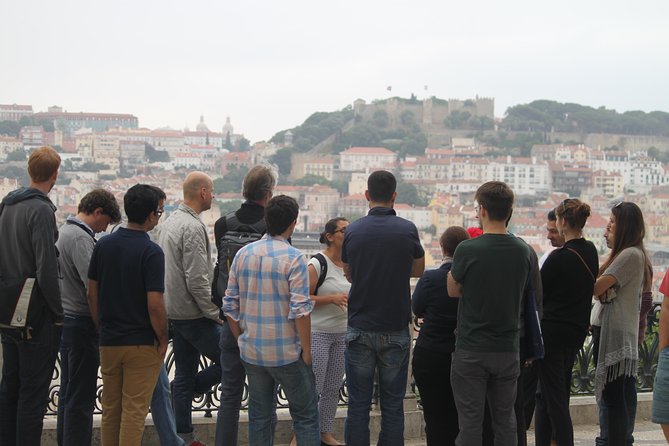
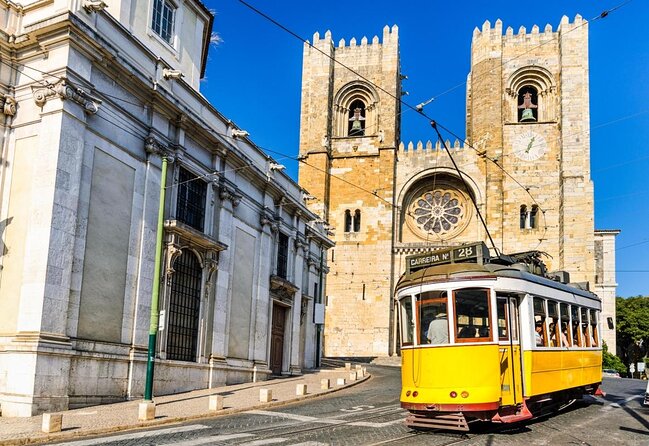
Then you get an included tram trip. You’ll see Praca da Figueira and then ride the tram up toward Portas do Sol.
This portion is fun because it changes your perspective. You’re no longer doing Lisbon by foot only. The tram gives you a different angle and helps break up the walking rhythm. It also works like a mini cultural lesson: Lisbon isn’t only about walking paths and viewpoints. It’s a living transit city.
Some guides are especially good with the tram portion, and you can feel it in how they time stops and direct your attention to what you’re seeing from the tram windows. If you’re excited about classic Lisbon transportation, this is worth showing up for.
Alfama: Fado Roots, St. Anthony Traditions, and Narrow Streets
From Portas do Sol, the tour continues into Alfama, one of Lisbon’s oldest and most traditional neighborhoods. This part is about atmosphere: narrow streets, hillside twists, and a sense of neighborhood life rather than monument hopping.
Alfama is also where you hear about fado houses and festival traditions tied to saints, especially St. Anthony. Again, this isn’t only a history note. It helps you understand why the neighborhood feels like it has its own tempo and why evenings in Alfama can feel different from other parts of the city.
If you care about culture, you’ll appreciate how the guide ties Alfama to the soundscape of Lisbon. And if you’re planning a fado night later, the tour gives you context before you go. Some guides, like Beatrice and Ricardo, are known for offering restaurant and fado tips at the end—helpful when you want to avoid guessing.
One thing to know: this section is tight and walk-heavy. If you need easy footing, take it slow and keep to the group so you don’t get stuck behind slower traffic on narrow lanes.
Lisbon Cathedral Finish: 1150 Origins and a Mixture of Styles
The tour ends at Lisbon Cathedral, built in 1150, about three years after the city returned to Christian rule following the Moors. Over time, the cathedral’s architecture reflects different eras, so you’ll see a mix of styles rather than one single uniform look.
Finishing here is a nice way to close the story. Earlier stops cover neighborhood evolution, Jesuit art, Gothic architecture, and political change. Then you land at a site whose age makes the city’s timeline feel real.
If you still have energy afterward, you’ll usually be well-placed to keep exploring nearby areas on your own, because the tour has already taught you how Lisbon’s hill structure works.
What Guides Do That Changes Everything
The route itself is strong. The guide makes it feel special.
I noticed a pattern in the best experiences: guides like Paolo, Ana, Beatrice, Ricardo, Sofia, Joao, and Lucie bring stories with personal clarity and give useful navigation tips. People repeatedly highlighted the same idea: the tour doesn’t just list facts; it connects them so the city makes sense.
You’ll also benefit from the small-group format when it comes to questions. If you’re the type who asks why a church looks the way it does, or how fado ties to Lisbon’s past, you’ll get more out of the stops.
My advice: if your guide offers restaurant or fado recommendations, take notes. Lisbon can be an endless choice buffet, and these suggestions can save you time and trial-and-error.
How Much Walking Is It Really?
The tour is rated for “most travelers,” and it’s popular for a reason. Still, you should go in with realistic expectations.
You’re moving through multiple hills and viewpoints, plus church interiors. One common reminder from firsthand experiences is to wear comfortable shoes and bring water. If walking is difficult for you, this route might feel like too much.
Also remember the Santa Justa elevator ticket isn’t included. So you may choose to skip it, or you may add extra cost and time if you ride.
Who Should Book This Tour, and Who Might Skip It
Book it if:
- You’re visiting Lisbon for the first time and want history with a route.
- You want key sights without spending your day piecing together buses and tickets.
- You like tours where the guide helps you understand how neighborhoods connect.
You might skip it if:
- You can’t handle hills and frequent walking/steps.
- You only want major external monuments and don’t care about church interiors.
- You prefer a totally self-guided pace where you can stop and start freely.
This one hits a sweet spot for people who want both context and practical orientation.
Should You Book This Lisbon Essential Walking Tour?
Yes—especially if it’s your first day. The best use of this tour is as a foundation: you walk the city with a guide, learn the “why,” and then roam with less confusion afterward.
The price is also reasonable when you look at the mix: guided history, tram transit, and a coffee-and-cake stop, plus insurance coverage. The only reason to hesitate is physical comfort. If you’re steady on your feet and you bring water, you’ll likely feel like you covered far more than three hours.
If you’re booking now, I’d aim for a morning or early afternoon slot so you still have time to explore the neighborhoods you discover.
FAQ
How long is the Lisbon Essential Walking Tour?
It lasts about 3 hours.
What does the tour cost?
The price listed is $30.25 per person.
What’s included in the tour?
It includes a professional guide, a tram trip, a coffee and cake break, and liability and personal accident insurance.
Are tickets for the stops included?
Most stops have free admission, but the Santa Justa elevator ticket is not included.
Does the tour include a tram ride?
Yes. A tram trip is included during the route.
Where does the tour start and end?
It starts in Lisbon, Portugal, and ends at Lisbon Cathedral in Lisbon.
How large is the group?
The maximum group size is 15 travelers.
Is the tour suitable for first-time visitors?
Yes. It’s described as a perfect introduction to Lisbon for first-time visitors.
What’s the cancellation policy?
You can cancel for a full refund up to 24 hours in advance of the experience start time. If you cancel less than 24 hours before, the amount paid is not refunded.