
REVIEW · DUBLIN
Walking Tour of Dublin
Book on GetYourGuide →Operated by Finn McCools Tours · Bookable on GetYourGuide
Dublin’s past hits you fast. This 90-minute walk stitches Vikings, writers, and pub culture into one easy city-center route, guided by people like Alex and Connor who keep the stories fun and moving. You’ll follow cobbled streets and pick up the sort of context that makes Dublin look less like random buildings and more like a living timeline.
My favorite part is the tight sight loop: O’Connell Street, the GPO, Trinity College, Temple Bar’s Rock ’n’ Roll Wall of Fame, and Christchurch Cathedral all get folded into the same outing. One consideration: it’s a real walking tour, and you’ll want comfortable shoes and rain gear, since the route is best experienced outdoors and it’s not suitable for people with mobility impairments.
In This Review
- Key Highlights Worth Knowing
- Meeting at 12 Ashton Quay: How You Get Oriented Fast
- A 90-Minute Route Through O’Connell Street to the GPO
- Trinity College: Book Learning Meets Dublin’s Street Life
- Temple Bar’s Rock ’n’ Roll Wall of Fame: Loud Color, Real Context
- Christchurch Cathedral and the Viking-to-Modern Timeline
- Why the Whiskey and Writer Stories Actually Matter
- Guide Energy, Pace, and Small-Group Feel
- Price and Weather Reality: Getting Value From $21
- Who This Dublin City-Center Walk Suits Best
- Should You Book This Dublin Walking Tour?
- FAQ
- How long is the Walking Tour of Dublin?
- Where does the tour start?
- What sights are included in the route?
- Is food or drink included?
- What language is the live guide?
- What should I bring for the tour?
- Is this tour suitable for people with mobility impairments?
- How much does the tour cost?
Key Highlights Worth Knowing
- Small-group energy from guides like Alex and Connor makes it easier to ask questions and keep your pace comfortable.
- A start point you can actually find at the Tourist shop on 12 Ashton Quay (D02 TE81) gets you oriented fast.
- A curated “big hits” route through O’Connell Street, the GPO, Trinity College, Temple Bar, and Christchurch Cathedral.
- Viking-to-modern storytelling that begins with Dublin’s foundation by Viking settlers in 841 AD.
- Practical sightseeing advice that includes real recommendations for what to do next in Dublin.
Meeting at 12 Ashton Quay: How You Get Oriented Fast
Your walk starts at the Tourist shop on 12 Ashton Quay in Dublin City Centre (D02 TE81). That matters more than it sounds. Dublin streets can confuse you on a first visit, and having a fixed start point at the quay side helps you get your bearings quickly before you start clocking landmarks.
From there, you’ll move along cobbled streets as the guide threads together past and present. The tour is built to be a first-trip kind of day: you see the big scenes, but you also get the story glue that connects them. You’ll hear how Dublin goes from Viking foundation in 841 AD to the city you recognize today.
If you’re the type who hates wandering without a plan, this structure helps. If you’re already a “just show me the sights” person, the route still works because you’re not stuck choosing what to do next.
You can also read our reviews of more walking tours in Dublin



A 90-Minute Route Through O’Connell Street to the GPO
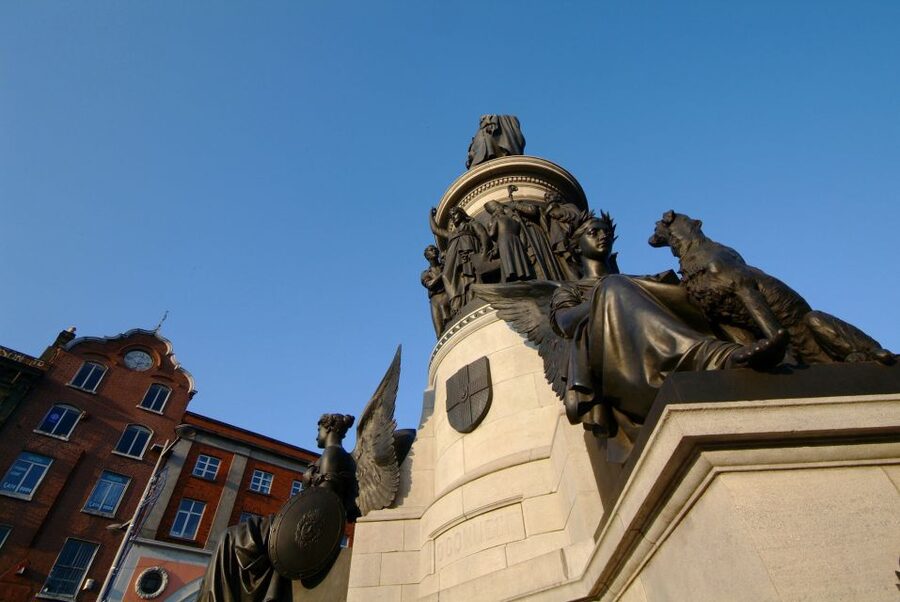
One of the main “reset your trip” stretches is the move through O’Connell Street and on to the GPO. This is the kind of part of Dublin that gives you instant context: you see where people gather, where key history is anchored, and where Dublin’s modern identity shows up in stone and signage.
What makes this section useful is the way the guide links street-level landmarks to bigger Irish themes. You don’t just get dates. You get the why behind the city’s layout and the kind of role these places played. Expect stories that include the political and cultural side of Dublin’s past, plus the gory details tour guides love to share when they’re doing it right.
This stop also sets up the rest of the route. By the time you reach the university area and the Temple Bar zone, the city starts to feel like it has chapters instead of random pages.
Trinity College: Book Learning Meets Dublin’s Street Life
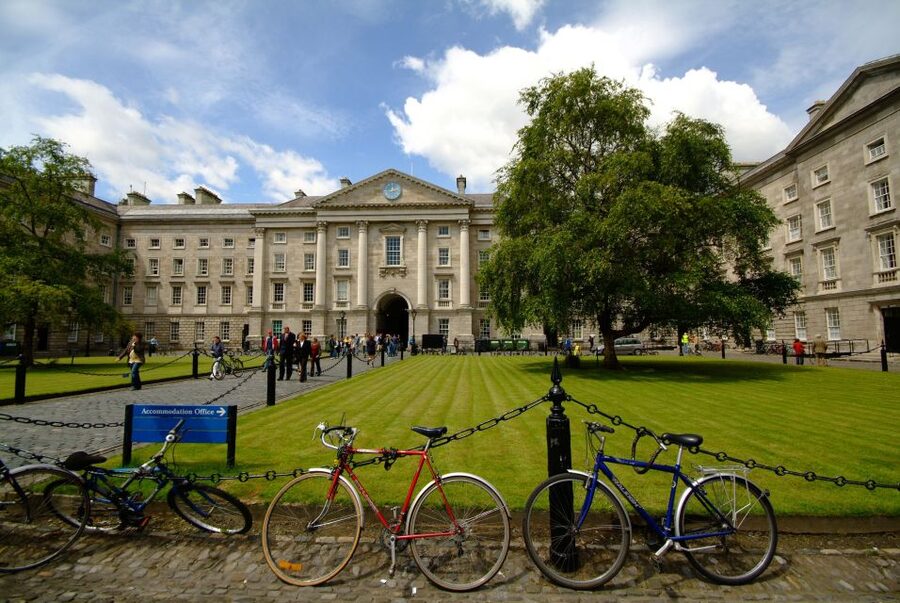
Next up is Trinity College. In a quick walking tour, you usually get a glimpse. Here, you get it with context. You’ll learn about Dublin’s heritage and the writers connected to the city, so the campus area lands as more than architecture.
Trinity is a smart inclusion for first-timers because it’s a switch in vibe. You go from streets shaped by public life to a place tied to learning and culture. It helps you understand why Dublin has such a strong reputation for writing and ideas, even if you never planned to step inside anywhere.
Drawback check: if you were hoping for a long museum-style stop, this isn’t that. You’re getting the “set the scene” version, not an all-day deep dive. If that’s what you want, you’ll use this tour to pick which places you want to return to later.
Temple Bar’s Rock ’n’ Roll Wall of Fame: Loud Color, Real Context
Then comes the Temple Bar area and the Rock ’n’ Roll Wall of Fame. Temple Bar gets a lot of buzz, and sometimes it turns into a caricature. The value here is that the guide ties the music-and-nightlife energy to Dublin’s broader culture story.
You’ll likely hear why this side of Dublin has become a recognizable brand of its own, and you’ll get that Irish-stories angle that makes the stop feel more grounded than just photo ops. It’s also a convenient visual marker: once you’ve seen the Wall of Fame, you can orient yourself in that whole neighborhood without getting lost in it.
Practical note: this part can feel more crowded depending on the time of day. The advantage of a guided walk is that you’re not trying to manage the flow alone. You just follow, listen, and catch the best photo angles when the group pauses.
Christchurch Cathedral and the Viking-to-Modern Timeline
The walk ends at Christchurch Cathedral, and that’s a strong final stop. It gives the tour a more “anchored” ending, especially after the street-life sections. Christchurch also helps the storytelling land. Dublin’s past is all over the city, but you often only feel it when you’re standing near a landmark that carries it.
Earlier you start with the Viking foundation in 841 AD, and by the time you reach this cathedral area, you’re seeing how Dublin kept rebuilding, rebranding, and reshaping itself over centuries. Even if you don’t memorize every detail, the route helps your brain organize what you’re seeing.
You’ll leave with a better sense of how Dublin’s key sites relate, instead of just knowing the names. That alone is worth a lot on Day 1.






Why the Whiskey and Writer Stories Actually Matter
This tour doesn’t treat Dublin like a parade of buildings. It makes room for culture. The guide talks about writers connected to the city, plus stories about heritage and even why Irish whiskey gets the spotlight.
For you, that’s practical. It means you walk away with a mental map for your next evening, not just a list of things to photograph. If you’re deciding where to eat or what to do after, culture stories help you choose places that match the Dublin you want to experience.
I like that the guide doesn’t run the tour like a lecture. In the feedback, guides such as Alex and Connor are praised for fun, relaxed delivery and for asking where people are from. That’s not just friendly. It often leads to more relevant facts and recommendations.
You might hear the kind of advice that helps you plan an extra stop later, like suggestions for well-known pubs or distilleries. One reason the tour gets strong scores is that it seems to connect history to what Dublin is today, including the whiskey conversation.
Guide Energy, Pace, and Small-Group Feel
This walk runs about 105 minutes total, with the content described as a 90-minute tour. Either way, it’s a solid length for a first day: long enough to feel like you saw a lot, short enough that you still have energy afterward.
What makes the time work is the pace. In the feedback, multiple guides are praised for pace that feels neither rushed nor sleepy. People also note the guide energy being funny and interactive, with time for questions.
The small-group feel is a real plus. When the group is small, you get more personal attention. One tour even described a party size of four, which made it feel more like a guided conversation than a bus with walking shoes. If you prefer to ask questions and get direct answers, that format is a win.
If you like learning but hate feeling trapped in a timeline lecture, this tour tends to fit. You’re walking, listening, and using your eyes at the same time.
Price and Weather Reality: Getting Value From $21
The price is listed at $21 per person. For a 105-minute live-guided experience that includes sightseeing advice, it’s priced like a practical entry ticket into the city. You’re not just paying for movement. You’re paying for local storytelling plus help deciding what to do next.
Is it expensive? No. But it’s also not free. So I treat this as a smart buy if you’re:
- short on time in Dublin,
- visiting for the first time,
- and want a quick sense of where everything fits.
Weather matters here. Dublin weather is famous for being unpredictable, and the tour runs on foot. Bring an umbrella and rain gear, and wear shoes you don’t mind getting damp. If it’s pouring rain, the day still works, but the outdoor pace can feel longer than you expect.
Also, it’s not suitable for people with mobility impairments. That’s important. The tour is described as a walking excursion on cobbled streets, which usually means uneven ground and limited flexibility.
Who This Dublin City-Center Walk Suits Best
This is ideal for you if you want a strong first look at Dublin without overthinking the plan. It’s also a good match if you like humor mixed in with history and culture, because guides like Alex and Connor are frequently mentioned as funny and engaging, not dry.
It’s less ideal if you want:
- long indoor stops,
- a slow, museum-style experience,
- or routes designed around mobility needs.
It works great as a start-of-trip activity. You’ll see the key landmarks and get context for choosing where to spend your later hours.
It also fits solo travelers who want company with structure. You’ll be walking together with a guide, and the route keeps you from getting stuck trying to decide what to see next.
Should You Book This Dublin Walking Tour?
I think you should book it if your goal is to understand Dublin quickly and then explore on your own with better instincts. The route hits major city-center landmarks—O’Connell Street, the GPO, Trinity College, the Temple Bar Wall of Fame area, and Christchurch Cathedral—so you get a clean overview.
The main reason to pick this over random wandering is the guide ingredient. Multiple guides are praised for energy, humor, interaction, and answering questions, plus giving sightseeing advice. That turns landmarks into meaning, and meaning helps you enjoy the rest of your trip.
If you’re sensitive to weather or need mobility accommodations, choose differently or plan extra alternatives. And if you hate walking for any reason, you might find this duration too long.
FAQ
How long is the Walking Tour of Dublin?
The tour lasts 105 minutes total, with the walking tour described as about 90 minutes. Starting times depend on availability.
Where does the tour start?
It starts at the Tourist shop at 12 Ashton Quay, Dublin, Co. Dublin, D02 TE81, Ireland.
What sights are included in the route?
The walk covers O’Connell Street and the GPO, Trinity College, Temple Bar’s Rock ’n’ Roll Wall of Fame, and Christchurch Cathedral.
Is food or drink included?
No. Meals and drinks are not included.
What language is the live guide?
The live tour guide speaks English.
What should I bring for the tour?
Bring comfortable shoes, an umbrella, and rain gear. You should also dress warmly.
Is this tour suitable for people with mobility impairments?
No. It is not suitable for people with mobility impairments.
How much does the tour cost?
The price is $21 per person.