REVIEW · BRISTOL
Guided Walking Tour of Bristol Old City and Harbour
Book on Viator →Bookable on Viator
Bristol changes fast on foot. This guided walk strings together Cathedral, docks, city streets, and street art in a way that makes the city feel like one story instead of a pile of landmarks. You’ll cover the highlights of the old centre and harbour while learning why people built, traded, and argued here over centuries.
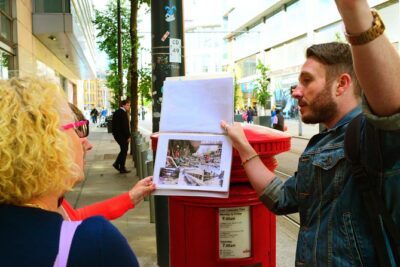
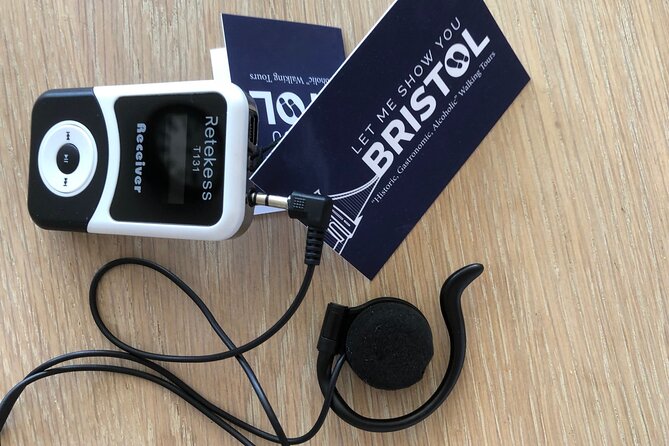
What I love most is the clear audio. You get receivers, so Mike’s commentary stays easy to follow even when you’re near crowds. I also like the small group size (up to 8), which keeps things personal and makes it easier to ask questions as you walk.
One thing to plan for: it’s a walk with a steady pace. You’ll be on your feet for about 2 hours 15 minutes, and the route includes lots of steps—comfortable shoes and weather-ready clothes really matter.
In This Review
- Key things that make this Bristol walk worth it
- Why Bristol Old City and Harbour feels like a best-of tour
- Meeting at the Bristol Marriott and getting set with audio receivers
- Bristol Cathedral to Park Street: starting with the city’s big institutions
- Canon’s Marsh and the shipping viewpoint: the waterfront mindset
- Bristol City Docks: trench paths, bridges, and Arnolfini
- Prince Street Bridge to the M Shed: docks evolve into modern Bristol
- Bathurst Basin and Queen Square: architecture plus the stories underneath
- Bristol Old Vic to Welsh Back: theatre buildings with street-level context
- Baldwin Street (R11): from Saxon roots into today’s old city
- St John on the Wall to Edward Colston: gates, conduits, and street art
- Price and value: what $29.86 buys you in real time
- Pace, comfort, and who should book this
- Practical tips before you set off
- Should you book this Bristol Old City and Harbour walk?
- FAQ
- How long is the Guided Walking Tour of Bristol Old City and Harbour?
- What does the tour cost?
- Where do we meet, and does the tour end there too?
- Is the tour guided in English?
- Does the tour include audio receivers?
- Do I need to pay for entry at the stops?
- What should I bring?
- How big is the group?
- What happens if the weather is poor?
Key things that make this Bristol walk worth it
- Audio receivers keep the guide’s story easy to hear in busier spots
- Small-group (max 8) feel, not a cattle-line tour
- A smart route that covers Cathedral → docks → old city gates in one go
- Clear pointers on where to find Banksy murals while you’re out seeing the streets
- Stops are timed so you see a lot without feeling lost or rushed
- You start and end at the Bristol Marriott Royal Hotel on College Green, so it’s simple to anchor your day
Why Bristol Old City and Harbour feels like a best-of tour
If you only have a short window in Bristol, this is the kind of plan that saves you from guesswork. You’re not just looking at pretty buildings—you’re watching how the city functions, from religious power (Bristol Cathedral) to trade power (the docks) to modern culture (street art and popular landmarks).
I like that the walk connects big names with everyday places. You’ll be told who lived here, what the city relied on, and how the waterfront shaped daily life.
And the best part is that you can come away with a mental map. After this, many streets and sights won’t feel random anymore.
You can also read our reviews of more walking tours in Bristol


Meeting at the Bristol Marriott and getting set with audio receivers
You meet at the Bristol Marriott Royal Hotel at College Green (BS1 5TA) with a 2:00 pm start, and you end back at the same spot. That “same start, same end” pattern helps if you’ve got dinner plans later or you want an easy reset.
Before you start walking, you’ll get your audio receiver. This matters more than you might think. Bristol can get busy near the docks and central streets, and the headset approach helps you keep up with the story without playing catch-up.
The tour is offered in English and uses a mobile ticket. Most people can participate, but you’ll want to come ready to walk.
Bristol Cathedral to Park Street: starting with the city’s big institutions
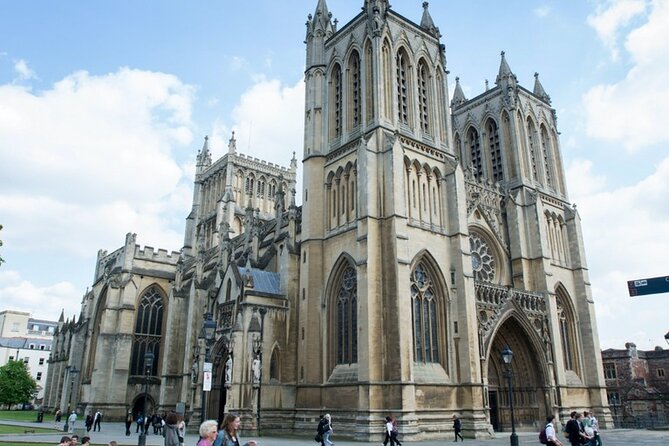
The morning’s story begins at Bristol Cathedral. This stop works as a “foundation chapter” because you immediately see the kind of grand civic-and-religious architecture that helped shape local identity.
You’ll also hear about specific features and nearby landmarks, including Well Hung Lover and St Mark’s, plus major buildings on Park Street and around the Cathedral area. This is where the guide’s storytelling helps you notice details you’d otherwise walk past.
Practical note: the timing here is short, so don’t expect a full slow visit of the Cathedral interior. Think of it as a focused orientation stop that sets context for everything that comes next.
Canon’s Marsh and the shipping viewpoint: the waterfront mindset
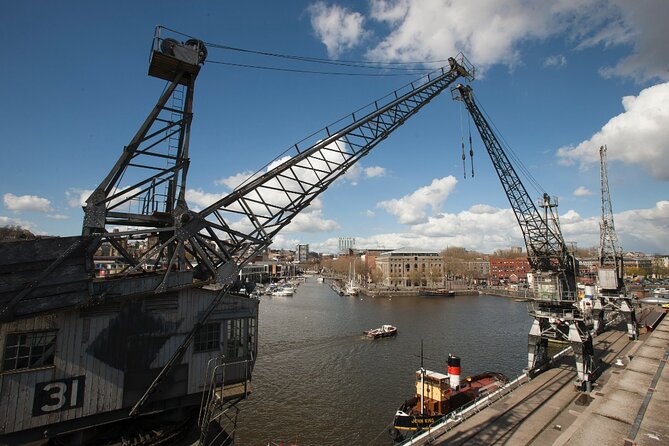
Next you move toward Canon’s Marsh, looking out over the waterfront area. This is where Bristol stops feeling like just a historic city and starts feeling like a working port—quays, docks, and shipping infrastructure.
You’ll see places tied to trade and movement like Oporto Quay and Limekiln Dock, plus views of cranes and the general dock landscape. The key value here is perspective: it’s easier to understand the city’s layout once you’ve seen where the goods and people flowed.
If you’re into industrial design, you’ll enjoy how the waterfront structures create sightlines. Even if you’re not, it helps you read the city in practical terms—what’s where and why.
Bristol City Docks: trench paths, bridges, and Arnolfini
Then it’s on to Bristol City Docks. This section has a “walkable history” feel—short bursts where you cross from one point to the next and the guide explains what each connection meant.
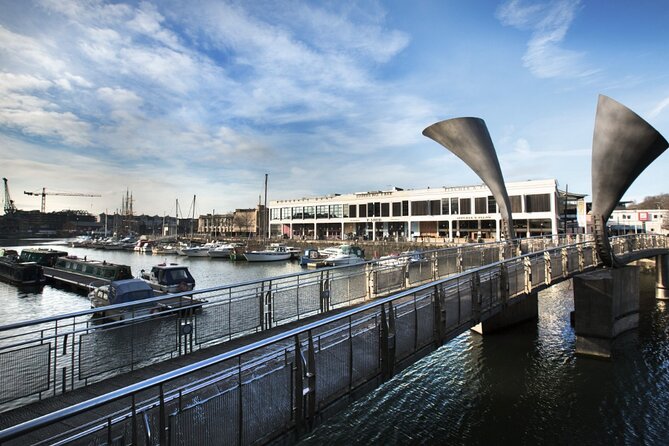
You’ll walk toward the Medieval trench, cross Pero’s Bridge, and reach Arnolfini. That sequence is powerful because it mixes “old-world” remnants with a contemporary arts venue in the same area.
The drawback here is simple: if you’re uncomfortable with uneven ground or lots of foot traffic, this is the part where you’ll feel it most. Bring sensible shoes and keep your pace steady.

Prince Street Bridge to the M Shed: docks evolve into modern Bristol
From the docks you cross Prince Street Bridge, and the scenery shifts again—less medieval and more modern port/warehouse memory. You’ll get views over to M Shed and learn how the area developed with time.
You’ll also see references around the Matthew, Container Village, and Old Prison Ruins. That mix of maritime, modern displays, and repurposed spaces is part of Bristol’s identity: the harbour keeps reinventing itself.
This stop is a good example of why a guided walk beats a self-guided stroll. Standing in a single spot is fine, but you get far more value when someone connects the dots between what you see now and what it used to be.
Bathurst Basin and Queen Square: architecture plus the stories underneath
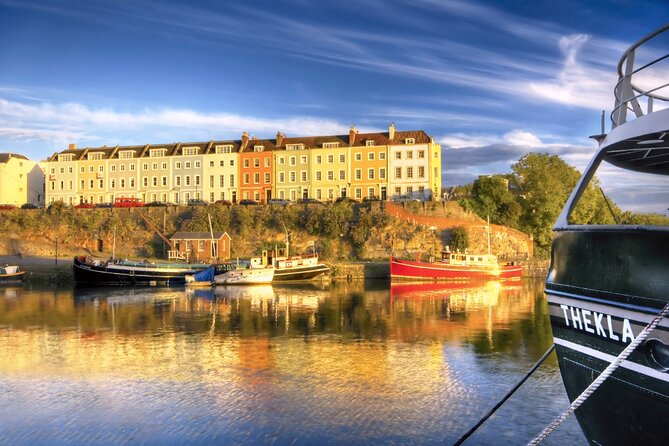
At Bathurst Basin, you’ll look at the Old Mill Pond, Guinea Street, and several named historic buildings and properties. Stops here include places like A House Through Time and the Slave Captains Houses, plus Redcliffe Church.
I appreciate that this section doesn’t feel like random tourism. You’re seeing how the waterfront prosperity left its mark on the city’s street-level architecture.
Then you work toward Queen Square, one of those central areas where Bristol’s past is right next to its public life. You’ll also hear about King William’s Statue, the American Consulate, and Spy Glass Inn (a nod to Treasure Island). It’s a fun way to understand how culture and branding sit on top of real geography and history.
If you care about street-by-street context, this is one of the best sections of the route.
Bristol Old Vic to Welsh Back: theatre buildings with street-level context
The walk continues to Bristol Old Vic, then along King Street and toward Welsh Back. The Old Vic matters because it represents local cultural life, not only old trade and old buildings.
This section is also useful for orientation. After you’ve walked the docks, you start to understand how the cultural heart of the city sits within reach of the water.
Timing stays tight, so don’t expect long photo sessions at every corner. What you’ll get instead is a sense of where theatre, streets, and public spaces fit into the larger harbour story.
Baldwin Street (R11): from Saxon roots into today’s old city
Next comes Baldwin Street (R11), where you’ll learn about the origins of Bristol as a Saxon settlement. That kind of “start at the beginning” moment helps you connect the old-city layout to its earliest roots.
You’ll also see Castle Park, then enter the Old City area and take in multiple types of places: churches, law courts, trading haunts, and meeting places tied to merchants and guilds. You’ll also pass the Corn Exchange.
This stop is where the walk often feels most satisfying for first-timers. It turns Bristol into a place with structure and logic, so when you later explore on your own, you won’t feel like you’re wandering without a plan.
St John on the Wall to Edward Colston: gates, conduits, and street art
You’ll finish the city walk portion at St John on the Wall, where you go through one of the remaining old city gates and see the conduit and street art.
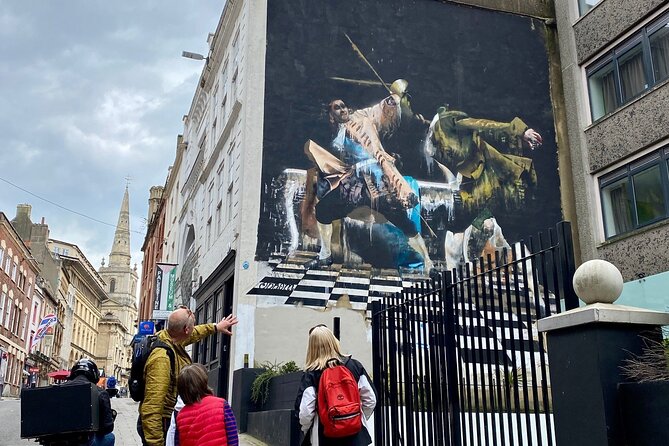
This is also where the guide’s street-art awareness really earns its keep. You’ll get direction on where to find Banksy murals, which is especially helpful if you’re not sure what to look for or where the best street-art pockets sit.
Then the final stop centers on the Statue of Edward Colston, with the cenotaph nearby, and the tour wraps back at the starting Marriott.
Because Colston is a sensitive subject in Bristol, it’s smart to approach this part with a calm, curious mindset. You’ll likely get context from the guide, and it helps to listen closely as the walk moves from old gates to modern debate.
Price and value: what $29.86 buys you in real time
At $29.86 per person for about 2 hours 15 minutes, the value comes from three things that add up quickly:
First, you’re paying for a guided route that hits major sights without you having to assemble the plan yourself. Second, the audio receivers are included, which improves the experience in the exact places where noise would otherwise drown out explanations. Third, the group cap of 8 keeps the tour from feeling rushed or faceless.
You’re also not paying extra for admissions at the listed stops, since the stops are marked free admission. That’s not the same as “everything is free,” but it does keep this afternoon from turning into a budget surprise.
One small catch: coffee and/or tea isn’t included. If you like to refuel after walking, plan to buy something near the end or before you meet.
Pace, comfort, and who should book this
This is a steady pace walking tour. Some reviews mention needing to keep up, and the route adds up to a lot of steps, so it’s not the best choice if you want a sit-down, slow sightseeing day.
That said, it’s also friendly for many visitors because the headsets help you stay engaged even when you’re moving through crowds or busy streets. You can keep up with the story without constantly stopping.
I’d strongly consider it if you:
- are in Bristol for a first visit and want orientation fast
- like street art and want help spotting it intelligently
- want a compact route that covers Cathedral, docks, and Old City in one afternoon
- enjoy asking questions as you go
I’d skip it (or choose a gentler alternative) if you have limited mobility or prefer mostly seated attractions.
Practical tips before you set off
Bring water, wear comfortable shoes, and dress for weather. The tour requires good weather, so plan a backup option in case Bristol decides to rain mid-afternoon.
Also, give yourself time to be at the meeting point a few minutes early. The walk starts at 2:00 pm, and with a small group, you don’t want to be the last one to arrive while everyone’s waiting on you.
Should you book this Bristol Old City and Harbour walk?
I think you should book if you want a smart “city brain” tour—one that helps you understand how Bristol works by walking its key threads: cathedral power, dock trade, Old City institutions, and street art culture.
If you’re already an extremely detail-obsessed history buff and want hours inside buildings, this isn’t that kind of day. But if you want maximum payoff in 2 hours 15 minutes with audio support and a small group guide who keeps the story moving (Mike is the name you’ll hear), it’s a great fit.
If the weather looks good and your feet can handle a solid walk, this is one of the easiest ways to make Bristol feel like your own map instead of a list of attractions.
FAQ
How long is the Guided Walking Tour of Bristol Old City and Harbour?
It’s about 2 hours 15 minutes.
What does the tour cost?
The price is $29.86 per person.
Where do we meet, and does the tour end there too?
You meet at Bristol Marriott Royal Hotel on College Green (BS1 5TA) and the tour ends back at the same meeting point.
Is the tour guided in English?
Yes, it’s offered in English.
Does the tour include audio receivers?
Yes. Audio receivers are included so you can hear the commentary clearly.
Do I need to pay for entry at the stops?
Admission is listed as free at the stops included on the walk.
What should I bring?
Wear comfortable shoes, bring water, and dress for the weather.
How big is the group?
The tour has a maximum of 8 travelers.
What happens if the weather is poor?
The experience requires good weather. If it’s canceled due to poor weather, you’ll be offered a different date or a full refund.