REVIEW · BUDAPEST
Budapest: Guided Foodie Walking Tour with Food and Drinks
Book on GetYourGuide →Operated by Carpe Diem Tours · Bookable on GetYourGuide
Food plus stories beats wandering alone. This guided foodie walk uses the District 7 Jewish Quarter roots to explain why Hungarian food tastes the way it does, from what’s on the table to how people party afterward. I especially like how the tour uses real neighborhood texture, not museum facts, starting at the Kazinczy Street Synagogue.
I also like the smart flow of the meal: you get a street-food warmup like soup and Lángos, then you level up to classics such as nokedli and Flódni. Drinks are part of the lesson too, with three included pours like fruity Pálinka and sweet Tokaji. One drawback to plan around: this tour can’t accommodate gluten-free or vegan diets right now, though vegetarian options are available (and may be fewer).
In This Review
- Key highlights at a glance
- District 7 Food Walk in 2.5 Hours: what you’re really buying
- Kazinczy Street Synagogue start: where the food story begins
- Jewish Quarter walk (30 minutes): history you can taste
- Andrássy Avenue (1 hour): the stroll that breaks up your meal
- Street-food warmup: soup and Lángos without the fuss
- Sit-down classics: nokedli and Flódni in the smarter moments
- The drink pairing lesson: Pálinka and Tokaji
- The pacing that makes it feel like a four-course meal
- Value check: is $70 for Budapest food and drinks a fair deal?
- Guides and atmosphere: why the stories land
- Practical tips before you meet at Kazinczy Street Synagogue
- Who this Budapest tour suits (and who should skip it)
- Should you book this Budapest foodie walking tour?
Key highlights at a glance
- Kazinczy Street Synagogue as the meetup: you’ll find the guide holding a black Tipsy Tour sign.
- District 7 focus: you’ll walk the former Jewish neighborhood turned nightlife hub.
- Two eating styles: casual street-food bites first, then a sit-down tasting of Hungarian staples.
- Classic dishes included: soup, Lángos, nokedli dumplings, and Flódni pastry.
- Three alcoholic beverages included: expect options like beer, wine, shot, plus Pálinka and Tokaji.
- Guides you’ll actually enjoy: many runs feature hosts such as Laura, Eszti, Agnes, Peter, Kitty/Kittie, Kelly, Ray, and Daniel.
District 7 Food Walk in 2.5 Hours: what you’re really buying
This is a guided tasting night designed to feel like a full meal, not a handful of snacks. You’re walking between four local eateries, with history folded into the route and drinks paired to keep things moving. At $70, you’re paying for three things that are hard to copy on your own: the menu direction, the timing, and the local explanations that connect food to place.
The pace is “eat, walk, listen, repeat.” It’s casual enough to feel fun, but structured enough that you don’t end up standing around deciding what to order. If you like your Budapest with a little grit and a little glamour, District 7 is the right neighborhood for it.
You can also read our reviews of more walking tours in Budapest



Kazinczy Street Synagogue start: where the food story begins
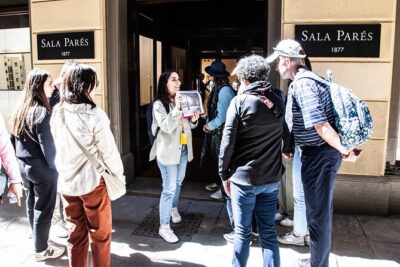
The tour begins in front of the Kazinczy Street Synagogue, with the guide holding a distinct black Tipsy Tour sign so you can spot the group fast. Starting here matters because Hungarian cuisine and Jewish community traditions are closely connected. You’re not just tasting dishes; you’re getting the “why” behind them from the get-go.
It also sets the tone. This is Budapest’s food story told through a neighborhood lens, not a generic restaurant crawl. And because you start at a meaningful landmark, you get your bearings quickly before you move into the smaller streets.
Jewish Quarter walk (30 minutes): history you can taste
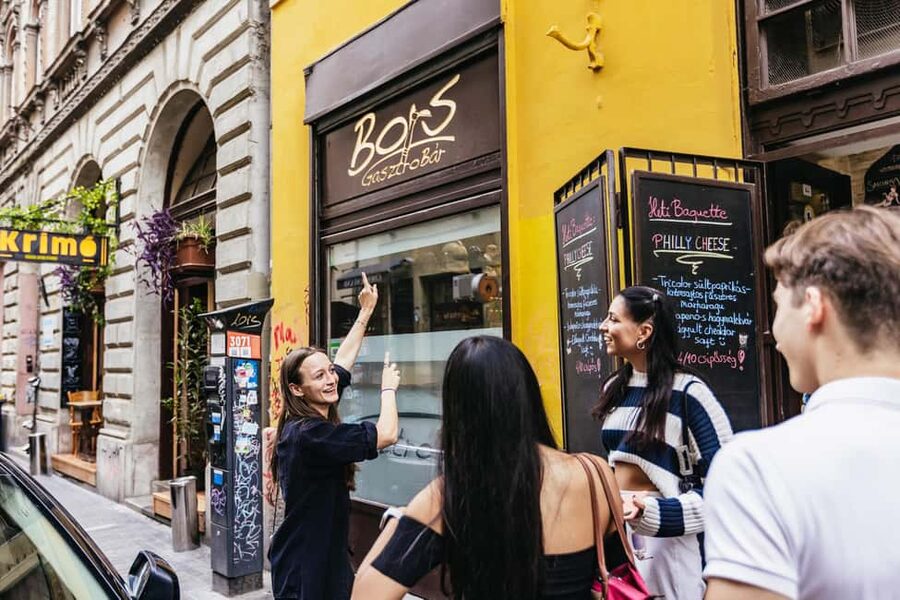
After the meetup, you’ll get a guided introduction in the Jewish Quarter for about 30 minutes. The focus is practical: how local cuisine grew into tradition, and how that history still shapes what you’ll eat and where you’ll go next.
You’ll also hear stories that connect food habits to culture. That’s the difference between ordering random dishes and learning the patterns—what people reach for, what shows up at celebrations, and what’s considered comfort food. Even if you’ve read a bit about Hungary already, this kind of street-level context makes it stick.
Andrássy Avenue (1 hour): the stroll that breaks up your meal

Next comes a guided walk portion along Andrássy Avenue for about an hour. This helps prevent the classic food tour problem: too many bites, too little sense of direction. The walk acts like a palate reset for your brain, giving you a proper city view and a slower rhythm before the next eating stop.
Andrássy Avenue also gives you contrast. You’ll be moving between the more nightlife-minded District 7 mood and the broader, more elegant feel of the avenue. It’s a nice reminder that Budapest isn’t one vibe; it’s a mix of eras, styles, and social spaces.
Street-food warmup: soup and Lángos without the fuss

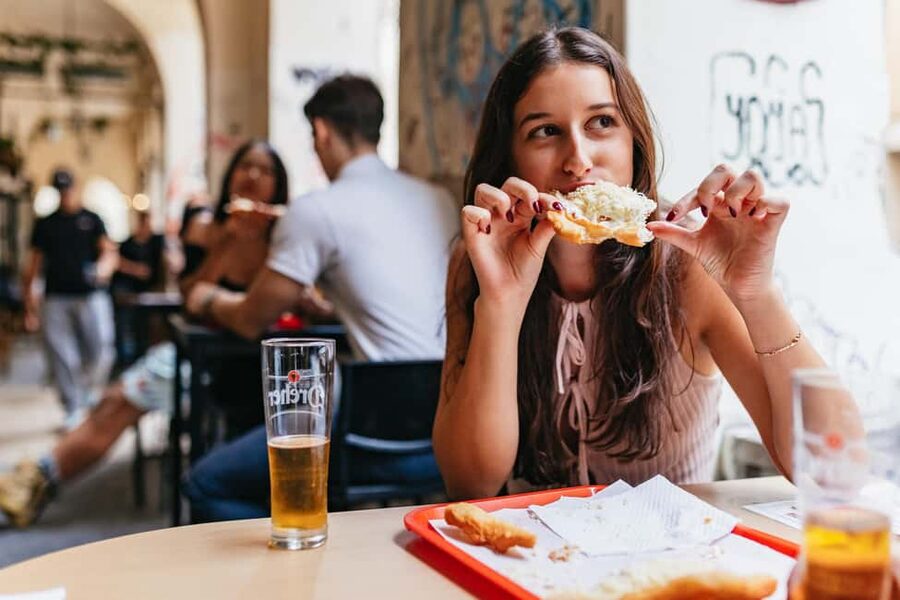
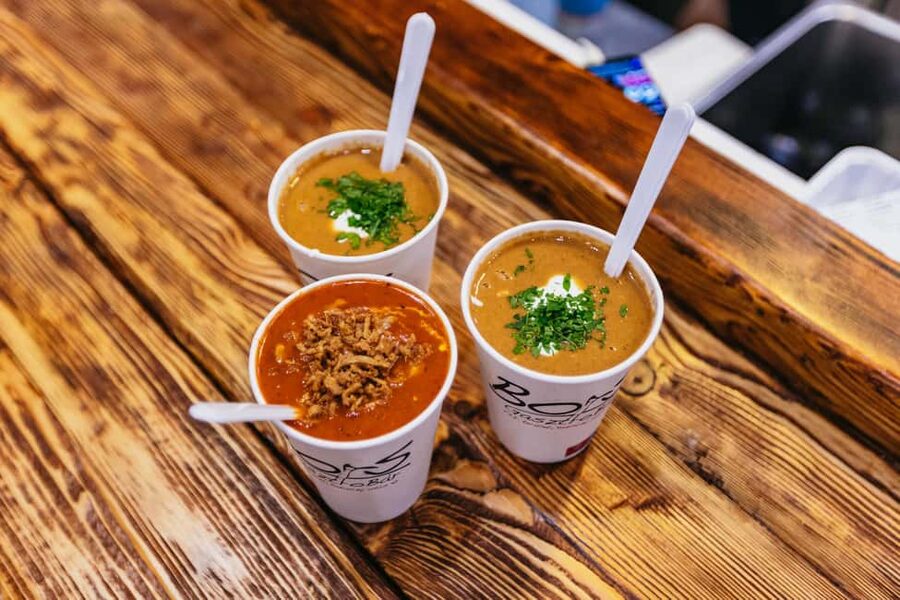
On the casual side, you start eating like locals. The tour specifically calls out skipping utensils—so be ready for finger-friendly bites and straightforward, no-pretense street food.
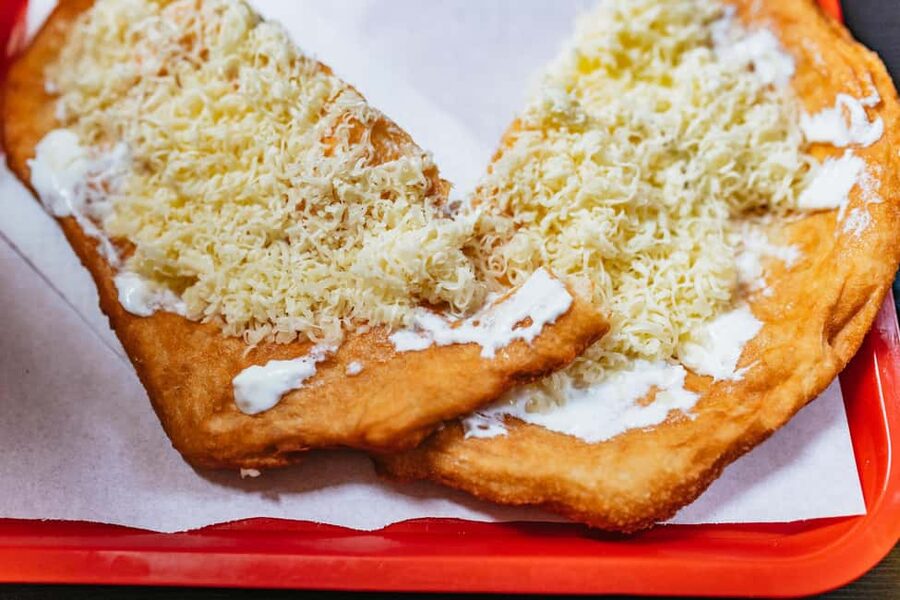
Expect a traditional soup to kick things off. People rave about the early stage because it hits right: it warms you up, settles the stomach, and makes you ready for fried, savory comfort. Then comes Lángos, the deep-fried flatbread that’s thick, hot, and built for eating on the go. If you’ve never had it, don’t overthink it. Your job is to eat, taste, and pay attention to how the flavors change with the toppings and the alcohol you’re paired with later.
This section is where the tour feels most “Budapest.” It’s less about elegance and more about appetite, atmosphere, and learning the food culture in motion.
You can also read our reviews of more food & drink experiences in Budapest
Sit-down classics: nokedli and Flódni in the smarter moments
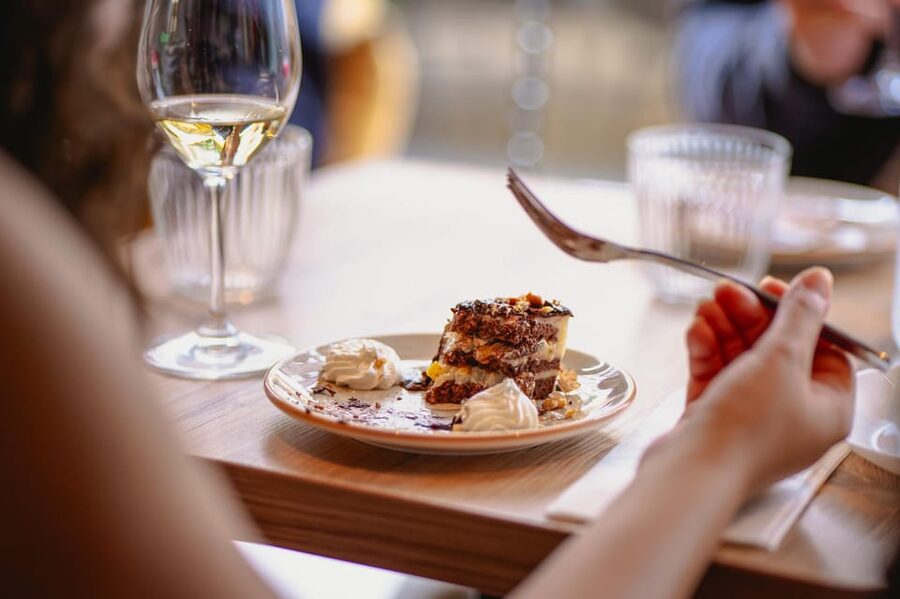
After the bohemian, casual stretch, you move to fancier spots for a sit-down meal. This is a big reason the tour gets high marks: it doesn’t treat food as one long snack line. It lets you switch gears like a proper dinner.
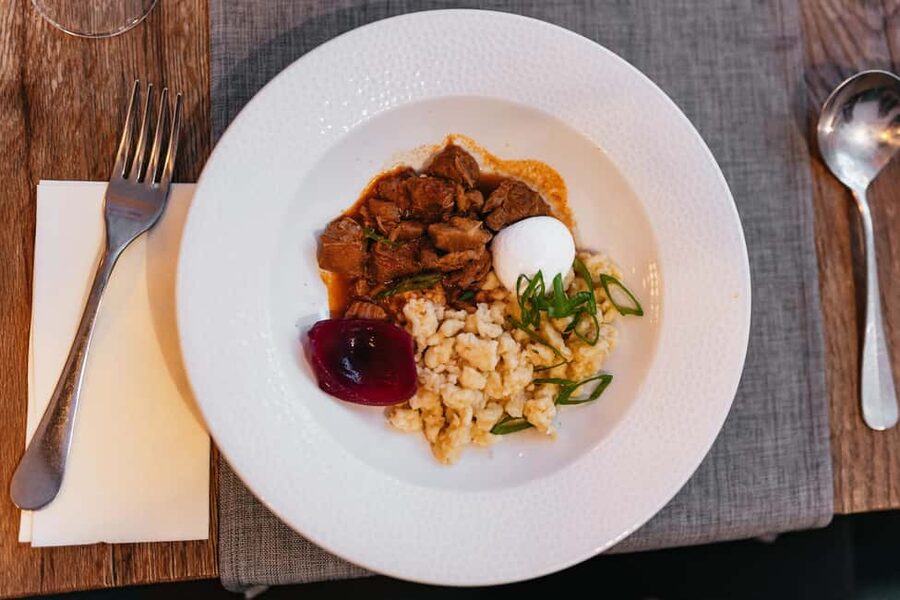
You’ll taste Hungarian classics such as nokedli dumplings. Think of it as comfort food territory—simple ingredients, heavy satisfaction, and a dish that tastes like it belongs in family tables and winter menus. You’ll also try Flódni, a Jewish-Hungarian pastry that brings sweetness into the middle of the meal story.
The best part of this setup is balance. You get fried street food energy first, then a more grounded plate that helps everything make sense. It’s the difference between eating a bunch of things and finishing a “course-like” experience.
The drink pairing lesson: Pálinka and Tokaji

This tour includes three alcoholic beverages, chosen from options like wine, beer, or shot. The pairing is part of the design, not an afterthought. As you eat, you’ll get local alcohol served alongside dishes so you can learn what people drink with different flavors.
Two standouts are included: fruity Pálinka and sweet Tokaji. Pálinka brings a punchy fruit-forward character, while Tokaji is the sweet wine associated with Hungary’s famed Tokaj wine region. This is one of those moments where a guided hand helps you avoid the usual tourist mistake of ordering blind.
If you’re drinking, you’ll also notice the tour’s tone. It’s playful, and the story talk often turns more relaxed as the night goes on. That matches the name vibe you’ll see at the start, even if you don’t go full speed with the alcohol. Sip, taste, and let your meal do the heavy lifting.
The pacing that makes it feel like a four-course meal
Even though it’s a 2.5-hour walking tour, it’s built around four local eateries, which is what creates that four-course feeling people mention. The walking between stops isn’t filler. It’s what gives each meal segment room to land.
Here’s why that matters for you:
- You’re less likely to feel stuffed too early.
- You get a better sense of what each dish tastes like on its own.
- The history doesn’t compete with the eating. You listen in between, not while your mouth is full of Lángos.
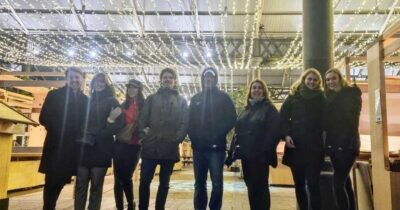
It also helps that guides keep the group together. One group size mentioned in the run-up was around 19 people, so you should expect a social pace where you’ll move as one unit and chat a bit along the way.
Value check: is $70 for Budapest food and drinks a fair deal?

At $70 per person for 2.5 hours, the value depends on what you want from your trip. If you planned to sample Hungarian food anyway, this price starts to look reasonable fast because you’re getting:
- traditional Hungarian food at four local eateries
- three alcoholic beverages
- a guided exploration of District 7 with history tied to the menu
- vegetarian options
The biggest “value” piece is decision-making. Budapest is packed with restaurants, bars, and menus in Hungarian. Without guidance, you can spend time hunting and still miss dishes that locals actually consider staples. On this tour, you’re guided to a sequence that makes sense together.
If you don’t drink alcohol, the beverage portion may feel less valuable, since the drinks are included as part of the experience design. Still, the food stops and the guided context carry the day.
Guides and atmosphere: why the stories land
A food tour lives or dies on the guide. In this case, you’ll want a host who can tell stories without turning them into lectures. This tour is run by English-speaking guides, and you may be guided by hosts such as Laura, Eszti, Agnes, Peter, Kitty/Kittie, Kelly, Ray, or Daniel.
What you’re aiming for is a mix of humor and clarity. Several guides in past runs were praised for being funny and friendly while also steering the group smoothly between stops. That matters because a walking tour can get messy if nobody manages timing. Here, the better runs help you eat, learn, and actually arrive at the next spot without chaos.
Practical tips before you meet at Kazinczy Street Synagogue
A few things will make your night smoother.
Wear shoes you can walk in. You’ll be on your feet, and the route includes guided segments plus four eateries. Also, plan to eat. This isn’t a light tasting where you can snack and go; it’s built to fill you up.
If you’re vegetarian, good news: vegetarian options are available. If you’re gluten-free or vegan, you’ll need another plan because the tour can’t accommodate those diets at the moment. If you have dietary restrictions of any kind, message the organizer in advance so they can handle what they can.
Finally, go in with an open mind about eating style. The tour explicitly encourages you to skip utensils for part of the street-food segment. It’s not messy for the sake of being messy. It’s the real way locals eat.
Who this Budapest tour suits (and who should skip it)
Book this if you want:
- a guided route through District 7 with food tied to Jewish-Hungarian cultural history
- a clear sequence of dishes instead of random restaurant hopping
- included drinks like Pálinka and Tokaji, with pairings you can understand
You might consider a different option if:
- you need gluten-free or vegan meals
- you’d rather control every drink choice and skip alcohol entirely
- you hate walking and would rather sit in one place
Should you book this Budapest foodie walking tour?
Yes, if you’re the type who wants to eat well with less guesswork. The structure is the selling point: four eateries, a street-food start with Lángos and soup, then a sit-down moment with nokedli and Flódni, plus three alcohol pairings. That combo turns a neighborhood walk into a full, satisfying evening.
If your diet requires gluten-free or vegan, you’ll want to pass for now, since that part isn’t supported. If you’re flexible, and you like history that shows up on your plate, this is one of the better ways to experience Budapest’s District 7 in a short window.