REVIEW · AMSTERDAM
Amsterdam: Anne Frank Guided Walking Tour in DE/EN/IT/ES
Book on GetYourGuide →Operated by Amsterdamliebe · Bookable on GetYourGuide
A walking tour through real history. You’ll move through Amsterdam’s Jewish Quarter and connect Jewish life before WWII to the terror of the Holocaust, with Anne Frank diary excerpts read along the route.
I love how the tour treats the subject with care, not spectacle—stopping at visible, still-standing places that make the story feel grounded. And I really like that it’s not only about one family; it also covers wider themes like discrimination, deportations, and resistance.
One thing to consider: this is a heavy, emotional walk. If you’re expecting to see the Anne Frank House, you’ll need to adjust your plan—this tour does not enter or even visit that site.
In This Review
- Key things I’d watch for on this tour
- Entering the Jodenbuurt story, before you take a step
- Meeting at De Waag and choosing the right language
- Nieuwmarkt Square: where the neighborhood feels “real” fast
- Zuiderkerk: connecting Jewish life to the broader city
- Huis de Pinto and the Rembrandt House stop: why names stick
- Sint Antoniesluis and the Portuguese Synagogue photo stop
- Jewish Historical Museum and the Auschwitz Monument stop
- The Dokwerker and the National Holocaust Names Monument: the ending that lingers
- Anne Frank diary excerpts: how the story stays personal without visiting the House
- WWII resistance and the February Strike: why this tour refuses to be only tragic
- Price and value: what $28 buys you in real terms
- Who this tour is best for
- Should you book Amsterdamliebe’s Anne Frank guided walking tour?
- FAQ
- Which languages are available for the tour?
- Do we visit the Anne Frank House?
- How long is the walk and how far is it?
- What should I bring?
- Is the tour wheelchair accessible?
- Is there admission to pay during the tour?
Key things I’d watch for on this tour

- Language choice matters: the tour is in one language only (English, German, Italian, or Spanish).
- Memorials you can see today: Auschwitz Monument, The Dokwerker, and the National Holocaust Names Monument.
- Diary excerpts on the move: Anne Frank’s words accompany the route without a museum stop.
- WWII resistance is part of the story: Jews and non-Jews who helped, at great risk.
- You pass key Jewish sites: including the Portuguese Synagogue area and Holocaust-era testimonies like Stolpersteine.
- Worth it for the price: about $28 for a guided 2-hour route through major historical points you can’t easily piece together alone.
Entering the Jodenbuurt story, before you take a step
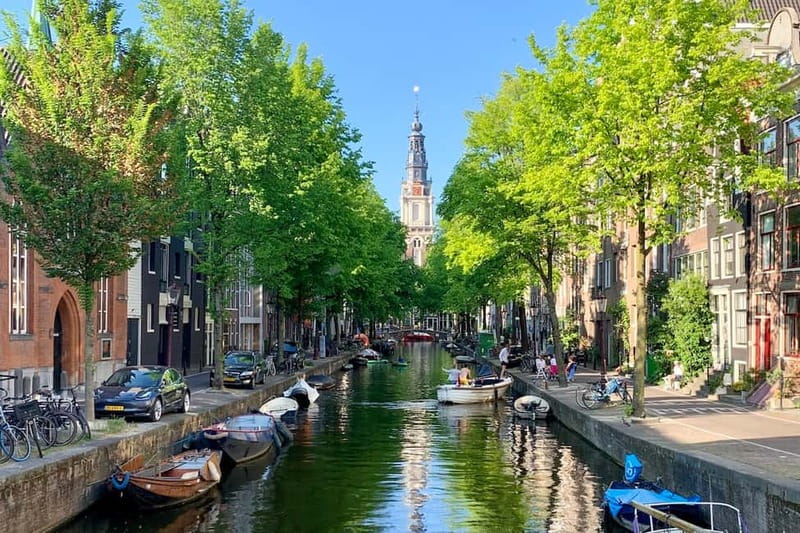
Amsterdam’s Jewish Quarter is easy to wander through—until you learn what the streets used to mean. Jews were expelled from Iberia during the Spanish Inquisition, and many of those families eventually made Amsterdam home. Over time, that immigration helped shape the city into one of Europe’s important commercial hubs, and it left fingerprints on the neighborhood layout too.
What I appreciate on this kind of tour is the framing. You’re not asked to memorize dates first. Instead, you start with the idea that the Jodenbuurt (the Jewish neighborhood) wasn’t created as a museum exhibit. It was a place where people lived, worked, raised families, and built community—right up until Nazi persecution shattered normal life.
And yes, the tone turns dark. Nazi discrimination in Amsterdam culminated in the Holocaust during WWII, when thousands of people were deported and hardly anyone returned. The guide’s approach matters here: you’re guided to feel the weight of what happened without sensationalizing it.
You can also read our reviews of more walking tours in Amsterdam

Meeting at De Waag and choosing the right language

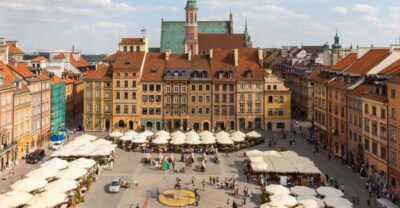
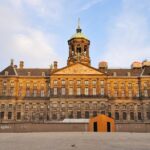
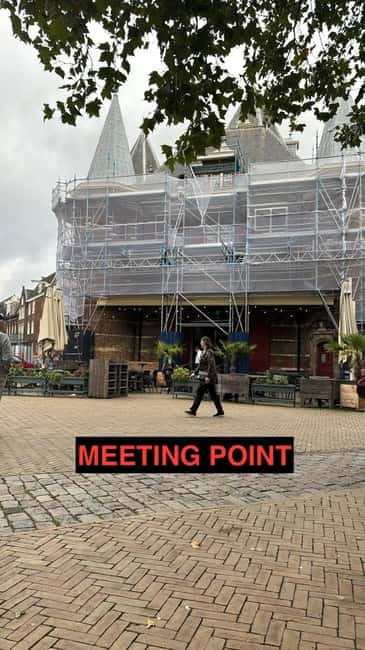
You meet at De Waag, the entrance to this historic building that sits right in the middle of Nieuwmarkt Square. Your guide wears a red name tag, so it’s straightforward to find them when you arrive.
One practical point that makes a big difference: the tour runs in one language, not a bilingual mix. Options are English, German, Italian, or Spanish. If you pick the wrong language, you’ll feel it quickly, especially because the tour is packed with context and names. If you’re comfortable only in one language, choose that one and plan to follow closely.
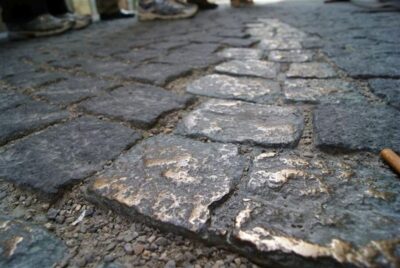
The walking route is about 2–3 kilometers over roughly 2 hours. That’s an easy distance on paper, but Amsterdam weather and cobblestones can slow you down. Bring comfortable shoes and keep your umbrella handy for sudden rain.
Nieuwmarkt Square: where the neighborhood feels “real” fast

Your first stop after the meet point is Nieuwmarkt Square, with a short guided introduction. This is where you get orientation—how the area functioned and why it mattered to Jewish life in Amsterdam.
The best part of this opening stage is how it sets up what you’re going to see. It’s not just background. You start learning what parts of the neighborhood were important, including the well-known concept of the Jewish Triangle. Once you understand that idea, the later memorial stops stop feeling random.
If you’re the type who likes stories with place names, you’ll enjoy this first section. Even if you’ve been to Amsterdam before, this helps you read the city like a timeline.
Zuiderkerk: connecting Jewish life to the broader city
Next you pass Zuiderkerk for another brief stop. This matters because Amsterdam’s Jewish life wasn’t sealed off in a bubble. It sat inside a living city with churches, streets, trades, and neighbors.
You’ll also hear about the neighborhood’s makeup over time. The tour highlights that not only Jews lived here. Non-Jews did too, including the painter Rembrandt van Rijn, who had a domicile in the Jewish Quarter area. That detail helps make the neighborhood feel like a shared community space—before persecution turned it into something more tragic and dangerous.
For me, this is one of the tour’s strengths: it resists the “only Jewish equals only Jewish places” simplification. Amsterdam was mixed, and the Nazi occupation created forced separation and fear.
Huis de Pinto and the Rembrandt House stop: why names stick
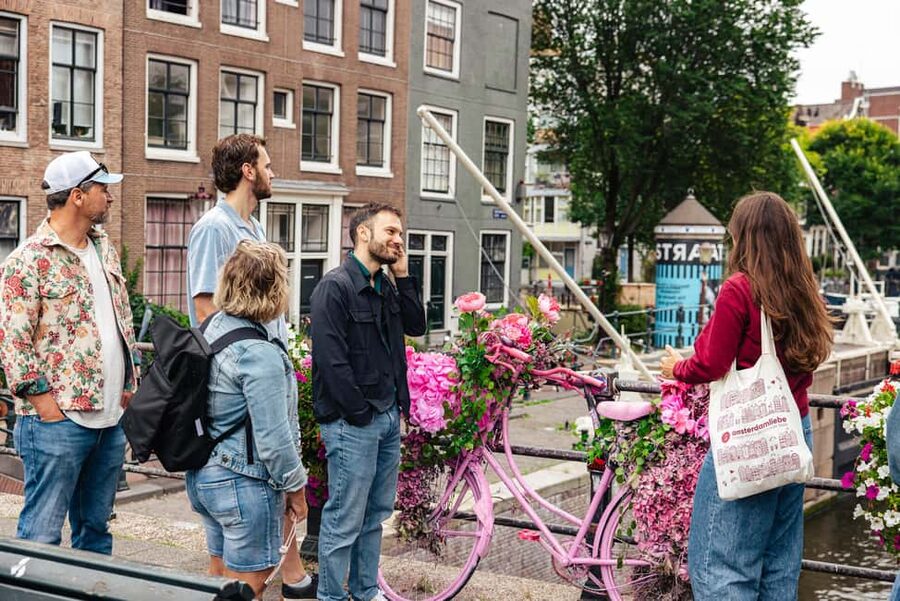
The route includes Huis de Pinto for a quick stop, followed by time at Rembrandt House. Even if you don’t go inside buildings, these stops help you connect the story to Amsterdam’s real architecture and famous residents.
This is where the tour does something smart: it uses physical places that still exist. That’s the point. When you later stand at WWII memorials, your brain already has a mental map of where earlier life happened. It makes the emotional transition feel less like a jump and more like a slow collapse.
One small caution: since this is a guided walk with short stops at each site, you won’t get long museum-style explanations at every location. If you want deeper details, plan to pair this with independent reading or another museum visit after.
You can also read our reviews of more guided tours in Amsterdam




Sint Antoniesluis and the Portuguese Synagogue photo stop
You continue through the area around Sint Antoniesluis, then reach the Portuguese Synagogue for a photo stop plus guided background.
This part matters because it brings you into a site connected to the Jewish community’s history in Amsterdam. The tour also points out important Holocaust-era testimonies, including Stolpersteine (the small memorial stones placed in the streets) and other reminders built into the urban fabric.
In other words, you’re not just looking at a single monument. You’re learning how memory lives in the street grid—subtle markers that you could easily walk past if you didn’t know what to look for.
Jewish Historical Museum and the Auschwitz Monument stop
The Jewish Historical Museum appears on the route with a short guided stop. You’re not told to buy a ticket here as part of the tour experience, but you’ll get context that makes the museum feel like a logical next step if you want to go deeper later.
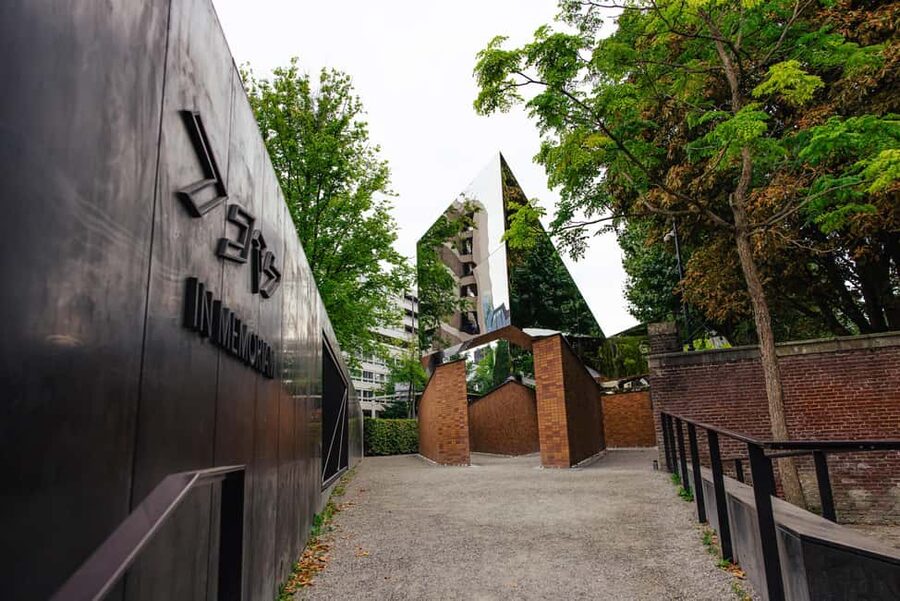
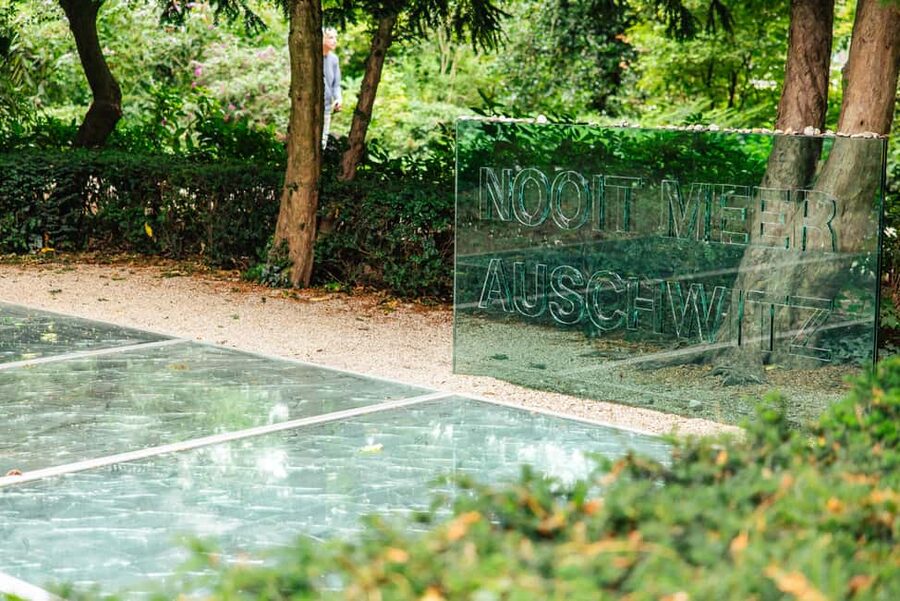
After that, you reach the Auschwitz Monument, Amsterdam. This is a turning point on the walk. The tour shifts from “history and community” to “what was done to people,” and the memorial setting forces that shift to land.
One thing I’d plan for emotionally: the Auschwitz Monument stop doesn’t operate like a casual photo moment. The guide’s narration is meant to slow you down and help you understand why these memorials exist.
The Dokwerker and the National Holocaust Names Monument: the ending that lingers
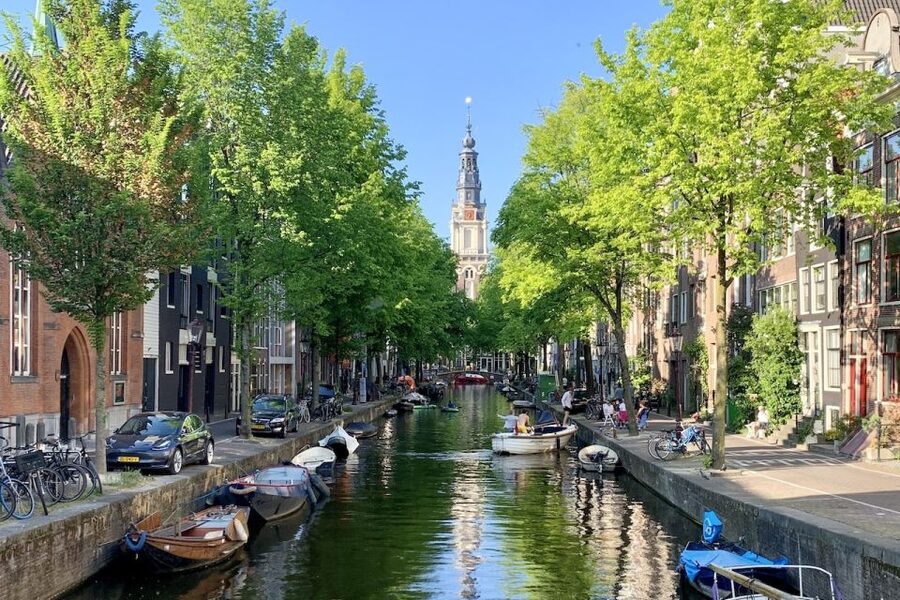
You then pass The Dokwerker and finish at the National Holocaust Names Monument. This closing stage is long enough to leave an impression, not just a stamp on your checklist.
The names monument is the kind of ending that sticks in your mind. It reframes the entire tour away from abstract WWII events and back toward individuals. After hearing about deportations and resistance, you end with a memorial designed to hold onto identity and loss.
If you want a concrete takeaway, it’s this: you walked from everyday neighborhood life to state-sponsored annihilation, and then you end in a space built for remembrance.
Anne Frank diary excerpts: how the story stays personal without visiting the House

A major draw of this tour is that Anne Frank’s diary accompanies the walk. Your guide reads excerpts during the route, linking the city’s WWII story to Anne’s experience of hiding to avoid deportation.
A big practical note: you do not visit the Anne Frank House. This matters because many people plan Amsterdam around that one stop. Here, the trade-off is that you get a guided path through multiple WWII-linked places instead. If you’re hoping to combine both, consider booking another plan for the Anne Frank House separately, and do this walk as your broader historical grounding.
I also like that the guide approach is described as sensitive. In the sample guide names from actual tour experiences—people like Lilly, Zoe, Francesco, Simone, Noemi, Josh, Valentina, and Deborah—the consistent theme is that guides handle the diary passages and WWII context in a way that keeps you attentive. It’s not just facts thrown at you.
And since this is a walking tour, those excerpts land at specific places rather than being read in a single indoor space. That makes the story feel like it’s happening to you in time and space, even when the content is unimaginably painful.
WWII resistance and the February Strike: why this tour refuses to be only tragic
Another strong element is how the tour treats resistance. You hear about the resistance against Nazi Germans by Jews and non-Jews, including efforts that saved lives while putting people at serious risk.
The tour also references the February Strike in 1941, a key event in the occupied Netherlands. That detail helps explain that persecution wasn’t met with silence. Even when the consequences were severe, resistance mattered.
This is one of the best reasons to take the tour instead of just reading a few guidebook pages. Resistance stories are easy to miss unless someone points them out at the right moments and explains how they fit into the larger occupation timeline.
Price and value: what $28 buys you in real terms
At about $28 per person for a 2-hour guided walk, the value comes from three places:
First, you’re paying for interpretation. WWII history in Amsterdam isn’t hard to find, but it’s hard to connect into a coherent path through the city streets. A good guide does that stitching.
Second, you’re guided to multiple meaningful sites—Portuguese Synagogue area, Auschwitz Monument, The Dokwerker, and the National Holocaust Names Monument—without having to manage a bunch of separate tickets.
Third, the tour includes Anne Frank diary excerpts as part of the live storytelling experience.
There is one cost trade-off to consider: since the Anne Frank House is not part of this walk, you’re not buying into the big-ticket “top photo stop” experience. But if you want context that makes Amsterdam’s WWII story make sense, this is a very practical use of time.
Who this tour is best for
This is a strong fit if you:
- Want a time-anchored walk through Amsterdam’s Jewish Quarter with WWII context
- Like history that’s linked to buildings and streets you can still see
- Prefer a guide to read excerpts and explain significance rather than you doing all the interpretation yourself
It might be less ideal if:
- You want a light, casual tour (this one is emotional and serious)
- You specifically want to see the Anne Frank House during this outing (you won’t)
Should you book Amsterdamliebe’s Anne Frank guided walking tour?
Yes—if you’re choosing a 2-hour plan that gives you a structured understanding of Jewish Amsterdam before and during WWII, plus diary excerpts, this tour is a smart pick. The route focuses on visible memory sites and includes resistance history, not only the darkest parts.
My decision rule is simple: book this when you want context that improves everything you see afterward. If your goal is only one famous location, then you’ll likely feel the absence of the Anne Frank House. But if you want the city’s story connected into one walk, this is the kind of tour that earns its price.
FAQ
Which languages are available for the tour?
The tour is offered in English, German, Italian, or Spanish. It is not bilingual, so you should choose the language option you want.
Do we visit the Anne Frank House?
No. This tour does not visit or include the Anne Frank House.
How long is the walk and how far is it?
The tour lasts about 2 hours and includes a walking route of roughly 2–3 kilometers.
What should I bring?
Wear comfortable shoes and bring water. Dress for the weather, and bring an umbrella if rain is possible.
Is the tour wheelchair accessible?
Yes, the tour is wheelchair accessible.
Is there admission to pay during the tour?
You won’t have to pay admission fees during the tour, since all stops can be visited for free.