REVIEW · BARCELONA
Barcelona Markets Tour
Book on Viator →Operated by ExperienceFirst · Bookable on Viator
Barcelona is a feast for the eyes, and your stomach gets the briefing too. I like that you get real food tastings plus local context, not just photo stops. I also love the small group size, so the guide can answer your questions as you walk. One thing to consider: this is not a full meal, and a few sights are free while others may require extra admission.
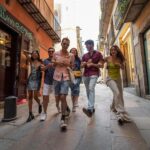
You’ll move through some of the city’s best-known market streets and quieter corners without feeling like you’re fighting the crowd on your own. Guides such as Alberto, Zeynep, Cal, and Eoghan show up in the reviews as people who make the history click, even if you’re not a museum person. Expect some walking on uneven sidewalks and packed aisles, because markets are markets.
This tour is priced low enough that it works as a true intro to Barcelona food culture, especially if you’re the type who likes to know what to order before you spend money. You’ll sample, learn, and get practical ideas for what to buy after the tour ends.
In This Review
- Key things I’d want you to notice before you book
- Markets That Teach You How Barcelona Eats
- Price and Timing: The Real Value Check
- Route Start to Finish: Where You’ll Begin and End
- Mercat de la Boqueria: The First Taste and the First Lesson
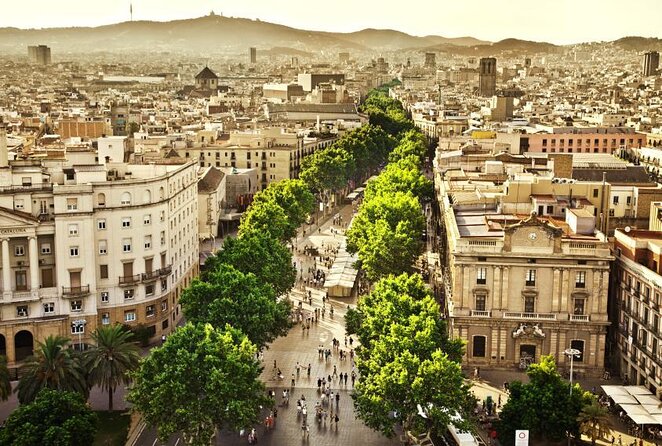
- Las Ramblas: A Famous Walk With a Purpose
- Mercado de Santa Caterina: Architecture, Then the History Twist
- Basílica de Santa Maria del Mar: Gothic Shapes and a Modern Pop-Culture Link
- Botiga Caganer.com: A Quirky Stop That Explains Catalan Traditions
- El Born Centre De Cultura I Memoria: From Covered Market to Cultural Hub
- What Two Tastings and One Olive Oil Tasting Really Mean
- Shopping Tips: How to Spend Smart Without Getting Ripped Off
- The Guide Factor: Why Small-Group Tours Feel Different
- Who This Tour Suits Best (and Who Might Want a Different Fit)
- Should You Book the Barcelona Markets Tour?
- FAQ
- How long is the Barcelona Markets Tour?
- Is the tour in English?
- How big is the group?
- What tastings are included?
- Do I pay admission for Basílica de Santa Maria del Mar?
- Where do you meet and where does the tour end?
- Is there time to buy food or souvenirs at the markets?
- Is a mobile ticket used?
- Can I cancel for a full refund?
- Is the tour suitable if I travel with a service animal?
Key things I’d want you to notice before you book
- Two tastings at La Boqueria Market help you start eating with confidence right away
- Santa Caterina’s architecture and monastery ruins add a surprise layer beyond food
- A small group (up to 15) keeps the route manageable and the guide’s attention closer
- Las Ramblas as a mid-walk breather gives you a visual reset between markets
- El Born’s old-market-to-culture shift explains how Barcelona reused space
- Olive oil tasting in El Born gives you a local flavor focus you can actually shop for later
Markets That Teach You How Barcelona Eats
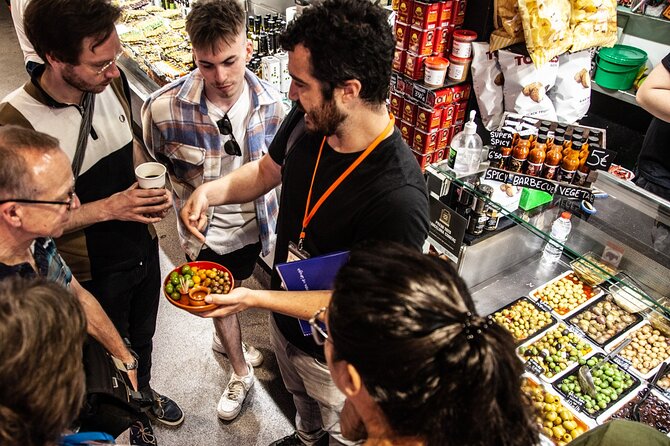
If you’ve ever stood in a market unsure what anything is called, this kind of tour is for you. I like that you’re not left on your own in a maze of stalls. You get guided turns through the spaces and enough samples to understand what people mean when they say Barcelona food is simple and seasonal.
Food markets also tell you where a city’s money, shipping, and everyday life meet. Here, you walk from the iconic market that many people use as a starting point to a quieter, more layered market world around El Born.
And since it’s built as a short walk tour, it’s easier to fit into a day without blowing half your vacation on logistics. Your feet will still feel it, though. This is a markets walk, not a sit-down class.
You can also read our reviews of more tours and experiences in Barcelona.

Price and Timing: The Real Value Check
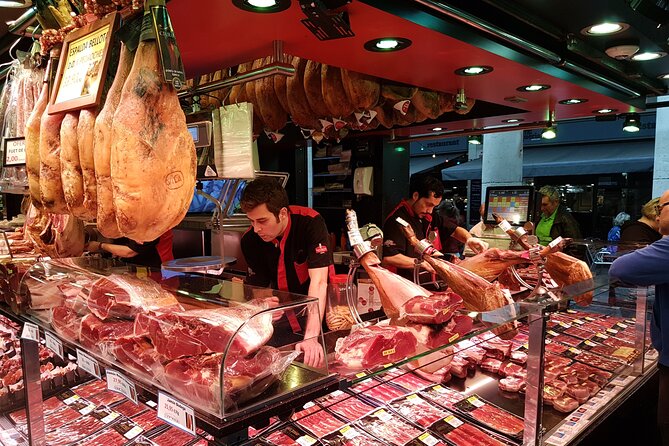
At $35.09 per person for about 2 to 3 hours, you’re paying for three things: a guide, tastings, and a route that saves you time figuring out what matters. The tastings matter because markets are sensory chaos. Even if you love food, sampling helps you decide what to buy later.
You’ll also notice the tour tends to get booked ahead, with an average booking window of 53 days. That’s a sign to reserve early if your dates are fixed.
The tour uses a mobile ticket, and it’s offered in English. That’s straightforward, and it helps you spend less time at the start wondering how check-in works.
Route Start to Finish: Where You’ll Begin and End
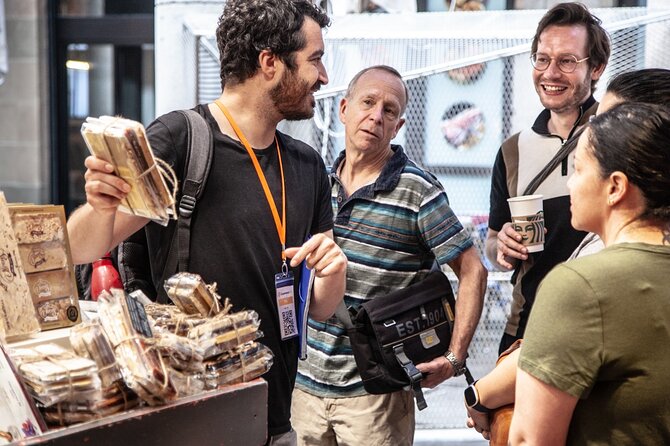
You meet at Rambla de Sant Josep, 89 (Ciutat Vella), and the walk starts at 10:00 am. It ends at Mercat del Born, Plaça Comercial, 12. That end point is useful, because you finish near one of the area’s best places to keep exploring on foot.
The route also keeps a nice rhythm: market, promenade, market, a church stop, a fun offbeat shop, then back into the history-heavy El Born area. It’s not rushed. But it does move often enough that you’ll want comfortable shoes.
Because the sites are central and near public transportation, you can plan around your schedule without needing a car. Service animals are allowed, which is a practical plus if you travel with one.
Mercat de la Boqueria: The First Taste and the First Lesson
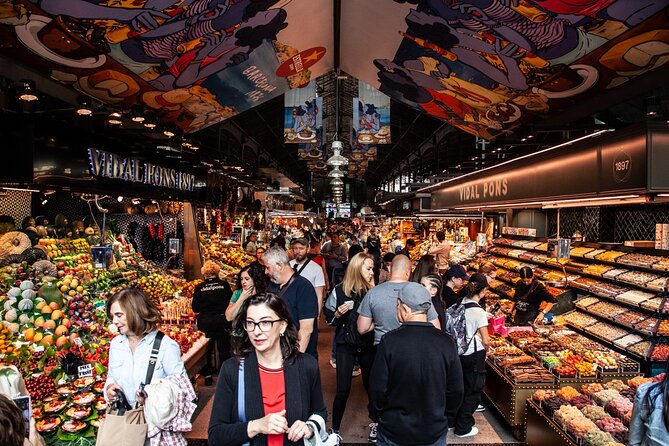
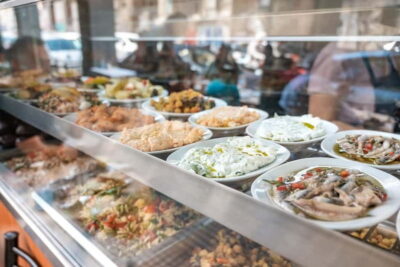
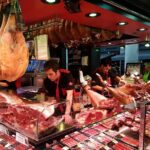
Most first-time market experiences in Barcelona are either too big to enjoy or too random to learn from. Boqueria is the opposite of that on this tour, because you get guided context plus small food samples built into the visit.
You spend about 30 minutes here. The time matters: it’s long enough to understand how the market works, but not so long that you get lost in decision fatigue. You’re also getting admission included for this stop, and the tastings give you a shortcut to what’s worth paying attention to.
Here’s what you should think about before you go in:
- Taste, then look. Samples first help you avoid buying something that sounds good but isn’t your style.
- Ask for value ideas. The guide can point you to things that are easier to carry or better for gifts.
Boqueria is also a good place to learn how Barcelona treats food as everyday culture. People aren’t just buying for special meals. They’re stocking the week.
Las Ramblas: A Famous Walk With a Purpose
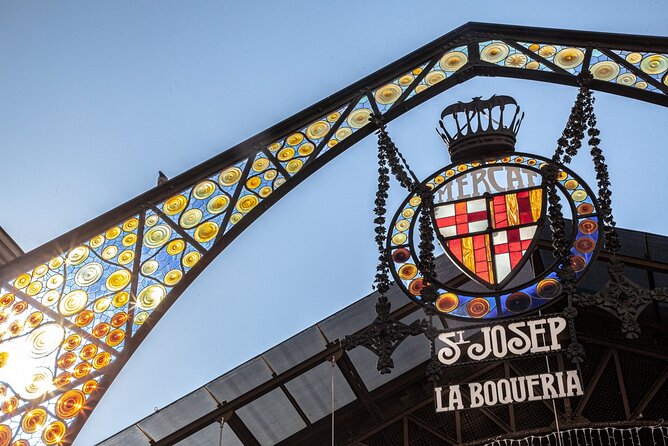
Right after the market, you pause on Las Ramblas. You only get about 20 minutes, but that’s enough to reset your senses. After tight aisles, the tree-lined promenade feels like a breather.
Las Ramblas also helps you connect the dots between markets and the wider city grid. You see where food life meets street life: cafés, shops, and those flower stands that make the whole area look postcard-ready.
One practical note: Las Ramblas is famous for a reason, so expect crowds compared to the market interiors. Use the time to spot where you’d like to return later, rather than trying to see everything at once.
If you want to keep your trip feeling local, treat Las Ramblas here as a short transit story, not the main event.


Mercado de Santa Caterina: Architecture, Then the History Twist
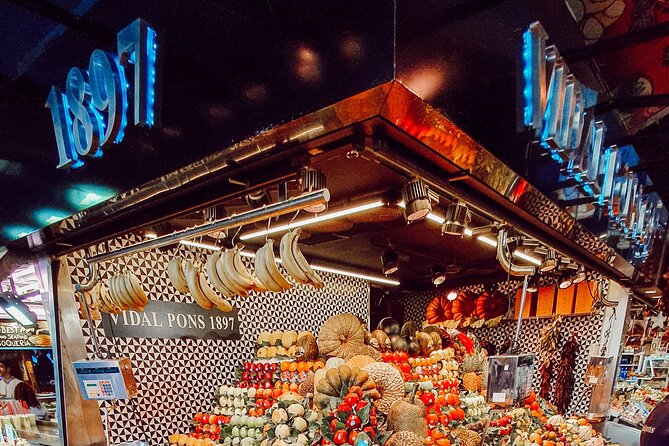
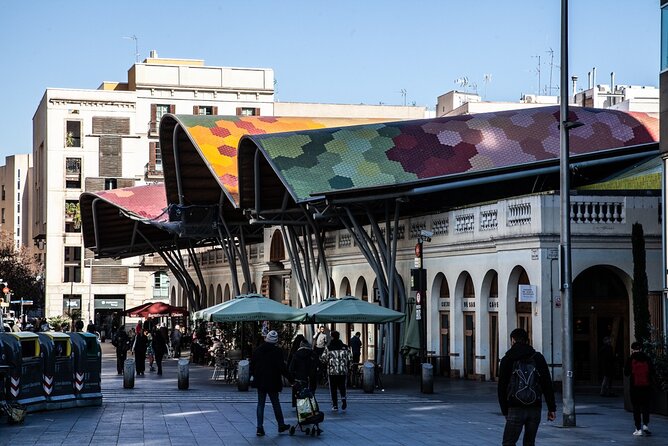
Next comes Santa Caterina Market, with about 20 minutes on the clock. This stop is a good reminder that Barcelona markets aren’t only about food. The market’s stunning architecture is part of the experience.
Inside, you also get to see the ruins of an ancient monastery. That matters because it gives the market a deeper timeline than you’d guess from the modern look. It’s an easy way to understand how the city layers old and new without making everything feel like a theme park.
The value here is the contrast. After Boqueria’s high-visibility reputation, Santa Caterina feels more about place. It also helps you learn how to look at a market building as a historical object, not just a shopping venue.
If you’re sensitive to crowds, this stop can feel calmer than Boqueria for many people. Still, it’s a market, so expect movement and occasional bottlenecks near displays.
Basílica de Santa Maria del Mar: Gothic Shapes and a Modern Pop-Culture Link
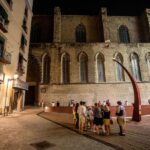
Then you reach Basílica de Santa Maria del Mar for about 10 minutes. The church is Gothic, and it’s tied to the modern wave of attention from the Netflix series Cathedral of the Sea.
The practical part: admission to this stop is not included, so you may need to decide on the spot whether you want to pay to go in. Even if you skip extra entry time, the short exterior and context stop still helps you connect the area to maritime trade stories that Barcelona loves to tell.
This is also the kind of stop where the guide’s storytelling can turn stonework into something you can picture. The church becomes more than a photo angle.
If you have a tight schedule, this is a good place to check how much time you need. But if church interiors are your thing, plan for the extra ticket decision.
Botiga Caganer.com: A Quirky Stop That Explains Catalan Traditions
Not every market walk has a shop that feels like an entertaining sidebar. Here you get Botiga Caganer.com for about 10 minutes. It’s famous for the caganer tradition, and the stop focuses on that unusual Catalonian custom.
Even if you don’t buy anything, this is one of the more memorable stops because it shows how food culture connects with local identity. In a city where people take traditions seriously, these little details are part of the flavor story.
It’s short by design. You get the idea without turning the tour into a shopping marathon.
If you’re buying small gifts, this is one place where you might find a conversation piece. Just keep expectations realistic: you’re on a walking tour, so keep purchases compact.
El Born Centre De Cultura I Memoria: From Covered Market to Cultural Hub
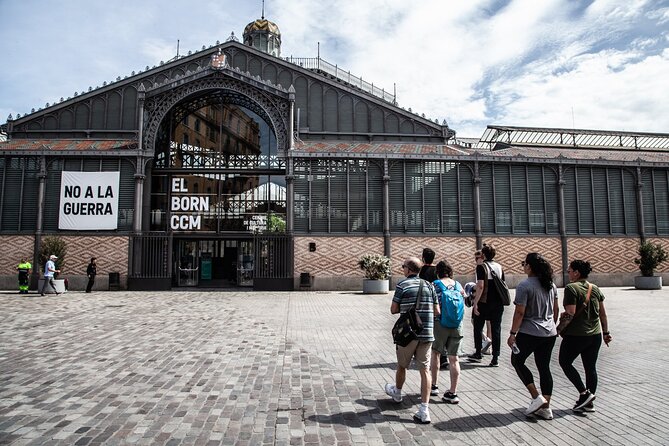
You finish in the El Born area, visiting El Born Centre de Cultura i Memoria for about 20 minutes. This is where the tour shifts from food-only to place-and-time.
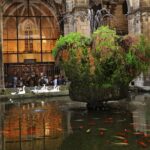
The site was once the largest covered market in Europe, and today it’s a cultural center. That change matters because it explains how Barcelona protects and repurposes historical space instead of building over it.
You also get an olive oil tasting tied to this stop. The olive oil piece is smart. It’s not just a random sample. It gives you a product category you can understand and shop for later, since olive oil is a common purchase and easy to compare quality when you know what you’re tasting.
As you leave, you’re positioned right near Mercat del Born, which makes it easy to keep exploring without backtracking.
What Two Tastings and One Olive Oil Tasting Really Mean
A common question is whether this will feel like enough food. The honest answer: it’s designed as tastings, not a full meal.
You get:
- Two small tastings at La Boqueria Market
- An olive oil tasting in El Born
That setup is actually useful if you’re trying to learn. Tastings are bite-sized lessons. They help you build a short list of what you like so you can make better choices later at restaurants or shops.
If you’re very hungry, plan your day so you eat before you start, or plan a proper meal afterward. Markets are great, but you don’t want to rely on tastings alone to carry a full day.
Shopping Tips: How to Spend Smart Without Getting Ripped Off
This tour doesn’t include the food you buy, and that’s fine. Markets are where pricing varies by product and brand, and guides are usually the best people to ask for value guidance.
Here’s how I’d approach it during your free time:
- Buy what matches your tastes from the tastings you already had.
- Prioritize items that are easy to carry (snacks, small bottles, wrapped sweets) if you’re moving around the city.
- If you want to bring something home, ask what’s a good gift versus a personal indulgence.
The guide can recommend local flavors and how to get the best value. That’s one of the most practical perks, because you’ll walk out with ideas you can apply immediately.
The Guide Factor: Why Small-Group Tours Feel Different
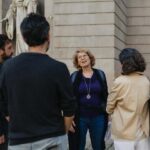
A big reason this tour scores so high is the way the guiding style affects your pace and attention. Names showing up across the experience include Alberto, Zeynep, Cal, Eoghan, and Valentina—and the pattern is clear: people feel informed, not lectured.
In a group of up to 15, you’re not constantly being shoved behind someone who stops to read every sign for five minutes. The route stays walkable, and it’s easier to hear explanations.
A small group also means you can ask simple questions, like what to order if you want something mild, what’s worth paying for, or how a local tradition connects to market life.
If you like to learn by doing, this format works.
Who This Tour Suits Best (and Who Might Want a Different Fit)
I’d recommend this tour if you:
- Want a short, focused intro to Barcelona’s food culture
- Prefer walking with a guide to reduce market guesswork
- Enjoy seeing local neighborhoods through everyday places, not just landmarks
- Like tastings but still want a real meal later
You might consider another option if you:
- Expect a full meal included in the price
- Don’t like crowds at iconic stops like Boqueria and Las Ramblas
- Want a slower, sit-down pace with less walking
But for most people doing Barcelona for the first time, this hits a sweet spot: enough structure to help, enough freedom to keep your day flexible.
Should You Book the Barcelona Markets Tour?
Yes, I think you should book it if you want to understand Barcelona food culture fast. The price-to-time ratio is strong, and the tasting-based approach helps you make smarter choices once you’re on your own.
Book early if your schedule is fixed, since this tour shows real demand and is often reserved well in advance.
If you’re the kind of person who enjoys markets even when you’re not shopping hard, this walk will feel like time well spent. You’ll leave with a clearer sense of what to try next, plus a couple of memorable stops that go beyond food stalls.
FAQ
How long is the Barcelona Markets Tour?
It runs about 2 to 3 hours.
Is the tour in English?
Yes, the tour is offered in English.
How big is the group?
The tour is a small group with a maximum of 15 travelers.
What tastings are included?
You get two small tastings in La Boqueria Market, plus an olive oil tasting in El Born.
Do I pay admission for Basílica de Santa Maria del Mar?
Admission for Basílica de Santa Maria del Mar is not included.
Where do you meet and where does the tour end?
You start at Rambla de Sant Josep, 89 in Ciutat Vella, and you end at Mercat del Born, Plaça Comercial, 12 in Ciutat Vella.
Is there time to buy food or souvenirs at the markets?
Yes. You’ll have some time to purchase food items along the way if you want, and your guide can share recommendations for what to try and where to get good value.
Is a mobile ticket used?
Yes, the tour uses a mobile ticket.
Can I cancel for a full refund?
Free cancellation is available up to 24 hours in advance for a full refund. If you cancel less than 24 hours before the start time, the amount paid is not refunded.
Is the tour suitable if I travel with a service animal?
Service animals are allowed, and the tour is near public transportation with most people able to participate.