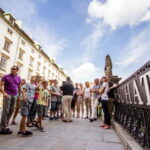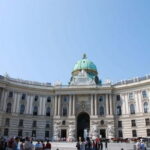
Vienna’s best stories hide in doorways. This 2-hour walk ties together big sights like St. Stephen’s Cathedral with the lesser-known courtyard legends you’d never notice on your own, all led by a funny, story-driven guide who keeps things lively. You come away reading Vienna like a book, not a photo roll.
One thing to think about: this tour is not set up for people with mobility impairments or wheelchair users, and it’s also not a good choice if you need to carry larger luggage. It’s a walking route through narrow streets, so you’ll want to bring sensible shoes and expect some pace.
If you’re short on time, the payoff is strong: you’ll hit the Franciscan Church and Monastery, Mozart’s final residence area, Ballgasse, Blutgasse, Domgasse, and even details like the house name connected to the cow-on-a-board story. Expect a small group and a focus on what you can actually see and understand in the city center.
Key things to know before you go
- Small-group pace that lets the guide answer questions and keep you moving
- St. Stephen’s Cathedral with explanations for symbols you’d otherwise overlook
- Mozart’s final residence plus the guide’s take on the real truth behind familiar myths
- Courtyards and their legends, including the kind of quiet back-places Vienna is famous for
- Historic streets like Blutgasse and Domgasse, where names and architecture each carry a clue
- Franciscan Church and Monastery as a calmer counterpoint to the busier squares
In This Review
- What This Vienna Tour Gets Right (Hidden Corners, Not Just Landmarks)
- Entering St. Stephen’s Cathedral Area at Stephansplatz
- Mozart’s Final Residence: Getting Past the Easy Myths
- Palais Neupauer-Breuner and Deutsches Haus: Vienna’s Old Power Places
- Blutgasse, Domgasse, and Ballgasse: Street Names With Atmosphere
- The Cow Plays on the Board: A Facade You’ll Remember
- Franciscan Church and Monastery: Calm Detail After Busy Sights
- University District, Jesuit Church, and the Old City Wall
- Courtyards and Legends: Why This Tour Feels More Like Vienna
- Small-Group Walking: From Humor to Rain Plans
- Price and Value: $34 for Two Hours That Teaches You How to Look
- Who Should Book This Tour (and Who Should Skip It)
- Should You Book Vienna: Hidden Secrets and Local Stories?
- FAQ
- How long is the Vienna Hidden Secrets and Local Stories walking tour?
- What will I see during the tour?
- Where does the tour start and end?
- What languages are the guides?
- Does this tour run in bad weather?
- Are luggage or audio recordings allowed?
- Is there free cancellation?
What This Vienna Tour Gets Right (Hidden Corners, Not Just Landmarks)
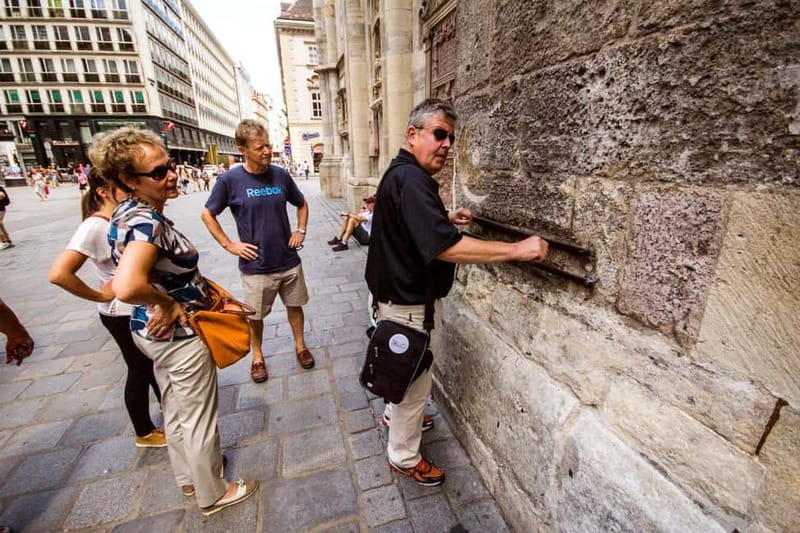
Vienna can feel like a set of postcard backdrops—until someone shows you what’s going on behind the scenes. This tour is built around the city center as a story machine. You walk between the major hits, but the real magic is in the in-between places: courtyards, side alleys, and little details on façades that most people step right past.
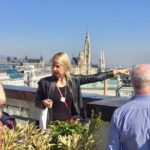
I especially like the guide approach. The tour is led by a certified guide, and the experience is run as a small group. That matters because you’re not just hearing facts—you’re being nudged to notice things. One guide name you might see in the mix is Herbert (Viennatour Herbert Stojaspal). Others include Dorothy and Wolfgang, and the common thread is the same: the commentary is entertaining, with humor and occasional quizzing along the route. That keeps your brain switched on instead of drifting toward “church…palace…next stop.”
The other big reason this works is balance. You get the famous spots—yes, St. Stephen’s Cathedral is part of it—but you also get the quieter layers of Vienna: the university district, the Jesuit Church, and even the old city wall. That blend is ideal if you want to understand Vienna quickly without turning your day into a checklist.
Entering St. Stephen’s Cathedral Area at Stephansplatz
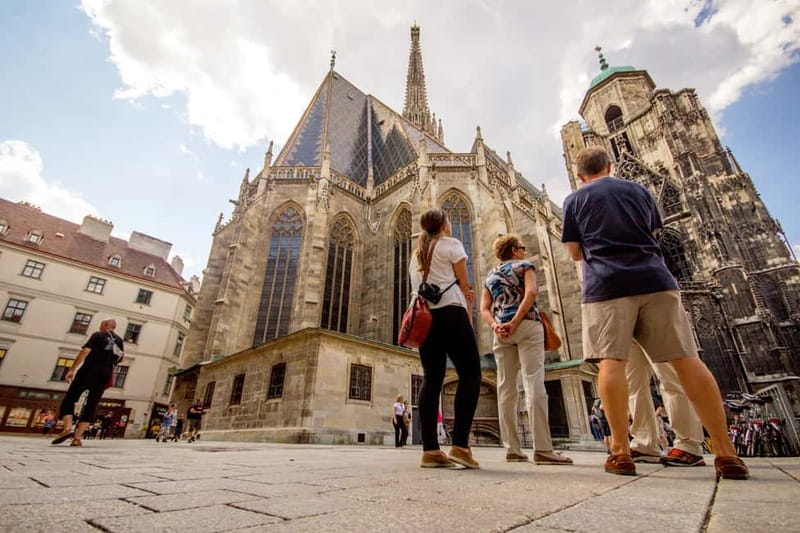
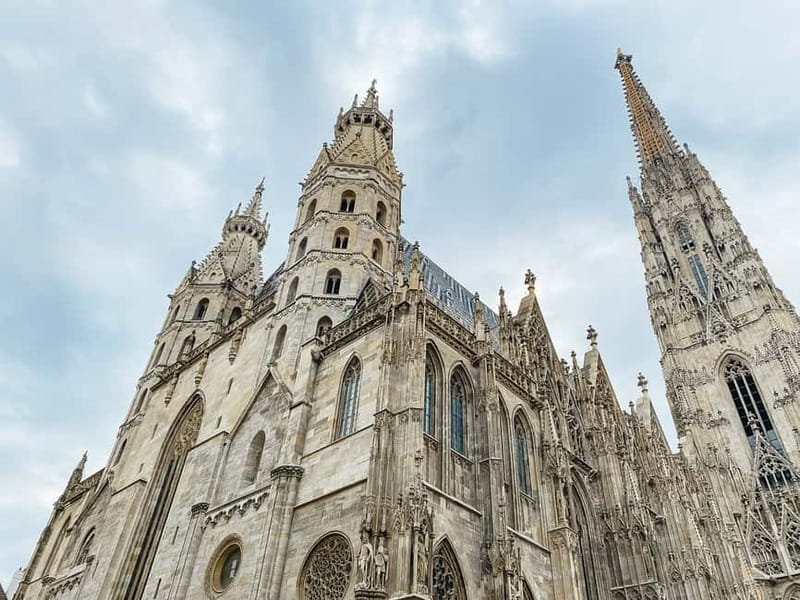
The tour starts with a guided visit at St. Stephen’s Cathedral in Vienna—so you’re not wandering up “blind.” This cathedral is the kind of place where symbols show up everywhere, and the guide helps you read them. Instead of treating it like a single big building, you learn to see patterns and meanings in the details, so you can connect what you’re looking at with the city around it.
Stephansplatz is a good anchor point because it gives you immediate context. You can stand in the public square and watch the cathedral’s presence set the tone for the whole historic center. Then, as you move into smaller streets, those earlier explanations make the route feel coherent. Even if you’ve seen Vienna photos before, you’ll likely realize you’ve been missing what the buildings are “saying.”
If you’re the type who likes architecture and symbolism, this is where the tour earns its keep. It also works well if you’re not a deep-architecture person. The guide’s style is practical—point, explain, connect—so the cathedral doesn’t become homework.
You can also read our reviews of more walking tours in Vienna

Mozart’s Final Residence: Getting Past the Easy Myths
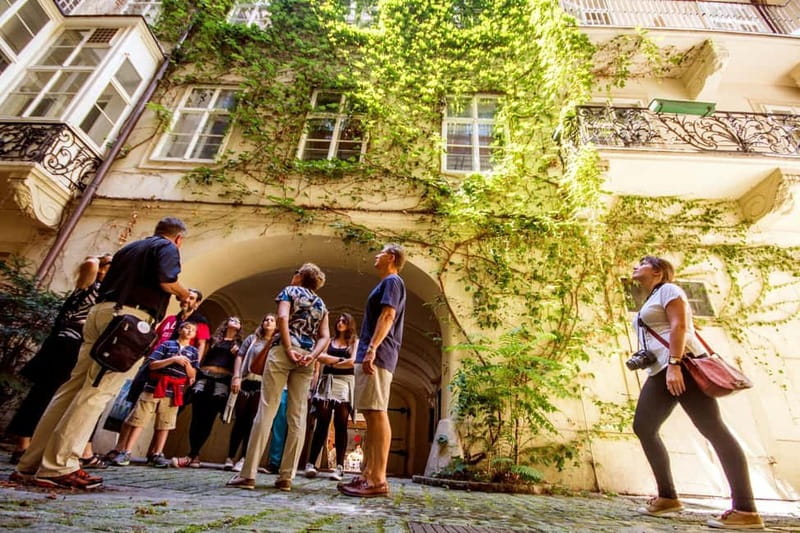
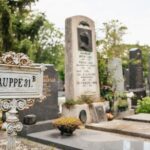
Mozart shows up more than once in Vienna travel plans. What this tour does differently is that it focuses on his final residence area and the guide’s take on the truth of his life. That means you’re less likely to walk away with only the standard big-picture version of Mozart that everyone repeats.
Along the way, the tour also ties the Mozart stop into the larger Vienna theme of courtyards and legend. Vienna is full of small spaces that feel private, even in the middle of a city. When the guide links Mozart’s story to those kinds of places, it helps you feel how the city’s everyday layout shaped the life that people later wrote about.
A bonus: the guide tends to correct incorrect information when it pops up. If you’ve heard conflicting stories from guidebooks or online posts, expect the guide to put things in order with a clear explanation. It’s one of those experiences where you feel like your understanding got tightened.
Palais Neupauer-Breuner and Deutsches Haus: Vienna’s Old Power Places
Not all Vienna highlights are about churches and squares. This route includes Palais Neupauer-Breuner and the Deutsches Haus—two places that help you understand how the city functioned beyond the stage set.
Palaces and formal buildings can feel intimidating when you don’t know why they’re there. On this tour, you don’t just see the façade. You learn how these buildings fit into Vienna’s social and architectural story, which makes them easier to place later when you spot similar styles in other neighborhoods.
And because you’re walking in sequence—major site, then smaller streets, then notable historic buildings—you build a map in your head. That’s a big part of the value here. You’re not just collecting names; you’re building meaning.
Blutgasse, Domgasse, and Ballgasse: Street Names With Atmosphere
One of the most fun parts of the tour is moving through streets you may never think to look up before you arrive. Blutgasse and Domgasse are exactly that kind of place: narrow, specific, and loaded with atmosphere.
Ballgasse is another highlight, and the tour uses these streets to explain the city’s “story layer” approach—how architecture, street layout, and local legends show up in everyday city scenes. It’s the sort of walk where you start looking down instead of only forward, noticing doorways, wall surfaces, and the way courtyards sit behind streetfronts.
You’ll also get mentions related to traditional Viennese cuisine during the route. You won’t be handed a menu, but the food references help ground Vienna’s history in daily life. That keeps the tour from feeling like it’s only about the elite.
The Cow Plays on the Board: A Facade You’ll Remember
Vienna loves quirky names for real places, and this tour includes the house known as Where the cow plays on the board. Even if you don’t know anything about it before you arrive, the guide helps you connect the nickname to what you’re seeing.
This kind of stop matters because it’s how Vienna keeps history from feeling sterile. A weird façade name turns a building into a character. Later, when you’re comparing Vienna streets in your head, this will stick—and you’ll remember you learned it from a guide who knew why the story exists.
Franciscan Church and Monastery: Calm Detail After Busy Sights
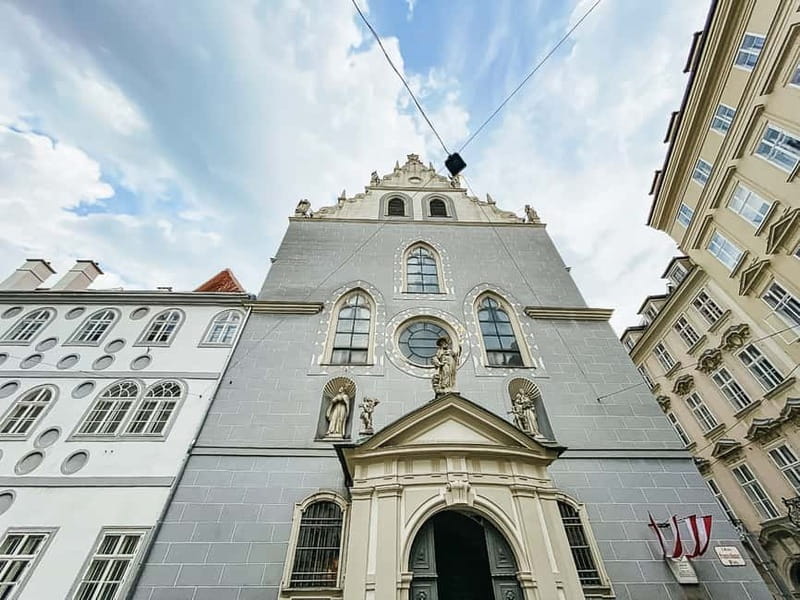
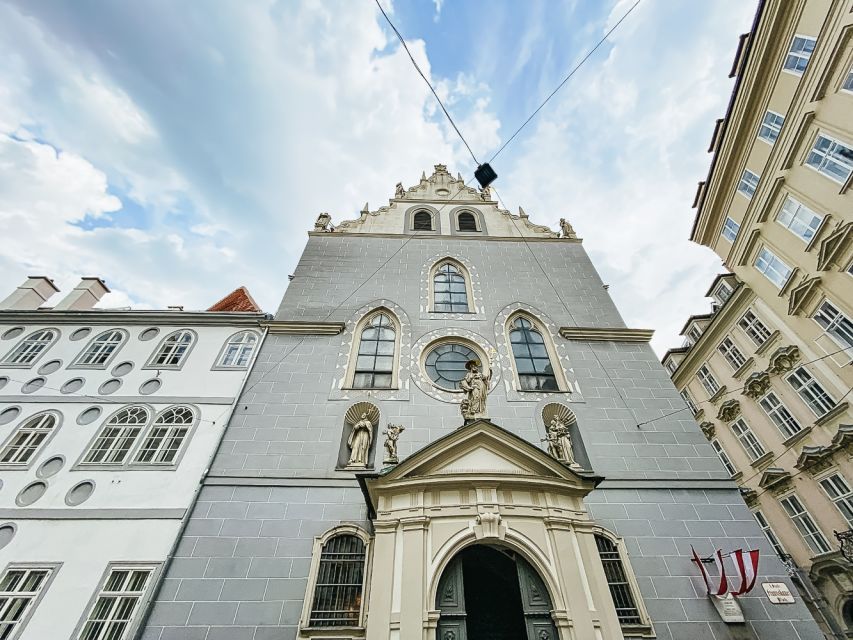
Church stops can go one of two ways on walking tours. They either become repetitive, or they get treated like living spaces with distinct features. Here, the Franciscan Church and Monastery is positioned as a meaningful part of the route rather than just another exterior photo moment.
You’ll also see the Franciscan Church and Monastery itself, which gives you a clear shift in tempo. After walking through named streets like Blutgasse and Domgasse, this stop feels like a breath. And since the guide has already been teaching you how to read Vienna’s details, you’ll likely notice small differences in style and atmosphere.
If you want one part of the tour to feel less “on the move” and more reflective, this is it.
University District, Jesuit Church, and the Old City Wall
The tour continues into the old university district and includes the Jesuit Church and the old city wall. This is where Vienna turns from “beautiful center” into “organized systems”—education, religion, city defense, and the way people lived within those structures.
The University of Vienna stop is more than a location check. You get guided context that helps the area make sense in a wider timeline. Even if you’re not studying architecture or European history, the explanation helps you understand why this stretch of Vienna looks the way it does.
The Jesuit Church adds another perspective. It connects faith, institutions, and the city’s planning logic. And the old city wall brings it down to scale: you’re reminded that Vienna wasn’t always open and connected the way it is today. It gives the route a “how did this city survive?” thread, which complements the legends and courtyards you saw earlier.
Courtyards and Legends: Why This Tour Feels More Like Vienna
The tour’s theme is courtyards. You’ll hear stories tied to the hidden parts of the historical center—places that feel tucked away even when they sit close to major landmarks.
This is where guides earn their pay. A courtyard is quiet, small, and easy to overlook. Without a guide, you might only see a pass-through or a doorway. With one, you learn what the courtyard represents, why it became part of Vienna’s legends, and how it fits into the city’s street-and-building pattern.
That courtyard focus is also why the tour doesn’t feel like a standard “famous sights” circuit. You’re seeing Vienna’s in-between spaces, the ones that make the city feel intimate.
Small-Group Walking: From Humor to Rain Plans
This is conducted in a small group. That’s not a marketing line—it changes the tone. When the group stays small, the guide can keep the pace smooth and interactive. If you like talking and asking questions, you’ll likely feel comfortable because you’re not lost in a crowd.
The guide style also matters. Names you might encounter in the guide roster include Herbert, Dorothy, and Wolfgang, and the common quality is engagement—humor, quizzing, and a strong sense of what to explain and what to skip. One guide even had a plan for when rain hit hard, moving people to shelters so the tour could continue. That’s a practical advantage because this tour runs in all weather conditions.
One more point: it’s usually easy to chat with the guide when the group is small. In some cases, the group size can be very small, which means you’ll likely get a more personalized pace.
Price and Value: $34 for Two Hours That Teaches You How to Look
At $34 per person for a 2-hour tour, the best way to judge value is not the price tag—it’s what you get packed into that time. You’re visiting major landmarks like St. Stephen’s Cathedral and major church stops, plus you’re also walking through several themed streets (Ballgasse, Blutgasse, Domgasse), and you’re adding courtyard legends and key institutional stops (University district, Jesuit Church, old city wall).
You also get a certified tourist guide and native speaker delivery, plus insider recommendations from a local Viennese. That’s a real value boost because it’s usually the recommendations and context—what to notice, what to ignore—that make the difference between reading Vienna and seeing Vienna.
If you only have a short stay in the city center or you want a first-day orientation that doesn’t feel generic, this price is fair for the number of stops and the guide’s focus on meaning.
Who Should Book This Tour (and Who Should Skip It)
This tour is a strong pick if you:
- Like walking and want to understand the city beyond postcard photos
- Want a guided focus on symbolism, courtyards, and local legends
- Prefer a small-group format with humor and interaction
It’s not a great fit if you:
- Need wheelchair access or have mobility limitations (this tour isn’t suitable for wheelchair users)
- Are traveling with larger luggage (luggage or large bags aren’t allowed)
- Are bringing kids under 12 (not suitable for children under 12)
If you’re deciding based on your travel style, think about this: if you enjoy a guide who makes you look at the city, you’ll get more out of this than someone who mostly wants to move from one “must-see” to the next.
Should You Book Vienna: Hidden Secrets and Local Stories?
Yes—if your goal is to understand Vienna’s historic center as a place with stories, not just famous architecture. The tour’s biggest strength is the way it teaches you to notice: courtyards, symbols, and street-level details connected to bigger figures like Mozart.
Book it especially if you’ll appreciate humor and a guide who keeps things active with questions along the way. And if you’re flexible with weather, you’re in good shape since the tour runs in all conditions and even handles rain with shelter-aware routing.
Skip it if you’re constrained by mobility needs, carry large luggage, or want an audio-recording free-for-all. This is a walking and listening experience, designed for focus, not multitasking.
FAQ
How long is the Vienna Hidden Secrets and Local Stories walking tour?
It lasts 2 hours.
What will I see during the tour?
You’ll visit major parts of Vienna’s historic center, including St. Stephen’s Cathedral, Mozart’s final residence area, Ballgasse, Blutgasse, Domgasse, the Franciscan Church and Monastery, and stops such as the University of Vienna area, the Jesuit Church, and the old city wall.
Where does the tour start and end?
The meeting point may vary depending on the option booked. Drop-off locations include Dr.-Karl-Lueger-Platz 3, 1010 Wien.
What languages are the guides?
The live tour guide offers German and English.
Does this tour run in bad weather?
Yes. It takes place in all weather conditions.
Are luggage or audio recordings allowed?
No. Luggage or large bags are not allowed, and audio recording is not allowed.
Is there free cancellation?
Yes. You can cancel up to 24 hours in advance for a full refund.