REVIEW · STOCKHOLM
Stockholm: Old Town Historical Walking Tour
Book on GetYourGuide →Operated by Stockholm Tours by Kiki · Bookable on GetYourGuide
Old Town is great, but it’s better with a plan. This small-group walk led by authorized guide Kiki turns Gamla Stan from postcards into a place with names, causes, and consequences, using clear storytelling from cobblestone corners to major landmarks. The only real catch is that this tour runs in all weather, and the history is shared in English—so you’ll get the most if your English is comfortable.
I especially like how the route hits big “must-sees” and also the in-between details, like the rune stone stop and the historic German church area, without feeling rushed. You also leave with practical ideas beyond the sites—Kiki’s end-of-tour card with recommendations for food and what to do next is genuinely useful. One consideration: it’s a walking tour on cobblestones and it isn’t meant for wheelchair users, so pace and footwear matter.
In This Review
- Key Highlights Worth Knowing
- Why This Old Town Route Works in Just Two Hours
- Meeting at Mynttorget 1 (and Finding the Guide Without Stress)
- Gamla Stan’s Core: Main Square to the Oldest Street
- The Tour’s Street-Drama Stops: Narrow Lanes and a Rune-Stamped City
- Marketplace, Money, and a Famous Restaurant With a Story
- St. George and the Dragon, a Painting Moment, and the Smallest Statue
- Royal Palace Area: Kings and Queens (and How the Past Survives)
- Ending With Religious History at Stockholm Cathedral
- Price and Value: Is $52 Worth It?
- How to Dress and When to Go: Cobblestones + Weather
- Who This Tour Fits Best (and Who Might Skip It)
- Should You Book the Stockholm Old Town Walking Tour With Kiki?
- FAQ
- How long is the Stockholm Old Town Historical Walking Tour?
- What’s the meeting point for the tour?
- Is the tour in English?
- How big is the group?
- Is this tour suitable for wheelchair users?
- What should I bring?
Key Highlights Worth Knowing
- Authorized Stockholm guide in native English: Kiki is an official, certified Stockholm guide with local knowledge, and the tour runs in English.
- Crisp route in two hours: You’ll cover a lot of Gamla Stan landmarks—without getting stuck in museum-level time.
- Street-level history, not textbook history: Expect stories that connect architecture, politics, religion, and street life.
- Photo moments sprinkled throughout: You’ll stop for major icons like St. George and the Dragon, plus smaller details along narrow lanes.
- Local guidance that continues after the tour: You get a tip sheet with ideas for meals and more exploring.
- Easygoing pace, but real walking: The route avoids stairs/steep hills, yet cobblestones still require sturdy shoes.
Why This Old Town Route Works in Just Two Hours
Stockholm’s Old Town can feel like a maze, even if you’re good with maps. This tour is built to fix that fast. In two hours, you walk a smart circuit through the parts of Gamla Stan that explain how the city formed and why certain spots matter.
The group stays small—up to 10 people—so you’re not constantly stuck behind a crowd. That matters in Old Town. Narrow streets compress space, and you want room to hear the guide and still move comfortably.
You also get a structured narrative arc. It starts at one of the Old Town gateways, moves through medieval street fabric, and then shifts toward royalty and religion before finishing back where you started. If you’re short on time, this is a strong way to get your bearings fast.
You can also read our reviews of more walking tours in Stockholm


Meeting at Mynttorget 1 (and Finding the Guide Without Stress)
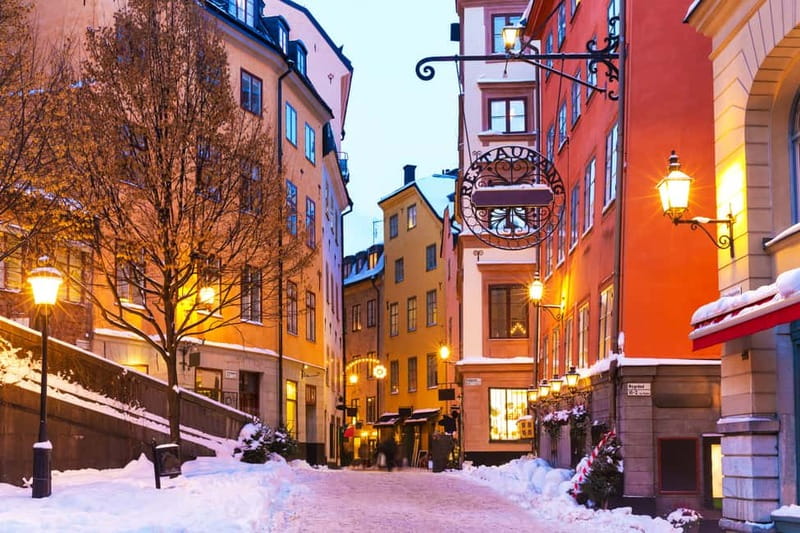
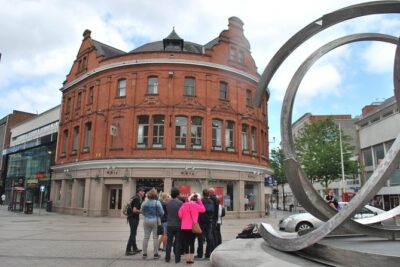
The meeting point is Mynttorget 1, the Mint Square area. Kiki will be by one of the benches in the small square in front of that building—right by Västerlånggatan and close to the Houses of Parliament.
There’s an easy identifying cue: she’ll be holding a small sign that says OLD TOWN WALKING TOUR WITH KIKI and wearing an official Stockholm Guide badge. If you get turned around, the instructions also include calling or SMS if lost, which is reassuring when you’re in a new city.
This setup is more practical than it sounds. Old Town streets can make your first 20 minutes feel like wandering. With a clear meeting point and a visual sign, you spend your time learning, not searching.
Gamla Stan’s Core: Main Square to the Oldest Street

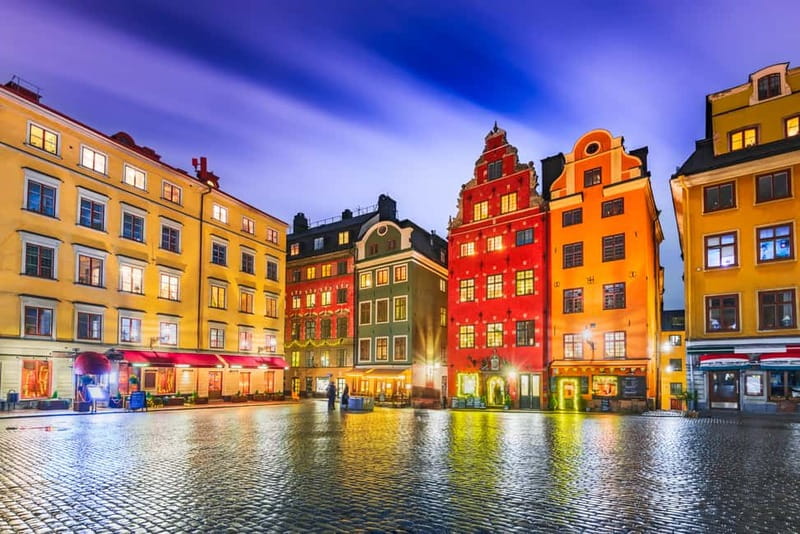
Once you’re in Gamla Stan, the tour becomes a guided walk through the city’s medieval DNA. You start by walking cobblestone streets and narrow alleyways, and you’ll hit the main square early so you can anchor your understanding of where you are.
From there, the stops focus on depth over distance. You’ll visit one of the oldest streets in Old Town, and you’ll also see a rune stone, which helps turn “old stuff” into specific cultural layers. Even if you’ve seen Nordic runes before, a guided explanation in context makes it easier to connect what you’re seeing with who used it and why it ended up here.
A key early stop is the historic German church area. In this part of Stockholm, trade and foreign communities shaped the city’s footprint. So the church isn’t just a building to photograph—it becomes a clue for how people lived and worked in different eras.
You’ll also hear stories that include modern Sweden for a quick reality-check before the tour settles back into medieval focus. That balance is helpful. It prevents the walk from feeling like you’re sealed inside the past.
The Tour’s Street-Drama Stops: Narrow Lanes and a Rune-Stamped City
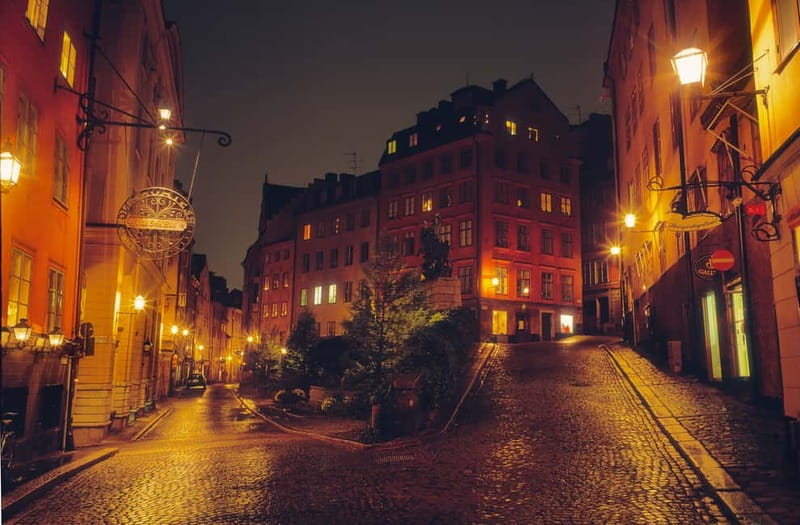
Old Town isn’t just wide-open squares. It’s the tension between major landmarks and tiny passageways. This tour leans into that with stops that show how Stockholm’s layout worked day-to-day.
One moment you’ll appreciate is the brief stop by a busier tourist street. The point isn’t to linger there—it’s to show you the shift between areas that feel like modern Stockholm and the pockets that still read like medieval streets. You get perspective fast, and you won’t waste energy trying to “decode” the city on your own.
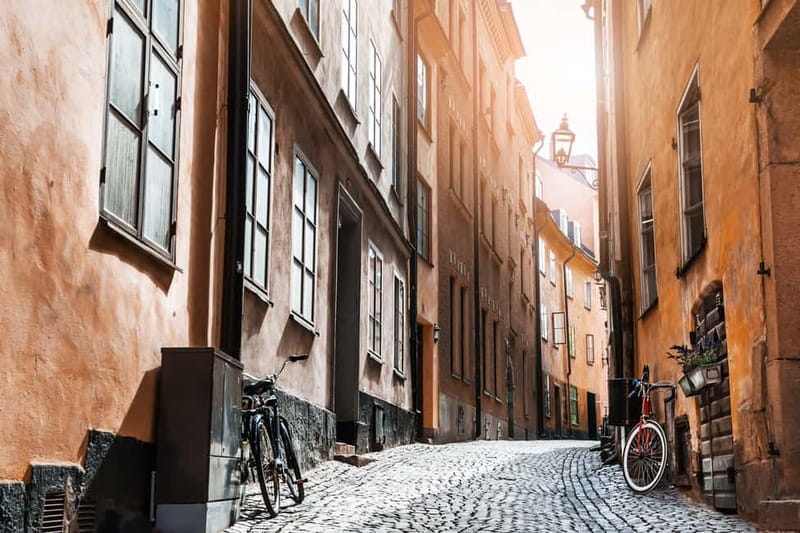
Then the walk turns to the tight stuff, including a stop by the narrowest street in the city. A narrow street on a map looks like a curiosity. In person, it helps you understand why buildings were shaped the way they were and how people moved through the city.
This is also where Kiki’s style really pays off. The route isn’t only about listing facts. It’s about connecting the street geometry to the city’s history—so you remember what you see, not just what you were told.
Marketplace, Money, and a Famous Restaurant With a Story
A turning point on the walk is when you reach the former marketplace and financial square. This kind of stop is valuable because it explains Stockholm as a working city, not a set of monuments.
You’ll also visit a famous restaurant known for its history. The guide uses it to illustrate how public spaces evolve over time—what starts as a place for commerce and daily life can later become a landmark that visitors recognize. Even if you don’t plan to eat on the spot, the story helps you understand why the building and its setting matter.
Another plus: the tour includes a stop by a unique shopping street. This gives you a gentle break from heavy historical monuments and helps you think about practical sightseeing after the tour. If you like to mix culture with browsing, this section makes the walk feel lived-in rather than purely academic.
You can also read our reviews of more historical tours in Stockholm

St. George and the Dragon, a Painting Moment, and the Smallest Statue
Some Old Town sights are famous for a reason, and you’ll see a few of them in a memorable sequence. A standout is the St. George and the Dragon statue stop. It’s not just an image to admire—it’s a launch point for understanding how medieval Europe’s themes filtered into Stockholm’s public spaces.
The tour also includes a famous painting moment used to illustrate the city’s medieval birth. Visual context can make historical storytelling land harder than verbal descriptions alone. If you learn better when you can picture a scene, you’ll appreciate this part.
Then there’s a fun, slightly playful stop: you’ll greet the smallest statue in town. It’s the kind of detail that makes your walk feel personal and specific, like you’re getting a tour from someone who loves these streets—not just someone reading a script.
Royal Palace Area: Kings and Queens (and How the Past Survives)
As the walk transitions from medieval street life to state power, you head toward the Royal Palace area. Here, the guide focuses on Sweden’s royal history—kings and queens—so the city’s political story connects to the physical landmarks you’re seeing.
This portion is especially useful if you’re trying to understand the “why” behind what you see in Stockholm. Buildings make more sense when you know what they represented and who needed them.
You’ll also get brief references to how Sweden’s story evolves into what you experience today. Even though the walking pace stays easy, the content shifts meaningfully—from street-scale life to national-scale power.
Ending With Religious History at Stockholm Cathedral

The final stretch moves into Sweden’s religious history, with a stop at Stockholm Cathedral. This cathedral stop works well because it ties the earlier street-and-square stops to a broader timeline. Religion shaped daily life, public legitimacy, and community structure, so it’s a natural conclusion to a Gamla Stan narrative.
You’ll also be able to spot how Stockholm’s oldest structures help the city keep its memory. The tour ends back in Old Town, which is important. You’re not shuffled off somewhere else—you finish where you can keep exploring, grab food, or browse shops while the stories are still fresh in your head.
Price and Value: Is $52 Worth It?

At $52 per person for a 2-hour walk, the price can look either reasonable or steep, depending on how you travel. Here’s how I’d judge the value.
First, you’re paying for an official, English-speaking guide and a route that’s organized around meaning, not just famous objects. If you try to DIY Old Town, you’ll likely see a lot—but you may not understand what you’re looking at without a lot of reading.
Second, the small group size (max 10) makes the time feel productive. You’re not fighting for hearing space in narrow lanes. That turns the tour into something closer to guided conversation than a rushed march.
Third, you get practical add-ons. The guide provides restaurant and activity suggestions, and you receive a card at the end with names and tips. That kind of “use it later” value is hard to quantify, but it often saves you time and decision fatigue after the tour.
If you want a low-effort way to get your bearings and learn the story behind the streets, this price is in the right zone.
How to Dress and When to Go: Cobblestones + Weather
This tour runs in all weather conditions, so bring the stuff that keeps you comfortable. At minimum, pack comfortable shoes, a water bottle, and plan for sunglasses and sunscreen when the sun shows up. An umbrella or raincoat is also advised.
The walking is at an easy, casual pace, and it’s designed to avoid stairs or steep hills. Still, you’re on cobblestones, and that can be slow even when you feel fine. Good shoes matter more than you think.
Also note the format: it’s not the kind of walking tour you can fully “tough out” if you’re mobility-limited. It’s not suitable for wheelchair users.
If you have flexibility on timing, there’s a practical tip that came up: doing the tour later, like around 5pm, may mean easier strolling with fewer crowd pressures on the streets. It’s worth considering if your schedule allows.
Who This Tour Fits Best (and Who Might Skip It)
This is a great choice if you’re:
- In Stockholm for a short time and want structure
- Interested in how medieval cities form and change over centuries
- Comfortable walking for about two hours on cobblestones
- Hoping for a guide who answers questions and includes practical ideas
It may be less ideal if you:
- Need wheelchair accessibility (it’s not designed for that)
- Prefer tours that focus on museums and interiors only, rather than street-by-street explanation
- Don’t feel confident with English, since the history relies heavily on storytelling and discussion
For families, kids 13 and under are free of charge, which can make it a smart option if you have younger travelers and want a guided introduction.
Should You Book the Stockholm Old Town Walking Tour With Kiki?
If you want a fast, human, story-led introduction to Gamla Stan, I’d book this. The route hits the big picture (Royal Palace area and Stockholm Cathedral) while still spending real time on the in-between details—rune stone, narrow streets, marketplace and financial square, St. George and the Dragon, and those small statue moments that make the walk memorable.
The price makes sense when you factor in the official guide, the small group size, the practical end-of-tour recommendations, and the fact that you finish back in Old Town to keep exploring on your own.
My simple test for you: if you want history you can walk through and remember, go. If you’d rather wander without guidance and already know the story, you can DIY. But most first-timers will be happier with Kiki’s structured route.
FAQ
How long is the Stockholm Old Town Historical Walking Tour?
The tour lasts about 2 hours.
What’s the meeting point for the tour?
The meeting point is Mynttorget 1 (Mint Square). Kiki will be by one of the benches in the square in front of Mynttorget 1, holding a small sign that says OLD TOWN WALKING TOUR WITH KIKI.
Is the tour in English?
Yes. The tour is led in English by a native English speaker and certified Stockholm guide.
How big is the group?
The group is small, limited to 10 participants.
Is this tour suitable for wheelchair users?
No. It is not suitable for wheelchair users.
What should I bring?
Bring comfortable shoes, water, a camera, and plan for the weather with sunscreen and sunglasses. An umbrella or raincoat is helpful since the tour runs in all weather.