REVIEW · VIENNA
Vienna: Historical Walking Tour – Hitler and the 1900’s
Book on GetYourGuide →Operated by Prime Tours · Bookable on GetYourGuide
Vienna has dark history on the street level. This 2-hour walking tour follows Hitler’s early years in Vienna and shows how the city shifted from imperial power to a modern metropolis.
What I like most is that it’s not just a lecture. You walk past real places—Karlsplatz and the MuseumsQuartier area—while your guide connects politics, culture, and street-level details.
I especially appreciate how the guides tell the story with clarity and balance, including humor when it fits. Guides such as Joseph, Christina/Christine, Kristina, and Catherine are repeatedly praised for making timelines easier to follow and for answering questions.
One thing to consider: the subject matter is heavy. If you’re bringing young kids, you may want to judge how much you want to explain at this age.
In This Review
- Key Highlights Worth Marking on Your Map
- Hitler’s Vienna on Foot: What This 2-Hour Walk Really Does
- From Habsburg to Modern Metropolis: The City Changes You’ll Notice
- Karlsplatz and MuseumsQuartier: Stops That Anchor the Era
- Guides Who Keep the Story Moving: Joseph, Christina, and Catherine
- How the Tour Handles Dark History Without Getting Sensational
- Hidden Stops, Insider Tips, and What You’ll Do After
- Price and Value: Is $22 a Smart Deal in Vienna?
- Practical Notes: What to Know Before You Meet the Guide
- Who This Tour Fits Best (And Who Might Skip It)
- Should You Book This Vienna Hitler and the 1900s Walking Tour?
- FAQ
- How long is the Vienna Historical Walking Tour?
- What does the tour cost?
- Where do I meet the guide?
- Is the tour guided in English?
- Is the tour wheelchair accessible?
- What is included in the price?
- What is not included?
- Is free cancellation available?
Key Highlights Worth Marking on Your Map
- Walk in Hitler’s footsteps while keeping the context historical and respectful
- Hidden spots and side stories beyond the usual quick photo stops
- Karlsplatz + MuseumsQuartier as anchors for understanding early-1900s Vienna
- Local, English-speaking guides who explain architecture and events in plain language
- A full, 2-hour story arc that keeps people engaged (even teens, if they’re interested in history)
Hitler’s Vienna on Foot: What This 2-Hour Walk Really Does
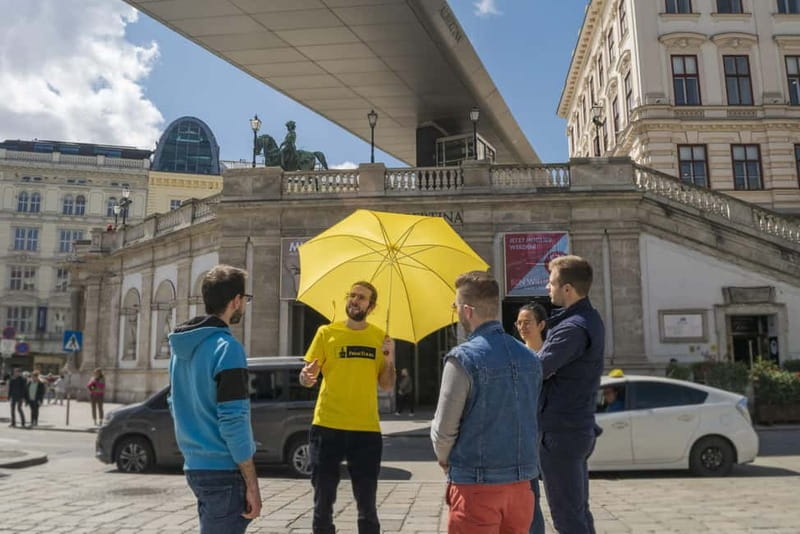
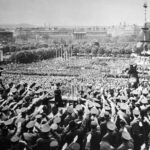
This is the kind of Vienna tour that doesn’t float above the city—it uses the sidewalks as your timeline. You start with Adolf Hitler’s early life in Vienna, but the tour also insists on the bigger picture: what was happening in Austria and in Vienna in the early 1900s, and how those forces shaped the era that came after.
You should expect a steady flow of context. The guide connects political change, cultural shifts, and architecture, so it feels less like a list of events and more like how the city itself “moved” over time. That matters in Vienna, where grand buildings can look timeless even when they were built—or reshaped—during moments of intense change.
The pacing is built for walking: 2 hours is long enough to cover several meaningful stops, but short enough that you don’t end up exhausted before the story finishes. At $22 per person, it’s also positioned as a value pick for first-time visitors who want a history thread without spending a whole day in museums.
You can also read our reviews of more walking tours in Vienna



From Habsburg to Modern Metropolis: The City Changes You’ll Notice
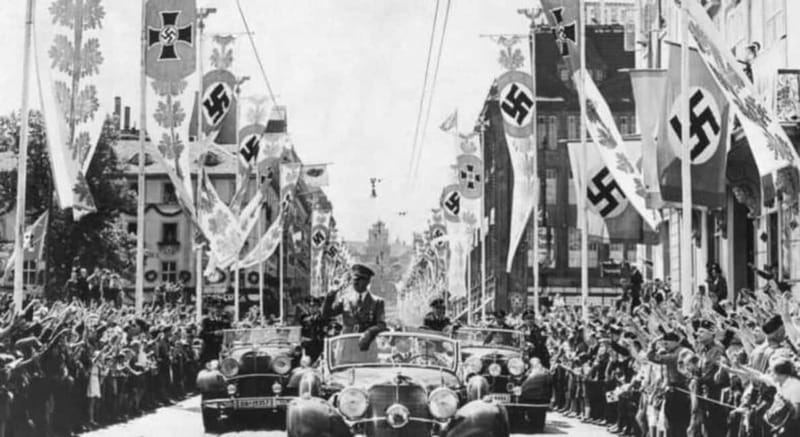
Vienna’s power is in its layers. One minute you’re looking at a street that feels contemporary, and the next you’re hearing how the city’s political and cultural direction was being reshaped in the early 1900s. This tour leans into that transformation: the shift from imperial-era Vienna toward the city you recognize today.
You’ll get help putting dates in order without getting stuck in a dry timeline. Several guides are praised for breaking complicated sequences into something your brain can hold onto. That’s useful because Hitler-related history can be overwhelming fast. Having a guide structure it helps you stay oriented.
You also learn that Vienna wasn’t just a stage for politics—it was a place of ideas, institutions, and cultural life that interacted with power. The tour’s focus on architecture and historical events is a big part of the value. Even when you’re not stopping at a museum, you’re still reading the city like a document.
And here’s a practical angle: walking this story makes Vienna’s layout make sense. If you’ve only seen Vienna from inside palaces or grand squares, you might miss how neighborhoods connect. This tour stitches that mental map together.
Karlsplatz and MuseumsQuartier: Stops That Anchor the Era
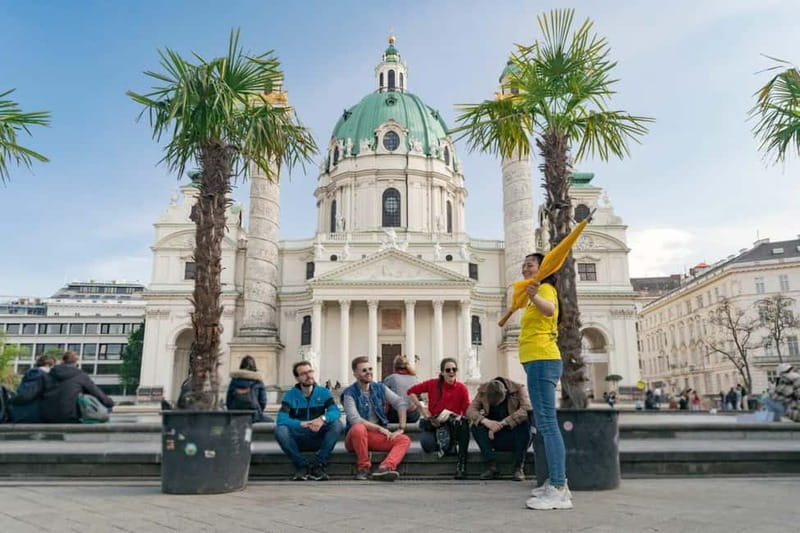
Two locations show up as key reference points: Karlsplatz and the MuseumsQuartier area. Even if you’re familiar with Vienna’s big “must-see” landmarks, these stops help you zoom in on the era the guide is explaining.
At Karlsplatz, you’re in a zone where you can sense how Vienna balances movement and monument. It’s a good place for the guide to talk about the city’s public face—how urban space reflects the times, not just the architecture. It’s also a useful anchor because Karlsplatz is easy to picture on a map later, which helps you retain what you learned.
Moving toward the MuseumsQuartier area, you’re in a part of the city that represents Vienna’s changing use of space—how older structures and cultural institutions relate to modern urban life. For this tour, it’s more than a modern cultural hub. It’s a doorway into understanding how the city kept changing roles while the street environment stayed recognizably Vienna.
The tour also includes other iconic locations and “extra” spots that go beyond standard photo routes. That’s one of the reasons people come away feeling they saw Vienna in a fresh way: you’re not only chasing famous buildings, you’re learning what the guide thinks is important about the connections between them.
Guides Who Keep the Story Moving: Joseph, Christina, and Catherine
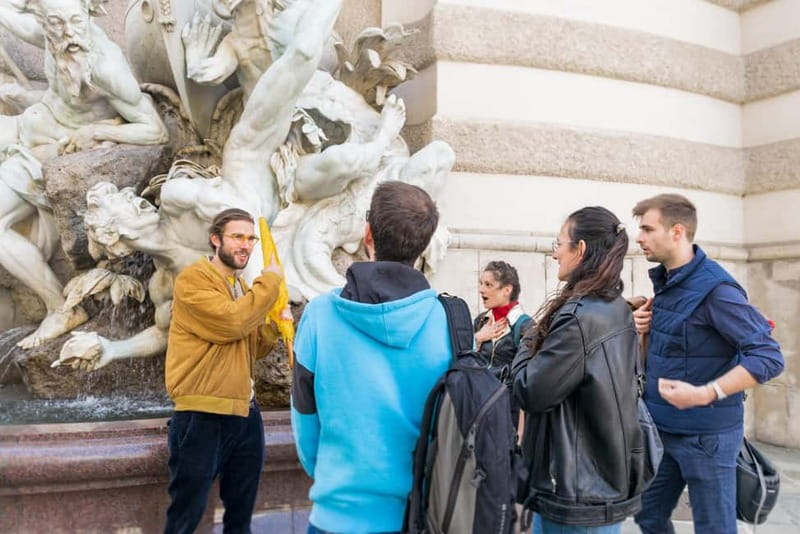
The single biggest factor behind a good history walk is the guide’s voice, not the facts. On this tour, the guides consistently get praised for being strong story tellers and clear teachers.
You’ll see recurring guide names in the feedback—Joseph (and Josef), Christina/Christine, Kristina, Catherine, and even Christopher. While each guide’s style can differ, the common thread is how they handle the material: they make the timeline easier to follow, keep the energy up across the full 2 hours, and answer questions.
Some guides are also noted for using humor to keep the mood lighter when the topic gets dark. That doesn’t mean the tour ignores the gravity of what happened. It means the guide understands that pacing matters for comprehension, and that a little human warmth can help you stay engaged without turning it into a comedy.
I also like that the guide format is set up for an interactive walk. If a detail clicks wrong in your head—or you want to ask why something mattered—you’re more likely to get a real explanation rather than a quick stop-and-go answer. That’s a big win if history isn’t your favorite subject. The guide helps you track the meaning as you walk.
How the Tour Handles Dark History Without Getting Sensational
This tour covers Hitler and the broader early-1900s context. That means you should expect discomfort at points, and the guide needs to balance accuracy with restraint.
What you can take from the feedback is that the tour aims to handle the subject sensitively, not as shock-value entertainment. People also highlight that guides manage the tone respectfully while still keeping the story accessible. One account even praises a guide for cracking jokes to keep the mood light—suggesting the guide is careful about when to use humor and when to slow down.
If you’re sensitive to heavy historical topics, plan to go with the mindset of learning—not “fun.” This is educational walking. If you’re traveling with teens or older kids, you’ll likely find the guide’s structuring helpful. If you’re traveling with younger children, you might find the content requires more explanation than you want on a city walk—so it’s worth thinking through ages before you book.
In short: the tour doesn’t sugarcoat, but it doesn’t treat the topic like a spectacle either. That balance is exactly what you want in a place where history is still physically present.
You can also read our reviews of more historical tours in Vienna


Hidden Stops, Insider Tips, and What You’ll Do After
One of the best parts of this tour is that it doesn’t only point at famous sites. You also hear about the smaller spaces and overlooked angles of Vienna that you might not notice on your own. Those “in-between” moments are where the city stops feeling like a checklist and starts feeling like a living place.
You’ll also receive insider tips and recommendations from your guide. That’s not just generic advice like eat here or see that—it’s more likely tailored to the story you just walked through. If the guide has strong Vienna instincts, those tips can help you choose your next stop with less guesswork.
And because the tour covers Vienna’s evolution—imperial roots to a modern metropolis—it can change how you look at other parts of the city. After a walk like this, you’re more likely to notice how architecture relates to power, and how public spaces can carry political meaning even decades later.
Think of it as mental calibration. You come in seeing Vienna as beautiful. You leave with a clearer sense of how the city’s structure and culture connect to real historical turns.
Price and Value: Is $22 a Smart Deal in Vienna?
At $22 per person for 2 hours with an expert local guide, the pricing is positioned as straightforward and fair. You’re paying for two things: guided interpretation and time saved sorting through context on your own.
Here’s the practical math. A self-guided walk can get you from point A to point B, but it can’t easily explain why those locations mattered during the early 1900s. What you get here is the “why” layered onto the “where,” plus the ability to ask questions. For a history-focused walking tour, that kind of interpretation is the real product.
The tour also includes a reserved spot, instant booking confirmation, and the guidance of a live English-speaking guide. Those details matter because walking tours live or die on reliability—especially when you’re trying to fit one more activity into a busy day.
One trade-off: no food and drinks are included, and entrance fees after the tour aren’t included either. But that can be a good thing. It keeps the tour focused on the walking story rather than turning into a museum schedule. Just plan to eat before or after, based on your pace.
Overall: if you want a guided history walk in Vienna that connects streets to the big changes of the early 1900s, $22 looks like solid value.
Practical Notes: What to Know Before You Meet the Guide
Plan on light walking. This is a history walk through central Vienna. You’ll be moving between stops, so comfy shoes are not optional.
For meeting up, the details are simple: look out for the YELLOW PRIME TOURS UMBRELLA. That kind of visible marker reduces the usual stress of trying to match a description to a stranger on a crowded sidewalk.
The tour is English, and it’s listed as wheelchair accessible. If you use a wheelchair, it’s still smart to arrive early and ask the guide at the start how the route will work for your specific mobility needs, since the city’s streets can vary.
You’ll also want to know the boundaries of the experience. The tour is voluntary, and the guides are self-employed and freelance, so standard caution applies. And yes, tipping is welcomed on the spot.
If you like keeping plans flexible, the tour offers free cancellation up to 24 hours in advance and also allows reserve now & pay later. That’s helpful when Vienna weather or schedule tweaks happen.
Who This Tour Fits Best (And Who Might Skip It)
This tour is a strong fit if you want:
- A focused 2-hour walking history session in central Vienna
- A guide-led explanation of Hitler’s early Vienna years with context, not just names
- A clearer sense of Vienna’s shift from imperial-era roots toward the modern city
It may be less ideal if:
- You want a purely “pretty sights” walk with minimal heavy content
- You’re traveling with very young kids and need a gentler history experience
- You’re hoping the tour includes food or museum entries
Should You Book This Vienna Hitler and the 1900s Walking Tour?
I’d book it if your main goal is to understand Vienna as a city shaped by political and cultural change, and if you’re comfortable with dark history handled in a respectful way. The guide quality is the headline here—stories that stay organized, questions that get answered, and a pace that makes 2 hours feel fast.
Skip it if you’d rather avoid heavy subject matter or if you only want scenic sightseeing. In that case, Vienna has plenty of lighter walks. But if you want the “how did this city get to where it is?” version of Vienna, this one gives you a usable framework you can carry all day.
If you do book: wear good shoes, plan to eat outside the tour, and show up ready to listen. The tour’s value comes from how well the guide turns streets into understanding.
FAQ
How long is the Vienna Historical Walking Tour?
The tour duration is 2 hours.
What does the tour cost?
It costs $22 per person.
Where do I meet the guide?
Meet at the spot where you can look out for the YELLOW PRIME TOURS UMBRELLA.
Is the tour guided in English?
Yes, the live tour guide speaks English.
Is the tour wheelchair accessible?
Yes, the tour is listed as wheelchair accessible.
What is included in the price?
Included are an expert local guide, the walking tour through historic sites, instant booking confirmation with a reserved spot, and insider tips and recommendations. Tipping the guide is also welcome.
What is not included?
Food and drinks are not included, and entrance fees to museums or attractions after the tour are also not included. Transportation to and from the meeting point is not included.
Is free cancellation available?
Yes, you can cancel up to 24 hours in advance for a full refund.