REVIEW · VIENNA
Vienna: Habsburgs Capital, 2hrs. Historical walking Tour
Book on GetYourGuide →Operated by Viennatour Herbert Stojaspal · Bookable on GetYourGuide
Habsburg power still shows in today’s Vienna. This easygoing 2-hour walk is a practical way to see the city’s biggest landmarks while understanding how the Habsburgs shaped the capital. You’ll cover key squares and monumental buildings, with a professionally qualified local guide and small-group energy that keeps questions flowing and the route easy to follow.
I especially like the way the tour connects past and present in plain language. It takes you from Michaelerplatz and the Hofburg Palace to cultural stops like the Vienna State Opera and Albertina Art Museum, so you don’t just look up at statues—you get the story behind what you’re seeing.
One consideration: this is a fast orientation walk. Entrance fees aren’t included, and the tour isn’t set up for people who need to go slowly or who use mobility aids, so plan accordingly.
In This Review
- Key highlights worth circling
- Why this 2-hour Habsburg walk is such a good first move
- Meeting at Loos Haus: easy to find, right where you want to be
- Michaelerplatz: the baroque star-shaped plaza that sets the tone
- Hofburg Palace: how a ruling complex turns into a city-within-a-city
- Josefsplatz, then the Albertina: Vienna loves art and administration nearby
- Vienna State Opera: grandeur outside, cultural detail inside the story
- Neuer Markt and the walk to Stephansplatz: ending at St. Stephen’s Cathedral
- What you’re really paying for at $34
- How guides like Herbert, Wolfgang, and Dorothea shape the experience
- Weather and small groups: the comfort factors you’ll notice
- Should you book this Vienna Habsburg walking tour?
- FAQ
- How long is the Vienna Habsburgs Capital walking tour?
- Where does the tour meet?
- What is the price per person?
- What’s included in the tour price?
- Are entrance fees included?
- Which languages are available?
- Is this a small group tour?
- Is the tour suitable for children and mobility needs?
- What’s not allowed during the tour?
Key highlights worth circling
- Start at Loos Haus (Michaelerplatz 3), a quick walk from U3 Herrengasse, so you’re already in the action.
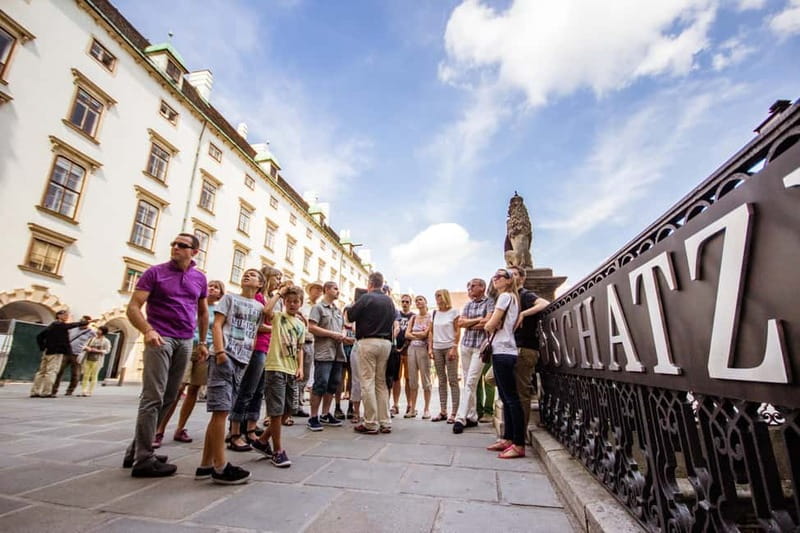
- Hofburg Palace focus on how the complex kept expanding and rebuilding over time.
- Vienna State Opera viewpoint plus a fun cultural detail about where Sisi’s diamond stars were produced.
- Albertina print collections and why this museum matters for art lovers.
- A small-group format that tends to make the stories feel personal.
- Finish near Stephansplatz and St. Stephen’s Cathedral, so your last stop hits Vienna’s classic skyline.
Why this 2-hour Habsburg walk is such a good first move
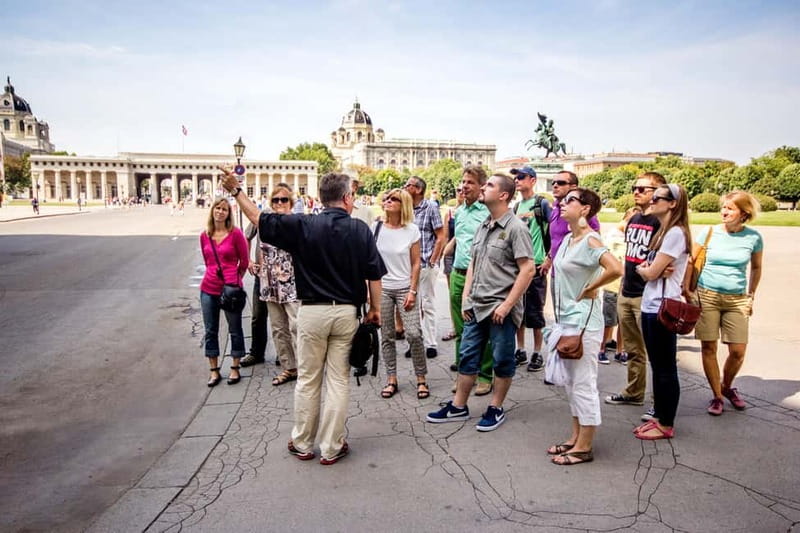
Vienna can feel “big” even when you’re walking through the center. This tour helps you turn that confusion into a mental map. In two hours, you get a clear chain of landmarks across the historic core, tied together by the same theme: the Habsburg monarchy and the Holy Roman Empire.
I like that the walk stays easy on the schedule. You’re not asked to sprint from museum door to museum door, and you’ll spend enough time at each spot to understand why it matters. You’ll also hear stories that make the city’s layout feel logical, not random.
If you’re the type who likes to hit the highlights once—then slow down later—this tour is a strong fit. It also works as a “reset” if you’ve been wandering and suddenly realize you don’t know what you’re looking at.
You can also read our reviews of more walking tours in Vienna


Meeting at Loos Haus: easy to find, right where you want to be
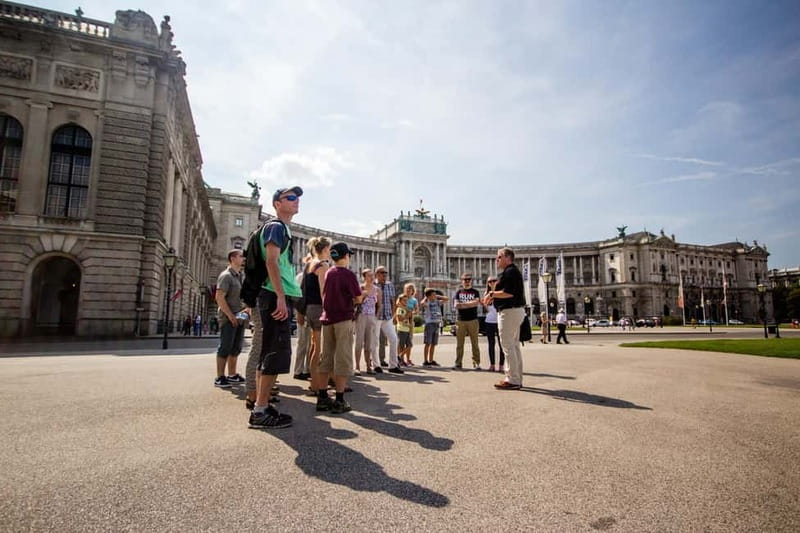
The meeting point is in front of Loos Haus, Michaelerplatz 3. It’s about a 3-minute walk from the Herrengasse metro station on line U3. The building sits between Kohlmarkt and Herrengasse, and you’ll find Raiffeisenbank’s name on the facade.
This matters more than it sounds. A lot of walking tours quietly fail because the meeting point is vague or hidden. Here, the landmark is specific, and the directions are straightforward—so you can arrive, meet your guide, and start walking without stress.
One small note: luggage or large bags aren’t allowed, and audio recording isn’t allowed. So travel light, and be ready to enjoy the walk without multitasking.
Michaelerplatz: the baroque star-shaped plaza that sets the tone
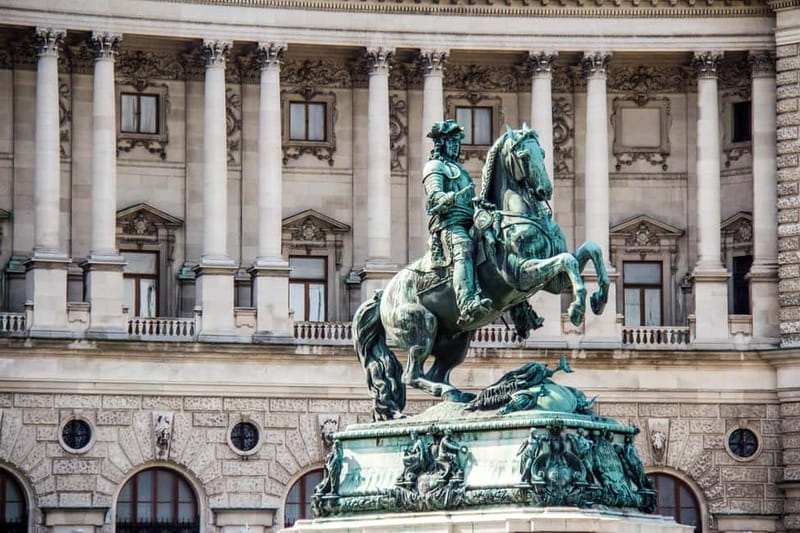
The tour kicks off at Michaelerplatz, a star-shaped Baroque plaza in the middle of town. Even if you’ve never been here, the geometry helps you understand the neighborhood quickly. It’s the kind of square where Vienna’s planning becomes visible right away.
From this spot, you get a sense of why the center feels so “coherent.” You’re not just moving between random attractions—you’re moving through a city shaped by power and ceremony. The guide uses the setting to frame what came next, and it makes later stops easier to read.
Expect a guided start that orients you before the landmarks get huge. That early context is a gift on a first day because you’ll recognize the buildings as you pass them later.
Hofburg Palace: how a ruling complex turns into a city-within-a-city
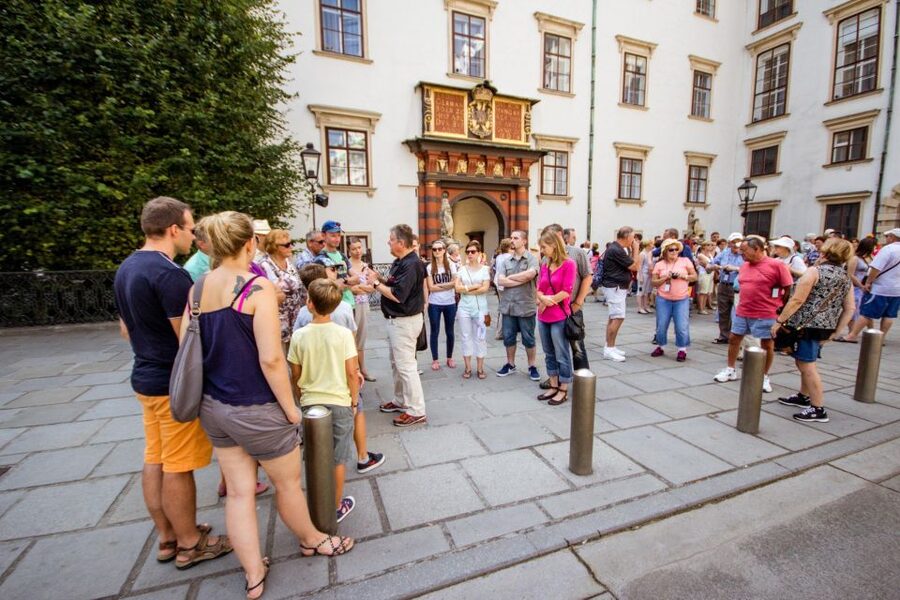
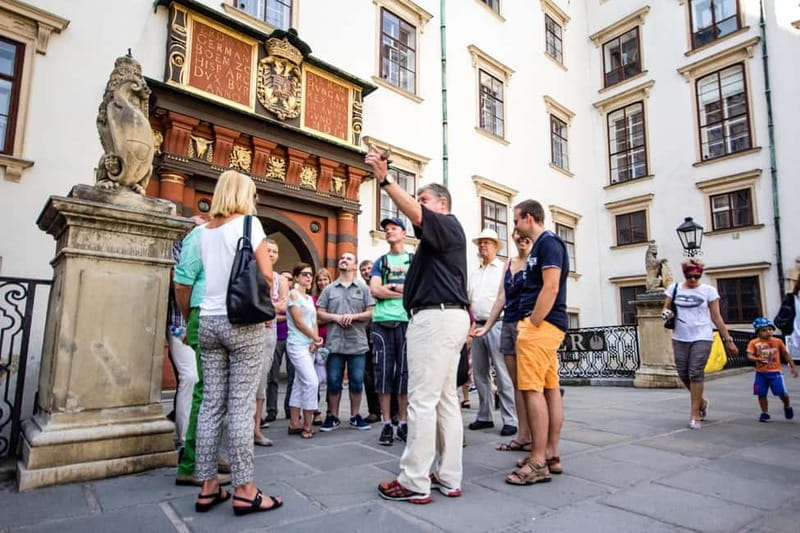
Then you’re at Hofburg Palace, the Habsburg seat that kept growing. What makes this stop special is the concept of constant rebuilding. It wasn’t one finished palace—it was repeatedly extended and modified over time, creating a sprawling complex that reflects changing eras.
From street level, Hofburg can look like one grand mass. With a guide, it becomes something else: a timeline you can walk past. You’ll learn how the palace functioned as a center of authority and how its many parts connect to the broader story of Vienna as the capital of the Habsburg monarchs and of the Holy Roman Empire.
This is also where the tour earns its theme. If you want to understand why Vienna feels like it’s built around institutions—rather than just beautiful buildings—Hofburg is the anchor.
Josefsplatz, then the Albertina: Vienna loves art and administration nearby
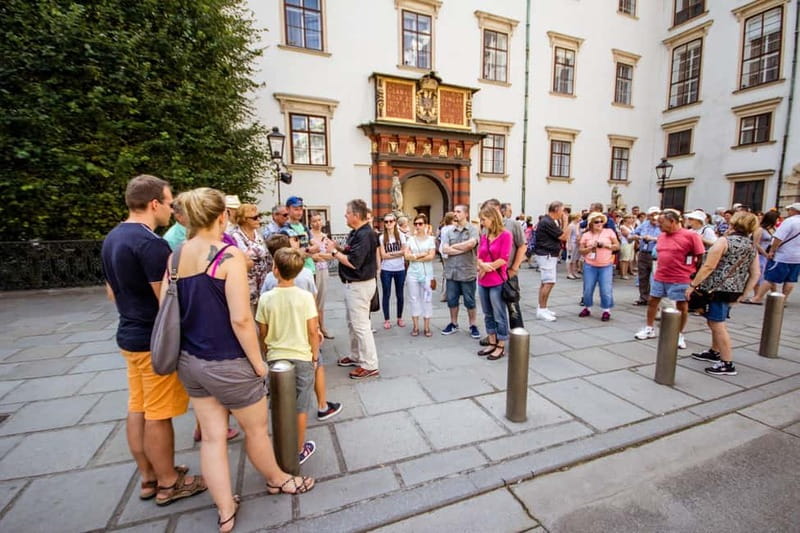
After Hofburg, you head to Josefsplatz. This stop keeps the pace steady while shifting your attention from royal power to the city’s cultural rhythm. You’re still in the center, but the vibe changes from palace-courtyard formality to something more civic and everyday.
Next comes the Albertina Art Museum. The highlight here is its status as home to one of the most important print collections in the world. Even if you’re not planning to go inside, the guide’s framing makes the building feel purposeful rather than just scenic. Prints matter because they show how ideas travel—through drawings, engravings, and editions—so the collection connects art to history in a direct way.
This is a smart pairing on a walking tour: you go from political architecture to art that records culture. It keeps Vienna from turning into a parade of only palaces and statues.
You can also read our reviews of more historical tours in Vienna


Vienna State Opera: grandeur outside, cultural detail inside the story
The tour includes the magnificent Vienna State Opera, one of the city’s most famous buildings. From the street, the scale does the work for you—but the guide adds what you might miss on your own.
One detail that stands out is learning where Sisi’s diamond stars were produced. It’s the kind of fact that makes a landmark feel less like a postcard and more like a living part of court culture. You’re not just looking at decoration; you’re seeing how craft, fashion, and the monarchy intersected with public institutions.
This stop is great if you like the cultural side of history. Vienna isn’t only about rulers—it’s also about performance, music culture, and the way the city presented itself.
Neuer Markt and the walk to Stephansplatz: ending at St. Stephen’s Cathedral
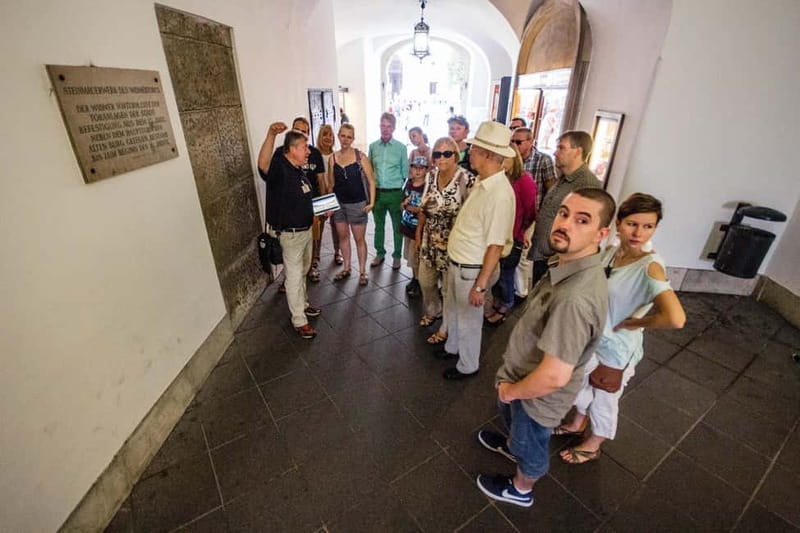
Neuer Markt comes next, and it offers a slightly different tempo. It’s a breather in the route, but still part of the center’s lived-in character. It’s the kind of square where you can look around and feel how the historic area functions today.
Your walk ends with drop-off near Stephansplatz 8A, placing you right by Stephansplatz and St. Stephen’s Cathedral. That’s a strong finish because the cathedral is a visual anchor for Vienna’s identity. It’s also the kind of landmark that benefits from context—you’ll understand more about the city’s layers when you’re looking at it for the second time later.
If you’re planning what to do after the tour, this ending location is practical. You’ll be near a classic hub where you can branch out without backtracking.
What you’re really paying for at $34
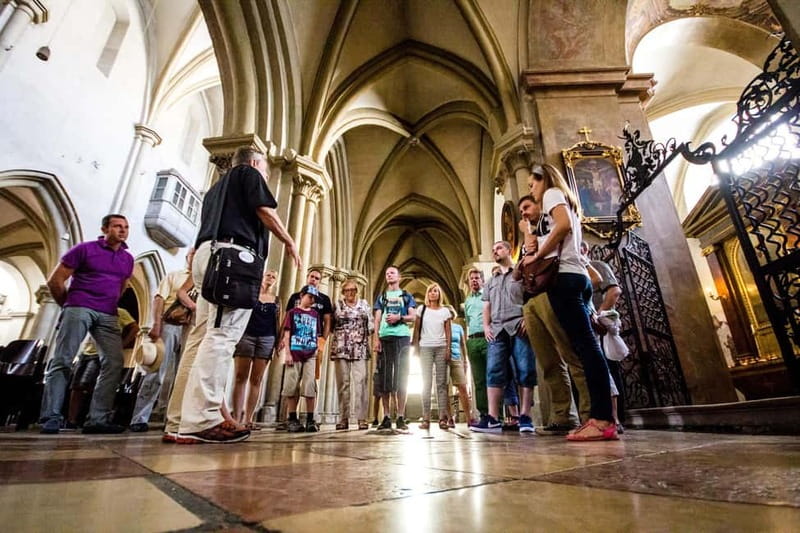
At $34 per person for a 2-hour guided walk, the value is mostly about the guide and the structure. Entrance fees aren’t included, so this price is not about paying to enter buildings. It’s about paying for a route and a brain that helps you read the city.
Where this tour feels like good value:
- You cover major landmarks in a compact span of time.
- You get local recommendations that help you plan the rest of your day.
- You hear stories tied to each stop, which makes future visits faster and more enjoyable.
Is it perfect value for everyone? If you want lots of indoor time, you’ll have to budget entrance fees separately. But as an orientation and storytelling walk, $34 is in the reasonable zone—especially if you like learning without getting stuck in lines.
How guides like Herbert, Wolfgang, and Dorothea shape the experience
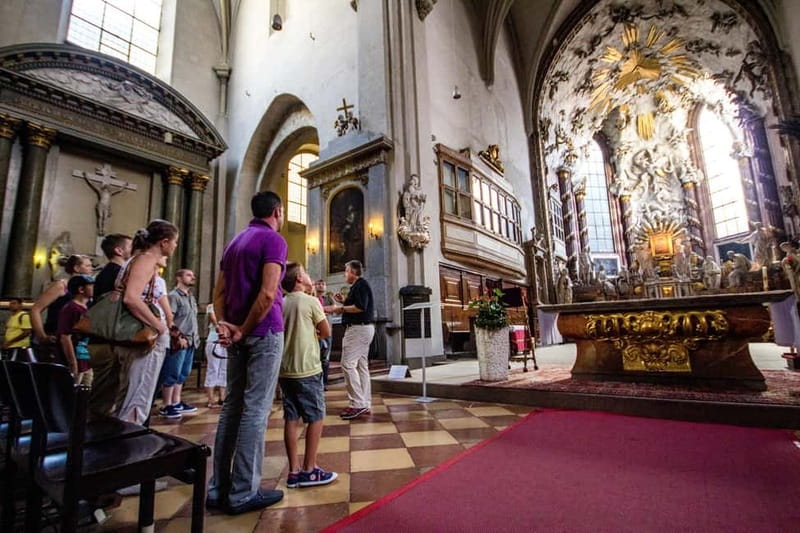
One of the tour’s biggest strengths is the human factor. Guides such as Herbert and Wolfgang show up in past trips with a style that’s animated, story-driven, and question-friendly. Herbert is noted for using humor and for rewarding correct answers with chocolates, which is a small detail—but it signals that the guide is actively keeping the group engaged.
Wolfgang, on the other hand, is highlighted for leading skillfully and safely while threading in art, history, and architecture with a sense of humor. Dorothea is described as especially informative, and in at least some cases the group size is extremely small, which makes it feel more like a guided conversation than a rigid lecture.
Even if your guide’s personality is different, the format stays the same: stops, stories, and a steady pace that keeps you moving but not overwhelmed.
Weather and small groups: the comfort factors you’ll notice
The tour runs regardless of weather. That’s good planning, but it also means you should dress for rain or cold if the forecast looks messy. A couple of hours on cobblestones in bad weather is survivable, but you’ll enjoy it more if you’re prepared.
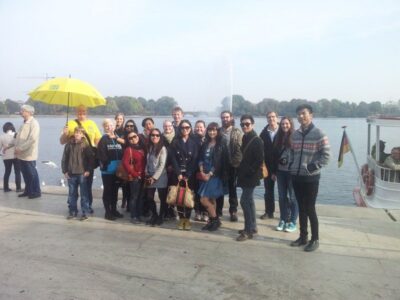
The group is also small. In many cases, people report tiny groups, which matters because it changes how you experience the information. In a small group, you get more chances to ask questions, and the guide can adjust the rhythm to the energy level of the people on the walk.
There are limits: children under 12 aren’t suitable, and the tour isn’t designed for wheelchair users or people with mobility impairments. If you fall into any of those categories, you’ll likely want a different style of sightseeing that’s easier to pace.
Should you book this Vienna Habsburg walking tour?
Yes, if you want a focused first look at Vienna’s center and you enjoy learning as you walk. This tour gives you a usable framework: where to go next, what you’re seeing, and why it connects to the Habsburg era.
I’d skip it or look for a different option if you:
- Need longer indoor visits and guided time inside museums (entrance fees aren’t included).
- Want a more accessible route for mobility limitations.
- Are traveling with large bags or need audio recording.
If your goal is to get your bearings fast and leave with a sense of the city’s stories, this is a solid booking. It’s short, structured, and positioned near the biggest “Vienna icons,” so the rest of your trip feels easier afterward.
FAQ
How long is the Vienna Habsburgs Capital walking tour?
The tour lasts 2 hours.
Where does the tour meet?
It meets in front of Loos Haus at Michaelerplatz 3, 1010 Vienna. The building is between Kohlmarkt and Herrengasse, with Raiffeisenbank on the facade.
What is the price per person?
The price is $34 per person.
What’s included in the tour price?
You get a certified tourist guide (native speaker), plus insider recommendations by a local Viennese.
Are entrance fees included?
No. Entrance fees are not included.
Which languages are available?
The live guide offers German and English.
Is this a small group tour?
Yes. The tour is conducted in small groups.
Is the tour suitable for children and mobility needs?
It is not suitable for children under 12. It is also not suitable for wheelchair users or people with mobility impairments.
What’s not allowed during the tour?
Luggage or large bags are not allowed, and audio recording is not allowed.