REVIEW · VIENNA
Vienna for Food Lovers: Cafés, Markets & Austrian Cuisine
Book on Viator →Operated by Intrepid Urban Adventures - Austria · Bookable on Viator
Come hungry; Vienna does not mess around. This 6-hour small-group tour mixes landmark walks with menu help and generous tastings, from Viennese coffee and strudel to schnitzel and street wurst. I love how you get markets + coffeehouse culture without wandering in circles, and the pace stays friendly. One thing to plan for: it can be pastry-heavy, and gluten-free can be harder to manage.
Guides like Christoph, Maria, Patrick, and Wolfgang are repeatedly praised for keeping things organized and fun while adding real context between bites. You’ll start at Jasomirgottstraße 3/5 at 9:30 am and finish back at the same meeting point after the last tasting.
In This Review
- Key highlights to look for
- Why this Vienna food tour works for first-timers (and return trips)
- The meeting point and timing: a 9:30 start that pays off
- Getting around Vienna like a local: public transport done the easy way
- Graben, Kohlmarkt, and Stephansplatz: landmarks that set the scene
- Reumannplatz and Groissböck: coffee plus the kind of sweet you remember
- Naschmarkt and Brunnenmarkt: two markets, two moods of Vienna
- Café Korb: a traditional coffee and strudel moment in a local setting
- Austrian street food at the Würstelstand: the snack that ties it together
- The hearty lunch, wine, and beer: planning your appetite for the long middle
- Price and value: what $159.08 buys you in real terms
- Who should book this Vienna food lover tour, and who should skip
- Should you book this Vienna food lover tour?
- FAQ
- What is the duration and starting time of the tour?
- What food and drinks are included?
- Are vegetarian and vegan diets accommodated?
- Do I need metro tickets?
- How large is the group?
- Can the route or food offerings change?
Key highlights to look for
- Menu help in English: your guide helps you decode what you’re ordering, so nothing is lost in translation
- Landmarks without the museum fatigue: St. Stephen’s Cathedral area and classic shopping streets are built into the route
- Two open-air markets: Naschmarkt and Brunnenmarkt bring you close to everyday food and home goods
- A real Austrian spread: coffee and pastry, hearty lunch (schnitzel/goulash/veg), and street-food stops
- Small-group attention: max 16 people for a more personal feel and easier conversation
Why this Vienna food tour works for first-timers (and return trips)
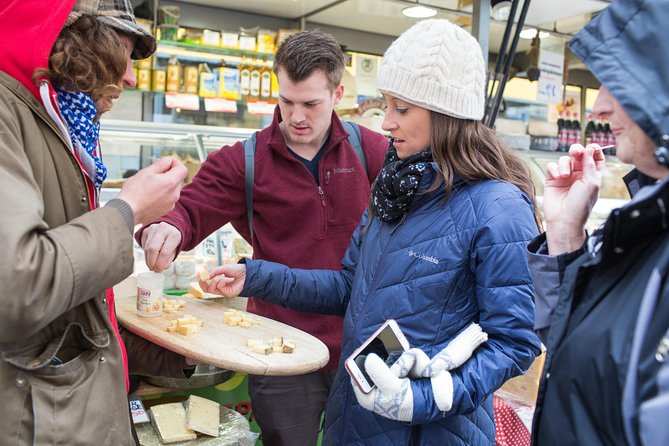
Vienna can feel big and formal at first. This tour gives you an easier entry point because it pairs iconic sights with very practical food stops. You’ll walk part of the day, then use public transport so the day stays enjoyable instead of turning into an endurance test.
What I like most is that it’s not only about eating. You also learn how Viennese food culture fits into daily life, especially through coffeehouse traditions and market routines. I also appreciate that the tour is designed for small groups (up to 16), which makes it easier to ask questions when you’re staring at a menu that’s not in your language.
The biggest caution is simple: come prepared to eat a lot. If you’re the type who snacks lightly, this may feel like a sugar-and-savory marathon. If you like food tours where dinner becomes optional later, you’ll be in your element.
You can also read our reviews of more tours and experiences in Vienna.
The meeting point and timing: a 9:30 start that pays off
Starting at 9:30 am is smart in Vienna. Morning is when coffee feels like a ritual, markets are in full flow, and you can still see the center without the day getting away from you. Plus, doing this early helps you learn the city’s rhythm before you start planning reservations and long walks.
The meeting point is Jasomirgottstraße 3/5 (1010 Wien), and the tour ends back at that same place. That matters because you’re not left scrambling to find your way when you’re full. It’s also easier for families and groups of friends to coordinate after the tour since everyone is returning to one clear spot.
One more practical detail: the tour uses a mix of on-foot strolling and public transport. You’re told to have a moderate fitness level, so it’s not just a shuffle-walk. Still, it’s very manageable because transit helps break up the time on your feet.
Getting around Vienna like a local: public transport done the easy way
This is one of the reasons I’d pick this tour over a strictly walking food crawl. You’ll move between neighborhoods using public transport, which means you get more of Vienna in six hours without treating every cross-town street like a hike.
You’re not getting the metro tickets included, so you should plan to purchase them yourself. The guide helps with navigation, and in past groups this has included help using the underground and tram systems. That’s especially useful if Vienna is your first European city and you’re trying to avoid the stress of figuring out routes while hungry.
A small bonus: some guides are known to take photos during the tour and share them afterward. Even if you don’t care about photos, the fact that the guide keeps the group organized tends to mean less wandering and more eating.
If it’s raining, the tour still runs. One reason people rate this so highly is that the guide keeps the day feeling fun even when weather messes with outdoor plans.
Graben, Kohlmarkt, and Stephansplatz: landmarks that set the scene
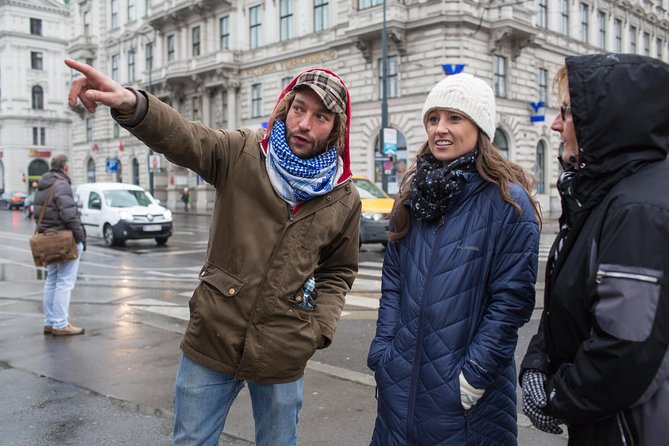
The tour begins in central Vienna, moving through Graben and Kohlmarkt, two elegant shopping streets lined with historic architecture. You get a taste of Vienna’s classic look right away, but you’re not just standing and posing. The guide connects what you’re seeing with why people built streets and hubs where they did—then you transition into food.
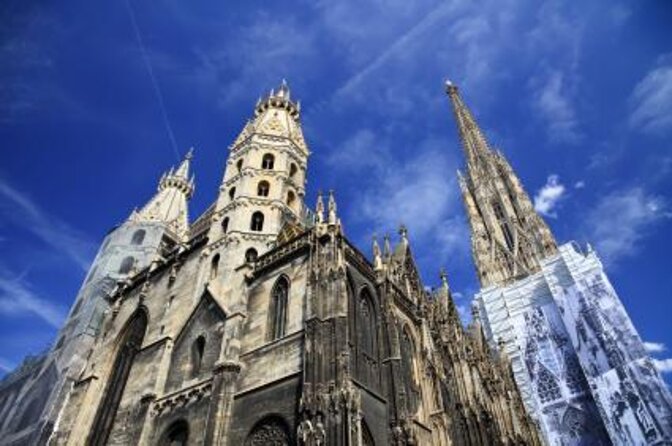
Stephansplatz and the area around St. Stephen’s Cathedral are the next anchor point. This is one of those sights you’ll recognize from postcards, but it hits differently when you’re walking around it as part of a day plan. You see it as a living city center, not as a quick photo stop.
Then you return to Stephansplatz again at the end of the tour. That loop gives you a sense of orientation, especially if you’re meeting Vienna for the first time.
The main drawback here is also predictable: central landmarks are popular, and parts of the area can be busy. The tour’s timing and the focus on tastings help, but you’ll still be in the flow of the city.
Reumannplatz and Groissböck: coffee plus the kind of sweet you remember
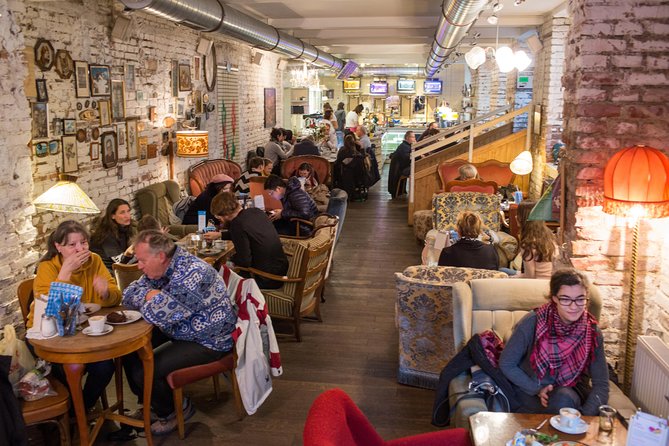
At Reumannplatz, the guide sets context for a local square with historical roots, created in 1872 on the city’s southern edge. The setting matters because it keeps the day grounded in real neighborhoods instead of only showing the postcard core.
Then comes one of the most comforting stops: Groissböck for sweet confectionery creations and freshly roasted coffee. If you’re the type who thinks Vienna is all strudel and espresso—this confirms it fast. The shop approach is described as baking with love and using best ingredients, and that shows up in why people leave with satisfied, not just stuffed, feelings.
This stop is a big reason to do the tour with an appetite. It’s early enough that your morning coffee is a full experience, not a rushed caffeine fix. Also, since the itinerary later brings markets and savory food, having a proper sweet-coffee foundation helps everything that follows feel balanced.
One consideration: if you’re trying to avoid pastries or you’re sensitive to gluten, you may need to plan carefully. Vegetarian options are welcome, but gluten-free is noted as harder because of the pastry-heavy nature of Austrian cuisine.
A few more Vienna tours and experiences worth a look
Naschmarkt and Brunnenmarkt: two markets, two moods of Vienna
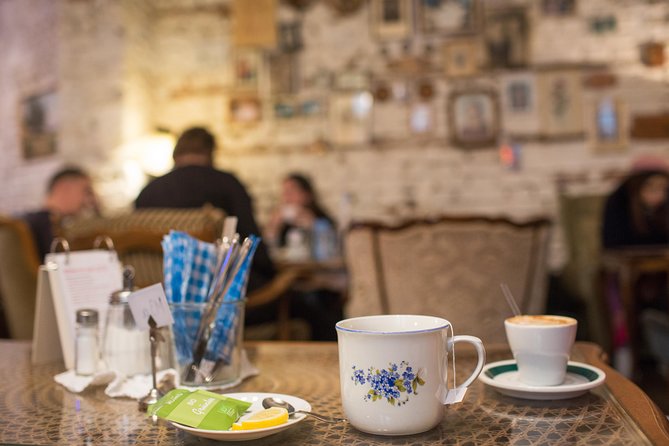
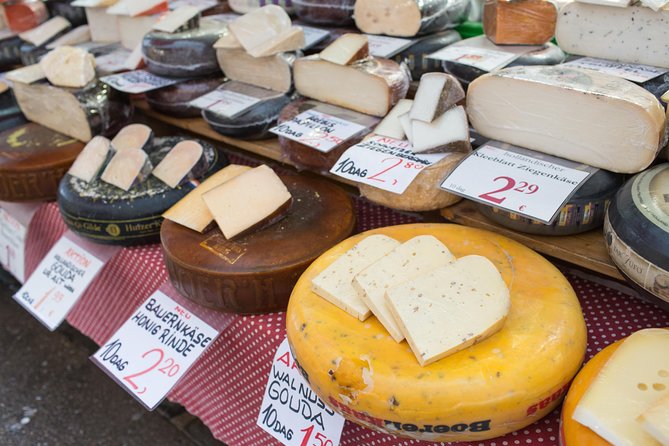
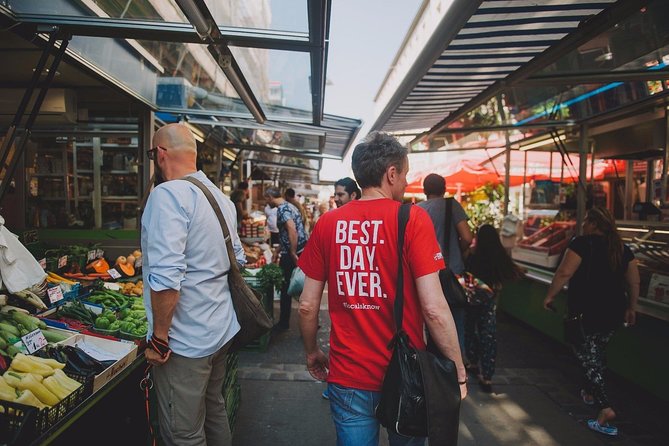
Markets are where Vienna’s food culture feels most everyday. You’ll visit two open-air markets: Naschmarkt and Brunnenmarkt. This is a great pairing because it gives you variety—different stalls, different local rhythms, and different shopping habits.
Naschmarkt is known for the mix of food and people you’ll see moving through it. You’ll browse produce, sweet treats, and even homewares, which is a fun change from purely food-focused stops. Brunnenmarkt, on the other hand, is described as Vienna’s longest street market with a multicultural feel in the 16th district. That matters because it changes what you notice: more international ingredients, more variety, more of a street-level scene.
You’ll also get recommendations for where to eat next, based on what’s working that day. Market recommendations are one of the most practical “learn it once, use it forever” parts of any food tour.
My advice: bring your appetite and keep your purchases light during browsing. You’ll be eating again later, so use markets for sampling and learning rather than buying a suitcase full of snacks.
Café Korb: a traditional coffee and strudel moment in a local setting
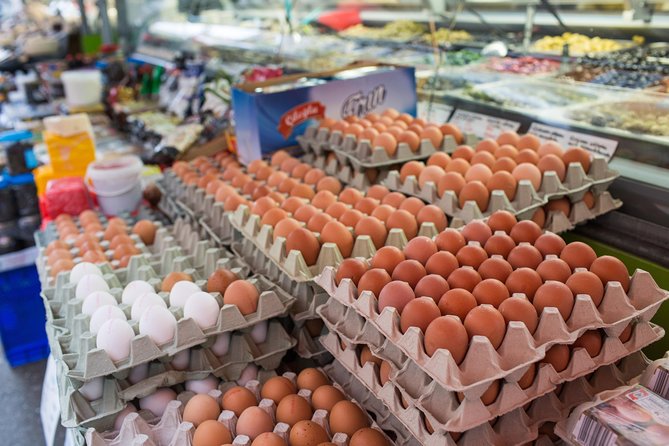
Café Korb is a traditional Viennese coffeehouse stop that’s described as hidden in feel and still loved by locals. It’s the kind of place that makes the whole city’s coffeehouse reputation feel real—less like a tourist theme, more like a daily habit.
Expect Viennese coffee and strudel here. This isn’t about rushing through one sweet course; it’s a proper coffee pause that lets you slow down and taste the difference in how these places treat coffee and pastry.
This stop also helps you understand something simple: Vienna’s café culture isn’t just dessert. It’s where people take time, talk, and watch the city move. The guide’s role is key because they connect that ritual to the city’s wider food traditions, so you understand what you’re seeing instead of just eating.
If you’re caffeine-sensitive, it’s still easy to handle by sipping slowly and pacing yourself. Just remember the tour builds toward multiple tastings, so this coffee stop is one more layer.
Austrian street food at the Würstelstand: the snack that ties it together
No Vienna food day feels complete without a traditional sausage stand stop. The Würstelstand part of the tour gives you a direct hit of Austrian street-food culture—fast, satisfying, and built for eating in public without fuss.
You’ll sample classic sausage-style street food, and you’ll also hear about how these places fit into daily life. This stop is part food, part cultural correction: it proves that local eating is not only elegant dining rooms and long meals.
Food tours can sometimes end on something small and forgettable. Here, the street-food stop tends to land as a memorable finish because it contrasts nicely with earlier sweet-and-coffee moments.
If you want a tip: one well-informed guide name that comes up in people’s comments is Thomas, linked to an especially famous sausage stand in Vienna’s 16th district. That doesn’t mean you’ll visit the exact place every day, but it tells you the caliber of street-food conversation your guide may bring up.
The hearty lunch, wine, and beer: planning your appetite for the long middle
This tour includes a hearty Austrian lunch, with options such as schnitzel, goulash, or vegetarian dishes. It also includes a glass of Austrian wine or local beer alongside the meal. In other words, you get more than a snack-and-dessert route—you get a real sit-down moment that feels like a full culinary day.
From what’s described, the tour’s menu variety is intentional. You might see items like ham and horseradish sandwiches with a spritzer, iced apricot dumpling, and other regional favorites. The point is not to prove Vienna has one famous dish; it’s to show how the city spreads flavor across sweet, savory, and drink.
My practical advice is to eat your lunch like it’s a centerpiece. Don’t skip bites because you think you’ll be able to save room. The tour includes multiple tastings after coffee and markets, so your best strategy is to pace your eating and take breaks when you need them.
Also, if you’re planning a later meal that same day: you may not need dinner reservations. The food quantity is repeatedly described as substantial, with people finishing the tour full enough to skip plans.
Price and value: what $159.08 buys you in real terms
At about $159.08 per person for a roughly six-hour experience, you’re paying for three things at once: guidance, access, and a structured food flow. This isn’t just a list of stops you can copy from Google maps.
Your value comes from the combination:
- Multiple neighborhoods handled for you with public transport
- A guided food decode, especially helpful when menus are not in English
- Generous samples plus a hearty lunch, wine or beer, and coffeehouse pastry
You’re also getting a small group cap of 16, which typically improves the experience. When the group is larger, food tours can feel like a line. Here, the focus is on keeping you fed and informed without turning it into a sprint.
If you’re the kind of person who plans food around research and still ends up guessing at what to order, this price starts to look fair fast. If you prefer to fully control where you eat and you don’t like organized tastings, you might prefer a looser food-and-market day on your own. But if you want help and structure, you’re paying for someone to do the decision-making.
Who should book this Vienna food lover tour, and who should skip
This tour fits best if you want:
- Vienna’s food culture plus city context in one morning and early afternoon
- Clear help with menu reading in another language
- Market time and street-food culture, not only formal restaurants
- A group setting where you can ask questions and get recommendations
It may be less ideal if:
- You avoid pastries most of the time, since the day includes several sweet-focused stops
- You need strict gluten-free support, since gluten allergies are described as harder to accommodate due to pastry-heavy choices
- You want a totally independent schedule with no guide structure
Fitness-wise, the tour is built for moderate walkers and includes public transport. Even so, wear comfy shoes, because there’s still enough street time to earn them.
Age-wise, it’s described as best for adults and older children, and not recommended for kids under 12.
Should you book this Vienna food lover tour?
I’d book it if you want Vienna’s flavors with minimal planning stress. It’s one of those “start here” experiences: you’ll leave with food favorites, coffeehouse context, market instincts, and a better feel for how neighborhoods connect.
Book it if you like tasting-based travel. You get coffee, pastry, markets, sausage street food, and a real Austrian lunch, plus wine or beer. That combination is hard to recreate cheaply on your own without time-consuming research.
Skip it only if you’re strongly pastry-averse, need strict gluten-free certainty, or you prefer total freedom over structured tastings. Otherwise, come with an appetite, keep your shoes comfy, and let the guide handle the menu puzzles.
FAQ
What is the duration and starting time of the tour?
The tour runs for about 6 hours and starts at 9:30 am.
What food and drinks are included?
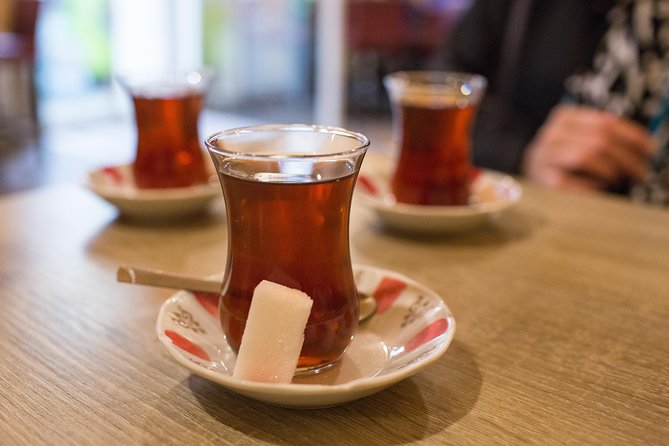
You can expect Viennese coffee and a seasonal pastry (and/or strudel), a hearty Austrian lunch (options like schnitzel, goulash, or vegetarian dishes), street food tastings such as sausage from a traditional Würstelstand, and a glass of Austrian wine or local beer. Tea is also an option at the coffeehouse stop.
Are vegetarian and vegan diets accommodated?
Yes. Vegetarian and vegan guests are welcome. Gluten-free is harder to accommodate because the tour is pastry-heavy.
Do I need metro tickets?
Metro tickets are not included. The tour includes public transport guidance and movement, but you’ll need to purchase transit tickets yourself.
How large is the group?
This experience has a maximum of 16 travelers, which keeps it small-group.
Can the route or food offerings change?
Yes. The route and stops may be adjusted occasionally, and food selections can vary slightly based on daily availability, but the tour will still include delicious and authentic tastes.