REVIEW · SALEM
Salem: Voodoo, Vampires, and Ghosts Guided Walking Tour
Book on GetYourGuide →Operated by Spellbound Tours · Bookable on GetYourGuide
Salem gets dark fast on this walking tour. With Dr. Vitka, a local paranormal investigator, you’ll walk through Salem’s most haunted sites and learn how to try ghost-energy photography as part of the story.
I love how the tour keeps the focus on specific places tied to major Salem legends, not generic spooky talk. I also like that you get an energetic guide who invites questions and turns the night into an easy-moving 90-minute route that still covers a lot of ground.
One thing to consider: this is mainly a walking experience with stops outside and limited in-building time, so if you want lots of interior access, you may feel it’s a bit tight for the time length.
In This Review
- Key Highlights You’ll Feel Immediately
- Meeting at the Big Bell: the easiest way to start in Salem
- Dr. Vitka’s Salem storytelling: witches, voodoo roots, and the supernatural pitch
- Giles Corey’s field and Salem’s punishment story turned personal
- The Witch Dungeon stop: the accused before the hanging
- Bridget Bishop at Turner’s Seafood (Lyceum): the haunting tied to a named victim
- Old Town Hall: where vampire folklore meets modern Salem culture
- The Boston Strangler Salem murder site: true crime as spooky texture
- The police station and Houdini’s escape: a lighter shock of legend
- Old Burying Point Cemetery: Judge Hathorne, possible premature burial, and ritual use claims
- Peabody Essex Museum vault secret: the night gets “investigation” specific
- Back at the Salem Visitor Center: ghost-energy photos and what you can submit
- Price and value check: why $25 for 90 minutes can work
- Who this Salem ghost tour is best for
- Should you book Spellbound’s Voodoo, Vampires, and Ghosts tour?
- FAQ
- How long is the Salem Voodoo, Vampires, and Ghosts guided walking tour?
- How much does the tour cost?
- Where do I meet the guide?
- What’s the tour guide’s language?
- What will I learn or do during the tour?
- Does the tour visit cemeteries and museum areas?
- Is free cancellation available?
- Can I reserve now and pay later?
Key Highlights You’ll Feel Immediately
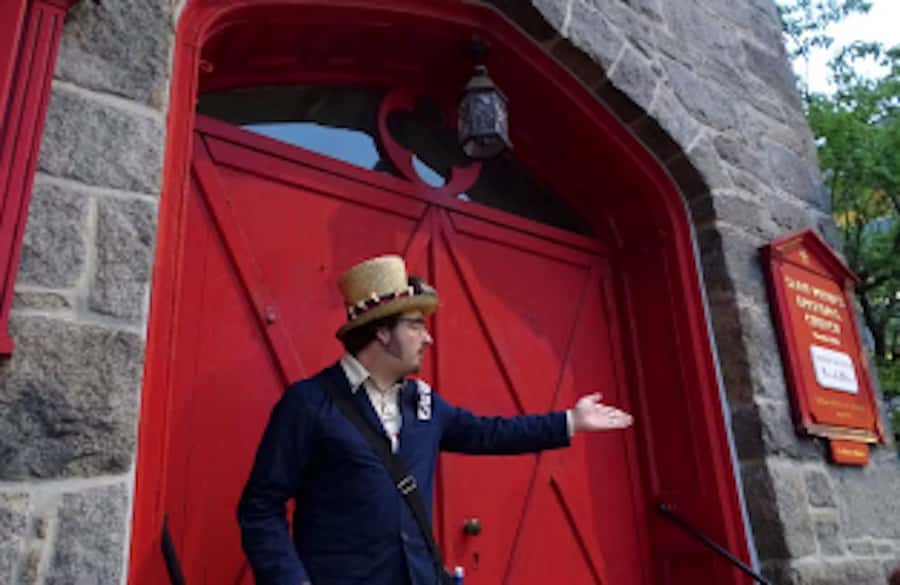
- Dr. Vitka leads the walk: a local paranormal investigator guiding you through Salem’s darker claims
- Proven haunted locations at every stop: the tour is built around sites presented as “proven” and heavily reported
- Ghost-energy camera practice: you get tips and see how to frame what you’re trying to capture
- Witch Trials landmarks with added angles: including the Witch Dungeon and the story around Bridget Bishop
- Voodoo and vampire folklore in the same night: old legends meet Salem’s modern vampire culture
- Old Burying Point Cemetery: second-oldest U.S. cemetery, linked to Judge Hathorne and other chilling possibilities
Meeting at the Big Bell: the easiest way to start in Salem
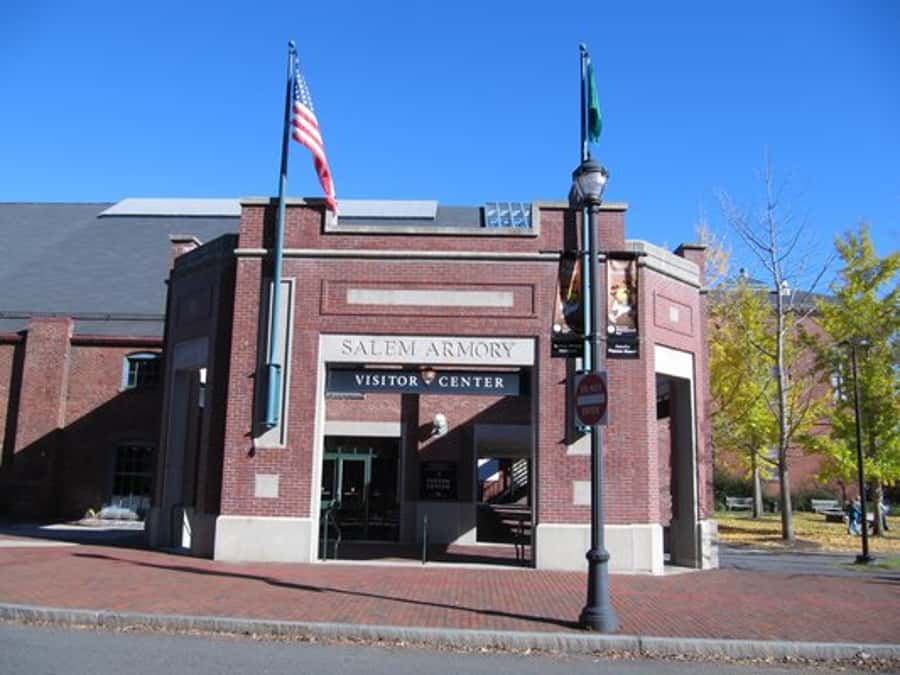
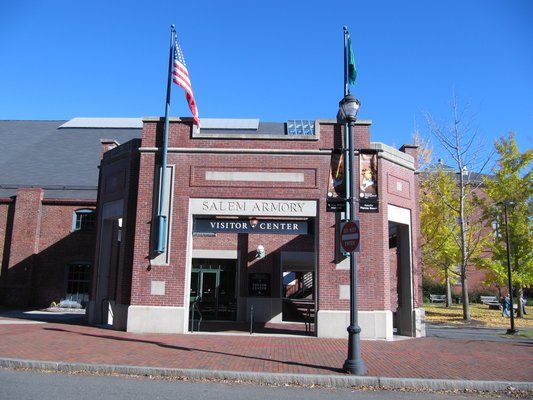
Start where the action is. You’ll meet by the big bell in front of the Salem Visitor’s Center, 2 New Liberty Street, right near the heart of downtown. It’s a great pick because you can get your bearings fast, grab a snack or drink nearby, and then step into the story without hunting around for the group.
This kind of tour works best when you’re not stressed. The meeting spot is clear, and once you’re moving, the guide sets a steady pace—enough time to listen, look closely, and still keep the group together. From there, you’re walking through Salem’s most “seen-from-the-street” haunted corners, with each stop explained as part history, part folklore, and part paranormal claim.
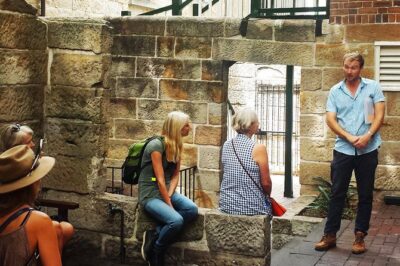
If you’re the type who likes to ask questions, bring that energy. Several comments point out how openly the guide engages the crowd, even when people slow the group down with questions. That matters because Salem tours can sometimes feel like a one-way lecture. Here, the night stays more conversational.
You can also read our reviews of more walking tours in Salem

Dr. Vitka’s Salem storytelling: witches, voodoo roots, and the supernatural pitch
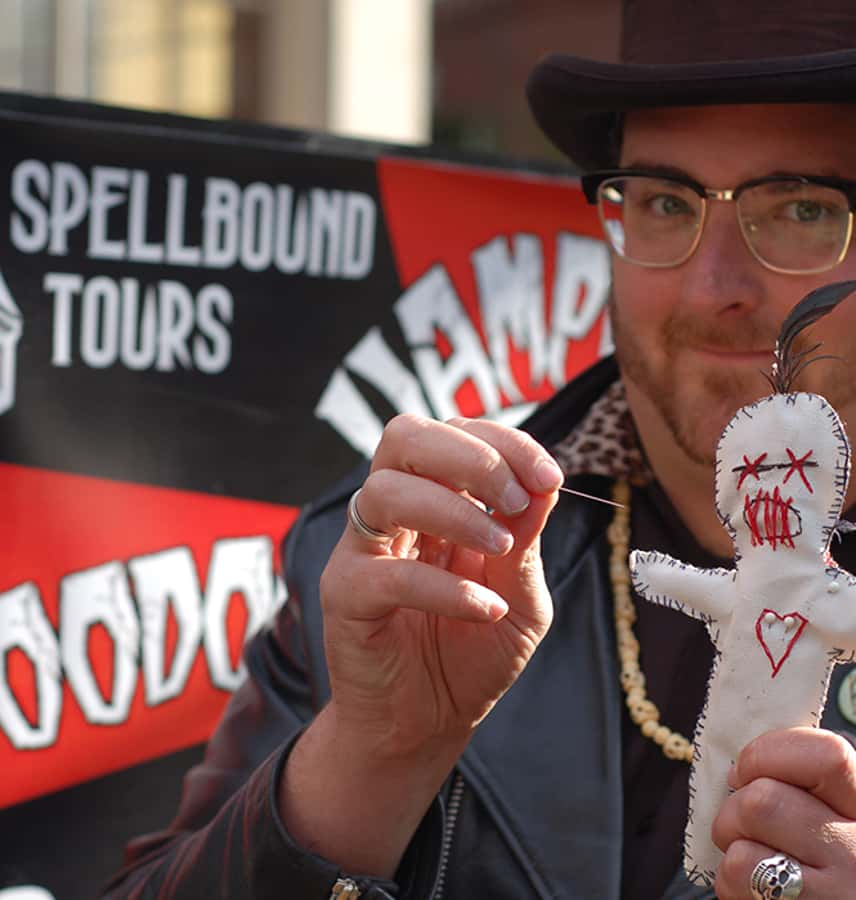
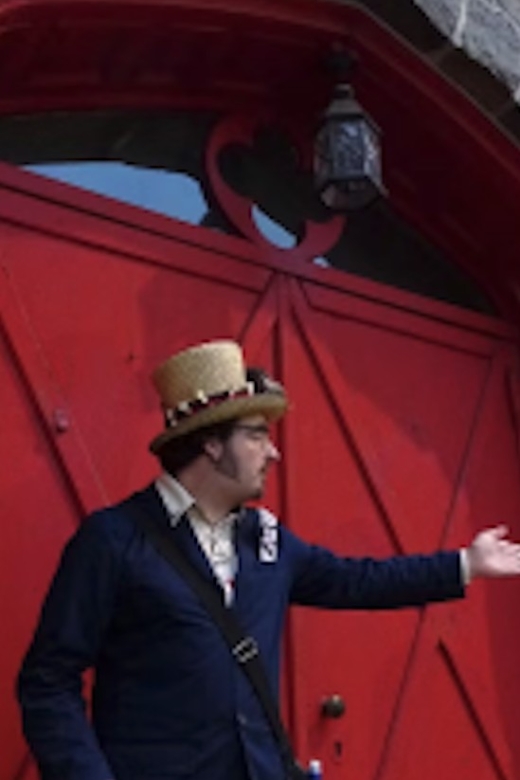
The heart of this experience is the guide: Dr. Vitka, presented as a local paranormal investigator and historian-style storyteller. Some feedback also refers to him as Mike, but the key is the same—this is a performer who clearly enjoys what he’s doing and knows how to keep a group listening.
You’ll hear the usual Salem Witch Trials foundation, but the tour adds angles you might not get on the lighter, museum-style routes. The focus isn’t only on why accusations happened—it’s also on how Salem remembered the events, how legends formed after the fact, and how the city’s later supernatural branding built on older stories.
The voodoo portion is especially interesting in the way it’s framed. You’re not just hearing “witch hysteria happened.” You’re being guided toward a theory that hidden influences and roots shaped what people came to fear and retell. Whether you buy every supernatural explanation or treat it as cultural folklore, the structure helps you see Salem as a place where fear became a story machine.
And then there’s the paranormal component: the tour repeatedly calls out that the sites you visit are presented as haunted, and the guide brings that claim into the narrative, including a camera-focused segment near the end. That gives the whole walk a clearer theme: not just spooky scenery, but a night of investigation-style storytelling.
Giles Corey’s field and Salem’s punishment story turned personal
One of the tour’s most intense stops is where Giles Corey is said to have been pressed to death. Even if you think you already know Salem, this moment lands because it’s not framed as distant tragedy. The guide ties the event to the physical place in town, so the punishment becomes something you can almost feel in your feet as you stand nearby.
This is also where a good ghost tour earns its keep: it doesn’t just list dates, it shapes emotion. Corey’s story is dark by nature, and the tour brings in the legend that tragedy follows when his ghost appears. That’s the supernatural style here—specific event, then the haunting claim that lives alongside it.
Practical tip: be ready to slow down. This tour moves, but it’s built for listening. When the guide pauses for the heavier stories, give yourself the time to actually hear the full explanation before walking on.
The Witch Dungeon stop: the accused before the hanging
Next you’ll hear about the Witch Dungeon, described as the real location where the accused were held before their hanging. This kind of stop is valuable because it shifts your mental picture. You’re not only imagining the public spectacle. You’re being asked to picture the waiting, the confinement, the tension right before an irreversible outcome.
And even if you know the broad timeline, a “place-based” dungeon stop changes the feel of everything. It’s easy to treat the Witch Trials as facts on a page. Standing where the guide claims the accused were held pushes it closer to human scale: fear, uncertainty, and confinement.
Drawback note (kept honest): this won’t feel like a museum reenactment. You’ll be learning from the street. If you’re hoping for a building tour where you can step inside historic cells, this experience may leave you wanting more. Still, it’s a strong storytelling stop, especially if you like connecting the spooky legend to the physical town layout.
Bridget Bishop at Turner’s Seafood (Lyceum): the haunting tied to a named victim
One of Salem’s most famous names returns at the Lyceum restaurant site—now Turner’s Seafood. The tour frames this location with Bridget Bishop’s story, describing it as land where the first Witch Trials victim lived and insisting her ghost still lingers.
This is one of the most effective ways to anchor Salem scares. The guide isn’t presenting an anonymous curse. It’s tied to a specific person with a specific role in the Witch Trials narrative, and that personalization makes the story easier to hold onto as you keep walking.
The tour also mentions that this site has appeared in paranormal television programs, including Ghost Hunters and Ghost Adventures. Again, you don’t have to treat those shows as proof to enjoy what they signal: the location is part of the modern paranormal map, not just an old-town rumor.
If you want a little extra from your night, watch how the guide describes the space around you. Even without walking into the building, you can still learn how locals and later paranormal communities interpret the location.
You can also read our reviews of more guided tours in Salem
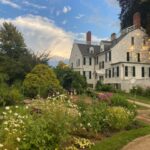


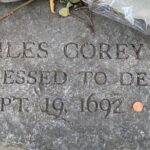
Old Town Hall: where vampire folklore meets modern Salem culture
Then you hit Old Town Hall, and the tone shifts. This stop is about vampire folklore, and it’s also about the surprising way vampire culture exists in Salem today.
That contrast is part of what makes this tour feel fun instead of only grim. The Old Town Hall connection to an entertainment landmark—being recognized as the filming location for the Halloween Ball from the original Hocus Pocus movie—is a helpful bridge. It pulls in pop-culture familiarity, then the guide turns it toward the deeper folklore and the present-day vampire scene.
If you’ve only ever associated Salem with witches, you’ll likely enjoy this section. Vampires give the night variety: less courtroom fear, more myth-making, more playful darkness. It also sets you up for the next stops, where the tour mixes infamous crimes, escape legends, and ghost claims into one continuous Salem story.
The Boston Strangler Salem murder site: true crime as spooky texture
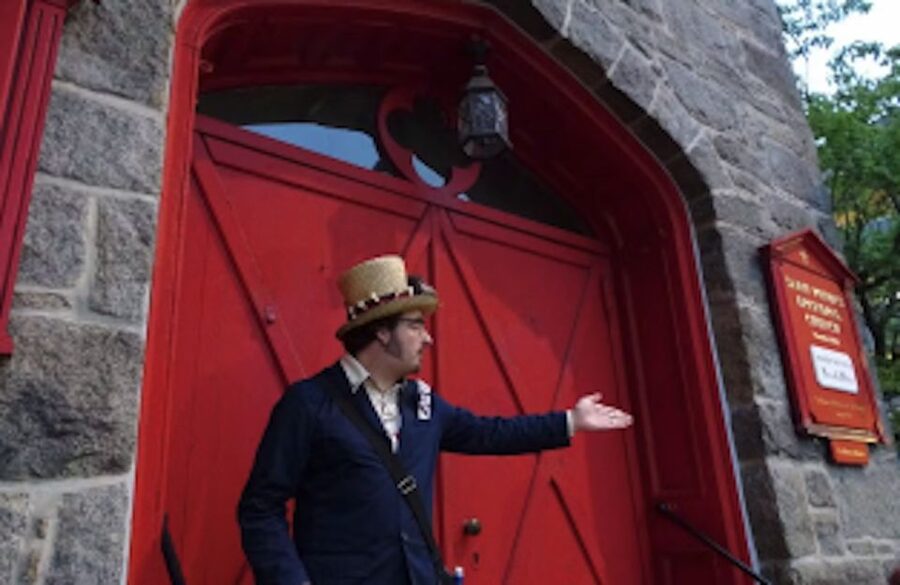
You’ll hear about the Boston Strangler’s Salem murder site. This is a different flavor of Salem haunting—less supernatural “energy,” more real-world violence that Salem later wraps in eerie narrative.
What I like about including this kind of stop is balance. When all a ghost tour does is old witch panic, it can feel like you’re stuck in the past. True crime history brings Salem’s fear-tension into a wider timeline, and it helps explain why the city can feel spooky long after Halloween fades.
Just be aware: this portion leans into grim subject matter. If you’re coming with kids or you generally avoid violent true crime topics, you might want to think about your comfort level ahead of time.
The police station and Houdini’s escape: a lighter shock of legend
After the murder-site stop, the tour moves toward something that feels almost showman-like: the police station where Harry Houdini performed what’s described as his greatest escape.
This is a clever use of variety. Houdini’s story gives you a moment that’s less about tragedy and more about suspense, cleverness, and crowd-level drama. It also fits Salem’s theme perfectly—people come here for fear, but they stay because of stories.
If you’ve never done a Salem ghost tour before, this is one of the stops that can help you understand the city’s storytelling style. Salem keeps stacking legends: witches, vampires, ghosts, escapes, and crimes, all living side by side in the same few blocks.
Old Burying Point Cemetery: Judge Hathorne, possible premature burial, and ritual use claims
Now comes the stop that many spooky-night plans center on: Old Burying Point Cemetery. The tour describes it as the second oldest cemetery in the United States, and it’s tied to Judge Hathorne as well as chilling stories involving a little girl who may have been buried alive.
This is also where the paranormal framing becomes intense. The tour notes that many modern magic practitioners consider the cemetery sacred and use graveyard dirt in rituals. That’s not a small claim. It makes the cemetery feel like more than a historical site—it’s portrayed as an active part of contemporary practice.
What to do here: slow down, take in the space, and let the guide’s explanation land without rushing. Cemetery stops need a different pace than street corners. If you try to multitask—scrolling, chatting, walking too fast—you’ll miss the key storytelling beats.
Honest consideration: cemeteries are for quiet contemplation as much as they are for scares. If you’re looking for constant action, this may feel heavier than the earlier stops. But if you want Salem at its most atmospheric, this is often the payoff moment.
Peabody Essex Museum vault secret: the night gets “investigation” specific
Near the end, you’ll connect the walk to the Peabody Essex Museum and its vault. The tour frames it as Salem’s most surprising secret hidden in the museum’s vault.
Even without going into huge museum detail, this stop matters because it signals how Salem’s stories get stored, interpreted, and displayed. A ghost tour that never mentions institutions can feel like pure folklore. Here, you get a hint that Salem’s secrets aren’t only out on the street. They’re also curated into archives, collections, and formal spaces.
This also helps justify the tour’s paranormal photography angle, because it suggests Salem’s “mystery” has a paper-and-object side too.
Back at the Salem Visitor Center: ghost-energy photos and what you can submit
The tour wraps back near where you started, at the Salem Visitor’s Center. This ending is where the experience turns interactive: the guide shows photographs of real ghost energy and encourages you to submit your own to be examined.
Even if you’re skeptical, this part is still a fun way to turn a walking tour into a hands-on activity. You’re not only hearing stories—you’re seeing evidence claims and getting directed on how to participate in the idea of investigation.
A practical mindset helps here. Don’t treat the camera segment like a guarantee of proof. Treat it like a chance to learn how paranormal photographers think about capturing anomalies. The guide is also described as showing how to capture spectral energy on camera and explaining the different types, which gives the segment a structure instead of feeling like a gimmick.
If you want to maximize your results during the night, pay attention to what the guide says earlier about setting up and framing. Then use the ending as a benchmark for what you should look for in your own images.
Price and value check: why $25 for 90 minutes can work
At $25 per person for a 90-minute guided walking tour, the price is fair—especially because you’re not just getting “witch trials 101.” You’re paying for a package of things that normally get split into separate activities:
- A street-level sweep of major Salem stops
- A paranormal-investigation style guide
- A ghost-energy photo segment with instruction and examples
- A mix of Witch Trials, voodoo roots framing, vampires, and Salem’s darker folklore
That blend can make it feel like a bargain, particularly in Salem where many experiences cost more for less time on foot. Also, the guide is described as local and licensed by the city, which matters for safety and quality. You’re not gambling on a random storyteller. You’re paying for a structured experience with a clear theme.
Possible drawback for value: the tour is short. Several comments point out it can feel a bit minimalist about the number or type of sites shown. If you’re the kind of visitor who expects frequent long stops or lots of interior access, you may want to pair this with another Salem attraction afterward.
Who this Salem ghost tour is best for
This tour is a good match if you:
- Want a Salem ghost tour that includes vampires and voodoo-style folklore, not only witch trials
- Enjoy guided storytelling with a lively guide who handles questions without rushing you
- Like the idea of learning ghost-energy photography instead of just hearing spooky rumors
- Prefer a route that covers multiple famous landmarks within a tight time window
It’s less ideal if you:
- Want lots of time entering buildings or spending extended periods at fewer locations
- Prefer strictly academic history with no paranormal framing
- Don’t like true crime topics like the Boston Strangler stop
One small strategy that helps: pick a time when crowds are lower if you can. Some people noticed that walking with the group feels easier when foot traffic has thinned out. Either way, bring comfortable shoes and accept that Salem is a city built for walking.
Should you book Spellbound’s Voodoo, Vampires, and Ghosts tour?
Yes, if you want an entertaining Salem night with real local guidance and a strong spooky theme. The tour is built around specific haunted locations, a guide who keeps the energy up, and an ending that invites you to participate with ghost-energy photos rather than passively watch.
I’d skip it only if your top priority is quiet, museum-style history or deep interior access. For most people chasing a memorable Salem experience that’s still practical and well paced, this is an easy pick.
If you book, do one thing right: come ready to ask questions and listen closely at each stop. This tour works best when you’re fully in the story, even if you only believe the fun parts.
FAQ
How long is the Salem Voodoo, Vampires, and Ghosts guided walking tour?
The tour lasts 90 minutes.
How much does the tour cost?
It costs $25 per person.
Where do I meet the guide?
Meet by the big bell in front of the Salem Visitor’s Center, 2 New Liberty Street, Salem MA 01970.
What’s the tour guide’s language?
The tour is conducted in English.
What will I learn or do during the tour?
You’ll explore haunted locations connected to Salem’s Witch Trials stories, voodoo, vampires, and ghosts. You’ll also learn from paranormal investigators how to photograph real ghost energy and see photographs of ghost energy at the end.
Does the tour visit cemeteries and museum areas?
Yes. The route includes Old Burying Point Cemetery and the Peabody Essex Museum area, including a secret described as hidden in the museum’s vault.
Is free cancellation available?
Yes. You can cancel up to 24 hours in advance for a full refund.
Can I reserve now and pay later?
Yes. You can reserve now and pay later, with the option to book your spot and pay nothing today.