REVIEW · ROME
Rome Night Mysteries Guided Walking Tour
Book on GetYourGuide →Operated by Carpe Diem Tours · Bookable on GetYourGuide
Rome looks different when the lights go out. This Rome Night Mysteries walk trades the postcard version of the city for darker tales of crime, executions, and murder—told while you move through real streets and famous landmarks after dark.
I love how the tour keeps it practical: a 2-hour guided route that helps you see key sights without daytime heat and crowd crush. I also love the small-group feel (up to 20 people) and the way the guide turns ordinary corners into story-driven stops—some guides you might hear about include Antonio, Ana, Domenica, and Csenge, praised for sharp pacing and clear storytelling.
One drawback to weigh: the subject matter can get graphic and unsettling, including stops tied to human bones and grim imagery. If you prefer light sightseeing only, this one may feel too spooky.
In This Review
- Key things that make this tour worth your time
- Rome Night Mysteries: a moonlit tour that swaps sightseeing for spine-tingling context
- Starting at Campo de’ Fiori under Giordano Bruno: the easiest place to begin
- Piazza Farnese and the nearby lanes: when big squares turn into story stages
- Ponte Sisto and the Fountain of the Mask: the route’s mood swings
- Santa Maria dell’Orazione e Morte: the stop that most affects the overall tone
- Via di Monserrato and Santa Maria in Monserrato degli Spagnoli: the “Spaniards” stretch
- Via Giulia: the city’s elegance used like a story tool
- Via dell’Arco dei Banchi to Castel Sant’Angelo: wrapping up where the city feels cinematic
- Price and logistics: why $23 for two hours is a solid deal
- Who this tour fits best (and who should consider a different plan)
- How to make the most of the walk: shoes, pacing, and hearing the guide
- Should you book Rome Night Mysteries?
- FAQ
- How long is the Rome Night Mysteries guided walking tour?
- Where do I meet the guide?
- Is the tour in English?
- How big is the group?
- What should I bring?
- Is the tour canceled if it rains?
- Is transportation included in the price?
Key things that make this tour worth your time
- A focused 2-hour route that still hits major names like Campo de’ Fiori, Ponte Sisto, Via Giulia, and Castel Sant’Angelo
- Meet at Campo de’ Fiori under Giordano Bruno, making the start easy to find
- Night sightseeing with fewer distractions, so the guide’s stories land better
- Small group size (20 max), which helps the pacing stay tight and questions get answered
- Rain or shine, so you’re not stuck waiting for perfect weather
- English live guide and clear communication called out by repeat guests
Rome Night Mysteries: a moonlit tour that swaps sightseeing for spine-tingling context
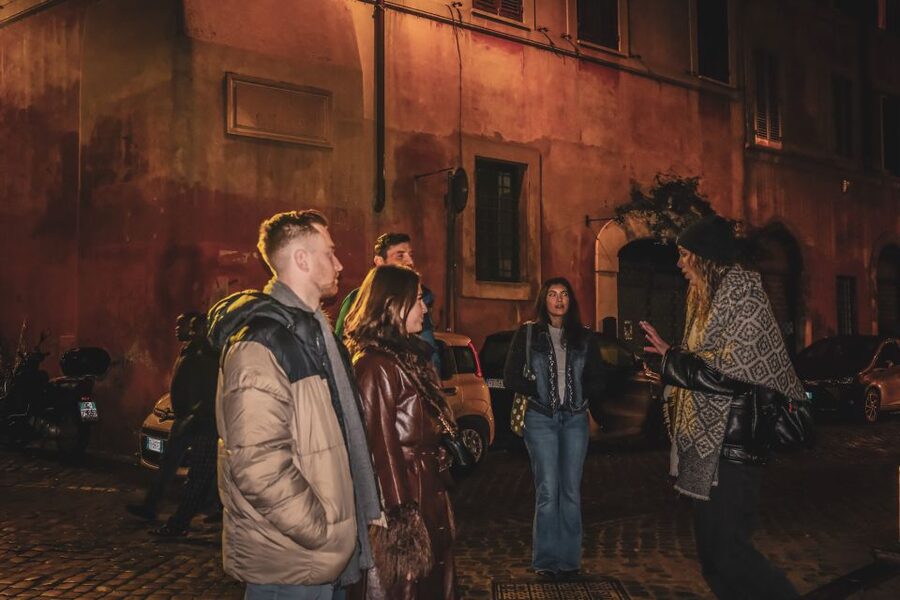
There’s something about Rome after dark. The streets feel narrower. The shadows feel louder. And when a local guide threads the city’s famous landmarks into darker chapters—beheadings, murders, and execution-era rumors—the whole place starts making more sense. Not just the architecture. The names. The corners. The small details you’d normally walk past.
This is a guided walking tour designed for one thing: getting you out at night with a group, covering a smart slice of central Rome, and giving you stories you won’t get from a standard daytime route. The goal isn’t gore for gore’s sake. It’s story-based history—history you can actually picture because you’re standing where it happened or where it’s remembered.
You’ll also get a built-in advantage: Rome at night is often calmer. Less sweat, fewer buses dumping crowds, more of that “slow down” feeling. For a short 2-hour tour, it’s a good trade.
You can also read our reviews of more walking tours in Rome

Starting at Campo de’ Fiori under Giordano Bruno: the easiest place to begin
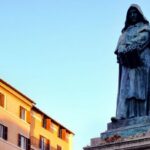
The tour begins in Piazza Campo de’ Fiori, at the statue of Giordano Bruno. Your guide will be holding a yellow Carpe Diem Tours flag or sign. Arrive about 10 minutes early so you’re not stressed when the group forms.
This matters because the first stop sets the tone. Campo de’ Fiori is a busy, well-known square in the daytime. At night, it’s a different mood entirely—more intimate. Starting there helps you get oriented fast: you’re anchored at a recognizable landmark and then guided into quieter streets that feel like they belong to another Rome.
Practical note: if you’re late, late arrivals aren’t eligible for refunds. So plan to get there early, even if you’re tempted to “just make it.”
Piazza Farnese and the nearby lanes: when big squares turn into story stages
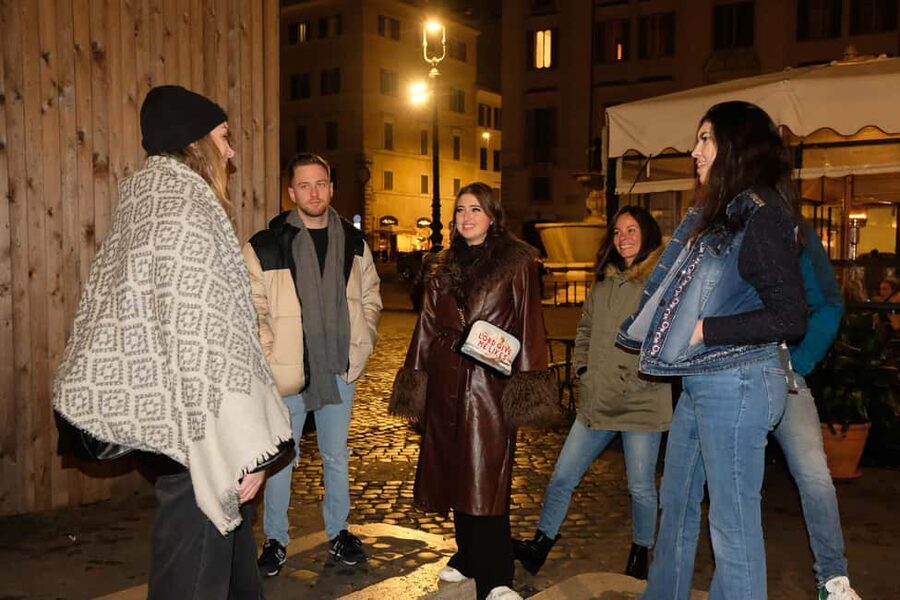
From Campo de’ Fiori, the route moves toward Piazza Farnese for a short guided stop. Even though it’s only about 10 minutes, it’s enough time to connect the square to the darker narratives the tour is building toward.
Then you’ll head through Via del Mascherone & Vicolo dei Venti—streets that feel made for walking, especially at night. This is where the tour does something smart: it uses the narrow lanes to make the storytelling feel grounded. You’re not stuck staring at one plaque. You’re moving, turning, and letting the “where am I?” feeling build naturally.
Why I like this approach for you: it keeps the tour from turning into a lecture. The route’s design is doing half the work. You hear a story, then you walk into the next scene.
Ponte Sisto and the Fountain of the Mask: the route’s mood swings
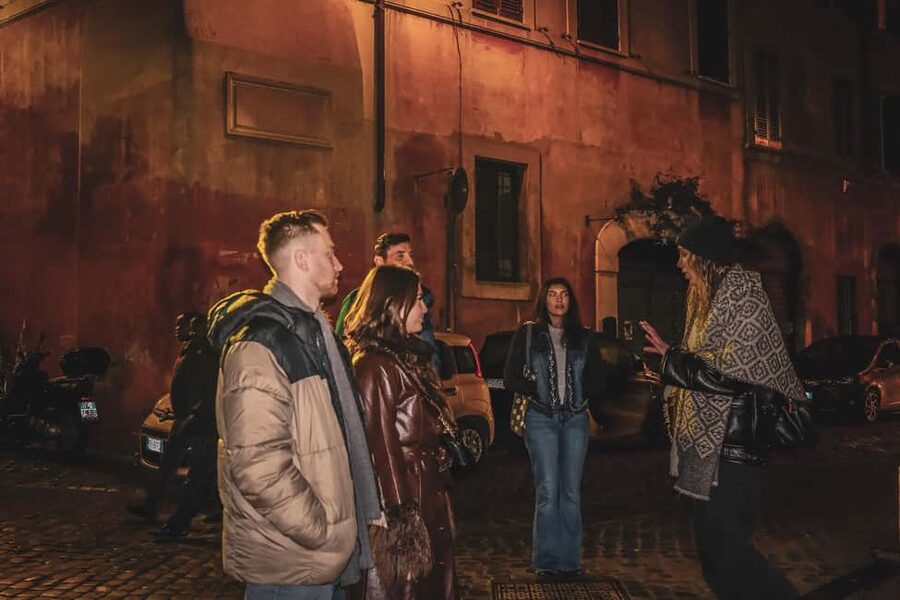
Next comes Ponte Sisto, another quick guided stop, but it’s the kind of bridge that instantly changes how the city feels. Bridges in Rome often act like “story connectors,” linking neighborhoods and bringing visibility to what’s otherwise hidden.
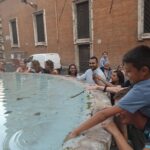
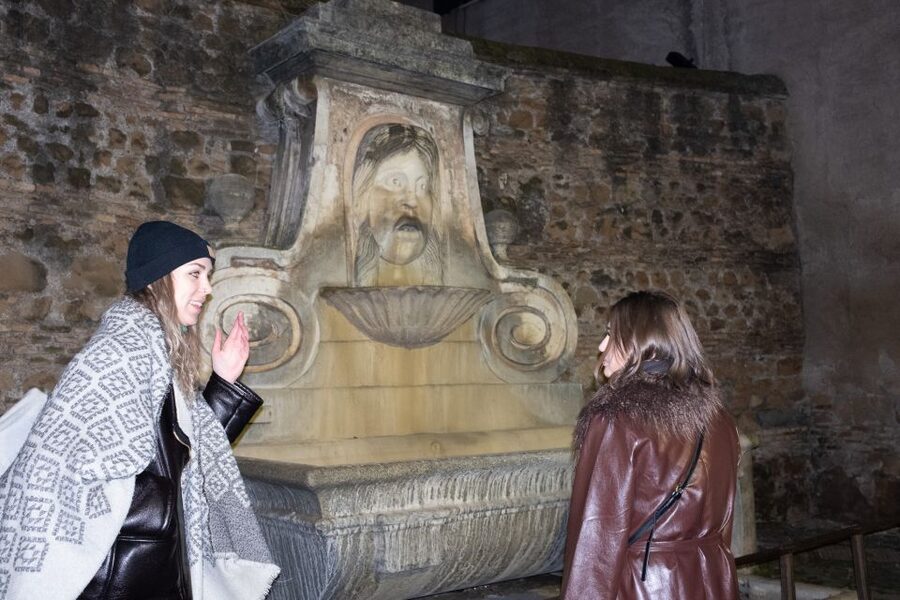
After that, you’ll see the Fountain of the Mask, again with a short explanation from the guide. A stop like this is perfect for a night tour because it gives you a visual anchor—something physical you can remember once the stories start blending together.
If you’re doing Rome for the first time, this is also a useful rhythm. You’re hitting famous names, but you’re not only seeing big monuments. You’re learning how the city’s darker reputation gets tied to everyday locations people pass without thinking.
Santa Maria dell’Orazione e Morte: the stop that most affects the overall tone
One of the most talked-about parts of this kind of haunted tour is the “hard turn” into the macabre—and here that happens at Chiesa di Santa Maria dell’Orazione e morte.
This isn’t a generic church stop. It’s the one where the tour’s promise gets real: the church is linked to human bones and to the kind of grim imagery that makes the words crime and murder feel less like a headline and more like something remembered.
Consider this carefully. If you’re sensitive to gruesome history, you might feel this more than the other stops. On the flip side, if you’re the type who likes your Rome stories to have a spine, this is the moment that justifies doing the tour at night instead of just reading about it later.
You can also read our reviews of more guided tours in Rome

Via di Monserrato and Santa Maria in Monserrato degli Spagnoli: the “Spaniards” stretch
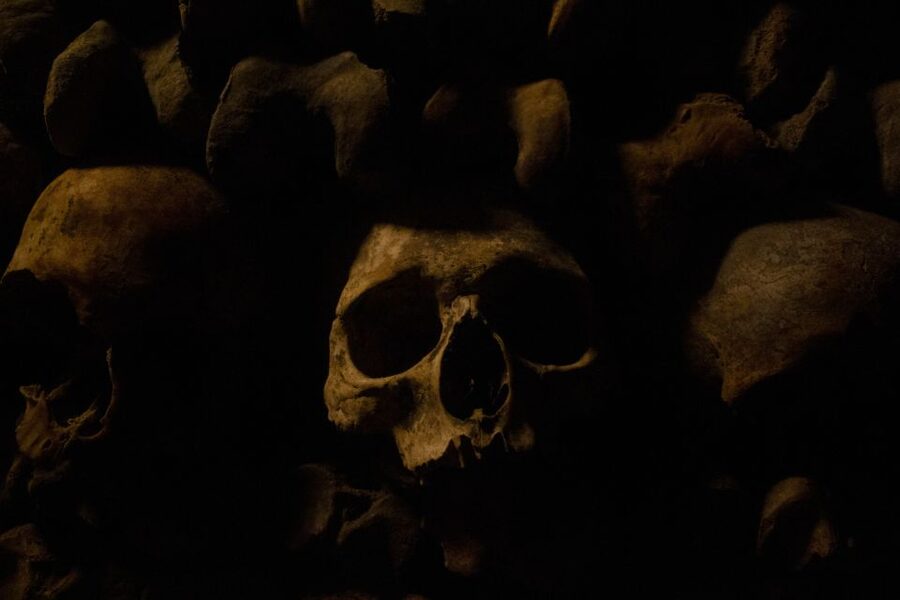
After the church stop, the route continues along Via di Monserrato and then to Santa Maria in Monserrato degli Spagnoli. These are shorter, guided segments, but together they create a nice contrast: you move from the most unsettling imagery into a calmer, more architectural, atmospheric stretch.
This part of the walk is a good reminder that “dark Rome” isn’t only about violence. It’s also about how places become symbols. Buildings, chapels, and street names carry stories forward—sometimes through official history, sometimes through local memory.
Also, for group dynamics: later in the tour, you want your guide to keep energy up and pacing steady. Many guides for this tour are praised specifically for keeping storytelling engaging without dragging. The Monserrato-area stops are an ideal place to test whether a guide can hold attention while you’re still walking.
Via Giulia: the city’s elegance used like a story tool
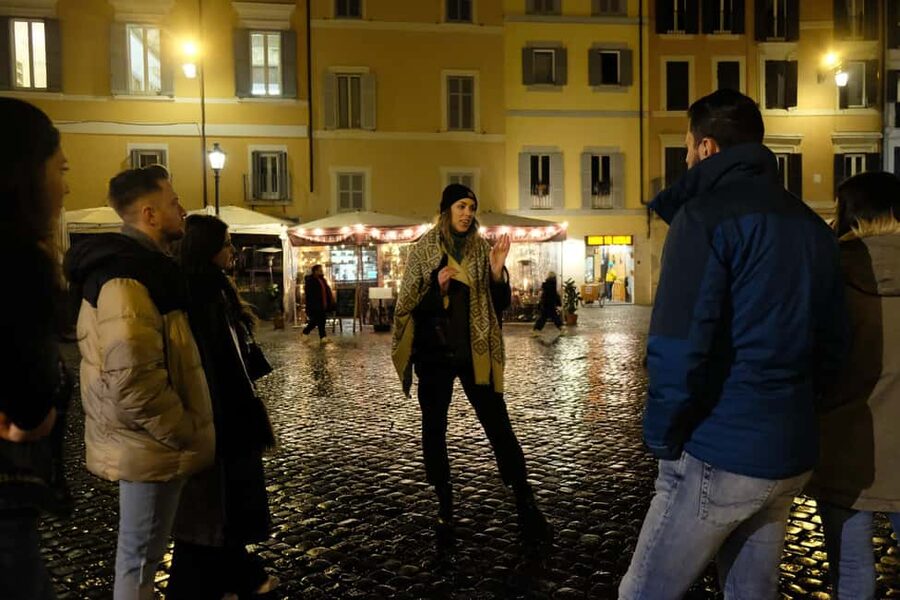
Then you’ll reach Via Giulia, one of the classic central-Rome streets that feels intentionally planned. It’s a strong section for the tour because it lets you see a more orderly side of Rome while the stories continue to focus on the sinister.
This contrast is key. If all you see is chaos, you stop believing the city’s timeline. But when you watch how a guide connects dark events to a polished street environment, it helps you understand the broader point: Rome’s brutality lived right next to its refinement.
For photography lovers: you’ll have better odds for decent shots at night here because the street environment is more dramatic in low light. Don’t expect perfect conditions. Do expect atmosphere.
Via dell’Arco dei Banchi to Castel Sant’Angelo: wrapping up where the city feels cinematic
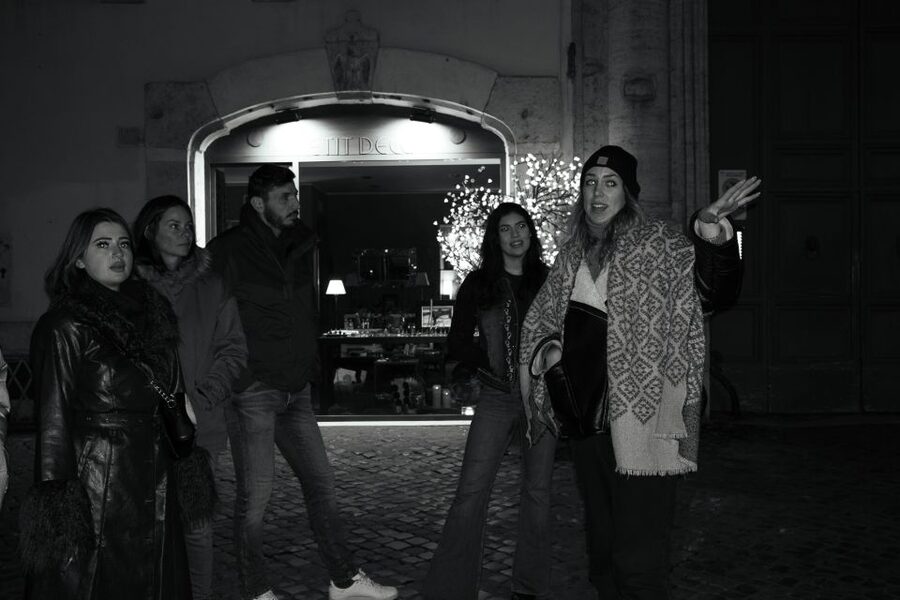
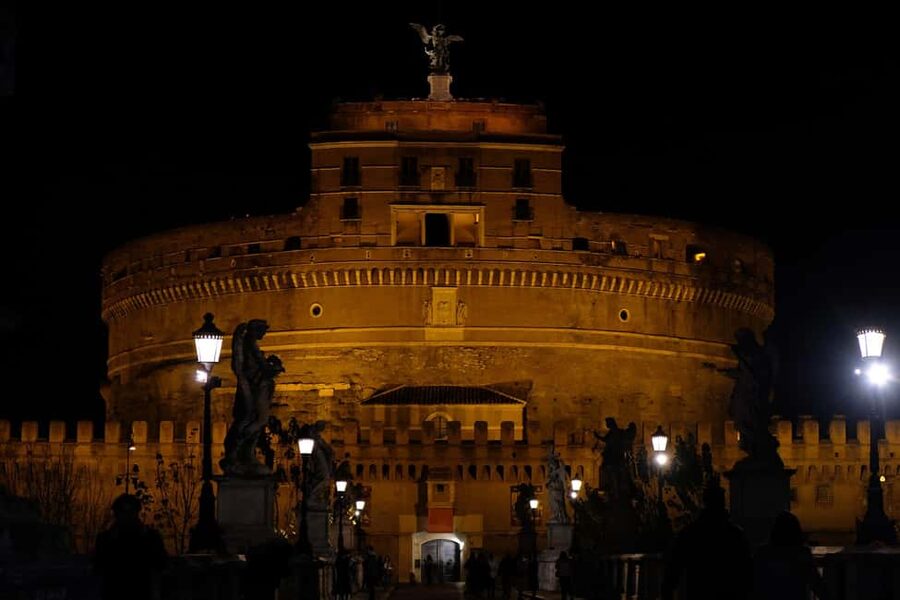
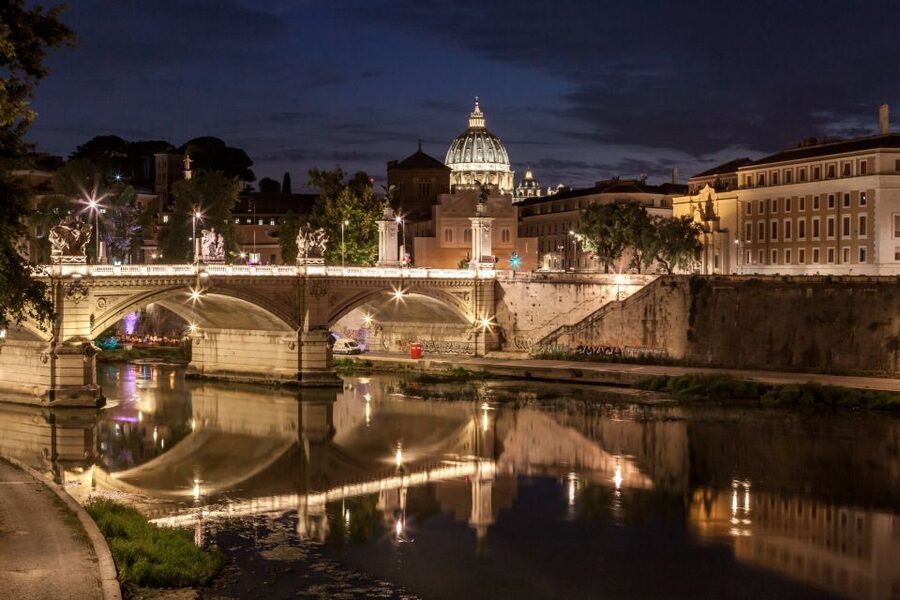
As the tour nears the end, you’ll pass Via dell’Arco dei Banchi and then finish at Castel Sant’Angelo.
Ending at Castel Sant’Angelo is a smart move for a night tour. It’s a landmark that feels like it belongs in a thriller. Even if you never study it during the day, you instantly get why it’s been used as a backdrop for serious history and serious tension. The walk ends with a kind of visual “full stop,” so the stories don’t just fade into darkness—you close them against a real focal point.
Price and logistics: why $23 for two hours is a solid deal
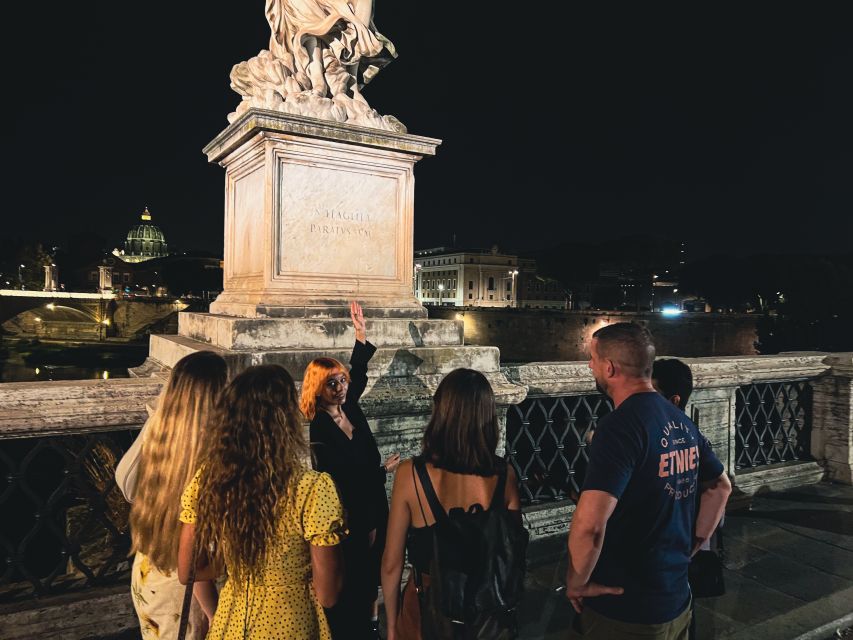
At $23 per person for 2 hours, this tour prices itself as a high-value evening activity. You’re not paying for a long, expensive day trip. You’re paying for a concentrated, guided route with multiple iconic stops and a narrative focus.
The best value isn’t just the ticket price. It’s what you get for that money:
- A professional local guide who leads the story through the streets
- Key sights clustered into one night walk, not scattered across different parts of the city
- A small group cap of 20, which usually means you’re less likely to get lost behind a crowd
Also, you avoid the daytime tradeoff. You’re out at night, so you’re more likely to enjoy the walk than to endure it. For many people, that alone makes the tour feel worth it.
Who this tour fits best (and who should consider a different plan)
This is ideal if you:
- want Rome by night with stories tied to specific streets and sights
- like true-crime vibes, ghost-tour energy, and grim history told with good pacing
- prefer small groups over large coach-style tours
- enjoy asking questions as you walk (the group size helps)
It might be less ideal if you:
- strongly dislike unsettling topics
- want a light, funny sightseeing-only evening
- get uncomfortable with images or sites tied to human remains
The tour doesn’t pretend the subject is sweet. It leans in. If that’s your thing, great. If not, choose a different style of Rome tour.
How to make the most of the walk: shoes, pacing, and hearing the guide
This is a walking tour, rain or shine. That means comfortable shoes are not optional. The route is designed for steady movement, and you’ll want your footing to be reliable—especially at night when surfaces and lighting can make things feel different.
Pacing is also part of why people rate this tour so highly. Many guides for this experience are praised for keeping the storytelling organized and engaging. If you’re in a louder area, you might even find that any audio support equipment (some guests have mentioned radio-style options) helps you catch every word. If you see the guide offering anything like that, take it. It improves the experience.
One more practical thought: since it’s only two hours, treat it like a guided route with stops—not a casual stroll where you can linger forever. You’ll get more out of it if you’re ready to keep moving.
Should you book Rome Night Mysteries?
I’d book it if you want a memorable Rome evening that feels different from the standard monuments-and-maps plan. For $23 and a compact two-hour window, you get a night-friendly route, a capped group size, and a story focus that makes several famous places feel connected instead of random.
I’d skip it if you’re squeamish about human remains or prefer a gentler approach to history. This tour is built for the darker side of Rome, including a chapel tied to human bones and other grim, spine-tilting stops.
If you match the vibe—spooky but still structured—this is a strong way to spend one of your nights in Rome.
FAQ
How long is the Rome Night Mysteries guided walking tour?
It lasts 2 hours.
Where do I meet the guide?
Meet in Piazza Campo de’ Fiori, beneath the Giordano Bruno statue. The guide holds a yellow Carpe Diem Tours flag or sign.
Is the tour in English?
Yes, the live tour guide speaks English.
How big is the group?
The group is capped at 20 people max.
What should I bring?
Wear comfortable shoes and comfortable clothes.
Is the tour canceled if it rains?
No. It runs rain or shine.
Is transportation included in the price?
No. Transportation is not included.