REVIEW · ROME
Rome: Guided Walking Tour in English or Spanish
Book on GetYourGuide →Operated by Global Experiences · Bookable on GetYourGuide
Rome at night feels like a different city. This 2-hour guided walking tour strings together the center’s biggest landmarks with human stories you can’t read on a guidebook page. I like that it’s built for the evening: monuments look softer in the low light, and you get a local’s way of explaining what you’re actually seeing.
What I really enjoy is the mix. You’ll hit headline stops like the Trevi Fountain and the Pantheon, then keep rolling to places that add texture, including a very small church and some surprising political stories. One thing to consider: the meeting point can be tricky to spot, so arrive a few minutes early and study the exact spot for your chosen option.
In This Review
- Key highlights to know before you go
- Why This 2-Hour Rome Night Walk Works So Well
- Starting Options: Where You’ll Meet Your Guide
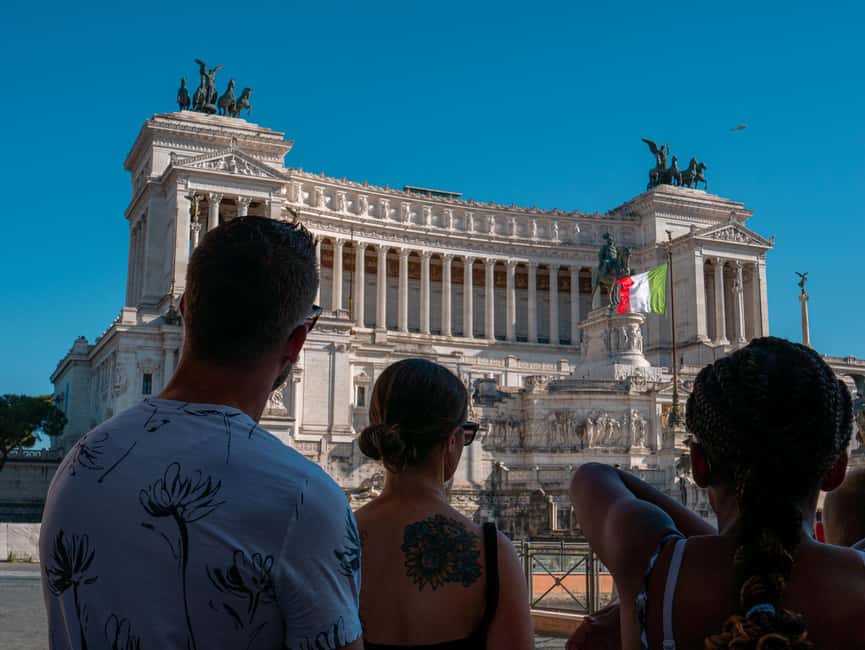
- Monumento a Vittorio Emanuele II: Italy’s Grand Symbol in the Walk
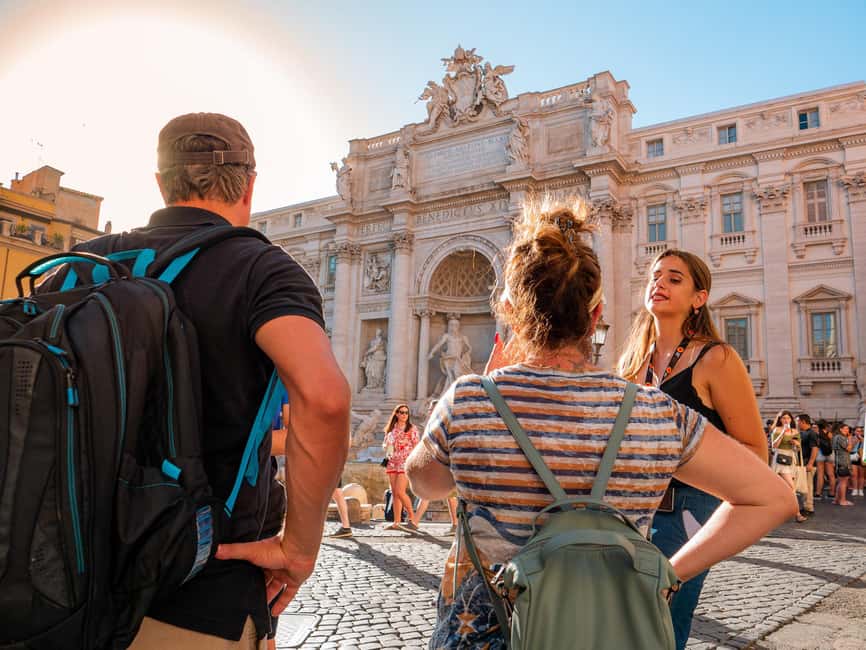
- Trevi Fountain: More Than a Photo Stop
- Pantheon: The Stop That Makes Roman Design Feel Personal
- Piazza Navona After Dark: Baroque Theater Underfoot
- Trajan’s Column: A Visual Timeline You Can Actually Walk Past
- The Small Church Stop and Rome’s Surprisingly Modern Stories
- How Guides Shape the Experience (And How to Get More From Yours)
- What’s Included, What Isn’t, and How to Pair It With Your Day
- Who This Tour Is Best For
- Should You Book This Rome Night Walking Tour?
- FAQ
- What languages is the live guide available in?
- How long is the guided walking tour?
- How much does it cost per person?
- Where does the tour start?
- What are the main stops on the route?
- Where does the tour end?
- Is food included?
- Do I need to bring anything?
- Is private group available?
Key highlights to know before you go
- Big monuments, short stops: quick, guided time at each highlight so you cover more without getting stuck in one place
- Night lighting advantage: better light for photos and a calmer feel than daytime crowds
- Two languages offered: English or Spanish with a live guide
- Beyond the postcard facts: square history tied to Italy’s unification and later events
- You get direction, not just sights: a route designed to help you understand the center fast
Why This 2-Hour Rome Night Walk Works So Well
Rome is huge, and the center is dense. This tour is smart because it focuses on a tight route you can actually enjoy on foot. You’re not trying to “win” the city with speed. Instead, you get a paced stroll where the guide explains what matters as you walk, so the landmarks start to make sense instead of just looking impressive.
The timing also matters. Night or evening light changes how Rome reads. Stone turns warmer, shadows carve out details, and places like Trevi and the Pantheon can feel more cinematic. If you’re only in Rome for a short stretch, this kind of guided overview is a fast way to get your bearings.
I also like that it’s designed to be social without being overwhelming. Reviews mention solo travelers appreciating the group setting at night, which is practical when you don’t want to wander cold and confused after dark.
You can also read our reviews of more walking tours in Rome


Starting Options: Where You’ll Meet Your Guide
Depending on the option you book, you’ll meet your guide at one of two main starting areas: Piazza d’Aracoeli or Piazza di Pasquino. Some versions of the tour may instead route you to meet at Trajan’s Column or Piazza Navona, so it’s worth double-checking your specific confirmation.
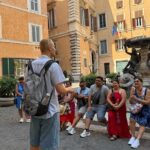
A real-world tip from experiences shared by guests: don’t treat the meeting point as vague. People got tripped up finding the guide, sometimes because it was hard to spot the flag or exact gathering area. Your best move is simple: arrive early, look for the guide’s marker, and take one last minute to confirm you’re facing the right direction at the start.
Also, if you tend to hear less well in outdoor noise, position yourself a bit closer to the front during the talk. A few guests noted that in some stretches it can be harder to hear.
Monumento a Vittorio Emanuele II: Italy’s Grand Symbol in the Walk
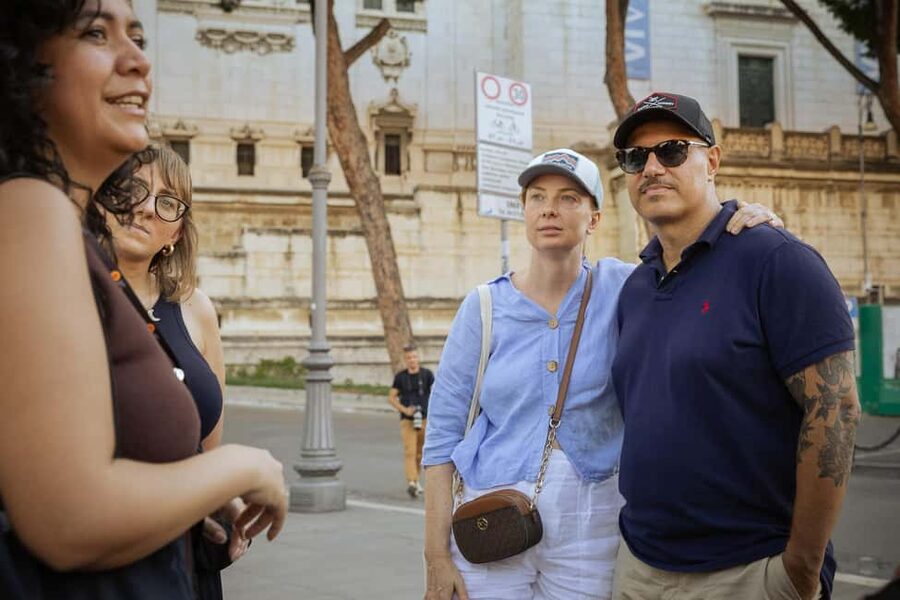
One of your early guided stops is the Monumento a Vittorio Emanuele II, a site that’s hard to ignore once you’re near it. This stop isn’t just about scale. The guide uses it to connect the monuments around you to the bigger story of Italy—especially the era tied to unification.
Here’s why it’s valuable: Rome’s center isn’t just ancient ruins scattered around town. It’s also layers of political meaning, built and rebuilt by later generations. Having a guide explain the symbolism while you’re standing in the right space helps you read the place properly. You’ll understand what the monument is trying to communicate, and why it sits where it does in the city’s flow.
The stop time is short, so don’t expect a long lecture. Instead, think of it as a launchpad for the rest of the route—then the guide’s anecdotes start to “stick” as you move.
Trevi Fountain: More Than a Photo Stop
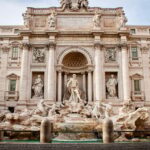
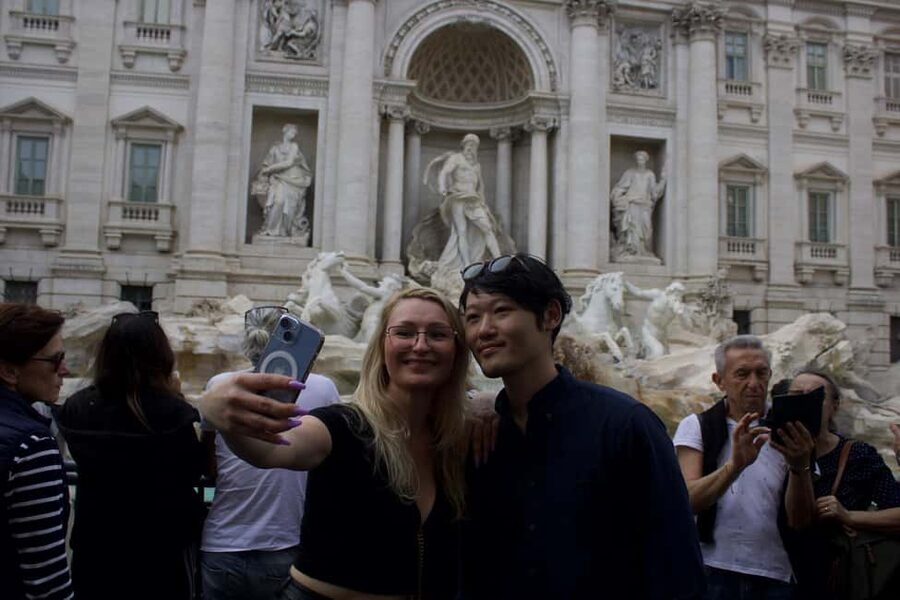
At Trevi Fountain, you’re in the middle of one of the most photographed scenes in Rome. The tour approach is practical: you get guided time (about 15 minutes) and you’ll hear context about what you’re looking at—plus the kind of stories that make it feel less like a movie set and more like a real civic landmark.
What makes this stop work on a walking tour is the sequencing. You’re coming from monumental political symbolism, then you land on a public fountain that has its own identity, myths, and meanings. A guide helps connect why Trevi matters in the urban story, not just why it’s famous.
If you’re the type who likes to understand details—statues’ orientation, architectural cues, how fountains fit into daily life—this is one of the moments where the guide explanation really pays off. Reviews also highlight guides who point out why things are angled or arranged the way they are, which is exactly the kind of “why” that turns Trevi from a snapshot into an understanding.
Pantheon: The Stop That Makes Roman Design Feel Personal
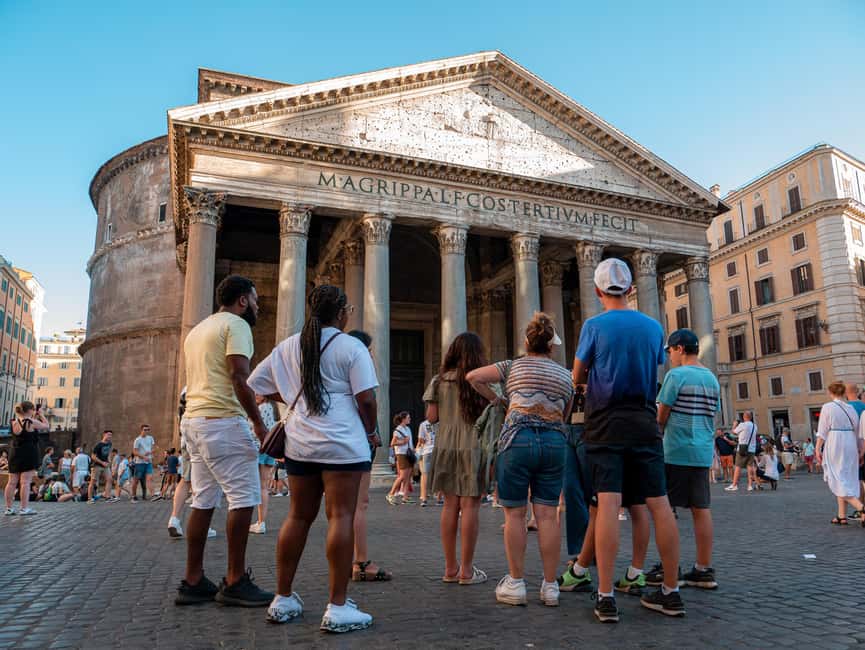
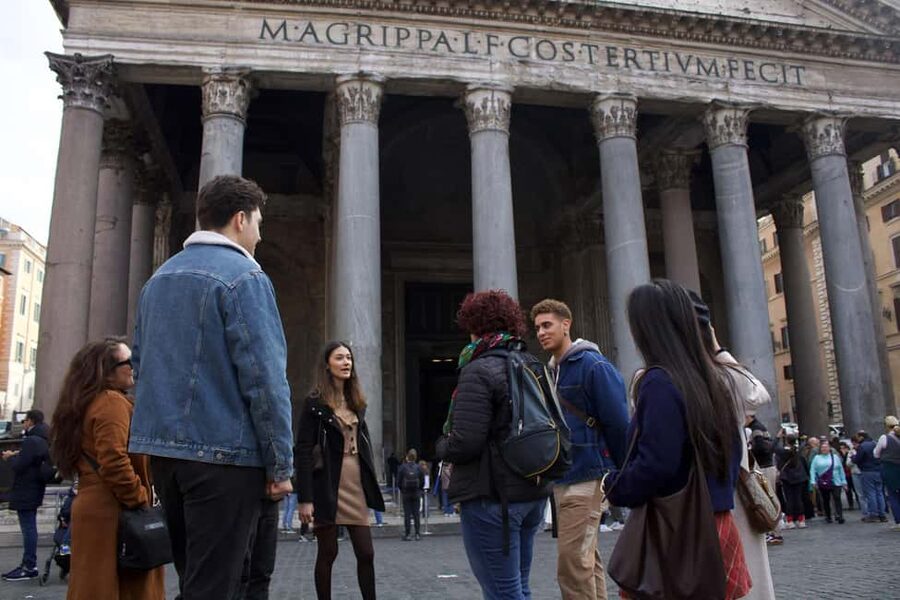
Next up is the Pantheon, with guided time around 20 minutes. Even if you’ve seen pictures, it’s one of those places where the guide can change your experience fast.
The value here is instruction. Instead of you wandering and guessing, the guide directs your attention to what to look for and explains the significance of the structure and its place in Rome’s long story. The Pantheon also acts like a hinge point in the route: it helps you move from one cluster of monuments to the next while giving you a mental framework for what came before and what comes after.
A practical note: the Pantheon area can be busy in general. The walking tour structure helps you avoid getting stuck because you’re there with a group and a planned rhythm. You’ll still want comfortable shoes—Rome does not do soft landings.
You can also read our reviews of more guided tours in Rome


Piazza Navona After Dark: Baroque Theater Underfoot
Then you reach Piazza Navona, where the guided stop time is about 20 minutes. This square is famous for a reason, but night changes how you read it. The open space feels more like a stage, and that makes it easier to enjoy the architecture and street-life details without feeling like you’re rushing.
Why I like putting Piazza Navona on a night walk: it’s not only about seeing the square. It’s about understanding how Rome stages public life. The guide’s job is to connect the square to broader historical context, including stories tied to Italy’s unification and more recent periods. That “past to present” thread makes the square feel less like isolated beauty and more like a living civic space.
Also, since your day ends up circling around this area again depending on your option, this stop often becomes your anchor point—either the point where you get a first big payoff, or the final punctuation at the end of the walk.
Trajan’s Column: A Visual Timeline You Can Actually Walk Past
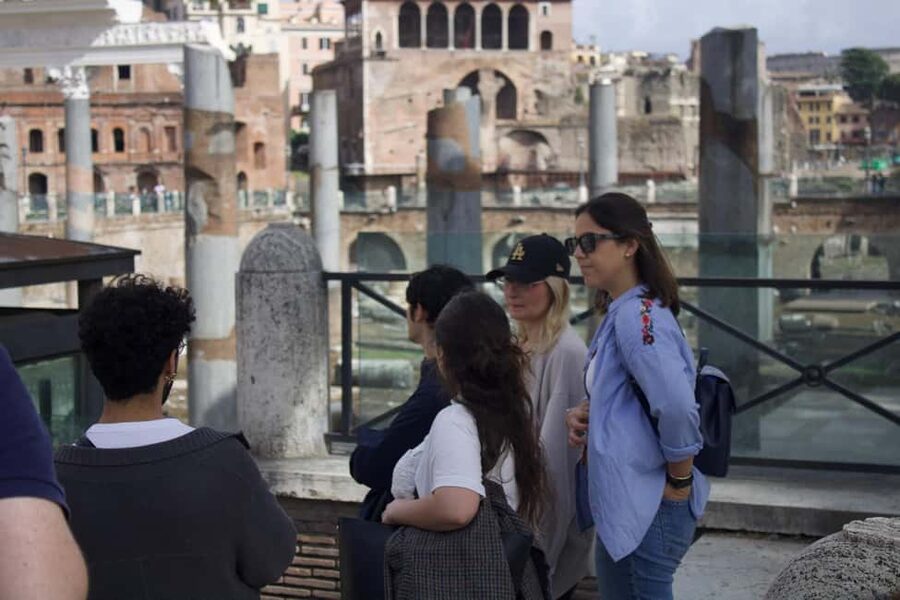
Your route includes Trajan’s Column, with guided time around 15 minutes. This is a stop that works best when someone helps you read it, because columns like this are basically visual storytelling in stone.
The guide explanation matters here. You don’t need to be an expert to enjoy the column, but you do need a map of what you’re looking at. Once the guide frames the details, it becomes less of a tall monument and more of a sequence—one you can connect to the broader Roman Empire story moving around the center.
And from a pacing standpoint, it’s a great late-stop. It’s close enough to keep the route coherent, but different enough to break up the repetition of fountain-square-monument patterns. It gives your brain a different kind of focus.
The Small Church Stop and Rome’s Surprisingly Modern Stories
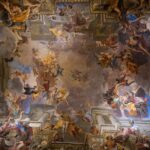
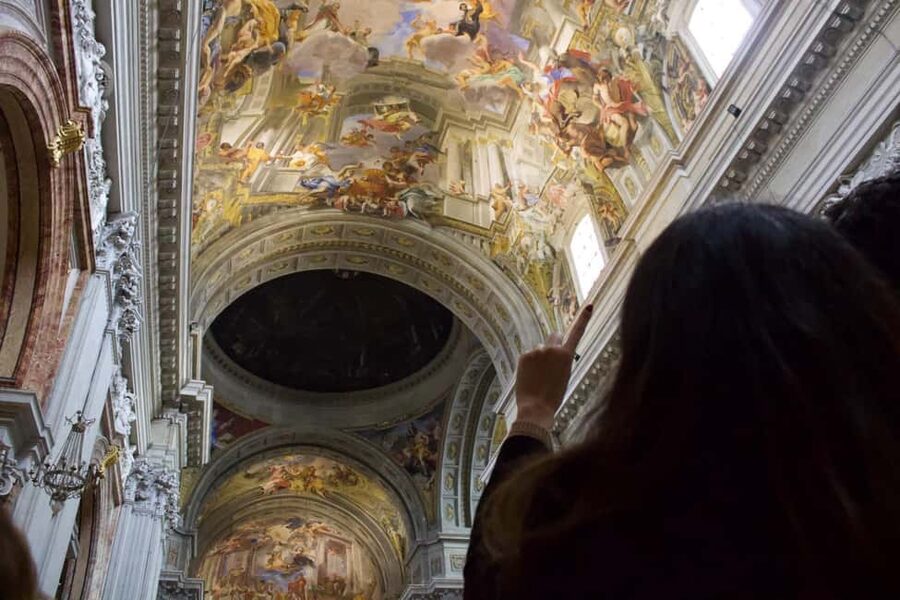
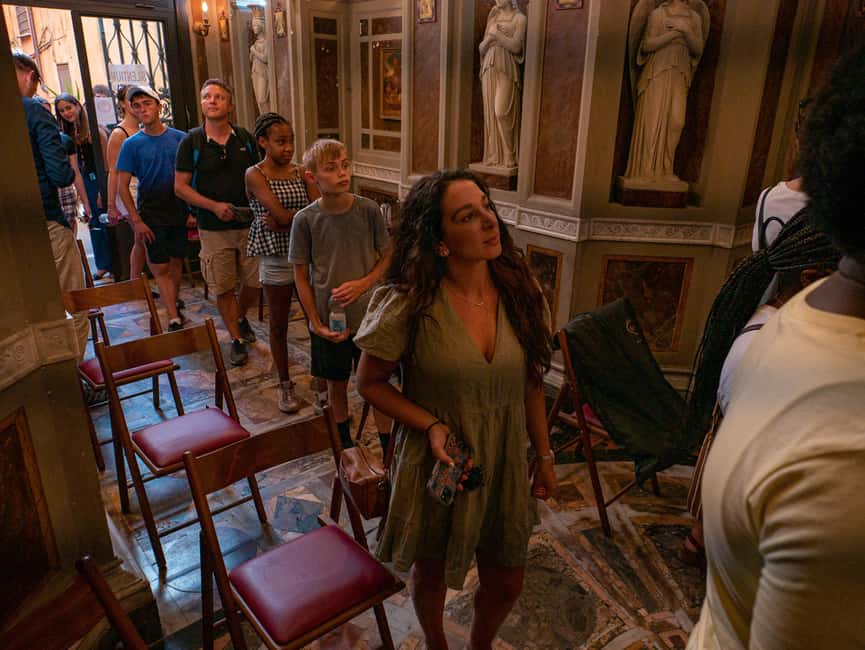
One of the more memorable elements in the route is a stop at a very small church, described as having a hidden painted illusion. This kind of moment is exactly what a good walking guide can deliver: you get the main monuments, but you also get the “wait, what is that?” details most people walk right past.
The route also includes stories about scandals and tales involving some of Rome’s more recent politicians. That might sound like a left turn, but it actually fits Rome’s reality. The center isn’t only ancient. It’s constantly being rewritten—politically, socially, and culturally—while the old stones remain.
This is also a good reason to book a guided walk rather than just doing a self-guided circuit with your phone. You could stumble past a small church and never realize it has an intentional illusion tucked inside. A guide makes the city’s attention to storytelling obvious.
How Guides Shape the Experience (And How to Get More From Yours)
The quality of this kind of tour lives or dies by the guide’s style. The names that come up again and again include Dan, Alina, Sila, Theo, Domenica, Dogus, Sharon, Vlad, Anna, Dinara, Paulina, and Denis. Across those experiences, a theme is clear: the best guides keep people engaged with clear explanations and humor, and they help you understand why objects are oriented or arranged the way they are.
Here’s how you can benefit from that, even before you start walking:
- Ask yourself what you want from Rome: names and dates, or meaning and stories. This tour leans toward stories.
- Keep your questions ready. If something doesn’t click, ask. Guides in this format usually handle questions well between stops.
- Stay close enough to hear. Outdoor audio can vary, and even great guides can be tough to catch if you lag far behind.
One more practical note from experiences shared: sometimes the tour may run longer if the guide adjusts pace for the group. That’s not necessarily a bad sign. It usually means they’re keeping attention and letting questions breathe.
What’s Included, What Isn’t, and How to Pair It With Your Day
This tour includes a local guide, the walking tour itself, and a list of recommendations. Food and drink are not included, so plan a meal before or after. Since you’ll cover major sights, it’s smart to time this walk when you’re not trying to cram a museum visit in the same hour.
Also, because the stops are guided for set amounts of time, treat it as an overview. After the walk, you’ll know which sights you want to return to on your own at a slower pace.
If you love structure, this is a great first or second day activity. It gives you a mental map of the center and a set of context points you can use while wandering later. And if you’re traveling with limited time, the route’s focus on the core monuments is exactly what you want.
Who This Tour Is Best For
You’ll probably like this tour if:
- You want a guided Rome overview without committing to a full day of museums
- You prefer walking with explanations rather than reading in the street
- You’re visiting in the evening and want the monuments lit up
- You like a mix of famous landmarks and smaller, story-driven stops
If you’re the type who wants long stays inside major sites or deep museum time, this may feel short. But as a guided “get it now” experience, it’s very well targeted.
Should You Book This Rome Night Walking Tour?
I think it’s a strong pick if you want Rome’s center to make sense quickly. For $28 per person and a 2-hour walk, you’re buying a guide who helps you connect monuments to meaning—plus the night atmosphere that makes the sights easier to enjoy without the rush of daytime.
Book it if you’re ready to walk, you can handle outdoor crowds around popular areas, and you’ll arrive early enough to find your guide. Skip it if you want a long, ticket-focused museum day or if you hate group pacing entirely.
If you book, do one small thing that pays off: arrive a bit early, stand where you can clearly see the guide’s marker, and treat the “why” stories as part of the attraction.
FAQ
What languages is the live guide available in?
The tour is offered with a live guide in English and Spanish.
How long is the guided walking tour?
The duration is 2 hours. Starting times can vary, so you’ll want to check availability for your time slot.
How much does it cost per person?
It’s listed at $28 per person.
Where does the tour start?
The meeting point can vary based on the option you book, including Piazza d’Aracoeli or Piazza di Pasquino, and sometimes Trajan’s Column or Piazza Navona.
What are the main stops on the route?
The tour includes stops such as Monumento a Vittorio Emanuele II, Trevi Fountain, the Pantheon, Piazza Navona, and Trajan’s Column.
Where does the tour end?
The activity ends back at the meeting point. Depending on the option, the route may finish around the Piazza Navona or Colosseum area.
Is food included?
No. Food and drink are not included.
Do I need to bring anything?
Wear comfortable shoes and comfortable clothes.
Is private group available?
Yes, private group options are available.