REVIEW · ROME
Rome: Guided Small Group Walking Tour of City Highlights
Book on Viator →Operated by Carpe Diem Tours · Bookable on Viator
Rome in two hours, with the highlights done. This guided small-group walk is built for big Roman landmarks without the all-day slog, plus the fun of coin toss time at Trevi and quick history stops in the historic center. I like the max 15-person group size (so you can actually hear your guide), and I also like the story-first way each stop is handled; the one real drawback is that Pantheon entry isn’t included, so you’ll want a ticket plan if you want inside.
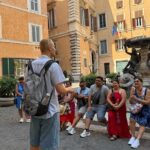
Guides matter in Rome, and this one tends to land great ones. Names that show up repeatedly include Sharon, Yousouf, Polina, Christian, Dan, Dominica, Keisha, Sila, and Paulina, and the common theme is calm pacing and lots of practical tips to keep you moving through crowds.
You start near the Colosseum/Roman Forum area at Piazza d’Aracoeli and finish at Piazza Navona, where restaurants and cafés make it easy to turn the tour into dinner plans. It’s about 2 hours, with a mobile ticket and a route that’s “express,” not rushed-but-light.
In This Review
- Key takeaways before you go
- Quick Rome Hits in a 2-Hour Walk
- Starting near the Colosseum at Piazza d’Aracoeli
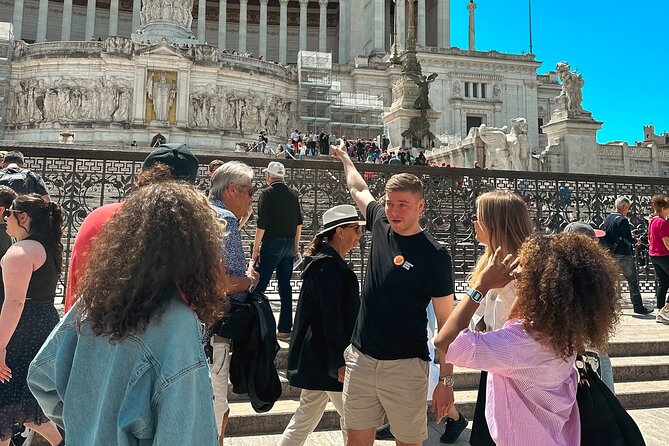
- Stop 1: Monumento a Vittorio Emanuele II for skyline drama
- Trevi Fountain in 15 minutes: coins, wishes, and gelato timing
- Pantheon: the dome, the church, and the entry-ticket decision
- Piazza Navona as your dinner-launchpad
- Trajan’s Column for a fast lesson in imperial storytelling
- Small-group quality: why hearing your guide matters here
- Price and value: what $30.23 buys you in Rome
- Who should book this tour
- Should you book this Rome highlights walk?
- FAQ
- How long is the Rome guided small group walking tour?
- What does the tour include?
- Is the Pantheon ticket included?
- Are food and drinks included?
- Where does the tour start and end?
- What language is the tour offered in?
- How big is the group?
- Do I need a mobile ticket?
- Is the tour free to view at all stops?
- What if the weather is bad?
Key takeaways before you go
- Small group feel (up to 15 people) makes hearing your guide much easier.
- Pantheon is the one stop without included entry, so plan for that cost/time.
- An express loop through the historic core helps you orient yourself fast.
- Ending at Piazza Navona means you step out right where you’ll want to eat.
- Guide storytelling plus practical food tips are a big part of the value.
Quick Rome Hits in a 2-Hour Walk
This tour is for the “I want the classics, but I still want a life” crowd. In roughly two hours, you hit several of Rome’s biggest headline sights while your guide keeps the route efficient. You’re not stuck watching the backs of heads for hours, and you’re not trying to figure out the best order yourself on Day 1.
The best part is the pacing: short, focused stops at major landmarks, then time to take photos and do the obvious fun stuff—like tossing coins at Trevi. It’s also the kind of overview walk that helps you understand what you’re looking at later, when you wander on your own.
One more value note: most stops are free to view, so your money goes mostly toward the guide and the organization. The exception is the Pantheon, where entry isn’t included (more on that below).
You can also read our reviews of more walking tours in Rome


Starting near the Colosseum at Piazza d’Aracoeli
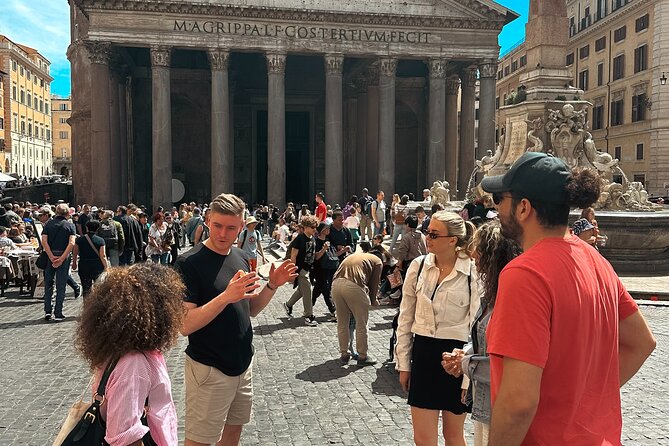
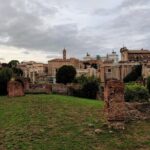
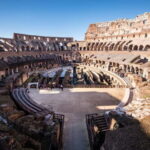
The meeting point is Piazza d’Aracoeli, Via di S. Venanzio 8. It’s in the historic-center orbit, so you’re starting from a spot that feels connected to the Colosseum/Roman Forum area. That matters because it cuts down on that “how do I get there” stress when you’re already juggling maps, stairs, and espresso.
One practical tip: directions to meeting points can be touchy in Rome. Bring a way to get online (or at least enough signal to load maps). If you’re meeting at the last possible moment, you might lose time just trying to locate the group.
Also, since the tour is a walking route, wear shoes you’d wear for a long stroll. Cobblestones and uneven sidewalks are part of the deal, especially near the older streets.
Stop 1: Monumento a Vittorio Emanuele II for skyline drama
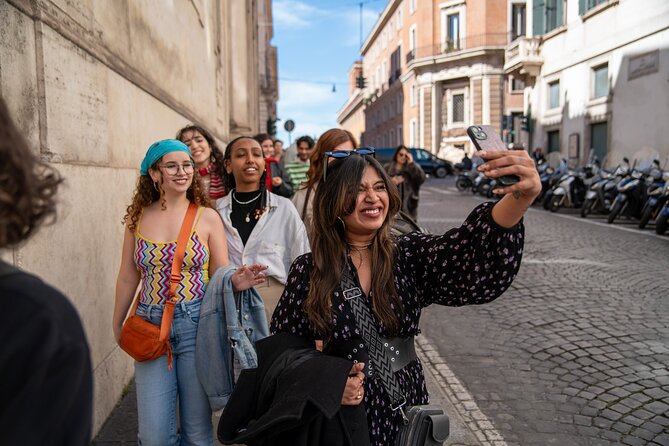
First up is the Monumento a Vittorio Emanuele II. It’s described as Rome’s tallest building, and the whole point is commemoration—linked to the unification of Italy and Vittorio Emanuele.
Even if you don’t spend much time here (it’s about 10 minutes), it works as a strong “anchor” sight. You get oriented quickly: you see how Rome’s monumental buildings sit above older streets, and your guide can connect it to the wider story of how Rome keeps reinventing itself.
What to do in your short window: take a few wide photos and let the guide’s explanation set context before you move on. In a fast tour, that’s what makes the next stops hit harder.
Trevi Fountain in 15 minutes: coins, wishes, and gelato timing
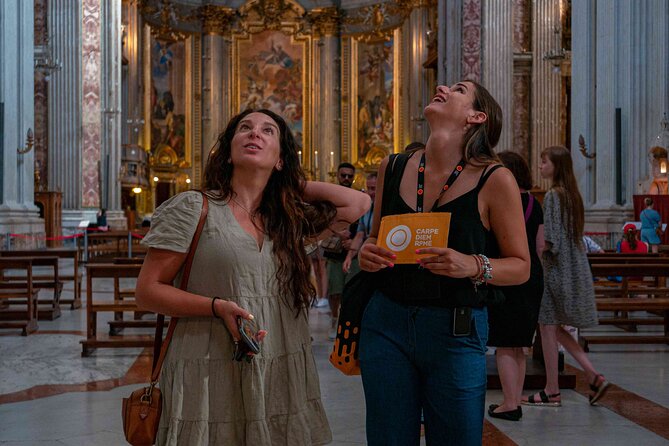
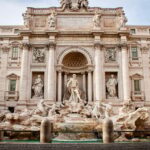
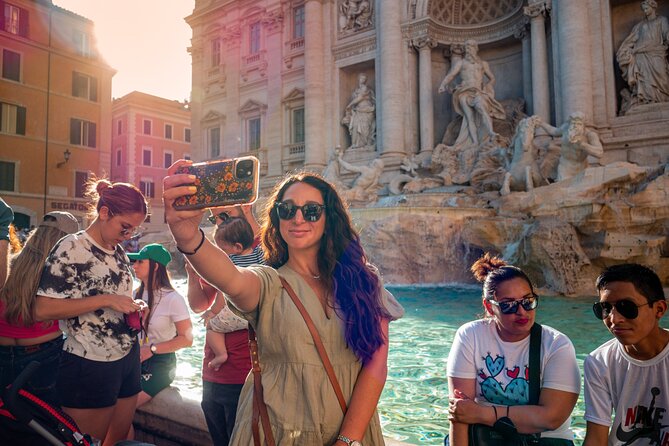
Then it’s to the Trevi Fountain, one of the most famous spots in all of Rome. You’ll spend around 15 minutes here, which is the sweet spot for the usual Trevi rituals: throw coins, make wishes, and grab gelato.
The coin toss is fun, but the practical win is the time allotment. Fifteen minutes means you don’t feel trapped forever, and you can still keep your body moving instead of getting stuck in a crowd cycle. Your guide also mentions a favorite gelato stop, which is a nice “don’t think, just go” moment built into the tour.
A small caution: the fountain area can be busy. Don’t plan on calm, slow photos. Aim for a few good shots, then shift your attention to the guide’s details and your gelato plans.
Pantheon: the dome, the church, and the entry-ticket decision
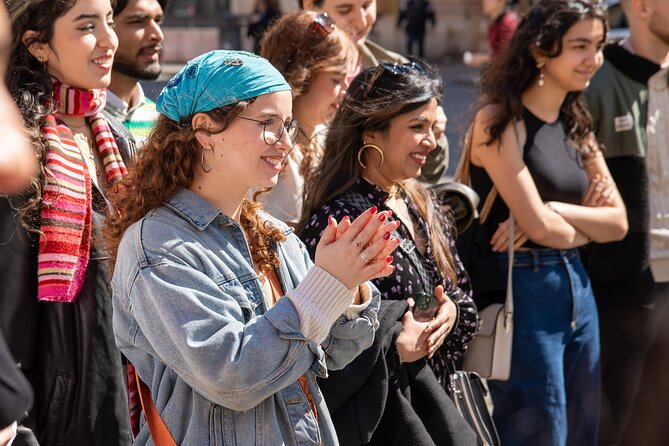
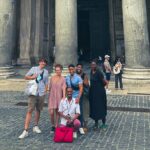
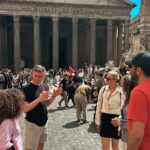
The Pantheon is the most important stop on the route, and you’ll have about 20 minutes total. It’s set off by cobbled alleys that make it feel like it appears from nowhere. Your guide shares the story too: it began as a temple and today functions as a church, with construction credited to Emperor Hadrian. The dome is also highlighted as the largest unreinforced concrete dome in the world.
The key practical point is this: Pantheon admission isn’t included. That doesn’t make the tour worse—it just changes what you should budget for and how you manage your time. If you want to go inside, plan for the ticket and the reality of lines.
What I’d do with your time here:
- Use the first moments to look outward and get your bearings.
- If you’re going in, treat it like a “site plus ticket” moment, not just a quick photo stop.
- If you decide not to enter, still use the square and architecture around the Pantheon to understand why it’s such a focal point.
Either way, this stop is where your mental map of Rome starts clicking.
You can also read our reviews of more guided tours in Rome


Piazza Navona as your dinner-launchpad
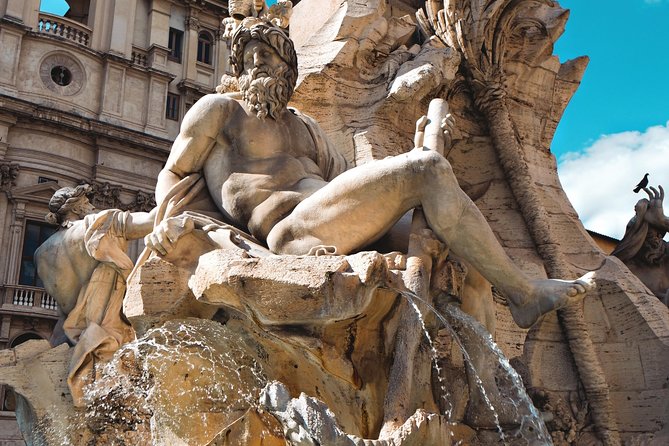
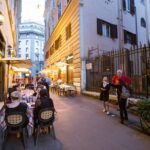
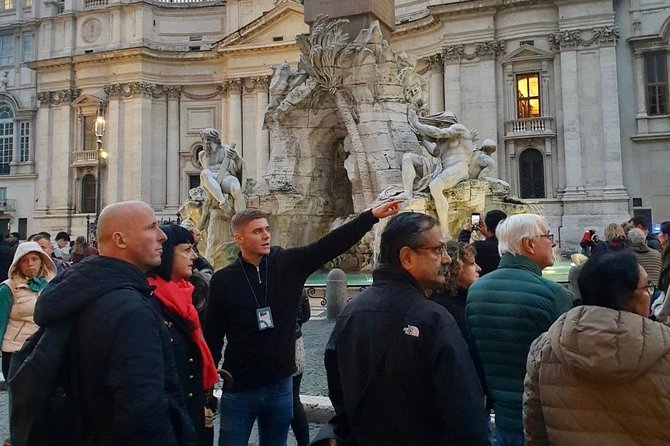
The tour ends on a high at Piazza Navona, with about 20 minutes to enjoy it before you break free to explore. This square is known for three magnificent fountains and the Baroque church of Sant’Agnese in Agone.
Here’s why ending at Piazza Navona is smart: it’s built for the “I’m hungry now” phase. When the tour is done, you’re not wandering across town hoping to find food. You’re dropped into a restaurant-and-café zone, with plenty of chances for a view while you eat.
If you’re feeling cheeky, you can also loop back into gelato habits, since food isn’t included on the tour. Just keep your pace easy after the walking segment—your legs will want a breather.
Trajan’s Column for a fast lesson in imperial storytelling
The route includes a stop at Trajan’s Column, with about 10–15 minutes for a look and explanation. The focus here is Trajan’s life and conquests, presented through the monument’s long-form storytelling style.
This stop is valuable because it gives you a different angle than fountains and domes. It’s Rome as message-making. Even in a short time window, you come away with a framework for interpreting what you see elsewhere—especially when you later notice Rome’s habit of using art and architecture to broadcast power.
In a quick tour, the goal isn’t to become a scholar. It’s to leave with a couple of “I get it now” moments—and Trajan’s Column often delivers that.
Small-group quality: why hearing your guide matters here
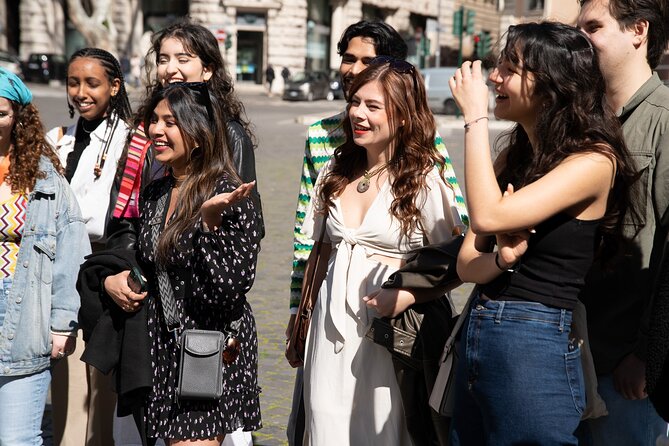
This is a maximum 15 travelers tour, and that size is a big deal. With small groups, you can ask questions without the guide having to repeat themselves like a radio broadcast. It also helps with movement through narrow streets near the Pantheon and around Trevi’s crowded zones.
The guiding style seems consistent across the many named guides associated with the tour—Sharon, Yousouf, Polina, Christian, Dan, Dominica, Keisha, Sila, Sandy, and Paulina among them. People highlight not just history, but also clear pacing and practical recommendations for what to do after the walk.
That last part is underrated. Rome is great, but decision fatigue is real. A guide who gives you a few next-step ideas can turn this from sightseeing into a smoother trip.
Price and value: what $30.23 buys you in Rome
At about $30.23 per person for roughly two hours, the value comes from three things:
- You get an organized route through multiple top sights without spending your morning planning.
- You’re paying for guided interpretation at each stop, not just entry-level “stand here and take a photo.”
- Most viewing stops are free, so your main extra-ticket concern is Pantheon entry if you choose to go inside.
If you’re comparing this to doing the sights on your own, the math usually favors the tour when it saves you time and helps you avoid the “where do we go next” problem. If you already have a tight self-guided plan and love figuring things out solo, you might question the price. But if you want a clean starting structure for your trip day, this is a strong buy.
Who should book this tour
This tour fits best if:
- You want a first-day orientation to Rome’s major landmarks.
- You like the classic sites but want a route that respects your time.
- You prefer a small group and easy-to-follow pacing.
- You’re okay with one notable extra decision: Pantheon entry.
If you’re the type who wants long stops in every museum or chapel, you may feel this is too short. But as an overview walk that sets up the rest of your Rome days, it’s a practical choice.
Should you book this Rome highlights walk?
Yes, if you want the headline sights handled efficiently and explained clearly, and you’ll appreciate finishing at Piazza Navona with instant dinner options. The combination of small-group size, strong guide storytelling (often with practical tips), and the express routing makes it a good “get your bearings fast” move.
I’d be cautious only if you strongly want Pantheon entry but don’t want to deal with that added ticket step. If that’s you, budget time and money for it—and the tour still works well as your structured route into the day.
If your goal is to see the main Rome hits without turning your vacation into a logistics project, this is the kind of guided walk that delivers.
FAQ
How long is the Rome guided small group walking tour?
It runs for about 2 hours (approximately).
What does the tour include?
It includes a guided walking tour with a local tour guide, covering city highlights and some hidden gems.
Is the Pantheon ticket included?
No. Pantheon admission is not included.
Are food and drinks included?
No. Food and drinks are not included.
Where does the tour start and end?
It starts at Piazza d’Aracoeli, Via di S. Venanzio 8, and ends at Piazza Navona.
What language is the tour offered in?
The tour is offered in English.
How big is the group?
The tour has a maximum of 15 travelers.
Do I need a mobile ticket?
Yes, it includes a mobile ticket.
Is the tour free to view at all stops?
Several stops list free admission, but Pantheon entry is not included.
What if the weather is bad?
The experience requires good weather. If it’s canceled due to poor weather, you’ll be offered another date or a full refund.