REVIEW · NEW YORK CITY
NYC: High Line, Chelsea, & Meatpacking District Walking Tour
Book on GetYourGuide →Operated by ExperienceFirst · Bookable on GetYourGuide
Rails turned into the best views in Manhattan. I love the High Line views and the way this tour threads Chelsea Market into the Meatpacking District with real stories, not just photos. You end up with an easy mental map of the West Side, plus a feel for how this part of New York keeps reinventing itself.
The only catch is weather. The walk is outdoors for long stretches, and the wind on the High Line can feel sharper than you expect. Guides (often people like Maki, Ben, or Filip) bring the energy, but you still need layers and a plan for rain, cold, or snow.
In This Review
- Key Highlights You’ll Actually Feel
- High Line: a 1-mile walk on the old New York Central tracks
- Chelsea Market: the factory-to-food-and-shopping vibe before the stories
- Architecture and skyline spotting: Standard Hotel, IAC, and the Empire State
- Meatpacking District: from industrial use to fashion-and-design energy
- How the 2 hours really works: pace, weather, and photo time
- Price and value: is $39 worth it?
- Who should book this walking tour?
- Should you book the High Line, Chelsea, and Meatpacking District walk?
- FAQ
- Where does the tour start?
- How long is the tour?
- How much does it cost?
- Who will guide the tour?
- What should I bring?
- Is the tour suitable for people with mobility impairments?
- Can I cancel after booking?
- Are private group tours available?
Key Highlights You’ll Actually Feel
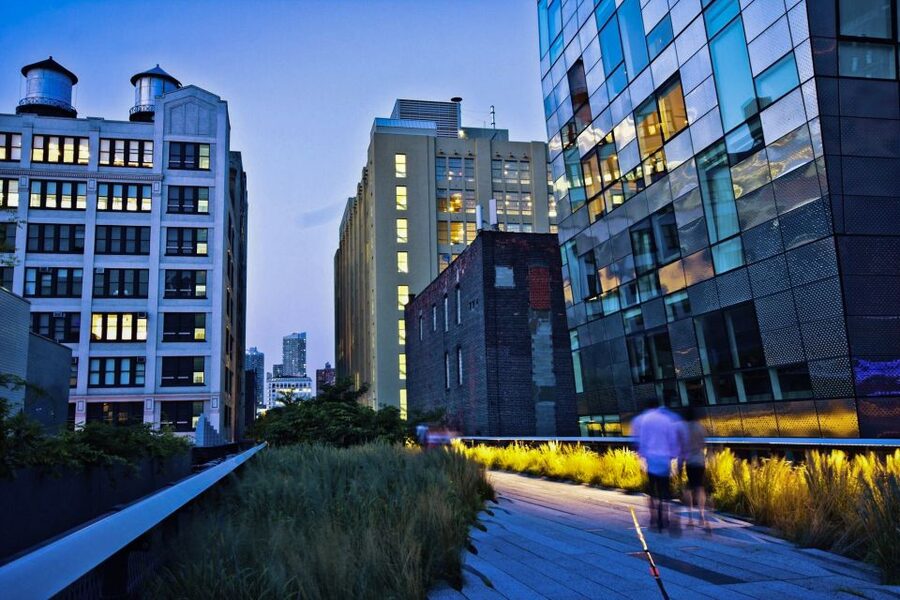
- High Line on old railroad tracks: a 1-mile linear park on the former New York Central Railroad route, with wide panoramic angles.
- Chelsea Market as the tone-setter: you start in an old factory setting and then move from food-and-shops energy into city history.
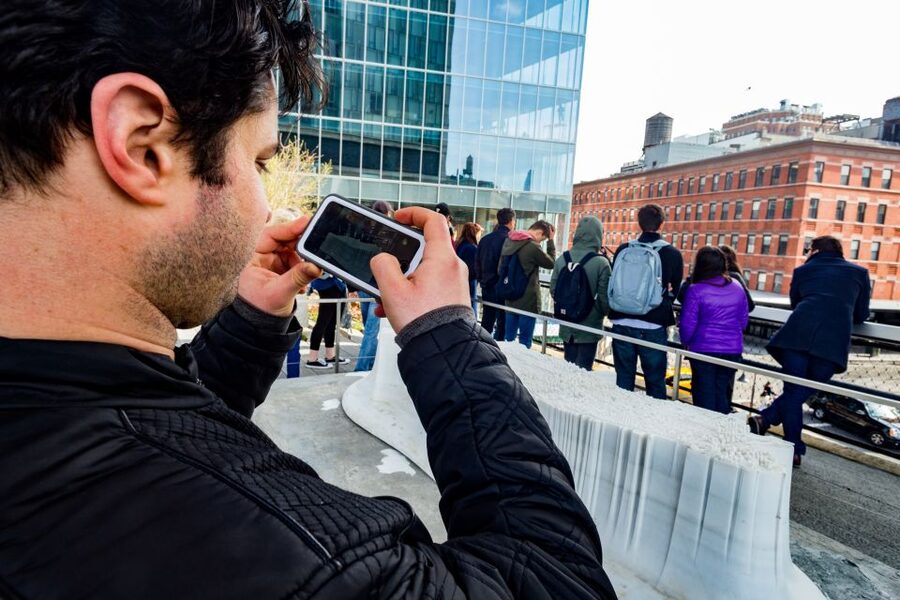
- Photo stops with purpose: you pause at viewpoints along the way, not just for a quick snapshot.
- Architecture spotting mission: landmarks such as the Standard Hotel, the IAC building’s undulating glass curtain design, and the Empire State Building show up in the route.
- Meatpacking District transformation stories: you’ll hear how this area shifted from industrial slaughterhouse life to a chic, design-forward neighborhood.
- A tight 2-hour loop: enough time for the key sights without turning into an all-day marathon.
High Line: a 1-mile walk on the old New York Central tracks
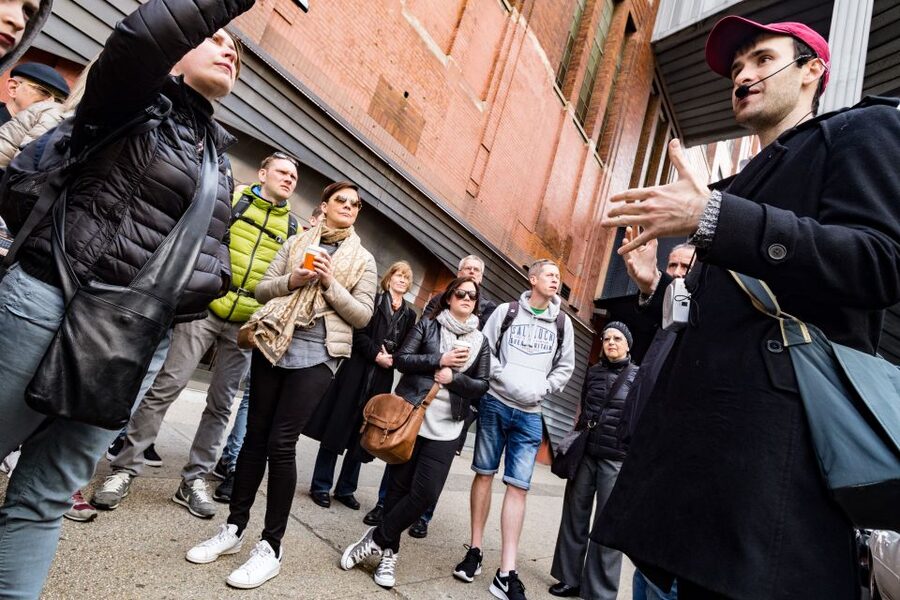
This is the part you picture before you even leave your hotel: the High Line as a raised park above street level, built on a former elevated New York Central Railroad spur. The route is about 1 mile long, so you’re not committing to a long hike, but you get that signature slow “walk-and-look” rhythm that makes the West Side feel like a stage set.
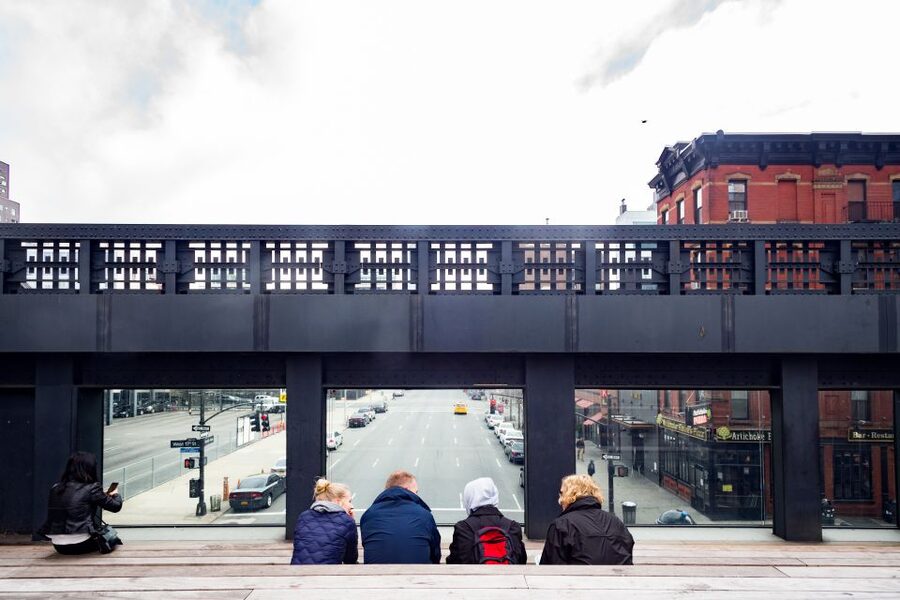
What makes it special is the angle. From the High Line, Manhattan isn’t flat. You’re looking down onto blocks, up at building faces, and out toward the Hudson River where the skyline and weather change the mood fast. It’s the kind of view that makes you stop talking for a moment, even if you’re with a chatty group.
Your guide’s job here is simple but valuable: help you see what you’re standing on. You’ll hear how the park came to be on a rail corridor—one that once carried freight through this neighborhood. That history matters because it explains why the park feels linear and why the sightlines keep “opening” at specific points.
Practical tip: wear shoes with grip. The High Line path can be busy, and surfaces can get slick in rain. And if it’s windy, you’ll feel it more on the open segments—bring a layer you don’t mind tightening around your neck.
You can also read our reviews of more walking tours in New York City

Chelsea Market: the factory-to-food-and-shopping vibe before the stories
Most tours sprint past Chelsea Market like it’s only a backdrop. This one uses it as the starting point, which changes your experience right away. You meet here, take a photo stop, and then get pulled into what the building is: a former factory now packed with well-known shops and stalls.
Even if you don’t plan to buy anything, it’s worth looking closely. Old industrial spaces have a different scale than modern malls. You feel the high ceilings and the sense that this area was built for work first—and people came later. That sets you up for what comes next: the High Line and the Meatpacking District aren’t just pretty neighborhoods. They’re neighborhoods with a working past.
The tour also mentions that an art gallery visit may be included. If it’s part of your departure, that’s a nice contrast: you go from market noise and quick bites (even if you’re just browsing) to a calmer room where the guide can point out the kind of design choices that match the neighborhood’s attitude.
Quick advice: if you like coffee, get one before you start. The route doesn’t promise a built-in break, and the pace can be quick enough that you’ll feel you’re always chasing the next viewpoint.
Architecture and skyline spotting: Standard Hotel, IAC, and the Empire State
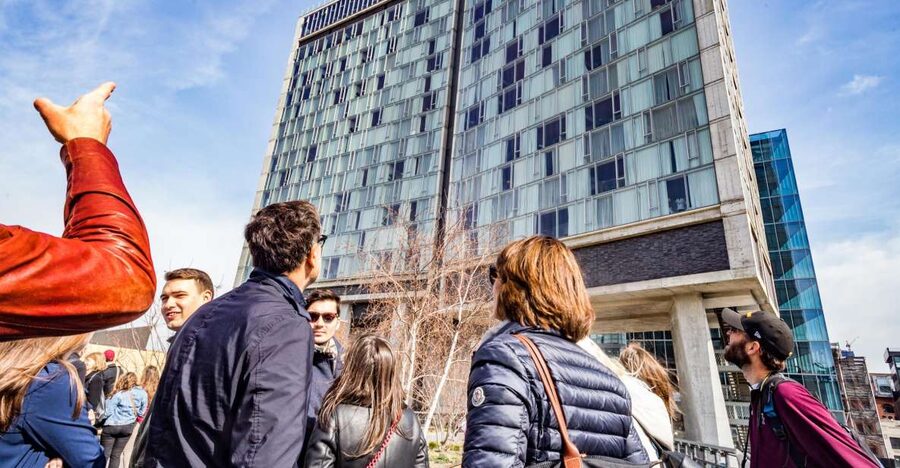
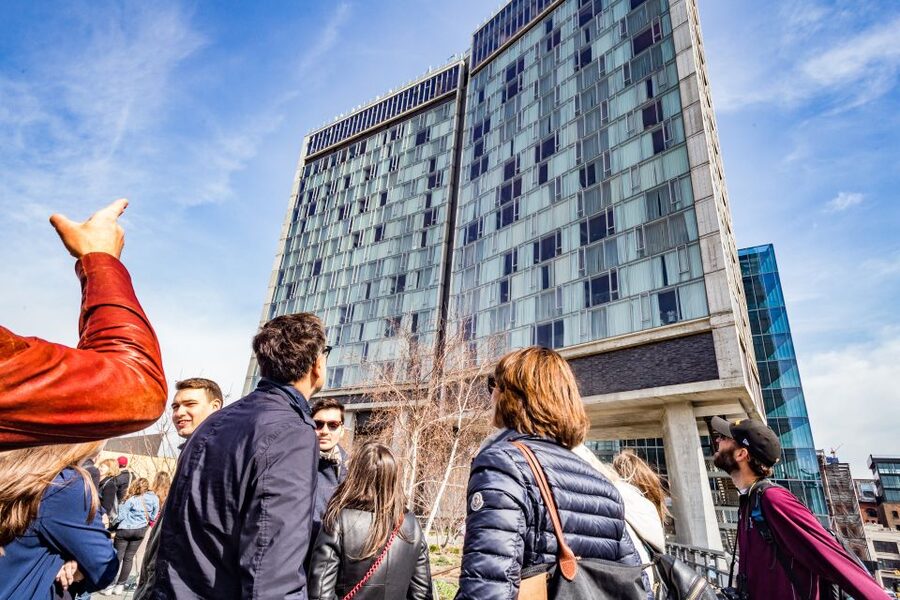
One of the best reasons to book a guided walk here is that you don’t just see buildings—you learn how to look at them. Along the way, you’ll get pointed at major landmarks, including the Standard Hotel and the IAC building with its undulating glass curtain design.
Then there’s the skyline payoff: you’ll spot the Empire State Building from the route. That matters because it’s not always obvious where to stand for that clean look. Guides help you time these skyline moments so you don’t end up guessing.
If you’re into architecture, treat this part like a mini photo homework assignment. Look for:
- how glass and metal reflect light differently at street level vs. elevated park paths
- how older industrial shapes contrast with new, sleek facades
- how the guide’s “stop here for this view” logic lines up with the buildings you’re about to hear about
There’s also a subtle benefit for first-time visitors: you stop treating New York as a blur of landmarks. Instead, you start connecting them—why certain buildings are clustered here, and why the street pattern and rail corridor created these sightlines in the first place.
Meatpacking District: from industrial use to fashion-and-design energy
The Meatpacking District is famous, but it can feel like two different places depending on where you start. This tour helps you connect the dots by putting the neighborhood’s transformation into the walk itself.
You’ll hear stories about how the area used to be dominated by slaughterhouses and industrial activity, and how that setup eventually gave way to the chic, design-driven reputation it has today. The point isn’t just trivia. It’s how you read the neighborhood’s layout now—why certain buildings look like they were meant for commerce and storage, and why streets and storefronts feel built for constant change.
As you walk, you’ll pass buildings that reflect that shift: places that feel ultramodern right next to structures that still carry that older factory/warehouse DNA. That mix is part of the appeal, and the guide helps you notice it instead of zoning out after the first 10 minutes.
Note: a small warning based on tour feedback. Some guides are quick with extra commentary, and occasionally it can run in a direction you might not want on a walk. If you’re sensitive to adult-themed asides, it’s smart to keep your expectations focused on the sights, and don’t hesitate to ask the guide to stay on the landmarks and architecture.
How the 2 hours really works: pace, weather, and photo time
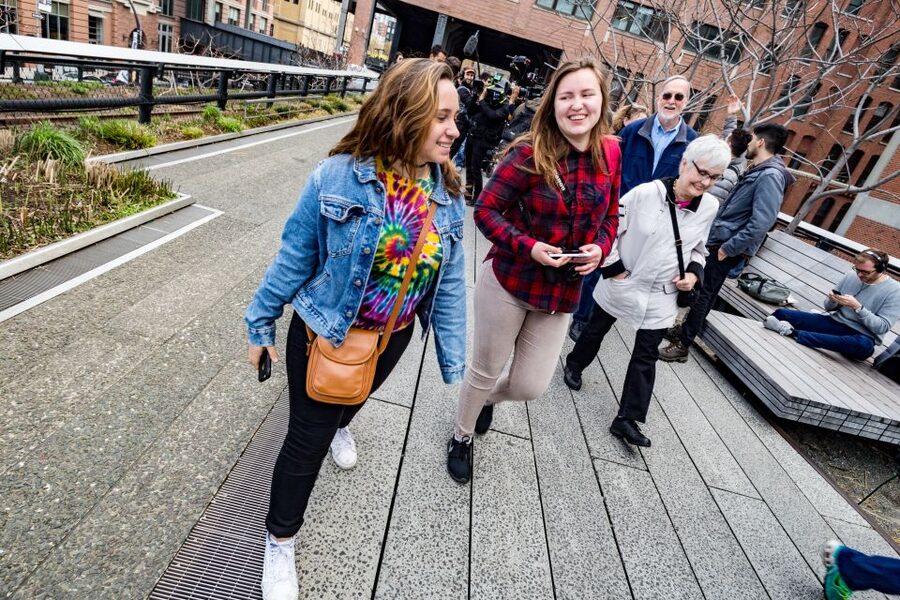
A 2-hour walk can feel either perfect or too tight—depending on how your group moves and what the weather does. The good news is that the format is designed to cover the key points without turning into a full-day trek.
From the experiences shared in the guide feedback, you should expect:
- strong guide presence: many departures praise guides for humor and keeping people engaged while pointing out details
- a brisk walking pace: this helps you see a lot, but it can limit long photo sessions
- weather flexibility, when possible: in rainy or cold conditions, guides have been thoughtful about finding cover points
Your best move is to dress like you’re stepping outside in layers, not like you’re visiting indoors. If it’s cold, the wind on the High Line can turn “a little chilly” into “why didn’t I bring a hat?” If it’s rainy, plan for wet shoes and be ready to move quickly between covered segments.
Also remember this is not an accessibility-friendly tour. It’s listed as not suitable for people with mobility impairments, which usually means there are routes and surfaces that don’t work well for wheelchairs or limited mobility.





Price and value: is $39 worth it?
At $39 per person for a 2-hour guided walk, you’re paying for three things: time, orientation, and interpretation.
Doing the route on your own can work if you already know where to stand for skyline shots and if you’re happy with a basic read of the neighborhood. But with a guide, you get:
- a clear order to the walk, starting at Chelsea Market
- built-in narration that connects the High Line’s rail past to the neighborhood’s present look
- architecture spotpoints so you don’t waste time wandering for the best angles
The best value shows up if you’re the type of traveler who likes asking questions and turning “I saw that” into “I understand why that’s there.” Many guides on this route are praised for keeping the tone fun while still covering the big story beats—how the rail corridor became a park, how the industrial buildings got repurposed, and how the Meatpacking District shifted from work to style.
If you only want a quick stroll and don’t care about background, you may feel the cost is more than you need. But if you want a guided overview that makes the neighborhood click, this price-to-time ratio is strong.
Who should book this walking tour?
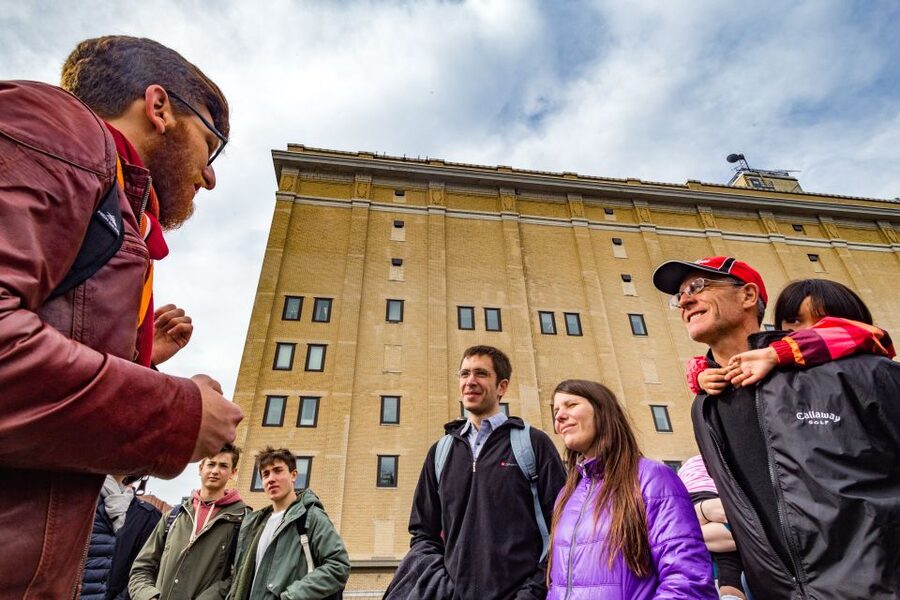
This one fits best if you:
- want a first-pass overview of the Chelsea, High Line, and Meatpacking areas
- like walking plus storytelling (history, architecture, and how the city evolved)
- care about getting the right viewpoints instead of guessing
You might skip it if:
- long outdoor walking in wind or rain is your least favorite way to travel
- you need mobility accommodations (the tour isn’t suitable for mobility impairments)
If you do book it, I’d pair it with a flexible plan afterward. The tour ends near the West Side (drop-off options include 22 9th Ave or 9th Ave & W 14th St), which makes it easy to keep exploring Chelsea, grab dinner, or head toward Midtown without backtracking.
Should you book the High Line, Chelsea, and Meatpacking District walk?
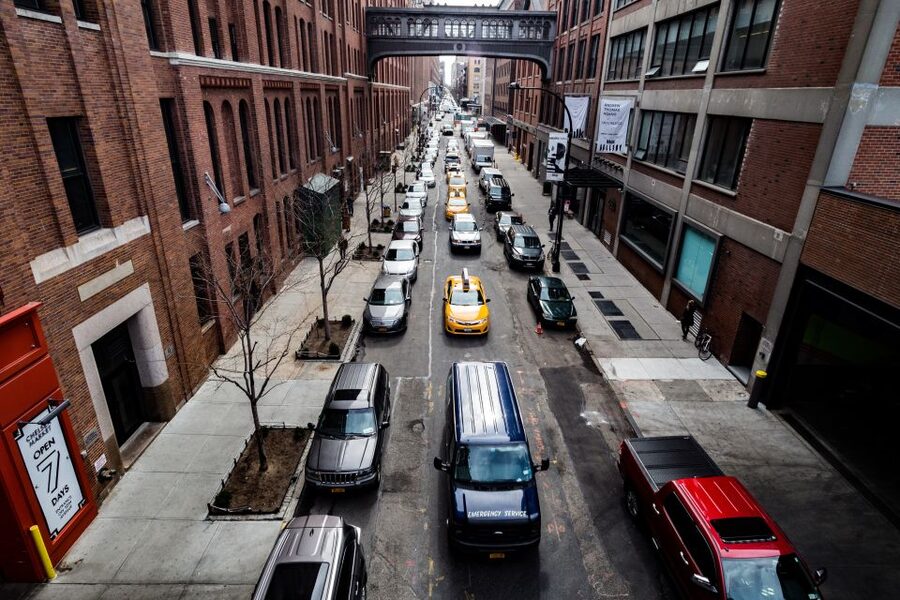
If you’re planning a short NYC trip and want the High Line plus the stories behind Chelsea and Meatpacking, I’d book this. It’s a focused 2-hour route, strong on viewpoints and architecture stops, and the guide experience tends to be lively enough that you don’t just march—you learn what you’re looking at.
Just go in prepared for outdoor time. Bring layers, wear grippy shoes, and keep your expectations aligned with a brisk walking style. If you want a guided “why this neighborhood looks the way it does” walk, this is a solid choice.
FAQ
Where does the tour start?
You can choose between two starting locations: 59 9th Ave or 410 W 16th St. The exact meeting point can vary based on the option you book.
How long is the tour?
It’s 2 hours long.
How much does it cost?
The price is $39 per person.
Who will guide the tour?
An English-speaking guide leads the walking tour.
What should I bring?
Bring comfortable shoes and weather-appropriate clothing, since much of the walk is outdoors.
Is the tour suitable for people with mobility impairments?
No. It is listed as not suitable for people with mobility impairments.
Can I cancel after booking?
Yes. There is free cancellation up to 24 hours in advance for a full refund.
Are private group tours available?
Yes. Private group tours are available.