REVIEW · LYON
Lyon: Private Walking Tour of “Traboules” in the Old Town
Book on GetYourGuide →Operated by Visage des pentes · Bookable on GetYourGuide
Lyon hides passages under ordinary streets. In Vieux Lyon, you’ll follow a local guide through traboules—arched corridors linking courtyards and buildings—while the neighborhood’s quieter side becomes surprisingly easy to read.
I especially love getting access to traboules that are still open to the public, so you can see how the maze works instead of just hearing about it. I also love the guide style—expect humor and street-smart storytelling from a local like Yannick, who clearly treats Lyon like a personal subject.
One drawback to plan for: this is a stair-and-narrow-corridor walk. Strollers can be hard to manage inside, and it’s not suitable for wheelchair users or people with mobility impairments.
In This Review
- Key things to know before you go
- Lyon traboules tour: why these passageways feel like a secret map
- Starting at the cathedral-square fountain: how your walk begins
- Vieux Lyon’s Renaissance blocks: how silk money shaped the streets
- Entering the traboules: what you’re really looking for
- Silk to wartime secrecy: the stories that make the maze matter
- Lesser-known passageways in Vieux Lyon: what you gain by skipping the obvious
- How 150 minutes plays out on cobblestones and in corridors
- Price and value: what $43 buys you in Lyon’s old center
- Practical tips: shoes, noise, and navigating stairs
- Should you book this traboules tour?
- FAQ
- How long is the Lyon traboules walking tour?
- Where do we meet the guide?
- How big is the group?
- What languages is the tour offered in?
- Is the tour private?
- What should I bring?
- Is it suitable for wheelchair users or limited mobility?
Key things to know before you go
- Real entry into public traboules: you don’t just peek around corners.
- A small group pace (up to 10): enough time for questions without feeling rushed.
- Silk trade to WWII secrecy: the corridors become a timeline you can walk through.
- Lesser-known passageways in Vieux Lyon: routes that are often skipped by big crowds.
- Quiet rules matter: you’ll be asked not to make noise, which keeps the experience respectful.
Lyon traboules tour: why these passageways feel like a secret map
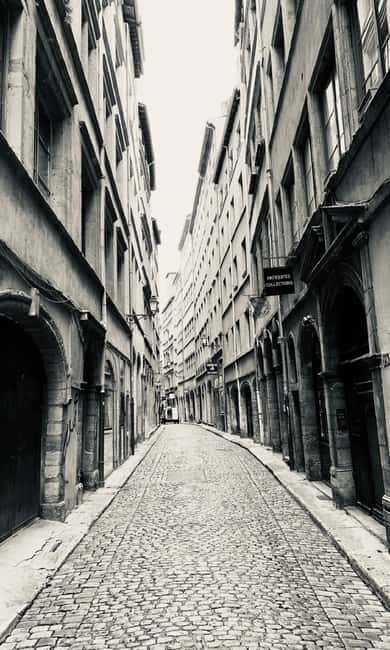
If you’ve ever wondered how a dense old city stays walkable and confusing at the same time, Lyon has an answer. Traboules are those covered, corridor-like shortcuts that cut through courtyards and buildings. They turn a normal street into something like a layered game board—one you can actually navigate with a guide.
On this Lyon: Private Walking Tour of Traboules in the Old Town, you’re not just looking at architecture. You’re learning how people used these routes for practical reasons, then hearing how those same spaces mattered during bigger events. That contrast is what makes the walk click fast: the city’s small decisions and big history share the same stone.
And because the tour focuses on Vieux Lyon, you’ll be walking inside the area where the city’s Renaissance identity is strongest. The corridors don’t feel like a gimmick here. They feel like part of the neighborhood’s everyday logic.
You can also read our reviews of more walking tours in Lyon



Starting at the cathedral-square fountain: how your walk begins
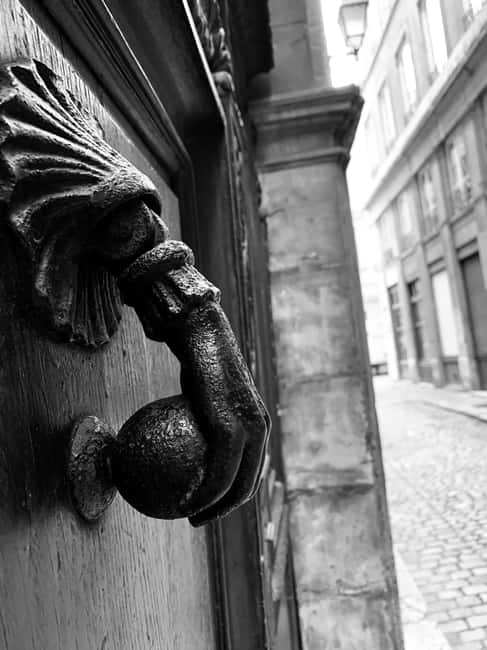
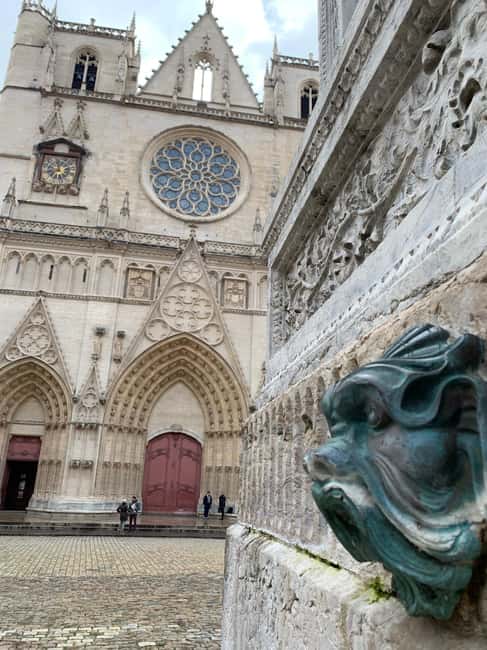
Your day starts with a simple meetup: stand in front of the old fountain in the middle of the cathedral square. That’s a good sign for first-time visitors—easy to find, and close to where you’ll begin spotting the architectural clues the guide talks about.
From there, the guide keeps the group moving on foot through Vieux Lyon’s streets, which matters because traboules are not all in one obvious location. They’re scattered. Your guide’s job is to connect them into a clear story, so the city stops feeling random.
You’ll want to be ready for “old streets” walking: uneven surfaces, tight corners, and lots of stopping in small spaces. If you like tours where you learn while still strolling at human speed, this format fits.
Vieux Lyon’s Renaissance blocks: how silk money shaped the streets
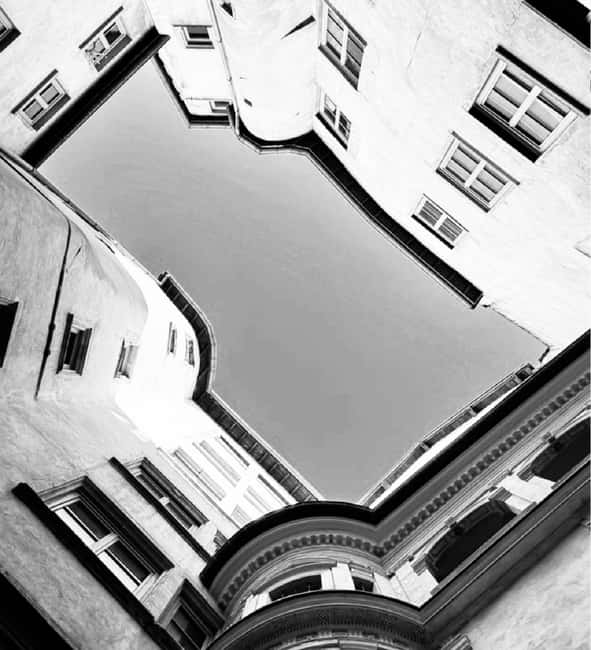
The tour is built around the idea that traboules weren’t random. They helped people move through the built environment, and in Vieux Lyon, that built environment reflects centuries of economic life.
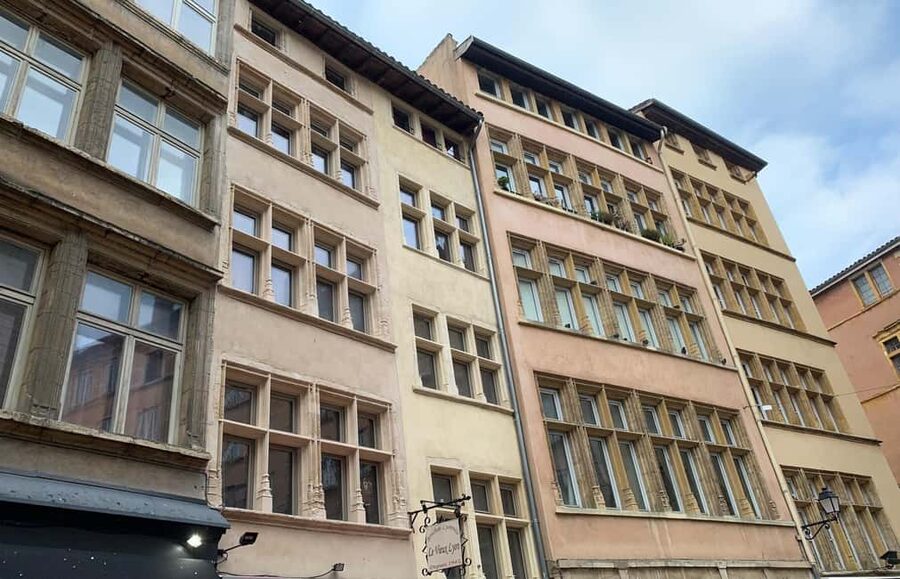
A major thread you’ll hear about is the silk trade. Lyon’s silk industry shaped wealth, work patterns, and even how buildings were laid out. When you’re in Renaissance-era neighborhoods, you start noticing how courtyards and ground-floor spaces can function like work platforms, not just decoration.
I like the way the guide connects those dots while you’re still standing in front of the structures. Instead of treating history like a lecture, it becomes a way to “read” the block. You’ll likely find yourself looking for the subtle transitions—what door you’d use, where a corridor would cut through, and why a courtyard layout makes sense for movement.
Entering the traboules: what you’re really looking for
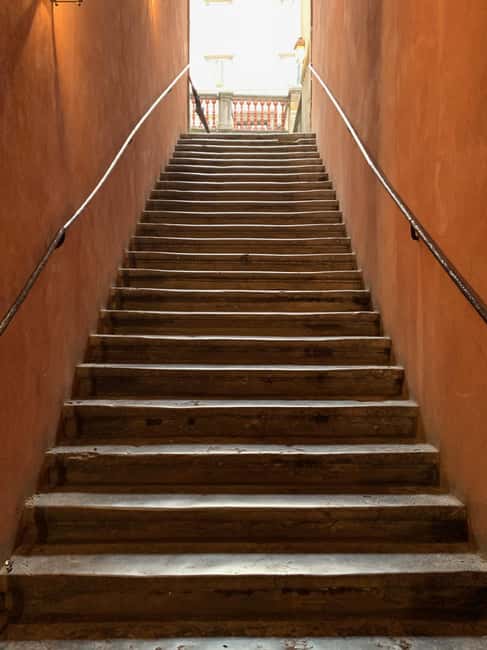
Here’s the practical part. A traboule isn’t just a hallway. It’s usually a covered passage that links different parts of a building complex—often moving from street-level entry through courtyards and onward to another exit or internal connection.
What makes this tour valuable is that it focuses on passageways still open to the public. That means you’re inside the real system, not stuck outside imagining it. Your guide points out the features that make traboules work: how the corridor directs flow, how courtyards create turning points, and how the architecture supports movement without needing to rely on the street.
These passages also change the soundscape. Many corridors feel cooler and quieter than the street, and the change helps you understand why they were useful. You’re not just sightseeing—you’re experiencing the spatial logic.
A good tip: keep your attention on doorways and transitions, not just the big architecture. The “trick” is in the way the buildings connect, and that’s what your guide helps you notice quickly.
Silk to wartime secrecy: the stories that make the maze matter
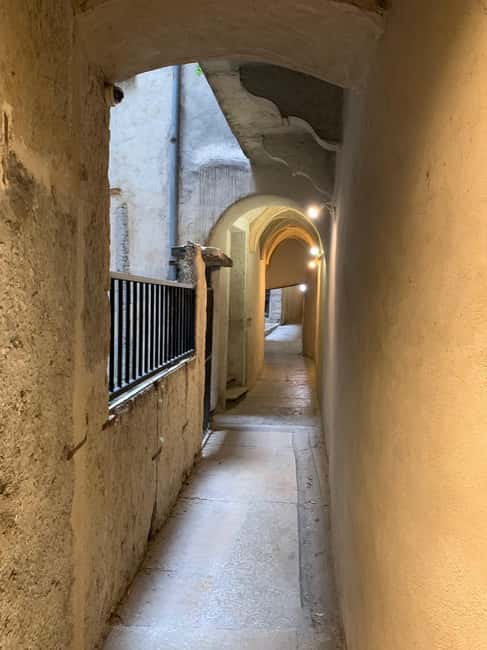
Traboules are famous for their hidden quality, but the best tours explain why secrecy and shortcuts mattered. On this one, the corridor story stretches from everyday commerce to wartime risk.
You’ll hear how Lyon’s silk economy created a city full of workers, goods, and specialized spaces. Then the guide shifts to the French Resistance era in World War II, where meeting and movement had to be carefully managed. In that context, traboules become more than convenient routes. They become protective ones.
I like how that timeline makes you reconsider what you’re walking through. A corridor that looks purely architectural in one moment becomes a stage for real decisions—who could move, where they could disappear, and how quickly people could shift routes.
This is also where humor helps. A guide like Yannick (his style comes up again and again) uses jokes to keep the group engaged without turning the history into a cartoon. Even a throwaway line can stick because it’s tied to a real image in your mind.
Lesser-known passageways in Vieux Lyon: what you gain by skipping the obvious
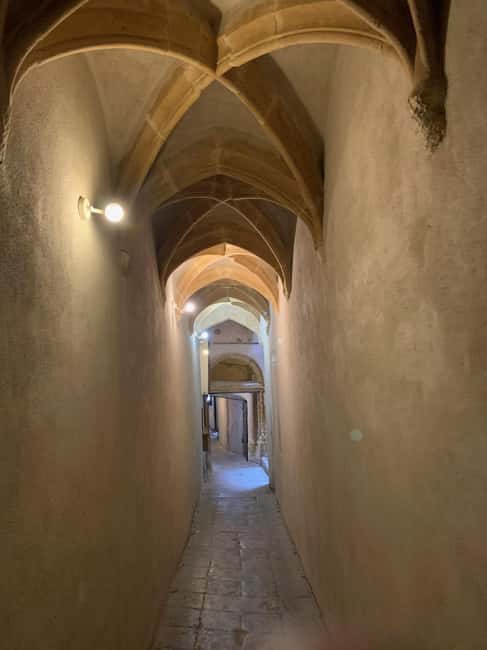
Not all traboules are equally visible from the street. That’s why a guided walk matters here. When you only explore on your own, you tend to find the most famous corridors first—and miss the less obvious ones that still feel special.
This tour is designed to take you to lesser-known passageways tucked away in Vieux Lyon. The payoff is twofold.
First, you see more of the network—because the city has around 50 passageways that remain accessible. Second, you start understanding how the neighborhoods interlock, instead of treating each traboule as a standalone attraction.
A small group helps with this. With fewer people, the guide can adjust stops, slow down when a question matters, and keep your path from turning into a rushed parade. That makes the quieter corridors feel personal rather than crowded.
How 150 minutes plays out on cobblestones and in corridors
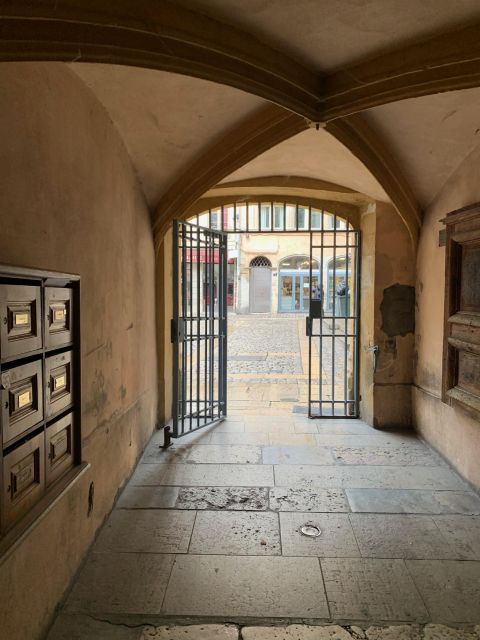
150 minutes sounds short until you’re moving through old districts with frequent stops. On this tour, the time adds up because you’re not just walking distance—you’re walking with context.
You’ll spend time on:
- street segments where the guide sets the historical stage
- short entries into traboules where you absorb layout and architecture
- pauses for stories tied to what you’re seeing right then
The walk is also a rhythm exercise. Corridors require slowing down, and some areas involve stairs or stairways. If you’re comfortable walking and okay with compact spaces, it feels smooth. If you don’t like tight vertical movement, plan for a slightly more challenging experience than a flat city stroll.
Also, this is not a “party” atmosphere. The tour asks participants not to make noise, which keeps it respectful for residents nearby and makes the corridors calmer for everyone.
Price and value: what $43 buys you in Lyon’s old center
At $43 per person for a 150-minute private walking tour, the big question is whether you’re paying for “a walk” or for access and interpretation. Here, you’re paying for both.
You’re getting:
- a live guide who can connect traboules to specific parts of Lyon’s past
- entry into public passageways you may not find on your own
- a small group size (limited to 10), which usually means more explanation per minute
That interpretation is the real value. You could spend the day in Vieux Lyon hopping from one corridor to another, but you’d miss why those corridors mattered, how they changed movement, and what to look for visually. A guide saves you time and turns the city into a readable map.
If you’re a first-timer, I think this price is fair because it gives you high learning per hour. And if you’re returning to Lyon, it’s still useful because it helps you see the neighborhood with sharper eyes.
Practical tips: shoes, noise, and navigating stairs
Wear comfortable shoes—you’ll be on foot for most of the experience, and old-town surfaces can be uneven. If you get sore easily, treat this as moderate walking rather than a casual stroll.
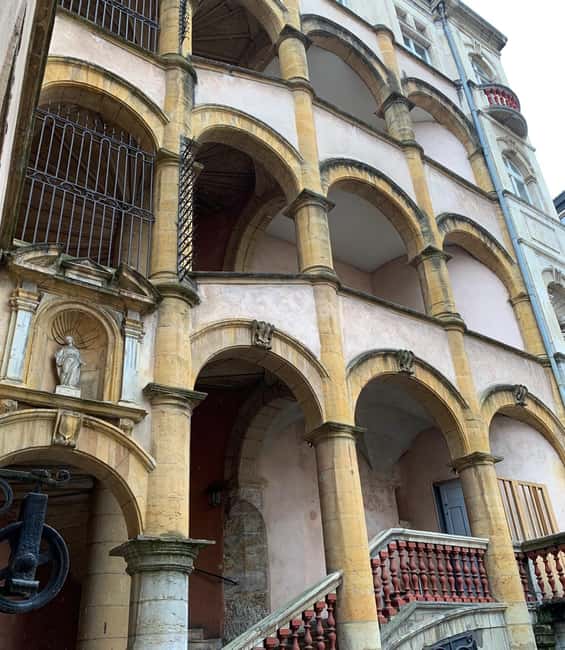
Then plan for vertical movement. Strollers can be hard to manage inside traboules due to stairs and stairways. And the tour is not suitable for people with mobility impairments or wheelchair users, which is important to respect in a route that includes narrow, staircase-heavy sections.
One more simple rule: you’ll be asked not to make noise. It sounds minor, but it affects the whole feel of the walk. You’ll hear your guide better in quieter corridors, and the neighborhood feels more like a lived-in place than a stage.
Should you book this traboules tour?
If you want a Lyon experience that goes beyond landmarks and into how the city actually functions, book it. The traboules are the point, but the bigger win is the explanation: you’ll walk through a physical network and come away with a clearer sense of Lyon’s economy and wartime history.
This is also a strong choice if you like guided storytelling with humor. Past participants often highlight that the guide’s wit and clear explanations make the 150 minutes fly by. The small group limit (up to 10) is a practical bonus too, since it keeps the pace friendly and question-friendly.
Don’t book if stairs and tight passageways are a problem for you, or if you need wheelchair access. In that case, look for a different Lyon format that stays on fully accessible ground.
If you’re healthy on your feet and curious about how architecture supports real life, this is one of the best ways to understand Vieux Lyon fast.
FAQ
How long is the Lyon traboules walking tour?
The tour runs for 150 minutes.
Where do we meet the guide?
Meet your guide in front of the old fountain in the middle of the cathedral square.
How big is the group?
This is a small-group experience limited to 10 participants.
What languages is the tour offered in?
The live guide speaks English and French.
Is the tour private?
It’s described as a private walking tour, and it’s also run as a small group limited to 10 participants.
What should I bring?
Bring comfortable shoes for walking through old-town streets and inside passageways.
Is it suitable for wheelchair users or limited mobility?
No. It’s not suitable for people with mobility impairments or wheelchair users. Strollers can also be difficult to manage inside due to stairs and stairways.