REVIEW · ASSISI
Assisi: Walking Tour with St. Francis Basilica Visit
Book on GetYourGuide →Operated by UMBRIA CON ME · Bookable on GetYourGuide
Assisi feels like it was built for feet. This walking tour links the city’s big names—St. Francis Basilica frescoes and the Roman past—to the real streets you’ll walk. I especially love how the guide connects art and faith to daily Assisi life, and I like the pacing that keeps you moving without feeling rushed.
The main consideration: the basilica experience can change on certain days, including Sundays and major holidays, when entry inside may be restricted. Also, the dress code is real—cover your knees and shoulders.
In This Review
- Key Highlights You’ll Care About
- Walking Assisi From Matteotti: Your Easy-But-Real Start
- Roman Amphitheater to Medieval Streets: The City’s Hidden Time Jump
- San Rufino Cathedral and Piazza del Comune: Where Assisi Shows Its Civic Side
- Basilica of Saint Clare (Santa Chiara) + San Francesco Piccolino: Two Faith Stories in One Route
- Temple of Minerva: Roman Architecture With a Medieval Surrounding Cast
- Basilica of St. Francis: Frescoes, Giotto-Era Mentions, and the Moment of Silence
- The day-to-day rules that can change your entry
- One small extra cost to know about
- Price and Value: Is $71 Worth 2.5 Hours in Assisi?
- What the Best Guides Do (And Why Your Experience May Feel Personal)
- Dress Code and Practical Tips That Make This Tour Easier
- Should You Book? My Take
- FAQ
- How long is the Assisi walking tour with St. Francis Basilica?
- What is the price per person?
- Where do I meet the guide?
- Is the Basilica of St. Francis entry always included?
- What should I wear for churches and museums?
- What happens on Sundays and major Catholic holidays?
- Are there any known dates when the Basilica is closed?
Key Highlights You’ll Care About
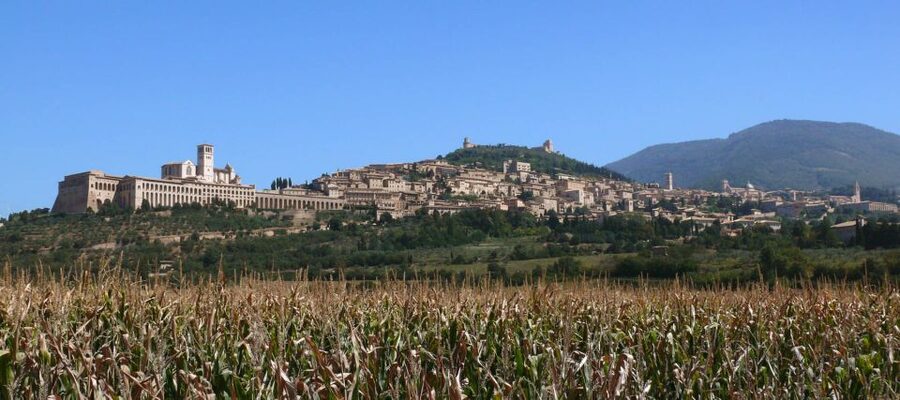
- St. Francis Basilica fresco storytelling (including mention of Giotto-era works)
- Two must-see churches on the way: Santa Chiara and San Francesco Piccolino
- Piazza del Comune + Temple of Minerva for a strong Roman-to-medieval contrast
- Views from the Roman amphitheater area, with Rocca Maggiore often referenced
- Guide-led navigation through the city’s crowds, with small-group feel in many reports
Walking Assisi From Matteotti: Your Easy-But-Real Start
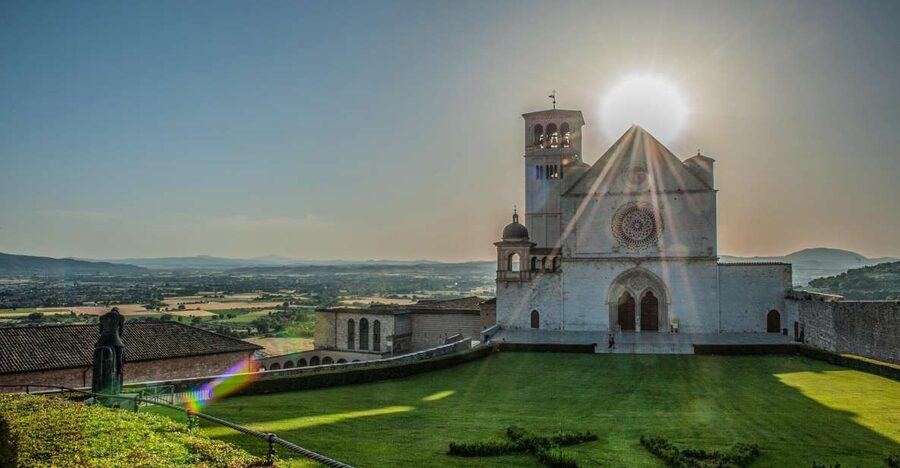
Meeting at the parking area called P. Matteotti Assisi puts you near the upper edge of town, where Assisi makes sense on foot. You’ll meet in front of the ticket office area at Matteotti, the “last parking” up in the city. One wrinkle: Matteotti parking lot is closed for renovation, and you’re told there’s no parking there—but the meeting point stays the same.
That matters because Assisi’s streets are steep and tight. You don’t want to spend your tour time hunting a spot or backtracking. Go in ready to walk right away, and you’ll get a lot more out of the 2.5 hours.
Roman Amphitheater to Medieval Streets: The City’s Hidden Time Jump
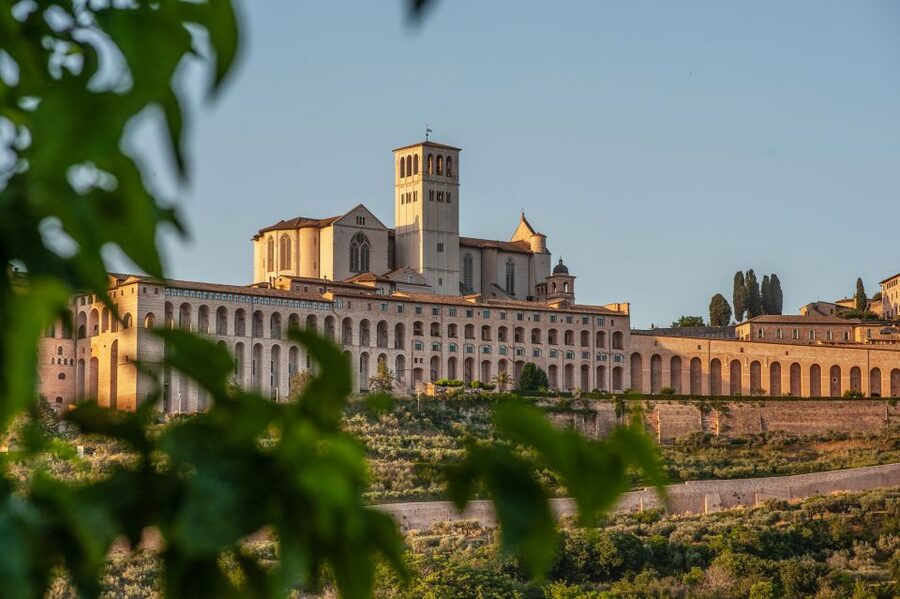
The tour begins with a walk past the ruins of an ancient Roman amphitheater. Then comes the clever part: later, that same structure got reused as a quarry for stone, helping build local houses. You also get the idea of how the space shifted again into something more private as the Middle Ages unfolded.
Why I like this stop: it trains your eyes for Assisi. You start noticing how buildings and layouts reuse what came before. And once you’re told what you’re looking at, the city’s shape stops feeling random.
From that vantage point, the view toward Rocca Maggiore is one of the best in the city. It’s a quick payoff, and it helps you orient for everything that comes next.
San Rufino Cathedral and Piazza del Comune: Where Assisi Shows Its Civic Side
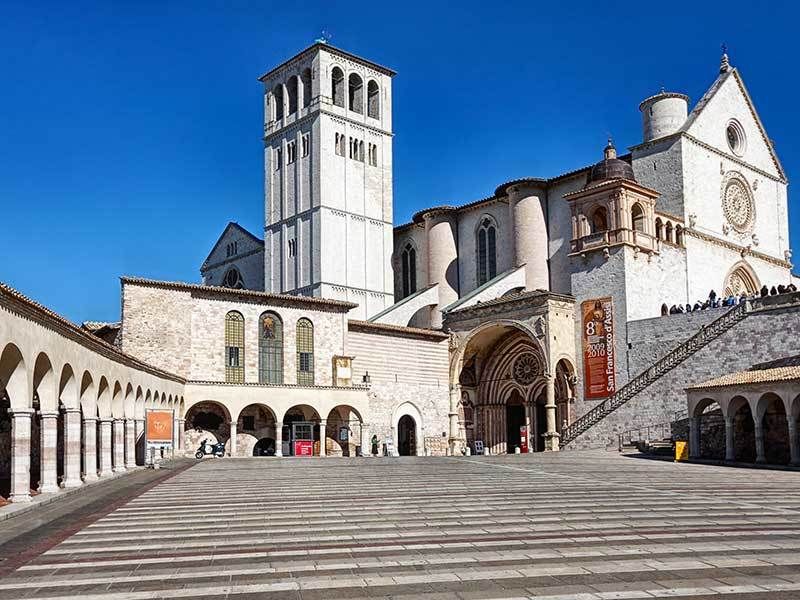
After the amphitheater area, you’ll pass San Rufino Cathedral—brief, but useful if you’re trying to understand Assisi’s “why” beyond the Franciscan spotlight. Then you move toward Piazza del Comune, the main city square.
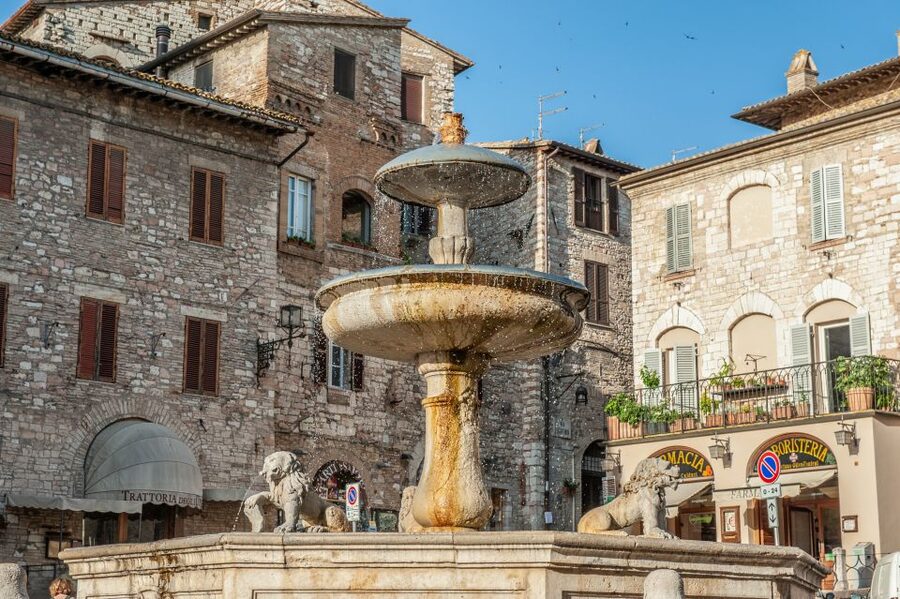
This is where the town turns from religious landmarks to civic power. At the square, you’ll see the Temple of Minerva, often described as one of the best-preserved Roman temples in Italy. It’s a striking contrast: a Roman temple sitting near heavy medieval government buildings. In practical terms, it gives you a visual timeline—visible proof that Assisi kept rebuilding, rebranding, and reusing.
If you care about how power and belief lived side by side, this section does the job quickly.
Basilica of Saint Clare (Santa Chiara) + San Francesco Piccolino: Two Faith Stories in One Route
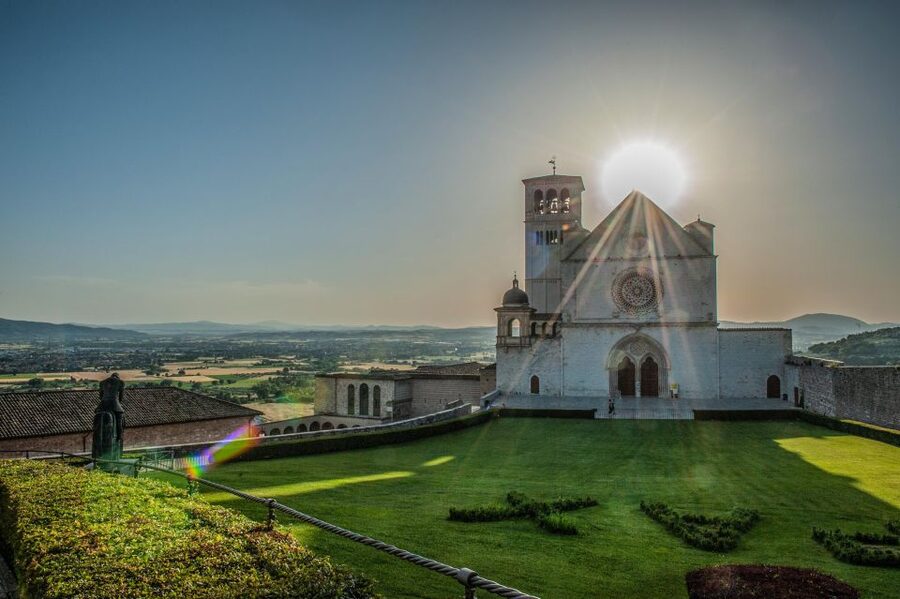
The tour then focuses on church stops that help you understand why Assisi became a magnet for devotion.
You’ll spend guided time at the Basilica of Saint Clare (Santa Chiara) for about 20 minutes. This is one of those churches where the art and the setting matter, but the bigger value is the way a guide ties it back to the people and ideas that shaped it.
Next comes Santuario di San Francesco Piccolino, where you get around 10 minutes of guided viewing. You may not expect a smaller sanctuary to matter, but that’s often the point. It gives you a fuller picture of Franciscan presence across Assisi, not just the headline basilica.
In multiple guide reports, the strong theme is context—how the guide explains what you’re seeing and why it was chosen, rather than just naming it. That’s also why the tour often earns praise for making questions feel welcome and keeping the pace comfortable even when the streets get crowded.
Temple of Minerva: Roman Architecture With a Medieval Surrounding Cast
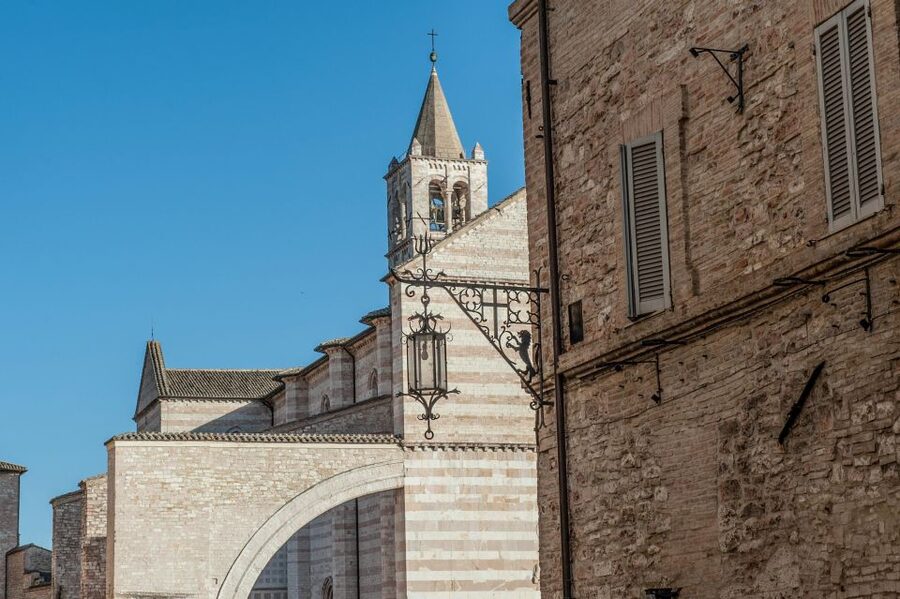
The Temple of Minerva gets its own guided stop (about 10 minutes). This is the kind of place you can walk by without knowing what you’re looking at—unless someone explains why the preservation matters and what makes it stand out among Roman ruins.
For you, this is a practical breather too. You get a clear, readable object in a city that can otherwise feel like you’re only moving between churches. With Minerva in the mix, your brain has a different “type” of history to process: stone, proportion, and design that survived.
It also gives you a nice contrast before the tour’s centerpiece.
Basilica of St. Francis: Frescoes, Giotto-Era Mentions, and the Moment of Silence
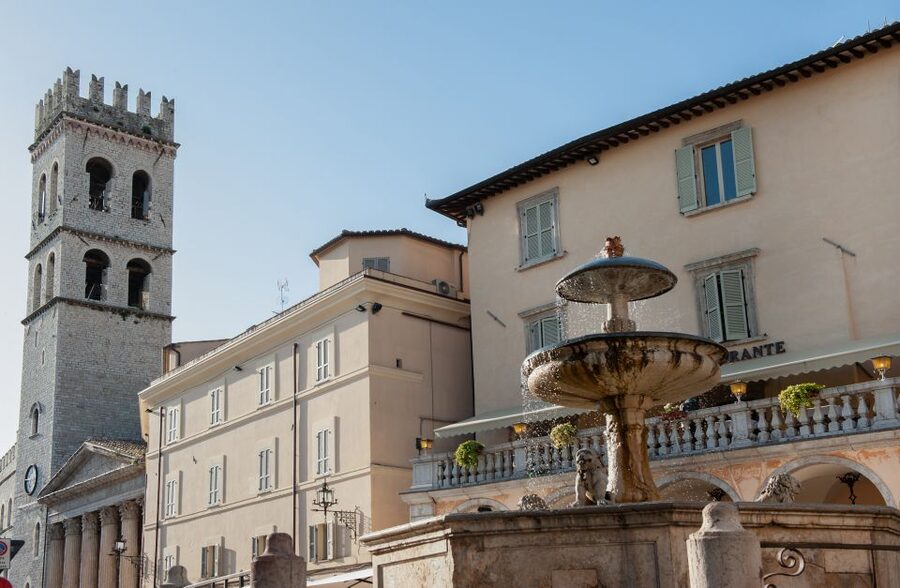
Now we get to the big one: the Basilica of Saint Francis. You’ll have about 45 minutes with a guide. This is where the tour’s promise pays off: UNESCO-listed frescoes from the 13th and 14th centuries, with Italian masters mentioned—including Giotto.
Even if you’ve seen photos, the real value comes from the guide’s framing. Fresco cycles can feel like decoration unless you’re told what scenes, makers, and messages are doing in the larger story of Francis and the town. When the guide answers questions with patience, you feel like you’re learning something you can carry forward, not just consuming a checklist.
The day-to-day rules that can change your entry
Be aware: access and how the tour works inside the basilica isn’t always the same.
- On Sundays, major Catholic holidays, and national holidays, guided tours inside the Basilica of St. Francis are forbidden. In that case, the guide will show you from the outside, and you enter alone in silence.
- On October 4th, the Basilica of St. Francis is closed.
- From February 15 to April 6, 2026, access to the basilica will be suspended because of the public display of relics of St. Francis. During this time, you’ll get explanations from outside instead.
If you’re planning around one of those dates, don’t assume the experience will match every other day. The tour still delivers, but your “inside time” may be different.
One small extra cost to know about
A review notes that you may be asked to pay about €2 per person for a radio rental at the basilica. It’s not part of the core ticket bundle listed for the tour, so it’s smart to keep a little cash on hand just in case.
Price and Value: Is $71 Worth 2.5 Hours in Assisi?
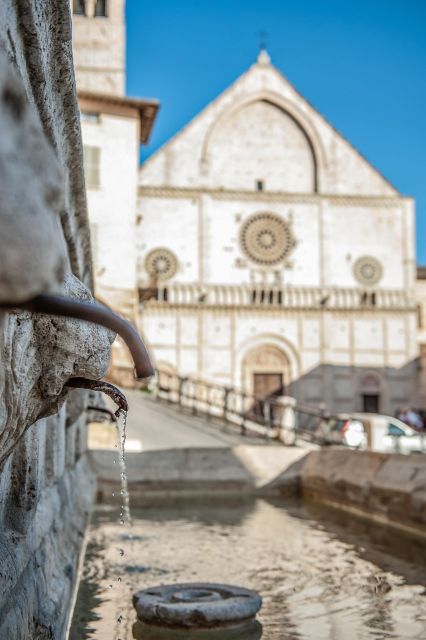
At $71 per person for 2.5 hours, the math is mostly about what’s included and how much time a good guide saves you.
This tour includes:
- an official English-speaking guide
- an entrance ticket to the Basilica of St. Francis
So you’re paying for guided navigation through a steep, tight historic center plus structured time at multiple key sites—not just one church stop. Many reviews also praise the pace and how the guide handles questions, which is where your money turns into real understanding fast.
Is it a bargain for every type of traveler? Not exactly. If you already know Assisi in depth and you’re happy wandering alone for longer, you might feel “time-boxed.” But if you have limited time and you want a coherent story from Roman ruins to Franciscan art, the price feels fair.
What the Best Guides Do (And Why Your Experience May Feel Personal)
One reason this tour scores so high is consistency in guide quality. Names that come up again and again in feedback include Alessandra, Werner, Michele, Francesca, Antonella, Andrea, and Barbara. The common praise isn’t only for facts—it’s for communication. People mention context that makes the churches feel connected, plus patience when groups get lots of questions.
Another pattern: smaller group size in many reports. That matters in Assisi. You can hear the guide, you don’t get swallowed by a crowd, and it’s easier to keep moving at a human pace. One report also describes a guide taking backroads to reach the Basilica of St. Francis instead of funneling through the busiest street—less friction, fewer stress moments.
Think of the tour as a guided “best route” through the most meaningful spots, with the guide acting like your translator for art, symbols, and local tradition.
Dress Code and Practical Tips That Make This Tour Easier
The dress code is not optional. To enter places of worship and selected museums, no shorts or sleeveless tops. You should cover your knees and shoulders. If you show up under-dressed, entry can be refused, and that’s the worst possible moment to discover it.
Also, wear walking shoes you trust. Assisi is built on slopes and shortcuts. A 2.5-hour walk can still feel like a full workout if you’re in soft sandals.
Finally, plan your day so you’re not rushing immediately after the tour ends at Piazza Inferiore di S. Francesco. That finish spot is convenient for continuing on foot, grabbing a snack, or heading to the next Franciscan site.
Should You Book? My Take
Book this tour if you want:
- a well-paced walk that covers Assisi’s core landmarks
- guided explanations that connect the art in the basilica to the people behind it
- a structured route that’s easier than figuring everything out alone, especially if you only have a limited window in town
Skip it if you’re the type who prefers long, unstructured wandering with no plan, or if your priority is spending extra time in one site rather than covering several in one go.
If your dates line up with the basilica entry restrictions (Sundays, Oct 4, or Feb 15–Apr 6, 2026), don’t assume you’ll get the exact same inside experience. But the tour still gives you a smart, story-driven path through Assisi’s most important sights—and with guides like Alessandra, Werner, and Michele showing up in the feedback, you’re very likely to get that “I get it now” feeling fast.
FAQ
How long is the Assisi walking tour with St. Francis Basilica?
It lasts about 2.5 hours.
What is the price per person?
The price is $71 per person.
Where do I meet the guide?
Meet at P. Matteotti Assisi, in front of the ticket office area at the Matteotti parking lot.
Is the Basilica of St. Francis entry always included?
The tour includes an entrance ticket to the Basilica of St. Francis, but access rules can change on Sundays/major holidays and during the February 15 to April 6, 2026 period when access may be suspended.
What should I wear for churches and museums?
You must follow the dress code: no shorts or sleeveless tops. Cover your knees and shoulders.
What happens on Sundays and major Catholic holidays?
Guided tours inside the Basilica of St. Francis are forbidden on those days. The guide shows you from the outside, and you enter alone in silence.
Are there any known dates when the Basilica is closed?
Yes. The Basilica of St. Francis is closed on October 4th.