REVIEW · HIROSHIMA
Hiroshima: History of Hiroshima Group Walking Tour
Book on GetYourGuide →Operated by M2N Tours · Bookable on GetYourGuide
Hiroshima’s memorial path feels personal. This Hiroshima Peace Memorial Park walking tour turns a pile of monuments into a clear story of what Hiroshima was like before, during, and after August 6, 1945. I like the way the guide connects landmark symbolism to survivor testimony, and I like that the tour is led by local, academically trained people—some with Masters and PhD-level backgrounds in fields like history, peace studies, and anthropology. One drawback to plan for: the subject matter is very emotional, so it helps to expect quiet moments, not a cheerful stroll.
At $35 for about two hours, it’s good value because you’re paying for interpretation (not just sightseeing) and you get admission to the Hiroshima National Peace Memorial Hall for Atomic Bomb Victims. The walk is wheelchair accessible, but you’ll still want comfortable shoes and weather-appropriate clothing since you’re outdoors between stops. You’ll meet at the Gates of Peace, by the Italian restaurant Mario, and the tour finishes at the Hiroshima Atomic Bomb Hypocenter Monument.
In This Review
- Key things to know before you go
- Meeting at the Gates of Peace, then walking with purpose
- Mother and Baby in the Storm and the Prayer Fountain: learning to read the park
- Cenotaphs and the Flame of Peace: honoring victims, piece by piece
- Inside Hiroshima National Peace Memorial Hall: why context matters
- Children’s Peace Monument and the Atomic Bomb burial mound: the future in the frame
- Korean Atomic Bomb Victims Cenotaph and the Bell of Peace: widening the story
- Atomic Bomb Dome and Hypocenter: the ruin, then the point
- Why these guides change the experience more than you expect
- Pace, timing, and how to make the walk feel manageable
- Price and value: is $35 worth it?
- Who should book this Hiroshima Peace Park tour
- Should you book Hiroshima: History of Hiroshima Group Walking Tour?
- FAQ
- Where is the meeting point?
- How long is the tour?
- What language is the tour guide?
- What is included in the price?
- Where does the tour end?
- Is the tour wheelchair accessible?
- What should I bring?
- Is there free time during the tour?
- What are the cancellation terms?
- Can I reserve now and pay later?
Key things to know before you go
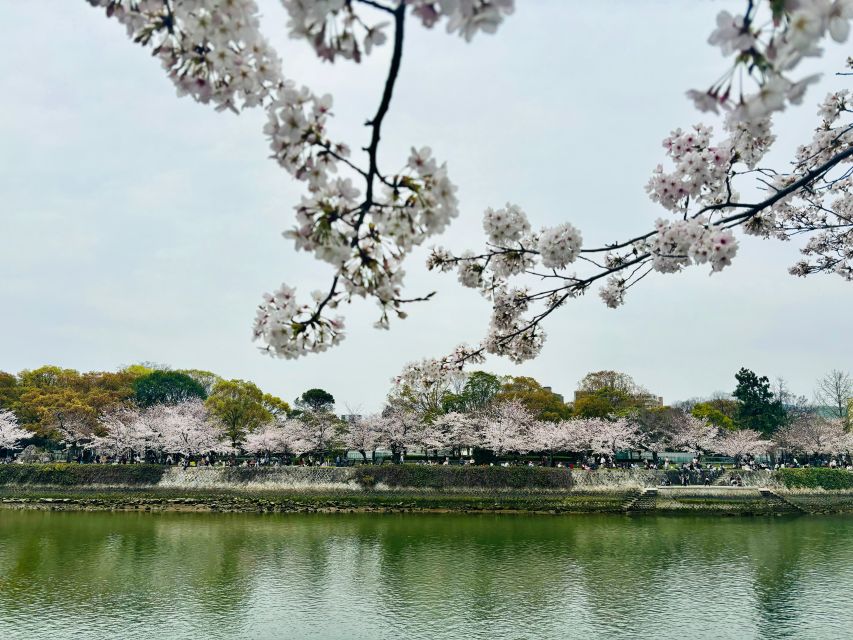
- Gates of Peace start point: you’re not guessing where to begin—you start at the Peace Gates near Mario.
- A guided monument-by-monument story: each stop is tied back to the day of the bombing and its long aftermath.
- A look beyond the famous icons: you’ll see well-known highlights plus smaller memorials that many people miss.
- The Hypocenter and Atomic Bomb Dome connection: the route helps you understand what you’re looking at, not just photograph it.
- Guides with deep local and academic grounding: you may hear perspectives shaped by Masters/PhD studies and years living in Hiroshima.
Meeting at the Gates of Peace, then walking with purpose
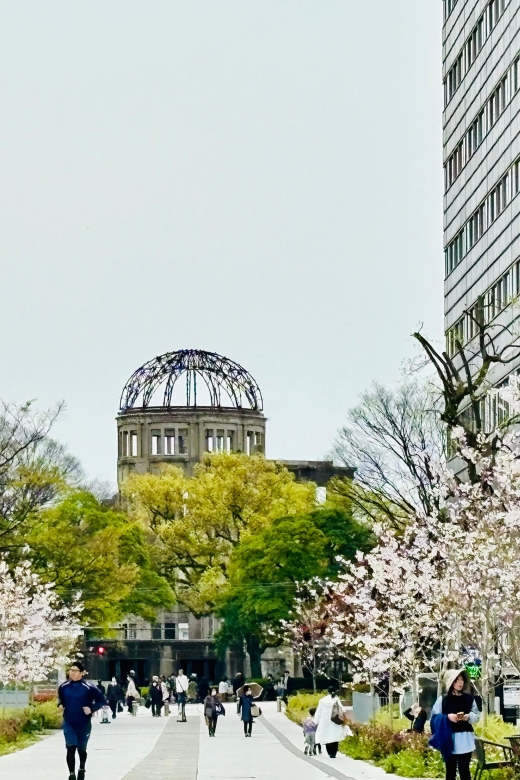
I like that the tour starts in a place that sets the tone right away: the Gates of Peace, next to the Italian restaurant Mario. From the first minutes, you get oriented to what you’re about to see and why these spaces matter, so the rest of the walk doesn’t feel like random monument hopping.
This is also where the guide’s approach matters. In the best moments, the guide is part teacher and part careful storyteller—asking questions when you have them, then keeping the pace steady so everyone can follow along. Because it’s a two-hour walk, you’ll move through a lot of ground, but the stops are timed for viewing and listening, not just standing around.
You can also read our reviews of more walking tours in Hiroshima
Mother and Baby in the Storm and the Prayer Fountain: learning to read the park
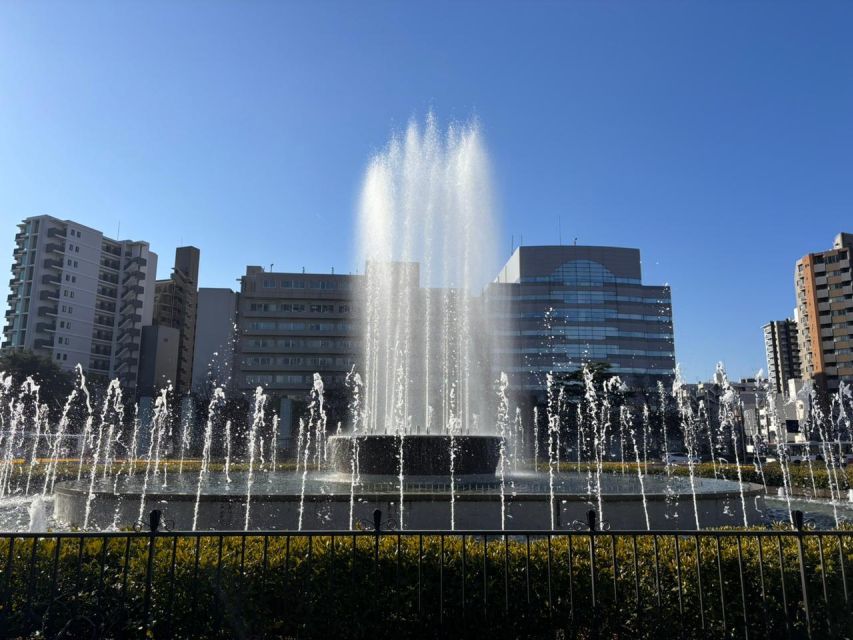
Early on, you’ll come to Mother and Baby in the Storm, a short stop that works like a thesis statement. Even without over-explaining, it gives you the emotional and human frame for the rest of the memorial grounds.
Then you’ll shift to the Prayer Fountain, where the guide’s job becomes crystal clear: turning objects you could ignore into symbols you understand. The tour is set up so you don’t just look at pretty stones and plaques—you listen for what each place is trying to say, and how it connects to victims, both direct and indirect.
Practical tip: take a few slow breaths here. The park can move fast in your mind once you start hearing dates and descriptions. If you keep your footing steady and your attention present, you’ll get more meaning out of the stops.
Cenotaphs and the Flame of Peace: honoring victims, piece by piece
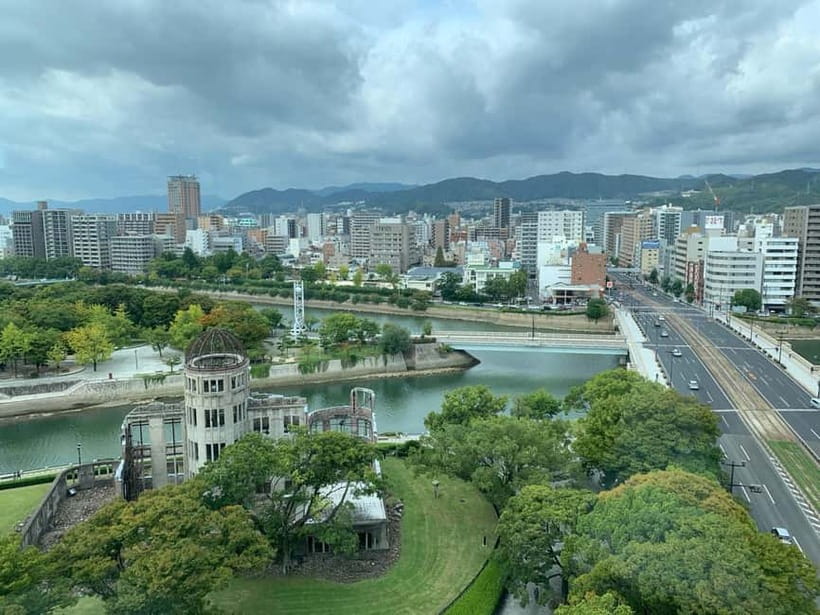
As the walk continues, you’ll visit the Hiroshima Victims Memorial Cenotaph and then the Flame of Peace. These are the kinds of sites that can feel simple at first glance, but a good guide changes what you notice—details that might be easy to overlook on your own suddenly click into place.
What I appreciate about this part of the tour is the structure. The guide connects landmark history to testimonies and the reality of August 6, 1945, including what happened to survivors and what the attack meant after the fact. It’s not just facts about the bombing; it’s the way people built remembrance into everyday space.
Also, the pacing helps. You’re not stuck in a long lecture. You’re walking, stopping, listening, and then moving on with a clearer mental map.
Inside Hiroshima National Peace Memorial Hall: why context matters
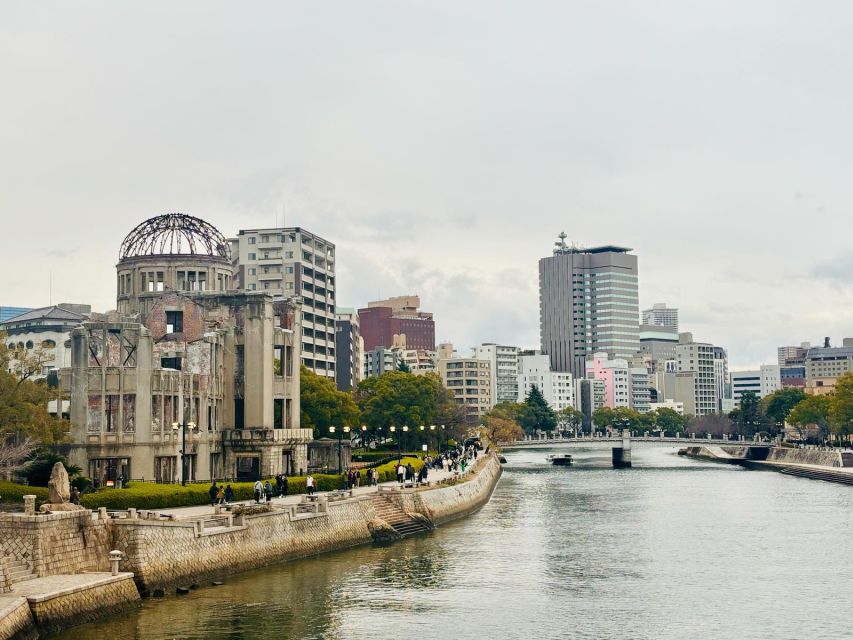
Midway through, you’ll enter Hiroshima National Peace Memorial Hall for Atomic Bomb Victims, which is included in the tour price. Even if you’ve read about Hiroshima before, this stop is where the story gains weight—because you’re seeing the memorial approach through guided interpretation rather than trying to connect everything by yourself.
A key value here is timing: right after the outdoor memorial sequence, the hall gives you a chance to absorb the broader picture before you continue walking. You’ll spend about 15 minutes inside with the guide, which is long enough to orient yourself, but short enough to keep the tour moving without losing attention.
If you’re the kind of person who likes to understand the why behind the what, this is a strong moment in the route. The guide ties the spaces you saw outside to what they represent about the bombing and its aftermath.
Children’s Peace Monument and the Atomic Bomb burial mound: the future in the frame
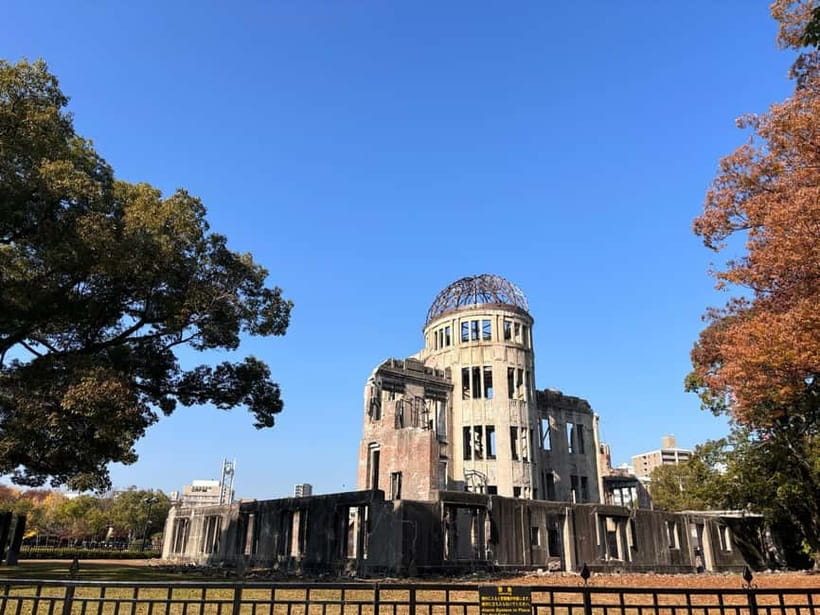
Next comes the Children’s Peace Monument, plus time for photos and guided explanation. I like this stop because it shifts the focus from the immediate tragedy to what the memorial landscape wants to protect going forward. It’s not just about remembering the past; it’s about warning the future.
Then you’ll visit the Atomic Bomb Memorial Burial Mound. This stop can hit harder than the famous photo spots, because burial and remembrance are about people, not abstractions. The guide’s job is to keep the tone respectful and the information clear, so you don’t feel like you’re being rushed through something sacred.
In a tour like this, I find it helps to resist the urge to scan for the next landmark. Let your attention linger on the meaning of what’s in front of you. That’s when the park stops being a checklist.
You can also read our reviews of more historical tours in Hiroshima
Korean Atomic Bomb Victims Cenotaph and the Bell of Peace: widening the story
One of the best parts of this walk is that it doesn’t stop at the most widely recognized references. You’ll also visit the Korean Atomic Bomb Victims Cenotaph, a short walk that adds an important layer to the overall narrative. Then you’ll reach the Bell of Peace, with time to pause, take a photo, and listen to what the symbolism is meant to carry.
This is the value of a guided route: it helps you notice the parts of Hiroshima’s remembrance that might not be obvious if you only stick to the biggest attractions. The tour’s structure keeps bringing the story back to human impact—direct victims, indirect victims, and how many different lives were touched.
If you tend to ask questions, this is a good time for it. The guide generally keeps the experience conversational, so you can seek clarity rather than just nod and move on.
Atomic Bomb Dome and Hypocenter: the ruin, then the point
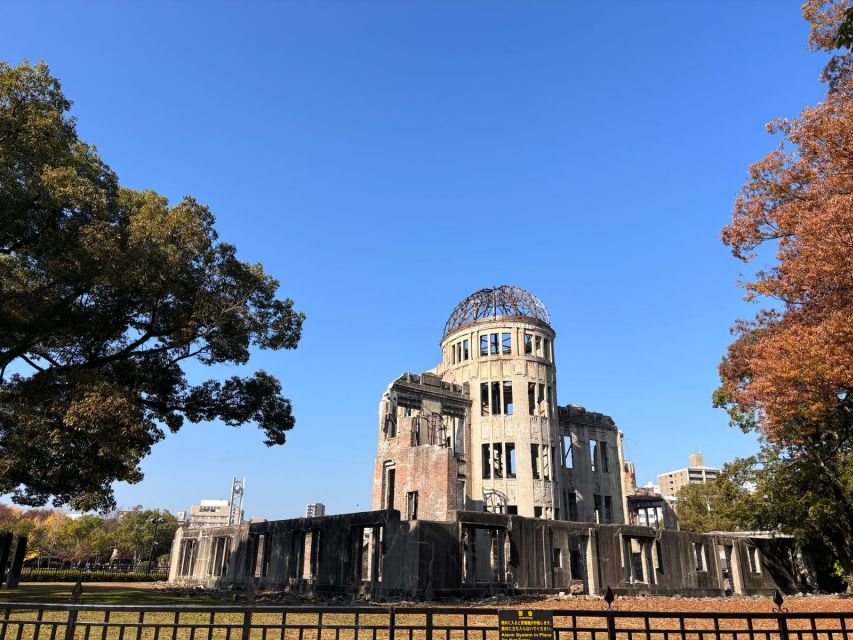
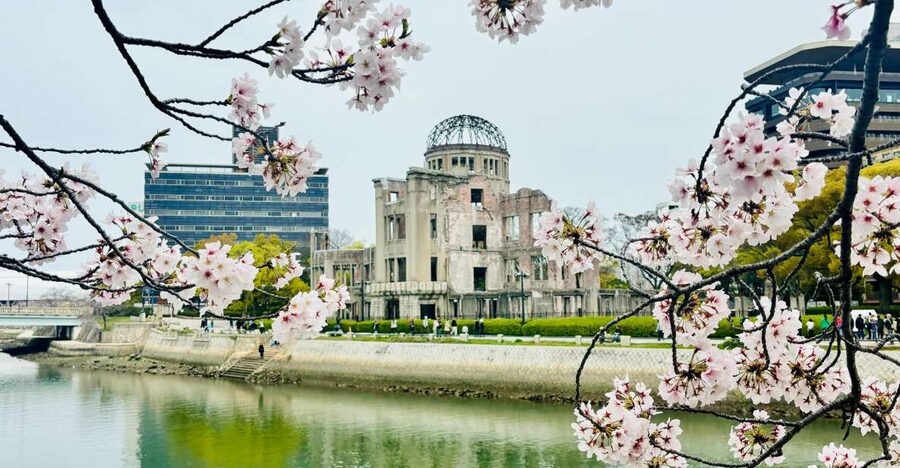
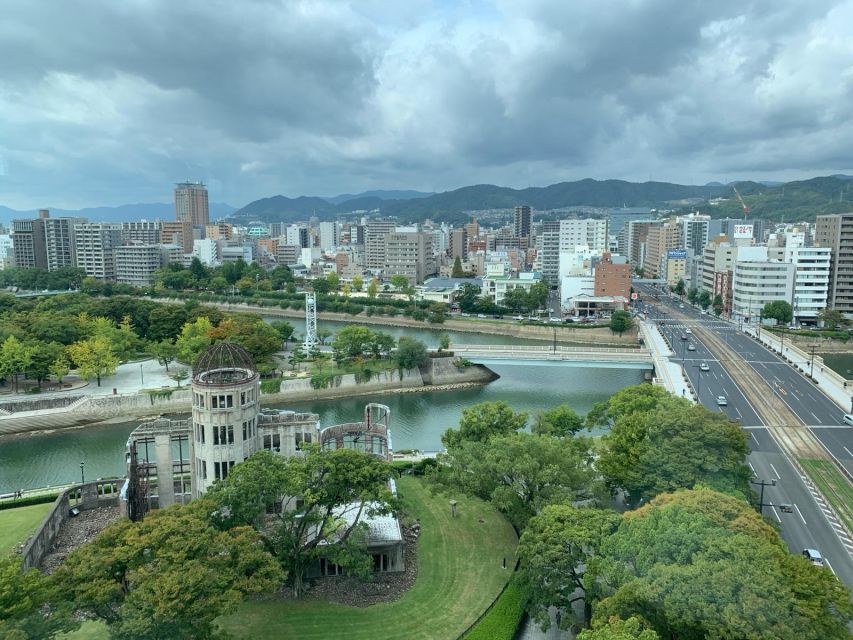
The tour’s climax is the Atomic Bomb Dome, followed by the Hypocenter. The guide frames why the Dome matters: it’s described as the only structure that survived the blast, and today it’s used as a living memorial for those killed by the bombing.
When you reach the Dome, take a second before looking for your shot. The photo spot is obvious, but the meaning isn’t automatic. With the guide’s explanations fresh in your mind, you’ll see the structure less as a sightseeing icon and more as a coordinate in history.
After that, you’ll move to the Hypocenter for guided viewing and photo time. This stop turns the earlier storytelling into spatial reality. Instead of only thinking about the bombing in words, you can connect the memorial layout to the event’s location in a way that feels concrete.
Why these guides change the experience more than you expect
This tour is powered by its guides. The company notes that guides hold Masters and PhD degrees in fields such as tourism, anthropology, history, peace studies, and more—and the reviews strongly reinforce what that means in practice: careful pacing, respectful tone, and answers that don’t dodge hard questions.
You may hear different styles depending on your guide. For example, I’ve seen mentions of Tomas for passionate storytelling, Camille for friendly clarity, and Cva for a mix of deep knowledge and approachable respect. There are also reviews highlighting guides like Moe and Ali with personal family connections, as well as guides such as Aya, Nisa, Shiva, and Sada bringing a local Hiroshima perspective.
Two big takeaways for you:
- You’ll get room to ask questions. The best tours don’t treat curiosity like a disruption.
- You’ll hear how remembrance is lived locally. The guides’ years in Hiroshima (and sometimes family ties to survivors) help the park feel like a community effort, not a museum exhibit.
One more thing: the guide’s balance matters. Several reviews mention that the tone can be emotional, but still handled with care and, in some cases, a small amount of humor to keep you human. That balance helps you stay present instead of getting mentally overwhelmed.
Pace, timing, and how to make the walk feel manageable
This is a 2-hour walk with a clear sequence of stops, including brief viewing times and a couple of longer breaks for photos and reflection. In practice, it can feel fast if your attention span is used to casual sightseeing, but the timing is built around getting you to understand each landmark rather than rushing past them.
To make it easier:
- Wear comfortable shoes and plan for walking on park paths.
- Dress for weather because you’re outdoors between many points.
- Give yourself a few seconds at each stop before you listen, so your body isn’t trying to keep up with your mind.
Also, if you’re sensitive to heavy topics, you’ll be glad there’s a bit of breathing room in the middle of the route and an open slot for free time. That helps you collect yourself and return to the story without feeling like you’re being pushed through emotion.
Price and value: is $35 worth it?
For $35, you’re paying for a guided experience that covers a concentrated stretch of major memorial landmarks plus interpretation that you’re unlikely to recreate alone. The tour isn’t just paying for a person to lead you from point A to point B; it includes explanation and context, and it includes the entrance to the Hiroshima National Peace Memorial Hall for Atomic Bomb Victims.
If you were to do this on your own, you’d likely spend time figuring out what each site means and why it was placed there. Here, you get that meaning handed to you in a structured way, while also learning things the guide says you won’t find easily in history books—especially about the event’s human impact and how Hiroshima changed before, during, and after the bombing.
So the value equation is simple: if you care about understanding what you’re seeing, a guided walking tour at this price tends to beat self-guided wandering.
Who should book this Hiroshima Peace Park tour
I’d point you to this tour if:
- it’s your first time in Hiroshima and you want a grounded introduction to August 6, 1945 in a way that feels organized
- you care about how symbolism, monuments, and memorial spaces work together
- you like asking questions and getting clear answers in English
- you want to visit the big highlights like the Atomic Bomb Dome without missing the less-obvious memorials
It may be less ideal if you’re looking for a casual, light itinerary. This is a place of remembrance, and the guide’s approach reflects that.
Should you book Hiroshima: History of Hiroshima Group Walking Tour?
If you’re coming to Hiroshima to understand what happened and why it still shapes daily life, I think you should book it. The route covers the most important sites with a pace that lets you absorb meaning, and the included hall visit is a smart add-on.
Just go in with the right expectations: expect serious emotion, plan your outfit and footwear for walking, and allow time afterward to decompress. If you do that, this tour can be the part of your trip that stays with you longer than the photos.
FAQ
Where is the meeting point?
Please meet your guide in front of the Gates of Peace, located next to the Italian restaurant Mario.
How long is the tour?
The tour lasts about 2 hours.
What language is the tour guide?
The tour is conducted in English with a live guide.
What is included in the price?
The tour includes a guided tour plus entrance to the Hiroshima National Peace Memorial Hall for Atomic Bomb Victims.
Where does the tour end?
The tour ends at the Hiroshima Atomic Bomb Hypocenter Monument.
Is the tour wheelchair accessible?
Yes, the tour is wheelchair accessible.
What should I bring?
Bring comfortable shoes and weather-appropriate clothing.
Is there free time during the tour?
Yes. There is a free time segment during the walk (about 20 minutes).
What are the cancellation terms?
Free cancellation is available up to 24 hours in advance for a full refund.
Can I reserve now and pay later?
Yes. You can reserve your spot and pay later to keep your travel plans flexible.